Categories
Health & Wellness Hearing Technology

Self-Fitting Hearing Aids: Innovative Empowerment for Users

Last Updated on 17/01/2026 by Admin

In-Depth Exploration of Self-Fitting Hearing Aids: Your Ultimate Guide

What Cutting-Edge Technologies Drive Self-Fitting Hearing Aids?

Self-fitting hearing aids utilise revolutionary digital signal processing technologies that empower users to independently adjust their auditory settings according to their specific needs. This innovative technology significantly enhances accessibility, allowing individuals to tailor their hearing experience based on personal preferences and the diverse environments they encounter. By facilitating such personalised adjustments, these devices not only improve sound quality but also encourage more effective interactions in daily life. This leads to a more seamless and enjoyable communication experience, enabling users to engage fully with their surroundings and the people within them.

Key Features You Should Look for in Self-Fitting Hearing Aid Systems

The core components of self-fitting hearing aids include adaptive sound processing, automatic feedback cancellation, and user-friendly interfaces. These advanced features work together to ensure that users can easily and effectively fine-tune their devices to accommodate a wide range of situations, from bustling restaurants to serene libraries. This flexibility empowers users to effortlessly navigate various auditory environments, ensuring they receive an optimal hearing experience tailored specifically to their unique requirements and lifestyle needs.

The Evolution of Hearing Aid Designs: A Journey Through Time

The transition from traditional hearing aids to modern self-fitting models highlights remarkable advancements like miniaturization and enhanced connectivity. Contemporary designs prioritise user-friendliness across varying environments, catering to a broad audience with diverse hearing needs. This commitment to accessibility ensures that individuals, regardless of their geographical location, can take advantage of the latest innovations in hearing aid technology, ultimately improving their quality of life.

Uncover the Extensive Benefits of Self-Fitting Hearing Aids

Self-fitting hearing aids offer numerous advantages, including increased user autonomy, the ability to customise sound adjustments, and enhanced comfort during social interactions. These benefits significantly elevate the quality of life for individuals experiencing hearing impairments, encouraging greater participation and engagement within their communities. By promoting independence and enabling personalised auditory experiences, self-fitting hearing aids play a vital role in empowering users to forge deeper connections with others, fostering a sense of belonging and community inclusion.

How Do Self-Fitting Hearing Aids Operate Effectively?

What Are the Essential Steps in the Self-Fitting Process?

The self-fitting process typically involves a series of straightforward steps. Initially, users conduct a comprehensive hearing assessment using integrated tools designed for this purpose. After this assessment, they adjust settings based on their individual hearing preferences and requirements. Finally, users test the device in real-world environments to confirm optimal performance, ensuring they achieve the best possible hearing outcomes tailored to their unique situations. This systematic approach not only promotes an enhanced auditory experience but also helps users navigate their surroundings more effectively and confidently.

What Common Features Boost the Functionality of These Hearing Devices?

Self-fitting hearing aids feature several common elements designed to optimise user experience, including automatic volume adjustment, noise reduction capabilities, and user-friendly interfaces. These features ensure that devices operate efficiently while catering to a wide range of users. By enhancing overall usability, these elements contribute to a more enjoyable auditory experience, making self-fitting hearing aids a practical and appealing choice for diverse lifestyles and individual preferences.

Integrating Self-Fitting Hearing Aids into Everyday Life Seamlessly

  • Enhances communication in both personal and professional settings, facilitating smoother interactions.
  • Promotes comfort and reduces auditory fatigue during extended use, ensuring users remain engaged.
  • Strengthens social connections, fostering deeper relationships and community involvement.
  • Encourages independence through customizable settings, allowing users to adapt devices to their preferences.

Expert Insights on the Significance of Self-Fitting Hearing Aids

Why Are Self-Fitting Hearing Aids Viewed as a Groundbreaking Development?

Self-fitting hearing aids are recognised as a groundbreaking advancement because they empower users to take control of their hearing needs. This innovative approach fundamentally transforms traditional hearing care by prioritising user independence and enabling personalised adjustments. As a result, this shift broadens access to effective hearing solutions on a global scale, making it easier for individuals to manage their auditory challenges and improve their overall quality of life.

What Advanced Adjustments Can Users Implement for Optimised Performance?

To ensure optimal performance, users can follow expert recommendations, such as regularly calibrating their devices to respond to changes in their environment, experimenting with different sound profiles, and taking advantage of feedback mechanisms. This proactive approach enables users to refine their auditory experience effectively, ensuring that their hearing aids continually meet their evolving needs across various settings and situations.

What Are the Long-Term Benefits of Embracing Self-Fitting Hearing Aids?

Long-term adoption of self-fitting hearing aids can lead to significant improvements in user satisfaction and auditory clarity. Many users report a notable enhancement in their quality of life, increased social engagement, and overall better mental health. Consequently, these devices become an essential aspect of contemporary hearing care, contributing positively to users’ well-being and facilitating improved interactions with their environment and community.

What Unique Advantages Do Self-Fitting Hearing Aids Provide?

How Do Self-Fitting Hearing Aids Foster User Independence?

Self-fitting hearing aids significantly enhance user independence by enabling individuals to customise their hearing experiences without the need for professional assistance. This flexibility ensures that devices remain effective across a variety of situations, allowing users to navigate their auditory environments with confidence. By facilitating self-management, these hearing aids empower users to take charge of their hearing health and adapt their devices to their own unique needs and preferences.

What Health Benefits Are Linked with Self-Fitting Hearing Aids?

Health benefits associated with self-fitting hearing aids include reduced auditory strain, improved mental well-being, and enhanced social engagement. These positive effects contribute to a holistic approach to wellness, underscoring the vital role of accessible hearing solutions in global health discussions. By addressing both auditory and psychological aspects of hearing loss, these devices support overall health and significantly enhance quality of life.

What Financial Advantages Do Self-Fitting Hearing Solutions Offer?

  • Lower initial investment compared to traditional hearing aids, making them more accessible to a broader audience.
  • Reduced ongoing costs associated with professional fittings and adjustments, leading to long-term savings for users.
  • Minimal maintenance expenses due to user capabilities, ensuring affordability and ease of use.
  • Increased accessibility leads to a wider adoption of these devices and enhanced competition in the market, ultimately benefiting consumers.

Research-Driven Insights into the Effectiveness of Self-Fitting Hearing Aids

What Evidence Validates the Effectiveness of Self-Fitting Hearing Aids?

Research consistently demonstrates improved user satisfaction and enhanced auditory clarity with self-fitting hearing aids. Various studies reveal that users experience greater autonomy and significantly better auditory outcomes, reinforcing the integral role of these devices in the hearing care landscape. Such findings emphasise the importance of self-fitting technologies in addressing diverse hearing needs, ultimately contributing to a more inclusive and effective hearing healthcare system.

What Safety Features Are Incorporated into Self-Fitting Designs?

Self-fitting hearing aids come equipped with essential safety features, such as automatic volume limiting and feedback suppression. These protective measures ensure reliable usage while minimising risks associated with excessive sound exposure. By prioritising user safety and device reliability, manufacturers enhance the overall value and utility of these hearing aids, ensuring users can trust their devices in various situations.

How Is Success Evaluated Through User Feedback?

Success in the realm of self-fitting hearing aids is assessed through a variety of metrics, including user feedback regarding overall satisfaction, quality of life improvements, and enhanced auditory experiences in daily settings. This comprehensive approach highlights the verified advantages that these devices offer to users across the globe, underscoring their positive impact on hearing health and user experiences.

What Challenges Do Users Encounter When Using Self-Fitting Hearing Aids?

What Common Difficulties Do Users Face with Self-Fitting Hearing Aids?

Users of self-fitting hearing aids frequently encounter common challenges, such as initial learning curves related to technology use and potential compatibility issues with other devices. To overcome these obstacles, users can explore online resources, participate in user forums, and engage with peer support systems, facilitating smoother transitions and enhancing their overall experience with the devices.

What Maintenance Practices Are Essential for Longevity?

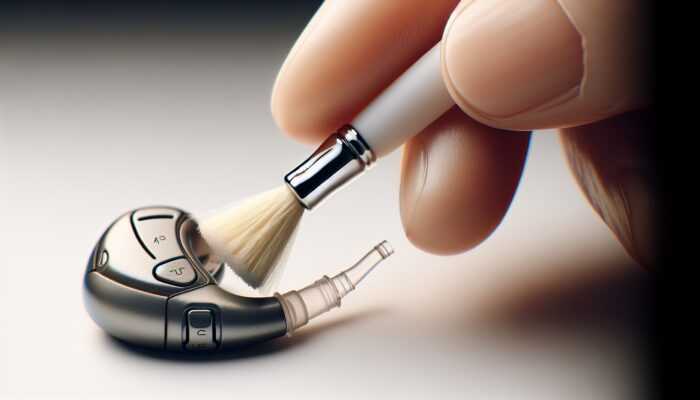
Routine maintenance is vital for sustaining the performance and longevity of self-fitting hearing aids. Users should regularly clean their devices, replace batteries as needed, and securely store them in protective cases when not in use. By implementing these universal practices, users can not only extend the life of their hearing aids but also ensure they function optimally over time, providing reliable auditory support.

What Potential Limitations Are Associated with Self-Fitting Technology?

  • Initial software glitches that may hinder device performance and user experience.
  • Challenges in navigating the user interface for some individuals, which may affect usability.
  • Shorter battery life in certain models compared to traditional hearing aids, potentially impacting convenience.
  • Connectivity issues with smartphones or other devices in various environments, leading to user frustration.

How Can Users Start Their Journey with Self-Fitting Hearing Aids?

What Initial Steps Should Users Take to Begin the Process?

To embark on the self-fitting journey, users should initiate a basic setup that includes assessing their hearing abilities and familiarising themselves with the device’s features. Testing the fit and sound quality in different environments is crucial for maximising the likelihood of achieving a satisfactory auditory experience tailored to individual needs and preferences.

How Can Users Tailor Settings to Meet Their Personal Requirements?

Customising settings on self-fitting hearing aids involves adjusting volume levels, equalisation settings, and noise reduction features to align with personal preferences. This tailored approach fosters versatile use across varied environments, ensuring that each user can effectively and comfortably optimise their hearing experience to best meet their auditory needs.

What Resources Are Available for Ongoing Assistance?

Users can access a multitude of resources for ongoing support, including online tutorials, community forums, and dedicated customer service lines. These valuable tools create a supportive environment that encourages successful adaptation to self-fitting hearing aids, ultimately positioning users for long-term satisfaction and a significantly improved auditory experience.

What Does the Future Hold for Self-Fitting Hearing Aids?

What Emerging Trends Are Influencing Hearing Technology?

Emerging trends in hearing technology indicate a shift towards greater integration of smart features and connectivity options. These developments hold the promise of enhancing self-fitting capabilities, enabling users to manage their hearing aids effortlessly through smartphones and other devices. This evolution reflects the rising demand for improved user experience and technological advancements in hearing solutions, paving the way for more efficient and adaptable hearing aids.

What Potential Innovations Could We Anticipate in the Future?

Future innovations may include smarter integration with various devices, facilitating a more cohesive user experience. These advancements are poised to enhance accessibility and ease of use, profoundly impacting how individuals manage their hearing aids in daily life, ultimately leading to an improved quality of life and auditory experience.

What Sustainable Practices Will Future Designs Embrace?

Sustainable aspects of future self-fitting hearing aid designs may incorporate the use of eco-friendly materials and energy-efficient technologies. This commitment to sustainability ensures that hearing aids remain viable options for users while addressing broader environmental concerns, promoting a healthier planet alongside improved hearing health and well-being.

How Is Artificial Intelligence Enhancing Self-Fitting Features?

The role of AI in self-fitting hearing aids is rapidly evolving, with advancements enabling machine learning algorithms that facilitate real-time audio customisation. By adapting to user feedback, these systems can enhance accuracy and improve the auditory experience across diverse environments, providing tailored solutions that meet individual auditory needs.

What Challenges Must Be Overcome for Widespread Adoption?

Challenges to the widespread adoption of self-fitting hearing aids include high costs, limited accessibility in developing regions, and integration issues with other devices. Addressing these hurdles through scalable pricing models and user-friendly interfaces can foster broader usage and inclusivity in hearing health solutions, ultimately benefiting a larger population.

Frequently Asked Questions about Self-Fitting Hearing Aids

What Exactly Are Self-Fitting Hearing Aids?

Self-fitting hearing aids are innovative devices designed to empower users to independently adjust their hearing settings without professional assistance. This capability enhances user autonomy and adaptability in a variety of environments, making these devices an attractive option for many individuals.

How Do Self-Fitting Hearing Aids Improve Accessibility for Users?

By allowing users to customise their hearing experiences, self-fitting hearing aids eliminate the need for frequent visits to audiologists. This advancement makes hearing solutions more accessible for individuals, regardless of their geographical location or the availability of hearing care professionals.

Are Self-Fitting Hearing Aids Appropriate for All Types of Hearing Loss?

While self-fitting hearing aids can greatly benefit many users, they may not be suitable for individuals with severe hearing loss or complex auditory conditions. Consulting a hearing professional for tailored solutions that specifically address individual needs is always advisable.

How Often Should I Make Adjustments to My Self-Fitting Hearing Aids?

Adjustments should be made whenever necessary, particularly when users experience changes in their hearing environments or personal preferences. Regular calibration can significantly enhance the overall auditory experience and ensure the optimal performance of the hearing aids over time.

What Maintenance Is Required for Self-Fitting Hearing Aids?

Routine maintenance includes regularly cleaning the devices, checking battery levels, and properly storing them when not in use. These practices are crucial for ensuring the longevity and optimal functionality of the hearing aids throughout their lifespan.

Can I Pair Self-Fitting Hearing Aids with My Smartphone?

Many self-fitting hearing aids feature Bluetooth connectivity, allowing users to link their devices with smartphones for calls, music streaming, and app management. This functionality significantly enhances usability and convenience, making these devices more versatile for everyday use.

What Are the Financial Benefits of Self-Fitting Hearing Aids?

Self-fitting hearing aids generally have lower initial costs and reduced ongoing expenses for fittings and maintenance. This cost-effectiveness makes them an appealing option for many users seeking effective hearing solutions without incurring excessive financial burdens.

How Can I Determine If Self-Fitting Hearing Aids Are Suitable for Me?

Evaluating your level of independence in managing hearing adjustments, considering your lifestyle requirements, and reflecting on your personal preferences can help ascertain whether self-fitting hearing aids are the right choice for you.

What Support Resources Are Available for Users of Self-Fitting Hearing Aids?

Users can access numerous support resources, including online tutorials, community forums, and dedicated customer support services. These tools foster a supportive environment that encourages successful navigation of self-fitting hearing aids, ultimately enhancing user satisfaction and experience.

What Advancements Can We Expect in Self-Fitting Hearing Aids in the Future?

Future advancements may encompass smarter AI integration, the use of eco-friendly materials, and enhanced connectivity features, all aimed at improving user experience and accessibility of self-fitting hearing aids while addressing environmental concerns.

Discover our world on X today!

The post Self-Fitting Hearing Aids: Empowering Users with Innovation appeared first on The Microsuction Ear Wax Removal Network.
The post Self-Fitting Hearing Aids: Empowering Users with Innovation appeared first on Healthcare Marketing Service.

Categories
Health & Wellness Hearing Technology

Brain Implants: The Future of Hearing Aid Alternatives

Last Updated on 18/01/2026 by Admin

Explore the Essentials of Brain Implants for Restoring Hearing

What Cutting-Edge Technologies Make Brain Implants Possible?

The groundbreaking technology behind brain implants represents a pivotal leap in the domain of auditory restoration, employing advanced neural interfaces that stimulate the brain’s auditory pathways directly. Unlike traditional hearing aids, which simply amplify sound for those with hearing impairments, brain implants are engineered to bypass damaged or dysfunctional sections of the ear. This innovative method enables users to experience clearer sound perception directly at the auditory cortex. The surgical procedure involved aims for long-term integration, ensuring that the implant can interact effectively with the brain over time. Ongoing research focuses on reducing surgical risks while maximising user comfort, paving the way for a significant transformation in our auditory experiences, particularly in complex sound environments like busy streets or crowded restaurants.

The core technology comprises a sophisticated combination of electrodes and advanced software algorithms that replicate natural auditory signals. This facilitates a more authentic sound experience for users. By converting sound waves into electrical impulses, these implants deliver a level of auditory clarity that traditional devices often cannot achieve. As advancements continue, the emphasis remains on enhancing the effectiveness of these implants while prioritising patient safety and comfort, setting the stage for wider acceptance among diverse populations.

How Are Brain Implants Seamlessly Integrated with the Human Body?

Brain implants are meticulously designed to integrate seamlessly with the human body, requiring collaboration across a range of interdisciplinary fields, including neuroscience, biomedical engineering, and materials science. The primary objective is to create devices that effectively connect with the brain’s neural networks, thereby enhancing the natural hearing process. This seamless integration is achieved through the use of advanced biocompatible materials, significantly reducing the risk of rejection by the body.

During the surgical implantation procedure, the device is placed in specific brain regions responsible for auditory processing. Engineers prioritise the creation of implants that stimulate these areas effectively while adapting to each patient’s unique anatomical and physiological characteristics. This personalised approach can produce bespoke solutions that cater to the various hearing challenges faced by individuals around the world.

  • Utilisation of biocompatible materials to prevent rejection
  • Customisable designs tailored to individual needs
  • Integration with existing neural pathways
  • Advanced signal processing algorithms
  • Wireless data communication capabilities for timely updates
  • Robust safety features ensuring long-term usage

Identifying the Key Components of Brain Implant Systems

Understanding the essential components of a brain implant system is crucial for comprehending how these devices facilitate hearing restoration. The primary hardware and software elements significantly influence the overall effectiveness and adaptability of these systems. The following are the key features that define modern brain implants:

Electrodes: These vital components establish direct connections with neurons, transmitting electrical signals that stimulate auditory pathways.
Signal Processor: This software-driven element decodes sound waves and converts them into electrical impulses that the brain can understand.
Power Supply: Many implants utilise rechargeable batteries or wireless power systems, ensuring reliable operation without the hassle of frequent replacements.
Data Interface: Advanced models provide connectivity features that allow for updates and modifications to the implant based on user preferences or technological advancements.
Biocompatible Housing: The outer casing is made from non-reactive and durable materials, ensuring long-term safety and effective performance.
Feedback Mechanism: Certain systems include feedback loops, enabling the implant to automatically adjust to varying sound environments.

Each of these components plays a crucial role in the functionality of brain implants, resulting in a more effective auditory restoration experience for users.

Unpacking the Mechanics of Brain Implants in Hearing Restoration

What Role Does Neural Stimulation Play in Hearing Restoration?

Neural stimulation is at the core of how brain implants restore hearing. These devices utilise electrical signals to mimic the natural auditory responses of the ear. When sound is detected, it is processed and converted into electrical impulses, which are then delivered directly to the auditory neurons. This technique enhances sound clarity, especially in challenging auditory environments where background noise might obscure sounds for users of conventional hearing aids.

One of the most significant advantages of this approach is its ability to improve speech clarity, enabling users to distinguish sounds more effectively in noisy settings. As technology progresses, future iterations of these implants may feature the capability to adapt in real-time, automatically adjusting to diverse acoustic environments. This adaptability could provide users with a uniquely personalised auditory experience, facilitating smoother and more enjoyable communication.

The implications of enhanced neural stimulation extend beyond mere sound restoration; they have the potential to enrich the user’s ability to engage socially and form connections with others. By alleviating the cognitive burden linked to sound interpretation, these implants could lead to improved mental health and overall social well-being. The ability to restore auditory function through precise neural stimulation is ushering in a revolutionary era in hearing technology.

Are There Different Types of Implants to Cater to Various Hearing Needs?

Yes, there exists a variety of brain implant types specifically designed to address distinct causes of hearing loss. Each variant possesses unique characteristics and applications, enabling custom programming that enhances outcomes based on individual hearing profiles. This diversity ensures a personalised approach capable of addressing the varied auditory challenges encountered by users globally.

Certain implants are specifically designed for individuals with profound hearing loss, while others target those with selective frequency loss. The field is continuously evolving, unveiling new designs that incorporate advanced functionalities, such as improved connectivity and integration with smartphones or other devices. Users can choose from an array of models tailored to their specific needs, including:

Cochlear Implants: These directly stimulate auditory nerves to address inner ear damage.
Brainstem Implants: Designed for patients with non-functional auditory nerves, these implants stimulate the brainstem directly.
Direct Neural Interface Implants: These innovative devices aim to interface directly with the auditory cortex for a more natural hearing experience.
Hybrid Systems: These combine auditory aids with brain implants, providing a comprehensive solution for complex hearing issues.

This variety allows healthcare providers to offer personalised solutions that take into account each individual’s unique circumstances, ultimately leading to enhanced auditory outcomes and greater user satisfaction.

What Daily Challenges Might Users Face with Brain Implants?

While brain implants offer numerous advantages, users may encounter a range of challenges in their day-to-day lives. The adaptation process to the implant can require considerable time and effort, as the brain needs to recalibrate its sound processing capabilities. Users commonly report an initial adjustment period, during which they may experience confusion or frustration as they acclimatise to the device.

Maintenance issues may also arise, particularly if the implant requires adjustments or updates. Despite these challenges, many users find that the benefits of enhanced sound perception often outweigh the initial hurdles they encounter. To effectively manage potential difficulties, users can take actionable steps, such as:

Regular Follow-Ups: Scheduling consistent appointments with healthcare providers to evaluate the implant’s performance and implement necessary adjustments.
Practice in Varying Environments: Engaging in listening exercises across diverse settings can accelerate the user’s adaptation to the implant.
Support Groups: Joining support groups comprising individuals with similar experiences can provide encouragement and practical strategies for overcoming common challenges.
Educational Resources: Utilising instructional materials or workshops can enhance the understanding and utilisation of the implant.

With dedication and effective management strategies, users can successfully navigate the challenges associated with brain implants, ultimately leading to improved auditory experiences and an overall enhanced quality of life.

Expert Insights on the Potential of Brain Implants to Replace Hearing Aids

What Research Supports the Efficacy of Brain Implants?

A growing body of research substantiates the effectiveness of brain implants, particularly in contrast to traditional hearing aids during complex listening tasks. Studies have demonstrated that individuals with brain implants report a higher level of satisfaction than those reliant solely on hearing aids. Clinical trials indicate that users can comprehend speech more effectively in noisy environments, a common challenge faced by those using hearing aids.

Real-world case studies vividly illustrate the positive impact of brain implants on patients’ lives. Individuals fitted with these devices in clinical settings report significant enhancements in their auditory experiences, particularly during group discussions or social gatherings. The ability to process sounds more naturally, without the distortions often associated with hearing aids, fosters greater confidence and social engagement.

The implications are profound, as improved auditory clarity can dramatically enhance individuals’ quality of life, particularly in terms of social interaction and emotional well-being. As ongoing research continues to validate the benefits of brain implants, their potential to supplant traditional hearing aids becomes increasingly apparent.

How Are Safety Risks Evaluated by Experts?

Experts in the hearing restoration field approach safety issues related to brain implants with the utmost seriousness. Safety considerations are paramount, particularly concerning potential risks such as infection, surgical complications, and long-term device reliability. Professionals implement rigorous evaluation protocols that encompass pre-operative assessments, surgical monitoring, and post-operative follow-ups to effectively mitigate these risks.

The prevailing consensus among experts is that the advantages of brain implants frequently outweigh potential risks, especially when patients are well-informed and adequately prepared for the procedure. Continuous monitoring of implant patients is crucial, allowing for the early detection of any complications and timely interventions. Furthermore, ongoing research aims to improve the materials and technology used in brain implants, thereby reducing the likelihood of adverse outcomes.

Engaging in open discussions about risks and benefits with patients is essential for establishing trust. Healthcare professionals emphasise the importance of informed consent, ensuring that users fully understand what to expect throughout their journey with brain implants. By balancing benefits with precautionary measures, experts aim to create a safe environment for individuals seeking auditory restoration through groundbreaking implant technology.

What Key Advantages Do Specialists Highlight?

From a specialist’s perspective, the benefits of brain implants for hearing restoration are substantial and multifaceted. Experts observe that improved auditory clarity significantly enhances quality of life, particularly in terms of social interactions and personal relationships. As users regain the ability to participate in conversations, they frequently report increased confidence and satisfaction in their daily activities.

Here are some evidence-backed advantages noted by specialists:

Enhanced Sound Clarity: Users enjoy clearer sound perception, especially in challenging listening environments.
Reduced Auditory Fatigue: The brain experiences a decreased cognitive workload as implants directly stimulate auditory pathways, reducing the effort required for sound processing.
Greater Independence: With improved hearing capabilities, individuals often reclaim autonomy in social situations, reducing reliance on others for assistance.
Positive Emotional Impact: The ability to hear more effectively can contribute to improved overall mental health and emotional well-being.

These benefits underscore the profound impact that brain implants can have on users’ lives, making them a promising alternative to traditional hearing aids.

What Sets Brain Implants Apart from Conventional Hearing Aids?

How Do Brain Implants Enhance Sound Quality?

Brain implants possess the potential to significantly enhance sound quality compared to traditional hearing aids. By directly interfacing with the brain’s auditory cortex, these implants facilitate more precise audio processing. This direct connection minimises the distortions typically associated with external devices, offering users a clearer and more natural sound experience.

One standout feature of brain implants is their ability to adapt to various sound environments. Unlike hearing aids, which may struggle in settings with multiple sound sources, brain implants can process sounds in real-time, enhancing the user’s ability to focus on specific sounds or conversations without interference. This capability is particularly beneficial in social situations, where background noise can overwhelm hearing aid users.

Moreover, the clarity of sound provided by brain implants can enrich the overall listening experience, making it more enjoyable. The capacity to perceive subtle nuances in sound, such as tone and pitch, enhances communication and fosters deeper connections with others. For countless individuals worldwide, transitioning from traditional hearing aids to brain implants could represent a pivotal moment in their auditory journey.

What Long-Term Benefits Are Associated with Brain Implants?

The long-term benefits of brain implants extend far beyond immediate sound restoration. While traditional hearing aids often require frequent adjustments and battery replacements, brain implants are designed for enduring auditory enhancement without such regular maintenance. This technological advancement can ultimately lead to decreased dependency on external components, providing users with a more reliable auditory experience.

One significant long-term advantage is the potential for sustained auditory improvement. Brain implants can adapt to the user’s auditory profile, allowing for ongoing enhancements as technology continues to evolve. This adaptability means that users may benefit from upgrades and refinements in sound processing algorithms over time without needing to replace their devices entirely.

Additionally, the reduced need for constant adjustments can lead to substantial cost savings over time. Although the initial investment in brain implants may be higher than that of traditional hearing aids, users often discover that the durability and longevity of their implants outweigh the upfront costs. This financial consideration, combined with enhanced quality of life, positions brain implants as a compelling alternative for those grappling with hearing loss.

What Possible Drawbacks Should Be Taken into Account?

While brain implants provide considerable advantages, potential drawbacks warrant careful consideration. The primary concerns revolve around the costs associated with the surgical procedure and the recovery time required. Compared to conventional hearing aids, the initial expenses for brain implants can be significantly higher, potentially deterring some individuals from pursuing this option.

Moreover, the surgical nature of the implantation process introduces inherent risks, including recovery time and the necessity for post-operative care. Users should be prepared for an adjustment period as they adapt to their new auditory experiences. This transition phase may involve learning new auditory processing techniques and working closely with audiologists to optimise device settings.

Nevertheless, individuals must weigh these potential drawbacks against the substantial gains in auditory function and overall quality of life. With thoughtful consideration and planning, users can successfully navigate the challenges associated with brain implants and ultimately realise the transformative benefits these devices can provide.

Research-Supported Advantages of Brain Implants as an Alternative to Hearing Aids

How Do Brain Implants Boost Cognitive Abilities?

Research indicates that brain implants can enhance cognitive function, particularly in terms of auditory processing. By improving the brain’s ability to interpret sounds effectively, these implants may positively influence memory, attention, and overall cognitive engagement during auditory tasks. As users experience clearer sound, they can engage more fully in conversations and activities, promoting mental stimulation and cognitive involvement.

The direct stimulation of auditory pathways fosters a more natural auditory experience, alleviating the cognitive load previously required to interpret distorted sounds from traditional hearing aids. This reduction in the burden of auditory processing allows the brain to dedicate resources to other cognitive tasks, enhancing overall performance in areas such as memory retention and concentration.

Moreover, studies suggest that improved auditory function can yield broader neurological benefits, potentially aiding in the prevention of cognitive decline associated with aging. As individuals maintain their auditory capabilities through brain implants, they may also bolster their cognitive resilience, leading to a more enriched and fulfilling life.

What Feedback Are Users Providing About Their Experiences?

User experiences with brain implants have been overwhelmingly positive, highlighting a range of benefits that enhance daily living. Feedback frequently emphasises reduced fatigue from auditory efforts, a significant improvement compared to traditional hearing aids. Many users report feeling less exhausted after social interactions, as the cognitive demands of sound interpretation are minimised through direct neural stimulation.

In studies, individuals equipped with brain implants express heightened engagement in activities they once avoided due to hearing difficulties. This newfound confidence often translates into more active social lives, promoting better mental health and emotional well-being. Users regularly share stories of rekindling relationships with friends and family, participating in group discussions, and enjoying cultural activities like concerts or theatre, all made possible through improved hearing clarity.

To achieve optimal results, users are encouraged to adopt practices that enhance their auditory experiences, such as maintaining regular communication with audiologists to fine-tune settings, engaging in listening exercises, and participating in social activities that challenge their hearing abilities. These proactive strategies can contribute to sustaining and even enhancing the positive outcomes associated with brain implant technology.

What Ethical Considerations Are Involved in Development?

As the field of brain implants progresses, ethical considerations surrounding accessibility and equity become increasingly significant. Experts stress the necessity of ensuring that technological advancements are accessible to all individuals, regardless of their socio-economic status or geographical location. Guaranteeing equitable access to brain implants can help prevent disparities in auditory health and cognitive function across diverse populations.

Key ethical guidelines advocating for fair implementation include:

Affordability: Striving to keep costs reasonable to ensure broader access.
Informed Consent: Ensuring patients fully grasp the risks, benefits, and limitations associated with brain implants.
Transparency: Maintaining open communication regarding development processes and outcomes.
Inclusive Research: Involving diverse populations in clinical trials to ensure that devices meet a wide range of auditory needs.

By addressing these ethical considerations, the field can advance responsibly, ensuring that brain implants become a viable option for everyone and ultimately fostering improved auditory health on a global scale.

Why Choose Brain Implants Over Traditional Hearing Aids?

What Makes Brain Implants a Compelling Alternative?

Brain implants present a compelling alternative to traditional hearing aids due to their ability to restore more natural hearing through direct neural connections. This innovative approach mitigates limitations commonly associated with external devices, such as interference from background noise and the inability to adapt to complex auditory environments. The direct stimulation of auditory pathways provides users with a clearer sound experience, enhancing communication and fostering social interactions.

Additionally, brain implants can accommodate individuals with varying degrees of hearing loss, including those who may not benefit sufficiently from traditional aids. Their adaptability allows for personalised sound processing, offering a tailored solution for diverse auditory challenges. This level of customisation positions brain implants as a superior option for many, especially as technology advances and expands their capabilities.

The potential for long-term auditory improvement further underscores the appeal of brain implants. As technology progresses, users may benefit from ongoing enhancements and refinements, making them a worthwhile choice for those considering auditory restoration.

How Do Costs Compare Over Time?

When comparing costs between brain implants and traditional hearing aids, the initial expenses associated with brain implants may appear higher. However, the long-term savings linked to fewer replacements and maintenance requirements establish implants as a more economically viable option for chronic users. Traditional hearing aids often necessitate regular upgrades, battery replacements, and adjustments, which can accumulate substantial costs over time.

In contrast, brain implants emphasise durability and longevity. Numerous users find that their implants require minimal maintenance once implanted, resulting in cost savings over the long haul. Additionally, the enhanced quality of life and improved auditory experiences provided by implants can justify the initial investment for many individuals.

As awareness of brain implants increases and production methods become more efficient, it is anticipated that overall costs will decline, further enhancing their attractiveness as a long-term solution for hearing loss.

What Are Potential Future Applications of Brain Implants?

The potential future applications of brain implants extend far beyond hearing restoration, as advancements in technology may enable their use across other sensory modalities. As researchers continue to explore the capabilities of these devices, possibilities include integrated solutions for sensory enhancement in vision and touch. Such innovations could lead to comprehensive approaches in addressing multi-sensory deficits, significantly improving the quality of life for individuals facing diverse sensory challenges.

Moreover, advancements in artificial intelligence may facilitate real-time monitoring and adaptive therapies for various conditions. For instance, incorporating AI could enable implants to adjust auditory processing based on the user’s environment, optimising sound clarity in different contexts. This responsiveness could enhance user experience and broaden the applications of brain implants in everyday life.

The intersection of technology and neuroscience holds promising potential for future developments. As research progresses, brain implants may evolve into multifunctional devices, providing unprecedented solutions for auditory and possibly other sensory restoration, fundamentally transforming how individuals engage with their surroundings.

How Is Patient Satisfaction Reflected in Real-World Experiences?

Patient satisfaction with brain implants frequently exceeds that of traditional hearing aids, particularly concerning enhanced auditory clarity in complex environments. Users often report feeling more connected to their surroundings and engaged in conversations, significantly enhancing their overall quality of life. This renewed ability to communicate effectively nurtures deeper relationships and social connections, enriching everyday experiences.

However, it is essential to acknowledge that patients may encounter challenges related to surgical recovery and device maintenance. While these factors can be daunting, many individuals discover that the advantages of improved auditory function far outweigh the initial obstacles. The non-invasive nature of conventional hearing aids remains appealing for users apprehensive about surgery, yet for those willing to explore options, brain implants can yield transformative results.

By sharing their experiences, users contribute to a richer understanding of the impact brain implants can have on daily life. As advancements continue in this field, the narrative surrounding brain implants is likely to evolve, encouraging more individuals to consider this innovative approach to auditory restoration.

Anticipated Advances in Brain Implant Technology

What Innovations Are on the Horizon?

The future of brain implant technology is poised for remarkable innovations that promise to significantly elevate user experiences. Upcoming designs aim to integrate wireless connectivity and artificial intelligence, enabling seamless interaction with other devices and services. This connectivity could facilitate real-time updates and adjustments to optimise auditory performance tailored to specific environments and individual needs.

Additionally, researchers are investigating miniaturisation techniques that would result in more compact and user-friendly devices. As technology advances, enhanced functionality could be integrated into smaller implants, improving aesthetics and user comfort. The objective is to create devices that not only perform exceptionally but also harmoniously align with users’ lifestyles.

The convergence of neuroscience and technology suggests a future of brain implants that is both adaptable and responsive, addressing the diverse auditory challenges faced by individuals. Ongoing innovation in this field holds the promise to revolutionise our understanding of auditory restoration and sensory enhancement.

How Will Accessibility to Brain Implants Improve?

Enhancing accessibility to brain implant technology is a priority for both researchers and manufacturers. Ongoing efforts aim to streamline production processes to reduce costs, ensuring that these groundbreaking devices become available to a wider population. As economies of scale come into play, there is optimism that brain implants will become more affordable and accessible to individuals across various socio-economic backgrounds.

Initiatives focused on raising awareness and education about brain implants can also contribute to improved accessibility. By informing healthcare professionals and potential users about the advantages and possibilities of these devices, more individuals can make empowered decisions regarding their auditory health.

Furthermore, collaborations between healthcare systems and technology manufacturers may facilitate broader distribution networks, ensuring that brain implants reach underserved communities. By prioritising accessibility, the aim is to foster equitable opportunities for individuals seeking auditory restoration through innovative implant technology.

What Risks Are Associated with Emerging Features?

As brain implant technology continues to evolve, the introduction of new features may bring complexities and potential risks. For instance, while wireless connectivity can enhance functionality, it may also raise concerns about data security and user privacy. Implementing robust measures to safeguard user information will be crucial as these technologies become more interconnected.

Additionally, the integration of artificial intelligence in brain implants could lead to unforeseen challenges, such as dependence on technology or complications arising from algorithmic errors. Ongoing research and rigorous testing will be essential to proactively identify and address these risks. Developers must maintain a focus on user safety, ensuring that enhancements do not compromise the integrity or performance of the implants.

By addressing potential risks associated with emerging features, the industry can strive to create a safe and reliable auditory restoration solution that enriches users’ lives without jeopardising their security or well-being.

What Ethical and Regulatory Challenges Are Present?

The ethical and regulatory challenges surrounding brain implants are multifaceted and require careful consideration. Privacy concerns arise as the technology collects data related to auditory processing and user interactions, underscoring the need for guidelines to protect individual rights. Ensuring that users are informed about data collection practices and consent procedures is paramount.

Moreover, potential inequalities in access to brain implants must be addressed through regulatory frameworks that promote fair distribution and accessibility. Regulatory bodies are actively working to establish guidelines that mitigate risks and ensure that advancements in brain implant technology are equitably distributed across populations. This approach aims to foster innovation while safeguarding user rights and promoting ethical practices within the industry.

As the field continues to develop, maintaining a focus on ethical considerations will be critical in ensuring that brain implants serve as a beneficial solution for individuals seeking auditory restoration without compromising their rights or creating disparities in access.

What Medical Applications Might Emerge Beyond Current Uses?

The future of brain implants extends beyond their current applications in restoring hearing. As technology progresses, researchers are investigating the potential to utilise brain implants in treating various neurological disorders, such as Parkinson’s disease and mental health issues like PTSD. The ability to interface directly with the brain opens up possibilities for targeted therapies, potentially paving the way for breakthroughs in treating these conditions.

Advancements in artificial intelligence may enable real-time monitoring of patients’ conditions, allowing for adaptive therapies tailored to individual needs. Such innovations could significantly improve patient outcomes and quality of life, rendering brain implants a valuable tool in modern medicine.

The intersection of neuroscience, technology, and medical research indicates a promising future for brain implants, with the potential to revolutionise our approach to treating various neurological and sensory disorders. As research continues, the opportunities for enhancing health and well-being through brain implants remain vast and compelling.

Frequently Asked Questions

What Are Brain Implants for Hearing Restoration?

Brain implants are advanced devices designed to restore hearing by directly stimulating the brain’s auditory pathways, bypassing damaged areas of the ear to facilitate clearer sound perception.

How Do Brain Implants Differ from Traditional Hearing Aids?

Unlike hearing aids that amplify sound, brain implants deliver electrical signals directly to the brain, providing a more precise and natural auditory experience, particularly in complex environments.

What Types of Brain Implants Are Available?

Several types exist, including cochlear implants for inner ear damage, brainstem implants for non-functional auditory nerves, and direct neural interface implants for a more natural hearing experience.

Are Brain Implants Safe?

Experts rigorously evaluate brain implants for safety, considering risks such as infection and device reliability. Long-term monitoring and advancements in technology contribute to their safety profile.

How Do Brain Implants Improve Sound Quality?

Brain implants enhance sound quality by directly interfacing with the brain, allowing for clearer sound processing and reducing distortions commonly associated with hearing aids.

What Are the Long-Term Benefits of Brain Implants?

Long-term benefits include sustained auditory improvement without frequent adjustments, reduced dependency on external devices, and the potential for enhanced overall quality of life.

What Challenges Do Users Face with Brain Implants?

Users may experience adaptation periods, maintenance challenges, and initial recovery time post-surgery. However, many find that the benefits outweigh these hurdles.

How Do Brain Implants Enhance Cognitive Function?

By improving the brain’s ability to process sounds more effectively, brain implants can positively impact memory and attention, aiding cognitive engagement during auditory tasks.

What Ethical Considerations Surround Brain Implants?

Ethical considerations include ensuring equitable access, protecting user privacy, and maintaining transparency regarding risks and benefits associated with brain implant technology.

What Are the Future Applications of Brain Implants?

Future applications may encompass treating neurological disorders, enhancing sensory functions, and integrating advanced technologies for real-time monitoring and adaptive therapies.

Discover our world on X!

The post Brain Implants: A Future Alternative to Hearing Aids appeared first on The Microsuction Ear Wax Removal Network.

Categories
Brand Growth Health & Wellness

Expanding Healthcare Brand Reach: A Guide for the UK

Maximise the Impact of Digital Marketing on Your Healthcare Brand

Digital marketing has become an indispensable tool for improving the visibility of your healthcare brand. In today’s digital era, an ever-growing number of individuals seek health-related information online, making it essential to establish a robust online presence. This digital footprint not only enhances your visibility but also fosters significant engagement with your target audience across the UK. To thrive in this competitive landscape, it is crucial to implement effective digital marketing strategies tailored to the unique needs and preferences of your prospective patients. These bespoke tactics ensure that you connect with your audience in a way that is both impactful and educational.

Transform Your Website for Maximum Performance and Visibility

Modern website interface with SEO icons, optimised for UK healthcare, enhancing visibility and attracting patients.

A well-optimised website serves as the foundation of your digital marketing strategy. It is vital that your site is SEO-friendly, which necessitates the careful integration of relevant keywords throughout your content. For healthcare brands operating in the UK, incorporating keywords that reflect local health concerns and the specific services you provide is critical. Applying on-page SEO techniques, such as enhancing meta tags, headers, and image alt texts, can greatly enhance your website’s visibility in search engine results, thus attracting more traffic from potential patients actively seeking your services.

Furthermore, ensuring your website is mobile-responsive is essential. With a significant portion of the UK population accessing websites through their smartphones, a mobile-optimised site guarantees a seamless browsing experience for visitors, regardless of the device they are using. Google prioritises mobile-friendly websites in its search rankings, making it imperative to address this aspect of your site. Conduct thorough testing across various devices and screen sizes to confirm that your website is visually appealing and functions flawlessly for all users.

Increasing user engagement is achievable through well-structured content and intuitive navigation. A blog that answers common healthcare questions or elucidates services in straightforward, accessible language can attract a larger audience. Moreover, incorporating engaging visuals, such as infographics that illustrate health trends in the UK, can enhance the user experience, establishing your website as a reliable source of health-related information. This approach not only educates but also captivates visitors, prompting them to explore your offerings further.

Lastly, consider integrating local SEO strategies into your marketing plan. Creating a Google My Business account can significantly improve your local visibility. Ensure that your address, phone number, and operating hours are consistent across all platforms. Encouraging satisfied patients to leave positive reviews can further enhance your credibility and attract new patients within your locality, reinforcing your position as a trusted healthcare provider in the community.

Connect with Your Target Audience Through Effective Social Media Engagement

Social media platforms such as Twitter and LinkedIn offer unique opportunities for healthcare brands to engage with UK audiences. These channels facilitate direct interactions with potential patients, enabling you to cultivate a community around your brand. Regularly sharing valuable content, such as health advice or updates on local health initiatives, positions your brand as a trusted authority in the healthcare sector, fostering greater engagement and loyalty among your audience.

Engagement is the cornerstone of successful social media marketing. Proactively respond to comments, address inquiries, and participate in discussions within relevant community groups. This strategy not only builds trust but also encourages more individuals to share your content, effectively widening your reach. Stay abreast of trending topics and strategically utilise hashtags to insert yourself into conversations that resonate with your audience. For example, actively engaging in health awareness campaigns or discussions about NHS services can enhance your visibility among those interested in these subjects.

Explore the potential of targeted advertising on social media platforms as well. These advertisements can be finely tuned to reach specific demographics, ensuring that your message resonates with the appropriate audience segments. For instance, if you are promoting a new telehealth service, you might target parents, older adults, or residents in underserved areas—all of whom would benefit from your services. This focused targeting maximises the effectiveness of your advertising efforts, leading to higher engagement rates.

Moreover, creating engaging content—such as videos featuring patient testimonials or behind-the-scenes glimpses of your practice—can be immensely beneficial. Visual content typically performs better on social media platforms, capturing attention and encouraging shares. This method effectively broadens your outreach while maintaining a friendly and approachable brand image that resonates with potential patients.

Boost Your Brand Visibility with Strategic PPC Advertising Campaigns

Pay-per-click (PPC) advertising is an outstanding method for rapidly enhancing your brand’s visibility. Platforms like Google Ads enable you to target specific demographics, reaching individuals actively searching for healthcare services in the UK. By employing well-researched keywords related to your offerings, you can ensure that your ads appear prominently when potential patients seek relevant information, effectively directing traffic to your website.

When establishing your PPC campaigns, focus on crafting compelling ad copy that addresses the needs and concerns of your audience directly. Emphasise your unique selling propositions, such as innovative treatment options or a patient-centric approach to care, to differentiate your brand from competitors. Moreover, tailoring your ads to resonate with UK audiences by mentioning local towns, cities, or landmarks can foster a more personal connection, thereby enhancing click-through rates and engagement.

Utilising remarketing strategies is equally important for re-engaging visitors who may not have converted during their initial visit. By displaying targeted ads to users who have previously interacted with your site, you can maintain your brand’s presence and encourage them to return for the services they require. This approach not only aids in conversion but also strengthens overall brand recall among potential patients.

It is essential to continuously monitor the performance of your PPC campaigns. Utilise analytics tools to evaluate which keywords and ad copy yield the best results, allowing you to refine your strategy over time. Insights gathered from this data can inform future campaigns, ensuring your marketing efforts remain effective and aligned with the evolving needs of your UK audience.

Establish Collaborative Partnerships with Local Healthcare Providers

Handshake between healthcare startup representative and UK clinic doctor, symbolising strategic partnership and community trust.

Forming partnerships with local healthcare providers can significantly extend your reach and enhance your credibility within the community. Collaborating with established entities in the UK healthcare system not only broadens your professional network but also reinforces your brand’s reputation as a reliable healthcare provider among potential patients.

Collaborate with NHS Trusts to Promote Community Health Programs

Partnering with NHS Trusts offers a unique opportunity to integrate your services within the UK healthcare framework. These collaborations can provide access to a wider audience and position your brand as a trusted healthcare provider within the community. Explore various avenues for collaboration on health initiatives, such as organising wellness workshops or participating in community health fairs, to raise awareness about your services while promoting public health.

Collaborations with NHS Trusts also facilitate the sharing of resources and expertise, thereby enhancing the quality of care you provide. For example, co-hosting events can stimulate valuable discussions surrounding local health issues, thereby positioning your healthcare brand as a proactive participant in community health initiatives. This proactive approach can lead to enhanced patient trust and engagement.

When reaching out to an NHS Trust for collaboration, it is crucial to present a clear proposal that outlines how the partnership will benefit both parties. Consider the needs of the Trust and articulate how your services can effectively address those needs, whether through specialised care, educational resources, or innovative technology-driven solutions. This tailored approach can foster fruitful collaborations benefitting the entire community.

Additionally, being associated with reputable NHS institutions can significantly enhance your brand’s credibility. Patients are often inclined to choose services linked with NHS Trusts, making this collaboration a strategic move for expanding your reach and building trust within the community.

Partner with Private Clinics to Enhance Service Offerings

Collaborating with private clinics across the UK allows you to engage a different demographic than NHS facilities, thereby broadening your audience. These clinics frequently cater to patients seeking specific services, providing a unique opportunity for you to target and effectively meet their needs. Cross-promoting services can ensure that patients are aware of the comprehensive care options available to them, leading to increased patient flow for both parties.

Consider establishing referral programmes that incentivise private clinics to recommend your services. By nurturing a reciprocal relationship, both your brand and the private clinics can benefit from an expanded patient base. This partnership can also pave the way for collaborative care opportunities, ensuring patients receive comprehensive treatment that leverages the strengths of both healthcare entities.

Moreover, organising joint events—such as health talks or complimentary clinics—can enhance community engagement. These initiatives not only build goodwill but also promote awareness about the services offered by both your brand and the private clinic, ultimately expanding your reach and influence within the community.

Sponsor Medical Conferences to Demonstrate Your Expertise and Brand Value

A medical conference in the UK with healthcare professionals networking and sponsor booths showcasing case studies and success stories.

Sponsoring medical conferences in the UK is an effective strategy for networking with healthcare professionals and showcasing your brand. These events draw a diverse array of industry stakeholders, presenting opportunities for exposure to potential partnerships and collaborations that can significantly extend your reach. Associating your brand with these important gatherings can enhance your visibility and credibility within the healthcare sector.

As a sponsor, you will have the chance to present your services to a captive audience of healthcare professionals. Consider showcasing impactful case studies or success stories that highlight the value of your offerings. Engaging presentations can leave a lasting impression, making attendees more likely to remember your brand when they seek relevant healthcare solutions.

Furthermore, sponsoring conferences demonstrates your commitment to advancing healthcare in the UK. Participating in discussions or panels can position you as a thought leader in the field, enhancing your brand’s credibility and trustworthiness among peers and potential patients alike. This positioning can lead to increased inquiries and referrals for your services.

Do not underestimate the power of networking at these events. Invest time in connecting with other sponsors, speakers, and attendees. Building relationships with key figures can open doors to future collaborations and partnerships that can significantly extend your brand’s reach and impact in the healthcare sector.

Execute Targeted Public Relations Campaigns for Maximum Brand Impact

Effective public relations (PR) campaigns are essential for establishing your brand’s presence and credibility within the healthcare sector. A well-executed PR strategy can attract media coverage, generate buzz around your services, and foster strong community relationships, all of which are vital for expanding your healthcare brand’s reach.

Secure Valuable Media Coverage to Elevate Your Brand Visibility

Acquiring media coverage in UK healthcare publications can substantially enhance your brand’s visibility. Start by nurturing relationships with journalists and editors who specialise in health-related stories. Sharing compelling narratives about patient experiences, innovative treatments, or community initiatives can capture their attention and interest.

Craft press releases that are newsworthy and relevant to current healthcare trends. For instance, if you are launching a new telehealth initiative, highlight its advantages, particularly in light of recent healthcare challenges faced by the UK population. Ensuring that your press releases are clear, concise, and engaging will increase your likelihood of being featured in leading healthcare publications.

Furthermore, consider positioning your brand as a source of expert commentary on pressing healthcare issues. Offering insights during health crises or discussing emerging trends can solidify your brand’s reputation as a go-to expert, further enhancing your visibility and bolstering your credibility within the industry.

Lastly, do not overlook the potential of engaging with local media outlets. Collaborating with local newspapers, radio stations, or community blogs can enhance your brand’s presence within specific regions, helping you reach potential patients who may not be aware of your services.

Host Press Events to Generate Media Interest and Coverage

Organising press events in major UK cities is an excellent way to announce new services or partnerships while generating media interest. These events provide journalists with the opportunity to engage with your team, ask questions, and learn about your offerings firsthand. This direct interaction can significantly enhance the likelihood of media coverage.

When planning a press event, ensure that it aligns with your brand message and showcases the unique aspects of your offerings. Incorporate informative presentations, Q&A sessions, and networking opportunities to create a dynamic experience for attendees that can lead to positive media coverage and awareness.

Consider inviting influential members of the healthcare community or industry experts to speak at your event. Their participation can add credibility and interest, encouraging more media outlets to cover the event and your brand.

Promoting the event in advance is equally important. Use social media, email newsletters, and your website to generate excitement and encourage attendance. Sharing behind-the-scenes content and teasers can engage your audience and build anticipation for the event.

Ultimately, hosting press events can help solidify your brand’s position in the healthcare landscape while creating valuable media connections that can lead to ongoing coverage and engagement.

Establish Thought Leadership to Strengthen Your Industry Presence

Positioning your brand as a thought leader within the UK healthcare sector is essential for expanding your reach. Publishing articles in reputable medical journals not only demonstrates your expertise but also enhances your credibility among peers and potential patients. This recognition can position your brand as a trusted authority in the field.

Consider addressing topics that resonate with both the healthcare community and the general public. Discuss pressing health issues, emerging technologies, or innovative treatment methods. Tailor your writing style to be informative yet approachable, ensuring that your content is accessible to a broad audience and encourages engagement.

Networking with other thought leaders can also elevate your brand’s profile. Collaborate on articles or co-host webinars to reach a wider audience. Engaging in discussions on platforms like LinkedIn can further establish your authority, as sharing insights and participating in relevant debates can foster trust and recognition within the industry.

Finally, do not hesitate to share your insights on social media. Posting your articles and engaging in conversations surrounding relevant healthcare topics will enhance your visibility while showcasing your brand’s commitment to advancing the field. This proactive approach can help you connect with a larger audience and establish your brand as a leader in healthcare innovation.

Utilise Social Media Influencers for Enhanced Brand Promotion

Collaborating with UK social media influencers can significantly amplify your brand’s message across various platforms. Influencers often have dedicated followings that trust their recommendations, making them ideal partners for promoting your brand and services.

Identify influencers whose values align with your brand and who actively engage with your target audience. Assess their reach, engagement rates, and the authenticity of their interactions. Once a partnership is established, develop collaborative content that authentically highlights your services and resonates with their audience.

Influencers can help humanise your brand by sharing personal experiences or insights regarding your services. This relatable connection can increase the likelihood that potential patients will consider your offerings, as they see real-life endorsements from trusted figures.

Furthermore, influencer partnerships can enhance your content strategy. Encourage influencers to share their experiences with your services, creating authentic testimonials that resonate with their audience. This approach not only broadens your reach but also fosters increased engagement and trust in your brand.

Explore Growth Opportunities in Emerging UK Regions

Expanding your healthcare brand into new regions of the UK presents a wealth of opportunities. By understanding the unique healthcare needs of different areas, your brand can tailor its offerings effectively, ensuring that you meet the specific demands of the communities you serve.

Conduct In-Depth Market Research for Informed Strategic Decisions

Comprehensive market research is essential before venturing into new regions. Investigate healthcare trends, community demographics, and existing provisions to identify gaps in service. For example, areas with higher rates of chronic diseases may benefit from specialised clinics focused on prevention and management, allowing your brand to address critical health concerns effectively.

Analysing competitors is equally important. Understand the services they offer and pinpoint areas where your brand can distinguish itself. This could involve introducing innovative treatments or adopting a more holistic approach to patient care, which can set you apart in the marketplace.

Engaging with local healthcare professionals can provide invaluable insights into community needs. Their first-hand experiences can inform your strategies and help you design services that cater to the specific challenges faced by the community, thereby enhancing your brand’s relevance and effectiveness.

Additionally, consider surveying local residents to gather their feedback on existing services. This direct input can guide your offerings, ensuring they align with the expectations and requirements of potential patients in the new region. Engaging the community in this manner fosters trust and can lead to greater acceptance of your brand.

Establish New Facilities to Enhance Access to Care for Diverse Communities

Launching new clinics or offices in underserved areas is a powerful method to bolster your brand’s presence. When selecting locations, prioritise areas where access to healthcare is limited, ensuring your services are necessary and can significantly impact community health.

The design and layout of your new facilities should reflect your brand’s values and commitment to patient care. Create a welcoming environment that prioritises comfort and accessibility, ensuring that patients feel at ease when seeking your services. A positive first impression can greatly influence their decision to return.

Moreover, consider the staffing of these new facilities. Hiring local healthcare professionals can enhance your brand’s credibility within the community. They bring valuable insights into local health issues and can build relationships with residents, further solidifying your presence and fostering trust among potential patients.

Effective communication is vital when opening a new facility. Utilise local marketing strategies, such as community events, targeted advertising, and collaboration with local media, to raise awareness about your new location. Engaging with community leaders and organisations can also help generate excitement and buzz, ensuring that residents are informed about the services you provide.

Tailor Your Services to Effectively Address Local Healthcare Needs

Customising your services to meet the specific healthcare demands of various UK regions is crucial for successful expansion. Consider the unique health challenges faced by each community and design your offerings accordingly to ensure they remain relevant and valuable.

For instance, if you are expanding into an area with a high incidence of diabetes, consider developing specialised programmes focused on prevention and management. Offering educational workshops, nutritional consultations, and regular health screenings can provide significant benefits to the community and establish your brand as a key player in local healthcare.

Engaging local stakeholders, such as schools and community organisations, can further enhance your understanding of the area’s needs. Collaborating with these entities allows you to design services that align with community interests and concerns, fostering a sense of ownership and support for your initiatives.

Furthermore, continuously gathering feedback from patients in each region is essential. Regularly assessing satisfaction and service effectiveness allows you to adapt your offerings as needed, ensuring they remain relevant and valuable to the local population. This dynamic approach demonstrates your commitment to meeting community needs.

Build Strategic Partnerships to Enhance Service Delivery in New Regions

Collaborating with local healthcare providers and organisations can significantly improve service delivery and market penetration in new UK regions. These partnerships facilitate knowledge sharing, resource pooling, and joint initiatives that benefit both parties and enhance patient care.

Identify local charities, clinics, and health groups that align with your brand values. Collaborating on community health initiatives can generate goodwill and increase visibility, helping you establish a solid presence in the area. This collaborative approach fosters a supportive network that enhances service delivery.

Additionally, these partnerships allow for shared marketing efforts. Co-hosting events or workshops can amplify outreach, ensuring both your brand and your partners benefit from increased awareness and community engagement. This synergy can lead to greater trust and collaboration in the community.

Moreover, actively participating in local healthcare discussions and forums can enhance your brand’s reputation. Engaging in these initiatives positions your brand as a dedicated community partner, further solidifying your foothold in the region and demonstrating your commitment to local health improvement.

Prioritise Patient Experience to Foster Lasting Loyalty

Placing patient experience at the forefront of your healthcare brand is essential for cultivating loyalty and expanding your reach. When patients feel valued and cared for, they are more likely to recommend your services to family and friends, thereby enhancing your brand’s visibility and reputation within the community.

Introduce Telehealth Services to Improve Accessibility for Patients

Offering telehealth options can significantly enhance accessibility for UK patients. In an era where convenience is paramount, providing virtual consultations enables patients to receive care from the comfort of their homes. This is particularly beneficial for individuals with mobility challenges or those residing in remote areas who may struggle to access traditional healthcare services.

Consider developing a user-friendly telehealth platform that allows for easy scheduling, secure communication, and quick access to medical records. Providing clear instructions on how to utilise these services will enhance patient experience and ensure they feel comfortable with the technology, which is vital for successful adoption.

Furthermore, promote the benefits of telehealth services, such as reduced waiting times and improved access to specialists. Highlighting success stories from patients who have utilised your telehealth options can encourage others to embrace this service, thereby expanding your patient base and enhancing your brand’s reach.

Incorporating telehealth into your overall service offering not only enhances convenience for patients but can also attract a broader patient demographic, ultimately expanding your healthcare brand’s reach and influence in the market.

Enhance Customer Service to Deliver a Positive Patient Experience

Exceptional customer service is a fundamental component of a positive patient experience. Ensure that your staff is well-trained to handle inquiries and concerns with empathy and professionalism. Frontline employees often represent your brand, so investing in their training can significantly impact how patients perceive your services.

Encouraging open communication is key to building trust. Provide multiple channels for patients to reach out—whether through phone, email, or social media. Responsive communication reassures patients that their concerns are taken seriously and that they are valued.

Additionally, consider implementing a patient feedback system to continuously improve service quality. Regularly reviewing feedback helps identify areas for enhancement, ensuring your brand remains aligned with patient expectations and needs. Demonstrating a commitment to addressing feedback fosters trust and loyalty among your patient base.

A dedication to exceptional customer service can lead to increased patient loyalty, positive reviews, and referrals—all vital for expanding your healthcare brand reach and establishing a strong presence in the market.

Gather Patient Feedback to Inform Service Improvements

Collecting feedback from UK patients is essential for understanding their experiences and improving your services. Implementing surveys or feedback forms can provide valuable insights into areas where you excel and where improvements are needed. This data can inform your strategies and shape your offerings.

Make it easy for patients to share their thoughts. Consider following up after appointments with a short survey to gauge their satisfaction. Ensure that your surveys are concise and focused, encouraging more patients to participate and share their experiences.

Actively analysing feedback and making necessary changes demonstrates that you value patient input. Promoting any improvements made as a result of patient suggestions fosters goodwill and encourages further engagement, creating a positive feedback loop.

Creating a culture of continuous feedback not only enhances service quality but also builds trust and loyalty among your patient base, ultimately aiding in the expansion of your healthcare brand reach and reinforcing your commitment to patient satisfaction.

Invest in Community Outreach to Cultivate Meaningful Connections

Investing in community outreach is a powerful strategy for enhancing your healthcare brand’s visibility and reputation. Engaging with the local community creates meaningful connections and positions your brand as a trusted healthcare provider dedicated to the well-being of its residents. This proactive approach can lead to increased patient engagement and loyalty.

Sponsor Local Events to Cultivate Goodwill and Brand Recognition

Sponsoring community events is an excellent way to build goodwill and increase brand visibility. Consider supporting local health fairs, charity runs, or cultural festivals that align with your brand values. Your presence at these events can demonstrate your commitment to community health and well-being, reinforcing your image as a responsible healthcare provider.

When sponsoring an event, actively participate rather than simply placing your logo on promotional materials. Set up informational booths, offer free health screenings, or host interactive workshops to engage attendees. These activities provide opportunities for meaningful conversations and relationship-building, which are essential for community trust.

Additionally, leverage social media to promote your involvement in community events. Sharing photos and stories from the event can further enhance your brand’s visibility and demonstrate to potential patients that you genuinely care about their community and well-being.

Being a visible presence in local events fosters trust and recognition, making it more likely that community members will consider your services when in need of healthcare. Your proactive engagement can lead to lasting relationships that benefit both your brand and the community.

Provide Free Health Screenings to Promote Preventive Care Initiatives

Offering free health screenings in UK communities is an impactful way to demonstrate your commitment to public health. This initiative can aid in identifying health issues early while raising awareness about the importance of preventive care among residents.

Coordinate with local organisations to ensure you reach diverse populations. Consider targeting underserved areas to provide valuable services to those who may not have regular access to healthcare. This approach can positively impact community health and establish your brand as a leader in proactive care.

Promote these events through local media, social media, and community bulletin boards. Clearly communicate the benefits of participation, such as free consultations or access to health education resources. This transparency encourages higher attendance and engagement.

By offering free health screenings, you not only provide essential services but also create a positive association with your brand. Attendees who benefit from your services are more likely to spread the word and recommend your brand to others, thereby expanding your reach within the community.

Partner with Charities to Extend Your Outreach and Impact

Collaborating with UK health charities can significantly extend your outreach while supporting important causes. Partnering with these organisations allows you to engage with their networks, opening up new opportunities for community engagement and awareness-building.

Consider aligning your services with the missions of these charities. For example, if you work with a charity focused on mental health, consider offering workshops or resources that complement their initiatives. This collaboration can create a mutually beneficial relationship that enhances your brand’s visibility and promotes positive health outcomes.

Co-hosting fundraising events or awareness campaigns is another effective way to engage the community. These initiatives can bring attention to both your brand and the charity’s cause, creating a powerful impact that resonates with community members and potential patients.

By partnering with charities, you can tap into their existing networks while demonstrating your brand’s commitment to social responsibility, ultimately expanding your healthcare brand reach and solidifying your reputation as a community-focused healthcare provider.

Develop a Compelling Employer Brand to Attract and Retain Top Talent

Creating a robust employer brand is crucial for attracting top talent in the competitive UK healthcare market. When healthcare professionals perceive your organisation as a desirable place to work, it enhances your brand reputation and contributes to improved patient care outcomes.

Attract Top Talent by Showcasing Your Unique Workplace Culture

Promote your healthcare brand as an employer of choice by highlighting your workplace culture and values. Utilise your website and social media platforms to showcase employee testimonials, success stories, and opportunities for professional development. This approach not only attracts candidates but also builds a strong brand identity.

Consider creating a dedicated careers page that outlines the benefits of working at your organisation, including growth opportunities, training programmes, and a supportive work environment. Effectively promoting your brand’s values can attract like-minded professionals who are passionate about healthcare and patient well-being.

Engaging in local job fairs and university recruitment events can also increase your visibility among potential candidates. Providing workshops or talks for students can foster connections and raise awareness about opportunities within your organisation, making it easier to attract top talent.

By actively cultivating your employer brand, you can draw in exceptional talent and build a workforce dedicated to delivering outstanding patient care, which is vital for your brand’s success and reputation in the healthcare sector.

Offer Competitive Benefits to Retain Healthcare Staff Effectively

Providing attractive benefits packages is key to retaining UK healthcare staff and enhancing your brand’s reputation. Competitive salaries, flexible working arrangements, and comprehensive health benefits can distinguish your organisation in a crowded market, making it an appealing option for potential employees.

Consider tailoring your benefits to meet the specific needs of your workforce. For instance, offering mental health support, wellness programmes, and childcare assistance demonstrates your commitment to employee well-being and can lead to higher job satisfaction.

Additionally, promoting a healthy work-life balance by offering flexible scheduling or remote work options where applicable can enhance employee satisfaction and reduce turnover rates. Recognising the importance of work-life balance fosters a positive workplace culture, which is crucial for retaining top talent.

Regularly reviewing and updating your benefits packages ensures they remain competitive, reflecting the evolving needs of your staff while enhancing your employer brand. This proactive approach can lead to increased employee loyalty and satisfaction, which ultimately benefits your organisation and the patients you serve.

Foster a Positive Work Culture to Enhance Employee Satisfaction and Engagement

Creating a supportive work environment is essential for boosting employee satisfaction and brand advocacy. Encourage open communication, collaboration, and recognition of individual contributions to foster a culture that prioritises teamwork and engagement.

Consider implementing regular team-building activities, training sessions, and feedback opportunities to ensure employees feel valued and engaged in their work. A culture that prioritises employee well-being can lead to increased job satisfaction and commitment to your brand, benefiting both staff and patients alike.

Furthermore, establishing mentorship programmes or career development opportunities can promote growth within your organisation. Investing in staff development not only enhances their skills but also reinforces their dedication to your brand, ultimately improving patient care quality.

By fostering a positive work culture, you can create an environment where employees are motivated to provide exceptional patient care, which significantly enhances your healthcare brand’s reputation and impact in the community.

Continuously Monitor and Adapt Your Strategies for Sustainable Success

To ensure continuous growth and improvement, it is crucial to regularly monitor and adapt your strategies. Staying attuned to changes in the healthcare landscape and patient needs is vital for expanding your healthcare brand’s reach and ensuring relevance in the market.

Track Brand Performance to Inform Future Strategic Decisions

Implementing a robust tracking system is essential for monitoring your brand’s performance across various channels. Utilise analytics tools to assess website traffic, social media engagement, and patient feedback to gain insights into what is working and what requires improvement. This data-driven approach can help you make informed decisions about your marketing strategies.

Establishing key performance indicators (KPIs) allows you to measure the success of your marketing and outreach efforts. This could include metrics such as patient acquisition rates, social media engagement levels, or referral sources. Regularly reviewing these KPIs can help you identify trends and areas that may need attention, ensuring you stay on track to meet your goals.

Additionally, consider conducting annual or bi-annual reviews of your marketing strategies. Assess which channels are delivering the best results and adjust your budget allocations accordingly. This data-driven approach ensures you invest in strategies that yield the highest returns, maximising your marketing efforts.

Don’t overlook the importance of gathering feedback from your team and stakeholders. Their insights can provide valuable perspectives on the effectiveness of your strategies and highlight areas for improvement. By fostering a culture of open communication, you can ensure that your strategies remain relevant and effective over time.

By continuously monitoring and adapting your strategies, you can ensure that your healthcare brand remains relevant, responsive, and well-positioned to meet the evolving needs of your audience, ultimately enhancing your impact and reach within the healthcare sector.

Frequently Asked Questions (FAQs) About Healthcare Marketing

What are some effective digital marketing strategies for healthcare brands?

Engaging in SEO optimisation, utilising social media, and investing in PPC advertising are vital strategies. These methods enhance visibility and connect with UK audiences effectively, ensuring that your brand reaches those who need your services.

How can local partnerships enhance a healthcare brand’s reach?

Collaborating with local healthcare providers and organisations allows for resource sharing, community engagement, and increased visibility, helping you build trust within the community and expand your network effectively.

What role does community outreach play in expanding brand reach?

Community outreach builds goodwill and establishes your brand as a trusted healthcare provider. Engaging in local events and offering free services fosters relationships that can lead to patient referrals and increased brand loyalty.

How can telehealth services improve patient experience?

Telehealth services enhance accessibility by allowing patients to consult healthcare professionals from home, making it easier for them to receive timely care and reducing barriers to accessing health services.

What is the importance of gathering patient feedback?

Collecting patient feedback is essential for understanding their needs and improving services. It helps identify areas for enhancement, fostering trust and loyalty among patients and ensuring your offerings remain relevant.

How can a strong employer brand benefit a healthcare organisation?

A strong employer brand attracts top talent, improves employee satisfaction, and enhances patient care, ultimately promoting a positive reputation in the healthcare sector that can lead to better outcomes for patients.

What are key elements of a competitive benefits package?

Offering comprehensive health benefits, flexible working arrangements, and professional development opportunities can make your organisation more attractive to potential employees, ensuring that you can retain top talent in the healthcare field.

Why is it important to tailor services to local needs?

Adapting services to meet the specific healthcare demands of different regions ensures that your offerings remain relevant and valuable, enhancing patient satisfaction and fostering loyalty among your patient base.

How can social media influencers aid in brand promotion?

Collaborating with influencers helps amplify your message, reaching wider audiences through trusted voices in the healthcare community, ultimately boosting brand awareness and enhancing your credibility.

What metrics should be monitored to track brand performance?

Key performance indicators (KPIs) such as patient acquisition rates, website traffic, and social media engagement levels are essential for evaluating the effectiveness of your strategies and ensuring your marketing efforts are successful.

Originally posted 2025-04-20 22:32:00.

The post Healthcare Brand Reach Expansion: A UK Guide appeared first on Healthcare Marketing Service.

Categories
Hearing Devices Science & Technology

Biometrics in Hearing Aids: Key Innovations Unveiled

Last Updated on 21/01/2026 by Admin

Exploring the Transformative Role of Biometrics in Hearing Aid Technology

What underpins the concept of biometrics in hearing aids?

Biometrics in hearing aids leverage unique user characteristics to deliver a highly personalised auditory experience, significantly boosting both comfort and performance levels. By incorporating advanced sensors and intricate algorithms, these innovative devices adapt to individual preferences, ensuring an exceptional listening experience tailored to each user. This degree of personalisation not only enhances usability during daily activities but also revolutionises how users engage with their environments. For instance, a hearing aid equipped with biometric technology can automatically adjust its settings in a lively restaurant versus a quiet library, allowing users to participate in conversations effortlessly without the need for constant manual adjustments.

The integration of biometrics not only enhances sound quality but also fosters user confidence. With features that adjust sound frequencies and volume according to the surrounding environment, hearing aids become intuitively responsive. This customised approach is especially beneficial for individuals who often find traditional hearing aids cumbersome due to the frequent need for manual adjustments. As a result, users experience improved clarity and comfort during their daily interactions, making communication not just easier but more enjoyable.

How has the field of biometric technology advanced over the years?

The evolution of biometric technology in hearing aids has been remarkable, transitioning from simple sound amplification to sophisticated systems that provide precise adjustments tailored to user needs. Initially, hearing aids focused solely on amplifying sound without accommodating individual user specifications. Today’s models seamlessly integrate biometric features, utilising real-time data to enhance sound clarity and reduce feedback. Such advancements have made hearing aids significantly more intuitive and user-friendly. For example, contemporary devices can automatically adapt to diverse sound environments, ensuring users enjoy a clearer listening experience regardless of the setting.

As technology continues to progress, hearing aids are increasingly incorporating features such as machine learning algorithms. These algorithms evolve based on the user’s hearing preferences over time, facilitating even greater personalisation. This progression signifies not only technological advancement but also a deeper understanding of user needs. With biometric technology, hearing aids have transitioned from mere amplification tools to intelligent devices that anticipate and react to user behaviours, markedly enhancing the overall auditory experience.

What essential components make up biometric systems in hearing aids?

Biometric systems within hearing aids comprise several critical elements that collectively deliver a highly tailored auditory experience. These components include:

  • Sensors for Biological Signals: These sensors monitor physiological indicators, generating data to dynamically adjust sound settings based on real-time user feedback.
  • Heart Rate Trackers: Monitoring heart rate can reveal a user’s stress levels, allowing the hearing aid to automatically switch to a more calming sound profile.
  • Voice Recognition: This technology helps the device understand specific speech patterns and user preferences, enhancing clarity during conversations.
  • Environmental Sound Detection: These devices analyse background noise levels and adjust their settings accordingly, ensuring an optimal listening experience in various surroundings.
  • Data Processing Algorithms: These algorithms scrutinise the collected biometric data to make real-time adjustments, ensuring the hearing aid accurately responds to user needs.
  • Connectivity Features: Integration with smartphones and other devices enables users to control their hearing aids remotely, enhancing personalisation and convenience.
  • Battery Monitoring Systems: These systems ensure the device remains powered, preventing interruptions in functionality.
  • Feedback Management Systems: They help reduce unwanted noise and feedback, ensuring a clearer audio experience.

By harnessing these components, hearing aids can deliver superior sound quality and user comfort, making them more effective in a wide array of daily situations. This technological synergy is vital for crafting a seamless user experience, showcasing the transformative potential of biometrics in auditory health.

What benefits do biometrics provide in the context of hearing aids?

The incorporation of biometrics into hearing aids offers profound and multifaceted advantages. By enabling personalised audio adjustments tailored to individual characteristics, biometrics significantly enhance sound quality and improve hearing outcomes. Users of biometric hearing aids often experience remarkable improvements in their daily lives. These devices can effectively reduce background noise, allowing users to focus on conversations without distractions. This feature is particularly valuable in social settings or noisy environments, where traditional hearing aids might be less effective.

Furthermore, the comfort afforded by biometric hearing aids is exceptional. Users no longer have to endure the discomfort associated with frequent manual adjustments or the frustration of unclear sounds. Instead, these devices automatically adapt to users’ environments and preferences, leading to higher satisfaction and better overall hearing experiences. This is especially significant for elderly users who may find technology daunting; the user-friendly nature of biometric devices fosters independence in daily communication.

What challenges arise during the integration of biometrics in hearing aids?

Integrating biometrics into hearing aids presents several challenges that developers and manufacturers must navigate. A primary obstacle is ensuring robust data security and user privacy. Given that biometric data is inherently sensitive, it is essential to protect it from breaches. Manufacturers must implement strong encryption methods and adhere to privacy regulations to safeguard user information, thereby fostering trust in biometric technology.

Another critical challenge involves managing variability in user biometrics. Each individual possesses unique physiological characteristics, which may affect the efficacy of the hearing aid’s adaptations. Manufacturers must ensure that their devices can accurately interpret and respond to these variations. Additionally, optimising device battery life is essential; biometric sensors often consume more power, so balancing feature-rich functionality with battery longevity is vital for user satisfaction.

Lastly, maintaining accuracy across diverse environments can be complex. Users frequently transition between various settings, and the hearing aid must consistently adjust its settings seamlessly. Ongoing technological advancements are necessary to address these challenges, ensuring that biometric hearing aids remain effective and user-friendly.

How Do Biometrics Enhance User Experience in Hearing Aids?

What aspects contribute to improved comfort in hearing aids?

Numerous factors contribute to the heightened comfort that biometrics offer in hearing aids. One of the most significant is adaptive noise cancellation, which uses biometric data to reduce discomfort caused by background noise. This feature allows users to engage in conversations effortlessly, as the hearing aid automatically tunes its settings to focus on the speaker rather than ambient sounds. For example, in a busy café, the device can filter out the clatter of dishes and chatter, honing in on a friend’s voice.

Moreover, the personalisation process is crucial. Each user has distinct hearing preferences and requirements shaped by their own auditory experiences. Biometric hearing aids capture these preferences and adjust audio settings accordingly, crafting a more tailored and enjoyable user experience. This adaptability alleviates the strain often associated with wearing hearing aids, resulting in a more natural listening experience.

Another important aspect is the comfort of wearing the device itself. Modern biometric hearing aids are designed with ergonomics in mind, employing materials and designs conducive to long-term wear. This feature is particularly vital for users who may be new to hearing aids or have had negative experiences in the past. By ensuring comfort alongside advanced technology, manufacturers can significantly enhance user satisfaction and promote consistent usage.

How do biometrics improve daily functionality for users?

Biometrics play a pivotal role in enhancing daily functionality for hearing aid users by providing real-time data analysis to automatically adjust sound levels. As users engage in various activities throughout the day, these devices can seamlessly adapt sound settings. For instance, while attending a concert, the hearing aid can amplify the music while filtering out excessive noise, creating an enjoyable listening experience that mimics the live sound.

This real-time adaptability encourages independence, empowering users to navigate social situations with increased confidence. The ability to make swift adjustments means that users can focus on their interactions rather than worrying about fiddling with device settings. For those leading active lifestyles, this feature is invaluable; it supports smooth transitions between different auditory environments, such as moving from a busy street to a quiet office.

Furthermore, the integration of biometric data facilitates ongoing optimisation of the device’s performance. By continuously monitoring user engagement patterns and environmental cues, the hearing aid refines its settings over time. This not only enhances immediate functionality but also improves long-term user satisfaction, as the device becomes increasingly attuned to the user’s needs with each use.

How can user satisfaction be effectively assessed?

User satisfaction with biometric hearing aids can be accurately gauged through biometric feedback loops that monitor engagement and responsiveness. These feedback mechanisms provide essential data, enabling manufacturers to evaluate the effectiveness of their devices in real-world scenarios. By analysing metrics such as usage frequency and adjustment patterns, they can refine device performance to achieve optimal results.

Moreover, continuous tracking of user engagement helps to identify areas for improvement. For instance, if a specific feature shows low engagement, manufacturers can investigate whether this is due to user preferences or functionality issues. This feedback loop not only enhances device performance but also assures users that their experiences are valued. As manufacturers act on this data, they demonstrate a commitment to improving user satisfaction and fostering loyalty.

In addition, user satisfaction can also be evaluated through surveys and direct feedback channels. Engaging users in discussions about their experiences allows manufacturers to gain insights into what works well and what does not. By combining biometric feedback with qualitative data, they can create a comprehensive understanding of user satisfaction, driving future innovations and enhancements in biometric hearing aids.

Expert Recommendations on Optimising Hearing Aids with Biometrics

What actionable steps should be taken for effective integration?

Integrating biometrics into hearing aids necessitates a systematic approach that begins with a thorough understanding of user needs. Initially, manufacturers must conduct comprehensive assessments to identify the specific requirements of their target demographic. This can involve surveys, interviews, and trials that collect insights into user preferences, challenges, and expectations.

Next, ensuring the calibration of sensors is crucial. This involves meticulous procedures to guarantee that the biometric sensors accurately measure the user’s biological signals. By implementing stringent testing protocols, manufacturers can establish baseline metrics for sound adjustments. Regular calibration checks should also be scheduled to maintain accuracy and reliability.

Furthermore, collaboration with audiologists and hearing health professionals can guide device development. By leveraging their expertise, manufacturers can gain insights into how biometric data can be effectively utilised to enhance auditory outcomes. This partnership ensures that the device meets not only technological standards but also addresses user needs and preferences. The collective knowledge contributes to an improved integration process, resulting in a device that is both effective and user-friendly.

What are the practical applications of advanced biometric features?

Practical applications of advanced features in biometric hearing aids highlight the transformative potential of this technology. For instance, in diverse environments such as theatres and places of worship, biometric hearing aids can offer users tailored experiences. By evaluating the acoustic properties of these settings, devices can automatically adjust to improve clarity while minimising distracting sounds.

Additionally, biometric data can drive customisation in everyday scenarios, such as during phone calls or virtual meetings. The hearing aid can recognise the user’s speech patterns and modify audio settings to ensure that voices are crystal clear, thereby enhancing communication quality. This level of personalisation is particularly beneficial for individuals who heavily rely on technology for social interactions.

Moreover, biometric features can facilitate improved interactions in group settings. In environments like conference rooms, these devices can differentiate between speakers and dynamically adjust sound levels, ensuring that all voices are heard clearly. Such advancements not only enhance the user experience but also promote inclusivity, allowing users to engage more fully in both social and professional situations.

What advantages are supported by specialist research?

Specialist research substantiates the assertion that biometrics significantly enhance outcomes for hearing aid users. Numerous studies have shown that users of biometric hearing aids report improved clarity and diminished fatigue. This is particularly evident in high-stress environments where traditional hearing aids may struggle to filter noise effectively.

Researchers have also discovered that biometric hearing aids contribute to better overall auditory health. Continuous monitoring allows these devices to detect early signs of auditory decline, prompting users to seek medical advice or adjust their hearing strategies. By leveraging biometric data, manufacturers empower users to take proactive measures towards maintaining their hearing health.

Furthermore, the real-world experiences of users reinforce these findings. Many report a significant increase in their quality of life, as they can engage more actively in conversations and social interactions. This positive feedback loop between research findings and user experiences emphasises the effectiveness of biometrics in enhancing hearing aids, highlighting the importance of ongoing innovation in this field.

The Influence of Biometrics on Sound Customisation

How does personalisation improve sound quality in hearing aids?

Personalisation through biometrics significantly enhances sound quality by analysing user habits and preferences. Each individual has a unique auditory experience, shaped by factors such as age, lifestyle, and environmental contexts. Biometric hearing aids capture these intricacies, enabling tailored sound adjustments that result in clearer audio with minimal distortion. This level of customisation enhances the naturalness of the listening experience, making it feel more immersive.

For example, users may have varying sound profile preferences depending on their activities. Someone attending a concert will require a vastly different audio experience compared to an individual conversing in a tranquil room. By utilising biometric data, hearing aids can automatically switch between these profiles, ensuring that users receive optimal sound quality for any situation. This adaptability not only enhances clarity but also reduces user fatigue, as they no longer need to strain to understand speech amid background noise.

Moreover, personalised sound adjustments based on biometrics empower users to engage more fully with their environments. This fosters confidence and encourages social interactions, ultimately improving the overall quality of life for users. As technology continues to advance, we can anticipate even more sophisticated sound customisation options driven by individual user data.

What is the process for integrating biometrics with existing hearing aids?

Integrating biometrics with existing hearing aid devices is fundamental for enhancing functionality and user experience. This process typically involves updating software to incorporate biometric inputs, enabling devices to adapt dynamically to user needs. For example, existing hearing aids can be retrofitted with biometric sensors, allowing them to utilise user data for real-time sound adjustments.

Furthermore, ensuring compatibility with a variety of operating systems and devices is essential for a seamless user experience. This integration can provide users with additional control through smartphone applications, allowing them to customise settings remotely based on their preferences. By creating a unified system that fuses biometric inputs with traditional hearing aid features, manufacturers can significantly enhance auditory performance and personalisation.

Additionally, manufacturers must prioritise user-friendly interfaces during the integration process. Ensuring that users can easily navigate settings and comprehend their device’s capabilities is critical for adoption. By focusing on simplicity alongside advanced features, hearing aids can cater to a broader range of users, including those who may be less technologically savvy. This holistic approach to integration not only enhances the functionality of hearing aids but also encourages greater user satisfaction.

What challenges arise in the customisation efforts of biometric hearing aids?

Overcoming challenges in the customisation efforts of biometric hearing aids is vital for effective implementation. One major challenge is the necessity for data accuracy. Biometric devices must reliably interpret physiological signals to provide dependable sound adjustments. Variability in user biometrics can impact the precision of these readings, making it essential for manufacturers to invest in high-quality sensors and algorithms.

Moreover, the gathering and interpretation of biometric data is a complex process. Devices must not only collect user data but also analyse it effectively to optimise sound settings. Continuous advancements in data processing technologies are critical to ensuring that manufacturers can deliver consistent and accurate performance. Regular updates and maintenance must also be performed to ensure the ongoing effectiveness of biometric features.

Trust is another crucial factor in the customisation efforts. Users must feel assured that their biometric data is handled securely and responsibly. Manufacturers need to prioritise data privacy, ensuring compliance with regulations while fostering user trust. This emphasis on ethical data management can significantly enhance the efficacy of biometric customisation, ultimately leading to a more positive user experience.

What Advantages Does Biometrics Offer for Hearing Enhancements?

Why is adaptive technology important in hearing aids?

Adaptive technology in biometrics is vital because it enables hearing aids to respond promptly to environmental changes, enhancing accessibility for users. In environments where soundscapes can shift dramatically—from tranquil libraries to bustling streets—having devices that can automatically adjust reduces listening effort. This capability is particularly critical for individuals with hearing disabilities, who may find it challenging to adapt to varying sound environments.

By leveraging biometric data, hearing aids can recognise when users are in noisier settings and adjust sound levels accordingly. This functionality not only facilitates communication but also alleviates the stress associated with hearing difficulties. For instance, during a loud conversation at a social gathering, a biometric hearing aid can enhance speech frequencies while suppressing background noise, making interactions smoother and more enjoyable. Users can engage fully in conversations without feeling overwhelmed by their surroundings.

Furthermore, adaptive technology promotes greater independence for users. Instead of relying on others for adjustments, individuals can feel empowered to manage their hearing experience. This autonomy can significantly enhance quality of life, boosting confidence in social interactions and everyday activities. Overall, adaptive technology represents a substantial advancement for hearing aids, making them more effective and user-friendly.

What long-term benefits do biometric hearing aids provide?

Biometric hearing aids deliver sustained advantages for long-term auditory health by continuously monitoring and adjusting to the user’s needs. One of the most significant benefits is the capacity to detect early signs of auditory decline. By analysing biometric data over time, these devices can identify changes in hearing patterns, prompting users to seek medical advice or interventions sooner rather than later. This proactive approach can help prevent further deterioration of hearing ability, supporting overall well-being.

Additionally, the ongoing adaptability of biometric hearing aids ensures that users enjoy consistent enhancements in sound quality. As users engage with their devices, the technology learns their preferences and environmental challenges, refining its settings accordingly. This continuous feedback loop not only improves user satisfaction but also encourages long-term attachment to the device. Users are more likely to rely on a device that consistently meets their evolving needs.

Moreover, the integration of biometric features often results in reduced fatigue for users. By automatically adjusting to different environments, these devices alleviate the cognitive load associated with manual adjustments, allowing users to focus on their interactions instead. Consequently, users report feeling more engaged and less mentally exhausted, contributing to an improved quality of life.

How do biometric features compare to traditional hearing aids?

Biometric features surpass traditional hearing aids by providing real-time enhancements that significantly elevate user experiences. Traditional hearing aids typically rely on fixed settings that do not adapt dynamically to changing environments, often leaving users struggling to hear in specific situations. In contrast, biometric hearing aids employ sensors to capture user data, allowing them to adjust sound profiles on-the-fly based on real-time conditions.

For example, in a crowded restaurant, while traditional aids may amplify all sounds indiscriminately, biometric hearing aids can filter and prioritise the voices of conversation partners, enhancing clarity and focus. This targeted enhancement is essential for users wishing to actively participate in social environments without feeling overwhelmed by background noise.

Moreover, biometric hearing aids often include functionalities that enhance user engagement, such as personalised audio adjustments based on individual preferences and activities. These enhancements lead to a more enjoyable and fulfilling experience compared to traditional aids, which may feel cumbersome and less intuitive. Users are more likely to adopt and consistently use devices that offer seamless integration into their lifestyles, highlighting the advantages of biometric technology in hearing aids.

Research-Backed Evidence on the Advantages of Biometrics in Hearing Aids

What expert analysis reveals about performance metrics?

Expert analysis indicates that biometrics significantly enhance performance metrics in hearing aids, particularly in sound processing speed and clarity. By utilising advanced algorithms, these devices can process auditory information much more swiftly than traditional models, ensuring users experience minimal latency when adapting to their environments. This rapid processing is crucial in dynamic settings, where sound conditions can change abruptly.

Furthermore, manufacturers can leverage biometric feedback to identify specific areas for enhancement. By analysing user interaction data, they can discern which features are most effective and where adjustments are necessary. For example, if users frequently modify the settings during social interactions, it may suggest that the device needs to be more responsive to varying sound conditions. By focusing on these metrics, manufacturers can continuously refine their products, guaranteeing that users receive the best possible experience.

Additionally, incorporating user feedback loops into performance assessments fosters more personalised refinements. This strategy empowers developers to create devices that not only meet baseline performance standards but also cater to individual user needs. The ongoing evaluation of performance metrics ensures that the technology remains relevant and effective, driving continuous improvement in hearing aid design and functionality.

What key findings emerge from studies on enhancements in hearing aids?

Research has consistently demonstrated that biometric features lead to improved outcomes for hearing aid users. Key findings indicate that individuals utilising biometric hearing aids experience enhanced clarity and reduced auditory fatigue. Studies show that these devices enable users to engage in conversations with greater ease, as they automatically filter out distracting background noise while amplifying relevant sounds. This functionality is particularly advantageous in crowded or noisy environments, where traditional hearing aids may struggle.

Moreover, studies have documented how biometric adjustments can enhance overall user satisfaction. Feedback from users highlights a considerable increase in their ability to participate fully in social interactions, ultimately enriching their quality of life. This positive feedback loop encourages ongoing development and innovation in biometric technology, ensuring that hearing aids become more effective and user-friendly over time.

Furthermore, the integration of biometric data into the design process fosters greater accessibility. Researchers emphasise the importance of creating devices that cater to diverse user needs and preferences. By leveraging findings from these studies, manufacturers can develop hearing aids that not only meet technological demands but also serve a broader range of users, promoting inclusivity and engagement.

What are the future implications for users of biometric hearing aids?

Future implications for users concerning biometric applications in hearing aids are substantial. As technology continues to evolve, we can anticipate even more sophisticated integrations of biometric features. For instance, upcoming advancements may include AI-driven algorithms capable of predicting user needs based on past behaviour and environmental cues, offering even greater customisation and adaptability.

Moreover, the potential for improved connectivity with other smart devices is on the horizon. Future hearing aids may seamlessly integrate with smartphones, home assistants, and other IoT devices, allowing for enhanced control and personalisation. This not only enriches the user experience but also opens up new avenues for social interaction and accessibility.

Additionally, as biometric technologies become more widespread, the cost of these innovations may decrease, making them accessible to a broader audience. This democratization of advanced hearing aid technology has the potential to significantly improve auditory health across diverse populations, empowering more individuals to engage confidently in their daily lives.

How to Effectively Implement Biometrics in Hearing Aids?

What steps are necessary for a successful setup?

Establishing biometrics in hearing aids involves a systematic approach to ensure optimal performance. The initial step entails calibrating user data, which is crucial for customising the device to individual preferences. This calibration process includes gathering baseline metrics related to the user’s hearing abilities, preferences, and environmental challenges.

Following data collection, it is essential to implement robust algorithms that utilise this information for real-time adjustments. Manufacturers should develop user-friendly interfaces that allow users to input their settings easily. Once the initial setup is complete, users should be encouraged to test their devices in various environments to evaluate functionality and comfort.

Additionally, manufacturers must offer comprehensive user guides and support to facilitate the setup process. Training users on how to optimise their devices will lead to immediate improvements in responsiveness and personalised audio delivery. Ensuring that users feel confident in managing their devices is key to fostering long-term satisfaction and consistent use.

What common implementation barriers need to be overcome?

Addressing common implementation barriers is crucial for the successful integration of biometrics in hearing aids. One significant challenge is ensuring compatibility; not all hearing aids are designed to accommodate biometric sensors. Manufacturers must ensure that their devices can seamlessly incorporate these features, enabling users to fully leverage biometric capabilities. This may necessitate collaboration with technology partners to develop compatible hardware and software.

Another barrier is user resistance to new technology. Many users may feel intimidated by complex settings or concerned about data privacy. To overcome this, manufacturers should prioritise user education, providing clear instructions and support systems that ease the transition to using biometric features. Demonstrating the tangible benefits of these technologies will help build user trust and confidence.

Finally, ensuring reliable data management is essential. Developing systems to securely handle biometric data will help address privacy concerns. Transparent communication regarding how data is collected, stored, and used will foster trust among users, ultimately encouraging the adoption and long-term use of biometric hearing aids.

What processes should be implemented for testing and refining the system?

Regular testing and refinement of biometric hearing aids are vital for maintaining optimal performance. This involves establishing a set of testing protocols to assess device functionality and user satisfaction. Routine checks should include evaluating sensor accuracy, sound processing speed, and responsiveness to environmental changes.

  • Conduct user feedback sessions: Engaging with users regularly to gather insights about their experiences will inform necessary adjustments.
  • Monitor device performance metrics: Track how well the device adapts to varying environments to identify areas for improvement.
  • Schedule regular calibration checks: Ensuring sensors are correctly calibrated will maintain device accuracy and effectiveness.
  • Implement software updates: Regular updates can enhance performance, fixing any bugs and improving overall functionality.
  • Conduct field tests: Testing devices in real-world situations will provide valuable data on their performance and effectiveness.
  • Evaluate user engagement metrics: Analyzing how frequently and how users interact with features can indicate areas for enhancement.
  • Gather input from audiologists: Collaborating with hearing health professionals can provide insights into best practices and user needs.

Through this continuous feedback loop, manufacturers can ensure that hearing aids remain effective and user-friendly. The goal is to create a device that not only meets current demands but also anticipates future user needs, enhancing the overall auditory experience.

How to integrate biometrics with existing hearing aid systems?

Successfully integrating biometrics with existing hearing aid systems is essential for enhancing personalisation and improving user comfort. This process begins with linking biometric features to current device functionalities, such as sound processing and connectivity options. By creating a unified system, manufacturers can ensure that users experience seamless transitions between features, enhancing the overall user experience.

Moreover, ensuring that integration does not disrupt daily use is critical. Users should be able to operate their devices easily without feeling overwhelmed by new settings. This requires a focus on user-friendly design, ensuring that interfaces remain intuitive despite the addition of advanced features.

Additionally, collaboration with developers and industry partners can streamline the integration process. Sharing insights and best practices can lead to the creation of devices that not only meet market demands but also exceed user expectations. Ultimately, the goal is to create hearing aids that enhance personalisation, improve user comfort, and ensure adaptive performance without disrupting daily activities.

What steps should be taken to ensure security and privacy during biometric implementation?

Prioritising security and privacy in biometric implementation is crucial for fostering user confidence. Manufacturers must utilise robust encryption methods and secure authentication processes to protect sensitive biometric data from breaches. This proactive approach not only safeguards user information but also enhances overall trust in biometric technologies.

Additionally, manufacturers should comply with privacy regulations and standards, ensuring adherence to laws governing data protection. Transparency in how biometric data is collected, stored, and utilised is essential for building trust. Clear communication about these practices will empower users, allowing them to make informed decisions regarding their data.

Finally, providing users with options for data management and control can further enhance confidence in biometric implementations. Allowing users to choose how their data is utilised and offering features that enable them to delete or modify their data will foster a sense of security. By prioritising these aspects, manufacturers can support the long-term adoption of biometric hearing aids, ultimately leading to improved auditory health for users.

Emerging Trends in Biometric Hearing Technology

What innovative advancements are on the horizon?

Emerging innovations in biometric hearing technology are set to transform the market. One of the most anticipated advancements is the integration of AI-driven features that provide even greater customisation and efficiency. These features can analyse user behaviour and preferences in real-time, enabling devices to anticipate user needs and automatically adjust sound profiles.

Moreover, advancements in sensor technology will enhance the accuracy of biometric readings. As sensors become more sophisticated, they will capture a wider range of physiological signals, allowing for more nuanced adjustments to sound settings. This could lead to personalised audio experiences that fully cater to individual hearing profiles.

Furthermore, the potential for improved connectivity with smart home devices and other technologies is on the horizon. Future hearing aids may seamlessly integrate with various smart devices, enabling users to control their hearing aids through mobile apps, voice commands, and more. This interconnectivity will enhance the user experience and provide additional layers of convenience and functionality.

How might these trends affect user adoption?

These emerging trends have the potential to accelerate user adoption of biometric hearing aids. As technology advances, devices are becoming more intuitive and user-friendly, reducing the barriers that have historically hindered adoption. Enhanced customisation options and seamless integration with existing technologies will encourage more individuals to explore biometric hearing aids as a viable solution for their auditory needs.

Moreover, as awareness of the benefits of biometric technology grows, more users are likely to seek out these innovative solutions. Educational efforts highlighting the advantages of biometric hearing aids will play a crucial role in shaping perceptions and encouraging adoption. By showcasing real-world success stories and user experiences, manufacturers can inspire confidence in the efficacy of these devices.

Ultimately, as biometric hearing aids become increasingly accessible and appealing, we can expect to see a growing number of individuals embracing this technology. This shift towards greater adoption will enhance the overall market for hearing aids, leading to improved outcomes for users and more innovative solutions from manufacturers.

What ethical considerations must be addressed in the development of biometric technology?

Focusing on ethical considerations in biometric technology development is essential to ensure responsible advancements. As biometric hearing aids become more prevalent, manufacturers must prioritise user privacy and data security. Establishing ethical guidelines for data collection, storage, and usage will help protect users’ sensitive information and foster trust in the technology.

Moreover, developers must consider the implications of biometric data use and ensure that it is not exploited for unintended purposes. Transparent communication regarding how data is utilised will empower users to make informed decisions about their engagement with biometric technologies. Additionally, leveraging user consent mechanisms can further enhance transparency and trust.

As technology evolves, it is crucial for developers to engage with users and stakeholders in discussions about ethical considerations. By prioritising user perspectives and addressing their concerns, manufacturers can create products that align with ethical standards and foster positive societal impact. This commitment to ethical development is vital for ensuring that biometric hearing aids contribute positively to users’ lives while upholding their rights and dignity.

Frequently Asked Questions

What are biometric hearing aids?

Biometric hearing aids are advanced devices that utilise unique user traits, such as physiological signals, to customise sound profiles and enhance auditory experiences.

How do biometrics improve hearing aids?

Biometrics enhance hearing aids by providing real-time adjustments based on user data, resulting in personalised audio experiences, improved clarity, and reduced background noise.

What benefits are associated with personalised sound adjustments?

Personalised sound adjustments lead to better hearing outcomes, greater comfort, and increased user satisfaction by tailoring audio settings to individual preferences.

What challenges exist in the integration of biometric hearing aids?

Challenges include ensuring data security, managing battery life, and maintaining accuracy in various environments, which manufacturers must address for successful integration.

How do biometric hearing aids influence user comfort?

Biometric hearing aids enhance user comfort by minimising manual adjustments and providing adaptive noise cancellation, making everyday conversations more effortless.

Are biometric hearing aids user-friendly?

Yes, biometric hearing aids are designed to be user-friendly, allowing for seamless integration of advanced features without overwhelming the user.

What role do sensors play in biometric hearing aids?

Sensors monitor biological signals to make real-time sound adjustments, ensuring that hearing aids respond accurately to user needs and environmental changes.

Can biometric hearing aids assist in preventing hearing loss?

Yes, by continuously monitoring auditory health and providing proactive adjustments, biometric hearing aids can help prevent further auditory decline.

What does the future hold for biometric hearing technology?

The future of biometric hearing technology includes AI-driven features, improved sensor accuracy, and enhanced connectivity with smart devices, making hearing aids more intuitive and effective.

How can users ensure their data remains secure?

Users can ensure data security by selecting manufacturers that prioritise encryption, adhere to privacy regulations, and provide transparent data management practices.

Discover more on our X profile today!

The post Biometrics Boost Hearing Aids: Essential Innovations appeared first on The Microsuction Ear Wax Removal Network.

The post Biometrics Boost Hearing Aids: Essential Innovations appeared first on Healthcare Marketing Service.

Categories
Health & Wellness Hearing Solutions

Brain Implants: The Future of Hearing Assistance

Last Updated on 18/01/2026 by Admin

Exploring the Basics of Brain Implants for Effective Hearing Restoration

What Cutting-Edge Technologies Make Brain Implants Possible?

The groundbreaking technology employed in brain implants represents a significant leap forward in the realm of auditory restoration. This innovative approach uses advanced neural interfaces to directly stimulate the brain’s auditory pathways. Unlike traditional hearing aids, which amplify sound for those suffering from hearing loss, brain implants are specifically designed to bypass damaged or dysfunctional parts of the ear. This direct stimulation allows for improved sound perception right at the auditory cortex, providing a clearer auditory experience. The process involves a surgical procedure aimed at achieving long-term integration, ensuring that the implant can interact effectively with the brain over time. With ongoing research aimed at minimising surgical risks and enhancing user comfort, these advancements have the potential to transform our auditory experiences, particularly in complex sound environments such as busy streets or crowded restaurants.

The core technology of these implants comprises a combination of electrodes and sophisticated software algorithms that replicate natural auditory signals, offering users a more genuine sound experience. By converting sound waves into electrical impulses, these implants deliver a level of auditory clarity that traditional devices often cannot match. As technology continues to advance, the focus remains on enhancing the efficacy of these implants while prioritising patient safety and comfort, paving the way for their broader adoption among diverse populations.

How Are Brain Implants Seamlessly Integrated with the Human Body?

The design of brain implants involves meticulous engineering to ensure seamless integration with the human body. This intricate process requires collaboration among multiple interdisciplinary fields, including neuroscience, biomedical engineering, and materials science. The primary aim is to create devices that effectively connect with the brain’s neural networks, thereby enhancing the natural processes of hearing. This smooth integration is facilitated through the use of advanced biocompatible materials that significantly lower the risk of rejection by the body.

The surgical procedure involved typically places the device in specific areas of the brain responsible for auditory processing. Engineers focus on developing implants that not only stimulate these regions effectively but also adapt to the unique anatomical and physiological characteristics of each patient. This bespoke approach can lead to tailored solutions that address various types of hearing challenges faced by individuals around the globe.

  • Utilisation of biocompatible materials to prevent rejection
  • Customisable designs to meet individual needs
  • Integration with existing neural pathways
  • Advanced signal processing algorithms
  • Wireless data communication capabilities for updates
  • Robust safety features ensuring long-term use

Identifying Key Components of Brain Implant Systems for Enhanced Hearing

Understanding the essential components of a brain implant system is crucial for grasping how these devices facilitate effective hearing restoration. The core hardware and software components play a significant role in determining the effectiveness and adaptability of these systems. Below are the primary features that characterise contemporary brain implants:

Electrodes: These fundamental components create direct interfaces with neurons, delivering electrical signals that stimulate auditory pathways.
Signal Processor: This software-driven component interprets sound waves and converts them into electrical impulses that the brain can understand.
Power Supply: Many implants feature rechargeable batteries or wireless power systems, ensuring consistent operation without the need for frequent replacements.
Data Interface: Advanced models provide connectivity options that allow updates and modifications to the implant based on user requirements or advancements in technology.
Biocompatible Housing: The outer casing is made from non-reactive and durable materials, ensuring long-term safety and performance.
Feedback Mechanism: Certain systems incorporate feedback loops, allowing the implant to automatically adjust to varying sound environments.

Each of these components plays a vital role in the overall functionality of brain implants, culminating in a more effective auditory restoration experience for users.

Understanding the Operational Dynamics of Brain Implants in Hearing Restoration

What Role Does Neural Stimulation Play in Hearing Restoration?

Neural stimulation is a fundamental aspect of how brain implants operate to restore hearing. These devices harness electrical signals to emulate the natural auditory responses of the ear. When sound is detected, it is processed and converted into electrical impulses, which are then delivered directly to the auditory neurons. This method enhances sound clarity, especially in challenging auditory environments where background noise can obscure sounds for users of conventional hearing aids.

One of the most remarkable advantages of this approach is its capacity to enhance speech clarity, allowing users to discern sounds more effectively in noisy settings. As technology progresses, future iterations of these implants may be able to adapt in real time, automatically adjusting to various acoustic environments. Such adaptability could provide users with a uniquely personalised auditory experience, facilitating smoother and more enjoyable communication.

The implications of improved neural stimulation extend beyond mere sound restoration; they may enrich users’ capacity to engage socially and foster connections with others. By alleviating the cognitive burden associated with sound interpretation, these implants could lead to enhanced mental health and social well-being overall. The ability to restore auditory function through precise neural stimulation is paving the way for a revolutionary era in hearing technology.

Are Different Types of Brain Implants Available for Varied Needs?

Absolutely, there is a diverse range of brain implant types designed to address specific causes of hearing loss. Each variant possesses unique characteristics and applications, allowing for custom programming that enhances outcomes based on individual hearing profiles. This diversity ensures a personalised approach capable of catering to various auditory challenges encountered by users across the globe.

Certain implants are specifically engineered for those experiencing profound hearing loss, while others are designed for individuals with selective frequency loss. The field is constantly evolving, introducing new designs that feature advanced functionalities, such as improved connectivity and integration with smartphones or other devices. Users can select from a variety of models tailored to their specific needs, including:

Cochlear Implants: Targeting inner ear damage by directly stimulating auditory nerves.
Brainstem Implants: Specifically designed for patients with non-functional auditory nerves, stimulating the brainstem directly.
Direct Neural Interface Implants: Cutting-edge devices designed to interface directly with the auditory cortex for a more natural hearing experience.
Hybrid Systems: These combine auditory aids with brain implants, offering a comprehensive solution for complex hearing problems.

This variety allows healthcare providers to offer personalised solutions that consider each individual’s unique circumstances, ultimately leading to improved auditory outcomes and heightened user satisfaction.

What Daily Challenges Might Users of Brain Implants Face?

While brain implants offer numerous advantages, users may encounter various challenges in their daily lives. The adaptation process to the implant can require significant time and effort, as the brain needs to recalibrate its sound processing. Users often report an initial adjustment period, during which they may experience confusion or frustration as they become accustomed to the device.

Maintenance issues may also arise, especially if the implant requires adjustments or updates. However, despite these challenges, many users find that the benefits of improved sound perception often outweigh the initial hurdles they encounter. To effectively manage potential difficulties, users can adopt practical strategies, such as:

Regular Follow-Ups: Scheduling consistent appointments with healthcare professionals to evaluate the implant’s performance and implement necessary adjustments.
Practice in Varied Environments: Engaging in listening exercises across different settings can expedite the user’s adaptation to the implant.
Support Groups: Joining support groups with individuals who share similar experiences can provide encouragement and practical strategies for overcoming common challenges.
Educational Resources: Utilizing instructional materials or workshops can enhance understanding and effective use of the implant.

With commitment and effective management strategies, users can navigate the challenges associated with brain implants successfully, ultimately leading to improved auditory experiences and an enhanced quality of life.

Expert Insights on the Potential of Brain Implants to Supplant Hearing Aids

What Research Validates the Effectiveness of Brain Implants?

An expanding body of research supports the effectiveness of brain implants, particularly when compared to traditional hearing aids during complex listening tasks. Studies have shown that individuals with brain implants report a higher level of satisfaction than those who rely solely on hearing aids. For instance, clinical trials indicate that users can comprehend speech more effectively in noisy environments, a common challenge for hearing aid users.

Real-world case studies vividly illustrate the positive impact brain implants have had on users’ lives. Patients fitted with these devices in clinical settings have reported substantial enhancements in their auditory experiences, particularly during group discussions or social gatherings. The ability to process sounds more naturally, without the distortions frequently associated with hearing aids, has fostered greater confidence and social engagement.

The implications are profound, as improved auditory clarity can dramatically affect individuals’ quality of life, especially regarding social interactions and emotional well-being. As ongoing research continues to validate the advantages of brain implants, their potential to replace traditional hearing aids becomes increasingly evident.

How Do Experts Evaluate Safety Risks Associated with Brain Implants?

Experts in the field of hearing restoration treat safety concerns surrounding brain implants with utmost seriousness. Safety considerations are paramount, particularly regarding potential risks such as infection, surgical complications, and long-term device reliability. Professionals implement rigorous evaluation protocols that encompass pre-operative assessments, surgical monitoring, and post-operative follow-ups to effectively mitigate these risks.

The consensus among experts is that the advantages of brain implants frequently outweigh potential risks, especially when patients are well-informed and adequately prepared for the procedure. Continuous monitoring of implant patients is vital, enabling early detection of any complications and timely interventions. Moreover, ongoing research aims to enhance the materials and technology used in brain implants, thereby reducing the likelihood of adverse outcomes.

Engaging in open and transparent discussions about risks and benefits with patients is essential for building trust. Healthcare professionals stress the importance of informed consent, ensuring that users fully comprehend what to expect throughout their journey with brain implants. By balancing benefits with precautionary measures, experts strive to create a safe environment for individuals seeking auditory restoration through innovative implant technology.

What Benefits Do Specialists Identify with Brain Implants?

From the perspective of specialists, the advantages of brain implants for hearing restoration are substantial and multi-dimensional. Experts observe that improved auditory clarity can significantly enhance quality of life, particularly concerning social interactions and personal relationships. As users regain their ability to engage in conversations, they often report elevated confidence and satisfaction in their daily activities.

Here are some evidence-backed benefits highlighted by specialists:

Enhanced Sound Clarity: Users enjoy clearer sound perception, particularly in challenging listening environments.
Reduced Auditory Fatigue: The brain experiences less cognitive workload as implants directly stimulate auditory pathways, minimising the effort needed for sound processing.
Greater Independence: With improved hearing abilities, individuals often reclaim autonomy in social situations, reducing reliance on others for assistance.
Positive Emotional Impact: The capacity to hear more effectively can contribute to improved overall mental health and emotional well-being.

These benefits underscore the profound impact that brain implants can have on users’ lives, positioning them as a promising alternative to traditional hearing aids.

What Sets Brain Implants Apart from Conventional Hearing Aids?

How Do Brain Implants Enhance Sound Quality?

Brain implants possess the potential to significantly elevate sound quality compared to traditional hearing aids. By directly interfacing with the brain’s auditory cortex, these implants facilitate more precise audio processing. This direct connection minimises the distortions typically associated with external devices, providing users with a clearer and more natural auditory experience.

One of the standout features of brain implants is their ability to adapt to varying sound environments. Unlike hearing aids, which may struggle in settings with multiple sound sources, brain implants can process sounds in real-time, enhancing the user’s ability to focus on specific sounds or conversations without interference. This capability is particularly beneficial in social situations, where background noise can be overwhelming for users of hearing aids.

Moreover, the clarity of sound delivered by brain implants can enrich the overall listening experience, making it more enjoyable. The ability to perceive subtle nuances in sound, such as tone and pitch, enhances communication and fosters deeper connections with others. For countless individuals worldwide, transitioning from traditional hearing aids to brain implants could signify a pivotal moment in their auditory journey.

What Long-Term Advantages Are Associated with Brain Implants?

The long-term benefits of brain implants extend far beyond immediate sound restoration. While traditional hearing aids often require frequent adjustments and battery replacements, brain implants are designed for enduring hearing enhancement without such regular maintenance. This technological advancement can ultimately lead to decreased dependency on external components, providing users with a more reliable auditory experience.

One significant long-term advantage is the potential for sustained auditory improvement. Brain implants can adapt to the user’s auditory profile, allowing for ongoing enhancements as technology continues to evolve. This adaptability means that users may benefit from upgrades and refinements in sound processing algorithms over time without needing to replace their devices entirely.

Additionally, the reduced need for constant adjustments can lead to substantial cost savings over time. Although the initial investment in brain implants may be higher than that of traditional hearing aids, users frequently find that the durability and longevity of their implants outweigh the upfront costs. This financial consideration, combined with enhanced quality of life, positions brain implants as a compelling alternative for those grappling with hearing loss.

What Drawbacks Should Users Consider?

While brain implants offer considerable advantages, potential drawbacks warrant careful consideration. The primary concerns revolve around the costs associated with the surgical procedure and the time required for recovery. Compared to conventional hearing aids, the initial expenses for brain implants can be significantly higher, which may deter some individuals from pursuing this option.

Moreover, the surgical nature of the implantation process introduces inherent risks, including recovery time and the necessity for post-operative care. Users should be prepared for an adjustment period as they acclimatise to their new auditory experiences. This transition phase may involve learning new auditory processing techniques and working closely with audiologists to optimise device settings.

Nonetheless, individuals must weigh these potential drawbacks against the substantial gains in auditory function and overall quality of life. With thoughtful consideration and planning, users can navigate the challenges associated with brain implants and ultimately realise the transformative benefits these devices can provide.

Research-Validated Benefits of Brain Implants as an Alternative to Hearing Aids

How Do Brain Implants Enhance Cognitive Abilities?

Research indicates that brain implants can bolster cognitive function, particularly in the realm of auditory processing. By improving the brain’s ability to effectively interpret sounds, these implants can positively influence memory, attention, and overall cognitive engagement during auditory tasks. As users experience clearer sound, they can engage more fully in conversations and activities, promoting mental stimulation and cognitive involvement.

The direct stimulation of auditory pathways fosters a more natural auditory experience, alleviating the cognitive load previously required to interpret distorted sounds from traditional hearing aids. This reduction in the burden of auditory processing allows the brain to allocate resources to other cognitive tasks, enhancing overall performance in areas such as memory retention and concentration.

Furthermore, studies suggest that improved auditory function can yield broader neurological benefits, potentially aiding in the prevention of cognitive decline associated with ageing. As individuals maintain their auditory capabilities through brain implants, they may also strengthen their cognitive resilience, leading to a more enriched and fulfilling life.

What Feedback Are Users Sharing About Their Experiences?

User experiences with brain implants have been overwhelmingly positive, showcasing a range of benefits that enhance daily living. Feedback frequently highlights reduced fatigue from auditory efforts, a notable improvement compared to traditional hearing aids. Many users report feeling less exhausted after social interactions, as the cognitive demands of sound interpretation are minimised through direct neural stimulation.

In studies, individuals equipped with brain implants express heightened engagement in activities they once avoided due to hearing difficulties. This newfound confidence often translates into more active social lives, promoting better mental health and emotional well-being. Users regularly share stories of rekindling relationships with friends and family, participating in group discussions, and enjoying cultural activities like concerts or theatres, all made possible through improved hearing clarity.

To achieve optimal results, users are encouraged to adopt practices that enhance their auditory experiences, such as maintaining regular communication with audiologists to fine-tune settings, engaging in listening exercises, and participating in social activities that challenge their hearing abilities. These proactive strategies can contribute to sustaining and even enhancing the positive outcomes associated with brain implant technology.

What Ethical Considerations Are Involved in Brain Implant Development?

As the field of brain implants continues to advance, ethical considerations surrounding accessibility and equity gain prominence. Experts stress the importance of ensuring that technological advancements are available to all individuals, regardless of their socio-economic status or geographical location. Guaranteeing equitable access to brain implants can help prevent disparities in auditory health and cognitive function across diverse populations.

Key ethical guidelines advocating for fair implementation include:

Affordability: Striving to keep costs reasonable to ensure broader access.
Informed Consent: Ensuring patients fully understand the risks, benefits, and limitations associated with brain implants.
Transparency: Maintaining open communication regarding development processes and outcomes.
Inclusive Research: Involving diverse populations in clinical trials to ensure that devices meet a wide range of auditory needs.

By addressing these ethical considerations, the field can advance responsibly and ensure that brain implants become a viable option for everyone, ultimately fostering improved auditory health on a global scale.

Why Choose Brain Implants Over Traditional Hearing Aids?

What Makes Brain Implants a Compelling Alternative?

Brain implants present a compelling alternative to traditional hearing aids due to their ability to restore more natural hearing through direct neural connections. This innovative approach mitigates the limitations commonly associated with external devices, such as interference from background noise and the inability to adapt to complex auditory environments. The direct stimulation of auditory pathways provides users with a clearer sound experience, enhancing communication and fostering social interactions.

Furthermore, brain implants can cater to individuals with varying degrees of hearing loss, including those who may not derive sufficient benefit from traditional aids. Their adaptability allows for personalised sound processing, presenting a tailored solution for diverse auditory challenges. This level of customisation positions brain implants as a superior option for many, particularly as technology advances and expands their capabilities.

The potential for long-term auditory improvement further emphasises the appeal of brain implants. As technology progresses, users may benefit from ongoing enhancements and refinements, making them a worthwhile choice for those considering auditory restoration.

How Do Costs Compare Over the Long Term?

When comparing costs between brain implants and traditional hearing aids, the initial expenses associated with brain implants may appear higher. However, the long-term savings linked to fewer replacements and maintenance requirements position implants as a more economically viable option for chronic users. Traditional hearing aids often necessitate regular upgrades, battery replacements, and adjustments, which can accumulate significant costs over time.

Brain implants, on the other hand, emphasise durability and longevity. Many users find that their implants require minimal maintenance once implanted, resulting in cost savings over the long haul. Additionally, the enhanced quality of life and improved auditory experiences offered by implants can justify the initial investment for many individuals.

As awareness of brain implants increases and production methods become more efficient, it is anticipated that the overall costs will decline, further enhancing their attractiveness as a long-term solution for hearing loss.

What Future Applications Could Emerge for Brain Implants?

The potential future applications of brain implants extend well beyond hearing restoration, as advancements in technology may enable their use across other sensory modalities. Researchers continue to explore the capabilities of these devices, with possibilities including integrated solutions for sensory enhancement in vision and touch. Such innovations could lead to comprehensive approaches in addressing multi-sensory deficits, significantly improving the quality of life for individuals facing diverse sensory challenges.

Moreover, advancements in artificial intelligence may allow brain implants to facilitate real-time monitoring and adaptive therapies for various conditions. For instance, incorporating AI could enable implants to adjust auditory processing based on the user’s environment, optimising sound clarity in different contexts. This responsiveness could enhance user experience and broaden the applications of brain implants in everyday life.

The intersection of technology and neuroscience holds promising potential for future developments. As research progresses, brain implants may evolve into multifunctional devices, providing unprecedented solutions for auditory and potentially other sensory restoration, fundamentally transforming how individuals interact with their surroundings.

How Is Patient Satisfaction Reflected in Real-World Experiences?

Patient satisfaction with brain implants consistently exceeds that of traditional hearing aids, especially regarding enhanced auditory clarity in complex environments. Users frequently report feeling more connected to their surroundings and actively engaged in conversations, significantly contributing to their overall quality of life. This renewed ability to communicate effectively nurtures deeper relationships and social connections, enriching everyday experiences.

However, it is essential to recognise that patients may encounter challenges related to surgical recovery and device maintenance. While these factors can be daunting, many individuals discover that the benefits of improved auditory function far outweigh the initial obstacles. The non-invasive nature of conventional hearing aids remains appealing for users apprehensive about surgery, yet for those willing to explore their options, brain implants can yield transformative results.

By sharing their experiences, users contribute to a richer understanding of the impact brain implants can have on daily life. As advancements continue in this field, the narrative surrounding brain implants is likely to evolve, encouraging more individuals to consider this innovative approach to auditory restoration.

Anticipated Innovations in Brain Implant Technology

What Innovations Are on the Horizon?

The future of brain implant technology is poised for remarkable innovations that promise to significantly elevate user experiences. Upcoming designs aim to integrate wireless connectivity and artificial intelligence, enabling seamless interaction with other devices and services. This connectivity could facilitate real-time updates and adjustments to optimise auditory performance tailored to specific environments and individual needs.

Additionally, researchers are exploring miniaturisation techniques that would result in more compact and user-friendly devices. As technology advances, enhanced functionality could be embedded into smaller implants, improving aesthetics and user comfort. The objective is to create devices that not only perform exceptionally but also harmoniously align with users’ lifestyles.

The convergence of neuroscience and technology suggests a future of brain implants that is both adaptable and responsive, addressing the diverse auditory challenges faced by individuals. Ongoing innovation in this field holds the promise to revolutionise our understanding of auditory restoration and sensory enhancement.

How Will Accessibility to Brain Implants Improve Over Time?

Enhancing accessibility to brain implant technology is a priority for both researchers and manufacturers. Ongoing efforts aim to streamline production processes to reduce costs, ensuring that these groundbreaking devices become available to a wider population. As economies of scale come into play, there is optimism that brain implants will become more affordable and accessible to individuals across various socio-economic backgrounds.

Initiatives focused on raising awareness and education regarding brain implants can also contribute to improved accessibility. By informing healthcare professionals and potential users about the advantages and possibilities of these devices, more individuals can make empowered decisions regarding their auditory health.

Furthermore, collaborations between healthcare systems and technology manufacturers may facilitate broader distribution networks, ensuring that brain implants reach underserved communities. By prioritising accessibility, the aim is to foster equitable opportunities for individuals seeking auditory restoration through innovative implant technology.

What Risks Are Associated with Emerging Features in Brain Implants?

As brain implant technology continues to evolve, the introduction of new features may bring complexities and potential risks. For example, while wireless connectivity can enhance functionality, it may also raise concerns about data security and user privacy. Implementing robust measures to protect user information will be crucial as these technologies become more interconnected.

Additionally, the integration of artificial intelligence in brain implants could lead to unforeseen challenges, such as dependence on technology or complications arising from algorithmic errors. Ongoing research and rigorous testing will be essential to proactively identify and address these risks. Developers must maintain a focus on user safety, ensuring that enhancements do not compromise the integrity or performance of the implants.

By addressing potential risks associated with emerging features, the industry can strive to create a safe and reliable auditory restoration solution that enriches users’ lives without jeopardising their security or well-being.

What Ethical and Regulatory Challenges Must Be Addressed?

The ethical and regulatory challenges surrounding brain implants are multifaceted and demand careful consideration. Privacy concerns arise as the technology collects data related to auditory processing and user interactions, highlighting the need for guidelines to protect individual rights. Ensuring that users are informed about data collection practices and consent procedures is paramount.

Furthermore, potential inequalities in access to brain implants must be addressed through regulatory frameworks that promote fair distribution and accessibility. Regulatory bodies are actively working to establish guidelines that mitigate risks and ensure that advancements in brain implant technology are distributed equitably across populations. This approach aims to foster innovation while safeguarding user rights and promoting ethical practices within the industry.

As the field continues to develop, maintaining a focus on ethical considerations will be critical in ensuring that brain implants serve as a beneficial solution for individuals seeking auditory restoration, without infringing on their rights or creating disparities in access.

What Medical Applications Could Emerge Beyond Current Uses of Brain Implants?

The future of brain implants extends beyond their current applications in restoring hearing. As technology progresses, researchers are exploring the potential to utilise brain implants in treating various neurological disorders, such as Parkinson’s disease and mental health issues like PTSD. The ability to interface directly with the brain opens up possibilities for targeted therapies, potentially paving the way for breakthroughs in treating these conditions.

Advancements in artificial intelligence may facilitate real-time monitoring of patients’ conditions, allowing for adaptive therapies tailored to individual needs. Such innovations could significantly improve patient outcomes and quality of life, rendering brain implants a valuable tool in modern medicine.

The intersection of neuroscience, technology, and medical research indicates a promising future for brain implants, with the potential to revolutionise our approach to treating a range of neurological and sensory disorders. As research continues, the opportunities for enhancing health and well-being through brain implants remain vast and compelling.

Frequently Asked Questions About Brain Implants

What Are Brain Implants for Hearing Restoration?

Brain implants are sophisticated devices designed to restore hearing by directly stimulating the brain’s auditory pathways, bypassing damaged areas of the ear to facilitate clearer sound perception.

How Do Brain Implants Differ from Traditional Hearing Aids?

Unlike hearing aids that amplify sound, brain implants deliver electrical signals directly to the brain, providing a more precise and natural auditory experience, especially in complex environments.

What Types of Brain Implants Are Available?

Several types exist, including cochlear implants for inner ear damage, brainstem implants for non-functional auditory nerves, and direct neural interface implants for a more natural hearing experience.

Are Brain Implants Safe?

Experts rigorously evaluate brain implants for safety, considering risks such as infection and device reliability. Long-term monitoring and advancements in technology contribute to their safety profile.

How Do Brain Implants Improve Sound Quality?

Brain implants enhance sound quality by directly interfacing with the brain, allowing for clearer sound processing and reducing distortions commonly associated with hearing aids.

What Are the Long-Term Benefits of Brain Implants?

Long-term benefits include sustained auditory improvement without frequent adjustments, reduced dependency on external devices, and the potential for enhanced overall quality of life.

What Challenges Do Users Face with Brain Implants?

Users may experience adaptation periods, maintenance challenges, and initial recovery time post-surgery. However, many find that the benefits outweigh these hurdles.

How Do Brain Implants Enhance Cognitive Function?

By improving the brain’s ability to process sounds more effectively, brain implants can positively impact memory and attention, aiding cognitive engagement during auditory tasks.

What Ethical Considerations Surround Brain Implants?

Ethical considerations include ensuring equitable access, protecting user privacy, and maintaining transparency regarding risks and benefits associated with brain implant technology.

What Are the Future Applications of Brain Implants?

Future applications may encompass treating neurological disorders, enhancing sensory functions, and integrating advanced technologies for real-time monitoring and adaptive therapies.

Discover our world on X!

The post Brain Implants: A Future Alternative to Hearing Aids appeared first on The Microsuction Ear Wax Removal Network.
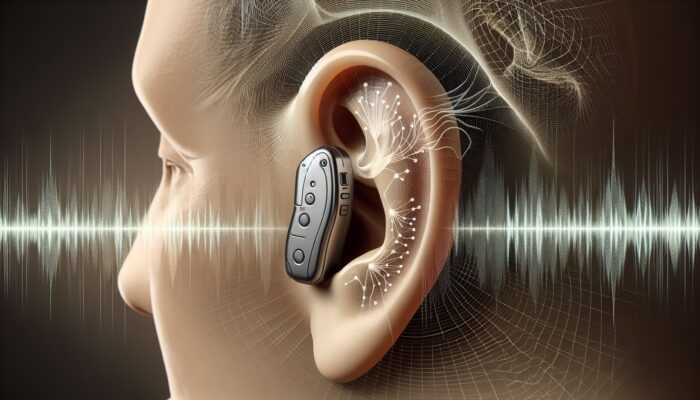
The post Brain Implants: A Future Alternative to Hearing Aids appeared first on Healthcare Marketing Service.

Categories
Health & Wellness Hearing Solutions

Gene Therapy for Hearing Loss: Exploring Innovative Solutions

Last Updated on 20/01/2026 by Admin

In-Depth Exploration of Gene Therapy for Hearing Loss

Understanding Hearing Loss and Its Wide-Reaching Consequences

Hearing loss represents a significant global health issue, impacting millions of individuals across various age demographics and social backgrounds. This condition encompasses a spectrum of auditory challenges, ranging from mild difficulties with hearing to profound deafness. The origins of hearing loss are typically categorised into congenital causes, where individuals are born with the condition, and acquired causes, which develop progressively due to a variety of influences. These influences may include environmental factors, the natural process of aging, and physical trauma. A fundamental aspect of hearing loss is the cellular damage that occurs within the auditory system, particularly affecting the hair cells in the inner ear and the auditory nerve that transmits sound signals to the brain.

Gene therapy emerges as an innovative and promising approach by directly targeting the genetic mutations or dysfunctions that contribute to these cellular impairments. By focusing on the intricate molecular mechanisms involved, gene therapy aims to repair or replace the defective genes responsible for hearing loss. For example, specific forms of hearing loss associated with mutations in the GJB2 gene stand to gain significantly from targeted gene therapy interventions. Addressing hearing loss proactively can also help prevent related complications, such as cognitive decline or social isolation, highlighting the vital importance of advancing this transformative treatment area.

Unpacking the Mechanisms of Gene Therapy for Hearing Restoration

Gene therapy utilises a variety of innovative approaches to effectively address the root causes of hearing loss. The primary aim of gene therapy is to deliver corrected or therapeutic genes to the impacted cells within the auditory system. This precise targeting can potentially restore functionality and enhance auditory performance. Several key techniques employed in gene therapy for hearing loss include the following:

  • Vector Delivery: Vectors, which are often engineered from viruses, are designed to transport therapeutic genes into the target cells within the ear.
  • Gene Editing: Advanced techniques such as CRISPR-Cas9 allow for precise modifications to DNA, enabling the correction of mutations at their source.
  • RNA Therapy: Methods like antisense oligonucleotides can modulate gene expression, providing a therapeutic effect without changing the DNA sequence itself.
  • Stem Cell Therapy: The use of stem cells to regenerate damaged auditory cells offers a promising route for restoring hearing.
  • Protein Replacement: Introducing functional proteins can help compensate for the absence of naturally occurring proteins due to genetic defects.
  • Gene Regulation: Altering the expression of particular genes to enhance cell survival and function is a critical aspect of therapy.

These pioneering methods are designed to amplify the repair mechanisms within the ear, ultimately leading to enhanced auditory function and improved quality of life for individuals affected by hearing loss.

The Crucial Role of Early Intervention in Hearing Loss Treatment

Implementing early intervention strategies for hearing loss through gene therapy can lead to extraordinary improvements in overall functionality and quality of life. Addressing hearing deficits during childhood or even at the initial stages of hearing loss can significantly enhance communication abilities, social interactions, and cognitive development. The advantages of early intervention extend beyond simple auditory restoration; individuals may also experience increased confidence and a more enriched personal and professional life.

Moreover, early gene therapy interventions can provide enduring benefits, increasing the chances of positive outcomes. Ensuring access to these treatments is essential, as there must be a concerted effort to make gene therapy available to those in need. By focusing on timely treatments, we can leverage the rapid advancements in scientific research and technology to allow all affected individuals the opportunity to regain their hearing, thus fostering a more inclusive society.

How Is Gene Therapy Effectively Addressing Hearing Loss?

What Role Do Vectors Play in Gene Therapy for Hearing Loss?

Vectors are instrumental in the success of gene therapy, particularly in the context of delivering therapeutic genes to the cells within the inner ear. These specially engineered vehicles facilitate the transportation of genetic material into cells, aiming to rectify mutations that disrupt normal auditory function. By utilising vectors—often derived from naturally occurring viruses—scientists can harness their ability to penetrate cell membranes efficiently to introduce targeted genes.

The process commences with the identification of specific genes that require correction or replacement due to mutations causing hearing loss. After isolating these genes, they are inserted into the vector, which is subsequently administered to the patient. For auditory cells, the objective is to restore functionality by repairing or altering the genetic instructions essential for hearing. However, the use of vectors presents its own set of challenges, requiring the overcoming of biological barriers to ensure that therapeutic genes reach their intended targets effectively and safely.

Despite these obstacles, the potential for vector-based gene delivery remains promising. With continuous advancements in vector technologies, including enhanced safety profiles and improved targeting capabilities, the ability to restore hearing through gene therapy is becoming a central focus of research globally.

What Challenges Must Be Addressed in the Application of Gene Therapy?

Although gene therapy offers immense potential for treating hearing loss, several challenges must be navigated to guarantee its successful implementation. A primary hurdle lies in the delivery of therapeutic genes to the affected auditory cells. The inner ear, which houses much of the hearing mechanism, is protected by a series of biological barriers that can impede the effective delivery of gene therapies.

These barriers include the intricate structure of the cochlea and the blood-labyrinth barrier, which can prevent therapeutic agents from reaching their target cells. Additionally, it is vital to ensure that the delivered genes express adequately within the cells to achieve the desired therapeutic effect. Researchers are actively engaged in developing strategies to surmount these challenges, such as optimising vector design to enhance their penetration of cellular defenses.

Furthermore, the methods of administration present their own challenges, as they need to be minimally invasive yet effective. Innovations such as localized delivery systems, which directly target the inner ear, are being explored to improve the precision of gene therapy applications. Ultimately, overcoming these delivery challenges is crucial for the broader acceptance and application of gene therapy for hearing loss, enabling individuals worldwide to benefit from these advancements.

Understanding the Potential Side Effects of Gene Therapy for Hearing Loss

Like any medical intervention, gene therapy for hearing loss comes with the possibility of side effects. One of the primary concerns is the potential for immune responses, which may occur when the body identifies the introduced vectors or therapeutic genes as foreign entities. This immune reaction could trigger inflammation or other adverse effects, compromising the efficacy of the therapy.

Monitoring these unintended consequences is essential. Researchers are implementing rigorous protocols to detect and manage any adverse effects promptly. Additionally, developing strategies to mitigate risks—such as using non-inflammatory vectors or pre-treating patients with immunosuppressive medications—can significantly enhance the safety profile of gene therapy.

Ongoing clinical trials are critical in understanding the full range of potential side effects associated with gene therapy for hearing loss. These trials help to accumulate data on the safety and effectiveness of various approaches, enabling practitioners to systematically refine protocols and improve patient outcomes. The ultimate aim is to ensure that gene therapy remains a viable and appealing option for individuals seeking to restore their hearing.

Expert Perspectives on the Potential of Gene Therapy to Cure Hearing Loss

Revolutionary Techniques Advancing Gene Therapy

The domain of gene therapy for hearing loss is progressing swiftly, with numerous techniques being enhanced to improve both precision and efficacy. Several actionable strategies can be employed to optimise these therapies. One remarkable method involves the use of CRISPR-Cas9 technology, which enables scientists to edit genes with unparalleled accuracy. This technique can be employed to correct specific mutations within the genes responsible for hearing loss, particularly those affecting the hair cells in the inner ear.

Another promising approach incorporates the use of AAV (adeno-associated virus) vectors, which are designed to deliver therapeutic genes to target cells while minimising immune responses. These vectors have shown considerable potential in various studies, demonstrating their capacity to restore hearing in animal models. Researchers are also exploring the use of antisense oligonucleotides, which can modify RNA to produce therapeutic effects without altering the underlying DNA. This method holds promise for conditions where traditional gene correction may not be feasible.

In addition, the integration of bioinformatics into gene therapy research allows for a more tailored approach. By analysing genetic data, researchers can pinpoint specific mutations and customise therapies accordingly. This personalised strategy significantly increases the likelihood of successful outcomes while minimising the risk of adverse effects.

As these advanced techniques continue to evolve, the field of gene therapy for hearing loss will transform, presenting new opportunities for restoring auditory function for individuals globally.

Evaluating the Effectiveness of Gene Therapy Treatments

Assessing the effectiveness of gene therapy for hearing loss requires a comprehensive framework that evaluates both short-term and long-term outcomes. This analysis generally includes functional enhancements in auditory capabilities, such as improved sound perception and communication skills. Researchers employ various assessments, including audiometric testing and subjective questionnaires, to measure improvements effectively.

Clinical studies investigating the effectiveness of gene therapy typically involve control and experimental groups, allowing for a robust comparison of outcomes. Researchers closely monitor factors such as the degree of hearing restoration, the stability of improvements over time, and any potential side effects. By utilising evidence-based methodologies, scientists can refine treatment protocols and draw meaningful conclusions regarding the effectiveness of specific therapies.

Additionally, patient-reported outcomes are critical in this evaluation process. Understanding how individuals perceive their hearing improvements and their impact on daily life provides valuable insights that can guide future advancements in gene therapy. A patient-centred approach ensures that therapy is tailored to meet the diverse needs of individuals experiencing hearing loss worldwide.

Long-Term Perspectives on Gene Therapy for Hearing Loss

Ensuring the sustainability of the benefits derived from gene therapy for hearing loss necessitates ongoing monitoring and adjustments to treatment protocols. Long-term studies are essential for comprehending how therapeutic effects evolve over time. Researchers are investigating the durability of hearing restoration, assessing whether improvements remain stable or require further interventions.

Real-world examples underscore the significance of continuous follow-up care. Patients may undergo regular audiological evaluations to monitor their hearing progress and identify any changes early on. This proactive approach enables healthcare providers to make necessary adjustments to therapies, ensuring that individuals continue to benefit from gene interventions.

Moreover, long-term considerations must also take into account the psychological and social dimensions of hearing restoration. As individuals regain their auditory capabilities, they may face challenges in readjusting to their environments. Support systems, including counselling and community engagement, can play a pivotal role in assisting individuals as they navigate these changes, fostering a holistic approach to therapy.

By emphasizing the importance of long-term monitoring and adjustments, the goal of making gene therapy a reliable option for hearing loss becomes increasingly attainable, benefiting diverse populations worldwide.

Research-Backed Evidence Regarding Gene Therapy’s Potential to Cure Hearing Loss

What Evidence Supports the Efficacy of Gene Therapy?

Emerging research provides compelling evidence that bolsters the application of gene therapy for restoring hearing loss. Numerous studies have demonstrated the ability of genetic corrections to reverse auditory deficits across a range of models. For instance, clinical trials have illustrated successful hearing restoration in animal models with specific gene mutations, underscoring the potential for achieving similar outcomes in humans.

These studies reveal the intricate relationship between genetic mutations and hearing function, establishing a foundational understanding of how gene therapy can effectively target the underlying causes of hearing loss. The promising results from initial clinical trials suggest that gene therapy is not merely a theoretical proposition; it presents a tangible solution with practical applications for restoring auditory capabilities.

Furthermore, ongoing research efforts continue to build a robust body of evidence. Large-scale studies are essential for advancing our understanding of gene therapy’s potential, particularly among diverse populations with varying genetic backgrounds. These findings will inform the development of standardized protocols and benchmarks for measuring success, ensuring that gene therapy can be reliably administered across different contexts.

Synergistic Integration with Complementary Treatment Modalities

Gene therapy does not function in isolation; it can synergise with existing treatments to enhance overall therapeutic strategies for hearing loss. The integration of gene therapy with other modalities can create a comprehensive approach, maximising the benefits for patients. For instance, combining gene therapy with cochlear implants can amplify auditory improvements, particularly for individuals experiencing profound hearing loss.

Other synergistic options include:

  • Audiological Rehabilitation: Tailored therapy programmes can enhance auditory skills in patients following gene therapy.
  • Sign Language Therapy: For individuals with significant hearing loss, sign language can facilitate communication during the recovery process.
  • Hearing Aids: These devices can complement gene therapy by supporting auditory function while waiting for full recovery.
  • Psychosocial Support: Counselling and peer support can assist individuals in adapting to changes in their hearing abilities and social dynamics.

This integrative approach ensures that patients receive holistic care, addressing not only the biological aspects of hearing loss but also the psychological and social dimensions that accompany it. As gene therapy becomes more widely accessible, the potential for combining it with established treatments will enhance the overall quality of care for individuals facing hearing loss.

Ethical Considerations Surrounding Gene Therapy Development

The advancement of gene therapy for hearing loss raises significant ethical considerations that require thorough examination. As with any innovative medical intervention, ensuring equitable access to these therapies is essential to prevent exacerbating existing health disparities. Discussions surrounding the fair distribution of therapy are crucial, as certain populations may encounter barriers to accessing gene therapy due to socioeconomic or geographic factors.

Moreover, the implications of genetic interventions raise questions regarding consent and patient autonomy, particularly in paediatric cases where parental decisions are paramount. It is critical that individuals receive transparent information about the risks and benefits of gene therapy, empowering them to make informed choices regarding their treatment options.

Furthermore, the long-term consequences of gene therapy present ethical dilemmas. Will individuals encounter unforeseen complications years down the line? How will society address potential genetic modifications that may be passed down to future generations? These inquiries necessitate ongoing discussions among researchers, ethicists, healthcare providers, and the communities they serve.

By prioritising ethical considerations, the field of gene therapy can advance responsibly, ensuring that the advantages of these groundbreaking treatments are accessible to all individuals experiencing hearing loss, thereby promoting a fair and just healthcare landscape.

Long-Term Outcomes and Continuous Monitoring of Gene Therapy

Investigating the long-term effects of gene therapy on hearing restoration is vital for comprehending its durability and potential side effects. Longitudinal studies are pivotal in evaluating the sustained impact of therapy over extended periods. These studies focus on several parameters, including the stability of hearing improvements, the emergence of side effects, and the overall quality of life for individuals undergoing gene therapy.

As gene therapy becomes a more integrated component of hearing loss treatment, establishing standardised monitoring protocols is essential. Regular follow-up appointments enable healthcare providers to assess the effectiveness of treatments and identify any changes in auditory function. This proactive monitoring approach can facilitate adjustments to therapy, ensuring that individuals achieve optimal outcomes.

Additionally, patient education plays a crucial role in long-term success. Empowering individuals to understand their treatment plans, recognise signs of potential side effects, and actively participate in their care can enhance adherence and improve overall treatment efficacy. By fostering a culture of ongoing education and support, healthcare providers can optimise the long-term benefits of gene therapy for hearing loss across diverse populations.

What Are the Anticipated Results of Gene Therapy?

How Could Gene Therapy Restore Auditory Function?

Gene therapy holds remarkable potential to restore auditory capabilities by repairing damaged genes associated with hearing loss. This innovative approach specifically targets the genetic mutations that hinder normal auditory function, potentially leading to substantial improvements in sensory processing. When successful, gene therapy can significantly amplify individuals’ abilities to perceive sound, communicate effectively, and engage socially.

The anticipated improvements arising from gene therapy can vary based on the severity of hearing loss and the specific genes targeted. For instance, individuals with mild to moderate hearing loss due to identifiable genetic mutations may experience profound gains in hearing sensitivity. In cases of severe to profound loss, while complete restoration may be more challenging, significant functional improvements remain achievable.

Moreover, the benefits of gene therapy extend beyond mere auditory restoration. Individuals may experience an enhanced quality of life, increased social engagement, and improved cognitive function as they regain their ability to hear and communicate. The transformative potential of gene therapy offers hope to millions globally, unlocking new possibilities and enriching experiences.

Factors Influencing the Success of Gene Therapy

The success of gene therapy for hearing loss is contingent upon several influential factors, each playing a pivotal role in achieving desired outcomes. One of the foremost considerations is the age of the patient at the time of treatment. Early interventions, particularly within paediatric populations, typically yield more favourable results compared to late interventions in adults. This underscores the critical importance of early detection and timely treatment of hearing loss.

Additionally, the timing of therapy administration concerning the progression of hearing loss significantly influences success. Individuals with progressive hearing loss may experience diminishing returns if therapy is introduced too late in the course of their condition. Identifying the optimal window for intervention is essential to maximise the therapeutic potential of gene therapies.

Moreover, individual genetic variability plays a significant role in how patients respond to gene therapy. Genetic profiling can assist in identifying those most likely to benefit from specific interventions, thereby allowing for more personalised treatment plans. By considering these factors, healthcare providers can tailor gene therapy approaches to optimise outcomes for the diverse individuals they serve.

Beyond Initial Results: Long-Term Adaptations After Gene Therapy

While the initial outcomes of gene therapy for hearing loss may be promising, long-term adaptations are crucial for maintaining these benefits over time. Follow-up care is integral to ensuring that patients receive the support needed to navigate the changes brought about by therapy. Monitoring progress through regular audiological assessments allows healthcare providers to track improvements and address any emerging issues promptly.

As individuals adjust to renewed auditory capabilities, ongoing adjustments to therapy may be necessary. This could involve fine-tuning treatment protocols, providing additional rehabilitative support, or implementing strategies to manage any side effects. By fostering a dynamic approach to care, healthcare providers can help individuals maximise the long-term impact of gene therapy, ultimately enhancing their overall quality of life.

Additionally, integrating psychological and social support into follow-up care can facilitate smoother transitions as individuals adapt to their restored hearing. Engaging with support groups or counselling services can provide valuable resources for patients and their families, ensuring that the journey toward improved hearing is both successful and fulfilling.

Proven Strategies for Optimising the Potential of Gene Therapy to Cure Hearing Loss

Core Delivery Techniques to Enhance Gene Therapy Effectiveness

Effective gene therapy for hearing loss is reliant on precise delivery methods that ensure safe and targeted application. Core strategies focus on optimising how therapeutic genes are introduced into auditory cells, thereby maximising the likelihood of successful outcomes. One primary method involves the use of viral vectors, which are engineered to transport therapeutic genes directly into targeted cells.

By selecting specific viral vectors known for their efficacy and safety, researchers can enhance the precision of gene delivery while minimising potential immune responses. Furthermore, advancements in nanotechnology are paving the way for non-viral delivery systems that can provide alternative methods of gene introduction, potentially mitigating complications associated with traditional viral vectors.

Moreover, localized delivery techniques are gaining prominence. These methods involve administering gene therapy directly to the inner ear, allowing for higher concentrations of therapeutic agents to reach target cells while minimising systemic exposure. This approach significantly enhances the precision and effectiveness of gene therapy for hearing loss.

Ultimately, establishing a robust understanding of core delivery techniques is critical for advancing gene therapy as a viable solution for restoring hearing, ensuring that individuals from diverse backgrounds can benefit from these innovations.

The Vital Importance of Continuous Monitoring and Adjustments

Regular monitoring and adjustment of gene therapy protocols are essential for optimising treatment outcomes in hearing loss. Continuous assessment allows healthcare providers to evaluate the effectiveness of interventions while identifying any potential side effects that may arise during the treatment process. This proactive approach encourages adaptability, enabling practitioners to refine therapies based on individual patient responses.

Monitoring assessments typically involve periodic audiological evaluations to track hearing progress and functional improvements. Engaging patients in their follow-up care is crucial, as their feedback can provide valuable insights into their experiences and outcomes. Implementing standardised monitoring protocols ensures consistency in evaluating treatment efficacy across diverse patient populations.

Adjustments may also be necessary based on emerging data or advancements in gene therapy research. As new techniques and delivery methods are developed, incorporating these innovations into existing treatment plans can enhance overall effectiveness. By maintaining a commitment to ongoing evaluation and adaptation, healthcare providers can ensure that gene therapy remains a dynamic and responsive solution for individuals experiencing hearing loss.

Collaboration Across Disciplines for Optimal Treatment Outcomes

Collaboration across various fields is crucial for optimising outcomes in gene therapy for hearing loss. By harnessing the expertise of geneticists, audiologists, and healthcare providers, a multidisciplinary approach can significantly enhance the efficacy of gene therapies. This collaborative effort promotes the sharing of knowledge, resources, and innovative ideas, leading to more comprehensive treatment strategies.

Engaging with patient advocacy groups and community organisations can further amplify the impact of gene therapy initiatives. These partnerships can help raise awareness, facilitate access to treatments, and support ongoing patient education. Additionally, collaboration with regulatory bodies ensures that gene therapy practices adhere to the highest safety and ethical standards.

Moreover, interdisciplinary research initiatives can drive advancements in understanding the complexities of hearing loss and the potential of gene therapy. By integrating insights from genetics, audiology, and biomedical engineering, the field can develop tailored solutions that address the diverse needs of individuals experiencing hearing loss globally.

In this collaborative landscape, the pursuit of effective gene therapy for hearing loss becomes a shared mission, fostering innovation and ensuring that individuals receive the highest quality of care and outcomes.

Criteria for Selecting Suitable Candidates for Gene Therapy

Patient selection criteria are vital in determining the suitability of individuals for gene therapy aimed at curing hearing loss. A thorough assessment process ensures that candidates are likely to benefit from treatment while minimising risks. Key considerations in the selection process include genetic profiling to identify specific mutations, age factors, severity of hearing loss, and overall health status.

Genetic profiling enables healthcare providers to match patients with therapies specifically tailored to their genetic profiles. This precision medicine approach enhances the likelihood of successful outcomes, as therapies can be customised to target the underlying causes of hearing loss. Age also plays a critical role—earlier interventions tend to yield more favourable results, making prompt identification and referral essential.

Furthermore, assessing the severity of hearing loss is crucial. Patients with identifiable genetic causes of hearing loss are often prioritised for gene therapy, as they may experience more substantial benefits compared to those with multifactorial or environmental causes. Comprehensive evaluations of overall health status, including underlying comorbidities, further inform the selection process, ensuring that candidates are prepared for the potential challenges of gene therapy.

By establishing clear patient selection criteria, healthcare providers can optimise the efficacy of gene therapy for hearing loss, ultimately improving outcomes for individuals from diverse backgrounds and circumstances.

Frequently Asked Questions About Gene Therapy for Hearing Loss

What constitutes gene therapy for hearing loss?

Gene therapy for hearing loss involves the delivery of corrected genes to the auditory system to address genetic mutations that cause hearing deficits, offering a potential cure for various types of hearing loss.

In what manner does gene therapy restore hearing function?

Gene therapy restores hearing by repairing or replacing faulty genes responsible for auditory function, potentially leading to significant improvements in hearing capabilities.

What are the primary methodologies employed in gene therapy?

Core methodologies include vector delivery, gene editing (such as CRISPR-Cas9), RNA therapy, stem cell therapy, protein replacement, and gene regulation techniques.

What challenges exist within the application of gene therapy?

Challenges include overcoming biological delivery barriers, ensuring effective gene transfer, managing immune responses, and addressing safety concerns associated with treatment.

Are there potential side effects linked to gene therapy?

Yes, potential side effects may include immune responses and unintended effects on gene expression, necessitating careful monitoring and management during treatment.

How critical is early intervention in hearing loss treatment?

Early intervention is crucial as it can enhance overall function and communication abilities, leading to more favourable outcomes in gene therapy for hearing loss.

What evidence supports the effectiveness of gene therapy?

Emerging research indicates promising results in restoring hearing through genetic corrections, with trials demonstrating successful outcomes across various models.

In what ways does gene therapy integrate with existing treatments?

Gene therapy can complement existing treatments, such as cochlear implants, audiological rehabilitation, and psychosocial support, enhancing overall therapeutic strategies.

What ethical considerations are pertinent to gene therapy?

Ethical considerations include ensuring equitable access, informed consent, and addressing the long-term implications of genetic interventions in diverse populations.

What factors influence the success of gene therapy?

Factors include patient age, timing of therapy administration relative to the progression of hearing loss, and individual genetic variability, all of which impact treatment outcomes.

Discover our world on X!

The post Gene Therapy for Hearing Loss: Discovering New Possibilities appeared first on The Microsuction Ear Wax Removal Network.
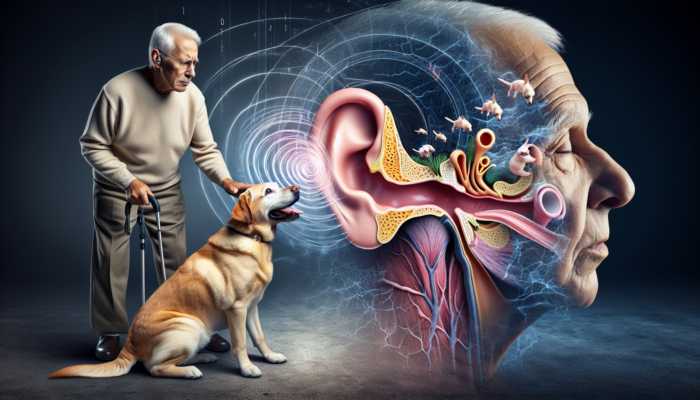
The post Gene Therapy for Hearing Loss: Discovering New Possibilities appeared first on Healthcare Marketing Service.

Categories
Health & Wellness Occupational Safety

Hearing Protection Essentials for Factory Workers

Last Updated on 19/01/2026 by Admin

Recognising the Dangers Associated with High Noise Levels in the Workplace

What is Noise-Induced Hearing Loss and How Does it Occur?

Noise-induced hearing loss, commonly referred to as NIHL, emerges from continual exposure to loud sounds, which can irreversibly damage the sensitive hair cells situated in the inner ear. This debilitating condition can drastically diminish an individual’s hearing ability, impacting their communication skills, the quality of their personal relationships, and their overall satisfaction in life. In environments like factories, where machinery operates at perilously high decibel levels, the risk of developing NIHL escalates significantly. Extended exposure can lead to challenges not only with hearing but also with effectively performing job-related tasks. This scenario highlights the urgent necessity of implementing protective strategies to avert such risks, making the prevention of NIHL an essential element in workplace safety measures, as its effects can persist long after the noise has subsided, reinforcing the critical need for hearing protection across diverse work environments.

What Are the Main Sources of Noise in Factories?

Factories are key contributors to noise pollution, primarily arising from heavy machinery, conveyor belts, and assembly lines. Equipment such as presses, grinders, and compressors produce sounds that can exceed safe listening levels, overwhelming the auditory system over time. Understanding these sources is vital for both employees and management; pinpointing them facilitates targeted interventions and thorough risk evaluations. For instance, in automotive manufacturing plants, the clanking of metal and the high-pitched whir of tools create conditions where protective measures become indispensable. This awareness not only assists in the identification of hazards but also drives the creation of effective safeguards, ensuring employees can fulfil their duties without the constant threat of hearing loss overshadowing their work.

What Are the Health Risks Linked to Noise Exposure?

The health ramifications associated with excessive noise exposure extend well beyond mere hearing loss. Continuous exposure to high-noise environments can precipitate a range of stress-related conditions that adversely affect overall health and well-being. The following health risks illustrate the extensive impact of noise on the lives of factory workers:

  • Elevated stress levels
  • Chronic fatigue
  • Hypertension or elevated blood pressure
  • Cardiovascular complications
  • Sleep disturbances
  • Reduced concentration and productivity
  • Increased likelihood of workplace accidents
  • Impaired communication and social interactions

Recognising these risks underscores the urgent necessity for adopting hearing protection strategies that bolster not only the auditory health of workers but also their overall physical and mental well-being, creating a more supportive and productive work environment.

How Does Noise Influence Worker Performance and Health?

What Are the Immediate Symptoms of Noise Exposure?

When subjected to excessive noise, workers frequently experience immediate symptoms such as tinnitus, which manifests as a persistent ringing sensation in the ears, along with temporary decreases in hearing ability. These symptoms serve as crucial warning signs, signalling the potential for long-term auditory damage if exposure continues without appropriate intervention. Factory settings, where sudden loud sounds can arise unexpectedly, particularly jeopardise workers’ health. Acknowledging these early indicators is essential for maintaining health, as ignoring them can lead to chronic issues. Moreover, the importance of taking prompt action cannot be overstated; addressing these symptoms swiftly can significantly diminish the risk of developing lasting auditory impairment and enhance overall job productivity.

How Does Long-Term Noise Exposure Affect Daily Life?

Chronic exposure to factory noise can profoundly affect daily life and interpersonal relationships. Over time, workers may face communication difficulties, leading to misunderstandings and reduced social interactions. This ongoing challenge can place strain on personal relationships and obstruct professional growth. Additionally, persistent hearing issues can negatively influence job performance, as employees may struggle to understand verbal instructions or cooperate effectively with colleagues. Proactive protective measures, such as employing hearing protection or creating quieter workspaces, become crucial tactics in alleviating these long-term impacts. By promoting early intervention and the consistent use of protective gear, workers can substantially improve their daily experiences and enhance their integration within their work environments.

What Factors Influence the Impact of Noise on Workers?

A myriad of factors can determine how noise influences individual workers within a factory setting. The duration of noise exposure is critically significant; spending prolonged periods in high-decibel environments can exacerbate the severity of hearing damage. Moreover, pre-existing health conditions, such as hypertension or previous hearing impairment, can amplify the effects of noise on auditory function. Personal characteristics, including age and sensitivity to sound, also play a role in the variations of noise impact. Consequently, it is essential for workplaces to develop customised protection strategies that take these factors into account. By tailoring safety protocols—such as personalised training or specific hearing protection devices—factories can enhance the protection of their workforce and foster a healthier working environment.

What Are the Advantages of Utilizing Hearing Protection?

How Effective Are Hearing Protection Devices?

Hearing protection devices are vital tools for reducing the risks associated with excessive noise exposure in factory settings. These devices can effectively diminish noise levels by as much as 30 decibels, significantly lowering the risk of auditory damage. Such effectiveness underscores their role as a crucial component in safeguarding the auditory health of workers. The consistent use of hearing protection not only helps preserve hearing integrity but also enhances overall workplace safety. With regular usage, employees can execute their responsibilities without the continuous threat of hearing loss, enabling them to focus on their tasks and contribute more productively to their organisations. The proactive adoption of hearing protection is fundamental to fostering a safer and healthier work environment.

What Types of Hearing Protection Devices Are Available?

A wide variety of hearing protection devices are available, each providing different levels of comfort and noise attenuation. Earplugs are a popular choice due to their discreet nature, easily fitting into any workspace without causing discomfort. Conversely, earmuffs offer a more substantial barrier against noise, completely enveloping the ears. Custom-moulded devices have also gained traction in recent years, providing a personalised fit that enhances both comfort and effectiveness. The varying levels of protection cater to a broad spectrum of noise exposure circumstances, ensuring that workers can select devices tailored to their specific requirements. Proper utilisation of these devices—whether through training or guided instruction—ensures ongoing protection against potential hazards, ultimately fostering a culture of safety within the workplace.

What Are the Benefits of Consistent Use of Hearing Protection?

The regular use of hearing protection yields numerous advantages, not only preserving auditory health but also enhancing focus and decreasing the risk of accidents. By consistently utilising hearing protection, workers can enjoy several key benefits:

  • Enhanced concentration and task performance
  • Decreased likelihood of auditory-related injuries
  • Improved communication abilities
  • Lowered stress levels due to reduced noise exposure
  • Increased job satisfaction and morale
  • Better overall workplace safety
  • Long-term preservation of hearing health
  • Minimised potential for costly workers’ compensation claims

These diverse benefits highlight the importance of incorporating hearing protection into daily routines, fostering a culture of safety that contributes to the overall well-being and productivity of workers.

Insights from Experts on the Necessity of Hearing Protection for Factory Workers

What Actionable Steps Can Be Taken for Implementation?

Implementing effective hearing protection protocols begins with a thorough evaluation of workplace noise levels and potential hazards. Organisations should conduct regular noise assessments to identify areas where hearing protection is imperative. Following this, training programmes can educate workers about sound levels and the critical necessity of using protective devices. Actionable steps for integrating these protocols include:

1. Conducting noise audits to assess specific hazard levels.
2. Offering training sessions highlighting the importance of hearing protection.
3. Providing a selection of protective device options from which workers can choose.
4. Establishing a culture of compliance through regular check-ins and reminders.

By adhering to these steps, factories can effectively minimise risks and ensure the safety of their workforce.

Why Is Monitoring Noise Level Standards Important?

Monitoring noise level standards is essential for maintaining safe work environments. Real-world implementations involve using sound level meters in factories to continuously evaluate and display noise levels. Such monitoring systems ensure compliance with thresholds established by regulatory bodies, enabling timely interventions when noise levels exceed acceptable limits. Routine assessments also empower factories to adjust operational practices or invest in quieter machinery, creating a workplace conducive to employee health. This proactive approach to managing noise not only safeguards workers but also aligns with best practices in occupational safety.

How Can Protection Effectiveness Be Evaluated?

Research consistently demonstrates that combining hearing protection devices with educational initiatives yields the best outcomes in preserving auditory health. Effective evaluations reveal that consistently using protective gear, combined with proper training on its application, significantly reduces hearing-related injuries. Organisations should prioritise not only the provision of protective devices but also invest in ongoing education and awareness programmes. Tailored training sessions can assist workers in understanding how to select the appropriate devices for their specific work environments and ensure proper usage, maximising long-term benefits and maintaining a strong commitment to safety.

What Are the Common Causes of Hearing Loss in Factories?

What Key Factors Contribute to Hearing Damage?

Continuous exposure to industrial sounds represents a primary cause of hearing loss among factory workers. Factors such as inadequate rest periods exacerbate this risk, making regular protection indispensable for individuals in high-noise environments. Beyond mere volume, the characteristics of the noise—such as its frequency and duration—also profoundly influence the extent of damage. Educating workers about these critical factors is vital, empowering them to recognise their vulnerabilities and advocate for their hearing health, thereby fostering a safer workplace culture.

Why Is Early Intervention Essential?

Early intervention is crucial in the fight against hearing loss, as prompt action can halt its progression. Addressing initial signs of hearing impairment helps preserve auditory function and prevents complications that may affect daily life and career longevity. Workers who take proactive measures—such as scheduling regular hearing tests or utilising protective devices—can dramatically enhance their overall well-being. By emphasising the importance of early detection and intervention, factories can cultivate a culture that prioritises worker health, ultimately leading to improved job satisfaction and productivity.

What Prevention Tips Can Workers Implement?

Workers can adopt a plethora of strategies to mitigate their risk of hearing loss. Simple measures can yield significant impacts:

  • Consistently utilise hearing protection in high-noise areas
  • Take regular breaks from noise to allow their ears to rest
  • Participate in routine hearing assessments
  • Advocate for quieter machinery and workspaces wherever possible

By integrating these prevention tips into their daily routines, workers can effectively safeguard their hearing and contribute to a healthier workplace environment.

Research-Backed Evidence Supporting the Need for Hearing Protection

What Do Studies Reveal About Exposure Effects?

Research highlights the profound impact of noise exposure on auditory health, compelling factories to adopt evidence-based safeguards that protect workers’ well-being. Studies indicate that excessive noise can lead to permanent auditory damage, reinforcing the necessity for protective measures. Factories that implement rigorous noise control strategies—backed by research—can mitigate these risks, ensuring a safer and healthier environment. For instance, employing sound-dampening materials or redesigning workflows to minimise noise exposure can lead to considerable improvements in worker health.

What Benefits Are Supported by Data?

Extensive data reveals that the consistent use of hearing protection effectively lowers injury rates among workers. Expert analyses underscore the critical role of protective gear in fostering a healthier workforce, demonstrating its ability to prevent hearing loss and associated health issues. By examining injury trends across various manufacturing sectors, organisations can identify the positive correlation between the adoption of protective measures and reduced incidences of hearing-related injuries. This data not only strengthens the case for protective interventions but also serves as a guide for optimising safety protocols in factories worldwide.

How Does Research Inform Best Practices?

Real-world examples derived from research illustrate successful protection methods implemented across diverse industries. For instance, studies indicate that auditory training programmes combined with regular use of hearing protection lead to improved outcomes. Factories can adopt similar strategies, leveraging empirical evidence to enhance safety measures. By integrating such research findings into their operational practices, businesses can create a safer environment for their workers, ultimately resulting in increased productivity and a reduced risk of hearing loss.

What Are the Emerging Trends in Hearing Protection Research?

Recent advancements in hearing protection research have introduced innovative trends such as adaptive noise reduction technology and the development of personalised protective gear. These technologies enable better customisation, allowing factories to implement solutions that specifically address their workers’ needs. Evidence from ongoing studies highlights the necessity for continuous innovation to effectively tackle evolving noise hazards. By staying abreast of emerging trends, factories can bolster safety protocols and maintain a proactive approach to worker health.

What Are the Long-Term Outcomes of Hearing Protection Interventions?

Longitudinal studies investigating hearing protection programmes reveal significant long-term benefits, including decreased incidences of permanent hearing loss and enhanced quality of life among workers. By investing in comprehensive hearing conservation strategies, factories can create enduring programmes that promote lifelong auditory health. These initiatives not only enhance workplace safety but also improve overall employee satisfaction, cultivating a more engaged and productive workforce. Factories can leverage this data to advocate for robust safety programmes and ensure compliance with regulatory standards, reinforcing their commitment to worker health.

How to Effectively Use Hearing Protection?

What Are the Correct Fitting Techniques?

Proper fitting of hearing protection devices is crucial for maximising their efficacy. Devices that do not fit correctly may allow noise to penetrate, undermining their protective capabilities. Workers should receive training on fitting techniques, whether using earplugs or earmuffs. For earplugs, it is vital to roll them into a thin cylinder before insertion, ensuring they expand to fill the ear canal adequately. Earmuffs must cover the ears entirely, ensuring a snug fit against the head. Routine checks and adjustments can also enhance comfort and effectiveness, ensuring workers remain sufficiently protected during their shifts.

What Factors Contribute to Device Comfort?

Comfort plays a crucial role in the consistent use of hearing protection. Devices designed with ergonomic features minimise irritation and discomfort, encouraging longer wear times among users. Materials that are soft, breathable, and lightweight contribute to a more pleasant experience, allowing workers to focus on their tasks without distraction. Furthermore, adjustable components can accommodate various head sizes and shapes, enhancing the overall fit. When comfort is prioritised in the design of hearing protection, workers are more likely to adopt these devices as an integral part of their daily routines, thereby fostering a culture of safety within the workplace.

How to Maintain Protective Gear Properly?

Regular maintenance of hearing protection devices is essential for ensuring their reliability and efficacy. Workers should adhere to cleaning protocols, as dirt and debris can impair the performance of earplugs or earmuffs. For earplugs, routine washing with mild soap and water helps maintain hygiene, while earmuffs should be inspected for wear and tear, with foam inserts replaced as necessary. By establishing regular cleaning and inspection schedules, organisations can prolong the life of protective gear, ensuring sustained hearing health for all employees.

What Types of Hearing Protection Are Available?

Understanding the various types of hearing protection available is essential for workers to choose the most suitable option based on their noise exposure levels and personal comfort. Common types include:

1. Earplugs: Compact and easily portable, ideal for moderate noise levels.
2. Earmuffs: Provide robust protection, suitable for high-noise environments.
3. Custom-moulded Devices: Offer personalised fit and comfort for extended wear.

By educating workers on the advantages and limitations of each type, factories can empower them to make informed choices about their hearing protection, significantly enhancing overall efficacy and safety.

Why Is Consistent Usage Important?

Integrating the consistent use of hearing protection into daily routines is crucial, particularly in high-noise environments. Recognising situations that necessitate protection aids workers in adopting proactive measures to safeguard their auditory health. Moreover, fostering a culture that emphasises the importance of wearing protective devices encourages adherence among employees, minimising long-term risks of hearing damage. By instilling awareness of when and how to use protection, organisations can cultivate a safer workplace that prioritises the well-being of their workforce.

What Strategies Are Effective for Implementing Hearing Protection?

How Can Training Programs Enhance Safety?

Comprehensive training programmes play a pivotal role in equipping workers with the knowledge needed to handle hearing protection correctly. Such programmes should cover topics ranging from the significance of hearing conservation to the proper application of devices. Interactive workshops and hands-on demonstrations can enhance understanding, ensuring that workers can effectively implement what they learn. By investing in training, companies not only minimise risks associated with hearing loss but also cultivate a culture of safety awareness that permeates all levels of the organisation.

How to Integrate Devices into Daily Workflows?

Seamless incorporation of hearing protection into daily workflows is essential for enhancing compliance and reducing incidents. Factories can achieve this by designing workstations that facilitate easy access to hearing protection devices and establishing protocols that remind workers to wear them consistently. Furthermore, integrating the use of protection into standard operating procedures reinforces its importance within the overall safety framework. When hearing protection becomes a natural aspect of daily activities, compliance rates increase, leading to a healthier work environment and improved worker safety.

Is Monitoring Compliance Necessary for Safety?

Ongoing monitoring of hearing protection compliance is crucial for preventing lapses that could result in auditory complications. Regular checks and assessments ensure that workers adhere to safety protocols, identifying areas where additional training may be required. Employing methods such as audits or feedback sessions fosters a culture of accountability, where employees feel empowered to prioritise their hearing health. By maintaining a vigilant approach to compliance, organisations can safeguard their workforce and promote a safer workplace environment.

How to Maintain Long-Term Hearing Health?

What Lifestyle Adjustments Can Support Hearing Protection?

Implementing lifestyle adjustments that promote hearing health is essential for workers, particularly those in high-noise industries. Limiting exposure to non-work-related noise, such as loud music or noisy environments, complements on-the-job measures in protecting auditory function. Encouraging workers to engage in quieter activities and remain vigilant about their surroundings can significantly mitigate the cumulative effects of noise exposure. By raising awareness about lifestyle choices that impact hearing, organisations can further enhance the comprehensive care provided to their workers.

Why Are Routine Health Monitoring Practices Important?

Regular audiological evaluations are critical for the early detection of hearing issues, allowing for timely interventions and adjustments to maintain hearing integrity throughout a worker’s career. Factories can facilitate routine hearing screenings, ensuring that employees remain informed about their auditory health status and can promptly address any potential concerns. Incorporating hearing assessments into health and safety programmes not only enhances worker well-being but also fosters a culture of proactive health management that prioritises long-term auditory health.

What Role Do Awareness Campaigns Play in Hearing Health?

Promoting education on hearing risks through awareness campaigns is vital for fostering proactive behaviours among workers. Initiatives such as workshops, informational sessions, and visual aids can help employees recognise the importance of hearing protection and the dangers associated with noise exposure. By continually reinforcing these messages, organisations can cultivate an informed workforce that prioritises their hearing health. Ongoing awareness campaigns serve to reduce the incidence of hearing-related issues, ensuring a healthier and more engaged workforce.

What Nutritional Strategies Can Help Preserve Hearing?

A well-balanced diet rich in omega-3 fatty acids, vitamins, and antioxidants can significantly aid in protecting against hearing loss. These nutrients help mitigate inflammation and support optimal ear health. Foods such as salmon, nuts, and leafy greens provide essential components for maintaining auditory function. Staying hydrated and avoiding harmful substances like excessive alcohol or tobacco further enhances long-term auditory health. By promoting nutritional awareness and providing resources on healthy eating, organisations can empower workers to take proactive steps towards preserving their hearing.

How Can Professional Support and Rehabilitation Options Aid Workers?

Access to professional support, such as audiologists for customised hearing aids or therapies, enables effective management of hearing challenges. Factories should promote resources that facilitate workers’ access to audiological services, allowing them to receive tailored support for their individual needs. Ongoing rehabilitation programmes contribute to adapting to changes in hearing and maintaining communication skills over time. By prioritising professional support and rehabilitation options, organisations can enhance the overall quality of life for their workers, fostering independence while ensuring that their auditory health remains a top priority.

Frequently Asked Questions

What Exactly Is Hearing Protection?

Hearing protection encompasses devices or strategies specifically designed to reduce the risk of noise-induced hearing loss by attenuating harmful sound levels. Examples include earplugs, earmuffs, and custom-moulded devices tailored for individual needs.

Why Is Hearing Protection Essential for Factory Workers?

Factory workers frequently encounter high noise levels resulting from machinery and equipment, which can lead to permanent hearing damage. Protective measures are vital for safeguarding auditory health and preventing work-related injuries, ensuring a healthier workplace.

What Types of Hearing Protection Are Available for Use?

Several types of hearing protection exist, including disposable earplugs, reusable earplugs, earmuffs, and custom-moulded devices. Each type varies in terms of noise attenuation levels and comfort, catering to diverse work environments and individual preferences.

How Can I Ensure Proper Fit for My Hearing Protection Devices?

To guarantee a proper fit, earplugs should be inserted according to the manufacturer’s instructions, while earmuffs must fully cover the ears without gaps. Training on fitting techniques is essential to maximise the effectiveness of the devices.

What Are the Common Signs of Noise-Induced Hearing Loss?

Indicators of noise-induced hearing loss include difficulty understanding speech, persistent ringing in the ears (tinnitus), and the necessity to increase the volume on electronic devices. Early detection is crucial for timely intervention and management.

How Frequently Should Hearing Protection Devices Be Replaced?

Hearing protection devices should be inspected regularly and replaced if they exhibit signs of wear, damage, or discomfort. Disposable earplugs should be replaced after each use, while reusable devices may last longer with proper care and maintenance.

Can Diet Impact Hearing Health?

Yes, a balanced diet rich in vitamins, omega-3 fatty acids, and antioxidants supports hearing health. Foods that reduce inflammation and promote circulation can significantly aid in preserving auditory function and overall ear health.

Are Regular Hearing Check-Ups Necessary?

Regular hearing check-ups are essential for the early detection of hearing problems. Routine screenings can help identify issues before they escalate, allowing for timely intervention and effective management.

What Role Does Training Play in Ensuring Hearing Protection?

Training is crucial for educating workers about the importance of hearing protection, proper device usage, and recognising noise hazards. Comprehensive training fosters a culture of safety and compliance, significantly reducing the risk of hearing loss.

How Can Companies Promote Hearing Health in the Workplace?

Companies can promote hearing health by implementing training programmes, providing access to appropriate hearing protection, conducting routine audits, and launching awareness campaigns that emphasise the importance of protecting auditory health.

Join us on X and discover more about protecting your hearing health!

The post Hearing Protection: Essential Facts for Factory Workers appeared first on The Microsuction Ear Wax Removal Network.

Categories
Health & Wellness Hearing Safety

Hearing Protection Essentials for Factory Workers

Last Updated on 19/01/2026 by Admin

Understanding the Dangers Associated with Excessive Noise Exposure in Work Environments

What is Noise-Induced Hearing Loss and How Does it Occur?

Noise-induced hearing loss, commonly referred to as NIHL, arises from repeated exposure to loud sounds that cause damage to the sensitive hair cells within the inner ear. This irreversible impairment can significantly hinder an individual’s hearing abilities, directly impacting their communication skills, the quality of interpersonal connections, and overall satisfaction in life. In environments such as factories, where machinery operates at dangerously high decibel levels, the risk of developing NIHL increases dramatically. Prolonged exposure not only complicates workers’ auditory perception but also obstructs their ability to engage effectively in their responsibilities. This reality emphasizes the urgent need for implementing protective strategies to avert such detrimental outcomes, making the prevention of NIHL a central focus of workplace safety measures. The effects of NIHL can persist long after the noise has ceased, highlighting the critical need for appropriate hearing protection across various occupational settings.

What Are the Primary Sources of Noise Within Factory Settings?

Factories are significant contributors to noise pollution, primarily emanating from heavy machinery, conveyor belts, and assembly lines. Equipment like presses, grinders, and compressors produces sounds that can exceed safe listening thresholds, overwhelming the auditory system over time. Understanding these sources is essential for both employees and management; identifying them enables targeted interventions and thorough risk assessments. For instance, in automotive manufacturing facilities, the clanging of metal and the shrill whirring of tools create an environment where protective measures become absolutely vital. This awareness not only facilitates the identification of hazards but also drives the creation of effective safeguards, ensuring that workers can perform their duties without the constant threat of hearing loss looming over them.

What Health Risks Are Associated with Noise Exposure?

The health risks linked to excessive noise exposure extend beyond mere auditory impairment. Continuous exposure to high-noise environments can give rise to various stress-related conditions that detrimentally influence overall well-being. The following health risks highlight the extensive impact noise has on the lives of factory workers:

  • Increased stress levels
  • Chronic fatigue
  • Hypertension or elevated blood pressure
  • Cardiovascular problems
  • Sleep disturbances
  • Decreased concentration and productivity
  • Higher likelihood of workplace accidents
  • Impaired communication and social interactions

Recognising these risks underscores the urgent necessity for adopting hearing protection strategies that enhance not only the auditory health of workers but also their overall physical and mental wellness, thereby fostering a safer and more productive work environment.

How Does Noise Affect Worker Performance and Overall Health?

What Are the Immediate Symptoms of Noise Exposure?

When subjected to excessive noise levels, workers frequently experience immediate symptoms such as tinnitus, characterised by a persistent ringing sensation in the ears, along with temporary reductions in hearing ability. These symptoms serve as vital warning signs, indicating the potential for long-term auditory damage if exposure continues without appropriate intervention. Factory settings, where abrupt loud sounds can occur unexpectedly, pose particular risks to workers’ health. Recognising these early indicators is critical for maintaining health, as overlooking them can result in chronic issues. Moreover, the importance of taking prompt action cannot be overstated; addressing these symptoms quickly can significantly decrease the risk of developing permanent auditory impairment and enhance overall productivity on the job.

How Does Long-Term Noise Exposure Impact Daily Life?

Chronic exposure to factory noise can have profound and lasting effects that influence daily life and interpersonal relationships. Over time, workers may struggle with communication barriers, leading to misunderstandings and a decrease in social interactions. This ongoing challenge can place strain on personal relationships and hinder professional advancement. Furthermore, persistent hearing issues can adversely affect job performance, as employees find it difficult to comprehend verbal instructions or collaborate effectively with colleagues. Proactive protective measures, such as using hearing protection or creating quieter workspaces, become essential strategies for mitigating these long-term effects. By promoting early intervention and consistent use of protective gear, workers can significantly improve their daily experiences and enhance their integration within their work environments.

What Factors Determine the Impact of Noise on Workers?

Numerous factors can influence how noise affects individual workers within a factory setting. The duration of noise exposure is critically important; spending extended periods in high-decibel environments can exacerbate the severity of hearing damage. Additionally, pre-existing health conditions, such as hypertension or prior hearing impairment, can amplify the impact of noise on auditory function. Personal characteristics, including age and sensitivity to sound, also play a role in the variations in noise impact. Therefore, it is crucial for workplaces to develop personalised protection strategies that take these factors into account. By tailoring safety protocols—such as individualised training or specific hearing protection devices—factories can better safeguard their workforce and cultivate a healthier working environment.

What Are the Benefits of Using Hearing Protection?

How Effective Are Hearing Protection Devices in Reducing Noise Exposure?

Hearing protection devices play a vital role in mitigating the risks associated with excessive noise exposure in factory environments. These devices can effectively reduce noise levels by as much as 30 decibels, significantly decreasing the threat of auditory damage. Such effectiveness underscores their role as a critical component in protecting the auditory health of workers. The consistent use of hearing protection not only helps maintain hearing integrity but also enhances overall workplace safety. With regular use, workers can fulfil their responsibilities without the persistent threat of hearing loss, allowing them to concentrate on their tasks and contribute more productively to their organisations. The proactive adoption of hearing protection is fundamental to establishing a safer and healthier work environment.

What Types of Hearing Protection Devices Are Available for Workers?

A diverse selection of hearing protection devices exists, each offering varying levels of comfort and noise reduction. Earplugs are a popular choice due to their discreet nature, easily fitting into any workspace without causing discomfort. Conversely, earmuffs provide a more substantial barrier against noise, fully enveloping the ears. Custom-moulded devices have also gained traction in recent years, delivering a personalised fit that enhances both comfort and effectiveness. The differing levels of protection cater to a wide range of noise exposure scenarios, ensuring that workers can choose devices tailored to their specific requirements. Proper usage of these devices—whether through training or guided instruction—ensures ongoing protection against potential hazards, ultimately fostering a culture of safety within the workplace.

What Are the Benefits of Consistent Usage of Hearing Protection?

The regular use of hearing protection offers numerous advantages, safeguarding auditory health while also improving focus and reducing the risk of accidents. By consistently utilising hearing protection, workers can benefit from several key outcomes:

  • Enhanced concentration and task performance
  • Reduced likelihood of auditory-related injuries
  • Improved communication skills
  • Lowered stress levels owing to decreased noise exposure
  • Increased job satisfaction and morale
  • Better overall workplace safety
  • Long-term preservation of hearing health
  • Minimised potential for costly workers’ compensation claims

These multifaceted benefits highlight the significance of integrating hearing protection into daily routines, fostering a culture of safety that contributes to the overall well-being and productivity of workers.

Expert Insights on the Importance of Hearing Protection for Factory Workers

What Actionable Steps Can Be Taken to Implement Hearing Protection?

Implementing effective hearing protection protocols starts with a thorough assessment of workplace noise levels and potential hazards. Organisations should conduct regular noise evaluations to identify areas where hearing protection is crucial. Following this, training programmes can educate workers about sound levels and the critical importance of using protective devices. Actionable steps for integrating these protocols include:

1. Conducting noise audits to assess specific hazard levels.
2. Offering training sessions that underscore the importance of hearing protection.
3. Providing a selection of protective device options for workers to choose from.
4. Establishing a culture of compliance through regular check-ins and reminders.

By adhering to these steps, factories can effectively minimise risks and ensure the safety of their workforce.

Why Is Monitoring Noise Level Standards Essential for Worker Safety?

Monitoring noise level standards is crucial for maintaining safe working environments. Practical implementations involve using sound level meters in factories to continuously evaluate and display noise levels. Such monitoring systems guarantee compliance with thresholds set by regulatory bodies, enabling timely interventions if noise levels surpass acceptable limits. Routine assessments also empower factories to modify operational practices or invest in quieter machinery, creating a workplace conducive to employee health. This proactive approach to managing noise not only safeguards workers but also aligns with best practices in occupational safety.

How Can the Effectiveness of Hearing Protection Be Evaluated?

Research consistently demonstrates that combining hearing protection devices with educational initiatives yields the most effective outcomes in preserving auditory health. Effective evaluations reveal that consistently using protective gear, alongside proper training on its application, significantly reduces hearing-related injuries. Organisations should prioritise not only providing protective devices but also invest in ongoing education and awareness programmes. Tailored training sessions can help workers understand how to select the appropriate devices for their specific work environments and ensure proper usage, maximising long-term benefits and sustaining a strong commitment to safety.

What Are the Common Causes of Hearing Loss in Factory Environments?

What Key Factors Contribute to Hearing Damage Among Workers?

Continuous exposure to industrial sounds represents a primary cause of hearing loss among factory workers. Factors such as inadequate rest periods exacerbate this risk, making regular protection indispensable for individuals in high-noise environments. Beyond sheer volume, the characteristics of the noise—such as its frequency and duration—also significantly affect the extent of damage. Educating workers about these key factors is vital, empowering them to recognise their vulnerabilities and advocate for their hearing health, thereby fostering a safer workplace culture.

Why Is Early Intervention Critical for Hearing Preservation?

Early intervention is paramount in the fight against hearing loss, as prompt action can halt its progression effectively. Addressing initial signs of hearing impairment preserves auditory function and prevents complications that can affect daily life and career longevity. Workers who take proactive measures—such as scheduling regular hearing tests or utilising protective devices—can significantly improve their overall well-being. By emphasising the importance of early detection and intervention, factories can cultivate a culture that prioritises worker health, ultimately leading to improved job satisfaction and productivity.

What Prevention Tips Can Workers Implement to Safeguard Their Hearing?

Workers can adopt numerous strategies to reduce their risk of hearing loss. Simple yet effective measures can yield significant impacts:

  • Consistently use hearing protection in high-noise areas
  • Take regular breaks from noise to rest their ears
  • Participate in routine hearing assessments
  • Advocate for quieter machinery and workspaces whenever feasible

By integrating these prevention tips into their daily routines, workers can effectively protect their hearing and contribute to a healthier workplace environment.

Research-Backed Evidence Supporting the Necessity of Hearing Protection

What Do Studies Reveal About the Effects of Noise Exposure?

Research underscores the profound impact of noise exposure on auditory health, compelling factories to adopt evidence-based safeguards that protect workers’ well-being. Studies indicate that excessive noise can lead to permanent auditory damage, reinforcing the necessity for protective measures. Factories that implement rigorous noise control strategies—backed by research—can mitigate these risks, ensuring a safer and healthier environment. For example, employing sound-dampening materials or redesigning workflows to minimise noise exposure can lead to substantial improvements in worker health.

What Benefits Are Supported by Data in Hearing Protection Usage?

Extensive data reveals that the regular use of hearing protection significantly lowers injury rates among workers. Expert analyses emphasise the critical role of protective gear in fostering a healthier workforce, demonstrating its ability to prevent hearing loss and associated health problems. By examining injury trends across various manufacturing sectors, organisations can identify the positive correlation between the adoption of protective measures and reduced incidences of hearing-related injuries. This data not only strengthens the case for protective interventions but also serves as a roadmap for optimising safety protocols in factories globally.

How Does Research Inform Best Practices for Hearing Protection?

Real-world examples derived from research illustrate effective protection methods successfully implemented across various industries. For instance, studies indicate that auditory training programmes combined with regular use of hearing protection yield improved outcomes. Factories can adopt similar strategies, drawing on empirical evidence to enhance safety measures. By incorporating such research findings into their operational practices, businesses can create a safer environment for their workers, ultimately leading to increased productivity and reduced risk of hearing loss.

What Are the Emerging Trends in Hearing Protection Research?

Recent advancements in hearing protection research have introduced innovative trends such as adaptive noise reduction technology and the development of personalised protective gear. These technologies facilitate better customisation, allowing factories to implement solutions that specifically cater to their workers’ needs. Evidence from ongoing studies underscores the necessity for continuous innovation to effectively address evolving noise hazards. By staying informed about emerging trends, factories can enhance safety protocols and maintain a proactive approach to worker health.

What Are the Long-Term Outcomes of Implementing Hearing Protection Interventions?

Longitudinal studies examining hearing protection programmes reveal significant long-term benefits, including reduced incidences of permanent hearing loss and improved quality of life among workers. By investing in comprehensive hearing conservation strategies, factories can establish enduring programmes that promote lifelong auditory health. These initiatives not only bolster workplace safety but also enhance overall employee satisfaction, leading to a more engaged and productive workforce. Factories can leverage this data to advocate for robust safety programmes and ensure compliance with regulatory standards, reinforcing their commitment to worker health.

How to Effectively Utilise Hearing Protection?

What Are the Correct Fitting Techniques for Hearing Protection Devices?

Proper fitting of hearing protection devices is essential for maximising their effectiveness. Devices that do not fit correctly may allow noise to penetrate, undermining their protective capabilities. Workers should receive training on fitting techniques, whether they are using earplugs or earmuffs. For earplugs, it is crucial to roll them into a slender cylinder before insertion, ensuring they expand to fill the ear canal adequately. Earmuffs should completely cover the ears, ensuring a snug fit against the head. Regular checks and adjustments can also enhance comfort and effectiveness, ensuring that workers are sufficiently protected throughout their shifts.

What Factors Contribute to the Comfort of Hearing Protection Devices?

Comfort is a critical factor that influences the consistent use of hearing protection. Devices designed with ergonomic features minimise irritation and discomfort, encouraging longer wear times among users. Materials that are soft, breathable, and lightweight contribute to a more pleasant experience, allowing workers to focus on their tasks without distraction. Additionally, adjustable elements can accommodate various head sizes and shapes, enhancing the overall fit. When comfort is prioritised in the design of hearing protection, workers are more likely to adopt these devices as part of their daily routines, thereby fostering a culture of safety within the workplace.

How to Properly Maintain Protective Gear for Effectiveness?

Regular maintenance of hearing protection devices is crucial for ensuring their reliability and effectiveness. Workers should follow cleaning protocols, as dirt and debris can compromise the performance of earplugs or earmuffs. For earplugs, routine washing with mild soap and water helps maintain hygiene, while earmuffs should be inspected for wear and tear, with foam inserts replaced as necessary. By establishing regular cleaning and inspection schedules, organisations can extend the lifespan of protective gear, ensuring sustained hearing health for all workers.

What Types of Hearing Protection Are Available to Workers?

Understanding the various types of hearing protection available is essential for workers to select the most suitable option based on their noise exposure levels and personal comfort. Common types include:

1. Earplugs: Compact and easily portable, ideal for moderate noise levels.
2. Earmuffs: Provide robust protection, suitable for high-noise environments.
3. Custom-moulded Devices: Offer personalised fit and comfort for extended wear.

By educating workers on the advantages and limitations of each type, factories can empower them to make informed choices regarding their hearing protection, significantly enhancing overall efficacy and safety.

Why Is Consistent Usage of Hearing Protection Crucial?

Integrating the consistent use of hearing protection into daily routines is essential, especially in high-noise environments. Recognising situations that necessitate protection helps workers adopt proactive measures to safeguard their auditory health. Furthermore, fostering a culture that emphasises the importance of wearing protective devices encourages adherence among employees, minimising long-term risks of hearing damage. By instilling awareness of when and how to use protection, organisations can cultivate a safer workplace that prioritises the well-being of their workforce.

What Strategies Are Effective for Implementing Hearing Protection?

How Can Training Programs Enhance Workplace Safety?

Comprehensive training programmes play a pivotal role in equipping workers with the knowledge necessary to handle hearing protection correctly. Such programmes should cover topics ranging from the significance of hearing conservation to the proper use of devices. Interactive workshops and hands-on demonstrations can enhance understanding, ensuring that workers can effectively apply what they learn. By investing in training, companies not only mitigate risks associated with hearing loss but also nurture a culture of safety awareness that permeates all levels of the organisation.

How to Seamlessly Integrate Hearing Protection Devices into Daily Workflows?

Seamless incorporation of hearing protection into daily workflows is essential for enhancing compliance and reducing incidents. Factories can achieve this by designing workstations that facilitate easy access to hearing protection devices and establishing protocols that remind workers to wear them consistently. Additionally, integrating the use of protection into standard operating procedures reinforces its importance within the overall safety framework. When hearing protection becomes a natural aspect of daily activities, compliance rates increase, leading to a healthier work environment and improved worker safety.

Is Ongoing Compliance Monitoring Necessary for Worker Safety?

Continuous monitoring of hearing protection compliance is crucial for preventing lapses that could lead to auditory complications. Regular checks and assessments ensure that workers adhere to safety protocols, identifying areas where additional training may be necessary. Employing methods such as audits or feedback sessions fosters a culture of accountability, where employees feel empowered to prioritise their hearing health. By maintaining a vigilant approach to compliance, organisations can safeguard their workforce and promote a safer workplace environment.

How to Maintain Long-Term Hearing Health?

What Lifestyle Adjustments Can Support Hearing Protection Strategies?

Adopting lifestyle adjustments that promote hearing health is essential for workers, particularly those in high-noise industries. Limiting exposure to non-work-related noise, such as loud music or environments, complements on-the-job measures in protecting auditory function. Encouraging workers to engage in quieter activities and remain vigilant about their surroundings can significantly reduce the cumulative effects of noise exposure. By raising awareness about lifestyle choices that impact hearing, organisations can further enhance the comprehensive care provided to their workers.

Why Are Routine Health Monitoring Practices Important for Hearing Preservation?

Regular audiological evaluations are critical for the early detection of hearing issues, allowing for timely interventions and adjustments to maintain hearing integrity throughout a worker’s career. Factories can facilitate routine hearing screenings, ensuring that employees remain informed about their auditory health status and can promptly address any potential concerns. Incorporating hearing assessments into health and safety programmes not only enhances worker well-being but also fosters a culture of proactive health management that prioritises long-term auditory health.

What Role Do Awareness Campaigns Play in Supporting Hearing Health?

Promoting education on hearing risks through awareness campaigns is vital for nurturing proactive behaviours among workers. Initiatives such as workshops, informational sessions, and visual aids can help employees recognise the importance of hearing protection and the dangers associated with noise exposure. By continually reinforcing these messages, organisations can cultivate an informed workforce that prioritises their hearing health. Ongoing awareness campaigns serve to reduce the incidence of hearing-related issues, ensuring a healthier and more engaged workforce.

What Nutritional Strategies Can Help Preserve Hearing Health?

A well-balanced diet rich in omega-3 fatty acids, vitamins, and antioxidants can significantly aid in protecting against hearing loss. These nutrients help alleviate inflammation and support optimal ear health. Foods such as salmon, nuts, and leafy greens provide essential components for maintaining auditory function. Staying hydrated and avoiding harmful substances like excessive alcohol or tobacco further enhances long-term auditory health. By promoting nutritional awareness and providing resources on healthy eating, organisations can empower workers to take proactive steps towards preserving their hearing.

How Can Professional Support and Rehabilitation Options Aid Workers in Hearing Preservation?

Access to professional support, such as audiologists for customised hearing aids or therapies, enables effective management of hearing challenges. Factories should promote resources that facilitate workers’ access to audiological services, allowing them to receive tailored support for their individual needs. Ongoing rehabilitation programmes contribute to adapting to changes in hearing and maintaining communication skills over time. By prioritising professional support and rehabilitation options, organisations can enhance the overall quality of life for their workers, fostering independence while ensuring that their auditory health remains a top priority.

Frequently Asked Questions About Hearing Protection

What Exactly Is Hearing Protection and Its Purpose?

Hearing protection encompasses devices or strategies specifically designed to mitigate the risk of noise-induced hearing loss by attenuating harmful sound levels. Examples include earplugs, earmuffs, and custom-moulded devices tailored for individual needs.

Why Is Hearing Protection Essential for Factory Workers’ Safety?

Factory workers frequently encounter high noise levels originating from machinery and equipment, which can lead to permanent hearing damage. Protective measures are vital for safeguarding auditory health and preventing work-related injuries, ensuring a healthier workplace.

What Types of Hearing Protection Are Available for Workers’ Use?

Several types of hearing protection exist, including disposable earplugs, reusable earplugs, earmuffs, and custom-moulded devices. Each type varies in terms of noise attenuation levels and comfort, catering to diverse work environments and individual preferences.

How Can I Ensure Proper Fit for My Hearing Protection Devices?

To guarantee a proper fit, earplugs should be inserted according to the manufacturer’s instructions, while earmuffs must fully cover the ears without gaps. Training on fitting techniques is essential to maximise the effectiveness of the devices.

What Are the Common Signs of Noise-Induced Hearing Loss to Watch For?

Indicators of noise-induced hearing loss include difficulty understanding speech, persistent ringing in the ears (tinnitus), and the necessity to increase volume levels on electronic devices. Early detection is crucial for timely intervention and management.

How Frequently Should Hearing Protection Devices Be Replaced for Optimal Effectiveness?

Hearing protection devices should be inspected regularly and replaced if they show signs of wear, damage, or discomfort. Disposable earplugs should be replaced after each use, while reusable devices may last longer with proper care and maintenance.

Can Diet Impact Hearing Health Positively?

Yes, a balanced diet rich in vitamins, omega-3 fatty acids, and antioxidants supports hearing health. Foods that reduce inflammation and promote circulation can significantly help in preserving auditory function and overall ear health.

Are Regular Hearing Check-Ups Necessary for Workers?

Regular hearing check-ups are essential for the early detection of hearing problems. Routine screenings can help identify issues before they escalate, allowing for timely intervention and effective management.

What Role Does Training Play in Ensuring Effective Hearing Protection?

Training is crucial for educating workers about the importance of hearing protection, proper device usage, and recognising noise hazards. Comprehensive training fosters a culture of safety and compliance, significantly reducing the risk of hearing loss.

How Can Companies Promote Hearing Health Within the Workplace?

Companies can promote hearing health by implementing training programmes, providing access to appropriate hearing protection, conducting routine audits, and launching awareness campaigns that emphasise the importance of protecting auditory health.

Join us on X and discover more about protecting your hearing health!

The post Hearing Protection: Essential Facts for Factory Workers appeared first on The Microsuction Ear Wax Removal Network.

The post Hearing Protection: Essential Facts for Factory Workers appeared first on Healthcare Marketing Service.

Categories
Health & Wellness Hearing Technology

Biometrics Enhance Hearing Aids: Key Innovations Unveiled

Last Updated on 21/01/2026 by Admin

Unleashing the Full Potential of Biometrics in Hearing Aids

What is the core concept that underpins biometrics?

Biometrics in hearing aids leverage unique user characteristics to create a personalised auditory experience, significantly improving both comfort and performance. By employing state-of-the-art sensors and advanced algorithms, these devices adapt to individual preferences, guaranteeing an optimal listening experience. This high level of personalisation enhances daily usability and fundamentally transforms how users engage with their environments. For instance, a hearing aid equipped with biometric technology can automatically modify its settings in a lively restaurant compared to a tranquil library, allowing the user to participate in conversations effortlessly without the need for constant manual adjustments.

The integration of biometrics not only boosts sound quality but also instils confidence in users. With functionalities that adjust sound frequencies and volume based on the user’s surroundings, hearing aids become increasingly intuitive. This tailored approach is especially beneficial for individuals who may find traditional hearing aids cumbersome due to frequent manual adjustments. As a result, users experience improved clarity and comfort during their daily interactions, making communication smoother and more enjoyable.

How has biometric technology progressed over the years?

The evolution of biometric technology in hearing aids has been remarkable, progressing from basic sound amplification to sophisticated systems that provide precise adjustments tailored to individual user needs. Initially, hearing aids primarily focused on amplifying sound without addressing the unique requirements of users. Contemporary models seamlessly incorporate biometric capabilities, utilising real-time data to enhance sound clarity and reduce feedback. These developments have made hearing aids significantly more intuitive and user-friendly. For example, modern devices can automatically adapt to different sound environments, ensuring users enjoy a clearer listening experience across various settings.

As technology continues to advance, hearing aids increasingly incorporate features such as machine learning algorithms. These algorithms evolve based on the user’s hearing preferences over time, facilitating even greater personalisation. This transformation signifies not only technological progress but also a deeper understanding of user requirements. With biometric technology, hearing aids have transitioned from simple amplification tools into intelligent devices that anticipate and respond to user behaviours, significantly enhancing the overall auditory experience.

What essential components make up biometric systems in hearing aids?

Biometric systems in hearing aids comprise several critical components that together provide a highly personalised auditory experience. These components include:

  • Sensors for Biological Signals: These sensors track physiological indicators, generating data to fine-tune sound settings based on real-time user feedback.
  • Heart Rate Trackers: Monitoring heart rate can indicate a user’s stress levels, enabling the hearing aid to automatically switch to a more calming sound profile.
  • Voice Recognition: This technology allows the device to understand specific speech patterns and user preferences, enhancing clarity during conversations.
  • Environmental Sound Detection: Devices can assess background noise levels and adjust their settings accordingly, ensuring an optimal listening experience in diverse environments.
  • Data Processing Algorithms: These algorithms analyse the collected biometric data to make real-time adjustments, ensuring the hearing aid accurately responds to user needs.
  • Connectivity Features: Integration with smartphones and other devices allows users to control their hearing aids remotely, enhancing personalisation and convenience.
  • Battery Monitoring Systems: These systems ensure the device maintains power, avoiding interruptions in functionality.
  • Feedback Management Systems: They help reduce unwanted noise and feedback, ensuring a clearer audio experience.

By leveraging these components, hearing aids can provide improved sound quality and user comfort, making them more effective in a variety of daily situations. This technological synergy is vital for creating a seamless user experience, showcasing the transformative potential of biometrics in auditory health.

What benefits do biometrics bring to hearing aids?

The incorporation of biometrics into hearing aids offers profound and multifaceted advantages. By enabling personalised audio adjustments tailored to individual traits, biometrics significantly enhance sound quality and improve hearing outcomes. Users of biometric hearing aids experience remarkable improvements in their everyday lives. These devices effectively minimise background noise, allowing users to focus on conversations without distractions. This capability proves especially beneficial in social settings or noisy environments, where traditional hearing aids may struggle.

Furthermore, the comfort offered by biometric hearing aids is exceptional. Users no longer endure the discomfort associated with frequent manual adjustments or the frustration of unclear sounds. Instead, these devices autonomously adapt to users’ environments and preferences, leading to higher satisfaction and better overall hearing outcomes. This adaptability is particularly critical for elderly users who may find technology daunting; the user-friendly nature of biometric devices promotes independence in daily communication.

What challenges emerge in the integration of biometrics into hearing aids?

The integration of biometrics into hearing aids presents several challenges that developers and manufacturers must navigate. A primary concern is ensuring robust data security and privacy. Given that biometric data is inherently sensitive, it is crucial to protect it from potential breaches. Manufacturers must implement strong encryption methods and comply with privacy regulations to safeguard user information, thereby cultivating trust in biometric technology.

Another significant challenge involves managing variability in user biometrics. Every individual possesses unique physiological characteristics, which may impact the effectiveness of the hearing aid’s adaptations. Manufacturers must ensure that their devices can accurately interpret and respond to these variations. Additionally, optimising device battery life is essential; biometric sensors often consume more power, making it vital to balance feature-rich functionality with battery longevity to ensure user satisfaction.

Lastly, maintaining accuracy across diverse environments can be complex. Users frequently move between different settings, and the hearing aid must consistently adjust its settings without fail. Ongoing advancements in technology are necessary to tackle these challenges, ensuring that biometric hearing aids remain effective and user-friendly.

In What Ways Do Biometrics Enrich User Experience in Hearing Aids?

What factors contribute to enhanced comfort in hearing aids?

Numerous factors contribute to the heightened comfort that biometrics provide in hearing aids. One of the most significant is adaptive noise cancellation, which utilises biometric data to minimise discomfort caused by background noise. This feature allows users to partake in conversations effortlessly, as the hearing aid automatically tunes its settings to focus on the speaker rather than ambient sounds. For instance, in a bustling café, the device can filter out the clattering of dishes and chatter, honing in on a friend’s voice.

Moreover, the personalisation process is vital. Each user possesses unique hearing preferences and requirements shaped by their auditory experiences. Biometric hearing aids capture these preferences and adjust audio settings accordingly, creating a more tailored and enjoyable user experience. This adaptability alleviates the strain often associated with wearing hearing aids, resulting in a more natural auditory experience.

Another important aspect is the comfort of wearing the device itself. Modern biometric hearing aids are designed with ergonomics in mind, employing materials and designs that facilitate long-term wear. This factor is particularly crucial for users who may be new to hearing aids or have had unpleasant experiences in the past. By ensuring comfort alongside advanced technology, manufacturers can significantly enhance user satisfaction and promote consistent use.

How do biometrics improve daily functionality for users?

Biometrics play a pivotal role in enhancing daily functionality for hearing aid users by providing real-time data analysis to automatically adjust sound levels. As users engage in various activities throughout the day, these devices can effortlessly adapt sound settings. For example, while attending a concert, the hearing aid can amplify the music while filtering out excessive noise, creating a delightful listening experience that emulates the live sound.

This real-time adaptability promotes independence, allowing users to navigate social situations with increased confidence. The ability to make swift adjustments means that users can concentrate on their interactions rather than worrying about adjusting device settings. For those leading active lifestyles, this capability is invaluable; it supports smooth transitions between different auditory environments, such as moving from a busy street to a quiet office.

Furthermore, the integration of biometric data facilitates ongoing optimisation of the device’s performance. By continuously monitoring user engagement patterns and environmental cues, the hearing aid refines its settings over time. This not only enhances immediate functionality but also improves long-term user satisfaction, as the device becomes increasingly attuned to the user’s needs with each use.

How can user satisfaction be effectively assessed?

User satisfaction with biometric hearing aids can be accurately gauged through biometric feedback loops that monitor engagement and responsiveness. These loops provide essential data, allowing manufacturers to evaluate how effectively their devices perform in real-world scenarios. By analysing metrics such as usage frequency and adjustment patterns, they can refine device performance to achieve optimal results.

Moreover, continuous tracking of user engagement helps identify areas for improvement. For instance, if a particular feature shows low engagement, manufacturers can investigate whether this is due to user preferences or functionality issues. This feedback mechanism not only enhances device performance but also assures users that their experiences are valued. As manufacturers act on this data, they demonstrate a commitment to enhancing user satisfaction and fostering loyalty.

Additionally, user satisfaction can also be evaluated through surveys and direct feedback channels. Engaging users in discussions about their experiences allows manufacturers to gain insights into what works well and what does not. By combining biometric feedback with qualitative data, they can create a comprehensive understanding of user satisfaction, driving future innovations and enhancements in biometric hearing aids.

Expert Insights on Optimising Hearing Aids with Biometrics

What actionable steps should be taken for successful integration?

Integrating biometrics into hearing aids requires a systematic approach that starts with a thorough understanding of user needs. Initially, manufacturers must carry out comprehensive assessments to identify the specific requirements of their target demographic. This can include surveys, interviews, and trials that gather insights into user preferences, challenges, and expectations.

Next, ensuring the calibration of sensors is crucial. This involves meticulous procedures to guarantee that the biometric sensors accurately measure the user’s biological signals. By implementing rigorous testing protocols, manufacturers can establish baseline metrics for sound adjustments. Regular calibration checks should be scheduled to maintain accuracy and reliability.

Furthermore, collaboration with audiologists and hearing health professionals can guide device development. By leveraging their expertise, manufacturers can gain insights into how biometric data can be effectively utilised to enhance auditory outcomes. This partnership ensures that the device meets not only technological standards but also addresses user needs and preferences. The collective knowledge contributes to an improved integration process, resulting in a device that is both effective and user-friendly.

What are the practical applications of advanced biometric features?

Real-world applications of advanced features in biometric hearing aids illustrate the transformative potential of this technology. For instance, in varied settings such as theatres and places of worship, biometric hearing aids can provide users with tailored experiences. By assessing the acoustic properties of these environments, devices can automatically adjust to improve clarity while minimising distracting sounds.

Additionally, biometric data can drive customisation in everyday scenarios, such as during phone calls or virtual meetings. The hearing aid can recognise the user’s speech patterns and modify audio settings to ensure that voices are crystal clear, thereby enhancing communication quality. This level of personalisation is particularly advantageous for individuals who rely heavily on technology for social interactions.

Moreover, biometric features can facilitate improved interactions in group settings. In environments like conference rooms, these devices can distinguish between speakers and dynamically adjust sound levels, ensuring that all voices are heard clearly. Such advancements not only enhance the user experience but also promote inclusivity, allowing users to engage more fully in both social and professional situations.

What benefits are validated by specialist research?

Specialist research substantiates the assertion that biometrics significantly improve outcomes for hearing aid users. Numerous studies have demonstrated that users of biometric hearing aids report enhanced clarity and reduced fatigue. This benefit is particularly evident in high-stress environments where traditional hearing aids may struggle to filter noise effectively.

Researchers have also discovered that biometric hearing aids contribute to better overall auditory health. Continuous monitoring enables these devices to detect early signs of auditory decline, prompting users to seek medical advice or adjust their hearing strategies. By leveraging biometric data, manufacturers empower users to take proactive steps towards maintaining their hearing health.

Furthermore, the real-world experiences of users reinforce these findings. Many report a significant increase in their quality of life, as they can engage more actively in conversations and social interactions. This positive feedback loop between research findings and user experiences emphasises the effectiveness of biometrics in enhancing hearing aids, highlighting the necessity for ongoing innovation in this field.

The Influence of Biometrics on Sound Customisation

How does personalisation enhance sound quality in hearing aids?

Personalisation through biometrics significantly elevates sound quality by analysing user habits and preferences. Each individual possesses a unique auditory experience, influenced by factors such as age, lifestyle, and environmental contexts. Biometric hearing aids capture these nuances, enabling tailored sound adjustments that result in clearer audio with minimal distortion. This customisation enhances the naturalness of the listening experience, making it feel more immersive.

For example, users may have varying sound profile preferences depending on their activities. Someone attending a concert will require a vastly different audio experience compared to an individual conversing in a serene room. By utilising biometric data, hearing aids can automatically switch between these profiles, ensuring users receive optimal sound quality for any situation. This adaptability not only enhances clarity but also reduces user fatigue, as they no longer need to strain to comprehend speech amid background noise.

Moreover, personalised sound adjustments based on biometrics empower users to engage more fully with their surroundings. This fosters confidence and encourages social interactions, ultimately improving the overall quality of life for users. As technology continues to advance, we can anticipate even more sophisticated sound customisation options driven by individual user data.

What is the process for integrating biometrics with existing hearing aids?

Integrating biometrics with existing hearing aid devices is fundamental to enhancing functionality and user experience. This process typically involves updating software to incorporate biometric inputs, enabling devices to adapt dynamically to user needs. For instance, existing hearing aids can be retrofitted with biometric sensors, allowing them to utilise user data for real-time sound adjustments.

Furthermore, ensuring compatibility with various operating systems and devices is essential for a seamless user experience. This integration can provide users with additional control through smartphone applications, allowing them to customise settings remotely based on their preferences. By creating a unified system that fuses biometric inputs with traditional hearing aid features, manufacturers can significantly enhance auditory performance and personalisation.

Additionally, manufacturers must prioritise user-friendly interfaces during the integration process. Ensuring that users can easily navigate settings and comprehend their device’s capabilities is critical for adoption. By focusing on simplicity alongside advanced features, hearing aids can cater to a broader range of users, including those who may be less technologically savvy. This holistic approach to integration not only enhances the functionality of hearing aids but also encourages greater user satisfaction.

What challenges arise during the customisation efforts of biometric hearing aids?

Overcoming challenges in the customisation efforts of biometric hearing aids is crucial for effective implementation. One major obstacle is the necessity for data accuracy. Biometric devices must reliably interpret physiological signals to provide dependable sound adjustments. Variability in user biometrics can influence the precision of these readings, making it essential for manufacturers to invest in high-quality sensors and algorithms.

Moreover, the collection and interpretation of biometric data is a complex process. Devices must not only gather user data but also analyse it effectively to optimise sound settings. Continuous advancements in data processing technologies are critical to ensuring that manufacturers can deliver consistent and accurate performance. Regular updates and maintenance must be performed to ensure the ongoing effectiveness of biometric features.

Trust is another vital factor in the customisation efforts. Users must feel assured that their biometric data is handled securely and responsibly. Manufacturers need to prioritise data privacy, ensuring compliance with regulations while fostering user trust. This emphasis on ethical data management can significantly enhance the efficacy of biometric customisation, ultimately leading to a more positive user experience.

What Advantages Does Biometrics Provide for Hearing Enhancements?

Why is adaptive technology significant in hearing aids?

Adaptive technology within biometrics is essential because it enables hearing aids to respond promptly to environmental changes, improving accessibility for users. In environments where soundscapes can shift dramatically—from serene libraries to bustling streets—devices that can automatically adjust reduce listening effort. This feature is particularly vital for individuals with hearing difficulties, who may struggle to adapt to varying sound environments.

By leveraging biometric data, hearing aids can recognise when users are in noisier settings and adjust sound levels accordingly. This capability not only facilitates communication but also alleviates the stress associated with hearing challenges. For instance, during a loud conversation at a social gathering, a biometric hearing aid can enhance speech frequencies while suppressing background noise, making interactions smoother and more enjoyable. Users can engage fully in conversations without feeling overwhelmed by their surroundings.

Furthermore, adaptive technology promotes greater independence for users. Instead of relying on others for adjustments, individuals can feel empowered to manage their hearing experience. This autonomy can significantly enhance quality of life, boosting confidence in social interactions and daily activities. Overall, adaptive technology represents a significant advancement for hearing aids, making them more effective and user-friendly.

What long-term advantages do biometric hearing aids offer?

Biometric hearing aids provide sustained benefits for long-term auditory health by continuously monitoring and adjusting to the user’s needs. One of the most significant advantages is the ability to detect early signs of auditory decline. By analysing biometric data over time, these devices can identify changes in hearing patterns, prompting users to seek medical advice or interventions sooner rather than later. This proactive approach can help prevent further deterioration of hearing ability, supporting overall well-being.

Additionally, the ongoing adaptability of biometric hearing aids ensures that users enjoy consistent enhancements in sound quality. As users engage with their devices, the technology learns their preferences and environmental challenges, refining its settings accordingly. This continuous feedback loop not only improves user satisfaction but also encourages long-term attachment to the device. Users are more likely to rely on a device that consistently meets their evolving needs.

Moreover, the integration of biometric features often results in reduced fatigue for users. By automatically adjusting to different environments, these devices alleviate the cognitive load associated with manual adjustments, allowing users to focus on their interactions instead. Consequently, users report feeling more engaged and less mentally exhausted, contributing to an improved quality of life.

How do biometric features compare to traditional hearing aids?

Biometric features surpass traditional hearing aids by providing real-time enhancements that significantly elevate user experiences. Traditional hearing aids typically rely on fixed settings that do not adapt dynamically to changing environments, often leaving users struggling to hear in specific situations. In contrast, biometric hearing aids employ sensors to capture user data, enabling them to adjust sound profiles on-the-fly based on real-time conditions.

For example, in a crowded restaurant, while traditional aids may amplify all sounds indiscriminately, biometric hearing aids can filter and prioritise the voices of conversation partners, enhancing clarity and focus. This targeted enhancement is essential for users who wish to actively participate in social environments without feeling overwhelmed by background noise.

Moreover, biometric hearing aids often feature functionalities that enhance user engagement, such as personalised audio adjustments based on individual preferences and activities. These enhancements lead to a more enjoyable and fulfilling experience compared to traditional aids, which may feel cumbersome and less intuitive. Users are more likely to adopt and consistently use devices that offer seamless integration into their lifestyles, highlighting the advantages of biometric technology in hearing aids.

Research-Supported Evidence on the Benefits of Biometrics in Hearing Aids

What expert analysis reveals about performance metrics?

Expert analysis indicates that biometrics significantly enhance performance metrics in hearing aids, particularly in sound processing speed and clarity. By employing advanced algorithms, these devices can process auditory information much more swiftly than traditional models, ensuring users experience minimal latency when adapting to their environments. This rapid processing is crucial in dynamic settings, where sound conditions can change abruptly.

Furthermore, manufacturers can leverage biometric feedback to identify specific areas for enhancement. By analysing user interaction data, they can discern which features are most effective and where adjustments are necessary. For example, if users frequently modify the settings during social interactions, it may suggest that the device needs to be more responsive to varying sound conditions. By concentrating on these metrics, manufacturers can continuously refine their products, guaranteeing that users receive the best possible experience.

Additionally, incorporating user feedback loops into performance assessments fosters more personalised refinements. This strategy empowers developers to create devices that not only meet baseline performance standards but also cater to individual user needs. The ongoing evaluation of performance metrics ensures that the technology remains relevant and effective, driving continuous improvement in hearing aid design and functionality.

What key findings emerge from studies on enhancements in hearing aids?

Research consistently demonstrates that biometric features lead to improved outcomes for hearing aid users. Key findings indicate that individuals utilising biometric hearing aids experience enhanced clarity and reduced auditory fatigue. Studies reveal that these devices enable users to engage in conversations with greater ease, as they automatically filter out distracting background noise while amplifying relevant sounds. This functionality is particularly advantageous in crowded or noisy environments, where traditional hearing aids may struggle.

Moreover, studies document how biometric adjustments can enhance overall user satisfaction. User feedback indicates a considerable increase in their ability to participate fully in social interactions, ultimately enriching their quality of life. This positive feedback loop encourages ongoing development and innovation in biometric technology, ensuring that hearing aids become more effective and user-friendly over time.

Furthermore, the integration of biometric data into the design process fosters greater accessibility. Researchers emphasise the importance of creating devices that cater to diverse user needs and preferences. By leveraging findings from these studies, manufacturers can develop hearing aids that not only meet technological demands but also serve a broader audience, promoting inclusivity and engagement.

What are the future implications for users of biometric hearing aids?

The future implications for users regarding biometric applications in hearing aids are substantial. As technology continues to evolve, we can expect even more sophisticated integrations of biometric features. For instance, upcoming advancements may include AI-driven algorithms capable of predicting user needs based on past behaviour and environmental cues, offering greater customisation and adaptability.

Moreover, the potential for improved connectivity with other smart devices is on the horizon. Future hearing aids may seamlessly integrate with smartphones, home assistants, and other IoT devices, allowing for enhanced control and personalisation. This not only enriches the user experience but also opens up new avenues for social interaction and accessibility.

Additionally, as biometric technologies become more widespread, the cost of these innovations may decrease, making them accessible to a broader audience. This democratisation of advanced hearing aid technology has the potential to significantly improve auditory health across diverse populations, empowering more individuals to engage confidently in their daily lives.

How to Effectively Implement Biometrics in Hearing Aids?

What steps are necessary for a successful setup?

Establishing biometrics in hearing aids entails a systematic approach to ensure optimal performance. The initial step involves calibrating user data, which is crucial for customising the device to individual preferences. This calibration process includes gathering baseline metrics related to the user’s hearing abilities, preferences, and environmental challenges.

Following data collection, it is essential to implement robust algorithms that utilise this information for real-time adjustments. Manufacturers should develop user-friendly interfaces that enable users to input their settings easily. Once the initial setup is complete, users should be encouraged to test their devices in various environments to evaluate functionality and comfort.

Additionally, manufacturers must provide comprehensive user guides and support to facilitate the setup process. Training users on how to optimise their devices will lead to immediate improvements in responsiveness and personalised audio delivery. Ensuring that users feel confident in managing their devices is key to fostering long-term satisfaction and consistent use.

What common implementation barriers need to be overcome?

Addressing common implementation barriers is vital for the successful integration of biometrics in hearing aids. One significant challenge is ensuring compatibility; not all hearing aids are designed to accommodate biometric sensors. Manufacturers must ensure that their devices can seamlessly incorporate these features, enabling users to fully leverage biometric capabilities. This may necessitate collaboration with technology partners to develop compatible hardware and software.

Another barrier is user resistance to new technology. Many users may feel intimidated by complex settings or concerned about data privacy. To overcome this, manufacturers should prioritise user education, providing clear instructions and support systems that ease the transition to using biometric features. Demonstrating the tangible benefits of these technologies will help build user trust and confidence.

Finally, ensuring reliable data management is essential. Developing systems to securely handle biometric data will help address privacy concerns. Transparent communication regarding how data is collected, stored, and used will foster trust among users, ultimately encouraging the adoption and long-term use of biometric hearing aids.

What processes should be implemented for testing and refining the system?

Regular testing and refinement of biometric hearing aids are vital for maintaining optimal performance. This involves establishing a set of testing protocols to assess device functionality and user satisfaction. Routine checks should include evaluating sensor accuracy, sound processing speed, and responsiveness to environmental changes.

  • Conduct user feedback sessions: Engaging with users regularly to gather insights about their experiences will inform necessary adjustments.
  • Monitor device performance metrics: Track how well the device adapts to varying environments to identify areas for improvement.
  • Schedule regular calibration checks: Ensuring sensors are correctly calibrated will maintain device accuracy and effectiveness.
  • Implement software updates: Regular updates can enhance performance, fixing bugs and improving overall functionality.
  • Conduct field tests: Testing devices in real-world situations will provide valuable data on their performance and effectiveness.
  • Evaluate user engagement metrics: Analyzing how frequently users interact with features can indicate areas for enhancement.
  • Gather input from audiologists: Collaborating with hearing health professionals can provide insights into best practices and user needs.

Through this continuous feedback loop, manufacturers can ensure that hearing aids remain effective and user-friendly. The goal is to create a device that not only meets current demands but also anticipates future user needs, enhancing the overall auditory experience.

How to integrate biometrics with existing hearing aid systems?

Successfully integrating biometrics with existing hearing aid systems is essential for enhancing personalisation and improving user comfort. This process begins with linking biometric features to current device functionalities, such as sound processing and connectivity options. By creating a unified system, manufacturers can ensure that users experience seamless transitions between features, enhancing the overall user experience.

Moreover, ensuring that integration does not disrupt daily use is critical. Users should be able to operate their devices easily without feeling overwhelmed by new settings. This requires a focus on user-friendly design, ensuring that interfaces remain intuitive despite the addition of advanced features.

Additionally, collaboration with developers and industry partners can streamline the integration process. Sharing insights and best practices can lead to the creation of devices that not only meet market demands but also exceed user expectations. Ultimately, the aim is to create hearing aids that enhance personalisation, improve user comfort, and ensure adaptive performance without disrupting daily activities.

What steps should be taken to ensure security and privacy during biometric implementation?

Prioritising security and privacy in biometric implementation is crucial for fostering user confidence. Manufacturers must utilise robust encryption methods and secure authentication processes to protect sensitive biometric data from breaches. This proactive approach not only safeguards user information but also enhances overall trust in biometric technologies.

Additionally, manufacturers should comply with privacy regulations and standards, ensuring adherence to laws governing data protection. Transparency in how biometric data is collected, stored, and utilised is essential for building trust. Clear communication about these practices will empower users, allowing them to make informed decisions regarding their data.

Finally, providing users with options for data management and control can further enhance confidence in biometric implementations. Allowing users to choose how their data is utilised and offering features that enable them to delete or modify their data will foster a sense of security. By prioritising these aspects, manufacturers can support the long-term adoption of biometric hearing aids, ultimately leading to improved auditory health for users.

Emerging Trends in Biometric Hearing Technology

What innovative advancements are on the horizon?

Emerging innovations in biometric hearing technology are poised to revolutionise the market. One of the most anticipated advancements is the integration of AI-driven features that provide even greater customisation and efficiency. These features can analyse user behaviour and preferences in real-time, enabling devices to anticipate user needs and automatically adjust sound profiles.

Moreover, advancements in sensor technology will enhance the accuracy of biometric readings. As sensors become more sophisticated, they will capture a wider range of physiological signals, allowing for more nuanced adjustments to sound settings. This could lead to personalised audio experiences that fully cater to individual hearing profiles.

Furthermore, the potential for improved connectivity with smart home devices and other technologies is on the horizon. Future hearing aids may seamlessly integrate with various smart devices, enabling users to control their hearing aids through mobile apps, voice commands, and more. This interconnectivity will enhance the user experience and provide additional layers of convenience and functionality.

How might these trends affect user adoption?

These emerging trends have the potential to accelerate user adoption of biometric hearing aids. As technology advances, devices are becoming more intuitive and user-friendly, reducing the barriers that have historically hindered adoption. Enhanced customisation options and seamless integration with existing technologies will encourage more individuals to explore biometric hearing aids as a viable solution for their auditory needs.

Moreover, as awareness of the benefits of biometric technology grows, more users are likely to seek out these innovative solutions. Educational efforts highlighting the advantages of biometric hearing aids will play a crucial role in shaping perceptions and encouraging adoption. By showcasing real-world success stories and user experiences, manufacturers can inspire confidence in the efficacy of these devices.

Ultimately, as biometric hearing aids become increasingly accessible and appealing, we can expect to see a growing number of individuals embracing this technology. This shift towards greater adoption will enhance the overall market for hearing aids, leading to improved outcomes for users and more innovative solutions from manufacturers.

What ethical considerations must be addressed in the development of biometric technology?

Focusing on ethical considerations in biometric technology development is essential to ensure responsible advancements. As biometric hearing aids become more prevalent, manufacturers must prioritise user privacy and data security. Establishing ethical guidelines for data collection, storage, and usage will help protect users’ sensitive information and foster trust in the technology.

Moreover, developers must consider the implications of biometric data use and ensure that it is not exploited for unintended purposes. Transparent communication regarding how data is utilised will empower users to make informed decisions about their engagement with biometric technologies. Additionally, leveraging user consent mechanisms can further enhance transparency and trust.

As technology evolves, it is crucial for developers to engage with users and stakeholders in discussions about ethical considerations. By prioritising user perspectives and addressing their concerns, manufacturers can create products that align with ethical standards and foster positive societal impact. This commitment to ethical development is vital for ensuring that biometric hearing aids contribute positively to users’ lives while upholding their rights and dignity.

Frequently Asked Questions

What are biometric hearing aids?

Biometric hearing aids are advanced devices that utilise unique user traits, such as physiological signals, to customise sound profiles and enhance auditory experiences.

How do biometrics improve hearing aids?

Biometrics enhance hearing aids by providing real-time adjustments based on user data, resulting in personalised audio experiences, improved clarity, and reduced background noise.

What benefits are associated with personalised sound adjustments?

Personalised sound adjustments lead to better hearing outcomes, greater comfort, and increased user satisfaction by tailoring audio settings to individual preferences.

What challenges exist in the integration of biometric hearing aids?

Challenges include ensuring data security, managing battery life, and maintaining accuracy in various environments, which manufacturers must address for successful integration.

How do biometric hearing aids influence user comfort?

Biometric hearing aids enhance user comfort by minimising manual adjustments and providing adaptive noise cancellation, making everyday conversations more effortless.

Are biometric hearing aids user-friendly?

Yes, biometric hearing aids are designed to be user-friendly, allowing for seamless integration of advanced features without overwhelming the user.

What role do sensors play in biometric hearing aids?

Sensors monitor biological signals to make real-time sound adjustments, ensuring that hearing aids respond accurately to user needs and environmental changes.

Can biometric hearing aids assist in preventing hearing loss?

Yes, by continuously monitoring auditory health and providing proactive adjustments, biometric hearing aids can help prevent further auditory decline.

What does the future hold for biometric hearing technology?

The future of biometric hearing technology includes AI-driven features, improved sensor accuracy, and enhanced connectivity with smart devices, making hearing aids more intuitive and effective.

How can users ensure their data remains secure?

Users can ensure data security by selecting manufacturers that prioritise encryption, adhere to privacy regulations, and provide transparent data management practices.

Discover more on our X profile today!

The post Biometrics Boost Hearing Aids: Essential Innovations appeared first on The Microsuction Ear Wax Removal Network.

Categories
Health & Wellness Hearing Solutions

Gene Therapy for Hearing Loss: Exploring New Horizons

Last Updated on 20/01/2026 by Admin

In-Depth Analysis of Gene Therapy for Hearing Loss Solutions

Understanding Hearing Loss and Its Profound Effects on Daily Life

Hearing loss represents a significant global health concern, impacting millions of individuals across various demographics and age groups. It encompasses a spectrum of conditions, ranging from minor hearing challenges to profound deafness. The origins of hearing loss can typically be categorised into congenital factors, where individuals are born with the condition, and acquired factors that develop over time. These acquired factors can arise from multiple influences, including environmentalaging, or traumatic incidents. A critical aspect of hearing loss involves cellular damage within the auditory system, particularly affecting the delicate hair cells in the inner ear along with the auditory nerve, which is vital for transmitting sound signals to the brain.

Gene therapy presents a groundbreaking opportunity to address hearing loss by directly targeting the genetic mutations or dysfunctions responsible for these cellular injuries. By focusing on the intricate molecular mechanisms involved, gene therapy aims to either repair or replace the defective genes contributing to hearing loss. For instance, certain forms of hearing loss linked to mutations in the GJB2 gene stand to gain significantly from targeted gene therapy treatments. Timely intervention in hearing loss not only offers the chance to restore hearing but also helps avert secondary issues such as cognitive decline and social isolation, highlighting the vital importance of advancements in this innovative treatment field.

Investigating the Mechanisms Utilised in Gene Therapy for Hearing Loss

Gene therapy employs an array of cutting-edge strategies to effectively tackle the root causes of hearing loss. The primary aim of gene therapy is to deliver corrected or therapeutic genes to the affected auditory cells, facilitating a restoration of their functionality and enhancing auditory capabilities. Some essential techniques employed in gene therapy for hearing loss include the following:

  • Vector Delivery: Vectors, often engineered from viruses, are designed to transport therapeutic genes directly into the target cells within the ear, ensuring precise delivery.
  • Gene Editing: Advanced methods like CRISPR-Cas9 allow for exact modifications to DNA, enabling the correction of mutations at their source.
  • RNA Therapy: Techniques such as antisense oligonucleotides can adjust gene expression, providing therapeutic benefits without altering the DNA sequence.
  • Stem Cell Therapy: The use of stem cells to regenerate damaged auditory cells offers a promising avenue for restoring hearing functionality.
  • Protein Replacement: Introducing functional proteins can help counterbalance the absence of naturally occurring ones due to genetic anomalies.
  • Gene Regulation: Modifying the expression of specific genes is crucial for enhancing cell survival and function within the auditory system.

These innovative strategies are aimed at augmenting the repair mechanisms within the ear, ultimately leading to improved auditory function and a significantly enhanced quality of life for those affected by hearing loss.

The Crucial Role of Early Intervention in Hearing Loss Treatment

Initiating early intervention for hearing loss through gene therapy can yield remarkable enhancements in overall functionality and quality of life. Addressing hearing deficits during childhood or even at the initial stages of hearing loss can substantially improve communication skills, social interactions, and cognitive growth. The advantages of early intervention extend beyond restoring hearing; individuals may also experience increased confidence and a more satisfying personal and professional existence.

Furthermore, early gene therapy interventions can produce lasting benefits, significantly improving the prospects for positive outcomes. Ensuring accessibility to these treatments is essential, as efforts must be directed towards making gene therapy universally available to those in need. By prioritising timely treatments, we can leverage the rapid advancements in scientific research and technology to guarantee that all affected individuals have the opportunity to recover their hearing, ultimately fostering a more inclusive society.

How Does Gene Therapy Provide Effective Solutions for Hearing Loss?

What Role Do Vectors Play in Enhancing Gene Therapy Outcomes?

Vectors are pivotal to the success of gene therapy, especially in the context of delivering therapeutic genes to the cells located in the inner ear. These specially engineered vehicles assist in the transportation of genetic material into cells, aiming to repair mutations that disrupt normal auditory function. By using vectors—typically derived from naturally occurring viruses—researchers can leverage their inherent ability to penetrate cell membranes efficiently, thereby introducing the targeted genes into the appropriate cells.

The initial step involves identifying the specific genes that require correction or replacement due to mutations that lead to hearing loss. Once these genes are pinpointed, they are inserted into the vector, which is subsequently administered to the patient. For auditory cells, the primary objective is to restore functionality by repairing or modifying the genetic instructions that are essential for hearing. However, the use of vectors presents its own challenges, as it necessitates overcoming biological barriers to ensure that therapeutic genes effectively and safely reach their intended targets.

Despite these challenges, the potential of vector-based gene delivery remains promising. As advancements in vector technologies continue, including enhancements in safety profiles and improved targeting capabilities, the ability to restore hearing through gene therapy continues to be a major focus of research efforts on a global scale.

What Challenges Need to Be Addressed in Gene Therapy Implementation?

While gene therapy holds immense promise for tackling hearing loss, several challenges must be navigated to ensure its successful application. A significant obstacle lies in the effective delivery of therapeutic genes to the impacted auditory cells. The inner ear, which houses much of the hearing mechanism, is protected by a series of biological barriers that can impede the successful delivery of gene therapies.

These barriers include the intricate structure of the cochlea and the blood-labyrinth barrier, which can obstruct therapeutic agents from reaching their target cells. Additionally, it is essential to confirm that the delivered genes express adequately within the cells to yield the desired therapeutic outcomes. Researchers are actively developing strategies to surmount these hurdles, such as optimising vector design to enhance their ability to penetrate cellular defenses efficiently.

Moreover, the methods of administration present their own challenges, requiring that they be minimally invasive yet effective. Innovations such as localized delivery systems, which directly target the inner ear, are being explored to improve the precision of gene therapy applications. Ultimately, overcoming these delivery challenges is crucial for the broader acceptance of gene therapy for hearing loss, ensuring that individuals worldwide can reap the benefits of these advancements.

Exploring Potential Side Effects Associated with Gene Therapy for Hearing Loss

As with any medical intervention, gene therapy for hearing loss carries the possibility of side effects. One of the primary concerns is the potential for immune responses, which may arise when the body perceives the introduced vectors or therapeutic genes as foreign entities. This immune reaction could lead to inflammation or other adverse effects, jeopardising the efficacy of the therapy.

It is essential to monitor for these unintended effects rigorously. Researchers are establishing stringent protocols to detect and manage any adverse reactions promptly. Furthermore, developing strategies to mitigate risks—such as employing non-inflammatory vectors or pre-treating patients with immunosuppressive medications—can significantly enhance the safety profile of gene therapy.

Ongoing clinical trials are vital for comprehending the full spectrum of potential side effects associated with gene therapy for hearing loss. These trials contribute valuable data regarding the safety and effectiveness of various approaches, enabling practitioners to refine protocols systematically and enhance patient outcomes. The ultimate goal is to ensure that gene therapy remains a viable and appealing option for individuals seeking to restore their hearing.

Expert Perspectives on the Potential of Gene Therapy to Cure Hearing Loss

Innovative Techniques Propelling Gene Therapy Forward

The domain of gene therapy for hearing loss is advancing swiftly, with numerous techniques being fine-tuned to boost both precision and efficacy. Several actionable strategies can be implemented to optimise these therapies. One noteworthy method is the application of CRISPR-Cas9 technology, which empowers scientists to edit genes with unparalleled accuracy. This technique can be utilised to correct specific mutations within the genes responsible for hearing loss, particularly those affecting the hair cells within the inner ear.

Another promising strategy involves the use of AAV (adeno-associated virus) vectors, which are meticulously engineered to deliver therapeutic genes to target cells while minimising immune responses. These vectors have shown significant potential in various studies, demonstrating their capability to restore hearing in animal models. Researchers are also exploring the use of antisense oligonucleotides, which can modify RNA to yield therapeutic effects without altering the underlying DNA structure. This method holds promise for conditions where traditional gene correction may not be feasible.

Additionally, incorporating bioinformatics into gene therapy research allows for a more customised approach. By analysing genetic data, researchers can identify specific mutations and tailor therapies accordingly. This personalised strategy greatly enhances the likelihood of successful outcomes while minimising the risk of adverse effects.

As these advanced techniques continue to evolve, the landscape of gene therapy for hearing loss will transform, presenting new opportunities for restoring auditory function for individuals across the globe.

Measuring the Effectiveness of Gene Therapy Treatments

Assessing the efficacy of gene therapy for hearing loss requires a comprehensive framework that evaluates both short-term and long-term outcomes. This assessment typically includes functional improvements in auditory capabilities, such as enhanced sound perception and communication skills. Researchers employ an array of assessments, including audiometric testing and subjective questionnaires, to effectively measure improvements.

Clinical studies investigating the efficacy of gene therapy generally involve control and experimental groups, facilitating a robust comparison of outcomes. Researchers closely monitor factors such as the degree of hearing restoration, the stability of improvements over time, and any potential side effects that may arise. By employing evidence-based methodologies, scientists can refine treatment protocols and draw meaningful conclusions regarding the effectiveness of specific therapies.

Additionally, patient-reported outcomes play a crucial role in this evaluation process. Understanding how individuals perceive their hearing improvements and the impact on their daily lives provides valuable insights that can guide future advancements in gene therapy. A patient-centred approach ensures that therapy is tailored to meet the diverse needs of individuals experiencing hearing loss around the world.

Long-Term Prospects for Gene Therapy in Hearing Loss Treatment

Sustaining the benefits of gene therapy for hearing loss requires ongoing monitoring and adjustments to treatment protocols. Long-term studies are essential for understanding how therapeutic effects evolve with time. Researchers are investigating the durability of hearing restoration, assessing whether improvements remain stable or necessitate further interventions.

Real-world examples highlight the significance of continuous follow-up care. Patients may undergo regular audiological evaluations to monitor their hearing progress and identify any changes promptly. This proactive approach allows healthcare providers to make necessary adjustments to therapies, ensuring that individuals continue to benefit from gene interventions.

Moreover, long-term considerations must encompass the psychological and social dimensions of hearing restoration. As individuals regain their auditory capabilities, they may face challenges in readjusting to their environments. Support systems, including counselling and community engagement, can play a pivotal role in assisting individuals as they navigate these changes, fostering a holistic approach to therapy.

By emphasising the significance of long-term monitoring and adjustments, the goal of making gene therapy a reliable option for hearing loss becomes increasingly attainable, benefiting diverse populations globally.

Research-Driven Insights into the Potential of Gene Therapy for Hearing Loss

What Evidence Supports the Application of Gene Therapy?

Emerging research provides compelling evidence that supports the application of gene therapy for the restoration of hearing loss. Numerous studies have demonstrated the ability of genetic corrections to reverse auditory deficits across various models. For instance, clinical trials have illustrated successful restoration of hearing in animal models with specific gene mutations, showcasing the potential for achieving similar results in humans.

These studies reveal the intricate relationship between genetic mutations and hearing function, establishing a foundational understanding of how gene therapy can effectively target the underlying causes of hearing loss. The promising outcomes from initial clinical trials indicate that gene therapy is not merely a theoretical concept; it represents a tangible solution with practical applications for restoring hearing capabilities.

Furthermore, ongoing research efforts continue to build a robust body of evidence. Large-scale studies are crucial for advancing our understanding of gene therapy’s potential, particularly among diverse populations with varying genetic backgrounds. These findings will inform the development of standardised protocols and benchmarks for measuring success, ensuring that gene therapy can be reliably administered across different contexts.

Synergistic Integration of Gene Therapy with Other Treatment Approaches

Gene therapy does not function in isolation; it can synergise with existing treatments to enhance overall therapeutic strategies for hearing loss. The integration of gene therapy with other modalities can create a comprehensive approach, maximising benefits for patients. For instance, combining gene therapy with cochlear implants can amplify auditory improvements, particularly for individuals with profound hearing loss.

Other synergistic options include:

  • Audiological Rehabilitation: Tailored therapy programmes can improve auditory skills in patients following gene therapy.
  • Sign Language Therapy: For individuals with significant hearing loss, sign language can facilitate communication during the recovery phase.
  • Hearing Aids: These devices can complement gene therapy by supporting auditory function while awaiting complete recovery.
  • Psychosocial Support: Counselling and peer support can assist individuals in adapting to changes in their hearing abilities and social dynamics.

This integrative approach ensures that patients receive holistic care, addressing not only the biological aspects of hearing loss but also the psychological and social dimensions that accompany it. As gene therapy becomes more widely available, the potential for combining it with established treatments will enhance the overall quality of care for individuals facing hearing loss.

Ethical Considerations Surrounding the Advancement of Gene Therapy

The progression of gene therapy for hearing loss raises significant ethical considerations that warrant thorough examination. As with any innovative medical intervention, ensuring equitable access to these therapies is vital to prevent exacerbating existing health disparities. Discussions surrounding the fair distribution of therapy are critical, as certain populations may face barriers to accessing gene therapy due to socioeconomic or geographic constraints.

Moreover, the implications of genetic interventions raise questions regarding consent and patient autonomy, particularly in paediatric cases where parental decisions are paramount. It is essential that individuals receive transparent information about the risks and benefits of gene therapy, empowering them to make informed choices regarding their treatment options.

Furthermore, the long-term consequences of gene therapy present ethical dilemmas. Will individuals encounter unforeseen complications years down the line? How will society address potential genetic modifications that may be passed down to future generations? These inquiries necessitate ongoing dialogues among researchers, ethicists, healthcare providers, and the communities they serve.

By prioritising ethical considerations, the field of gene therapy can advance responsibly, ensuring that the advantages of these groundbreaking treatments are accessible to all individuals experiencing hearing loss, thereby promoting a fair and just healthcare landscape.

Long-Term Outcomes and the Necessity for Continuous Monitoring

Researching the long-term effects of gene therapy on hearing restoration is essential for understanding its durability and potential side effects. Longitudinal studies are critical in evaluating the sustained impact of therapy over extended periods. These studies focus on multiple parameters, including the stability of hearing improvements, the emergence of side effects, and the overall quality of life for individuals undergoing gene therapy.

As gene therapy becomes a more integrated component of hearing loss treatment, establishing standardised monitoring protocols is vital. Regular follow-up appointments enable healthcare providers to assess the effectiveness of treatments and identify any changes in auditory function promptly. This proactive monitoring approach can facilitate necessary adjustments to therapy, ensuring that individuals achieve optimal outcomes.

Additionally, patient education plays a crucial role in long-term success. Empowering individuals to comprehend their treatment plans, recognise signs of potential side effects, and actively participate in their care can enhance adherence and improve overall treatment efficacy. By fostering a culture of ongoing education and support, healthcare providers can optimise the long-term benefits of gene therapy for hearing loss across diverse populations.

What Are the Anticipated Outcomes of Gene Therapy?

How Might Gene Therapy Restore Auditory Function and Quality of Life?

Gene therapy holds remarkable potential to restore auditory capabilities by repairing damaged genes associated with hearing loss. This innovative approach specifically targets the genetic mutations that obstruct normal auditory function, potentially leading to significant enhancements in sensory processing. When successful, gene therapy can drastically improve individuals’ abilities to perceive sound, communicate effectively, and engage socially.

The anticipated improvements from gene therapy can vary based on the severity of hearing loss and the specific genes being targeted. For example, individuals with mild to moderate hearing loss due to identifiable genetic mutations may experience profound gains in hearing sensitivity. In cases of severe to profound loss, while complete restoration may be more challenging, substantial functional improvements remain achievable.

Moreover, the benefits of gene therapy extend beyond mere auditory restoration. Individuals may experience an enhanced quality of life, increased social engagement, and improved cognitive function as they regain their ability to hear and communicate. The transformative potential of gene therapy offers hope to millions globally, unlocking new possibilities and enriching experiences for those affected.

Factors Influencing the Success of Gene Therapy in Hearing Restoration

The success of gene therapy for hearing loss is contingent upon several influential factors, each playing a critical role in achieving desired outcomes. One of the foremost considerations is the age of the patient at the time of treatment. Early interventions, particularly in paediatric populations, typically yield more favourable results compared to late interventions in adults. This underscores the importance of early detection and timely treatment of hearing loss.

Additionally, the timing of therapy administration in relation to the progression of hearing loss significantly affects success. Individuals with progressive hearing loss may experience diminishing returns if therapy is introduced too late in the course of their condition. Identifying the optimal window for intervention is crucial to maximise the therapeutic potential of gene therapies.

Moreover, individual genetic variability plays a significant role in how patients respond to gene therapy. Genetic profiling can assist in identifying those likely to benefit from specific interventions, enabling more personalised treatment plans. By considering these factors, healthcare providers can tailor gene therapy approaches to optimise outcomes for the diverse individuals they serve.

Long-Term Adaptations Following Initial Gene Therapy Results

While the initial outcomes of gene therapy for hearing loss may be promising, long-term adaptations are essential for maintaining these benefits over time. Follow-up care is integral to ensuring that patients receive the necessary support to navigate the changes brought about by therapy. Monitoring progress through regular audiological assessments allows healthcare providers to track improvements and promptly address any emerging issues.

As individuals adjust to renewed auditory capabilities, ongoing modifications to therapy may be required. This could involve fine-tuning treatment protocols, providing additional rehabilitative support, or implementing strategies to manage any side effects. By fostering a dynamic approach to care, healthcare providers can help individuals maximise the long-term impact of gene therapy, ultimately enhancing their overall quality of life.

Furthermore, integrating psychological and social support into follow-up care can facilitate smoother transitions as individuals adapt to their restored hearing. Engaging with support groups or counselling services can provide valuable resources for patients and their families, ensuring that the journey toward improved hearing is both successful and fulfilling.

Proven Strategies to Harness the Potential of Gene Therapy for Hearing Loss

Core Delivery Techniques to Optimise Gene Therapy Application

Effective gene therapy for hearing loss relies on precise delivery methods that guarantee safe and targeted application. Core strategies focus on optimising how therapeutic genes are introduced into auditory cells, thereby maximising the likelihood of successful outcomes. One primary method involves the use of viral vectors, which are engineered to carry therapeutic genes directly into targeted cells.

By selecting specific viral vectors known for their efficacy and safety, researchers can enhance the precision of gene delivery while minimising potential immune responses. Furthermore, advancements in nanotechnology are paving the way for non-viral delivery systems that can provide alternative methods of gene introduction, potentially mitigating complications associated with traditional viral vectors.

Moreover, localised delivery techniques are gaining prominence. These methods involve administering gene therapy directly to the inner ear, enabling higher concentrations of therapeutic agents to reach target cells while minimising systemic exposure. This approach significantly enhances the precision and effectiveness of gene therapy for hearing loss.

Ultimately, establishing a robust understanding of core delivery techniques is critical for advancing gene therapy as a viable solution for restoring hearing, ensuring that individuals from diverse backgrounds can benefit from these innovations.

The Importance of Continuous Monitoring and Adjustments in Gene Therapy

Regular monitoring and adjustment of gene therapy protocols are vital for optimising treatment outcomes in hearing loss. Continuous assessment allows healthcare providers to evaluate the effectiveness of interventions while identifying any potential side effects that may arise during the treatment process. This proactive approach encourages adaptability, enabling practitioners to refine therapies based on individual patient responses.

Monitoring assessments typically involve periodic audiological evaluations to track hearing progress and functional improvements. Engaging patients in their follow-up care is essential, as their feedback can provide valuable insights into their experiences and outcomes. Implementing standardised monitoring protocols ensures consistency in evaluating treatment efficacy across diverse patient populations.

Adjustments may also be necessary based on emerging data or advancements in gene therapy research. As new techniques and delivery methods are developed, incorporating these innovations into existing treatment plans can enhance overall effectiveness. By maintaining a commitment to ongoing evaluation and adaptation, healthcare providers can ensure that gene therapy remains a dynamic and responsive solution for individuals experiencing hearing loss.

Collaboration Across Disciplines for Optimal Gene Therapy Outcomes

Collaboration across various fields is crucial for optimising outcomes in gene therapy for hearing loss. By harnessing the expertise of geneticists, audiologists, and healthcare providers, a multidisciplinary approach can significantly enhance the efficacy of gene therapies. This collaborative effort promotes the sharing of knowledge, resources, and innovative ideas, leading to more comprehensive treatment strategies.

Engaging with patient advocacy groups and community organisations can further amplify the impact of gene therapy initiatives. These partnerships can help raise awareness, facilitate access to treatments, and support ongoing patient education. Additionally, collaboration with regulatory bodies ensures that gene therapy practices adhere to the highest safety and ethical standards.

Moreover, interdisciplinary research initiatives can drive advancements in understanding the complexities of hearing loss and the potential of gene therapy. By integrating insights from genetics, audiology, and biomedical engineering, the field can develop tailored solutions that address the diverse needs of individuals experiencing hearing loss globally.

In this collaborative landscape, the pursuit of effective gene therapy for hearing loss becomes a shared mission, fostering innovation and ensuring that individuals receive the highest quality of care and outcomes.

Criteria for Selecting Suitable Candidates for Gene Therapy

Patient selection criteria are crucial in determining the suitability of individuals for gene therapy aimed at curing hearing loss. A thorough assessment process ensures that candidates are likely to benefit from treatment while minimising risks. Key considerations in the selection process include genetic profiling to identify specific mutations, age factors, severity of hearing loss, and overall health status.

Genetic profiling enables healthcare providers to match patients with therapies specifically tailored to their genetic profiles. This precision medicine approach enhances the likelihood of successful outcomes, as therapies can be customised to target the underlying causes of hearing loss. Age is also a critical factor—earlier interventions tend to yield more favourable results, making prompt identification and referral essential.

Furthermore, assessing the severity of hearing loss is vital. Patients with identifiable genetic causes of hearing loss are often prioritised for gene therapy, as they may experience more significant benefits compared to those with multifactorial or environmental causes. Comprehensive evaluations of overall health status, including underlying comorbidities, further inform the selection process, ensuring that candidates are prepared for the potential challenges of gene therapy.

By establishing clear patient selection criteria, healthcare providers can optimise the efficacy of gene therapy for hearing loss, ultimately improving outcomes for individuals from diverse backgrounds and circumstances.

Frequently Asked Questions Regarding Gene Therapy for Hearing Loss

What is gene therapy for hearing loss?

Gene therapy for hearing loss involves the delivery of corrected genes to the auditory system to address genetic mutations that cause hearing deficits, offering a potential cure for various types of hearing loss.

How does gene therapy restore hearing function?

Gene therapy restores hearing by repairing or replacing faulty genes responsible for auditory function, potentially leading to significant improvements in hearing capabilities.

What are the primary methods used in gene therapy?

Core methods include vector delivery, gene editing (like CRISPR-Cas9), RNA therapy, stem cell therapy, protein replacement, and gene regulation techniques.

What challenges exist in the application of gene therapy?

Challenges include overcoming biological delivery barriers, ensuring effective gene transfer, managing immune responses, and addressing safety concerns associated with treatment.

Are there potential side effects of gene therapy?

Yes, potential side effects include immune responses and unintended effects on gene expression, necessitating careful monitoring and management during treatment.

How critical is early intervention for hearing loss?

Early intervention is crucial as it can enhance overall function and communication abilities, leading to more favourable outcomes in gene therapy for hearing loss.

What evidence supports the effectiveness of gene therapy?

Emerging research indicates promising results in restoring hearing through genetic corrections, with trials demonstrating successful outcomes across various models.

How does gene therapy integrate with existing treatments?

Gene therapy can complement existing treatments, such as cochlear implants, audiological rehabilitation, and psychosocial support, enhancing overall therapeutic strategies.

What ethical considerations are relevant to gene therapy?

Ethical considerations include ensuring equitable access, informed consent, and addressing the long-term implications of genetic interventions in diverse populations.

What factors influence the success of gene therapy?

Factors include patient age, timing of therapy administration relative to the progression of hearing loss, and individual genetic variability, all of which impact treatment outcomes.

Discover our world on X!

The post Gene Therapy for Hearing Loss: Discovering New Possibilities appeared first on The Microsuction Ear Wax Removal Network.