Provider Index | Aging In Place Options
Article Updated | 14 October 2026 at 14:46
Find Trusted Ear Wax Removal and Hearing Care Providers
This provider index is here to help people find a suitable ear wax removal clinic quickly, with practical location clues, access information, and service notes that genuinely matter day to day. Whether you are looking for microsuction, manual instrument earwax removal, or a private audiology appointment, the listings on this page are designed to make comparison simpler. Each provider profile should be considered alongside real-world factors such as ground-floor access, disabled parking, public transport links, and how close the clinic is to a station or shopping centre. Across the UK, many people look for a hearing clinic when symptoms such as muffled hearing, blocked ears, tinnitus, or discomfort begin affecting routine life. This page supports that search by bringing local providers together in one place, so you can judge convenience, clinic type, and suitability before you book.
Why This Index Exists
The goal is not simply to name clinics, but to support better decisions. A strong provider page can help you check whether a clinic offers microsuction ear wax removal, whether the setting is suitable for older adults, and whether the location works for a family member, carer, or patient who may need help getting there. For many people, the best option is the clinic that combines safe treatment, straightforward booking, and an easy journey.
Choosing a Clinic That Fits Your Needs
When you compare providers, begin with the essentials and then move on to the finer points. Check whether the clinic is near home or work, whether parking is available close by, and whether step-free access is offered. If mobility is limited, ground-floor treatment rooms and lift access can make a real difference. If you are booking for an older relative, it is also worth checking whether the provider explains appointment length, aftercare, and what happens if ear wax is too impacted for a quick removal. Good hearing care should feel clear and calm rather than hurried. Clinics that specialise in earwax removal often give more useful information than broad directory listings, because they understand that patients want practical answers before travelling.
- Look first at the treatment method, then compare convenience, because microsuction and manual removal are different and may suit different ears or symptoms.
- Read the location carefully, as being close to a station, bus route, or main road can make repeat visits much easier.
- Check accessibility details, including disabled parking, lift access, and ground-floor rooms, especially if the patient uses a wheelchair or has limited mobility.
- Review booking information and service descriptions, since a well-written provider page usually suggests a clinic that communicates clearly and takes patient concerns seriously.
- Consider whether the clinic focuses on hearing health, ear hygiene, and aftercare, because those details often point to a more complete patient experience.
What Microsuction Ear Wax Removal Typically Includes
Microsuction is a widely used method that audiologists and ear care specialists use to remove excess ear wax with gentle suction and magnified visual guidance. Many patients prefer it because the clinician can usually see the ear canal clearly during treatment, which can make the procedure feel precise and controlled. It is often chosen when ear drops have not helped, when wax is hard or impacted, or when someone wants a private appointment rather than waiting for NHS ear syringing pathways. Although every ear is different, clinics that provide microsuction usually explain what to expect, how long the appointment may take, and whether a follow-up visit is needed. If you wear hearing aids, have recurring blockages, or experience sensitivity in the ear, a provider with a solid hearing care background can be especially valuable.
Questions Worth Asking Before You Book
Before choosing a clinic, it is sensible to ask whether the provider offers microsuction only or also manual instrument removal, and whether the practitioner will inspect the ears before treatment begins. You may also want to know if the clinic recommends ear drops beforehand, what aftercare is suggested, and whether the team can support patients with narrow ear canals, perforations, or long-standing wax build-up. Clear answers are usually a good sign of competent clinical practice.
Why Plain Explanations Help
Patients often feel more reassured when a provider explains the process in straightforward language. That can ease anxiety, particularly for older adults, carers, or anyone attending their first ear wax removal appointment.
Tip: Ask About Comfort and Suitability
If you are unsure whether microsuction is right for you, a good clinic should be able to explain the benefits and any limitations without applying pressure.
Small Detail, Big Difference
Simple things, such as how long the appointment takes and whether the clinician talks through each stage, can make the experience feel much safer and easier to manage.
Why Access Information Matters for Older Adults and Carers
Accessibility is more than a convenience, it can decide whether someone attends an appointment at all. For older adults, people with arthritis, reduced vision, or limited mobility, information about parking, lifts, and ground-floor access is essential. For carers arranging treatment for a parent, neighbour, or client, the provider needs to be easy to reach and simple to navigate on arrival. That is why provider entries that mention disabled parking, wheelchair access, or proximity to a station are so useful. In a busy schedule, the difference between a smooth visit and a stressful one can be as simple as whether the clinic is on the ground floor or whether there is only a short walk from public transport. Good clinics make those details obvious because they understand the needs of real patients, not just search engines.
- Look for parking details, including disabled bays and short-stay options, because arrival stress can affect the whole appointment.
- Check whether the clinic has step-free entry, as stairs can be a barrier for people with joint pain, balance concerns, or walking aids.
- Confirm whether reception and treatment rooms are on the same level, which can save time and reduce fatigue for frail patients.
- Review nearby transport links if the patient does not drive, especially rail stations, bus stops, and straightforward walking routes.
- Consider toilet access and waiting space, because practical comfort can matter just as much as the treatment itself.
- Ask whether a companion can attend, particularly if the patient may need support with hearing, communication, or mobility during the visit.
How Local Listings Support Better Hearing Decisions
Local listings help people compare clinics without having to search across multiple websites. That matters when blocked ears, reduced hearing, or a sudden feeling of fullness leads to a quick search for help. A useful provider index gives enough detail to narrow the options, then lets the user move on to booking with more confidence. In the UK, people often want to know whether a clinic is near a town centre, a pharmacy, a health centre, or a familiar landmark. They may also want to check whether the provider serves surrounding areas, not only the postcode shown. That wider service area can be helpful for older adults, people without flexible transport, or family members booking on someone else’s behalf. A strong index can reduce uncertainty and make the next step feel more manageable.
What a Helpful Clinic Page Usually Shows
Look for clear service wording, practical travel information, and a concise explanation of the treatment offered. A well-structured provider page usually tells you where the clinic is, who it is for, and how to arrange an appointment. It may also mention the specialist nature of the service, such as audiology support, ear care, or private wax removal.
How to Read the Details Sensibly
Do not rely on one detail alone. Instead, weigh location, access, treatment method, and how clearly the clinic explains itself. That combination usually gives the best picture of whether the provider will suit your needs.
What to Look for in a Private Earwax Removal Service
Private earwax removal can be a good choice when someone wants speed, specialist attention, or a clinic that focuses entirely on ear care. It is important to choose a provider that explains its clinical approach in a clear and honest way. Some clinics emphasise microsuction, while others may also use manual instrument techniques where appropriate. Good providers avoid vague claims and instead describe what they actually do, who performs the procedure, and whether the service is aimed at adults, older people, or patients with more complex ears. Many people search for private ear wax removal because hearing loss from wax build-up can be disruptive, especially if it affects conversations, television, or hearing aids. In that context, a trustworthy provider page should make it easy to judge whether the clinic feels professional, accessible, and well organised.
- Prefer providers with audiology or hearing care expertise, since they are more likely to understand the wider impact of wax build-up on daily hearing.
- Choose a clinic that names the procedure clearly, because microsuction, manual removal, and irrigation are different techniques with different clinical uses.
- Read for plain English rather than hype, as clear service descriptions usually reflect stronger patient communication.
- Check whether the page explains who carries out the treatment, because clinician experience and patient confidence often go hand in hand.
- Make sure the booking route is simple, since older adults and carers often benefit from a direct, low-friction process.
- Look for aftercare guidance, which can help you manage mild sensitivity, follow-up needs, or the next steps if wax returns.
Brief Caution: Avoid Rushed Choices
If your symptoms are severe, painful, or unusual, it is sensible to seek clinical advice rather than booking based on convenience alone. A good provider will recognise when a case needs more than routine wax removal.
Using Location Clues to Narrow the Best Clinic
Location details can reveal a great deal about how manageable a clinic will be in practice. A provider near a station may suit someone travelling by train, while a clinic close to major roads may be better for drivers or patients arriving with family. If a listing mentions a pharmacy, health centre, or spa clinic, that can also help you understand the setting before leaving home. For many people seeking ear wax removal, the ideal clinic is not simply the nearest one, but the one that combines an easy journey with accessible entry and clear appointment information. This is especially true for older adults, where mobility, time, and comfort can matter more than a high search ranking. A good index helps turn those practical details into a confident choice.
Travel Details Worth Confirming
Think about parking, public transport, and how easy the building is to find on arrival. Then consider whether the clinic sits in a familiar commercial area, a medical centre, or a specialist treatment space. Those details can reduce stress and make the visit easier to plan properly.
Questions That Can Save Time
Can you park nearby without a long walk? Is the clinic on the ground floor? Is there a lift if needed? These simple questions can prevent problems on the day and are especially helpful for carers organising the trip.
Practical Rule of Thumb
If two providers offer similar treatment, choose the one that reduces friction for the patient, because convenience often improves attendance, confidence, and follow-through.
Why Specialist Ear Care Helps with Repeat Blockages
Some people need ear wax removal only occasionally, but others deal with repeated build-up that affects hearing more often. In those cases, a specialist provider can be valuable because they understand recurring symptoms, hearing aid use, and the difference between wax blockage and other ear complaints. A clinic that focuses on ear care is usually better placed to explain maintenance advice, hygiene habits, and when to come back for another assessment. This is especially helpful for older adults, as wax can accumulate more quickly and cause problems that affect speech understanding or confidence with balance. A strong provider listing should therefore do more than advertise a treatment, it should help the user judge the clinic's competence and the likely suitability of the service for repeat care.
- Prefer clinics that explain warning signs, such as pain, discharge, or sudden changes in hearing, because these may need further review.
- Choose a provider that deals with recurrent wax build-up, as recurring symptoms often need a more considered approach than a one-off appointment.
- Check whether the clinic discusses hearing aids, since wax can interfere with device performance and make hearing feel inconsistent.
- Value clear follow-up guidance, because sensible aftercare often reduces repeat problems and unnecessary anxiety.
- Ask whether the clinician will inspect both ears, because one-sided blockage can be missed if the assessment is too brief.
- Look for advice on maintenance intervals, which can be especially useful for patients who seem to accumulate wax more quickly than average.
How to Use This Provider Index Well
The easiest way to use a provider index is to begin with your non-negotiables. If you need disabled access, rule out any clinic that cannot clearly support that. If you need a location near home, concentrate on the nearest providers first, then compare treatment details and travel time. If you are helping an older parent or relative, it can be useful to check the page for parking notes, station proximity, and whether the building is on the ground floor. The strongest provider pages are the ones that answer practical questions quickly, because users are usually looking for a clinic they can trust today, not a long sales pitch. This index is built to help you compare ear wax removal services, hearing care providers, and related audiology clinics in a way that is simple, local, and useful.
A Simple Way to Compare Options
Create a short shortlist, then compare those clinics against the same criteria: access, location, treatment method, and clarity of explanation. If one provider stands out because the information is more complete and the journey is easier, that is often the better choice.
What Confident Users Usually Do
They do not simply choose the closest result. They weigh safety, comfort, and convenience together, then pick the provider that fits the patient rather than the postcode alone.
Common Reasons People Search for Ear Wax Removal
People search for ear wax removal for many everyday reasons, and those reasons are often practical rather than dramatic. A blocked ear can make conversation tiring, television harder to follow, and hearing aid use less effective. Some people notice a dull sensation, reduced clarity, or mild discomfort and want a clinic that can sort the problem out quickly. Others are arranging care for an older relative who has struggled with repeated wax build-up or found ear drops unhelpful. In all of these situations, a provider index is useful because it connects the symptom to a clear next step. It also helps users find clinics that understand both the treatment and the patient experience. That combination matters when people are already frustrated and simply want to hear properly again.
- Difficulty using hearing aids, because wax can interfere with fit, sound quality, and daily comfort.
- Reduced hearing clarity, especially when speech sounds muffled or distant in one or both ears.
- A blocked or full feeling in the ear, which can be unsettling even when the cause is straightforward.
- Recurring build-up in older adults, where regular checks may be more useful than waiting for symptoms to worsen.
- Need for a private, quicker appointment, particularly when work, caring duties, or travel make NHS timing difficult.
- Discomfort after showering or swimming, when water and wax combine to make the ear feel more congested.
Find your ideal health clinic with our list of trusted clinic providers:

Ashford: Private Microsuction Ear Wax Removal in Ashford Tn24

Barnet: Private Microsuction Ear Wax Removal in Barnet En5
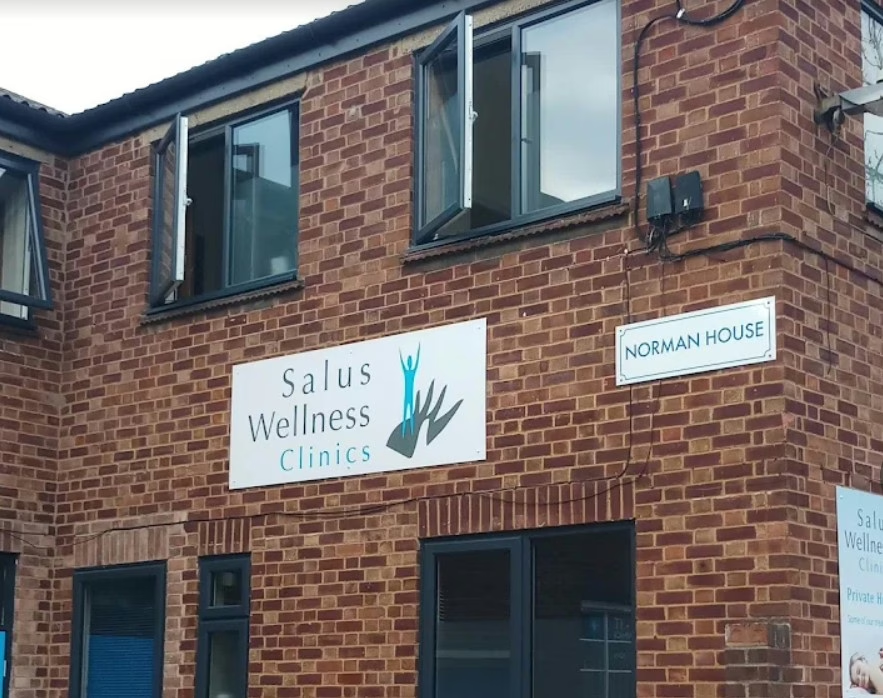
Cambridge: Private Microsuction Ear Wax Removal in Cambridge Cb2

Colindale: Private Microsuction Ear Wax Removal in North West London Nw4
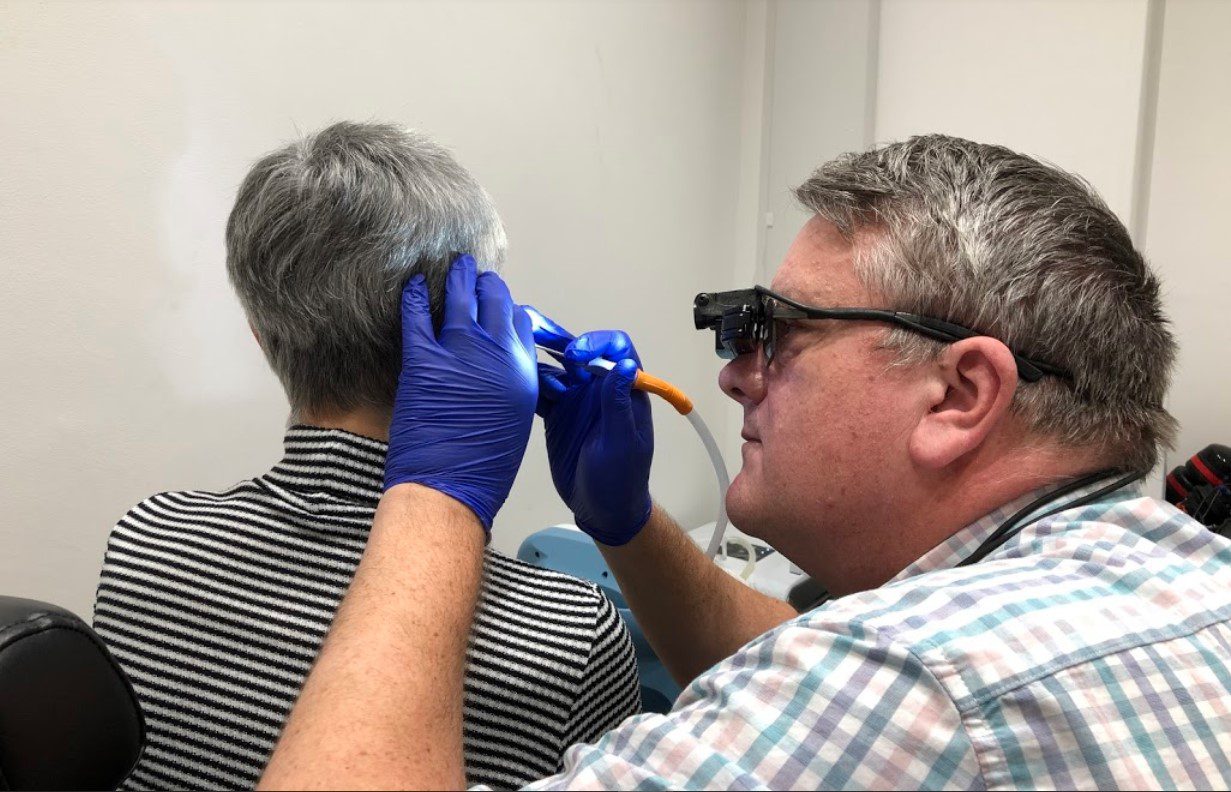
Ealing: Private Microsuction Ear Wax Removal in Ealing W5

East Finchley: Private Microsuction Ear Wax Removal in East Finchley N2
Edgware: Private Microsuction Ear Wax Removal in North London Nw4

Enfield: Private Microsuction Ear Wax Removal in Enfield En1
Finchley: Private Microsuction Ear Wax Removal in Finchley North London
Hastings: Private Microsuction Ear Wax Removal in Hastings Tn34
Hendon: Private Microsuction Ear Wax Removal in North West London Nw4
Hythe: Private Microsuction Ear Wax Removal in Hythe Ct21
Kingston: Private Microsuction Ear Wax Removal in Kingston-Upon-Thames Kt6
Mill Hill: Private Microsuction Ear Wax Removal in North West London Nw4

Milton Keynes: Private Microsuction Ear Wax Removal Mk in Bucks Mk2

Muswell Hill: Private Microsuction Ear Wax Removal in Muswell Hill N2

Oxford: Private Microsuction Ear Wax Removal in Oxford Ox2
Reading: Private Microsuction Ear Wax Removal in Reading Rg30

St Albans – Private Microsuction Ear Wax Removal in St Albans Al1
Surbiton: Private Microsuction Ear Wax Removal in Surbiton Kt6

Watford: Private Microsuction Ear Wax Removal in Watford Wd3

Welwyn Garden City: Private Microsuction Ear Wax Removal in Welwyn Al8
What Makes a Provider Page Trustworthy
A trustworthy provider page gives enough detail for a real person to assess the service, not merely enough wording to please a search engine. It should name the treatment, explain the clinic setting, and give practical access information without hiding the important parts. In health-related search, trust comes from clarity, consistency, and restraint. A page that overstates its claims or leans on vague language is usually less helpful than one that simply explains who the clinic is, what it does, and how to get there. For ear wax removal and hearing care, trust also comes from visible attention to patient needs, such as mobility access, location context, and the likely route to treatment. That is especially important for users comparing clinics across different towns or boroughs.
Trust Signals to Notice
Look for specialist language that remains understandable, practical access notes, and treatment descriptions that match the actual service being offered. Clear clinic branding, consistent wording, and patient-focused detail all help users feel they are in safe hands.
Read the Page Like a Patient Would
Ask yourself whether the listing answers the questions you would ask at reception: where is it, how do I get in, what treatment do you offer, and who will carry it out? If the page answers those clearly, it is usually more reliable than one that depends on vague praise.
Small but Important Check
If the page leaves out practical detail, that is often a sign to keep comparing. Good healthcare content should reduce doubt, not create it.