Categories
Health & Wellness Hearing Care

Hearing Aid Drying: Key Advantages You Need to Discover

Last Updated on 16/01/2026 by Admin

Enhance Your Hearing Aid Maintenance with Effective Drying Techniques

What is the vital significance of drying in hearing aid care?

Consistent maintenance is crucial for ensuring that hearing aids function at their optimal level, with drying being an essential aspect of this ongoing process. The primary objective of drying is to prevent the accumulation of moisture, which can lead to significant long-term damage, thereby securing the device’s durability and top performance. Moisture poses a constant threat to hearing aids, infiltrating their internal components and causing corrosion as well as operational failures. For instance, a hearing aid user residing in a humid tropical climate may discover that their device begins to malfunction within just a few months if appropriate drying techniques are not diligently employed.

Real-world experiences highlight the critical importance of adhering to effective drying routines. Users who commit to drying their devices regularly report a marked reduction in issues such as audio distortion, crackling noises, or complete breakdowns. The common practice of overnight drying allows moisture to escape, thus safeguarding the integrity of the internal circuitry. Without this indispensable drying step, users may incur costly repairs or replacements, ultimately shortening the lifespan of their hearing aids. Consequently, drying should not be seen merely as an optional step but rather as a fundamental practice that protects a user’s investment in their hearing health.

Establish Essential Daily Care Routines for Optimal Hearing Aid Maintenance

Creating a fundamental daily care routine is vital for maintaining hearing aids in peak condition, with drying playing a pivotal role in this regimen. Initially, users should remove their hearing aids at the end of each day and utilise a specialised drying kit designed specifically for hearing aids. These kits typically contain a desiccant that effectively absorbs moisture. By placing the hearing aids in the kit overnight, users can eliminate moisture, ensuring they are ready for use the following day.

In addition to drying, regular cleaning of devices is essential to remove earwax and other debris. Using a soft, dry cloth to wipe down the external surfaces guarantees that any buildup does not hinder performance. Furthermore, users should frequently check the battery compartment to ensure it is free from moisture or corrosion. By integrating these straightforward yet effective habits into their daily routines, users can ensure that their hearing aids not only remain functional but also provide reliable performance throughout their lifespan.

Maintaining this routine significantly enhances user comfort and satisfaction. The cumulative effects of these practices create a protective barrier against moisture and environmental factors, making the hearing aids more resilient. It is crucial for users to adopt these habits early on, cultivating a proactive approach to hearing aid upkeep that pays dividends in the long run.

What common challenges do hearing aid users encounter?

Humidity and moisture represent two of the most significant challenges faced by hearing aid users. These environmental factors can lead to substantial performance issues, including sound distortion and electronic failures. Users residing in coastal regions or areas with high humidity often report that their devices do not perform to expectations due to moisture-related complications. The intricate electronic components within hearing aids are particularly vulnerable to environmental influences, and ignoring the impact of humidity can result in more severe problems, such as the growth of mould or bacteria.

Effectively tackling these challenges through appropriate drying practices can significantly enhance the reliability of hearing aids. For example, users might consider investing in a compact dehumidifier specifically designed for hearing aids, which can be particularly beneficial in humid climates. Moreover, developing a habit of drying devices after each use, especially for those who perspire or are caught in the rain, plays a crucial role in preserving device integrity and overall user satisfaction. By actively managing moisture exposure, users can avoid the pitfalls that lead to device malfunctions.

Additionally, understanding how to identify the signs of moisture damage empowers users. If a device begins to sound muffled or the user experiences feedback noises, these could indicate that the hearing aid requires immediate drying. By adopting a vigilant stance on moisture management, users can ensure their devices remain dependable, thus enhancing their overall hearing experience.

Why consider professional maintenance services for hearing aids?

While daily care and drying routines are critical for maintaining hearing aids, the advantages of engaging professional maintenance services are substantial. These services provide expert cleaning, repairs, and adjustments that complement routine practices, ensuring that hearing aids operate optimally. Professionals possess specialised tools and expertise that enable them to conduct deep cleaning and make necessary adjustments that users might overlook.

For instance, a qualified technician can perform a comprehensive inspection and cleaning of the internal components of hearing aids, which is especially important for addressing issues caused by moisture. Regular visits to a hearing aid professional also facilitate the early detection of potential problems, ensuring that issues are resolved before they escalate into costly repairs. Additionally, experts can offer personalised advice tailored to the user’s specific environment and lifestyle, suggesting modifications to both daily care and drying routines.

The combination of professional services and diligent daily habits results in extended device lifespans and consistent performance. Users who regularly include professional check-ups in their maintenance schedules report fewer malfunctions and greater overall satisfaction with their devices. Trusting professionals with this aspect of hearing aid care offers peace of mind and establishes a comprehensive strategy for ensuring device longevity.

How to implement effective storage and protection for hearing aids?

Adopting effective storage methods is essential for protecting hearing aids from moisture damage, complementing drying practices. Users should consider using protective cases specifically designed for hearing aids. These cases often include moisture-absorbing materials, which help keep devices dry when not in use. Storing hearing aids in a dry, cool environment is also crucial; avoiding high-humidity areas, such as bathrooms or kitchens, can prevent moisture accumulation.

In addition to utilising protective cases, users should establish a designated storage space for their devices when they are not in use. This area should be free from potential moisture sources and ideally contain a desiccant to absorb excess humidity. For example, placing a small silica gel packet in the storage case can offer an additional layer of defence against moisture.

Regular evaluations of storage conditions are equally important. Users should remain mindful of their surrounding environment and adjust their storage strategies as necessary, particularly in areas where weather conditions fluctuate significantly. By adhering to these storage guidelines, users can significantly enhance the longevity and effectiveness of their hearing aids, ensuring they remain functional and reliable for many years.

How Does Drying Contribute to Preventing Damage in Hearing Aids?

What factors contribute to the wear and tear of hearing aids?

Multiple factors contribute to the wear and tear of hearing aids, with moisture being a primary concern. Prolonged exposure to sweat, humidity, and other environmental conditions can lead to significant degradation of internal components. The sensitive electronics that power hearing aids are particularly susceptible to moisture damage, which can result in corrosion and electrical failures. Users living in humid climates or those who engage in activities that induce sweating are often at a higher risk for these issues.

To mitigate these risks, implementing effective drying practices must be a top priority. One actionable step is to invest in a high-quality hearing aid dryer that utilises heat and UV light to eliminate moisture effectively. This device provides a thorough drying process that not only removes moisture but also helps sanitise the devices, further extending their lifespan. Users should also develop a routine of drying their devices each night, particularly after a long day of wear, to combat any moisture that may have accumulated throughout the day.

By being proactive and vigilant about drying, users can preserve the quality of their hearing aids over time, significantly reducing the likelihood of costly repairs or replacements. Educating oneself about the potential hazards of moisture and taking proactive measures can substantially improve longevity and reliability, ensuring that users stay connected to the world of sound.

What impact does moisture have on hearing aid functionality?

Excess moisture can dramatically affect the functionality of hearing aids, resulting in reduced sound quality and potential device failure. When moisture infiltrates the intricate components of a hearing aid, it can cause static noise, distortion, or even complete audio loss. The sensitive microphones and speakers within hearing aids require a dry environment to perform optimally, and when dampness occurs, users may experience interruptions in sound clarity, which can be frustrating and detrimental to effective communication.

Drying is crucial in maintaining clear sound quality. Users who incorporate drying into their regular routines often notice a significant improvement in audio performance. For instance, those who utilise a hearing aid dryer nightly report that their devices produce more consistent sound output, leading to a more satisfying hearing experience. This connection between moisture management and sound clarity underscores the importance of making effective drying techniques a regular part of hearing aid care.

Moreover, addressing moisture build-up promptly can lead to better overall health of the device. The sooner users can dry their hearing aids after exposure to moisture, the less likely they are to encounter long-term functional issues. By prioritising drying as a fundamental part of their maintenance routine, users can protect against malfunctions, ensuring their hearing aids deliver reliable performance and clear sound.

What signs indicate urgent drying for hearing aids?

Recognising the signs that indicate urgent drying for hearing aids is crucial for maintaining device integrity. One of the most prevalent indicators is reduced performance, which may manifest as muffled sound or intermittent audio. If users notice that their hearing aids are producing unclear or distorted sound, this may signal that moisture has penetrated the device, necessitating immediate drying.

Other indicators include visible condensation within the battery compartment or any unusual sounds such as crackling or static. These symptoms often serve as direct signs of moisture damage and emphasise the necessity for swift action. Users should also be attentive to changes in battery life; if the batteries appear to deplete faster than usual, moisture may be hindering the device’s functionality.

Timely intervention is essential to safeguard the integrity of hearing aids. Users experiencing any of these symptoms should prioritise drying their devices immediately, employing a dryer or desiccant to effectively eliminate moisture. By understanding these warning signs and responding quickly, users can prevent further damage, ensuring their hearing aids remain in peak working condition.

Insights from Experts on the Importance of Hearing Aid Drying

What key strategies do specialists recommend for drying hearing aids?

Experts in audiology highlight the necessity of integrating effective drying strategies into hearing aid maintenance. One highly recommended approach involves the use of electronic drying systems that combine heat and airflow to thoroughly eliminate moisture. These devices are specifically designed to cater to the needs of hearing aids, ensuring complete drying while protecting delicate components. Specialists often suggest incorporating these systems as part of a nightly routine for users, as they can significantly enhance the longevity and performance of hearing aids.

Another expert-supported strategy is to utilise desiccants in storage cases, which actively absorb moisture when the devices are not in use. Many professionals advocate for users to invest in high-quality drying kits that include these moisture-absorbing materials to provide an additional layer of protection. Real-life examples from users who have successfully adopted these strategies reveal improvements in device reliability and sound quality, reinforcing the importance of expert guidance in maintaining hearing aids.

Furthermore, specialists encourage users to remain mindful of their surroundings. In humid conditions, for instance, users may want to increase the frequency of drying their devices, adjusting their routines to account for heightened moisture exposure. By following expert advice and implementing their recommendations, users can adopt a proactive approach to hearing aid care, resulting in improved device performance and user satisfaction.

How does drying support overall health and functionality of hearing aids?

Integrating drying into daily routines significantly boosts the overall health of hearing aids. Regular drying practices not only shield devices from moisture damage but also promote consistent performance and superior sound quality. Experts advise users to establish a clear drying schedule, such as utilising a hearing aid dryer every night after removal. This routine minimises moisture accumulation, allowing the devices to remain in optimal condition.

In addition to drying, users should incorporate regular cleaning into their maintenance habits. Cleaning the outer surfaces and battery compartments helps prevent the buildup of debris and wax that can exacerbate moisture issues. For instance, using a soft cloth to wipe the devices daily can help keep them functional and sanitary. The combination of drying and cleaning ensures that hearing aids perform reliably, free from the interference of moisture and debris.

Ultimately, maintaining device health through consistent drying and cleaning practices results in improved durability and user experience. Users who prioritise these habits frequently report fewer disruptions in performance and greater overall satisfaction with their hearing aids. By actively engaging in these practices, users can cultivate a long-lasting relationship with their devices, ensuring they provide the sound clarity and comfort that enhances their daily lives.

What long-term benefits can be gained from consistent drying practices?

Establishing consistent drying and maintenance practices offers numerous long-term benefits for users of hearing aids. One primary advantage is the enhancement of device durability, as regular drying helps mitigate moisture-related wear and tear. Users who consistently dry their devices often find that they experience fewer malfunctions and enjoy extended lifespans, ultimately resulting in significant cost savings over time.

Moreover, maintaining a routine that includes drying fosters a more enjoyable hearing experience. With devices operating at their best, users benefit from clear sound quality and dependable performance in various settings. This reliability not only enhances communication but also promotes greater independence when engaging in social situations or daily activities.

Additionally, cultivating consistent habits can instil a sense of confidence in using hearing aids. Users who actively participate in maintaining their devices frequently report increased satisfaction and peace of mind, knowing they are taking proactive steps to safeguard their investment. Ultimately, the long-term benefits of consistent drying practices are multifaceted, encompassing practical advantages as well as an enhanced quality of life for hearing aid users.

How Do Regular Drying Practices Benefit Hearing Aids?

How does regular drying enhance sound quality?

Regular drying of hearing aids plays a crucial role in improving sound quality by eliminating moisture that can disrupt performance. Moisture accumulation within devices can lead to unclear sounds, static, and distortion, all of which detract from the overall hearing experience. By adopting routine drying practices, users can confirm that their hearing aids function at peak efficiency, providing clear and crisp audio.

For example, users who dry their devices every night often report a remarkable enhancement in sound clarity. This improvement can significantly enrich daily interactions, allowing individuals to engage more fully in conversations without the frustration of background noise or distortion. Over time, the cumulative effect of consistent drying contributes to a more enjoyable and fulfilling hearing experience.

Furthermore, maintaining clear sound quality through drying not only influences day-to-day communication but also has implications for the user’s cognitive health. Accessible and clear sound aids cognitive engagement, helping users stay connected and active within their social circles. Therefore, the benefits of regular drying extend beyond mere audio quality, impacting overall well-being and quality of life.

What advantages does drying provide for user comfort and convenience?

Routine drying practices significantly enhance user comfort and ease of use concerning hearing aids. Moisture buildup can lead to discomfort, as wet devices may cause irritation or unwanted feedback sounds. By ensuring that devices are adequately dried after each use, users can alleviate these uncomfortable experiences.

Additionally, regular drying promotes hygiene by preventing moisture-related issues such as mould or bacteria growth. For those who wear hearing aids for extended durations, the assurance that their devices are clean and dry contributes to a more pleasant wearing experience. The reduction of discomfort directly correlates to increased user satisfaction, encouraging consistent use and promoting overall hearing health.

Moreover, adopting drying habits can simplify the user experience. By integrating drying into their daily routines, users can save time and diminish the likelihood of unexpected device failures. This ease of maintenance fosters a sense of confidence in users, allowing them to enjoy seamless interactions without the worry of encountering issues due to moisture. Ultimately, the benefits of regular drying enhance both comfort and convenience, making life with hearing aids more enjoyable.

What potential cost savings can be realised through regular drying practices?

Regular drying practices can lead to substantial cost savings over time by extending the lifespan of hearing aids and reducing the need for repairs. Moisture-related problems can often result in expensive repairs or even complete replacements if not effectively managed. By proactively integrating drying into daily routines, users can minimise the risks associated with moisture damage, ultimately saving money in the long run.

The following highlights key financial benefits associated with regular drying:

  • Decreased frequency of device repairs due to moisture damage.
  • Prolonged lifespan of hearing aids, delaying the need for replacements.
  • Lower maintenance costs by addressing issues before they escalate.
  • Reduced spending on professional cleaning services by ensuring devices are well-maintained at home.
  • Enhanced performance resulting in fewer adjustments and fitting sessions.
  • Improved overall device reliability, which limits unexpected expenses.
  • Better sound quality, reducing the need for additional accessories or enhancements.
  • Increased user satisfaction, leading to a lower likelihood of switching brands or models.

By recognising the financial implications of regular drying, users can appreciate the value of effectively maintaining their devices. The investment in simple drying practices yields significant returns, making it a worthwhile consideration for anyone using hearing aids.

What Research-Backed Benefits Support Hearing Aid Drying?

What evidence supports the effectiveness of drying for hearing aids?

Research consistently validates the effectiveness of drying in preventing issues with hearing aids. Studies have identified moisture exposure as one of the leading causes of device malfunction, emphasising the necessity for effective drying practices. Expert analyses reveal that users who include routine drying in their maintenance regimens experience substantially fewer device failures and enhanced reliability.

For instance, a recent study indicated that users who dried their hearing aids nightly reported a 40% reduction in repair needs over a two-year span compared to those who neglected drying. This evidence underscores the vital role that moisture management plays in sustaining device performance and longevity.

Furthermore, research indicates that maintaining a dry environment for hearing aids can lead to improved sound quality and user satisfaction. Users who actively engage in drying practices report a more positive hearing experience, suggesting a direct correlation between moisture management and audio clarity. These findings reinforce the necessity of establishing effective drying routines as a fundamental aspect of hearing aid maintenance.

How does regular drying enhance daily usability?

Regularly drying hearing aids boosts daily usability by fostering consistent performance and user comfort. Research findings indicate that users who prioritise drying encounter fewer disruptions in sound quality, leading to smoother interactions in their everyday lives. With properly dried devices, users can engage in conversations confidently, assured that their hearing aids will deliver clear audio without the hindrance of moisture-related complications.

Moreover, maintaining dry hearing aids contributes to overall hygiene, minimising the likelihood of discomfort or irritation caused by dampness. This factor significantly improves the daily experience for users, allowing them to wear their devices for extended periods without concern. The combination of comfort and reliability establishes a more positive relationship with hearing aids, encouraging regular use and fostering greater satisfaction.

By incorporating drying into their daily routines, users can also streamline their maintenance efforts. This approach simplifies the overall care process, making it easier to sustain device functionality and prolong lifespan. Overall, the enhancements to daily usability through regular drying practices present a compelling case for their importance in hearing aid maintenance.

What real-world success stories demonstrate the benefits of drying?

Numerous success stories illustrate the positive transformations that drying practices can bring to hearing aid users. For example, a user living in a coastal area known for its high humidity reported a dramatic improvement in both functionality and comfort after adopting a nightly drying routine. Initially, frequent moisture-related challenges led to frustration and costly repairs, but following the prioritisation of drying, the user noted a significant decrease in device malfunctions and an overall enhancement in sound quality.

Another success story involves a user who faced challenges with allergies and earwax buildup, leading to discomfort and intermittent audio issues. By adopting a thorough drying and cleaning routine, they effectively alleviated these problems. The combination of consistent drying and regular cleaning not only improved their device’s performance but also heightened their overall satisfaction with their hearing aids.

These real-world examples emphasise the tangible benefits that arise from prioritising drying in hearing aid maintenance. Users who actively engage in these practices often experience transformative changes in their daily interactions and overall quality of life, underscoring the critical importance of moisture management.

Why is Drying Vital for the Longevity of Hearing Aids?

What makes drying essential for extending device lifespan?

Drying is essential for the longevity of hearing aids, as it plays a crucial role in preventing moisture-related damage that can compromise the integrity of internal components. Hearing aids contain sensitive electronics that are prone to corrosion and deterioration when exposed to excessive moisture. Regularly drying devices minimises these risks, ensuring they remain functional and effective for an extended period.

By incorporating effective drying practices into maintenance routines, users can significantly prolong the lifespan of their devices. For instance, individuals who consistently dry their hearing aids report fewer electronic failures and longer usage periods. This correlation between drying and device longevity emphasises the necessity of prioritising moisture management as a core aspect of hearing aid care.

Moreover, adopting preventive measures such as drying not only safeguards the devices themselves but also enhances the overall user experience. The assurance that hearing aids are well-maintained contributes to greater confidence and satisfaction, prompting users to rely on their devices more fully in their daily lives. Ultimately, the significance of drying for longevity cannot be overstated, as it serves as the foundation for sustaining optimal performance and reliability.

What are the effects of moisture on material integrity over time?

The integrity of the materials used in hearing aids is significantly influenced by moisture exposure over time. When hearing aids are frequently subjected to high humidity levels, components such as microphones, speakers, and battery compartments may weaken and deteriorate, necessitating repairs or replacements. Regular drying helps preserve the structural soundness of these materials, ensuring that hearing aids remain in optimal condition.

Experts emphasise that maintaining dry conditions is critical not only for functionality but also for protecting the physical components of the devices. For example, moisture accumulation can lead to the degradation of internal wiring, compromising performance and increasing the likelihood of device failure. By prioritising drying, users can effectively guard against such deterioration, ultimately prolonging the life of their devices.

Additionally, monitoring the material integrity of hearing aids is essential. Users should routinely inspect their devices for signs of wear, such as cracks or discoloration, which can indicate moisture-related damage. By combining regular drying practices with vigilant monitoring, users can ensure that their devices remain reliable and durable, improving their overall hearing experience.

How can users monitor and adjust their drying habits?

Monitoring and adjusting drying habits is essential for maintaining optimal conditions for hearing aids. Users should establish a drying schedule that aligns with their usage patterns, incorporating nightly drying as a baseline. For those who engage in activities that increase moisture exposure, such as exercise or outdoor adventures, additional drying sessions may be necessary.

Consider using a moisture meter to gauge humidity levels in storage areas. This device can provide valuable insights into optimal drying practices, allowing users to adjust their routines as needed. For instance, in particularly humid climates, users may benefit from drying their devices multiple times daily to combat moisture buildup.

Additionally, regular assessments of the condition of hearing aids can inform adjustments to drying habits. If signs of moisture accumulation or performance issues arise, users should respond promptly by increasing the frequency of drying sessions. By actively monitoring and adapting their practices, users can ensure their devices remain in peak condition, ultimately enhancing longevity and user satisfaction.

Practical Tips for Effective Hearing Aid Care

What are the best practices for routine checks on hearing aids?

Establishing best practices for routine checks is crucial for maintaining the performance of hearing aids, with drying being a central aspect of this process. Users should incorporate a weekly inspection regimen, which includes examining the devices for any signs of wear or moisture accumulation. Regularly checking battery compartments for corrosion and ensuring that microphones and speakers are clear of debris will help prevent performance issues.

In addition to visual inspections, conducting sound tests can provide valuable insights into device functionality. Users should assess audio quality and clarity during routine checks, noting any irregularities that may indicate moisture-related problems. If any issues arise, prioritising immediate drying can help mitigate potential damage.

To streamline these checks, users can create a checklist that outlines key inspection points, including:

  • Examine the battery compartment for moisture or corrosion.
  • Inspect the external surfaces for dirt or debris.
  • Conduct sound quality tests by listening for clarity and feedback.
  • Check the microphone openings for blockages or damage.
  • Ensure that the devices fit comfortably and securely.
  • Review the drying schedule and adjust as needed based on usage.
  • Test the devices in different environments to assess performance.

By engaging in these routine checks, users can identify potential issues early on and maintain optimal performance, ensuring a more consistent hearing experience.

How can drying be integrated into daily life?

Integrating drying into daily life can simplify the maintenance of hearing aids, ensuring they remain in optimal condition with minimal effort. One effective method is to create a drying routine that coincides with established daily activities. For example, users can place their hearing aids in a drying station each night before bed, making it a seamless part of their evening ritual.

Additionally, users should leverage technology to their advantage. Many modern hearing aids feature built-in drying capabilities, allowing users to schedule drying sessions automatically. By utilising these technological enhancements, users can streamline their maintenance efforts while ensuring their devices are adequately cared for.

Moreover, incorporating reminders into daily schedules—such as setting alerts on smartphones or using calendar applications—can help users remain consistent with drying practices. Simple reminders can prompt users to engage in drying routines, ensuring that moisture management stays a priority.

By integrating drying into daily life, users can foster a proactive approach to hearing aid maintenance that enhances the longevity and performance of their devices without overwhelming effort.

When should users seek professional help for their hearing aids?

While routine care and drying are critical for hearing aids, there are specific scenarios when seeking professional assistance becomes necessary. Users should consider consulting an audiologist or hearing aid specialist if they experience persistent audio issues, such as distortion or feedback, despite regular maintenance and drying. These symptoms may indicate deeper problems that require expert intervention.

Additionally, if users notice any physical damage to their devices, such as cracks or inconsistencies in sound output, professional evaluation is vital. Technicians can conduct thorough inspections to identify underlying issues and provide tailored solutions that may not be apparent to users.

It is also advisable to seek professional assistance if users frequently adjust their hearing aids or experience discomfort while wearing them. An audiologist can help fine-tune settings and ensure proper fit, enhancing overall comfort and usability.

Users should remain attuned to the following warning signs that indicate the need for professional help:

  • Consistent sound distortion or interference.
  • Excessive battery drain or difficulties with power.
  • Physical damage to the devices or wear on components.
  • Persistent discomfort or irritation while using hearing aids.
  • Any unusual sounds, such as crackling or static.
  • Frequent adjustments needed to hear clearly.
  • Issues that persist despite adherence to maintenance routines.

By knowing when to seek professional assistance, users can proactively address potential issues, ensuring their hearing aids remain reliable and effective.

What are the proper cleaning techniques for hearing aids?

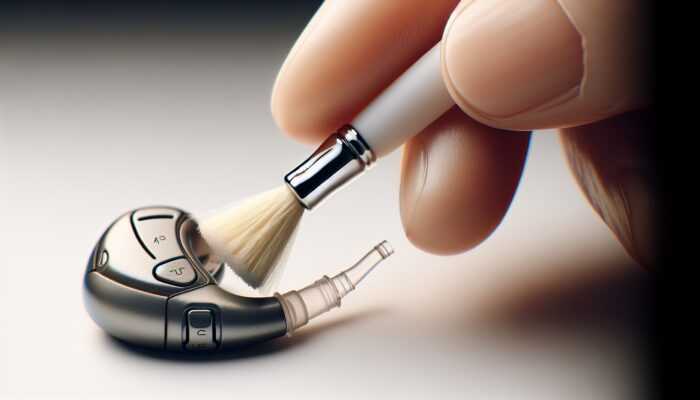
Employing effective cleaning techniques is critical for maintaining hearing aids and ensuring their longevity. Users should utilise soft, dry cloths to wipe down the exterior surfaces of their devices daily, removing any dirt, dust, or earwax buildup that may affect performance. Additionally, using a soft brush specifically designed for hearing aids can help clean microphones and speaker openings without causing damage.

For more thorough cleaning, users can employ mild cleaning solutions that are safe for electronic devices. However, it is essential to avoid submerging the hearing aids in water or using harsh chemicals, as these can lead to irreversible damage. Instead, applying a small amount of cleaning solution to a cloth and gently wiping the surfaces is a recommended practice.

Users should also consider investing in specialised cleaning tools, such as wax removal kits, which can help maintain hygiene while preventing performance issues. Regularly inspecting and cleaning the battery compartment is equally important, as moisture and debris can lead to corrosion and power issues.

By adopting proper cleaning techniques, users can ensure their hearing aids remain hygienic and functional, significantly enhancing their overall hearing experience.

What is the importance of battery maintenance and replacement?

Battery maintenance and replacement are essential aspects of hearing aid care that directly affect performance. Users should choose the appropriate batteries for their specific devices, ensuring compatibility and longevity. Regularly checking battery life and performance is critical; users should pay attention to the indicators that signal when batteries need replacing, such as diminished sound quality or increased frequency of battery changes.

To extend battery life, users can adopt simple habits, such as turning off their devices when not in use and storing them in a cool, dry place. Additionally, avoiding exposure to extreme temperatures can significantly enhance battery longevity. When replacing batteries, it is crucial to follow manufacturer guidelines for installation to prevent damage to the devices.

Implementing routine checks of battery compartments for moisture accumulation or corrosion is also vital. If users notice any signs of damage, it is advisable to seek professional assistance to address potential issues before they escalate. By prioritising battery maintenance and replacement, users can ensure reliable performance and extend the lifespan of their hearing aids.

Frequently Asked Questions (FAQs)

How often should I dry my hearing aids?

It is recommended to dry your hearing aids every night after use to prevent moisture accumulation and ensure optimal performance.

What are the signs that my hearing aids need drying?

Signs include distorted sound, static, or visible moisture in the battery compartment. If you notice these symptoms, dry your devices immediately.

Can I use a hairdryer to dry my hearing aids?

No, using a hairdryer can damage the delicate components of hearing aids. It’s best to use a specialised drying device designed for hearing aids.

How can I clean my hearing aids safely?

Use a soft, dry cloth for external surfaces and a soft brush for microphones. Avoid submerging the devices in water or using harsh chemicals.

What types of drying devices are recommended?

Electronic hearing aid dryers that use heat and UV light are highly recommended for effective moisture removal. Desiccant-based dryers are also effective.

How do I know if my hearing aids are damaged from moisture?

If you notice reduced sound quality, frequent feedback, or unusual noises, your hearing aids may be compromised due to moisture exposure.

Can I store my hearing aids in the bathroom?

It’s not advisable to store hearing aids in the bathroom, as the humidity can lead to moisture accumulation. Store them in a cool, dry place.

What should I do if my hearing aids stop working?

First, check the batteries and dry your devices. If problems persist, seek professional assistance from an audiologist for a thorough evaluation.

Are there any accessories to help with drying?

Yes, several accessories, such as hearing aid drying kits and protective cases with moisture-absorbing materials, can help manage moisture effectively.

How long can I expect my hearing aids to last with proper care?

With proper care, including regular drying and maintenance, hearing aids can last between three to seven years, depending on the model and usage.

Discover our world on X today!

The post Hearing Aid Drying: Essential Benefits You Should Know appeared first on The Microsuction Ear Wax Removal Network.

Categories
Health & Wellness Hearing Care

Sleep’s Impact on Overall Well-Being and Hearing Health

Last Updated on 24/01/2026 by Admin

Discover the Essential Link Between Quality Sleep and Optimal Hearing Health

What is the connection between sleep patterns and auditory performance?

Quality sleep is fundamental in preserving and enhancing our auditory health. During sleep, our bodies undergo vital restorative processes that play a significant role in repairing ear cells and boosting the brain’s capacity to process sounds effectively. Individuals who prioritise restful sleep often report notable improvements in their ability to recover from auditory challenges, enabling them to engage in conversations with greater ease and enjoy music without the fatigue that can accompany poor hearing. Personal accounts highlight a remarkable enhancement in daily hearing capabilities achieved through healthier sleep habits, illustrating the profound impact that restorative sleep has on overall auditory function.

What factors significantly affect sleep quality and its influence on hearing?

Numerous factors play a critical role in determining the quality of sleep, which directly supports ear health. Elements such as sleep duration, the cyclic nature of sleep, and the consistency of sleep patterns are essential for optimal physiological recovery. Establishing a robust foundation of quality sleep not only benefits hearing capabilities but also enhances overall health and cognitive clarity. This conducive environment fosters improved auditory function, ultimately leading to a better quality of life and enriched sensory experiences.

What are the common misconceptions surrounding sleep and auditory health?

Several myths persist regarding the relationship between sleep and hearing health. A prevalent misconception is the belief that sleep has no meaningful impact on auditory function. In reality, sufficient sleep is indispensable for preventing various hearing issues and sustaining auditory clarity. The key benefits associated with healthy sleep patterns include:

Understanding these fundamental aspects can help dispel myths and encourage better sleep practices that safeguard hearing health while promoting overall well-being.

What practical strategies can enhance sleep quality for improved hearing health?

Enhancing sleep quality involves implementing specific strategies that can greatly bolster auditory function. Establishing a consistent pre-bedtime routine, minimising exposure to blue light in the evening, and creating a tranquil, dark sleeping environment are vital steps. These practices not only help maintain but may also improve hearing capabilities over time, allowing the auditory system to recuperate effectively and function at its best, thereby facilitating a vibrant auditory experience.

What are the long-term consequences of sleep on auditory health?

The long-term benefits of consistently achieving quality sleep on auditory wellness are significant and extensive. Regularly obtaining restorative sleep can prevent hearing loss and enhance ear health, while chronic sleep deprivation poses serious risks to auditory function. By diligently monitoring sleep patterns and making necessary adjustments, individuals can experience sustained auditory advantages, ensuring they remain finely attuned to the rich sounds that surround them.

How Does Quality Sleep Contribute to Hearing Maintenance?

What is the underlying science connecting sleep and sound processing?

Quality sleep plays an indispensable role in auditory health by facilitating neural mechanisms that repair pathways associated with hearing. During various phases of sleep, particularly deep sleep, the brain consolidates and processes auditory information, resulting in improved overall hearing health in everyday situations. This restorative process underscores the importance of quality sleep as a foundational element in effective auditory maintenance and enhancement.

What daily habits can be adopted to boost sleep quality and support hearing?

Integrating daily habits that promote restful sleep is crucial for enhancing auditory function. Consistently adhering to bedtime schedules, establishing calming pre-sleep rituals, and avoiding stimulants close to bedtime can significantly optimise rest. These universally beneficial practices create an environment conducive to quality sleep, which further bolsters hearing health and contributes to overall wellness, allowing individuals to fully relish their auditory experiences.

What indicators suggest that sleep problems might be impacting hearing?

Recognising signs of sleep-related auditory issues is vital for timely intervention and effective management. Symptoms may encompass fatigue that hampers sound perception, challenges in focusing during conversations, or heightened sensitivity to noise. By closely monitoring these experiences, individuals can identify potential sleep-related auditory concerns, encouraging proactive measures that protect hearing health and enhance quality of life.

Expert Insights on the Significance of Sleep for Auditory Health

Why do specialists emphasise the critical role of sleep in auditory care?

Experts emphasise the importance of sleep in auditory care due to its profound effects on hearing maintenance and overall auditory health. Recent research highlights actionable strategies for integrating quality sleep into daily routines, which can significantly bolster auditory well-being. The long-term advantages of prioritising sleep contribute to a more robust auditory system, ultimately leading to an enhanced quality of life and richer auditory experiences.

What advanced methods do specialists recommend for enhancing hearing through improved sleep?

Specialists often advocate for advanced techniques designed to enhance hearing through better sleep quality. Approaches such as guided relaxation practices, cognitive behavioural strategies for insomnia, and mindfulness meditation can cultivate conducive sleep environments. These evidence-based methods effectively alleviate anxiety and promote restorative sleep, which is critically important for optimal auditory function and overall health.

What potential long-term effects on hearing health do experts anticipate from maintaining consistent sleep patterns?

Experts suggest that adhering to consistent sleep patterns can yield significant preventative benefits for auditory health. They cite real-world examples of individuals who have committed to disciplined sleep schedules, reporting a marked decrease in hearing problems over time. This observation reinforces the essential connection between sleep and long-term auditory wellness, highlighting the necessity of monitoring and refining sleep habits for improved hearing outcomes.

What do specialists recommend regarding optimal sleep duration for preserving auditory health?

Experts advise that adults aim for 7 to 9 hours of sleep each night to support optimal hearing health. Sufficient sleep duration is crucial; inadequate rest can lead to auditory strain and dysfunction. Effective strategies for achieving consistent sleep patterns include establishing a regular sleep schedule, minimising distractions before bedtime, and creating a serene environment, all of which contribute to enhanced auditory preservation and well-being.

Research-Backed Insights on Sleep’s Role in Promoting Hearing Health

How does consistent sleep enhance resilience in auditory function?

Research indicates that consistent sleep plays a pivotal role in strengthening the auditory system’s resilience against environmental stressors. Quality sleep enhances the auditory system’s ability to recover from daily exposure to loud noises and other auditory challenges. This reinforcement of protective mechanisms ensures improved overall hearing health, fostering a robust auditory experience that enables individuals to fully appreciate the sounds of life.

What significant findings emerge from research on the relationship between sleep and hearing?

Numerous studies highlight the substantial benefits of sleep for sound detection abilities. Research has shown that quality rest markedly enhances an individual’s capability to discern subtle auditory cues, which is essential in various listening environments. These findings underscore the interdependence of sleep quality and auditory function, emphasising the need for greater awareness of sleep’s critical role in maintaining hearing health.

How can research findings be applied to everyday hearing practices?

Integrating research findings into daily routines can lead to significant improvements in sleep habits, thereby fostering better hearing health. Experts encourage individuals to focus on sleep hygiene techniques, such as creating a sleep-friendly environment and adhering to consistent sleep schedules. By applying these strategies, individuals can align their sleep patterns more effectively with the needs of their auditory systems, ensuring optimal hearing performance.

What are the Risks Associated with Inadequate Sleep for Hearing Health?

What impact does poor sleep have on sound perception?

Disrupted sleep patterns can lead to a variety of auditory challenges, primarily by impairing the brain’s capacity to process sounds effectively. When individuals do not obtain sufficient sleep, they often struggle with sound clarity and perception, which can significantly detract from their everyday auditory experiences. This difficulty can hinder meaningful communication and diminish the ability to engage with the surrounding world.

What strategies can help reduce sleep-related risks to hearing health?

Enhancing rest and safeguarding hearing health involves implementing straightforward strategies such as establishing a consistent bedtime, minimising noise disturbances, and adopting a calming pre-sleep routine. These simple adjustments create an environment conducive to quality sleep, thus protecting against potential hearing issues stemming from inadequate rest while promoting overall wellness.

What long-term repercussions are associated with sleep deficits on hearing health?

The long-term consequences of sleep deficits can result in diminished auditory clarity and processing difficulties. Chronic sleep issues can exacerbate hearing problems and contribute to auditory fatigue. To underscore the importance of addressing sleep-related concerns, consider the following key risks associated with ongoing sleep issues:

  • Increased vulnerability to noise-induced hearing loss.
  • Delayed responses in auditory processing.
  • Heightened sensitivity to sound.
  • Worsening communication difficulties.

Heightened awareness and proactive measures are essential in preventing these adverse outcomes, ensuring optimal auditory health remains intact.

Effective Strategies for Enhancing Sleep Quality to Support Hearing Health

How can a routine be established to foster restful hearing?

Creating a sleep routine that promotes restful hearing involves several practical steps. Firstly, individuals should aim to maintain a consistent sleep schedule, striving to go to bed and awaken at the same times each day. Incorporating relaxation techniques such as reading, gentle stretching, or engaging in calming activities prior to bedtime can signal the body that it is time to rest, ultimately supporting auditory function and enhancing sleep quality.

What natural methods can improve both sleep and ear health?

Lifestyle modifications can significantly enhance both sleep quality and ear health. Embracing a well-balanced diet rich in essential nutrients, remaining physically active, and ensuring proper hydration are all crucial factors. These habit changes contribute to overall wellness, promoting better sleep and, in turn, supporting hearing health for long-term benefits.

How can progress in sleep quality and hearing maintenance be effectively monitored?

Monitoring improvements in sleep quality and hearing maintenance can be facilitated through simple methods, such as maintaining a sleep diary or using sleep-tracking devices. These tools assist individuals in identifying patterns in their sleep and making necessary adjustments, leading to more sustainable practices that support both sleep and auditory health over the long term.

What relaxation techniques can enhance both sleep and hearing health?

Incorporating relaxation techniques, such as meditation and deep breathing exercises, can substantially improve sleep quality. Engaging in these practices before bedtime can help alleviate stress, reduce tension in the auditory system, and promote a more restful night’s sleep. Simple steps like selecting a quiet space for meditation and concentrating on breath can yield significant benefits for overall well-being and hearing health.

What is the influence of dietary choices on sleep and auditory function?

Diet plays a crucial role in shaping sleep patterns and auditory function. Consuming nutrient-rich foods, such as leafy greens and omega-3 fatty acids, can enhance sleep quality while simultaneously supporting ear health. Conversely, steering clear of irritants like caffeine and excessive sugar can prevent sleep disruptions. Practical meal suggestions and mindful dietary choices contribute to sustainable lifestyle changes that benefit both sleep and hearing.

Frequently Asked Questions

How does quality sleep impact hearing health?

Quality sleep is essential for maintaining auditory health, as it aids in the repair of ear cells and enhances sound processing capabilities. Insufficient sleep can result in diminished auditory function and an increased susceptibility to hearing-related issues.

What signs indicate that poor sleep is affecting hearing?

Indicators include challenges in understanding conversations, fatigue that influences sound perception, and increased sensitivity to noise. Monitoring these symptoms can assist in identifying sleep-related auditory problems, facilitating timely intervention.

What is the recommended amount of sleep for optimal hearing health?

Experts generally recommend that adults aim for 7 to 9 hours of sleep each night to maintain excellent hearing health. Adequate sleep duration supports effective auditory processing and overall well-being.

What strategies can be utilised to enhance sleep for improved hearing?

Establishing a consistent sleep schedule, minimising screen time before bed, and creating a relaxing bedtime routine can significantly enhance sleep quality, thereby supporting auditory function and overall health.

Can relaxation techniques aid in improving sleep quality?

Indeed, techniques such as meditation and deep breathing can effectively reduce stress and encourage restful sleep, which is beneficial for hearing health and overall wellness.

Is there a link between dietary habits and sleep quality?

Absolutely. A balanced diet rich in essential nutrients can enhance sleep patterns, while avoiding irritants like caffeine can help prevent disruptions, ultimately benefiting auditory health.

What long-term effects can arise from sleep deprivation on hearing?

Chronic sleep deprivation can lead to diminished auditory clarity, delayed processing of sounds, and increased susceptibility to hearing loss over time, underscoring the importance of consistent, quality sleep.

How can I effectively monitor my sleep and its impact on hearing?

Keeping a sleep diary or using tracking devices can facilitate the monitoring of sleep patterns and their effects on hearing health, enabling individuals to make necessary adjustments for improvement.

Are there specific foods that support both sleep quality and hearing health?

Foods abundant in magnesium, omega-3 fatty acids, and antioxidants can promote better sleep quality while supporting auditory health, making them excellent dietary choices for overall well-being.

Why is it important to prioritise sleep for maintaining hearing health?

Prioritising sleep is crucial as it facilitates the recovery and maintenance of auditory function. Quality sleep supports the body’s natural repair mechanisms, which are essential for sustaining hearing health over the long term.

Connect with Us on X!

The post Sleep’s Impact on Hearing Health and Overall Well-Being appeared first on The Microsuction Ear Wax Removal Network.

The post Sleep’s Impact on Hearing Health and Overall Well-Being appeared first on Healthcare Marketing Service.

Categories
Health & Wellness Hearing Care

Storing Hearing Aids: Essential Travel Tips to Remember

Last Updated on 19/12/2025 by Admin

Key Preparations for Your Hearing Aids Ahead of Travel

Ensure Your Hearing Aids Are Thoroughly Cleaned Prior to Packing

<a href="https://www.earwaxremoval.net/hearing-protection-essential-for-musicians-ear-safety/">Cleaning your hearing aids</a> before embarking on your travels is imperative for preserving their functionality and enhancing their lifespan. Dust, earwax, and moisture can accumulate over time, severely impacting your devices, particularly when they are stowed away in a case or bag. To properly clean your hearing aids, utilise a soft, lint-free cloth along with a gentle cleaning solution recommended by the manufacturer. Carefully wipe the exterior surfaces, paying particular attention to the microphone openings and any crevices where debris tends to gather. Regular cleaning not only promotes hygiene but also enhances sound quality by removing potential obstructions.

Additionally, investing in a specialised hearing aid cleaning kit, which includes tools such as a brush, wax loop, and cleaning wipes, can be beneficial. These tools are specifically designed to tackle stubborn earwax and debris that may hinder the performance of your hearing aids. Always follow the manufacturer’s cleaning instructions to prevent damaging sensitive components. By giving your hearing aids this level of care, you can ensure they are in optimal condition when you reach your destination, ready to deliver peak performance.

How to Effectively Check the Battery Life of Your Hearing Aids Before Travelling

Before you embark on your journey, checking the battery life of your hearing aids is a crucial step. Depending on your usage patterns and the type of hearing aids you have, battery life can diminish more quickly than expected, especially during travel when you may depend on them more frequently. It is wise to replace any batteries that are running low to avoid inconvenience during your trip. Carrying extra batteries ensures you can replace them swiftly if necessary, allowing you to remain connected to your surroundings.

For those who travel often, investing in high-quality batteries can significantly enhance your experience. Seek out reputable brands known for their longevity. If your hearing aids are rechargeable, ensure they are fully charged before you depart. Additionally, consider bringing along a portable charger if your hearing aids support this feature, providing you with added peace of mind during longer journeys. Always keep track of the specific type of batteries your hearing aids require and check for local availability at your destination, particularly if you plan to visit remote areas.

What Essential Accessories Should You Pack for Your Hearing Aids?

When travelling with hearing aids, packing the appropriate accessories is vital for ensuring their functionality and ease of use. Essential accessories that you should consider bringing include:

  • Cleaning kit (including a brush and wax loop)
  • Extra batteries or a portable charger
  • A robust carrying case
  • Desiccant packets for moisture control
  • A protective case for added safety
  • User manual for quick troubleshooting
  • A travel-sized dehumidifier
  • A backup hearing aid, if available

Having these accessories readily available ensures that you can manage your hearing aids effectively throughout your travels. A cleaning kit enables quick maintenance, while extra batteries are essential for uninterrupted usage. A sturdy carrying case not only protects your hearing aids from damage but also organises your accessories for quick access. Moisture control is critical, especially in humid climates, making desiccant packs invaluable. Being well-prepared with the right tools allows you to overcome any challenges that may arise while travelling.

Professional Tips for Safely Storing Hearing Aids During Travel

Choosing the Most Suitable Carrying Case for Your Hearing Aids

Selecting the right carrying case for your hearing aids can significantly affect their safety and functionality while travelling. A durable case specifically designed for hearing aids is essential for protecting your devices from potential damage. Look for cases made from hard-shell materials that can withstand impacts and provide waterproof features. Some cases even include compartments for storing batteries and cleaning accessories, ensuring everything you need is conveniently located in one place.

Examples of suitable carrying cases can be sourced from leading manufacturers such as Oticon and Phonak. These brands offer compact, lightweight cases that provide excellent protection and organisation. Certain travel cases come equipped with built-in moisture control features, such as a dehumidifier, which helps maintain optimal humidity levels for your hearing aids, thereby extending their lifespan and functionality. Always consider the size and weight of the case to ensure it fits comfortably in your luggage while providing ample protection.

How Can You Protect Your Hearing Aids from Moisture During Travel?

Moisture presents one of the primary threats to hearing aids, leading to potential damage and diminished performance. To safeguard your devices, consider using silica gel packets or a compact dehumidifier within your carrying case. These items effectively absorb moisture that may accumulate during your travels, particularly in humid environments. Here are some actionable steps to reduce moisture exposure:

  • Include silica gel packets in your carrying case to absorb excess moisture.
  • Invest in a portable hearing aid dehumidifier to maintain optimal conditions.
  • Avoid storing hearing aids in damp areas to prevent moisture damage.
  • Keep hearing aids in their protective case when not in use.

Furthermore, always ensure that your hands are dry when handling your hearing aids, as moisture from your fingers can also affect their performance. If your destination has humid weather, limit the time your hearing aids are exposed to open air. At night, store your hearing aids in a dehumidifying container to ensure they remain moisture-free by morning. By following these steps, you can effectively safeguard your hearing aids from moisture damage, ensuring they operate optimally throughout your travels.

Should You Store Hearing Aids in Your Carry-On or Checked Luggage?

Determining whether to keep your hearing aids in your carry-on luggage or checked baggage is an important consideration for travellers. Carry-on bags typically provide a safer environment for your hearing aids, as you maintain direct control over your belongings throughout the journey. Keeping them in a carry-on minimises the risk of exposure to harsh conditions, such as extreme temperatures or rough handling by baggage personnel.

However, if checking your luggage is unavoidable, specific precautions should be taken. Ensure your hearing aids are well-protected within a durable case and cushioned with soft materials like clothing. Avoid placing them at the bottom of your suitcase where they could become squished or damaged. The advantages of carry-on storage include easy accessibility and reduced risk of loss, while the downsides of checked luggage involve potential exposure to rough handling and extreme temperatures. Evaluating these options and selecting the safest method will help protect your valuable devices during travel.

How to Manage Temperature Extremes That Affect Hearing Aids?

Maintaining a stable environment for your hearing aids is vital for their performance. Extreme temperatures can adversely affect their functionality, leading to battery drain or, in severe cases, permanent damage. To protect your devices from excessive heat or cold, consider storing them in an insulated case, especially during long flights or road trips.

In hot climates, avoid leaving your hearing aids in a vehicle or exposing them to direct sunlight for extended periods. Instead, keep them with you in a pocket or bag where you can regulate the temperature. When travelling to colder destinations, make sure your hearing aids are stored in a warm area, avoiding cold luggage compartments or outdoor environments. By maintaining optimal temperature conditions, you can significantly extend the lifespan and performance of your hearing aids during your travels.

Ensuring Prompt Accessibility of Hearing Aids During Travel

Accessibility is crucial when travelling with hearing aids. Keeping your devices easily reachable ensures you can quickly use or adjust them when necessary. Consider placing your hearing aids in an outer pocket of your carry-on bag or a dedicated pouch in your travel purse. This allows for swift access during security checks or when you need to make adjustments in noisy environments.

Additionally, consider using a lanyard or clip to secure your hearing aids to your clothing when you temporarily remove them. This reduces the risk of losing them during busy travel moments, such as boarding or deplaning flights. Remember, having your hearing aids within reach enhances your travel experience, enabling you to remain engaged with your surroundings without unnecessary delays.

What Are the Best Practices for Storing Your Hearing Aids During Travel?

Investing in a High-Quality Protective Case for Your Hearing Aids

Utilising a protective case is one of the most prudent practices when travelling with hearing aids. This case not only shields them from physical damage but also protects against environmental hazards like dust and moisture. The right protective case offers superior safeguarding while improving usability on the go. Look for features that enhance convenience, such as:

  • A waterproof exterior to fend off moisture
  • Interior padding to prevent movement and damage
  • Compartments for batteries and cleaning tools
  • Compact design for easy packing

Having a dedicated protective case allows you to keep all your hearing aid essentials organised and secure. When not in use, always return your hearing aids to this case to minimise exposure to potential damage. This habit also ensures they remain clean and ready for immediate use.

How to Keep Hearing Aids Away from Extreme Temperatures While Travelling?

Avoiding exposure to extreme temperatures is vital for preserving your hearing aids’ functionality. Store them in a moderate environment, ideally between 60°F and 80°F (15°C to 27°C). When travelling, consider using insulated pouches that can help regulate temperature. If you are in a hot climate, keep your hearing aids in a cooler part of your bag, away from direct sunlight.

In cold weather, ensure that your hearing aids are not left in cold locations, such as a car overnight or in a chilly luggage compartment. To maintain the optimal temperature range, regularly check your hearing aids during your travels and adjust their storage location as necessary. By ensuring a moderate environment, you can prolong the life and performance of your hearing aids, enabling them to serve you well during your adventures.

Conducting Regular Checks on Your Hearing Aids During Travel

Performing regular checks on your hearing aids while travelling is essential for ensuring they function correctly. Schedule quick inspections at key moments throughout your journey, such as before boarding a flight, during layovers, or after arriving at a new destination. Look for signs of moisture, check battery levels, and remove any debris that may have accumulated. These simple checks can help you identify and resolve any issues early.

Incorporating a routine into your travel schedule makes it easier to remember these checks. For instance, you might include these inspections as part of your morning routine or before settling down for the night. By being proactive, you can address any emerging problems before they escalate, ensuring that your hearing aids continue to perform optimally throughout your trip.

Implementing Effective Cleaning and Maintenance Practices

Regular cleaning and maintenance are crucial for keeping your hearing aids in prime condition. The buildup of earwax and debris can diminish sound quality and even damage the devices over time. Make it a habit to clean your hearing aids daily, especially while travelling. Use the appropriate tools from your cleaning kit, such as a brush to remove earwax and a soft cloth for external surfaces.

Adhere to the manufacturer’s cleaning and maintenance guidelines to prevent damage to sensitive components. Additionally, be aware of any specific environmental factors at your travel destination that may necessitate more frequent cleaning. For instance, if you are heading to a dusty area or a location with high humidity, increase the frequency of cleaning. Establishing a thorough cleaning routine ensures that your hearing aids remain functional and comfortable to wear, allowing you to fully enjoy your travel experiences.

How to Effectively Manage Hearing Aids During Extended Trips?

Establishing a Consistent Daily Maintenance Routine

Creating a daily maintenance routine for your hearing aids while on long trips is essential for their functionality. This routine should encompass crucial tasks such as cleaning, checking for moisture, and ensuring proper storage each day. Begin your day by cleaning your hearing aids with a soft cloth and checking for any debris in the microphone openings. This simple practice helps maintain their performance throughout your travels.

Consider setting aside time in the evening for a more thorough inspection. Check battery levels and recharge if necessary, especially if your hearing aids feature rechargeable batteries. Also, look for any signs of moisture accumulation and utilise a dehumidifier if available. By taking these proactive steps, you can ensure your hearing aids remain in optimal condition, ultimately enhancing your overall travel experience.

How to Effectively Manage Battery Life on Extended Journeys?

Carefully managing your hearing aid batteries during extended journeys is crucial for avoiding outages. Check your batteries daily to confirm they are functioning optimally. During long trips, you may encounter varying demands on your hearing aids, making it essential to carry spare batteries. Keeping a few extra batteries in your travel kit allows for quick replacements when necessary, providing peace of mind.

Set a reminder on your phone or travel itinerary to check battery levels at designated times throughout your trip. If you find yourself in a remote area, plan ahead by researching local shops that sell hearing aid batteries or checking for nearby pharmacy services. By employing these strategies, you can effectively manage your hearing aid batteries, ensuring they remain powered throughout your adventures.

Addressing Climate Changes During Travel

When travelling, be prepared for changes in climate that may impact your hearing aids. Transitioning from a dry to a humid environment—or vice versa—requires adjustments in storage and maintenance practices. For instance, in humid climates, increase the frequency of cleaning to prevent moisture buildup and consider using desiccant packs to absorb excess humidity.

Conversely, in dry climates, ensure your hearing aids do not become overly dry, as this can affect their performance. Applying a small amount of moisturiser to your skin can help. Always monitor how the climate may affect your hearing aids and adjust your care routine accordingly. By being mindful of these changes, you can protect your devices and ensure they continue to function at their best.

Effective Strategies for Storing Hearing Aids During Travel

Utilising Travel-Specific Storage Solutions for Your Hearing Aids

Investing in travel-specific storage solutions for your hearing aids is a wise decision for any traveller. These specialised cases provide maximum protection and convenience during your journeys. Whether it’s a compact travel case with built-in moisture control or a hard-shell case designed to withstand rough handling, selecting the right storage solution can safeguard your hearing aids from damage.

Many modern travel cases come equipped with features like cushioned compartments for individual hearing aids and sections for batteries and cleaning supplies. Such thoughtful designs allow you to keep everything organised and readily accessible. In an unpredictable travel environment, these storage solutions prove invaluable. By utilizing these products, you can ensure that your hearing aids remain protected, functional, and easily reachable.

Ensuring Quick Access to Your Hearing Aids While Travelling

Storing your hearing aids in a manner that allows for easy access during travel is essential for a smooth experience. Consider keeping them in the outer pocket of your carry-on bag or a designated pouch that stands out. This placement enables quick access during security checks, boarding, or whenever you need to make adjustments.

Additionally, use a lanyard or clip to secure your hearing aids to your clothing when temporarily removing them. This step prevents them from getting lost amidst the hustle of travel. Planning ahead for accessibility ensures that you can adjust your devices as needed, enhancing your ability to engage with your surroundings and communicate effectively throughout your journey.

What Steps Should You Take in Case of an Emergency with Your Hearing Aids?

In the event of an emergency, it’s vital to have a plan for quickly accessing and utilising your hearing aids. Always keep them in an easily reachable spot, whether in your carry-on bag or a specific pocket. Familiarise yourself with how to operate them effectively, including any quick adjustments that may be necessary in different settings.

Also, have a backup plan ready, such as a spare pair of hearing aids or an emergency kit that includes essential accessories. This kit could consist of extra batteries, cleaning tools, and a user manual. Being prepared for emergencies allows you to quickly adapt to any situation, whether it involves unexpected weather changes, technical issues, or a need for adjustments in a noisy environment.

How to Protect Hearing Aids from Environmental Damage During Travel?

Safeguarding your hearing aids from environmental damage while travelling is crucial. Moisture, temperature fluctuations, and dust can significantly affect their functionality and lifespan. Utilise protective cases designed specifically for hearing aids to shield them from these hazards. These cases often feature waterproof designs and insulation to help regulate temperature.

Moreover, be mindful of your surroundings when selecting storage locations. Avoid leaving your hearing aids in areas prone to extreme temperatures, such as car dashboards or cold luggage compartments. By taking these precautions and being aware of your environment, you can protect your hearing aids from potential damage, ensuring they remain in excellent condition throughout your travels.

Post-Travel Maintenance for Your Hearing Aids

Conducting a Thorough Cleaning After Your Trip

Upon returning from your travels, it is crucial to thoroughly clean your hearing aids to remove any dirt, moisture, or debris that may have accumulated during your journey. This cleaning routine is essential for maintaining their performance and ensuring longevity. Use a soft, lint-free cloth along with a cleaning solution recommended by the manufacturer to wipe down the exterior and microphone openings.

Additionally, inspect each component carefully for any signs of damage or wear. If you notice any buildup of earwax or debris, utilise your cleaning kit to address these issues. A diligent and comprehensive cleaning after every trip ensures that your hearing aids are ready for their next use, providing optimal sound quality and functionality.

Inspecting Hearing Aids for Damage After Travel

After your trip, take the time to inspect your hearing aids for any signs of damage or wear that may have occurred during travel. Look for cracks, moisture buildup, or other issues that could impact their performance. Pay particular attention to the battery compartment and microphone openings, as these areas can be more vulnerable to damage.

Address any issues you discover immediately, either by using your cleaning tools or consulting with a professional if necessary. Regular inspections help you identify potential problems before they escalate, allowing your hearing aids to remain in excellent working condition. This proactive approach ensures that your devices are ready and reliable for your everyday needs.

Recharging Hearing Aids and Restoring Their Functionality

If your hearing aids require recharging, it is essential to do so promptly after your trip. Follow the manufacturer’s guidelines for recharging to ensure they are ready for future use. Some hearing aids also include features that allow for rapid charging, making it easy to restore functionality after travel.

In addition to recharging, consider running a diagnostic check if your hearing aids offer this feature. This process can help identify any issues that may need addressing before you begin using them again. Taking the time to restore their functionality through proper care ensures that your hearing aids remain efficient, reliable, and ready for everyday activities.

Properly Storing Hearing Aids After Your Travels

Once you have returned from your travels, storing your hearing aids properly is essential to prevent any damage. Keep them in a dry, cool place, using the provided case to protect them from dust and moisture. For added protection, consider using a dehumidifier inside the storage case to maintain optimal humidity levels.

Avoid placing your hearing aids in areas exposed to direct sunlight or extreme temperatures, as these conditions can adversely affect their performance over time. By taking the necessary precautions to store your hearing aids correctly, you can ensure they remain in excellent condition, ready to serve you whenever you need them next.

Frequently Asked Questions About Hearing Aids and Travel

How often should I clean my hearing aids while travelling?

Cleaning your hearing aids daily while travelling is advisable, particularly after they have been exposed to moisture or dust. Regular cleaning ensures optimal performance and hygiene.

What should I do if my hearing aid battery dies during a trip?

Always carry spare batteries in your travel kit. If a battery dies, replace it immediately to guarantee continued use of your hearing aids.

Can I store my hearing aids in a humid environment?

No, avoid storing your hearing aids in humid environments as moisture can damage them. Use a dehumidifier or silica gel packets in your case for protection.

What is the best way to pack hearing aids for air travel?

Pack hearing aids in your carry-on luggage within a protective case. Avoid placing them in checked luggage to prevent exposure to extreme temperatures and rough handling.

Should I remove my hearing aids during security checks at the airport?

It is advisable to inform security personnel that you wear hearing aids. They may allow you to keep them on or ask you to place them in a specific bin for screening.

How can I prevent moisture buildup in my hearing aids while travelling?

Utilise silica gel packets or a dehumidifier in your carrying case. Additionally, avoid exposing your hearing aids to humid environments as much as possible.

What is the ideal temperature for storing hearing aids?

The ideal temperature for storing hearing aids is between 60°F and 80°F (15°C to 27°C). Avoid exposing them to extreme temperatures.

How often should I check the battery life of my hearing aids while travelling?

Check the battery life of your hearing aids daily while travelling to ensure they are functioning properly and to replace batteries when necessary.

Is it safe to wear hearing aids while swimming?

Most hearing aids are not waterproof. It is best to remove them before swimming or exposing them to water to prevent damage.

What should I do if my hearing aids malfunction during my trip?

If your hearing aids malfunction, perform a quick inspection for debris or battery issues. If the problem persists, contact your audiologist or hearing aid provider for guidance.

Explore our world on X!

The post Storing Hearing Aids While Traveling: Key Tips to Know appeared first on The Microsuction Ear Wax Removal Network.

The post Storing Hearing Aids While Traveling: Key Tips to Know appeared first on Healthcare Marketing Service.

Categories
Health & Wellness Hearing Care

Prevention Tips to Avoid Hearing Aids Failure

Last Updated on 10/12/2025 by Admin

Identifying Key Factors That Contribute to Hearing Aid Failures

Explore the Effects of Moisture and Humidity on Hearing Aid Performance

Moisture poses a significant threat to the functionality of hearing aids, often leading to corrosion and various operational problems that can severely hinder their effectiveness. Environments characterised by high humidity levels, whether arising from tropical climates or simply damp indoor surroundings, can facilitate moisture intrusion into the sensitive electronic components of hearing aids. This infiltration can result in a range of malfunctions. To preserve the functionality and extend the lifespan of hearing aids, it is crucial to keep them dry at all times. Users should consider implementing effective protective strategies such as:

  • Always storing hearing aids in a dry box or case when not in use.
  • Utilising silica gel packets in storage areas to absorb excess moisture efficiently.
  • Investing in a specialised dehumidifier specifically designed for hearing aids.
  • Avoiding the use of hearing aids while showering, swimming, or engaging in any water-related activities.

By adopting these precautionary measures, users can significantly reduce the risk of moisture-related failures, ensuring their hearing aids remain effective for years to come.

Combat Earwax and Debris Buildup to Maintain Sound Quality

While earwax serves a vital role in ear health, it can become a major issue for hearing aid users over time. Accumulation of earwax can obstruct the receiver and microphone of the device, leading to a noticeable decline in sound quality, which users frequently overlook until they undertake a thorough cleaning. To maintain optimal functionality, it is essential for users to regularly clean both their ears and their hearing aids. Establishing a routine of checking devices for earwax and debris buildup is crucial. Moreover, scheduling periodic professional cleanings can provide a comprehensive maintenance solution, preempting issues related to diminished audio clarity and ensuring a rich listening experience.

Protecting Hearing Aids from Physical Damage Through Careful Handling

Hearing aids are complex, compact devices that require careful handling to avoid physical damage. Mishandling, such as dropping them or failing to store them correctly, can lead to unseen cracks or internal damage that compromises their performance. Users should exercise caution when setting down their hearing aids or during the cleaning process. Employing a soft cloth or a designated hearing aid bag can provide added protection against accidental falls. Furthermore, creating a routine to inspect the physical condition of the devices can help users identify potential issues early, preventing them from escalating into significant problems.

Overcoming Common Battery Issues for Consistent Hearing Aid Functionality

Battery-related problems are among the most common causes of hearing aid failures. Users often encounter challenges such as dead batteries or improperly installed batteries, both of which can lead to unexpected device failures. Regularly checking battery levels is essential to ensure hearing aids remain fully operational. It is critical to follow the manufacturer’s guidelines for battery installation, as incorrect placement may result in malfunctions. Additionally, users should consider carrying spare batteries when out and about to avoid interruptions in their hearing experience. Recognising the signs that indicate when batteries require replacement can help prevent unnecessary frustration and maintain the optimal performance of hearing aids.

Implementing Essential Maintenance Practices for Your Hearing Aids

What Are the Most Effective Cleaning Techniques to Maintain Hearing Aids?

Maintaining the cleanliness of hearing aids is fundamental for ensuring their performance and extending their lifespan. Regular cleaning is essential to prevent wax buildup, which can interfere with sound quality and overall functionality. Users should establish a consistent cleaning routine that employs appropriate tools and techniques to keep their devices in excellent condition. Consider the following effective cleaning practices:

  • Use a soft, dry cloth to wipe down the outer surfaces daily.
  • Gently utilise a soft brush to remove any debris from the microphones and receivers.
  • Employ a specialised hearing aid cleaning kit for thorough and effective maintenance.
  • Regularly check and replace wax guards as necessary to prevent buildup.

By adhering to these cleaning practices, users can effectively ensure their hearing aids continue to function optimally, providing the best auditory experience possible.

Best Practices for Securely Storing Hearing Aids When Not in Use

Properly storing hearing aids when they are not in use is crucial for prolonging their lifespan. Keeping the devices in a dry, secure location helps protect them from moisture damage and accidental mishaps. It is advisable to utilise a protective case specifically designed for hearing aids, as this will safeguard them against physical harm. Users should also avoid storing these devices in areas subjected to extreme temperatures, such as inside vehicles or near heat sources. Creating a designated space for hearing aids, where they can be easily accessed yet securely stored, is a strategic approach to maintaining their condition and ensuring their longevity.

Recognising the Importance of Routine Check-ups and Adjustments by Professionals

Regular professional check-ups are essential for ensuring that hearing aids are functioning optimally and delivering the best possible sound quality. Audiologists can provide critical adjustments tailored to the user’s specific hearing needs, thereby enhancing the overall auditory experience. Routine evaluations also play a vital role in detecting any potential issues before they escalate into major problems. Users should aim to schedule check-ups at least once a year or more frequently if they notice changes in their hearing ability or the performance of their devices. Taking a proactive approach in this regard can lead to a more satisfying and effective hearing experience.

Timely Replacement of Batteries and Worn Parts for Optimal Performance

To keep hearing aids operating at peak performance, it is necessary to regularly replace batteries and worn parts. Users should familiarise themselves with the expected lifespan of their batteries and develop a routine of replacing them accordingly. It is equally important to utilise manufacturer-recommended components for any replacements, ensuring compatibility and functionality. Users should closely monitor the performance of their hearing aids, proactively replacing any components that exhibit signs of excessive wear. This diligence can significantly extend the life of the devices and enhance their overall performance.

Implementing Strategies to Protect Hearing Aids from Moisture and Humidity

To effectively shield hearing aids from moisture and humidity, users can adopt several strategies that address environmental factors. Utilising dehumidifiers or specialised drying kits designed specifically for hearing aids can be immensely beneficial in removing moisture accumulated after daily use. Ensuring that hearing aids are thoroughly dried after exposure to sweat or humidity is crucial in maintaining their functionality. Users should remain cautious about their surroundings and avoid wearing hearing aids in excessively humid conditions. By paying attention to these factors, users can prevent moisture-related damage, ensuring their devices remain in optimal working order.

Insights from Experts on Hearing Aid Failures and Preventive Strategies

What Are the Common Causes of Electronic Failures in Hearing Aids?

Electronic failures in hearing aids can arise from various sources, including manufacturing defects, natural wear over time, and environmental factors. Understanding these issues is critical for prevention, as it enables users to take proactive measures. Over time, components may wear out due to regular use, leading to malfunctions. Common electronic problems can include circuit board failures, battery contact issues, or microphone damage. Users should remain vigilant for signs indicating potential electronic failure, such as intermittent sound loss or distortion. Maintaining a proactive approach by scheduling regular check-ups can help identify these issues early, allowing for timely repairs and replacements.

How Can Users Take Steps to Extend the Lifespan of Hearing Aids?

Users can implement several proactive measures to significantly extend the lifespan of their hearing aids. Consistent care and maintenance are paramount, encompassing regular cleaning, proper storage, and timely repairs. Establishing a routine that includes checking for signs of wear and scheduling professional maintenance can markedly improve longevity. Additionally, users should be mindful of their environments, steering clear of extreme conditions that could adversely affect their devices. By remaining engaged in the upkeep of their hearing aids, users can enjoy a longer-lasting and more effective auditory experience.

What Are the Warning Signs of Impending Hearing Aid Failure?

Recognising early signs of failure is essential to ensure that hearing aids continue to function effectively. Users should be alert to symptoms such as distorted sound, sudden battery drain, or intermittent audio loss. Real-world examples of these signs include experiencing feedback or noticing a significant decrease in volume. Promptly addressing these issues by consulting with a professional can prevent complete device failure. Users should prioritise their hearing experience and seek assistance whenever they notice any of these warning signals to keep their devices functioning effectively.

Technological Innovations Improving the Durability of Hearing Aids

Exploring Advances in Hearing Aid Materials for Greater Durability

Recent advancements in hearing aid materials have significantly enhanced the durability and lifespan of these devices. Innovations such as water-resistant coatings and stronger plastics provide improved protection against moisture and physical damage. Various manufacturers are investing in research and development to create materials capable of withstanding everyday wear and tear while maintaining functionality. Users should be aware of these advancements when selecting a hearing aid, as they can significantly influence the longevity of the device. Opting for products made from high-quality, durable materials can lead to enhanced performance over time.

What Is the Importance of Battery Type in Hearing Aids?

The type of battery utilised in hearing aids directly impacts their longevity and performance. Users often have the option between rechargeable and disposable batteries, each presenting unique advantages and disadvantages. Rechargeable batteries offer convenience and eliminate the need for frequent replacements, making them an appealing choice for many users. Conversely, disposable batteries are widely available and may provide longer usage time between changes. Understanding the implications of each battery type enables users to make informed decisions about what best fits their lifestyle and preferences, ultimately contributing to the reliability of their hearing aids.

How Do Software Updates Enhance Hearing Aid Functionality?

Software updates are crucial for enhancing the functionality of hearing aids. Manufacturers frequently release updates aimed at fixing bugs and improving performance, which can enhance the overall auditory experience. Regularly updating the software on hearing aids can extend the life of the device by ensuring that users benefit from the latest advancements in sound processing and features. Users should be proactive in checking for available updates and adhering to the manufacturer’s recommendations for installation. This diligence not only optimises performance but also enhances user satisfaction and trust in their devices.

User-Related Factors Contributing to Hearing Aid Failures

The Importance of Proper Fitting and Adjustment for Hearing Aid Effectiveness

A significant factor contributing to hearing aid failure is improper fitting and adjustment. Hearing aids that are poorly fitted can cause discomfort and may not function optimally, leading to a frustrating experience for users. Professional fitting is essential, as audiologists can customise devices to accommodate individual ear shapes and specific hearing needs. Users should prioritise getting their devices fitted by a professional to ensure maximum comfort and effectiveness. Regular adjustments may also be necessary as hearing needs evolve over time. Maintaining open communication with audiologists about comfort and performance can facilitate effective fitting and adjustments.

How Does User Neglect Lead to Hearing Aid Failures?

User neglect is a primary contributor to hearing aid failures, as a lack of regular maintenance and cleaning can lead to significant problems. Many users may underestimate the importance of consistent care, resulting in issues such as wax buildup and moisture damage. Establishing a diligent maintenance routine that includes regular cleaning and inspections is critical for the longevity of the devices. Users should set reminders for routine maintenance and prioritise self-care practices that protect their hearing aids. By being proactive and engaged, users can significantly reduce the risk of failure and prolong the life of their hearing aids.

What Consequences Arise from Ignoring Warning Signs of Hearing Aid Issues?

Ignoring warning signs, such as intermittent sound or feedback, can lead to complete device failure. Users who fail to address these concerns may find themselves facing more significant problems later, including costly repairs or replacements. Taking prompt action when users notice signs of malfunction is crucial; consulting with a professional can often resolve minor issues before they escalate into major complications. By staying vigilant and responsive to their devices’ needs, users can maintain optimal performance and avoid unnecessary frustration.

Environmental Influences That Impact Hearing Aid Performance

Understanding the Risks of Exposure to Extreme Temperatures on Hearing Aids

Extreme temperatures can pose a considerable risk to hearing aids, as both excessive heat and cold can damage internal components. Users should be mindful of the environments in which they use their devices, actively avoiding exposure to direct sunlight or extremely cold temperatures. Proper storage practices are essential; keeping hearing aids in a temperature-controlled environment can help mitigate potential damage. Additionally, users should avoid leaving their devices inside vehicles or in other areas where temperature fluctuations are common. Understanding the effects of temperature on hearing aids can empower users to protect their investments effectively.

What Are the Adverse Effects of Humidity on Hearing Aids?

High humidity can have detrimental effects on hearing aids, leading to moisture accumulation inside the devices. This moisture can cause corrosion and malfunction over time, significantly impacting performance and sound quality. Users should take preventive measures, such as utilising moisture-absorbing products or drying kits, to combat the effects of humidity. Being mindful of weather conditions and avoiding wearing hearing aids in excessively humid environments can help preserve their functionality. By implementing these strategies, users can effectively mitigate the risks associated with humidity, ensuring their devices remain in optimal working condition.

How Do Dust and Pollutants Affect Hearing Aids?

Dust and pollutants in the environment can clog hearing aids, negatively impacting sound quality and potentially leading to damage. Users should remain aware of their surroundings, particularly in dusty or polluted environments, and take necessary precautions to protect their devices. Regular cleaning is essential to remove dirt and debris that may accumulate, affecting audio clarity. Utilising protective covers when hearing aids are not in use can also help shield devices from harmful debris. By maintaining vigilance regarding environmental factors, users can ensure their hearing aids perform at their best, delivering a clearer auditory experience.

Effective Strategies to Prevent Hearing Aid Failures

What Preventive Measures Can Users Implement for Optimal Device Care?

Implementing effective preventive measures can significantly minimise the risk of hearing aid failures. Users should adopt strategies that encompass regular maintenance and proactive care. Consider implementing the following top strategies:

  • Establish a regular cleaning routine to prevent wax buildup and maintain optimal performance.
  • Store hearing aids in a protective case to avoid physical damage and environmental exposure.
  • Schedule routine check-ups with an audiologist for necessary adjustments and maintenance.
  • Monitor the device’s performance closely and address any warning signs promptly to prevent further issues.

By understanding and executing these strategies, users can ensure a more reliable and longer-lasting hearing aid experience.

How to Select the Ideal Hearing Aid Tailored to Your Needs?

Choosing the appropriate hearing aid based on individual lifestyle and needs is critical in preventing common issues. Users should consider factors such as their level of hearing loss, daily activities, and personal preferences when selecting a device. Consulting with a hearing specialist can provide valuable insights into available options and features tailored to individual requirements. Taking the time to thoroughly evaluate choices can prevent future complications, ensuring that the selected device meets user expectations and enhances their auditory experience.

When Is the Right Time to Replace Your Hearing Aids?

Knowing when to replace hearing aids is crucial for preventing failure and ensuring continued optimal performance. Factors such as age, condition, and advancements in technology should influence this decision. Generally, hearing aids may require replacement every three to five years, depending on usage and maintenance. Users should monitor their devices for signs of wear or malfunction, including decreased performance or frequent repairs. Staying informed about technological advancements can also guide users in deciding whether an upgrade would provide enhanced benefits and features.

What Are the Common Causes of Hearing Aid Failures to Monitor Closely?

Understanding the reasons behind hearing aid malfunctions is essential for users seeking to take proactive steps to avoid them. Common causes include exposure to moisture, wax buildup, and physical damage. Being aware of these issues allows users to implement preventive measures, such as regular cleaning, proper storage, and careful handling. Through diligence and care, users can significantly minimise risks and maintain the longevity and functionality of their devices.

How to Ensure Your Hearing Aids Last Longer?

Regular maintenance is key to extending the lifespan of hearing aids. Daily cleaning, appropriate storage practices, and routine check-ups should form the foundation of a user’s maintenance routine. Establishing a consistent schedule for these practices can help prevent issues associated with dirt, moisture, and wear. Additionally, users should remain vigilant in monitoring their devices and addressing any signs of malfunction promptly. By fostering a proactive approach to care, users can enjoy the benefits of their hearing aids for many years to come.

The Essential Role of Professional Support in Hearing Aid Maintenance

Why Audiologists Are Indispensable for Hearing Aid Maintenance

Audiologists play a crucial role in the maintenance and care of hearing aids, providing expertise that ensures devices function optimally. Regular visits to an audiologist facilitate necessary adjustments and professional cleaning that users may not achieve on their own. These specialists can also monitor hearing changes over time, adjusting the devices accordingly to meet evolving needs. Users should prioritise establishing a relationship with a trusted audiologist for ongoing support and guidance, ensuring their hearing aids perform at their best.

What Comprehensive Services Are Offered by Hearing Aid Clinics?

Hearing aid clinics offer a wide range of services designed to provide comprehensive care for users. From initial fitting and adjustments to repairs and routine maintenance, these clinics are equipped to address the diverse needs of hearing aid users. Understanding the available services empowers users to seek help promptly when issues arise. Regular visits not only ensure optimal performance but also enhance user satisfaction by addressing concerns before they escalate into significant problems.

How Warranties and Insurance Can Safeguard Your Hearing Aids?

Warranties and insurance provide invaluable financial protection against hearing aid failures, covering repairs or replacements in case of damage or malfunction. Users should familiarise themselves with their warranty terms and consider investing in insurance options that align with their needs. Knowing what is covered can alleviate concerns associated with potential failures, allowing users to focus on their hearing experience. Being informed about warranty and insurance options empowers users to take proactive steps to safeguard their investments.

Why Are Regular Professional Check-ups Vital for Hearing Aid Care?

Regular check-ups conducted by professionals are key to maintaining optimal hearing aid performance and addressing issues early on. These visits allow for timely adjustments that can enhance user satisfaction and device longevity. Users should prioritise their appointments, treating them as essential for preserving their auditory health. By remaining engaged with their audiologists and committing to routine check-ups, users can ensure their hearing aids continue to meet their needs effectively.

Frequently Asked Questions Regarding Hearing Aid Care

Why do hearing aids fail?

Hearing aids can fail due to various factors, including moisture damage, wax buildup, physical mishandling, and battery-related issues.

How can I prevent moisture damage to my hearing aids?

Prevent moisture damage by storing hearing aids in a dry case, utilising drying kits, and avoiding exposure to humidity and water.

What are the best cleaning practices for hearing aids?

Regularly clean hearing aids with a soft cloth, use specialised cleaning tools, and check for earwax buildup to maintain optimal performance.

How often should I replace my hearing aids?

Hearing aids typically need replacement every three to five years, depending on their condition and technological advancements.

What are the signs of impending hearing aid failure?

Signs include distorted sound, sudden battery drain, and intermittent audio loss, which should prompt immediate professional consultation.

Can I use any battery for my hearing aids?

It is essential to use manufacturer-recommended batteries, as different types may not provide optimal performance or could potentially damage the device.

Why is professional fitting important?

Professional fitting ensures hearing aids are customised for comfort and effectiveness, preventing discomfort and optimising sound quality.

What should I do if my hearing aid is making noise?

If your hearing aid produces noise, check for debris, ensure it fits correctly, and consult an audiologist for potential adjustments.

How does humidity affect hearing aids?

High humidity can cause moisture buildup within hearing aids, leading to corrosion and malfunction that compromises their effectiveness.

What maintenance should I perform regularly?

Regular maintenance includes daily cleaning, proper storage, battery checks, and scheduling routine professional check-ups to ensure peak performance.

Explore our world on X!

The post Hearing Aids Fail: Prevention Tips for Everyone appeared first on The Microsuction Ear Wax Removal Network.

The post Hearing Aids Fail: Prevention Tips for Everyone appeared first on Healthcare Marketing Service.

Categories
Health & Wellness Hearing Care

Preventing Hearing Aid Failures: Essential Tips for All

Last Updated on 10/12/2025 by Admin

Identifying Key Factors That Lead to Hearing Aid Failures

Exploring the Effects of Moisture and Humidity on Hearing Aids

Moisture poses a significant threat to the functionality of hearing aids, frequently resulting in corrosion and other operational issues that can severely affect their performance. Environments characterised by high humidity, whether caused by tropical conditions or simply damp indoor air, can enable moisture to penetrate the sensitive electronic components of hearing aids, leading to malfunctions. To guarantee that hearing aids remain effective and have an extended lifespan, users must ensure they are kept dry. Implementing the following protective measures can be beneficial:

  • Always store hearing aids in a dry box or case when not in use.
  • Incorporate silica gel packets in storage areas to efficiently absorb excess moisture.
  • Invest in a specialised dehumidifier crafted specifically for hearing aids.
  • Avoid wearing hearing aids while showering, swimming, or participating in any activities involving water.

By following these precautions, users can significantly lessen the likelihood of moisture-related failures, thereby ensuring that their hearing aids function effectively for many years.

How to Tackle Earwax and Debris Buildup for Superior Sound Quality

While earwax serves as a natural substance essential for maintaining ear health, it can pose a considerable issue for hearing aid users. Over time, earwax may build up and obstruct the receiver and microphone of the device, leading to a decline in sound quality that users often do not notice until they perform a thorough cleaning. To maintain peak functionality, it is crucial for users to routinely clean both their ears and their hearing aids. Developing a habit of regularly checking devices for earwax and debris accumulation is vital. Moreover, arranging periodic visits for professional cleanings can provide a comprehensive maintenance solution, preventing problems related to reduced audio clarity and ensuring an improved listening experience.

Ensuring Physical Safety of Hearing Aids Through Proper Handling

Hearing aids are intricate, small devices that necessitate careful handling to avert physical damage. Mishandling, such as dropping them or failing to store them appropriately, can result in unseen cracks or internal damage that may compromise their functionality. Users should exercise caution when setting down their hearing aids or during the cleaning process. Utilising a soft cloth or a designated hearing aid bag can provide additional protection against accidental falls. Furthermore, establishing a routine to inspect the physical condition of the devices can assist users in identifying potential issues early, thus preventing them from escalating into significant problems.

How to Resolve Common Battery Issues for Continuous Hearing Aid Functionality

Battery-related complications rank among the most common reasons for hearing aid failures. Users frequently encounter issues such as dead batteries or improperly installed batteries, both of which can lead to unexpected device failures. Regularly monitoring battery levels is essential to ensure that hearing aids remain fully operational. It is crucial to adhere to the manufacturer’s instructions for battery installation, as incorrect placement can result in malfunctions. Additionally, users should consider carrying spare batteries while out and about to avoid interruptions in their auditory experience. Recognising the signs that indicate when batteries need replacement can help prevent unnecessary frustration and maintain the optimal performance of hearing aids.

Implementing Essential Maintenance Tips for Your Hearing Aids

What Effective Cleaning Techniques Should Be Used for Hearing Aids?

Maintaining the cleanliness of hearing aids is vital for ensuring their performance and prolonging their lifespan. Regular cleaning prevents wax buildup, which can disrupt sound quality and overall functionality. Users should establish a consistent cleaning routine that utilises appropriate tools and techniques to keep their devices in excellent condition. Consider implementing the following effective cleaning practices:

  • Utilise a soft, dry cloth to wipe down outer surfaces daily.
  • Gently use a soft brush to remove any debris from the microphones and receivers.
  • Employ a specialised hearing aid cleaning kit for thorough and effective maintenance.
  • Regularly check and replace wax guards as necessary to prevent buildup.

By adhering to these cleaning practices, users can effectively ensure their hearing aids continue to function optimally, providing the best auditory experience possible.

Best Practices for Secure Storage of Hearing Aids

Properly storing hearing aids when not in use is crucial for prolonging their lifespan. Keeping the devices in a dry, safe environment helps protect them from moisture damage and accidental mishaps. It is advisable to use a protective case specifically designed for hearing aids, as this will shield them from physical harm. Users should also avoid placing these devices in areas with extreme temperatures, such as inside vehicles or near heat sources. Creating a designated space for hearing aids, where they can be easily accessed yet securely stored, is a strategic approach to maintaining their condition and ensuring their longevity.

The Importance of Regular Check-ups and Professional Adjustments

Regular professional check-ups are essential for ensuring that hearing aids function optimally and provide users with the highest quality sound possible. Audiologists offer critical adjustments tailored to the user’s unique hearing needs, enhancing the overall auditory experience. Routine evaluations also play a vital role in identifying any potential issues before they escalate into major problems. Users should aim to schedule check-ups at least once a year or more frequently if they notice changes in their hearing ability or the performance of their devices. Taking a proactive approach in this regard can lead to a more satisfying and effective auditory experience.

Timely Replacement of Batteries and Worn Parts for Optimal Performance

To ensure hearing aids operate at peak performance, it is necessary to regularly replace batteries and worn components. Users should familiarise themselves with the expected lifespan of their batteries and make it a habit to replace them routinely. It is equally important to use manufacturer-recommended components for any replacements, as this guarantees compatibility and functionality. Users should closely monitor the performance of their hearing aids, being proactive in replacing any parts that show signs of excessive wear. This diligence can significantly extend the life of the devices and enhance their overall performance.

Strategies to Protect Hearing Aids from Moisture and Humidity

To effectively protect hearing aids from moisture and humidity, users can implement several strategies that address environmental concerns. Utilising dehumidifiers or specialised drying kits designed specifically for hearing aids can be immensely beneficial in removing moisture accumulated after daily use. Ensuring that hearing aids are thoroughly dried after exposure to sweat or humidity is crucial in maintaining their functionality. Users should remain cautious about their surroundings and avoid wearing hearing aids in excessively humid conditions. By paying attention to these factors, users can prevent moisture-related damage, ensuring their devices remain in optimal working order.

Insights from Experts on Hearing Aid Failures and Preventive Measures

What Are the Common Causes of Electronic Failures in Hearing Aids?

Electronic failures in hearing aids can stem from various sources, including manufacturing defects, natural wear over time, and environmental factors. Understanding these issues is vital for prevention, as it enables users to take proactive measures. Over time, components may wear out due to regular use, leading to malfunctions. Common electronic problems may include circuit board failures, battery contact issues, or microphone damage. Users should remain vigilant for signs indicating potential electronic failure, such as intermittent sound loss or distortion. Maintaining a proactive stance by scheduling regular check-ups can help identify these issues early, allowing for timely repairs and replacements.

How Can Users Extend the Lifespan of Their Hearing Aids?

Users can adopt several proactive measures to significantly extend the lifespan of their hearing aids. Consistent care and maintenance are paramount, encompassing regular cleaning, proper storage, and timely repairs. Establishing a routine that includes checking for signs of wear and scheduling professional maintenance can markedly improve longevity. Additionally, users should be mindful of their environments, steering clear of extreme conditions that could adversely affect their devices. By remaining engaged in the upkeep of their hearing aids, users can enjoy a longer-lasting and more effective auditory experience.

What Warning Signs Indicate Impending Hearing Aid Failure?

Recognising early signs of failure is essential for ensuring that hearing aids continue to function effectively. Users should be alert to symptoms such as distorted sound, sudden battery drain, or intermittent audio loss. Real-world examples of these signs include experiencing feedback or noticing a significant decrease in volume. Promptly addressing these issues by consulting with a professional can prevent complete device failure. Users should prioritise their hearing experience and seek assistance when they observe any of these warning signals to keep their devices functioning effectively.

Technological Innovations That Enhance the Durability of Hearing Aids

Examining Advances in Hearing Aid Materials for Greater Durability

Recent advancements in hearing aid materials have significantly improved the durability and longevity of these devices. Innovations such as water-resistant coatings and stronger plastics now provide enhanced protection against moisture and physical damage. Various manufacturers invest in research and development to create materials that can withstand daily wear and tear while maintaining functionality. Users should consider these advancements when selecting a hearing aid, as they can profoundly influence the device’s lifespan. Choosing products made from high-quality, durable materials can lead to enhanced performance over time.

What Role Does Battery Type Play in Hearing Aid Functionality?

The type of battery used in hearing aids directly affects their longevity and performance. Users often have a choice between rechargeable and disposable batteries, each presenting unique advantages and disadvantages. Rechargeable batteries offer convenience and eliminate the need for frequent replacements, making them an appealing option for many users. Conversely, disposable batteries are widely available and may provide longer usage time between changes. Understanding the implications of each battery type enables users to make informed decisions that best fit their lifestyle and preferences, ultimately contributing to the reliability of their hearing aids.

How Do Software Updates Enhance Hearing Aid Functionality?

Software updates are essential for improving the functionality of hearing aids. Manufacturers frequently release updates aimed at fixing bugs and enhancing performance, which can significantly improve the overall auditory experience. Regularly updating the software on hearing aids can extend the life of the device by ensuring that users benefit from the latest advancements in sound processing and features. Users should be proactive in checking for available updates and following the manufacturer’s recommendations for installation. This diligence not only optimises performance but also enhances user satisfaction and trust in their devices.

User-Related Factors Associated with Hearing Aid Failures

The Significance of Proper Fitting and Adjustment for Hearing Aids

A critical factor contributing to hearing aid failure is improper fitting and adjustment. Hearing aids that are poorly fitted can cause discomfort and may not operate optimally, leading to a frustrating experience for users. Professional fitting is essential, as audiologists can customise devices to accommodate individual ear shapes and specific hearing needs. Users should prioritise having their devices fitted by a professional to ensure maximum comfort and effectiveness. Regular adjustments may also be necessary as hearing needs evolve over time. Maintaining open communication with audiologists about comfort and performance can facilitate effective fitting and adjustments.

How Does User Neglect Lead to Hearing Aid Failures?

User neglect is a primary contributor to hearing aid failures, as the lack of regular maintenance and cleaning can result in significant problems. Many users may underestimate the importance of consistent care, leading to issues such as wax buildup and moisture damage. Establishing a diligent maintenance routine that includes regular cleaning and inspections is critical for the longevity of the devices. Users should set reminders for routine maintenance and prioritise self-care practices that protect their hearing aids. By being proactive and engaged, users can significantly reduce the risk of failure and prolong the life of their hearing aids.

What Are the Consequences of Ignoring Warning Signs of Hearing Aid Issues?

Ignoring warning signs, such as intermittent sound or feedback, can lead to complete device failure. Users who overlook these concerns may encounter more significant problems later, including costly repairs or replacements. Taking prompt action when users notice signs of malfunction is crucial; consulting with a professional can often resolve minor issues before they escalate into major complications. By remaining vigilant and responsive to their devices’ needs, users can maintain optimal performance and avoid unnecessary frustration.

Understanding Environmental Influences That Impact Hearing Aid Performance

What Are the Risks Associated with Exposure to Extreme Temperatures?

Extreme temperatures can pose a considerable risk to hearing aids, as both excessive heat and cold can damage internal components. Users should be mindful of the environments in which they use their devices, actively avoiding exposure to direct sunlight or extremely cold conditions. Proper storage practices are essential; keeping hearing aids in a temperature-controlled environment can mitigate potential damage. Furthermore, users should avoid leaving their devices inside vehicles or in areas where temperature fluctuations are common. Understanding the effects of temperature on hearing aids can empower users to protect their investments effectively.

How Does Humidity Affect Hearing Aids?

High humidity can adversely affect hearing aids, leading to moisture accumulation inside the devices. This moisture can cause corrosion and malfunction over time, significantly impacting performance and sound quality. Users should take preventive measures, such as using moisture-absorbing products or drying kits, to combat the effects of humidity. Being mindful of weather conditions and avoiding wearing hearing aids in excessively humid environments can help preserve their functionality. By implementing these strategies, users can effectively mitigate the risks associated with humidity, ensuring their devices remain in optimal working condition.

How Do Dust and Pollutants Influence Hearing Aids?

Dust and pollutants in the environment can clog hearing aids, negatively impacting sound quality and potentially causing damage. Users should be aware of their surroundings, particularly in dusty or polluted environments, and take necessary precautions to protect their devices. Regular cleaning is essential to remove dirt and debris that may accumulate, affecting audio clarity. Using protective covers when hearing aids are not in use can also help shield devices from harmful debris. By remaining vigilant regarding environmental factors, users can ensure their hearing aids perform at their best, delivering a clearer auditory experience.

Proven Strategies to Prevent Hearing Aid Failures

What Effective Preventive Measures Can Users Implement?

Implementing effective preventive measures can significantly minimise the risk of hearing aid failures. Users should adopt strategies that encompass regular maintenance and proactive care. Consider implementing the following top strategies:

  • Establish a regular cleaning routine to prevent wax buildup and maintain optimal performance.
  • Store hearing aids in a protective case to avoid physical damage and environmental exposure.
  • Schedule routine check-ups with an audiologist for necessary adjustments and maintenance.
  • Monitor the device’s performance closely and address any warning signs promptly to prevent further issues.

By understanding and executing these strategies, users can ensure a more reliable and longer-lasting hearing aid experience.

How to Select the Perfect Hearing Aid for Your Unique Needs?

Choosing the appropriate hearing aid based on individual lifestyle and needs is critical in preventing common issues. Users should consider factors such as their level of hearing loss, daily activities, and personal preferences when selecting a device. Consulting with a hearing specialist can provide valuable insights into available options and features tailored to individual requirements. Taking the time to thoroughly evaluate choices can prevent future complications, ensuring that the selected device meets user expectations and enhances their auditory experience.

When Should You Consider Replacing Your Hearing Aids?

Understanding when to replace hearing aids is crucial for preventing failure and ensuring continued optimal performance. Factors such as age, condition, and advancements in technology should influence this decision. Generally, hearing aids may require replacement every three to five years, depending on usage and maintenance. Users should monitor their devices for signs of wear or malfunction, including decreased performance or frequent repairs. Staying informed about technological advancements can also guide users in deciding whether an upgrade would provide enhanced benefits and features.

What Common Causes of Hearing Aid Failures Should You Be Aware Of?

Understanding the reasons behind hearing aid malfunctions is essential for users seeking to take proactive steps to avoid them. Common causes include exposure to moisture, wax buildup, and physical damage. Being aware of these issues allows users to implement preventive measures, such as regular cleaning, proper storage, and careful handling. Through diligence and care, users can significantly minimise risks and maintain the longevity and functionality of their devices.

How to Ensure Your Hearing Aids Have a Longer Lifespan?

Regular maintenance is essential for extending the lifespan of hearing aids. Daily cleaning, appropriate storage practices, and routine check-ups should form the foundation of a user’s maintenance routine. Establishing a consistent schedule for these practices can help prevent issues associated with dirt, moisture, and wear. Additionally, users should remain vigilant in monitoring their devices and addressing any signs of malfunction promptly. By fostering a proactive approach to care, users can enjoy the benefits of their hearing aids for many years to come.

The Crucial Role of Professional Support in Hearing Aid Maintenance

Why Audiologists Are Essential to Hearing Aid Maintenance?

Audiologists play a vital role in the maintenance and care of hearing aids, offering expertise that ensures devices function optimally. Regular visits to an audiologist facilitate necessary adjustments and professional cleaning that users may not achieve independently. These specialists can also monitor changes in hearing over time, adjusting the devices accordingly to meet evolving needs. Users should prioritise establishing a relationship with a trusted audiologist for ongoing support and guidance, ensuring their hearing aids perform at their best.

What Comprehensive Services Do Hearing Aid Clinics Offer?

Hearing aid clinics provide a wide array of services designed to deliver comprehensive care for users. From initial fitting and adjustments to repairs and routine maintenance, these clinics are equipped to address the diverse needs of hearing aid users. Understanding the available services empowers users to seek help promptly when issues arise. Regular visits not only ensure optimal performance but also enhance user satisfaction by addressing concerns before they escalate into significant problems.

How Warranties and Insurance Can Safeguard Your Hearing Aids?

Warranties and insurance offer invaluable financial protection against hearing aid failures, covering repairs or replacements in case of damage or malfunction. Users should familiarise themselves with their warranty terms and consider investing in insurance options that align with their needs. Knowing what is covered can alleviate concerns associated with potential failures, allowing users to focus on their hearing experience. Being informed about warranty and insurance options empowers users to take proactive steps to safeguard their investments.

Why Are Regular Professional Check-ups Vital for Hearing Aid Maintenance?

Regular check-ups conducted by professionals are essential for maintaining optimal hearing aid performance and addressing issues early on. These visits allow for timely adjustments that can enhance user satisfaction and device longevity. Users should prioritise their appointments, treating them as essential for preserving their auditory health. By remaining engaged with their audiologists and committing to routine check-ups, users can ensure their hearing aids continue to meet their needs effectively.

Frequently Asked Questions Regarding Hearing Aid Care

What Causes Hearing Aids to Fail?

Hearing aids may fail due to various factors, including moisture damage, wax buildup, physical mishandling, and battery-related issues.

How Can I Prevent Moisture Damage to My Hearing Aids?

Prevent moisture damage by storing hearing aids in a dry case, utilizing drying kits, and avoiding exposure to humidity and water.

What Are the Optimal Cleaning Practices for Hearing Aids?

Regularly clean hearing aids with a soft cloth, use specialised cleaning tools, and check for earwax buildup to maintain optimal performance.

How Often Should I Replace My Hearing Aids?

Hearing aids typically require replacement every three to five years, depending on their condition and technological advancements.

What Are the Signs of Impending Hearing Aid Failure?

Signs include distorted sound, sudden battery drain, and intermittent audio loss, which should prompt immediate professional consultation.

Can I Use Any Battery for My Hearing Aids?

It is essential to use manufacturer-recommended batteries, as different types may not provide optimal performance or could potentially damage the device.

Why Is Professional Fitting Critical?

Professional fitting ensures hearing aids are customised for comfort and effectiveness, preventing discomfort and optimising sound quality.

What Should I Do If My Hearing Aid Is Making Noise?

If your hearing aid produces noise, check for debris, ensure it fits correctly, and consult an audiologist for potential adjustments.

How Does Humidity Affect Hearing Aids?

High humidity can lead to moisture buildup within hearing aids, resulting in corrosion and malfunction that compromises their effectiveness.

What Maintenance Should I Conduct Regularly?

Regular maintenance includes daily cleaning, proper storage, battery checks, and scheduling routine professional check-ups to ensure peak performance.

Explore our world on X!

The post Hearing Aids Fail: Prevention Tips for Everyone appeared first on The Microsuction Ear Wax Removal Network.

Categories
Health & Wellness Hearing Care

Medications and Their Impact on Hearing Health

Last Updated on 21/11/2025 by Admin

Exploring How Medications Impact Hearing Health

What Medications Are Frequently Associated with Hearing Problems?

While medications play an indispensable role in managing various health conditions, it is imperative to recognise that some widely prescribed drugs can negatively impact hearing health. A number of these medications are known for their ototoxic effects, which means they may cause damage to the intricate structures within the inner ear and disrupt the auditory pathways. Some of the most common medication types that are linked to hearing issues include:

These medications are often critical for treating infections, alleviating pain, or managing chronic health conditions. However, it is essential for both patients and healthcare professionals to be mindful of their potential side effects, allowing for informed decisions regarding treatment options that prioritise hearing preservation.

How Do Medications Lead to Ototoxicity?

Ototoxicity refers to the process by which specific medications inflict harm on the ear, potentially resulting in hearing loss or balance disorders. The mechanisms through which these drugs exert ototoxic effects are diverse and intricate. Many medications interfere with the delicate fluid balance within the inner ear or damage the hair cells that are crucial for converting sound waves into electrical signals for the brain. This disruption may occur through several pathways, including:

– Direct toxicity to the hair cells
– Interference with oxidative stress responses
– Alterations in blood circulation to the inner ear structures

A thorough understanding of these mechanisms is essential for identifying patients who may be at risk, thereby facilitating timely interventions and modifications in treatment plans aimed at safeguarding hearing health.

Why Is It Crucial to Monitor Hearing Health Regularly?

Consistent monitoring of hearing health is imperative, particularly for individuals prescribed medications known to be ototoxic. Regular evaluations allow for the early detection of potential hearing issues, enabling healthcare providers to adjust treatment plans as needed. The significance of routine check-ups cannot be understated; these appointments facilitate:

– Quick identification of any changes in hearing function
– Educating patients about the signs and symptoms of ototoxicity
– Ensuring adherence to monitoring protocols

Proactive monitoring can detect hearing decline at an early stage, providing opportunities for intervention that could reverse or mitigate damage before it progresses.

Professional Insights on the Effects of Medications on Hearing Health

How Can We Identify Ototoxicity Early?

The early detection of ototoxicity is vital for minimising the risks associated with hearing loss. Symptoms such as tinnitus (ringing in the ears) or a noticeable decline in hearing ability often indicate ototoxic effects. Healthcare professionals recommend routine audiometric evaluations for patients taking high-risk medications. Furthermore, being aware of other signs such as balance problems and sensations of fullness in the ear is essential for effective early detection.

Expert analysis suggests that employing standardized screening tools can greatly enhance the identification process. Conducting hearing assessments before, during, and after treatment allows for precise monitoring of auditory function. This proactive approach enables timely interventions whenever adverse effects arise, including adjustments to medications or the implementation of supportive therapies.

What Role Do Pharmacists Have in Managing Ototoxic Medications?

Pharmacists are pivotal in managing medications that may affect hearing. Their in-depth knowledge of drug interactions and side effects empowers them to offer invaluable guidance to both patients and healthcare providers. For example, pharmacists can review a patient’s medication profile to identify potential ototoxic medications. In practice, they often intervene during the dispensing process by informing patients about possible side effects and advising them on the importance of reporting any auditory changes.

Moreover, pharmacists play a significant role in developing strategies aimed at reducing the risks of hearing loss. This may involve recommending lower doses, alternative medications, or adjunct therapies that help protect hearing health. Their accessibility and expertise make them an indispensable resource in the comprehensive management of patients undergoing treatments associated with ototoxicity.

What Strategies Can Enhance Patient Education on Ototoxic Medications?

Providing effective education to patients regarding the risks associated with ototoxic medications is of utmost importance. Healthcare professionals should equip patients with comprehensive information about their medications and the potential side effects involved. Actionable strategies for effective patient education may include:

  • Providing written materials detailing medications and their ototoxic potential
  • Encouraging patients to maintain a symptom diary
  • Scheduling regular follow-ups to discuss hearing health
  • Implementing teach-back methods to ensure patient understanding

By equipping patients with this essential information, they are more likely to identify early signs of hearing impairment and seek medical advice promptly, ultimately facilitating improved hearing health outcomes.

Comprehensive Overview of Medications Linked to Hearing Loss

Understanding the Risks Associated with Aminoglycoside Antibiotics

Aminoglycoside antibiotics constitute a well-established class of medications vital for treating severe bacterial infections. However, their ototoxic characteristics can lead to significant hearing impairment. Commonly used aminoglycosides, such as gentamicin and tobramycin, have been associated with damage to the hair cells in the inner ear, often resulting in irreversible hearing loss.

The mechanism responsible for this ototoxicity involves the accumulation of the drug within the inner ear, disrupting the function of sensory hair cells. Patients receiving treatment with these antibiotics should be closely monitored, especially those with pre-existing hearing issues or those undergoing prolonged therapy. Regular audiometric testing throughout treatment can help identify any emerging hearing problems at an early stage.

How Do Chemotherapy Agents Lead to Hearing Damage?

Certain chemotherapy drugs are known to cause hearing loss as a side effect, with cisplatin being one of the most frequently implicated agents. Cisplatin can result in both auditory and vestibular toxicity, affecting balance and auditory perception. Other chemotherapy agents, including carboplatin and oxaliplatin, also present comparable risks.

The effects of these chemotherapy agents on hearing health raise considerable concerns, particularly among paediatric populations who may experience long-lasting impacts. Healthcare professionals often advise baseline hearing assessments prior to commencing chemotherapy and periodic evaluations during treatment to monitor any changes in hearing.

Loop Diuretics: A Hidden Threat to Hearing Health

Loop diuretics, commonly prescribed for conditions such as heart failure and hypertension, can also pose risks to hearing health. Medications like furosemide and bumetanide have been shown to cause ototoxicity, particularly when administered at high doses or to patients with renal impairment.

The mechanism by which loop diuretics contribute to hearing issues involves alterations in fluid balance within the inner ear. Fluctuations in electrolyte levels and fluid concentrations can disrupt the delicate environment necessary for optimal auditory function. Consequently, healthcare providers must carefully consider the risks versus benefits when prescribing these medications and ensure that patients receive appropriate monitoring throughout their treatment.

Understanding How Medications Cause Hearing Damage

What Is the Effect of Medications on Hair Cells?

Medications can cause significant harm to the hair cells located in the inner ear, which are essential for converting sound vibrations into electrical signals. This damage can lead to sensorineural hearing loss, characterised by a reduced ability to perceive sound and comprehend speech. The biological processes involved in this damage include:

– Disruption of mitochondrial function within hair cells
– Induction of apoptosis or cell death in these vital cells
– Impairment of signal transduction processes that influence auditory perception

Understanding these mechanisms is crucial for developing strategies aimed at protecting hair cells from the adverse effects of ototoxic medications. Ongoing research into protective agents and interventions continues to advance, focusing on preserving hearing health.

How Do Medications Impact the Auditory Nerve?

Certain medications also present risks to the auditory nerve, potentially leading to hearing loss. These drugs may impair the nerve’s ability to transmit sound signals from the inner ear to the brain, resulting in difficulties with auditory processing. The degree of impact on nerve function varies according to the specific medication and its dosage.

In clinical settings, healthcare providers must remain vigilant regarding the potential for auditory nerve damage, particularly in patients receiving high doses of ototoxic medications. Regular audiological evaluations can help identify any dysfunctions in the auditory nerve, facilitating timely interventions that can reduce the impact on hearing health.

The Role of Reactive Oxygen Species in Ototoxicity

Reactive oxygen species (ROS) produced by certain medications can significantly contribute to ototoxicity. These unstable molecules may induce oxidative stress, damaging cellular components in the inner ear, including hair cells and auditory neurons. Medications such as aminoglycosides and cisplatin are particularly noted for their ability to generate ROS, perpetuating a cycle of cellular damage.

Research suggests that antioxidants could potentially alleviate these effects by neutralising ROS and protecting auditory structures from harm. Investigating the use of antioxidant therapies alongside ototoxic medications remains a promising field for future research, with the potential to enhance hearing health outcomes for affected patients.

Effective Preventive Strategies for Medication-Induced Hearing Loss

What Are the Best Practices for Preventing Hearing Loss?

Implementing preventive measures can significantly reduce the risk of medication-induced hearing loss. Healthcare providers should adopt best practices to protect patients’ auditory health. Essential preventive strategies include:

  • Utilising the lowest effective dose of ototoxic medications
  • Conducting routine hearing assessments
  • Educating patients about the signs of hearing impairment
  • Encouraging hydration and maintaining electrolyte balance during diuretic therapy

These practices not only help prevent hearing loss but also facilitate early detection, enabling swift intervention if any concerns arise.

Investigating the Use of Antioxidants for Hearing Preservation

Antioxidants have gained attention for their potential to counteract the ototoxic effects of certain medications. By neutralising reactive oxygen species generated during medication metabolism, antioxidants may provide protective benefits for auditory structures. Commonly studied antioxidants, such as vitamins C and E, have demonstrated promise in preclinical studies for their ability to protect against ototoxicity.

However, despite the potential advantages of antioxidants, their effectiveness is not universally established. Healthcare providers should assess individual patient needs and existing research when recommending antioxidant supplementation, ensuring that hearing preservation strategies are tailored to each unique situation.

Why Is Open Communication Essential Between Patients and Doctors?

Effective communication between patients and healthcare providers is critical for managing the risks associated with ototoxic medications. Open dialogue fosters an environment where patients feel empowered to express concerns about hearing changes and inquire about their treatment plans. Strategies to enhance communication may include:

– Regularly scheduled check-ins to discuss health status
– Utilising clear, uncomplicated language to explain risks
– Fostering a culture where patients feel comfortable reporting symptoms

Strengthening this relationship enhances patient comprehension and adherence to monitoring protocols, ultimately leading to improved outcomes in hearing health.

Research Findings on the Effects of Medications on Hearing Health

What Insights Does Research Provide Regarding Ototoxicity?

Research offers vital insights into <a href="https://healthcaremarketingservice.com/bone-disorders-and-their-impact-on-hearing-loss-a-guide/">how medications influence hearing</a> and strategies for mitigating these effects. Numerous studies have examined the prevalence of ototoxicity among patients treated with common ototoxic medications, revealing alarming rates of hearing loss within these groups. Ongoing research underscores the importance of monitoring and patient education in effectively managing these risks.

Key findings from these investigations highlight the necessity of proactive hearing assessments, particularly for patients undergoing treatment with agents recognised for their ototoxic potential. By integrating these insights into clinical practice, healthcare providers can enhance patient outcomes and protect hearing health.

Advancements in Protective Therapies Against Ototoxicity

Recent advancements in protective therapies offer promising prospects for reducing the impact of ototoxic medications on hearing health. Research is presently underway into various pharmacological agents that may shield the inner ear from damage during the administration of ototoxic drugs. These protective strategies could involve innovative compounds designed to counteract oxidative stress or bolster cellular repair mechanisms.

As scientific understanding continues to progress, incorporating these protective therapies into clinical practice could markedly transform the management of patients requiring ototoxic medications, paving the way for safer treatment protocols.

Future Directions in Ototoxicity Research

Ongoing research aims to deepen our understanding of the mechanisms underlying medication-induced hearing loss and to develop strategies for its prevention. Future studies are likely to focus on identifying genetic markers that indicate susceptibility to ototoxicity, facilitating personalised treatment plans. Furthermore, exploring the benefits of combination therapies that utilise protective agents alongside ototoxic medications may yield promising results in safeguarding hearing health.

Research initiatives that encourage collaboration among audiologists, pharmacists, and physicians will be essential in advancing our understanding of ototoxicity and improving patient care.

How Do Dosage and Duration Affect Hearing Health?

Research indicates that the dosage and duration of medication exposure can significantly impact hearing health. Higher dosages and prolonged use of ototoxic medications correlate with an elevated risk of hearing loss. Understanding this relationship is crucial for healthcare providers when prescribing these medications, as it informs decisions regarding treatment duration and monitoring strategies.

Tailoring medication regimens to minimise dosages while still achieving therapeutic objectives can help mitigate the risks associated with ototoxicity. Conducting regular audiometric evaluations during treatment can further assist in early identification of any adverse effects, allowing for timely adjustments to treatment plans.

The Importance of Monitoring and Early Interventions

Effective monitoring and early intervention are paramount in preventing or reducing hearing loss caused by medications. Strategies may include implementing routine audiological assessments for patients prescribed ototoxic medications, providing educational resources about the importance of reporting hearing changes, and developing personalised monitoring plans based on patient risk factors.

Through early identification and a proactive approach, healthcare providers can swiftly respond to any auditory concerns, potentially preventing permanent hearing loss and ensuring better overall health outcomes for patients.

Recognising Symptoms and Diagnosing Hearing Loss Induced by Medications

What Symptoms Should Patients Be Alert To?

Patients undergoing treatment with ototoxic medications should remain vigilant for common symptoms of medication-induced hearing loss. Notable symptoms to monitor include:

  • Tinnitus (ringing or buzzing in the ears)
  • Difficulty hearing conversations or sounds
  • Feeling of fullness or pressure in the ears
  • Balance issues or dizziness

Prompt recognition of these symptoms is essential, as early communication with healthcare providers can lead to timely interventions and adjustments in treatment plans. Patients should be encouraged to actively monitor their auditory health and to report any changes to their healthcare team.

How Is Hearing Loss Diagnosed by Healthcare Providers?

Diagnosing hearing loss requires a comprehensive approach that employs various tests. Audiometry is a commonly utilised method for assessing a patient’s hearing capacity across different frequencies. Otoacoustic emissions (OAEs) testing may also be employed, measuring sound waves generated by the inner ear in response to auditory stimuli.

Healthcare providers will also conduct a thorough review of the patient’s medical history, taking into account factors such as medication use and previous hearing assessments. This multifaceted diagnostic process ensures accurate identification of any hearing impairments and informs subsequent management strategies.

What Treatment Options Are Available for Hearing Loss Induced by Medications?

Treatment options for medication-induced hearing loss can vary widely based on individual circumstances. In some instances, it may be necessary to adjust or substitute the ototoxic medication to prevent further deterioration of hearing function. Additionally, the use of hearing aids or cochlear implants may be warranted for patients experiencing significant hearing loss.

Rehabilitation programmes and auditory training can also aid patients in adapting to changes in hearing ability and improving communication strategies. An individualised approach to treatment ensures that each patient’s unique needs and circumstances are effectively addressed.

Effective Management and Treatment of Medication-Induced Hearing Loss

What Immediate Steps Should Be Taken If Symptoms Arise?

If a patient notices symptoms of hearing loss, immediate actions should be taken to address the issue. Key steps include:

  • Consulting a healthcare provider for a thorough assessment
  • Discussing potential adjustments to current medications
  • Scheduling hearing tests to evaluate auditory function
  • Documenting any symptoms and their progression

Taking these steps promptly can facilitate early intervention, potentially reversing or reducing hearing impairment caused by medications.

What Long-Term Management Strategies Are Effective for Hearing Loss?

Long-term management of hearing loss associated with medications necessitates a comprehensive approach. Regular monitoring of hearing status is essential for detecting changes over time. Patients may benefit from using hearing aids, cochlear implants, or assistive listening devices to enhance their communication capabilities.

Furthermore, ongoing education about hearing preservation strategies and optimising treatment regimens can empower patients to take an active role in managing their hearing health. Continued collaboration between patients and healthcare professionals is crucial for ensuring effective long-term management.

How Do Hearing Aids and Cochlear Implants Assist Patients?

Hearing aids and cochlear implants are vital tools for managing hearing loss resulting from medications. Hearing aids amplify sound and can significantly enhance communication for individuals with mild to moderate hearing loss. In contrast, cochlear implants directly stimulate the auditory nerve, typically benefiting those with severe to profound hearing loss.

These devices can greatly improve the quality of life for patients, enabling them to engage more fully in social and professional environments. Ensuring access to audiological services and educational resources regarding these interventions is crucial for maximising their benefits.

Are There Alternative Therapies and Supplements for Hearing Loss?

Exploring alternative therapies and supplements may provide additional support for managing medication-induced hearing loss. Some patients might consider herbal remedies or dietary supplements that are reputed to promote auditory health. However, the effectiveness of these treatments can vary, and their potential interactions with prescribed medications should be carefully assessed.

Healthcare professionals should assist patients in evaluating alternative therapies, advocating for evidence-based approaches while remaining open to complementary strategies that may enhance hearing preservation.

What Preventive Measures Should Be Adopted for Future Medication Use?

To minimise the risk of hearing loss from future medication use, several preventive strategies should be implemented. Patient education plays a fundamental role, with healthcare providers stressing the importance of discussing medication side effects.

Monitoring protocols should include baseline hearing assessments prior to initiating potentially ototoxic treatments and regular follow-ups to evaluate hearing function. Moreover, adopting a shared decision-making approach between patients and healthcare providers is essential for optimising treatment plans whilst minimising risks to hearing health.

Essential Resources and Information for Patients and Providers

What Are the Key Insights for Understanding Hearing Health?

Understanding the profound impact of medications on hearing health is crucial for both patients and healthcare providers. Key insights include:

  • Numerous common medications can lead to ototoxicity and subsequent hearing loss.
  • Regular monitoring and early detection are vital for managing potential auditory changes.
  • Effective communication between patients and healthcare providers enhances understanding and adherence.
  • Preventive strategies and education are essential for safeguarding hearing health.

Where Can Additional Information on Hearing Health Be Found?

Patients and healthcare providers seeking further information regarding medication-induced hearing loss can explore a variety of valuable resources, including:

– Websites from reputable audiology organisations
– Patient advocacy groups focused on hearing health
– Educational materials from healthcare institutions specialising in ototoxicity and hearing preservation
– Scientific journals and articles that examine recent research findings on hearing health and medications

These resources can provide comprehensive insights and support for managing the complexities of medication-related hearing issues.

Why Is Awareness and Proactive Action Critical for Hearing Health?

Increasing awareness about the risks associated with ototoxic medications and taking proactive measures to protect hearing health are essential. Patients should remain informed about their treatment options and potential side effects, while healthcare providers must prioritise open communication and regular monitoring.

By fostering a culture of awareness and responsiveness, the healthcare community can significantly improve outcomes for individuals at risk of medication-induced hearing loss, ultimately enhancing their quality of life.

Frequently Asked Questions (FAQs)

What is ototoxicity?

Ototoxicity refers to the characteristic of certain medications that may cause damage to the inner ear, resulting in hearing loss or balance-related issues.

Which medications are most commonly associated with hearing loss?

Commonly prescribed medications linked to hearing loss include aminoglycoside antibiotics, chemotherapy agents, and loop diuretics.

What symptoms should I monitor when taking ototoxic medications?

Symptoms to be aware of include tinnitus, difficulty hearing, a sensation of fullness in the ears, and balance problems.

How is hearing loss diagnosed by healthcare professionals?

Hearing loss can be diagnosed through audiometric testing and otoacoustic emissions tests, along with a thorough review of medical history and symptoms.

What should I do if I notice changes in my hearing while on medication?

If you observe changes in your hearing, consult your healthcare provider immediately to discuss your symptoms and possible adjustments to your medication.

Are there preventive measures to avoid medication-induced hearing loss?

Preventive measures include using the lowest effective dose of medications, conducting regular hearing assessments, and educating patients about potential side effects.

Can antioxidants be beneficial in protecting against ototoxicity?

Some research suggests that antioxidants may help mitigate ototoxic effects, but their effectiveness can vary and should be used under medical supervision.

What treatment options are available for medication-induced hearing loss?

Treatment options may involve changing medications, utilising hearing aids, or cochlear implants, depending on the severity of hearing loss.

How often should I have my hearing evaluated if I’m on ototoxic medications?

Regular hearing evaluations should be conducted, ideally before starting treatment and periodically throughout the course of medication use.

Can communication with my healthcare provider influence my risk of hearing loss?

Yes, maintaining open communication with your healthcare provider can help identify risks and facilitate prompt interventions to safeguard hearing health.

Explore our journey on X!

The post Medications and Hearing Health: An Essential Overview appeared first on The Microsuction Ear Wax Removal Network.

The post Medications and Hearing Health: An Essential Overview appeared first on Healthcare Marketing Service.

Categories
Health & Wellness Hearing Care

Earwax Buildup and Its Impact on Hearing Health

Last Updated on 27/10/2025 by Admin

Understanding the Significance and Functions of Earwax for Optimal Ear Health

What Is Earwax and Why Is It Essential for Your Hearing?

Earwax, scientifically known as cerumen, is a natural substance secreted by glands located in the ear canal. This yellowish, waxy material plays a crucial role in maintaining ear health by providing both protective and cleansing functions. Its primary role involves trapping foreign particles, including dust, dirt, and microorganisms, thereby preventing them from reaching the sensitive eardrum. In this capacity, earwax acts as a biological barrier, safeguarding the ear from infections and other potential health issues.

Interestingly, the makeup of earwax differs from person to person, influenced by genetic predispositions, environmental factors, and personal lifestyle choices. For instance, certain cultures may produce drier earwax depending on particular environmental conditions, while others exhibit a wetter consistency. This variance not only highlights individual physiological differences but also reflects cultural practices concerning ear cleaning habits and techniques.

Moreover, earwax is not simply a nuisance but a vital component of ear health, providing essential lubrication and creating an optimal environment within the ear canal. This natural lubricant prevents dryness and irritation, enhancing overall comfort. By recognising the essential functions of earwax, individuals can appreciate its protective qualities rather than merely considering it a substance requiring removal.

The Multifaceted Role of Earwax in Supporting Ear Health

Earwax serves multiple functions in preserving ear health. Beyond its protective attributes, it plays a significant role in the overall wellness of the ear canal. One of the vital functions of earwax is its ability to keep the ear canal adequately lubricated. This moisture is crucial for preventing the skin inside the ear from becoming dry and itchy, conditions that can lead to discomfort and irritation.

Additionally, earwax contains antibacterial properties. The various chemicals present in earwax effectively inhibit bacterial growth, thereby reducing the risk of ear infections. In environments with high pathogen exposure, earwax acts as the first line of defence, ensuring that the ear remains free from harmful microorganisms. This protective mechanism is especially beneficial in areas with elevated levels of pollutants or allergens that may irritate the ear.

Furthermore, earwax assists in maintaining a balanced pH level within the ear canal, which is vital for optimal ear health. A balanced pH level deters the proliferation of harmful fungi and bacteria that thrive in overly acidic or alkaline environments. Consequently, maintaining healthy earwax levels can significantly influence the prevention of various ear-related issues.

How Does the Body Naturally Eliminate Earwax?

The human ear possesses an impressive ability to self-clean, primarily through natural processes that facilitate the expulsion of earwax. The unique structure of the ear canal, combined with actions such as chewing and talking, plays a pivotal role in this self-cleaning mechanism. As the jaw moves, it creates vibrations that help push earwax toward the outer ear, where it eventually dries out and either falls away or gets washed away during bathing.

Moreover, the skin within the ear canal continuously regenerates and migrates outward, carrying earwax along with it. This natural exfoliation process is essential for maintaining ear hygiene, as it prevents excessive accumulation. However, various factors can disrupt this natural expulsion, leading to potential complications. For instance, excessive use of earplugs, hearing aids, or frequent cleaning attempts can hinder the normal movement of earwax, causing buildup.

Understanding how earwax is naturally expelled highlights the importance of allowing the body to function without unnecessary interference. Striking a balance in ear hygiene practices is crucial to ensure that the natural self-cleaning process remains unimpeded, thus promoting optimal ear health.

Expert Insights on the Implications of Earwax Buildup and Hearing Loss

What Factors Lead to Excessive Earwax Accumulation?

Excessive earwax buildup can stem from various factors that disrupt the natural balance of earwax production and expulsion. One of the primary causes is the overproduction of earwax, which can occur due to genetic predisposition or environmental influences. In some individuals, genetic factors may affect the volume and consistency of earwax produced, increasing the likelihood of accumulation.

Narrow ear canals also significantly contribute to earwax buildup. Individuals with anatomically narrower canals may find that earwax does not migrate outward effectively, increasing the risk of blockages. This issue is particularly prevalent among populations residing in areas with high dust or pollution levels, where earwax must work harder to trap debris. Additionally, the frequent use of hearing aids and earplugs can exacerbate this problem by physically obstructing the natural expulsion process.

Here is a bullet list of common causes of excessive earwax accumulation:

  • Overproduction of earwax due to genetic factors
  • Narrow or abnormally shaped ear canals
  • Frequent use of hearing aids or earplugs
  • Environmental factors such as dust or pollution
  • Skin conditions affecting the ear canal
  • Age-related changes in earwax consistency
  • Improper ear cleaning techniques
  • Frequent swimming or exposure of the ears to water

Recognising these contributing factors is essential for understanding why some individuals experience more severe earwax buildup than others. Addressing these causes through proper ear hygiene and awareness can help mitigate the likelihood of excessive buildup and its associated complications.

How Does Earwax Buildup Affect Hearing Ability?

When earwax accumulates in the ear canal, it can lead to notable hearing issues. The most common consequence of earwax buildup is blockage, which can result in muffled hearing or even temporary hearing loss. This occurs because the accumulation of wax creates a barrier that prevents sound waves from effectively reaching the eardrum, resulting in a diminished perception of sound quality.

Aside from muffled hearing, individuals may also experience discomfort and a sensation of fullness in the ear as the buildup progresses. This feeling can be distracting and may lead to increased awareness of external sounds, creating a cycle of discomfort. It is vital to proactively address earwax buildup to avoid these auditory challenges and restore normal hearing function.

To effectively manage earwax buildup, individuals can implement several actionable steps:

  • Perform regular ear hygiene by cleaning the outer ear with a damp cloth.
  • Avoid inserting objects into the ear canal, including cotton swabs.
  • Consider using ear drops to soften earwax, facilitating its natural exit from the ear.
  • Stay hydrated, as adequate hydration can influence earwax consistency.
  • Schedule regular check-ups with an ear specialist to monitor ear health.

By adopting these proactive measures, individuals can substantially reduce the risk of earwax-related hearing issues and maintain optimal auditory health.

Can Earwax Buildup Result in Other Health Complications?

In addition to causing hearing problems, excessive earwax buildup can lead to a variety of health complications. One common issue is earache, which can occur when the accumulated wax exerts pressure against the walls of the ear canal or the eardrum. This discomfort is frequently accompanied by an annoying sensation that can interfere with daily activities.

Another potential consequence of earwax buildup is tinnitus, characterised by ringing or buzzing sounds in the ears. The presence of excess wax can amplify these sounds, making them more prominent and distressing. In severe cases, prolonged earwax accumulation can lead to infections or even damage to the eardrum, resulting in permanent hearing loss.

Recognising the importance of early diagnosis and treatment is crucial for preventing complications associated with earwax buildup. Individuals should remain vigilant for signs of discomfort, such as persistent ear pain, changes in hearing, or unusual sounds, as these may indicate that medical intervention is necessary.

Timely management of earwax buildup can alleviate symptoms and prevent further health issues, underscoring the significance of maintaining good ear hygiene.

Recognising Symptoms and Diagnosing Earwax-Related Hearing Problems

What Are the Typical Symptoms of Earwax Buildup?

Identifying the symptoms of earwax buildup early can lead to more effective treatment and management. Common symptoms include hearing loss, typically characterised by a gradual decline in sound perception or a sensation of muffled hearing. This often prompts individuals to seek assistance when they notice changes in their auditory experience.

In addition to hearing loss, many individuals report experiencing earaches or discomfort, accompanied by a sensation of fullness in the ear. This pressure can be bothersome and disconcerting, prompting people to explore remedies for relief. Another notable symptom is tinnitus, where individuals perceive ringing, buzzing, or hissing sounds in their ears, which can be particularly distressing when coupled with other symptoms.

Recognising these signs early is vital, as it allows for timely intervention and treatment. If you experience any of these symptoms, it is essential to monitor them closely to determine whether they persist or worsen over time. Prompt attention to earwax buildup can not only alleviate discomfort but also safeguard hearing health.

How Is Earwax Buildup Diagnosed by Healthcare Professionals?

Diagnosing earwax buildup is typically a straightforward process that involves a physical examination by a qualified healthcare professional. During this examination, the healthcare provider will utilise an <a href="https://www.earwaxremoval.net/barotrauma-and-its-impact-on-your-ears-key-insights/">otoscope</a>, a specialised instrument equipped with a light and magnifying lens, to gain a clear view of the ear canal and eardrum. This allows the provider to assess the presence and extent of earwax accumulation.

If earwax is visible and confirmed to be causing symptoms, the diagnosis of earwax buildup is clear-cut. In some instances, healthcare providers may also conduct additional tests to rule out other potential ear conditions that could mimic symptoms of earwax buildup. This thorough examination ensures that the correct diagnosis is made, allowing for appropriate treatment and management.

By understanding the diagnostic process, individuals can navigate any concerns about earwax accumulation with confidence. Recognising the signs and seeking timely professional assessment can lead to effective resolutions and improved ear health.

What Are the Main Differences Between Earwax Buildup and Other Ear Conditions?

Earwax buildup can often be mistaken for other ear conditions, such as infections or foreign bodies lodged within the ear canal. The symptoms may overlap, leading to uncertainty about the underlying issue. However, there are key distinctions that can help differentiate earwax buildup from other ear-related problems.

For instance, ear infections may present with additional symptoms such as fever, drainage from the ear, and severe pain, while earwax buildup typically manifests as muffled hearing, discomfort, and a sensation of fullness. Unlike infections, where pus or fluid may be evident, earwax buildup is characterised by a blockage without additional signs of infection.

To accurately differentiate between these conditions, a professional examination is necessary. Healthcare providers are equipped to discern between earwax accumulation and other underlying ear issues, ensuring that individuals receive the correct treatment and care. By seeking professional evaluation, individuals can prevent unnecessary discomfort and complications.

When Should You Seek Medical Attention for Earwax Buildup?

It is crucial to understand when to seek medical attention for earwax buildup to avoid complications. Individuals should consult a healthcare professional if symptoms persist or worsen over time, particularly if home remedies do not provide relief. Immediate attention is warranted if there is a sudden onset of severe pain, discharge from the ear, or rapid changes in hearing ability.

Consulting a healthcare professional is especially important for individuals with a history of ear-related issues or those who wear hearing aids, as they may be more susceptible to complications from earwax buildup. Ignoring symptoms or self-treating without proper knowledge can lead to further issues, including infections or damage to ear structures.

In summary, being proactive about ear health is essential. Seeking medical attention promptly can lead to effective treatment and prevent the escalation of problems associated with earwax buildup.

Exploring Effective Treatment Options for Earwax Buildup

What Are Trusted At-Home Remedies for Earwax Removal?

For minor cases of earwax buildup, several effective at-home remedies can facilitate the natural removal of earwax. These treatments primarily aim to soften the wax, making it easier for it to exit the ear canal. A common approach is the use of ear drops, available at pharmacies or through healthcare providers. These drops often contain ingredients like hydrogen peroxide or olive oil that help soften the earwax.

Another method involves the gentle irrigation of the ear canal with warm water. However, this should be undertaken with caution to avoid potential injury. It is essential to use a bulb syringe or irrigation kit specifically designed for ear cleaning and to follow the manufacturer’s instructions carefully. Additionally, maintaining proper ear hygiene by regularly cleaning the outer ear with a damp cloth can help prevent buildup.

Here are some safe at-home methods for earwax removal:

  • Utilise over-the-counter ear drops to soften wax.
  • Gently irrigate the ear with warm water using a bulb syringe.
  • Apply mineral oil or olive oil to help soften earwax.
  • Regularly clean the outer ear with a damp cloth.
  • Avoid using cotton swabs inside the ear canal.
  • Maintain a dry ear environment to prevent excess moisture.
  • Use a towel to catch any wax that may come out during cleaning.
  • Stay hydrated, as proper hydration can influence earwax consistency.

While these remedies can be effective, caution is warranted to avoid causing injury to the ear canal. If symptoms persist despite these treatments, seeking professional help is recommended.

When Is It Necessary to Consult a Professional for Earwax Removal?

There are situations where at-home remedies may not suffice for managing earwax buildup, necessitating professional intervention. If home treatments fail to alleviate symptoms or if individuals experience persistent pain, discharge from the ear, or significant hearing loss, it is essential to consult an ear specialist.

Healthcare professionals possess the expertise and tools necessary for safe earwax removal. They can employ various techniques to effectively remove excess wax, ensuring that the ear canal remains unharmed. Techniques such as microsuction, which involves using a small suction device to remove wax, are commonly used in clinical settings for their efficacy and safety.

Additionally, individuals who regularly use hearing aids or earplugs should consider scheduling routine check-ups with an ear specialist, as these devices can contribute to wax accumulation. Professional evaluations allow for timely interventions that prevent the escalation of earwax-related complications.

In summary, seeking professional help is crucial when at-home remedies are ineffective or concerning symptoms arise. Consulting with an expert ensures safe and effective management of earwax buildup, promoting overall ear health.

What Risks Are Associated with Improper Earwax Removal?

Improper earwax removal can pose significant risks, potentially leading to further complications. One of the most common mistakes is using cotton swabs or other objects to clean the ear canal. This practice can inadvertently push earwax deeper into the canal, leading to increased blockage and discomfort. Additionally, it may cause irritation or injury to the sensitive skin lining the ear, resulting in pain or even bleeding.

Improper removal can also lead to infections. If the ear canal is not cleaned properly, bacteria can thrive in the environment created by trapped wax, increasing the risk of infections that can damage ear structures and lead to more severe health issues. In some cases, pushing wax deeper can even cause damage to the eardrum, resulting in permanent hearing loss.

Given these risks, it is crucial to avoid aggressive cleaning methods and to prioritise safe hygiene practices. When in doubt, seeking professional help for earwax removal is always the best course of action. By understanding the potential consequences of improper earwax removal, individuals can take proactive measures to protect their ear health.

How Can You Prevent Earwax Buildup Effectively?

Preventing earwax buildup involves adopting sound ear hygiene practices that promote natural ear maintenance. Regularly cleaning the outer ear with a damp cloth is essential. This simple act helps to remove any excess wax that may have migrated to the outer ear while avoiding the insertion of objects into the ear canal, which can disrupt the natural movement of wax.

Moreover, it is crucial to avoid using cotton swabs or any other objects inside the ear canal, as these can push earwax deeper or cause injury. Instead, individuals should allow the body to perform its natural self-cleaning functions. Maintaining a dry ear environment can also help prevent excessive wax buildup, particularly for those who frequently swim or engage in water activities.

Here are some practical tips to prevent earwax buildup:

  • Clean the outer ear regularly with a damp cloth.
  • Avoid inserting objects into the ear canal, including cotton swabs.
  • Maintain a dry ear environment, especially after swimming.
  • Consider using ear drops to soften wax if you have a history of buildup.
  • Schedule regular check-ups with a healthcare professional.
  • Limit exposure to environmental irritants that can increase wax production.
  • Stay hydrated to maintain optimal earwax consistency.
  • Use earplugs designed for swimming if necessary.

By implementing these preventive measures, individuals can significantly reduce the likelihood of earwax buildup and maintain optimal ear health over time.

What Professional Techniques Are Employed for Earwax Removal?

Ear specialists utilise a variety of techniques for professional earwax removal, ensuring that the process is both safe and effective. One of the most common methods is microsuction, which involves using a small suction device to gently remove excess wax from the ear canal. This technique is favoured for its precision and ability to minimise discomfort.

Another technique is ear irrigation, which involves gently flushing the ear canal with warm water or saline solution. This method can effectively dislodge and wash away earwax, provided it is performed by a qualified professional who can ensure that no complications arise during the process. Manual removal is also an option, wherein healthcare providers use specialised tools to physically extract the wax from the ear canal.

Each method has its own benefits and considerations. For example, while microsuction is less likely to cause discomfort, irrigation may be more effective for larger blockages. Ultimately, the choice of technique will depend on the individual’s specific circumstances, including their comfort level and the extent of the earwax accumulation.

Consulting with an ear specialist ensures that individuals receive the most appropriate treatment for their earwax buildup based on their unique needs and conditions. This professional guidance is essential in maintaining healthy ear canals and optimal hearing function.

Effective Strategies for Preventing Earwax Buildup

How Can You Proactively Prevent Earwax Buildup?

Preventing earwax buildup is an ongoing process that requires attention to personal hygiene and awareness of ear health. Regular cleaning of the outer ear is crucial, as it helps to prevent excess wax from migrating into the ear canal. Using a damp cloth to gently wipe the outer ear can effectively remove any visible wax without risking injury to the ear canal.

Avoiding the insertion of objects into the ear canal is equally important. Many individuals mistakenly believe that cotton swabs are effective for ear cleaning, but these tools can push wax deeper and create blockages. Instead, individuals should rely on the body’s natural self-cleaning mechanisms, which effectively manage earwax levels when left undisturbed.

Additionally, individuals should consider using ear drops to soften earwax, particularly if they have a history of buildup. This proactive approach can help facilitate the natural expulsion of wax during regular activities. Overall, prioritising proper ear hygiene and being mindful of ear health can significantly reduce the likelihood of excessive earwax accumulation.

Are There Lifestyle Factors That Influence Earwax Production?

Certain lifestyle factors can significantly impact earwax production and the likelihood of buildup. For instance, diet plays a role in overall health, including ear health. A balanced diet rich in vitamins and minerals supports bodily functions, including the production and consistency of earwax. Foods high in omega-3 fatty acids, antioxidants, and proper hydration can positively affect ear health.

Stress is another factor that can influence earwax production. High stress levels may lead to increased bodily secretions, including earwax. Addressing stress through mindfulness practices, exercise, and relaxation techniques can promote overall well-being and help manage earwax levels.

Furthermore, certain medications can influence earwax production. Antihistamines, for example, may dry out the body’s mucous membranes, potentially leading to changes in earwax consistency. Individuals should consult with healthcare professionals about any medications they are taking and their potential impacts on ear health.

By recognising these lifestyle factors and making necessary adjustments, individuals can help maintain a healthy balance of earwax production and support their overall ear health.

What Impact Do Hearing Aids Have on Earwax Accumulation?

Hearing aids can significantly influence earwax buildup, as they often create a physical barrier that can trap earwax within the ear canal. Individuals who wear hearing aids may find that the device obstructs the natural expulsion of earwax, leading to increased accumulation over time. This problem is particularly prevalent among users of in-the-ear hearing aids, which are situated directly within the ear canal and can exacerbate wax buildup.

To mitigate this issue, regular cleaning and maintenance of hearing aids are essential. Users should adhere to manufacturer guidelines for cleaning their devices and schedule routine check-ups with an audiologist to ensure proper fit and function. Furthermore, incorporating ear hygiene practices, such as using ear drops to soften wax, can help facilitate the natural expulsion of wax and reduce the likelihood of blockage.

By being proactive about ear hygiene and hearing aid maintenance, individuals can minimise the risk of earwax buildup while benefiting from the advantages that hearing aids provide in enhancing auditory function.

Research-Backed Benefits of Managing Earwax Buildup Effectively

How Does Proper Earwax Management Improve Quality of Life?

Effective management of earwax buildup plays a crucial role in enhancing overall quality of life. By preventing excessive accumulation, individuals can avoid hearing loss and discomfort, which can significantly impact daily activities. Clear hearing is essential for effective communication, social interactions, and overall engagement in life.

Moreover, managing earwax can improve overall ear health, reducing the risk of infections and other complications that may arise from untreated buildup. This proactive approach allows individuals to maintain optimal auditory function and enjoy the sounds of their environment without interruption. By investing in earwax management, individuals can experience a better quality of life, free from the constraints imposed by ear-related issues.

Expert analysis supports the idea that effective earwax management can lead to improved mental well-being. For instance, individuals who navigate their auditory environment without the burden of hearing loss often experience enhanced cognitive functioning, as they can remain actively engaged in conversations and social situations. Thus, a holistic approach to earwax management can yield profound benefits for overall well-being.

What Are the Long-Term Benefits of Regular Earwax Removal?

Regular earwax removal yields numerous long-term benefits that contribute to sustained ear health. First and foremost, maintaining appropriate earwax levels can prevent chronic hearing issues. Persistent excessive earwax buildup can lead to irreversible damage to the auditory system, whereas regular removal helps safeguard against such complications.

Additionally, effectively managing earwax reduces the risk of ear infections, which can arise from trapped wax creating an ideal environment for bacteria to thrive. By ensuring that the ear canal remains clear, individuals can avoid the discomfort and potential complications associated with infections, further promoting ear health.

Over time, effective earwax management fosters a healthier ear canal, allowing for optimal auditory function. Individuals can enjoy clearer hearing, improved communication abilities, and greater engagement in daily life. These long-term benefits underscore the significance of prioritising earwax management as part of an overall approach to ear health.

Can Regular Earwax Management Assist in Early Detection of Other Ear Conditions?

Regular check-ups for earwax management can indeed facilitate the early detection of other ear conditions. When individuals visit healthcare professionals for earwax removal, they receive a thorough examination of the ear canal and eardrum. This process allows for the identification of potential issues such as infections, perforations, or the presence of foreign bodies that may otherwise go unnoticed.

By addressing earwax buildup promptly, individuals not only maintain optimal ear health but also gain the advantage of early intervention for any emerging issues. This proactive approach can lead to better outcomes, as early treatment often results in more favourable prognoses and can prevent more significant complications down the line.

Incorporating regular earwax management into health routines empowers individuals to take charge of their ear health, leading to improved overall well-being and a proactive stance against potential ear problems.

How Can Managing Earwax Buildup Enhance Cognitive Function?

Proper management of earwax buildup can significantly enhance cognitive function, primarily through its impact on hearing. Clear hearing is essential for effective communication, which plays a critical role in cognitive engagement and social interaction. Individuals who experience hearing loss due to earwax buildup may find themselves isolated or unable to participate fully in conversations, leading to cognitive decline over time.

Research indicates that untreated hearing loss can be associated with cognitive decline and an increased risk of dementia. By ensuring that earwax does not impede hearing ability, individuals can foster a more engaged cognitive state, as they are better equipped to interact with their environment and maintain meaningful social connections.

In summary, managing earwax buildup not only promotes auditory health but also nurtures cognitive function, encouraging a vibrant and active lifestyle. As individuals prioritise ear care, they can enjoy the cognitive benefits associated with clear hearing and remain connected to the world around them.

Frequently Asked Questions (FAQs) About Earwax Buildup

What is earwax composed of?

Earwax, or cerumen, comprises secretions from sebaceous glands, dead skin cells, and other debris. Its consistency can vary among individuals, influenced by genetics and environmental factors.

How frequently should I clean my ears?

It is generally recommended to clean the outer ear weekly with a damp cloth, but avoid inserting anything into the ear canal. The ears are self-cleaning, so excessive cleaning is unnecessary.

Is it safe to remove earwax by myself?

While some at-home methods can be effective, self-removal poses risks. It is best to consult a healthcare professional if you suspect significant buildup or experience symptoms.

Are there any over-the-counter products available for earwax removal?

Yes, there are various over-the-counter ear drops designed to soften earwax, making it easier for the body to expel naturally. Always follow the instructions on the packaging.

What happens if earwax is not addressed?

If left untreated, excessive earwax can lead to hearing loss, discomfort, earaches, and even infections. Regular monitoring and management are essential for ear health.

Can earwax buildup contribute to tinnitus?

Yes, earwax buildup can contribute to tinnitus, characterised by ringing or buzzing sounds in the ears, due to pressure against the ear structures.

Is it safe to use cotton swabs for ear cleaning?

Using cotton swabs for ear cleaning is not recommended, as it can push wax deeper and cause injury. It is best to avoid inserting anything into the ear canal.

How can I effectively prevent earwax buildup?

Preventing earwax buildup involves maintaining proper ear hygiene, avoiding object insertion, using ear drops if necessary, and staying hydrated to support ear health.

When should I consult a doctor about earwax buildup?

Consult a healthcare professional if you experience persistent symptoms like hearing loss, earache, or discharge. Immediate attention is needed if there are sudden changes in hearing.

Can earwax buildup affect my hearing aids?

Yes, earwax can accumulate around hearing aids, impacting their performance. Regular cleaning and professional check-ups are crucial for hearing aid users to manage earwax effectively.

Explore our world on X!

The post Earwax Buildup: A Common Cause of Hearing Problems appeared first on The Microsuction Ear Wax Removal Network.

The post Earwax Buildup: A Common Cause of Hearing Problems appeared first on Healthcare Marketing Service.

Categories
Health & Wellness Hearing Care

Earwax Buildup and Its Impact on Hearing Health

Last Updated on 27/10/2025 by Admin

Understanding the Vital Functions of Earwax for Optimal Ear Health

What Is Earwax and What Makes It Essential for Ear Health?

Earwax, known scientifically as cerumen, is a crucial substance produced by glands located in the ear canal. This yellowish, waxy material plays an indispensable role in maintaining ear health by providing both protective and cleansing functions. One of its primary roles is to trap foreign particles, such as dust, dirt, and microorganisms, preventing these unwanted elements from reaching the sensitive eardrum. Therefore, earwax acts as a biological barrier, safeguarding the ear from potential infections and various health complications.

Interestingly, the composition of earwax is not uniform and varies among individuals, influenced by genetic factors, environmental conditions, and personal lifestyle choices. For instance, certain cultures may produce drier earwax due to specific environmental circumstances, while others may have a more viscous consistency. This variation captures not just individual physiological differences but also reflects diverse cultural practices regarding ear cleaning methods and techniques.

Moreover, earwax should not be regarded merely as a nuisance; it is a fundamental component of ear health, providing vital lubrication and ensuring an optimal environment within the ear canal. This natural lubricant prevents dryness and irritation, enhancing overall comfort. By recognising the essential functions of earwax, individuals can truly appreciate its protective qualities rather than viewing it solely as a substance that needs removal.

The Multifaceted Role of Earwax in Maintaining Ear Health

Earwax serves a multifaceted role in preserving ear health. Beyond its protective attributes, it significantly enhances the overall well-being of the ear canal. One of its critical functions is to effectively keep the ear canal adequately lubricated. This moisture is vital in preventing the skin inside the ear from becoming dry and itchy, conditions that can lead to discomfort and irritation.

In addition, earwax boasts antibacterial properties. The various chemicals present in earwax can effectively inhibit bacterial growth, thereby reducing the risk of ear infections. In environments where exposure to harmful pathogens is heightened, earwax acts as the first line of defence, ensuring the ear remains free from unwanted microorganisms. This protective mechanism is especially valuable in regions with significant levels of pollutants or allergens that can irritate the ear.

Furthermore, earwax plays a crucial role in maintaining a balanced pH level within the ear canal, which is essential for optimal ear health. A balanced pH level inhibits the growth of harmful fungi and bacteria that thrive in overly acidic or alkaline environments. Therefore, maintaining healthy earwax levels can significantly impact the prevention of various ear-related issues.

How Does the Body Naturally Expel Earwax Effectively?

The human ear possesses an impressive ability to self-clean, primarily through natural processes that facilitate the expulsion of earwax. The unique structure of the ear canal, combined with everyday actions such as chewing and talking, plays a crucial role in this self-cleaning mechanism. When the jaw moves, it creates vibrations that help push earwax towards the outer ear, where it ultimately dries up and either falls out or gets washed away during bathing.

Additionally, the skin within the ear canal continuously regenerates and migrates outward, carrying earwax along with it. This natural exfoliation process is essential for maintaining ear hygiene, as it prevents excessive accumulation. However, various factors can disrupt this natural expulsion, leading to potential complications. For instance, excessive use of earplugs, hearing aids, or frequent cleaning attempts can hinder the normal movement of earwax, resulting in unwanted buildup.

Understanding how earwax is naturally expelled emphasises the importance of allowing the body to function without unnecessary interference. Striking a balance in ear hygiene practices is crucial to ensure that the natural self-cleaning process is not impeded, thereby promoting optimal ear health.

Expert Insights on the Implications of Earwax Buildup and Hearing Impairment

What Factors Lead to Excessive Earwax Buildup?

Excessive earwax buildup can result from a variety of factors that disrupt the natural balance of earwax production and expulsion. One of the primary causes is the overproduction of earwax, which can occur due to genetic predisposition or environmental influences. In some individuals, genetic factors may impact the volume and consistency of earwax produced, increasing the likelihood of accumulation.

Narrow ear canals also significantly contribute to earwax buildup. Individuals with anatomically narrower canals may find that earwax does not migrate outward effectively, raising the risk of blockages. This issue is particularly prevalent among populations residing in areas with high dust or pollution levels, where earwax must work harder to trap debris. Additionally, frequent use of hearing aids and earplugs can exacerbate this issue by physically obstructing the natural expulsion process.

Here is a bullet list of common causes of excessive earwax buildup:

  • Overproduction of earwax due to genetic factors
  • Narrow or abnormally shaped ear canals
  • Frequent use of hearing aids or earplugs
  • Environmental factors such as dust or pollution
  • Skin conditions affecting the ear canal
  • Age-related changes in earwax consistency
  • Improper ear cleaning techniques
  • Frequent swimming or exposure of the ears to water

Recognising these contributing factors is essential for understanding why some individuals experience more severe earwax buildup than others. Addressing these causes through proper ear hygiene and awareness can help mitigate the likelihood of excessive buildup and its associated complications.

How Does Earwax Buildup Affect Hearing Ability?

When earwax accumulates in the ear canal, it can lead to significant hearing issues. The most common consequence of earwax buildup is blockage, which may result in muffled hearing or even temporary hearing loss. This occurs because the accumulation of wax creates a barrier that prevents sound waves from effectively reaching the eardrum, resulting in a perception of diminished sound quality.

In addition to muffled hearing, individuals may also experience discomfort and a sensation of fullness in the ear as the buildup progresses. This feeling can be distracting and may lead to increased awareness of external sounds, creating a cycle of discomfort. It is crucial to proactively address earwax buildup to avoid these auditory challenges and restore normal hearing function.

To manage earwax buildup effectively, individuals can take several actionable steps:

  • Perform regular ear hygiene by cleaning the outer ear with a damp cloth.
  • Avoid inserting objects into the ear canal, including cotton swabs.
  • Consider using ear drops to soften earwax, facilitating its natural exit from the ear.
  • Stay hydrated, as adequate hydration can influence earwax consistency.
  • Schedule regular check-ups with an ear specialist to monitor ear health.

By implementing these proactive measures, individuals can significantly reduce the risk of earwax-related hearing issues and maintain optimal auditory health.

Can Earwax Buildup Lead to Other Health Complications?

In addition to causing hearing problems, excessive earwax buildup can lead to a range of other health complications. One common issue is earache, which can arise when the accumulated wax exerts pressure against the ear canal walls or the eardrum. This discomfort is often accompanied by an irritating sensation that can interfere with daily activities.

Another potential consequence of earwax buildup is tinnitus, characterised by ringing or buzzing sounds in the ears. The presence of excess wax can amplify these sounds, making them more prominent and distressing. In severe cases, prolonged earwax accumulation can lead to infections or even damage to the eardrum, resulting in permanent hearing loss.

Recognising the importance of early diagnosis and treatment is crucial for preventing complications associated with earwax buildup. Individuals should remain vigilant for signs of discomfort, such as persistent ear pain, changes in hearing, or unusual sounds, as these may indicate that medical intervention is necessary.

Timely management of earwax buildup can alleviate symptoms and prevent further health issues, underscoring the significance of maintaining good ear hygiene.

Recognising Symptoms and Diagnosing Earwax-Related Hearing Issues

What Are the Typical Symptoms of Earwax Buildup?

Identifying the symptoms of earwax buildup early can lead to more effective treatment and management. Common symptoms include hearing loss, typically characterised by a gradual decline in sound perception or a feeling of muffled hearing. This often prompts individuals to seek assistance as they notice changes in their auditory experience.

In addition to hearing loss, many individuals report experiencing earaches or discomfort, which may be accompanied by a sensation of fullness in the ear. This pressure can be bothersome and disconcerting, prompting people to explore remedies for relief. Another notable symptom is tinnitus, where individuals perceive ringing, buzzing, or hissing sounds in their ears, which can be particularly distressing when coupled with other symptoms.

Recognising these signs early is vital, as it allows for timely intervention and treatment. If you experience any of these symptoms, it’s essential to monitor them closely to determine whether they persist or worsen over time. Prompt attention to earwax buildup can not only alleviate discomfort but also safeguard hearing health.

How Is Earwax Buildup Diagnosed by Medical Professionals?

Diagnosing earwax buildup typically involves a straightforward process that includes a physical examination by a qualified healthcare professional. During this examination, the healthcare provider will utilise an otoscope, a specialised instrument equipped with a light and magnifying lens, to gain a clear view of the ear canal and eardrum. This allows the provider to assess the presence and extent of earwax accumulation.

If earwax is visible and confirmed to be causing symptoms, the diagnosis of earwax buildup is clear-cut. In some cases, healthcare providers may also conduct additional tests to rule out other potential ear conditions that could mimic symptoms of earwax buildup. This thorough examination ensures that the correct diagnosis is made, allowing for appropriate treatment and management.

By understanding the diagnostic process, individuals can navigate any concerns about earwax accumulation with confidence. Recognising the signs and seeking timely professional assessment can lead to effective resolutions and improved ear health.

What Are the Key Differences Between Earwax Buildup and Other Ear Conditions?

Earwax buildup can often be mistaken for other ear conditions, such as infections or foreign bodies lodged within the ear canal. The symptoms may overlap, leading to uncertainty about the underlying issue. However, key distinctions can help differentiate earwax buildup from other ear-related problems.

For instance, ear infections may present with additional symptoms such as fever, drainage from the ear, and severe pain, while earwax buildup typically manifests as muffled hearing, discomfort, and a sensation of fullness. Unlike infections, where the presence of pus or fluid may be evident, earwax buildup is characterised by a blockage without additional signs of infection.

To accurately differentiate between these conditions, a professional examination is necessary. Healthcare providers are equipped to discern between earwax accumulation and other underlying ear issues, ensuring that individuals receive the correct treatment and care. By seeking professional evaluation, individuals can prevent unnecessary discomfort and complications.

When Should You Seek Medical Attention for Earwax Buildup?

It is crucial to understand when to seek medical attention for earwax buildup to avoid complications. Individuals should consult a healthcare professional if symptoms persist or worsen over time, particularly if home remedies do not provide relief. Immediate attention is warranted if there is a sudden onset of severe pain, discharge from the ear, or rapid changes in hearing ability.

Consulting a healthcare professional is especially important for individuals with a history of ear-related issues or those who wear hearing aids, as they may be more susceptible to complications from earwax buildup. Ignoring symptoms or self-treating without proper knowledge can lead to further issues, including infections or damage to ear structures.

In summary, being proactive about ear health is essential. Seeking medical attention promptly can lead to effective treatment and prevent the escalation of problems associated with earwax buildup.

Examining Treatment Options for Earwax Buildup

What Are Effective At-Home Remedies for Safe Earwax Removal?

For minor cases of earwax buildup, several effective at-home remedies can facilitate the natural removal of earwax. These treatments primarily aim to soften the wax, making it easier for it to exit the ear canal. A common approach is the use of ear drops, available at pharmacies or through healthcare providers. These drops often contain ingredients like hydrogen peroxide or olive oil that help soften earwax for easier removal.

Another method involves the gentle irrigation of the ear canal with warm water. However, this should be undertaken with caution to avoid potential injury. It is essential to use a bulb syringe or irrigation kit specifically designed for ear cleaning and to follow the manufacturer’s instructions carefully. Additionally, maintaining proper ear hygiene by regularly cleaning the outer ear with a damp cloth can help prevent buildup.

Here are some safe at-home methods for earwax removal:

  • Utilise over-the-counter ear drops to soften wax.
  • Gently irrigate the ear with warm water using a bulb syringe.
  • Apply mineral oil or olive oil to help soften earwax.
  • Regularly clean the outer ear with a damp cloth.
  • Avoid using cotton swabs inside the ear canal.
  • Maintain a dry ear environment to prevent excess moisture.
  • Use a towel to catch any wax that may come out during cleaning.
  • Stay hydrated, as proper hydration can influence earwax consistency.

While these remedies can be effective, caution is warranted to avoid causing injury to the ear canal. If symptoms persist despite these treatments, seeking professional help is recommended.

When Should You Seek Professional Assistance for Earwax Removal?

There are situations where at-home remedies may not suffice for managing earwax buildup, necessitating professional intervention. If home treatments fail to alleviate symptoms or if individuals experience persistent pain, discharge from the ear, or significant hearing loss, it is essential to consult an ear specialist.

Healthcare professionals possess the expertise and tools necessary for safe earwax removal. They can employ various techniques to effectively remove excess wax, ensuring that the ear canal remains unharmed. Techniques such as microsuction, which involves using a small suction device to remove wax, are commonly used in clinical settings for their efficacy and safety.

Additionally, individuals who regularly use hearing aids or earplugs should consider scheduling routine check-ups with an ear specialist, as these devices can contribute to wax accumulation. Professional evaluations allow for timely interventions that prevent the escalation of earwax-related complications.

In summary, seeking professional help is crucial when at-home remedies are ineffective or concerning symptoms arise. Consulting with an expert ensures safe and effective management of earwax buildup, promoting overall ear health.

What Are the Risks Associated with Improper Earwax Removal Techniques?

Improper earwax removal can pose significant risks, potentially leading to further complications. One of the most common mistakes is using cotton swabs or other objects to clean the ear canal. This practice can inadvertently push earwax deeper into the canal, leading to increased blockage and discomfort. Additionally, it may cause irritation or injury to the sensitive skin lining the ear, resulting in pain or even bleeding.

Improper removal can also lead to infections. If the ear canal is not cleaned properly, bacteria can thrive in the environment created by trapped wax, increasing the risk of infections that can damage ear structures and lead to more severe health issues. In some cases, pushing wax deeper can even cause damage to the eardrum, resulting in permanent hearing loss.

Given these risks, it is crucial to avoid aggressive cleaning methods and to prioritise safe hygiene practices. When in doubt, seeking professional help for earwax removal is always the best course of action. By understanding the potential consequences of improper earwax removal, individuals can take proactive measures to protect their ear health.

How Can You Effectively Prevent Earwax Buildup?

Preventing earwax buildup involves adopting sound ear hygiene practices that promote natural ear maintenance. Regularly cleaning the outer ear with a damp cloth is essential. This simple act helps to remove any excess wax that may have migrated to the outer ear while avoiding the insertion of objects into the ear canal, which can disrupt the natural movement of wax.

Moreover, it is crucial to avoid using cotton swabs or any other objects inside the ear canal, as these items can push earwax deeper or cause injury. Instead, individuals should allow the body to perform its natural self-cleaning functions. Maintaining a dry ear environment can also help prevent excessive wax buildup, particularly for those who frequently swim or engage in water activities.

Here are some practical tips to prevent earwax buildup:

  • Clean the outer ear regularly with a damp cloth.
  • Avoid inserting objects into the ear canal, including cotton swabs.
  • Maintain a dry ear environment, especially after swimming.
  • Consider using ear drops to soften wax if you have a history of buildup.
  • Schedule regular check-ups with a healthcare professional.
  • Limit exposure to environmental irritants that can increase wax production.
  • Stay hydrated to maintain optimal earwax consistency.
  • Use earplugs designed for swimming if necessary.

By implementing these preventive measures, individuals can significantly reduce the likelihood of earwax buildup and maintain optimal ear health over time.

What Professional Techniques Are Employed for Safe Earwax Removal?

Ear specialists utilise a variety of techniques for professional earwax removal, ensuring that the process is both safe and effective. One of the most common methods is microsuction, which involves using a small suction device to gently remove excess wax from the ear canal. This technique is favoured for its precision and ability to minimise discomfort.

Another technique is ear irrigation, which involves gently flushing the ear canal with warm water or saline solution. This method can effectively dislodge and wash away earwax, provided it is performed by a qualified professional who can ensure that no complications arise during the process. Manual removal is also an option, wherein healthcare providers use specialised tools to physically extract the wax from the ear canal.

Each method has its own benefits and considerations. For example, while microsuction is less likely to cause discomfort, irrigation may be more effective for larger blockages. Ultimately, the choice of technique will depend on the individual’s specific circumstances, including their comfort level and the extent of the earwax accumulation.

Consulting with an ear specialist ensures that individuals receive the most appropriate treatment for their earwax buildup based on their unique needs and conditions. This professional guidance is essential in maintaining healthy ear canals and optimal hearing function.

Effective Strategies for Preventing Earwax Buildup

How Can You Proactively Prevent Earwax Buildup?

Preventing earwax buildup is an ongoing process that requires attention to personal hygiene and awareness of ear health. Regular cleaning of the outer ear is crucial, as it helps to prevent excess wax from migrating into the ear canal. Using a damp cloth to gently wipe the outer ear can effectively remove any visible wax without risking injury to the ear canal.

Avoiding the insertion of objects into the ear canal is equally important. Many individuals mistakenly believe that cotton swabs are effective for ear cleaning, but these tools can push wax deeper and create blockages. Instead, individuals should rely on the body’s natural self-cleaning mechanisms, which effectively manage earwax levels when left undisturbed.

Additionally, individuals should consider using ear drops to soften earwax, particularly if they have a history of buildup. This proactive approach can help facilitate the natural expulsion of wax during regular activities. Overall, prioritising proper ear hygiene and being mindful of ear health can significantly reduce the likelihood of excessive earwax accumulation.

Are There Lifestyle Factors That Influence Earwax Production?

Certain lifestyle factors can significantly impact earwax production and the likelihood of buildup. For instance, diet plays a role in overall health, including ear health. A balanced diet rich in vitamins and minerals supports bodily functions, including the production and consistency of earwax. Foods high in omega-3 fatty acids, antioxidants, and proper hydration can positively affect ear health.

Stress is another factor that can influence earwax production. High stress levels may lead to increased bodily secretions, including earwax. Addressing stress through mindfulness practices, exercise, and relaxation techniques can promote overall well-being and help manage earwax levels.

Furthermore, certain medications can influence earwax production. Antihistamines, for example, may dry out the body’s mucous membranes, potentially leading to changes in earwax consistency. Individuals should consult with healthcare professionals about any medications they are taking and their potential impacts on ear health.

By recognising these lifestyle factors and making necessary adjustments, individuals can help maintain a healthy balance of earwax production and support their overall ear health.

What Impact Do Hearing Aids Have on Earwax Buildup?

Hearing aids can significantly influence earwax buildup, as they often create a physical barrier that can trap earwax within the ear canal. Individuals who wear hearing aids may find that the device obstructs the natural expulsion of earwax, leading to increased accumulation over time. This problem is particularly prevalent among users of in-the-ear hearing aids, which are situated directly within the ear canal and can exacerbate wax buildup.

To mitigate this issue, regular cleaning and maintenance of hearing aids are essential. Users should adhere to manufacturer guidelines for cleaning their devices and schedule routine check-ups with an audiologist to ensure proper fit and function. Furthermore, incorporating ear hygiene practices, such as using ear drops to soften wax, can help facilitate the natural expulsion of wax and reduce the likelihood of blockage.

By being proactive about ear hygiene and hearing aid maintenance, individuals can minimise the risk of earwax buildup while benefiting from the advantages that hearing aids provide in enhancing auditory function.

Research-Backed Benefits of Effectively Managing Earwax Buildup

How Does Effective Earwax Management Enhance Quality of Life?

Effective management of earwax buildup plays a crucial role in improving overall quality of life. By preventing excessive buildup, individuals can avoid hearing loss and discomfort, which can significantly impact daily activities. Clear hearing is essential for effective communication, social interactions, and overall engagement in life.

Moreover, managing earwax can enhance overall ear health, reducing the risk of infections and other complications that may arise from untreated buildup. This proactive approach allows individuals to maintain optimal auditory function and enjoy the sounds of their environment without interruption. By investing in earwax management, individuals can experience a better quality of life, free from the limitations imposed by ear-related issues.

Expert analysis supports the idea that effective earwax management can lead to improved mental well-being. For instance, individuals who navigate their auditory environment without the burden of hearing loss often experience enhanced cognitive functioning, as they can remain actively engaged in conversations and social situations. Thus, a holistic approach to earwax management can yield profound benefits for overall well-being.

What Are the Long-Term Advantages of Regular Earwax Removal?

Regular earwax removal yields numerous long-term benefits that contribute to sustained ear health. First and foremost, maintaining appropriate earwax levels can prevent chronic hearing issues. Persistent excessive earwax buildup can lead to irreversible damage to the auditory system, whereas regular removal helps safeguard against such complications.

Additionally, effectively managing earwax reduces the risk of ear infections, which can arise from trapped wax creating an ideal environment for bacteria to thrive. By ensuring that the ear canal remains clear, individuals can avoid the discomfort and potential complications associated with infections, further promoting ear health.

Over time, effective earwax management fosters a healthier ear canal, allowing for optimal auditory function. Individuals can enjoy clearer hearing, improved communication abilities, and greater engagement in daily life. These long-term benefits underscore the significance of prioritising earwax management as part of an overall approach to ear health.

Can Regular Earwax Management Facilitate Early Detection of Other Ear Conditions?

Regular check-ups for earwax management can indeed facilitate the early detection of other ear conditions. When individuals visit healthcare professionals for earwax removal, they receive a thorough examination of the ear canal and eardrum. This process allows for the identification of potential issues such as infections, perforations, or the presence of foreign bodies that may otherwise go unnoticed.

By addressing earwax buildup in a timely manner, individuals not only maintain optimal ear health but also gain the advantage of early intervention for any emerging issues. This proactive approach can lead to better outcomes, as early treatment often results in more favourable prognoses and can prevent more significant complications down the line.

Incorporating regular earwax management into health routines empowers individuals to take charge of their ear health, leading to improved overall well-being and a proactive stance against potential ear problems.

How Can Managing Earwax Buildup Enhance Cognitive Function?

Proper management of earwax buildup can significantly enhance cognitive function, primarily through its impact on hearing. Clear hearing is essential for effective communication, which plays a critical role in cognitive engagement and social interaction. Individuals who experience hearing loss due to earwax buildup may find themselves isolated or unable to participate fully in conversations, leading to cognitive decline over time.

Research indicates that untreated hearing loss can be associated with cognitive decline and an increased risk of dementia. By ensuring that earwax does not impede hearing ability, individuals can foster a more engaged cognitive state, as they are better equipped to interact with their environment and maintain meaningful social connections.

In summary, managing earwax buildup not only promotes auditory health but also nurtures cognitive function, encouraging a vibrant and active lifestyle. As individuals prioritise ear care, they can enjoy the cognitive benefits associated with clear hearing and remain connected to the world around them.

Frequently Asked Questions (FAQs)

What is earwax composed of?

Earwax, or cerumen, consists of secretions from sebaceous glands, dead skin cells, and other debris. Its consistency can vary among individuals, influenced by genetics and environmental factors.

How often should I clean my ears for optimal hygiene?

It is generally recommended to clean the outer ear weekly with a damp cloth, but avoid inserting anything into the ear canal. The ears are self-cleaning, so excessive cleaning is unnecessary.

Can I safely remove earwax on my own?

While some at-home methods can be effective, self-removal poses risks. It is advisable to consult a healthcare professional if you suspect significant buildup or experience concerning symptoms.

Are there any over-the-counter products for earwax removal?

Yes, there are various over-the-counter ear drops designed to soften earwax, making it easier for the body to expel naturally. Always follow the instructions on the packaging for safe use.

What happens if earwax is not addressed?

If left untreated, excessive earwax can lead to hearing loss, discomfort, earaches, and even infections. Regular monitoring and management are essential for maintaining ear health.

Can earwax buildup contribute to tinnitus?

Yes, earwax buildup can exacerbate tinnitus, characterised by ringing or buzzing sounds in the ears, due to pressure against the ear structures.

Is it safe to use cotton swabs for cleaning my ears?

Using cotton swabs for ear cleaning is not recommended, as it can push wax deeper and cause injury. It is best to avoid inserting anything into the ear canal.

How can I effectively prevent earwax buildup?

Preventing earwax buildup involves maintaining proper ear hygiene, avoiding object insertion, using ear drops if necessary, and staying hydrated to support ear health.

When should I seek medical attention regarding earwax buildup?

Consult a healthcare professional if you experience persistent symptoms like hearing loss, earache, or discharge. Immediate attention is warranted if there are sudden changes in hearing.

Can earwax buildup affect my hearing aids?

Yes, earwax can accumulate around hearing aids, impacting their performance. Regular cleaning and professional check-ups are crucial for hearing aid users to effectively manage earwax.

Explore our world on X!

The post Earwax Buildup: A Common Cause of Hearing Problems appeared first on The Microsuction Ear Wax Removal Network.

Categories
Health & Wellness Hearing Care

Essential Regular Hearing Tests for Everyone’s Health

Last Updated on 15/10/2025 by Admin

Explore the Essential Impact of Early Detection on Your Hearing Health

What Are the Most Crucial Signs of Hearing Loss You Should Be Aware Of?

Identifying the key signs of hearing loss early on is essential for ensuring timely and effective intervention. Many individuals may not immediately recognise that they are facing hearing difficulties, yet certain indicators can signal the need for a comprehensive hearing evaluation. Common signs that warrant attention include struggling to understand speech in noisy environments, increasing the volume on electronic devices, and withdrawing socially from conversations, all of which strongly indicate the necessity for a thorough hearing assessment. Additional indicators to keep an eye on encompass:

  • Frequently asking others to repeat themselves
  • Difficulty hearing during phone calls
  • Feeling as though others are mumbling
  • Struggling to hear high-pitched sounds
  • Perceiving conversations as excessively quiet
  • Experiencing fatigue from the effort of listening

These symptoms are often overlooked or dismissed, allowing hearing loss to progress without timely intervention. Therefore, actively monitoring these signs is crucial, as early detection can significantly prevent further deterioration of hearing abilities.

How Can Early Detection of Hearing Loss Positively Transform Your Life?

Recognising hearing loss in its early stages can profoundly enhance an individual’s overall quality of life. Addressing hearing problems promptly helps to avert complications, such as cognitive decline, which may arise when untreated hearing loss hampers the ability to process information and maintain mental acuity. Moreover, improving communication skills through early intervention can strengthen relationships and lessen feelings of isolation.

When hearing issues are detected early, individuals gain access to suitable treatment options—such as hearing aids or therapeutic interventions—that empower them to engage fully in their daily activities. This proactive approach not only enhances social interactions but also contributes positively to mental health. Those who actively manage their hearing health tend to enjoy improved overall well-being and happiness.

Why Is It Critical to Undergo Regular Hearing Tests for Preventive Care?

Consistent hearing tests play a vital role in identifying potential issues before they escalate into more severe conditions. Routine screenings enable audiologists to detect subtle changes in auditory capabilities that may not be immediately apparent to the individual. By establishing a baseline through initial testing, healthcare professionals can track changes over time, facilitating timely interventions. This proactive approach is essential for preventing further damage and ensuring optimal hearing health outcomes.

Regular testing holds particular significance for individuals at higher risk, including those frequently exposed to loud noises or with a family history of hearing loss. Implementing a routine schedule for hearing assessments ensures that any changes in auditory health can be promptly addressed, ultimately leading to a more fulfilling life. Committing to regular check-ups fosters a culture of preventive care in hearing health.

When Is It Essential to Seek Professional Assistance for Hearing Concerns?

It is imperative to seek professional help as soon as you notice ongoing hearing difficulties. If individuals find themselves struggling to hear in noisy settings or during conversations, consulting with a healthcare provider or audiologist becomes essential. Early consultation allows for timely diagnosis and appropriate treatment, preventing further deterioration of hearing abilities.

Scheduling an appointment is advisable if you observe any of the aforementioned signs, especially if they interfere with daily activities or social interactions. Audiologists recommend that adults undergo hearing tests at least every one to three years, depending on factors such as age and personal risk factors. Taking these proactive measures can significantly enhance auditory health and improve quality of life.

Expert Insights on the Importance of Routine Hearing Assessments

What Do Audiology Professionals Recommend Regarding the Necessity of Hearing Tests?

Experts in the field of audiology consistently emphasise the critical importance of regular hearing tests for maintaining optimal auditory health. Numerous studies reveal that individuals who participate in routine screenings are more likely to identify hearing issues before they develop into serious conditions. Successful early detection has been documented in various real-life scenarios. For instance, a person experiencing mild hearing loss may not recognise the issue, yet could face significant challenges within a few years if regular testing is not undertaken.

Professionals advocate for community awareness initiatives to highlight the importance of hearing health. They stress that integrating hearing tests into regular health check-ups can markedly improve early detection rates. A concerted effort to promote hearing screenings can lead to healthier communities, where individuals are empowered to take charge of their auditory health.

How Often Should You Schedule Your Hearing Assessments?

Experts recommend that adults undergo hearing tests every one to three years to maintain optimal auditory health, with more frequent testing advised for those with known risk factors. Regular check-ups are crucial for detecting changes over time, and individuals should take proactive measures to schedule these assessments accordingly. Consider marking your calendar for testing appointments or setting reminders to ensure you remain on track.

If you have a family history of hearing loss, work in loud environments, or experience any symptoms associated with hearing issues, consulting with an audiologist for a personalised testing schedule is advisable. Establishing a routine for hearing assessments can pave the way for significant long-term health benefits.

What Are the Potential Consequences of Leaving Hearing Loss Untreated?

Neglecting to address hearing loss can result in significant long-term consequences, including social isolation, depression, and cognitive decline. The inability to engage in conversations or fully participate in social scenarios can lead individuals to withdraw, adversely impacting their mental health and overall well-being. Research indicates that those with untreated hearing loss face an increased risk of developing memory issues and cognitive impairment over time.

Experts underscore the necessity of addressing hearing loss early, as untreated conditions can exacerbate existing health issues and diminish overall quality of life. Engaging with audiologists and healthcare professionals can significantly reduce these risks, fostering a supportive environment that encourages proactive measures for hearing health.

Cutting-Edge Innovations in Hearing Test Technologies

What Are the Latest Innovations in Hearing Testing Technologies?

Recent advancements in hearing test technologies have made these assessments increasingly precise and efficient. Techniques such as otoacoustic emissions tests and pure tone audiometry provide valuable insights into an individual’s auditory capabilities. Other noteworthy innovations include:

  • Auditory Brainstem Response (ABR)
  • Speech Audiometry
  • Tympanometry
  • Middle Ear Analysis
  • Portable Audiometers

These innovations not only enhance the accuracy of diagnoses but also enable audiologists to tailor treatments more effectively to meet individual needs. Consequently, patients benefit from quicker, more comfortable assessments that lead to timely interventions.

How Have Advances in Testing Technologies Enhanced Patient Experience?

Technological advancements have made hearing tests more accurate, quicker, and less invasive, significantly improving patient comfort and outcomes. For example, innovations in otoacoustic emissions testing allow for an objective evaluation of cochlear function, providing audiologists with crucial data without requiring extensive patient involvement.

Moreover, the introduction of computer-assisted diagnostic tools has streamlined the testing process, enabling audiologists to interpret results more efficiently and accurately. This not only saves time but also contributes to a better patient experience, alleviating anxiety and enhancing overall satisfaction with the testing process.

What Does the Future Hold for Hearing Test Technology?

The future of hearing test technology presents exciting possibilities. Emerging trends indicate that artificial intelligence (AI)-driven diagnostics could soon revolutionise how hearing assessments are conducted. AI has the capacity to analyse vast amounts of data rapidly, identifying patterns that may not be immediately evident to human evaluators.

Furthermore, the development of home testing kits may soon allow individuals to conveniently monitor their hearing health. This advancement would provide greater accessibility to hearing assessments, particularly for those in remote locations or individuals facing mobility challenges. As these technologies evolve, they will likely make routine hearing tests more accessible and less intimidating, further encouraging early detection and intervention.

Improving Quality of Life Through Regular Hearing Assessments

What Social Benefits Are Associated with Good Hearing?

Maintaining good hearing is fundamental for effective communication and fostering meaningful social interactions. Individuals with healthy hearing are more inclined to engage in conversations, participate in group activities, and sustain strong relationships with family and friends. This social connectivity is vital for emotional well-being and can help mitigate feelings of isolation that often accompany hearing loss.

The benefits of good hearing extend beyond social interactions. Enhanced communication skills can improve teamwork in professional environments, leading to better job performance and increased career satisfaction. By prioritising regular hearing tests, individuals can ensure that their auditory health supports both their social and professional lives.

How Does Hearing Health Influence Mental Wellness?

The correlation between hearing health and mental well-being is significant. Individuals with effective hearing capabilities are less likely to experience symptoms of depression and anxiety, as they can fully engage in their social circles. Actively participating in conversations and interactions contributes significantly to mood and mental health, fostering a more positive outlook on life.

Moreover, addressing hearing loss through early detection and treatment can enhance self-esteem. Individuals who manage their hearing health often report feeling more confident in social situations, fostering connections that enrich their overall mental health. Prioritising hearing health is crucial for achieving comprehensive well-being.

How Improved Hearing Can Dramatically Transform Personal and Professional Lives

Enhanced hearing capabilities can dramatically improve both professional performance and personal relationships. In the workplace, clear communication promotes collaboration and productivity, while in personal relationships, effective listening builds trust and intimacy. Individuals with robust auditory health often find themselves more involved and fulfilled in both areas of life.

Additionally, educational outcomes can significantly benefit from good hearing. Students who can hear well are more likely to actively engage in classroom discussions and absorb information effectively. This active participation translates into improved academic performance, paving the way for future opportunities. Investing in hearing health through regular testing is essential for nurturing both personal and professional growth.

Research-Backed Advantages of Consistent Hearing Testing

What Does Recent Research Indicate About the Importance of Hearing Tests?

Research consistently illustrates that regular hearing tests play a crucial role in maintaining cognitive health and overall quality of life. Studies reveal that individuals who participate in routine assessments are less likely to experience cognitive decline over time. Key findings include:

  • Early detection significantly slows cognitive decline
  • Regular testing correlates with improved mental health outcomes
  • Interventions for hearing loss lead to enhanced social engagement
  • Untreated hearing loss increases the risk of dementia

This body of evidence highlights the necessity of prioritising hearing health as an integral component of comprehensive healthcare. Regular testing can act as a preventive measure against numerous health issues, ultimately enhancing quality of life across the board.

How Does Consistent Testing Affect Cognitive Health?

Regular hearing testing is vital for identifying issues that, if neglected, may contribute to cognitive decline. Studies suggest that hearing loss can overload cognitive resources, leading to increased risks of memory problems and confusion. By prioritising consistent assessments, individuals can detect and address hearing loss early, reducing cognitive strain and preserving mental function.

Furthermore, maintaining auditory health encourages social engagement, crucial for cognitive vitality. Those who actively participate in conversations and social activities are more likely to maintain their cognitive abilities, leading to a vibrant and engaged life. Taking actionable steps toward regular testing empowers individuals to safeguard their cognitive health.

What Are the Long-Term Benefits of Regular Hearing Assessments?

Consistent hearing testing offers significant long-term benefits, including improved hearing health outcomes and the prevention of more severe issues in the future. Regular evaluations enable audiologists to monitor changes and intervene swiftly, leading to enhanced hearing capabilities and overall well-being.

Moreover, maintaining a schedule of routine tests can reduce healthcare costs associated with untreated hearing loss and its complications. By investing in auditory health through consistent testing, individuals can enjoy a higher quality of life and enhanced longevity. The commitment to regular assessments lays a foundation for healthier living, allowing individuals to engage fully in all aspects of life.

Who Should Make Regular Hearing Testing a Priority?

Are Hearing Tests Necessary for Individuals of Every Age Group?

Hearing tests are essential for individuals of all ages, particularly those exposed to loud environments or with a family history of hearing loss. Children, adults, and seniors can all benefit from regular assessments, as hearing issues can arise at any stage of life. Early detection in children is particularly critical for language development, while adults and seniors should prioritise testing as they age.

Establishing a routine for hearing tests from early adulthood onwards can foster good auditory health practices, ensuring individuals remain vigilant about their hearing needs. Regular evaluations are beneficial not only for those at risk but for everyone, as they promote a proactive approach to health management.

What Are the Key Risk Factors Associated with Hearing Loss?

Several risk factors contribute to hearing loss, making it essential for individuals to understand their personal health profiles. Common risk factors include:

Awareness of these risk factors is crucial for both prevention and early intervention. Individuals with one or more risk factors should prioritise regular hearing assessments to protect their auditory health.

How to Motivate Family Members to Value Hearing Tests?

Encouraging family members to appreciate the importance of hearing health can be challenging, but it is ultimately very important. Open dialogues about the significance of hearing tests can foster a supportive atmosphere where discussing hearing health is normalised. Sharing personal experiences, whether positive or negative, can further inspire family members to seek assessments.

Consider scheduling family appointments or creating a fun outing around the testing process—these strategies can help alleviate any anxiety associated with hearing assessments. Highlighting the benefits of good hearing and how it enhances quality of life can motivate family members to take proactive steps toward maintaining their hearing health.

When Should You Initiate Regular Hearing Testing?

Regular hearing tests should ideally commence in early adulthood, particularly for individuals with higher risk factors such as exposure to loud environments or a family history of hearing loss. Establishing a routine for annual check-ups can significantly improve auditory health outcomes over time.

As individuals age, the frequency of testing should be adjusted based on personal health and risk factors. Regular evaluations can uncover changes early, leading to timely interventions and improved long-term health prospects. Taking early action is vital for fostering a lifetime of healthy hearing.

Improving Accessibility to Hearing Testing Services

What Factors Affect the Accessibility of Hearing Tests?

Hearing tests are accessible through various channels, including healthcare providers, audiologists, and, in some cases, workplaces or schools. Many organisations recognise the value of auditory health and provide testing services as part of employee wellness programmes.

Telehealth services are also becoming increasingly popular, allowing individuals to access hearing assessments conveniently from their homes. This expanding accessibility ensures that individuals can prioritise their auditory health without facing significant barriers, fostering a culture of preventive care.

How Can You Find a Hearing Test Provider in Your Area?

Locating a nearby hearing test provider can be as simple as reaching out to local healthcare professionals or audiology clinics. Utilise online resources and directories to identify services in your vicinity. Many providers offer online booking options, making it convenient to schedule appointments.

Consider contacting community health organisations or local hospitals that may offer hearing assessments as part of their services. Taking these actionable steps can ensure that individuals remain proactive about their hearing health.

Why Is Affordable Testing Crucial for Public Health Initiatives?

Affordable testing is essential for ensuring that more individuals can access the care they need, thereby promoting better hearing health across all demographics. Many healthcare providers offer sliding scale fees or accept insurance to alleviate the financial burdens associated with hearing assessments.

Communities with accessible hearing health resources can significantly improve auditory health outcomes, reducing the prevalence of untreated hearing loss. Advocating for affordable testing options can empower individuals to prioritise their hearing health without financial constraints.

Commonly Asked Questions About Hearing Health

How frequently should I schedule my hearing tests?

Regular hearing tests are recommended every one to three years for adults, depending on individual risk factors and age. Those with a family history of hearing loss should consider more frequent assessments.

What are the prevalent signs indicating hearing loss?

Common indicators include difficulty understanding speech, frequently asking for repetitions, increasing the volume on devices, and social withdrawal. These signs should prompt a consultation with a healthcare provider.

Are hearing tests painful or uncomfortable?

No, hearing tests are generally quick and non-invasive. Most individuals find them to be straightforward assessments that provide valuable insights into their auditory health.

Can children undergo hearing tests?

Yes, hearing tests are crucial for children, especially those who may be experiencing hearing loss. Early detection is vital for proper speech and language development.

What happens if hearing loss is detected during testing?

If hearing loss is identified, audiologists will recommend suitable treatments, such as hearing aids or therapy, to help manage the condition and enhance quality of life.

Can lifestyle choices affect hearing health?

Yes, lifestyle choices such as exposure to loud noises, smoking, and poor diet can significantly impact hearing health. Taking proactive measures can help preserve auditory function.

Do hearing aids improve auditory capabilities?

Yes, hearing aids can considerably enhance hearing for individuals experiencing hearing loss, improving their ability to engage in conversations and enjoy life more fully.

Are there home testing options available for hearing?

While some home testing options are emerging, it is crucial to consult a healthcare provider for comprehensive evaluations. Home tests should not replace professional assessments.

What is the typical cost of a hearing test?

The cost of a hearing test can vary widely depending on location and provider, but many insurance plans cover part or all of the cost. It’s advisable to check with your insurance provider.

How does untreated hearing loss affect quality of life?

Untreated hearing loss can lead to social isolation, depression, and cognitive decline, significantly impacting overall quality of life. Regular testing can help prevent these adverse effects.

Discover further details about our offerings on X!

The post Regular Hearing Tests: Essential for Everyone’s Health appeared first on The Microsuction Ear Wax Removal Network.

Categories
Health & Wellness Hearing Care

Earwax Benefits: Protecting Your Hearing Health

Last Updated on 04/10/2025 by Admin

Discover the Crucial Functions of Earwax in Preserving Ear Health

What Is Earwax and What Makes It Indispensable for Your Ears?

Earwax, scientifically known as cerumen, is an essential natural secretion created by specialized glands situated in the ear canal. This remarkable substance is a multifaceted blend comprising secretions from sebaceous and sweat glands, containing vital elements such as fatty acids, cholesterol, and proteins. Acknowledging the importance of earwax is essential for understanding its myriad protective functions. Primarily, earwax serves to cleanse and lubricate the ear canal, preventing dryness that could lead to irritation or infections. Furthermore, it acts as a natural barrier against foreign particles like dust and dirt, which might jeopardise the integrity of the eardrum. This extraordinary self-cleaning mechanism is fundamental to optimal ear health and functionality.

Moreover, the composition of earwax can differ significantly based on factors such as dietary habits, environmental conditions, and individual genetic predispositions. For instance, individuals living in humid climates may produce softer earwax, while those in arid regions might experience drier, flakier earwax. This adaptability underscores the vital role earwax plays in maintaining ear health across various settings. A thorough understanding of what earwax is and its essential functions highlights its critical role in safeguarding auditory health.

How Does Earwax Act as a Shield Against Infections?

Earwax plays an instrumental role in preventing infections within the ear canal. It efficiently traps dust, dirt, and microorganisms, significantly diminishing their chances of reaching the eardrum and causing damage. This natural barrier is crucial for sustaining the ear’s health, particularly in environments with high exposure to pollutants, such as bustling urban areas or workplaces prone to dust accumulation. By ensuring a healthy layer of earwax, individuals can considerably lower their risk of developing ear infections.

In addition, earwax possesses intrinsic antimicrobial properties due to its specific pH levels and the presence of various enzymes and lipids. These attributes create an environment that inhibits the proliferation of bacteria and fungi, making the ear canal less accommodating to harmful pathogens. For example, research conducted across diverse populations has demonstrated a correlation between adequate earwax levels and lower rates of ear infections. This protective function is particularly crucial for children, who are more susceptible to ear infections owing to their developing immune systems.

Why Is Earwax Vital for Ensuring Ear Canal Lubrication?

One of the primary roles of earwax is to maintain lubrication within the ear canal. This lubrication is crucial not only for comfort but also for the overall integrity of the ear canal. A well-lubricated ear canal prevents dryness, which can lead to irritation, inflammation, and an increased risk of infections. The humidity levels in different regions can significantly affect the consistency of earwax, which, in turn, influences its lubricating properties.

For example, individuals in arid environments may find their earwax is drier and less effective at providing necessary moisture. This lack of lubrication can lead to discomfort and issues such as itchy ears or the development of fissures in the ear canal. Conversely, in more humid climates, earwax tends to be softer and more efficient at maintaining moisture levels. Understanding the connection between earwax and ear canal lubrication is vital for recognising the significance of ear health across various geographical settings.

Insights from Professionals on the Protective Advantages of Earwax for Hearing

What Insights Do Experts Provide on the Importance of Earwax?

Experts unanimously concur on the critical function of earwax in promoting ear health. It is crucial to comprehend the protective benefits of earwax to avoid unnecessary removal, which can disrupt its natural functions. Ear, Nose, and Throat (ENT) specialists frequently stress that earwax acts as a defence mechanism, delivering both physical and biochemical protection for the auditory system. For instance, clinical observations worldwide reveal that patients with optimal earwax levels generally experience fewer ear infections and other auditory complications.

Real-world examples illustrate the protective effects of earwax. In marine environments, where individuals are often exposed to water, earwax serves as a barrier that prevents moisture from penetrating the eardrum. Similarly, in dusty industrial settings, earwax captures airborne particles, ensuring that they do not irritate or damage the inner ear structures. This reinforces the necessity of earwax as a natural protector, underscoring the importance of valuing it rather than perceiving it solely as a substance to be removed.

How Can You Safely and Effectively Manage Earwax?

Effective management of earwax entails understanding when to leave it undisturbed and when to seek professional assistance. Many individuals mistakenly believe that all earwax must be eliminated for optimal ear health. However, gaining insight into the natural role of earwax can shift this perspective. Experts recommend several safe practices for earwax management, ensuring that the ear remains healthy while addressing excessive buildup when necessary. Below are some recommended strategies:

  • Use a damp cloth to gently clean the outer ear.
  • Consider over-the-counter ear drops specifically designed to soften earwax.
  • Seek professional cleaning from an audiologist or ENT specialist if you experience discomfort.
  • Avoid using cotton swabs inside the ear canal, as they can push wax further in.
  • Monitor changes in earwax, noting any signs of discomfort or hearing loss.
  • Stay hydrated, as proper hydration supports healthy earwax production.
  • Inquire about earwax evaluation during routine medical checkups.
  • Educate yourself about the anatomy of the ear to understand the significance of earwax.

These methods assist in maintaining a balanced level of earwax without compromising its essential protective functions. Awareness and education are critical in ensuring that earwax continues to fulfil its vital role in ear health globally.

Why Is Earwax Fundamental for Hearing Protection?

Earwax serves as a protective barrier against noise and various environmental elements. It is more than just a natural lubricant; it plays a significant role in preserving hearing health. Expert assessments reveal that earwax can help mitigate the impact of loud sounds, which is increasingly essential in today’s noisy world. For instance, in workplaces with loud machinery or urban areas with heavy traffic, earwax functions as a natural buffer that helps avert auditory damage.

Additionally, earwax contributes to overall hearing protection by ensuring that the ear’s internal structures remain safeguarded. The soft, pliable nature of earwax absorbs sound energy, thereby diminishing the intensity of sound waves that reach the eardrum. This characteristic is particularly crucial for musicians, factory workers, or anyone frequently exposed to potentially damaging noise levels. Understanding the multifaceted role of earwax in hearing protection empowers individuals to take proactive measures in preserving their auditory health.

How Does Earwax Serve as a Barrier Against Noise?

How Does Earwax Act as a Natural Sound Barrier?

Earwax has the capability to slightly muffle sounds, providing a natural buffer against loud noises. This muffling effect serves as an essential mechanism for preventing hearing damage, especially in environments where exposure to sudden loud sounds is frequent. For example, individuals working in construction or manufacturing sectors face acute noise exposure that can lead to hearing loss. The presence of healthy earwax can help mitigate some of these risks.

Moreover, earwax functions as a sound barrier by absorbing sound waves, which reduces their intensity before they reach the sensitive structures of the inner ear. In outdoor settings like music festivals or sporting events, earwax may provide a similar protective function, allowing individuals to enjoy their experiences while minimising the risk of auditory damage. This protective mechanism further emphasises the importance of maintaining healthy levels of earwax, particularly for those regularly exposed to potentially harmful noise.

What Role Does Earwax Have in Filtering Sound?

Earwax assists in filtering out background noise, allowing the ear to concentrate on significant sounds. This natural filtering process enhances auditory clarity and comprehension, particularly in environments where multiple sounds compete for attention. For instance, in busy urban centres or crowded social gatherings, earwax helps distinguish conversations from surrounding noise, thereby improving communication.

Experts have noted that this filtration ability is crucial for overall auditory processing. In diverse cultural settings, individuals rely heavily on their hearing for social interactions, making the role of earwax in sound filtering even more significant. Without adequate earwax levels, people may struggle to separate relevant sounds from background noise, resulting in misunderstandings and a diminished quality of life.

In essence, comprehending how earwax contributes to sound filtering allows individuals to appreciate its importance in daily life, especially in diverse contexts where clear communication is vital.

How Does Earwax Impact Hearing Sensitivity?

Earwax can influence hearing sensitivity by providing protection to the delicate structures of the ear. This protection is crucial for maintaining the ear’s ability to detect a wide range of sounds, from faint whispers to loud roars. Healthy earwax levels ensure that the ear canal remains unobstructed, allowing sound waves to travel freely to the eardrum and beyond.

In various clinical observations, experts have identified a correlation between optimal earwax levels and improved hearing sensitivity. For example, individuals with excessive earwax buildup may experience muffled hearing, while those with an appropriate amount of earwax often report clearer sounds. This relationship underscores the necessity of earwax in preserving auditory sensitivity, particularly for those who depend on their hearing for everyday activities.

Moreover, understanding the role of earwax in hearing sensitivity can motivate individuals to adopt healthier ear care practices. Recognising that earwax is not merely a nuisance but a vital component of auditory health empowers people to maintain their ear hygiene responsibly.

How Does Earwax Help Prevent Acoustic Trauma?

Earwax effectively absorbs and dissipates sound energy, thus reducing the risk of acoustic trauma from intense noise exposure. Acoustic trauma is a significant concern for individuals working in loud environments, such as construction sites, concert venues, or industrial facilities. The ability of earwax to act as a cushion against loud sounds is crucial in these settings.

Research indicates that individuals with adequate levels of earwax are often better shielded from hearing damage caused by sudden loud noises. In high-decibel environments, earwax not only serves as a physical barrier but also dampens sound waves, providing an additional layer of protection for the inner ear structures. This is particularly important in cultures where music and sound are integral to community life, as it enhances the enjoyment of auditory experiences without compromising hearing health.

Ultimately, recognising earwax’s protective role against acoustic trauma underscores the importance of maintaining earwax levels for anyone exposed to loud sounds, ensuring they can relish their environments without the detrimental effects on hearing.

Research-Backed Advantages of Earwax in Safeguarding Your Hearing

What Insights Do Studies Offer About Earwax and Ear Health?

Research demonstrates that earwax provides considerable protective benefits for ear health. A compilation of studies has explored the various roles that earwax plays in maintaining auditory health, highlighting its significance in overall ear function. These studies frequently reveal a clear connection between earwax levels and reduced incidences of ear infections, noise-induced hearing loss, and other auditory issues.

Actionable steps for maintaining healthy earwax levels based on these findings include regular ear check-ups, proper ear hygiene, and an understanding of the environmental factors that may affect earwax production. For instance, individuals living in dry climates should be more vigilant about hydration, as it directly impacts earwax moisture levels. Conversely, those in humid environments may not require as much intervention, allowing for a more natural balance. Educational initiatives can ensure that diverse populations worldwide understand the significance of earwax in ear health.

How Does Earwax Contribute to Effective Ear Hygiene?

Earwax plays a vital role in maintaining ear hygiene by trapping dirt, debris, and pathogens. This natural cleaning process is essential for preventing buildup, which can lead to infections and other complications. As earwax naturally migrates out of the ear canal, it carries with it impurities that might otherwise pose a risk to ear health.

The relationship between earwax and ear hygiene is particularly evident in environments where individuals are exposed to significant amounts of dust or pollutants, such as urban areas or industrial workplaces. In these settings, earwax serves as a first line of defence against contaminants, contributing to overall ear cleanliness. By recognising this essential function, individuals can appreciate the importance of earwax in promoting healthy ear hygiene practices.

What Are the Protective Characteristics of Earwax?

The protective characteristics of earwax include preventing foreign objects from entering the ear canal. This aspect of earwax is vital for ear health, as foreign bodies can lead to injury or infection. For example, individuals engaging in outdoor activities like hiking or swimming are at risk of debris entering their ears. Healthy earwax acts as a barrier, effectively keeping these objects at bay and ensuring that the ear’s internal structures remain undisturbed.

Moreover, the viscous nature of earwax can trap potential pathogens, reducing the likelihood of infections. In various cultural contexts, awareness of this protective function can encourage individuals to maintain their earwax levels, particularly in high-risk environments such as construction sites or laboratories. Understanding these protective characteristics enhances our appreciation of earwax’s role in ear protection globally.

How Does Earwax Aid in Infection Prevention?

Earwax creates a barrier that assists in preventing bacteria and fungi from infecting the ear canal. This function is vital for maintaining ear health, particularly in areas with high exposure to pathogens. Research has uncovered a strong correlation between adequate earwax levels and a reduced risk of ear infections, emphasising its importance in auditory health.

In different cultural settings, practices surrounding ear hygiene can significantly influence ear health. For instance, in regions where individuals frequently swim or are exposed to water, ensuring that earwax levels are optimal can reduce the risk of swimmer’s ear, a common condition caused by bacterial infection. By understanding the role of earwax in infection prevention, individuals can be more proactive about their ear health, leading to better outcomes across various populations.

How Does Earwax Assist in Sound Protection?

Earwax helps protect the eardrum from loud noises by dampening sound waves. This function is critical for overall hearing health, particularly in today’s noisy environments. Various studies have shown that individuals with healthy earwax levels experience fewer instances of sound-induced hearing damage, reinforcing the need for adequate earwax maintenance.

Moreover, the dampening effect of earwax enhances an individual’s ability to enjoy auditory experiences without compromising hearing. For those living in vibrant cultures where music and sound play a significant role, the protective properties of earwax allow for a rich auditory experience while mitigating the risks of auditory damage. Recognising this benefit encourages individuals across the globe to take better care of their ear health, ultimately leading to improved quality of life.

What Are the Defining Characteristics of Healthy Earwax?

How to Identify Normal Earwax?

Healthy earwax is typically light brown or yellowish and possesses a soft, waxy texture. Recognising these characteristics can assist individuals in accurately assessing their ear health. When earwax falls within this colour range and texture, it indicates a well-functioning ear canal that maintains optimal moisture levels. In contrast, dark, dry, or flaky earwax may suggest an imbalance that could require attention.

Furthermore, healthy earwax should not cause discomfort or pain. If individuals experience persistent itching, irritation, or a sensation of fullness in the ear, it may indicate excessive buildup or an underlying issue. Understanding these characteristics of normal earwax is crucial for individuals to maintain their ear health and promptly address any concerns.

What Occurs When Earwax Is Healthy?

When earwax is healthy, it effectively protects the ear without causing discomfort. This balance is essential for maintaining overall ear function and well-being. Healthy earwax contributes to a sense of comfort in the ear, preventing dryness and irritation that can lead to more significant issues.

Moreover, individuals with healthy earwax frequently report clearer hearing and fewer occurrences of ear infections. This positive correlation underscores the importance of earwax in supporting overall auditory function. Recognising the signs of healthy earwax empowers individuals to take proactive measures in safeguarding their hearing health.

How Does Earwax Foster Ear Comfort?

Healthy earwax enhances ear comfort by preventing dryness and irritation. This comfort is essential for individuals, especially in environments where exposure to dust or pollutants is prevalent. Healthy earwax acts as a protective layer, ensuring that the ear canal remains hydrated and functional, regardless of external conditions.

For example, in dry climates, the presence of adequate earwax is vital for maintaining comfort and preventing conditions like itchy ears or inflammation. By taking steps to ensure earwax levels are appropriate, individuals can experience improved ear comfort and overall well-being. This understanding is particularly important across diverse cultural settings, where environmental factors can significantly impact ear health.

The Overall Importance of Earwax in Health

How Does Earwax Support Immune System Function?

Earwax contains lysozyme, an enzyme that aids in combating infections. This characteristic provides an additional layer of defence against pathogens, bolstering the immune system. In environments where individuals frequently encounter bacteria and fungi, such as crowded urban settings or natural habitats, the protective role of earwax becomes even more significant.

Studies have indicated that individuals with healthy earwax levels often exhibit a stronger immune response to infections, highlighting the relevance of earwax in overall health. In various cultures, awareness of earwax’s immune-boosting properties can encourage individuals to prioritise ear health as part of their broader wellness strategies. By understanding this connection, people can take proactive steps to maintain their earwax levels, fostering better health outcomes.

How Does Earwax Influence Overall Well-being?

Earwax contributes to general well-being by maintaining ear health, which is crucial for overall health. Healthy ears support better communication, a vital aspect of social interaction and personal relationships. In diverse cultural contexts, effective communication is fundamental to community connection and cohesion.

Moreover, a healthy auditory system can enhance quality of life by enabling individuals to engage fully in their environments. For instance, individuals in cultures where oral storytelling or music is prevalent rely heavily on their hearing ability. Thus, maintaining optimal ear health through the preservation of earwax becomes essential for enriching life experiences. Recognising the significance of earwax in this context empowers individuals to prioritise their auditory health as part of overall well-being.

How Does Earwax Offer Environmental Protection?

Earwax protects the ear from environmental factors such as dust and water. This protective function is critical for maintaining ear health in various conditions, particularly for those living in urban or industrial areas with higher exposure to airborne pollutants. Healthy earwax acts as a barrier, trapping contaminants before they can enter the ear canal and potentially cause harm.

Additionally, earwax provides protection against moisture, which can lead to infections when combined with debris. For individuals who swim or engage in water sports, maintaining adequate earwax levels can help prevent conditions such as swimmer’s ear. By understanding the environmental protection offered by earwax, individuals can appreciate its role in safeguarding ear health across diverse settings and conditions.

Frequently Asked Questions About Earwax

What is earwax?

Earwax, or cerumen, is a natural waxy substance produced in the ear canal, serving to clean, lubricate, and protect the ear from dust and microorganisms.

How does earwax prevent infections?

Earwax traps dirt and microorganisms, forming a barrier that helps prevent infections from reaching the eardrum and keeps the ear canal healthy.

Is earwax important for hearing protection?

Yes, earwax acts as a sound barrier, absorbing sound waves and reducing the risk of hearing damage from loud noises.

What are the signs of healthy earwax?

Healthy earwax is typically light brown or yellowish and has a soft, waxy texture. It should not cause discomfort or pain.

How can I manage earwax safely?

To manage earwax safely, avoid using cotton swabs in the ear canal, keep the outer ear clean, and seek professional help if you experience discomfort.

Can earwax influence hearing sensitivity?

Yes, healthy earwax levels can enhance hearing sensitivity by protecting the ear’s delicate structures and ensuring clear sound transmission.

What role does earwax play in maintaining ear hygiene?

Earwax helps maintain ear hygiene by trapping dirt and debris, preventing buildup, and naturally cleaning the ear canal over time.

How does earwax support the immune system?

Earwax contains lysozyme, an enzyme that helps fight off infections, thereby supporting the immune system and enhancing the ear’s defence mechanisms.

What happens if I have too much earwax?

Excessive earwax buildup can lead to discomfort, hearing loss, or infections. It’s essential to monitor and manage earwax levels appropriately.

How does earwax protect against environmental factors?

Earwax protects the ear from environmental factors like dust, moisture, and bacteria, serving as a natural barrier that helps maintain ear health.

Explore our world on X!

The post Earwax Benefits: How It Safeguards Your Hearing appeared first on The Microsuction Ear Wax Removal Network.

The post Earwax Benefits: How It Safeguards Your Hearing appeared first on Healthcare Marketing Service.