Categories
Health & Wellness Hearing Technology

Hearing Aids: Discover the Essential Benefits of Wearables

Last Updated on 13/02/2026 by Admin

Explore the Key Features of Hearing Aids and Wearable Technology for Enhanced Daily Living

What Are the Fundamental Components of Hearing Aids and Wearable Devices?

Understanding the fundamental components of hearing aids and wearable technology is essential for effectively integrating these devices into everyday life. Typically, these devices incorporate critical hardware elements, such as microphones, speakers, and sensors, all combined with sophisticated software interfaces that enable seamless communication and data processing. This impressive synergy among components significantly enhances auditory clarity and improves functionality across a multitude of activities. Whether engaging in conversations or participating in social gatherings, these integrated technologies offer users a richer experience, allowing them to connect more meaningfully with their environment.

  • Microphones: Capture external sounds for amplification and clarity.
  • Speakers: Deliver amplified sounds directly into the ear for improved hearing.
  • Sensors: Monitor environmental conditions and user activity to optimise performance.
  • Bluetooth Module: Establishes wireless connections with other wearables for enhanced functionality.
  • Microprocessors: Execute algorithms for efficient sound processing and adjustments.
  • Battery: Provides power for prolonged operational longevity of devices.
  • Software App: Interfaces with smartphones for convenient adjustments and health monitoring.

How Do Hearing Aids and Wearable Devices Establish Their Initial Connection?

The process of establishing an initial connection between hearing aids and wearable devices typically begins with Bluetooth pairing, a straightforward yet crucial step that requires both devices to be set to pairing mode. This pairing allows the devices to recognise each other, facilitating the efficient sharing of essential data, such as audio streaming and activity syncing. It is vital for users to confirm that their devices meet compatibility specifications to ensure a successful connection during the setup process. By following these steps diligently, users can guarantee effective communication between both devices, significantly enhancing their overall satisfaction and experience.

What Are the Key Benefits of Basic Features in Hearing Aids and Wearable Technology?

The basic features of sound amplification and real-time data sharing provide substantial enhancements to the user experience with hearing aids and wearables. Sound amplification allows users to hear conversations with remarkable clarity, while real-time data sharing enables wearables to gather valuable health metrics, such as activity levels and heart rate. These fundamental functionalities not only improve communication but also make interactions across diverse environments smoother and more enjoyable. By harnessing these features, users are empowered to navigate social situations with ease, fostering connections with others and enhancing their overall quality of life.

Understanding the Mechanisms Behind the Integration of Hearing Aids and Wearables

What Technologies Are Essential for Effective Integration?

The successful integration of hearing aids and wearables relies heavily on advanced technologies, particularly Bluetooth and proprietary wireless protocols. Bluetooth technology facilitates high-quality audio streaming and efficient data transfer, allowing devices to synchronise seamlessly. This technological synergy ensures that users enjoy a cohesive experience, with both devices working in harmony to provide real-time feedback and comprehensive monitoring capabilities. By employing these innovative technologies, users can maximise the functionality of their hearing aids and wearables, leading to an enriched interaction experience and heightened user satisfaction.

What Are the Steps for Seamlessly Pairing Hearing Aids with Wearables?

Establishing a connection between hearing aids and wearables involves a few straightforward steps that users can easily follow. First, ensure that both devices are fully charged and updated to the latest software version, as this helps avoid potential compatibility issues. Next, navigate to the Bluetooth settings on the wearable device and select the hearing aid from the list of available devices. Follow the on-screen prompts to complete the pairing process. This user-friendly approach helps users avoid common pitfalls and ensures a smooth integration experience, thereby maximising the benefits of both devices.

What Potential Issues May Arise During the Operation of Hearing Aids and Wearables?

While the integration of hearing aids and wearables generally operates smoothly, users may occasionally face challenges such as audio interference or connection dropouts. These issues can stem from environmental factors or interference caused by other electronic devices nearby. Effective troubleshooting strategies include moving away from potential sources of interference, checking battery levels to ensure sufficient power, and restarting both devices to restore a stable connection. By proactively addressing these concerns, users can maintain the performance and reliability of their integrated devices, ensuring a seamless auditory experience.

Discover the Key Benefits of Merging Hearing Aids with Wearable Technology

How Does Integration Enhance Everyday Life and Communication?

The integration of hearing aids and wearables significantly enriches daily life by enhancing communication and streamlining health and activity tracking. Users benefit from clearer phone conversations, the ability to listen to music directly through their hearing aids, and a more immersive participation in social interactions, making these experiences far more enjoyable. Furthermore, the capability to monitor health metrics, such as heart rate and physical activity levels, encourages individuals to lead a more active and healthy lifestyle. This integration empowers users to connect with their surroundings effectively and optimise their overall well-being.

What Are the Everyday Applications of Integrated Hearing Aids and Wearables?

The practical applications of integrated hearing aids and wearables manifest across numerous scenarios, including fitness routines and social gatherings. For instance, during exercise, hearing aids can stream music directly from a smartwatch while simultaneously monitoring heart rate, providing users with motivation and feedback. In social settings, these devices enable users to dynamically adjust volume levels, ensuring they can engage in conversations without distractions. This adaptability renders integrated devices incredibly versatile, significantly enhancing the user experience in various environments and situations.

What Are the Long-Term Health Advantages of Using Integrated Devices?

The long-term benefits associated with the use of integrated hearing aids and wearables extend far beyond improved communication. Continuous monitoring of hearing health and activity levels plays a crucial role in supporting users’ overall well-being. Regular use of these devices can contribute to enhanced cognitive health and a reduced risk of complications linked to untreated hearing loss. Monitoring metrics such as hearing health, activity levels, heart rate variability, and sleep quality empowers users to take proactive steps in managing their health effectively, leading to a healthier and more fulfilling lifestyle.

  • Hearing health metrics
  • Activity levels
  • Heart rate variability
  • Sleep quality

Expert Insights on the Integration of Hearing Aids and Wearable Technology

What Insights Do Experts Provide Regarding This Integration?

Expert analysis reveals that the integration of hearing aids and wearables fosters a powerful synergy that significantly enhances the user experience. Real-world examples illustrate how users can receive alerts for messages or calls directly through their hearing aids, allowing them to remain connected without the constant need to check their phones. Actionable steps include routinely updating both devices and exploring all available features to capitalise on the myriad benefits this integration offers. By leveraging expert insights, users can make informed decisions about their device usage and optimise their experience.

What Advanced Features Do Specialists Highlight in Integrated Devices?

Specialists underscore the importance of advanced features, such as adaptive algorithms that adjust sound processing based on environmental cues. These capabilities enable hearing aids to automatically fine-tune settings to cater to various surroundings, delivering a personalised auditory experience. Understanding and utilising these advanced options empowers users to optimise their devices effectively, thereby enhancing overall satisfaction and functionality. By embracing these technologies, users can achieve a more tailored experience that meets their unique auditory needs and preferences.

What Proven Tips Can Enhance the Performance of Integrated Devices?

Experts recommend several strategies for optimising the setup of hearing aids and wearables to ensure consistent reliability and performance. Key strategies include regularly checking for software updates, maintaining devices in good working condition, and utilising companion apps for personalised adjustments. By adhering to these practices, users can significantly enhance their satisfaction and extend the lifespan of their devices. Such proactive measures contribute to a seamless integration experience that users can depend on for their auditory needs and preferences.

What Expert Strategies Can Assist in Troubleshooting Integration Issues?

Diagnosing and resolving common integration issues requires a systematic and thoughtful approach. Experts suggest maintaining a comprehensive checklist that includes verifying device compatibility, ensuring Bluetooth functionality is enabled, and restarting both devices as a preliminary step. Additionally, utilising diagnostic tools available in companion apps can assist in swiftly identifying issues, leading to improved connectivity and overall user satisfaction. By following expert recommendations, users can troubleshoot effectively and maintain optimal performance, ensuring a smoother experience with their integrated devices.

What Future Trends Do Experts Predict for Hearing Aid and Wearable Integration?

Looking forward, experts anticipate several emerging trends in the integration of hearing aids and wearables, particularly the increased adoption of AI technologies. These advancements have the potential to enable devices to learn user preferences over time, significantly enhancing interaction capabilities. Adapting current setups to accommodate these future developments will ensure users maximise the long-term benefits of their integrated devices. Staying informed about these trends will empower users to take full advantage of evolving technologies and innovations in the field.

What Challenges Are Associated with the Integration of Hearing Aids and Wearable Technology?

How Do Compatibility Issues Arise During Device Integration?

Compatibility issues frequently arise from discrepancies in technology standards and device specifications. Users may encounter challenges when attempting to pair devices that do not support the same Bluetooth profiles or protocols. Understanding the specifications and compatibility requirements of both devices is crucial for effectively identifying and resolving these potential incompatibilities. Being proactive in checking compatibility ensures a smoother integration process and enhances the overall user experience, minimising frustration during setup.

What Maintenance Challenges Might Users Encounter with Integrated Devices?

Routine maintenance challenges, such as battery life management and software updates, are common in integrated devices. Users need to establish a consistent schedule for charging and updating their devices to maintain optimal performance over time. Implementing preventive measures, such as using a dedicated charging station and regularly checking for software updates, can significantly enhance the longevity and reliability of these technologies. By prioritising maintenance, users can ensure their devices continue to function effectively and serve their needs over time.

How Can Users Overcome Barriers to Successful Integration?

Potential obstacles for users, such as difficulties with setup or navigating complex device interfaces, can impede successful integration. Practical solutions include providing clear instructional materials, offering video tutorials, and delivering robust customer support for troubleshooting. Making the integration process more accessible and user-friendly is essential for maximising the benefits of these technologies, ensuring that users feel confident and capable when using their devices and fully utilising their functionalities.

Innovations and Future Developments in Hearing Aid Technology

What Innovations Are Expected in the Near Future for Hearing Aids and Wearables?

Future innovations in the integration of hearing aids and wearables are likely to focus on enhancements driven by artificial intelligence, enabling more personalised and responsive interactions between devices. These advancements have the potential to fundamentally alter how users engage with their integrated technologies, promoting enhanced user satisfaction and improved tracking of health metrics. By embracing these innovations, users can look forward to a new era of auditory technology that prioritises their unique needs and preferences, ultimately leading to a more fulfilling experience.

How Will Software Updates Evolve to Improve User Experience in Hearing Aids and Wearables?

Software updates are anticipated to introduce a range of new features and improvements to the connectivity between hearing aids and wearables. Emerging trends may include enhanced user interfaces, improved security measures, and seamless data-sharing capabilities. These updates will be vital for keeping devices relevant and functional within an ever-evolving technological landscape. Users should remain engaged with their devices’ software developments to fully benefit from the latest advancements and ensure their devices continue to meet their needs.

What Hardware Developments Are Influencing Device Integration?

New hardware designs are expected to positively influence device integration, with a focus on durability and efficiency. Innovations in materials and battery technology will likely extend device longevity, while advancements in sensor technology can enhance the accuracy of data collection and environmental adaptation. By incorporating these hardware improvements, manufacturers can enhance the overall user experience and ensure long-lasting performance for hearing aids and wearables, making them more reliable and effective for users.

How Will 5G and Future Wireless Technologies Transform Device Integration?

The rollout of 5G networks and future wireless technologies is poised to revolutionise connectivity for hearing aids and wearables. With lower latency and higher data transfer rates, users will experience enhanced real-time interactions and improved device synchronisation. This advancement sets the stage for even more sophisticated applications in hearing health management, ensuring that users can take full advantage of the capabilities offered by integrated devices, ultimately improving their quality of life.

Trusted Strategies for Effective Integration of Hearing Aids and Wearable Technology

Why Is Customisation Essential for Achieving User Satisfaction?

Customisation plays a crucial role in achieving successful integration, as it empowers users to tailor their device settings according to their individual needs and preferences. By focusing on actionable steps, such as utilising built-in adjustment features and personalising notifications, users can create a more engaging experience that evolves over time. This level of personalisation not only enhances overall satisfaction but also encourages consistent use of the technology, ultimately leading to improved outcomes for users.

What Are the Best Practices for Optimising Device Performance?

To ensure optimal performance of hearing aids and wearables, users should adopt best practices that include regularly cleaning devices, managing battery usage effectively, and actively engaging with community feedback. Real-world examples, such as sharing experiences in online forums, can provide valuable insights that help enhance device functionality. By following these practices diligently, users can substantially improve their overall experience with their integrated devices, ensuring they operate at peak efficiency.

How Can Users Ensure the Longevity of Their Hearing Aids and Wearables?

Maintaining the longevity of integrated devices requires a proactive approach to care and regular upgrades. Users should stay informed about the latest advancements in technology and consider periodic assessments to identify opportunities for enhancements. This commitment to device care not only ensures reliable performance but also maximises the user’s investment in their hearing aids and wearables over time, allowing them to benefit from the technology for years to come.

How to Enhance User Experience with Hearing Aids and Wearables?

What Personalisation Options Can Users Explore for Their Devices?

Personalisation options, such as adjustable sound settings and customisable notifications, can significantly enhance user comfort and satisfaction. Users should actively explore these features within their device settings, enabling them to create a tailored experience that aligns with their unique preferences. This level of customisation fosters a deeper connection between users and their devices, ultimately leading to improved overall satisfaction and a more fulfilling experience with the technology.

How Can Manufacturers Address User Feedback Mechanisms Effectively?

User feedback is crucial for refining integration adjustments and improving overall product quality. By actively encouraging users to share their experiences and suggestions, manufacturers can refine their products to better meet consumer needs, ultimately promoting greater control and satisfaction among users. Establishing an ongoing dialogue with users is vital to ensure that device performance aligns with user expectations and requirements, making continuous improvement a priority.

What Strategies Can Enhance Accessibility Features in Hearing Aids and Wearables?

Enhancing integration involves focusing on accessibility features that cater to diverse needs, ensuring that all users can benefit from the technology. This may include simplifying user interfaces, offering voice command options, and providing visual aids to clarify device functions. By prioritising inclusivity in design, manufacturers can create a more intuitive experience that accommodates users of all abilities, leading to wider adoption and greater satisfaction with the technology.

How Can Interface Design Improve User Engagement with Hearing Aids and Wearables?

Designing intuitive interfaces is critical for maximising user engagement with integrated devices. Strategies can include employing appealing colour schemes, logically organised layouts, and interactive elements that guide users seamlessly through functionality. Such thoughtful design considerations lead to higher satisfaction levels and increased usability, making it easier for users to navigate their devices and access their features effortlessly.

How Can Analytics Be Implemented to Enhance User Experience?

Integrating analytics into user behaviour monitoring allows manufacturers to make data-driven decisions for feature refinement effectively. By continuously assessing user interactions, companies can identify pain points and implement improvements that enhance the overall user experience. This ongoing evaluation ensures that devices remain relevant, effective, and in tune with user needs, ultimately fostering greater user satisfaction and loyalty.

Essential Maintenance Practices for Integrated Hearing Aids and Wearable Technology

How Can Users Troubleshoot Integration Issues Effectively?

Effective troubleshooting involves a structured and methodical approach to addressing common issues that may arise. Users should start with a comprehensive checklist that includes verifying battery levels, ensuring that Bluetooth settings are activated, and consulting the user manual for specific error messages. By following these steps, users can guarantee uninterrupted integration and quickly resolve any challenges that may arise, ensuring a smooth experience with their devices.

What Routine Updates and Care Are Essential for Optimal Performance?

Establishing a routine for device updates and care is crucial for maintaining optimal functionality of hearing aids and wearables. Users should schedule regular check-ups that encompass software updates and physical cleaning to prevent malfunctions and ensure devices are performing at their best. By prioritising routine care, users can extend the lifespan of their devices and enhance their overall experience, ensuring reliability in their daily use.

How Should Users Monitor Performance Over Time for Their Devices?

Ongoing evaluation of device performance is vital for sustaining optimal integration of hearing aids and wearables. Users can track performance metrics through companion apps, carefully noting any discrepancies or issues that arise. Regular assessments help ensure that devices continue to meet user needs effectively, allowing for timely adjustments and improvements as required, thereby enhancing user satisfaction and reliability.

Frequently Asked Questions About the Integration of Hearing Aids and Wearable Technology

How do hearing aids and wearables collaborate to enhance user experience?

Hearing aids and wearables work synergistically through wireless technologies like Bluetooth to share data and improve user experience. This integration facilitates features such as audio streaming, activity tracking, and personalised adjustments, making daily interactions smoother and more enjoyable for users.

What benefits can users expect from integrating hearing aids with wearables?

The integration of hearing aids and wearables enhances communication, tracks vital health metrics, and significantly improves overall quality of life. Users can enjoy clearer conversations and better manage their health through continuous monitoring, leading to a more fulfilling and enriched lifestyle.

Can I customise the settings on my hearing aids and wearables to suit my preferences?

Yes, both devices typically offer a variety of customisation options, including sound settings, notifications, and health tracking parameters. This flexibility allows users to tailor their experience to meet their individual preferences and needs effectively.

What should I do if my hearing aids and wearables fail to connect?

If devices do not connect, first ensure that Bluetooth is enabled, check for pending software updates, and restart both devices. If connectivity issues persist, consulting the user manual for troubleshooting steps can provide additional guidance and support.

How frequently should I check for updates on my hearing aids and wearables?

It is advisable to regularly check for software updates, typically every few weeks or whenever prompted by the device. Keeping devices up to date ensures optimal performance and access to the latest features available, enhancing the user experience.

What common issues might I encounter when integrating these devices?

Common challenges include connectivity issues, battery life concerns, and potential interference from other electronic devices. Addressing these challenges usually involves troubleshooting techniques and regular maintenance to ensure seamless operation and optimal performance of integrated devices.

How does the integration of hearing aids and wearables enhance health monitoring capabilities?

Integration enables continuous tracking of health metrics such as heart rate and activity levels, providing users with valuable insights into their overall health. This information allows for timely adjustments to lifestyle choices, fostering better health management and an improved quality of life.

Are there specific wearables that are recommended for use with hearing aids?

While many wearables are compatible with hearing aids, those equipped with advanced health monitoring features and robust Bluetooth connectivity are generally recommended. It is essential to verify compatibility with specific hearing aid models before making a choice to ensure optimal functionality.

What future trends should we anticipate in hearing aid technology?

Emerging trends may include enhancements driven by artificial intelligence, improved connectivity through 5G networks, and more sophisticated health monitoring capabilities. These advancements aim to provide users with a more seamless and enriched experience in utilising their devices, enhancing overall satisfaction.

How can I ensure my devices remain compatible as technology continues to evolve?

Staying informed about software updates, new features, and emerging technologies is key to ensuring ongoing compatibility. Engaging with user forums and manufacturer communications can provide valuable insights into future developments and necessary adaptations for continued functionality.

Discover our world on X!

The post Hearing Aids and Wearables: Essential Benefits Explained appeared first on The Microsuction Ear Wax Removal Network.
The post Hearing Aids and Wearables: Essential Benefits Explained appeared first on Healthcare Marketing Service.

Categories
Health & Wellness Hearing Technology

Hearing Aids: Your Essential Guide to Smartphone Connection

Last Updated on 26/02/2026 by Admin

Unlocking the Secrets of Hearing Aid Connectivity for Enhanced Listening

What Types of Connections Are Available for Hearing Aids?

To thoroughly understand how hearing aids connect to smartphones, it is essential to explore the array of wireless protocols designed to optimise audio streaming capabilities. The most common connection methods include Bluetooth and direct audio streaming. These cutting-edge technologies promote seamless integration, significantly enriching user experience by enabling precise sound adjustments and comprehensive control over audio settings. It is imperative to ensure that devices are compatible to achieve optimal performance, underscoring the necessity of aligning specifications for effective communication and interaction between diverse technologies.

What Key Components Are Involved in the Setup Process?

Establishing a successful connection between hearing aids and smartphones requires several essential hardware and software components. These elements facilitate efficient communication between devices, empowering users to extensively personalise their hearing experience. By exploring their device settings, individuals can optimise various features, thereby enhancing accessibility in their everyday lives. Critical components for this setup include:

  • Smartphone equipped with Bluetooth capabilities
  • Compatible hearing aids designed for seamless integration
  • Mobile applications specifically developed for hearing aids
  • Firmware updates for both hearing aids and smartphones
  • Bluetooth pairing settings configured correctly
  • Audio control interfaces that allow for easy adjustments

A comprehensive understanding of these components is crucial for users to configure their devices accurately, ultimately leading to enhanced performance and improved accessibility throughout their hearing experience.

What Steps Should Be Followed for Initial Device Pairing?

Initiating a connection between hearing aids and smartphones can be a straightforward process when users follow specific steps. The initial pairing procedure is intentionally designed to be user-friendly, enabling quick connectivity while minimising potential errors. Here are some simple steps to achieve successful pairing:
1. Ensure that both devices are fully charged and powered on.
2. Activate Bluetooth on the smartphone via settings.
3. Set the hearing aids into pairing mode, commonly indicated by a distinctive light pattern.
4. Search for available devices on the smartphone and select the hearing aids from the list.
5. Confirm the connection, which will typically involve a prompt on either device.
By focusing on these fundamental steps, users can enhance functionality and simplify the everyday use of their hearing aids, making this advanced technology more accessible.

How Does the Connection Process Work Between Hearing Aids and Smartphones?

What Is the Overview of Wireless Protocols Used?

The connection process between hearing aids and smartphones relies heavily on various wired and wireless protocols, including Bluetooth and near-field communication (NFC). These protocols play a crucial role in facilitating the transfer of audio signals, ensuring crystal-clear sound without delays. Bluetooth, in particular, manages data exchange using radio waves, maintaining a stable connection that is vital for reliable communication. The effectiveness of these protocols is paramount, as they allow for real-time sound adjustments and enable hands-free phone calls, ultimately enhancing the overall user experience significantly.

What Factors Affect Signal Strength Between Devices?

Numerous factors can substantially impact the signal strength between hearing aids and smartphones. The physical distance between devices is critical; as the distance increases, the likelihood of connectivity issues escalates. Additionally, physical barriers such as walls or furniture can obstruct the signal. Furthermore, electromagnetic interference from other electronic devices, including Wi-Fi routers or microwaves, can adversely affect performance. Understanding these influencing factors allows users to maintain a stable connection, ensuring their hearing aids respond effectively to smartphone commands for real-time adjustments, leading to an improved auditory experience.

What Are the Common Pairing Methods Explained?

Connecting hearing aids to smartphones can be accomplished through several user-friendly methods. The most widely used approach is Bluetooth pairing, which provides instant connectivity for audio streaming. Additionally, some hearing aids are equipped with NFC capability, allowing users to simply tap their smartphones to establish a connection. This method is particularly advantageous for those seeking quick and efficient setups. By focusing on these straightforward procedures, users can anticipate immediate enhancements in audio quality and improved control features, resulting in a more satisfying experience overall.

Exploring Different Technologies Used in Hearing Aids

How Do Apps Enhance Connectivity with Hearing Aids?

Mobile applications are integral in improving the connectivity between hearing aids and smartphones. These apps provide users with a convenient interface to manage their hearing devices effectively. For example, users can adjust volume levels, change sound profiles, and customise settings according to their environment. Key features of these applications include:

  • Volume control options for personalised listening
  • Sound environment adjustments based on surroundings
  • Battery status monitoring to keep track of power levels
  • Hearing aid health diagnostics to monitor performance
  • Geolocation settings for tailored adjustments in various locations
  • Access to firmware updates to ensure optimal performance

These features significantly enhance the adaptability of hearing aids, allowing users to tailor their listening experiences for different environments, whether in bustling streets or serene quiet rooms. This level of customisation ensures users can enjoy sound quality that suits their personal needs.

What Is the Evolution of Connection Standards in Hearing Aids?

Over the years, remarkable advancements in connection standards have revolutionised how hearing aids communicate with smartphones. Early models relied on basic Bluetooth profiles, which constrained their functionality. However, recent developments now support faster and more stable interactions, enabling seamless audio streaming and improved control over device features. The evolution continues with the introduction of protocols like Bluetooth Low Energy (BLE), which enhances battery longevity and reduces latency. These advancements play a crucial role in creating a more integrated and user-friendly experience within hearing aid technology, ensuring continuous improvements for users.

What Compatibility Considerations Should Be Made for Devices?

When connecting hearing aids to smartphones, ensuring compatibility is vital to avoid complications during setup and usage. Different models may have varying specifications, so users should verify that their hearing aids are compatible with the smartphone’s operating system and Bluetooth version. Checking compatibility before purchasing devices can help prevent frustration and ensure smooth operation. Additionally, users should stay informed about firmware updates for both devices, as these updates often include compatibility enhancements and improvements in overall functionality, leading to greater user satisfaction and a seamless experience.

What Are the Future Trends in Hearing Aid Technology?

The future of hearing aid technology is exceptionally promising, particularly with the integration of artificial intelligence (AI) and machine learning. These innovations will enable hearing aids to adapt in real-time to environmental changes, automatically adjusting sound profiles based on user habits and preferences. Enhanced noise cancellation features are anticipated to emerge, significantly improving listening experiences across diverse settings. Moreover, the focus on energy efficiency will ensure users enjoy longer battery life and enhanced performance, making hearing aids not only more effective but also more intuitive and user-friendly for everyday use.

Expert Insights on How Hearing Aids Connect to Smartphones

What Are Advanced Techniques for Troubleshooting Connection Issues?

For users experiencing connection difficulties between hearing aids and smartphones, employing advanced troubleshooting techniques can help maintain optimal performance. Begin by ensuring both devices are within the appropriate range and that Bluetooth is activated on the smartphone. Restarting both devices can often resolve minor connectivity glitches. If problems persist, users should check for any firmware updates that might address known issues. Understanding common pitfalls—such as interference from other electronic devices—can further assist users in restoring functionality and gaining confidence in their technology.

What Are the Benefits of Integrated Features Between Hearing Aids and Smartphones?

Integrating features between hearing aids and smartphones can greatly enhance daily interactions for users. Expert-recommended setups leverage the strengths of both devices, resulting in a more cohesive experience. For instance, utilising smartphone apps to customise hearing settings allows users to adapt their devices to suit varying environments, whether they are in a crowded café or a quiet library. This synergy not only boosts audio quality but also empowers users to navigate diverse auditory situations with ease, ultimately improving their overall quality of life and daily communications.

What Role Do Updates Play in Maintaining Connectivity?

Regular updates are essential to ensure that devices remain compatible and perform efficiently. These updates often include enhancements in audio processing, improved connectivity protocols, and new features that can significantly elevate the user experience. For instance, updates may introduce better noise management algorithms or new sound profiles tailored for specific environments. Staying informed about these advancements allows users to leverage improvements that directly enhance their hearing aids’ performance and reliability, ensuring they benefit fully from the latest technology available.

What Expert Tips Can Help with Initial Pairing Setup?

Experts recommend beginning the initial pairing setup by verifying device compatibility, ensuring both the hearing aids and smartphone operate on compatible systems. After this, following a step-by-step Bluetooth pairing guide tailored for different smartphone operating systems can streamline the process. Users should be vigilant about common errors, such as signal drops or devices failing to recognise each other, and address them promptly. Implementing these field-tested methods can enhance user adoption and lead to a more reliable hearing experience in everyday situations, fostering confidence in the technology.

What Security Measures Should Be Taken for Connected Hearing Aids?

With the increasing connectivity of hearing aids to smartphones, ensuring security is paramount. Professionals emphasise the necessity of using encrypted connections to safeguard users’ data during transmission. Conducting regular security audits on the devices can help identify and mitigate risks, such as data breaches. Users should also be encouraged to use strong passwords for associated apps and avoid connecting their hearing aids to public or unsecured networks. These strategies ensure secure and trustworthy interactions between devices, providing peace of mind for users who rely on technology for their hearing needs.

What Are the Benefits of Connecting Hearing Aids to Smartphones?

How Does This Connection Improve Audio Customisation Options?

Connecting hearing aids to smartphones unlocks a multitude of audio customisation options that significantly enhance the listening experience. Through user-friendly smartphone interfaces, individuals can adjust sound settings to match their unique preferences or specific environments. This capability allows for real-time adjustments, enabling users to enjoy clearer conversations in noisy settings or enhance music quality during leisure activities. The personalised sound settings foster a more intuitive relationship with technology, catering to diverse auditory needs across various situations, ultimately enriching the overall listening experience.

How Does This Connection Support Accessibility for Users?

The connection between hearing aids and smartphones greatly enhances accessibility by offering hands-free controls and real-time modifications. This technology promotes greater independence in communication for all individuals, particularly those with hearing impairments. Users can manage calls, adjust volume levels, and switch audio profiles without needing to physically interact with their hearing aids, making the technology more user-friendly. As a result, individuals can engage more freely in social interactions and navigate daily life with increased confidence and ease, significantly improving their quality of life.

What Are the Long-Term Advantages for Users of Connected Hearing Aids?

Maintaining a consistent connection between hearing aids and smartphones leads to enduring improvements in user experience. Over time, ongoing connectivity fosters better satisfaction with the devices, as users become accustomed to their functionality and ease of use. Enhanced features, such as automatic adjustments based on usage patterns, contribute to improved overall performance, ensuring that users derive maximum benefit from their hearing aids. Ultimately, this long-term relationship enhances daily interactions while supporting users’ emotional and social well-being, creating a more fulfilling auditory experience.

Trusted Strategies for Setting Up Connections between Hearing Aids and Smartphones

What Are the Best Practices for Initial Configuration?

To ensure successful initial configurations for hearing aids and smartphones, users should adopt specific best practices that have proven effective. For instance, starting in a clean environment free of potential interference can facilitate smoother connections. Experts recommend adhering to detailed setup routines provided by manufacturers to guarantee secure and reliable pairing. These routines often include resetting devices if pairing fails initially and ensuring that any unnecessary devices are disconnected during the setup process. Employing these strategies can lead to an efficient and effective connection, significantly enhancing the user experience.

How Can Users Optimise Software Settings for Better Performance?

Optimising software settings on both hearing aids and smartphones is crucial for achieving peak performance. Users should explore the settings menu of their mobile devices to ensure that Bluetooth options are configured correctly and that any associated applications are updated to the latest versions. Fine-tuning audio settings, such as equalisation and volume limits, can dramatically enhance the listening experience. Experts advise users to investigate all available customisation options to minimise potential frustrations and maximise device synergy, ensuring a comprehensive understanding of the technology at their fingertips for optimal use.

What Maintenance Tips Should Be Followed for Ongoing Use?

Maintaining connection quality over time requires regular checks and updates for both hearing aids and smartphones. Users should schedule routine inspections of their devices to ensure that firmware updates are applied as they become available. Regular battery checks can help prevent unexpected disruptions in connectivity, promoting consistent performance. Furthermore, users should familiarise themselves with troubleshooting techniques to address any issues that may arise. By adopting these maintenance tips, users can enjoy sustained functionality and a reliable connection between their devices, thereby enhancing their overall auditory experience.

Common Challenges and Solutions in Hearing Aid Connectivity

What Are Typical Connectivity Issues That Users Encounter?

Typical connectivity issues between hearing aids and smartphones may include interference from other devices, difficulty in pairing, and connection drops during use. Understanding these problems allows users to address them swiftly to restore functionality to their devices. Common issues include:

  • Bluetooth not enabled on either device
  • Distance between devices exceeding limits
  • Interference from other electronic devices
  • Outdated firmware that may hinder performance

By identifying these challenges early, users can take proactive steps to troubleshoot and enhance their connectivity experience, ensuring a smoother interaction with their hearing technology.

What Are Effective Ways to Resolve Errors in Connectivity?

Resolving connectivity errors requires practical strategies aimed at improving reliability. Users should begin by ensuring both devices are charged and within range. Restarting both the smartphone and hearing aids can often rectify minor glitches that may disrupt connectivity. In cases where pairing fails, users should revisit the Bluetooth settings to ensure that the devices are visible to one another. If problems persist, checking for firmware updates or reinstalling the companion app may also help fix disruptions, leading to a more stable connection and better overall performance.

What Preventive Measures Can Be Taken to Ensure Stability?

To maintain a stable connection, users should adopt preventive measures that focus on routine practices optimised for performance. Regularly updating both hearing aids and smartphones ensures compatibility and enhances their functionality. Users are encouraged to minimize potential interference by keeping devices away from other electronics and metal objects. Establishing a designated area for device pairing that is free from distractions can further enhance connectivity. By implementing these strategies, users can support long-term device harmony and enjoy uninterrupted performance, leading to a more satisfying auditory experience.

How Can You Optimise the Connection Between Hearing Aids and Smartphones?

What Techniques Can Improve Performance?

Enhancing signal quality between hearing aids and smartphones involves specific adjustments that can significantly improve audio delivery and control. Users should ensure that their devices are fully charged and maintain a clear line of sight for optimal Bluetooth connectivity. Adjusting the positioning of the smartphone and hearing aids can also help minimise interference from obstacles, such as walls or furniture. Utilising the smartphone’s settings to prioritise audio performance can further refine the connection, resulting in superior sound quality and a more responsive experience for users.

How Can Users Customise Their Preferences for Optimal Connectivity?

Customising user preferences is vital for optimising connectivity and ensuring that hearing aids adapt seamlessly to individual needs. Users can personalise their sound settings to suit various environments, whether they are in a noisy restaurant or a quiet office. Taking full advantage of app features that allow for customisation, such as sound profiles and equalisation settings, empowers users to create tailored listening experiences. This level of personalisation enhances connectivity while ensuring that users can adapt their hearing aids to meet changing requirements effortlessly, resulting in a more satisfying auditory experience.

What Steps Should Be Taken for Testing and Refining the Link?

Regular testing and refinement of the connection between hearing aids and smartphones can yield ideal results in performance. Users should periodically evaluate connectivity by moving through different environments to assess audio performance and stability under varying conditions. Adjusting settings based on personal experiences can lead to significant improvements in functionality and usability. Engaging with available diagnostic tools through companion apps can also provide users with insights on how to further refine the link for enhanced satisfaction and improved auditory experiences. This proactive approach ensures that users continually optimise their devices for the best possible results.

Emerging Features in Hearing Aid Technology

What Innovative Integration Methods Are Being Developed?

Recent advancements in hearing aid technology showcase innovative integration methods that expand capabilities and enhance user experiences. Features such as advanced Bluetooth mesh networks allow for extensive connectivity options, enabling multiple devices to communicate with one another efficiently. Additionally, the incorporation of cloud-based services provides users with access to their hearing profiles from anywhere, facilitating adjustments and updates to be made remotely. These technological advances facilitate deeper integration between hearing aids and smartphones, significantly enhancing overall functionality and user satisfaction.

What Future Enhancements Can Users Expect in User Interfaces?

Upcoming changes in user interfaces for hearing aids promise to simplify connections and provide more intuitive controls for users. As technology continues to evolve, we can anticipate enhanced user interfaces that enable smoother navigation and easier access to settings. Features such as voice recognition could allow users to adjust their hearing aids hands-free, further reducing barriers to accessibility. These advancements will not only improve user experience but also ensure that hearing aids remain at the forefront of hearing technology, catering to a diverse range of needs and preferences.

What Is the Potential for Expanded Functionality in Hearing Aids?

The potential for expanded functionality in hearing aid technology is vast, particularly as advancements continue to unfold. Future innovations could introduce enhanced data sharing capabilities with smartphones, enabling real-time adjustments based on environmental changes. The integration of AI-driven features may lead to highly personalised sound profiles that adapt throughout the day, providing users with the best possible auditory experience. As technology progresses, we can expect a more interconnected relationship between hearing aids and smartphones, broadening the options available to users and significantly improving their overall quality of life.

FAQs About Hearing Aid Connectivity

How Do Hearing Aids Connect to Smartphones?

Hearing aids connect to smartphones primarily through Bluetooth technology, allowing users to stream audio and access apps that enhance their hearing experience seamlessly.

What Are the Different Connection Types Available for Hearing Aids?

Hearing aids typically utilise Bluetooth, direct audio streaming, and near-field communication (NFC) to connect with smartphones and other compatible devices.

Can I Customise My Hearing Aid Settings Through an App?

Yes, many modern hearing aids come equipped with companion apps that enable users to customise settings, adjust volume, and switch sound profiles directly from their smartphones, enhancing usability.

What Should I Do If My Hearing Aids Won’t Pair with My Smartphone?

If your hearing aids won’t pair, ensure that Bluetooth is enabled, both devices are charged, and try restarting them. If issues persist, check for any firmware updates that could resolve the problem.

How Often Should I Update My Hearing Aid Software?

Regular updates are recommended to ensure optimal performance and compatibility. Check for updates every few months or whenever you encounter any issues to keep your devices functioning effectively.

What Factors Affect the Battery Life of Hearing Aids When Connected?

Factors such as streaming audio, using Bluetooth features, and the age of the batteries can affect battery life. Regular monitoring helps maximise usage time and ensure reliable performance.

Can I Use My Hearing Aids While on a Phone Call?

Yes, hearing aids designed for smartphone connectivity allow users to take phone calls hands-free, streaming audio directly into the devices for better clarity and convenience.

Are There Security Risks When Connecting Hearing Aids to Smartphones?

Yes, there can be security risks such as data breaches. It is essential to use encrypted connections and regularly update security settings to mitigate these risks and ensure safe usage.

How Can I Improve the Connection Quality between My Devices?

Improving connection quality involves keeping devices charged, reducing physical obstructions, and ensuring that both devices have updated software for optimal functionality.

What Are the Long-Term Benefits of Connecting Hearing Aids to Smartphones?

Long-term benefits include improved audio customisation, greater accessibility, and enhanced overall user satisfaction, leading to a more fulfilling daily experience for individuals with hearing impairments.

Explore Our X Profile Today!

The post Hearing Aids and Smartphones: Your Essential Connection Guide appeared first on The Microsuction Ear Wax Removal Network.
Categories
Health & Wellness Hearing Technology

Hearing Aids: Your Essential Guide to Smartphone Connection

Last Updated on 26/02/2026 by Admin

Unlocking the Potential of Hearing Aids: Connectivity Insights for Enhanced Listening

What Types of Connections Are Available for Hearing Aids?

To thoroughly grasp how hearing aids connect to smartphones, it is essential to become acquainted with the various wireless protocols specifically designed to elevate audio streaming capabilities. The primary methods of connection include Bluetooth and direct audio streaming. These cutting-edge technologies facilitate seamless integration, significantly enhancing user experiences by providing superior sound adjustments and control options. Ensuring compatibility between devices is crucial for optimising performance, emphasising the necessity of matching specifications for effective communication and interaction between different technologies, ultimately enhancing the overall user experience.

What Key Components Are Involved in the Setup Process?

Successfully establishing a connection between hearing aids and smartphones involves several critical hardware and software components that enable efficient communication. These elements empower users to extensively customise their hearing experiences according to personal preferences. By exploring their device settings, individuals can optimise various features, thereby promoting increased accessibility in their daily routines. Key components necessary for this setup include:

  • Smartphones equipped with Bluetooth capabilities
  • Compatible hearing aids designed to integrate seamlessly
  • Mobile applications specifically developed for hearing aids
  • Firmware updates for both hearing aids and smartphones
  • Bluetooth pairing settings configured correctly
  • Audio control interfaces for easy adjustments

A comprehensive understanding of these components is vital for users to set up their devices correctly, leading to enhanced performance and improved accessibility in their hearing experience. By knowing what each component does, users can create an optimal environment for effective sound management.

What Steps Should Be Followed for Initial Device Pairing?

Connecting hearing aids to smartphones can be a straightforward process if users adhere to specific procedures designed for simplicity and efficiency. The initial pairing process is intentionally crafted to be user-friendly, allowing for quick connectivity while minimising potential errors. Here are the necessary steps to achieve successful pairing:
1. Ensure both devices are fully charged and powered on.
2. Activate Bluetooth on the smartphone through the settings menu.
3. Set the hearing aids into pairing mode, usually indicated by a distinctive light pattern.
4. Search for available devices on the smartphone and select the hearing aids from the list.
5. Confirm the connection, which typically involves a prompt on either device.
By focusing on these essential steps, users can enhance functionality and simplify the everyday use of their hearing aids, making the technology more accessible and enjoyable.

How Does the Connection Process Work Between Hearing Aids and Smartphones?

What Is the Overview of Wireless Protocols Used?

The connection process for hearing aids and smartphones relies significantly on various wired and wireless protocols, such as Bluetooth and near-field communication (NFC). These protocols play a pivotal role in facilitating the transfer of audio signals, ensuring clarity and timeliness without delays. Bluetooth, in particular, manages data exchange through radio waves, maintaining a stable connection that allows reliable communication. The effectiveness of these protocols is critical, as they enable real-time adjustments to sound settings and facilitate hands-free phone calls, ultimately enriching the overall user experience and making daily interactions more enjoyable.

What Factors Affect Signal Strength Between Devices?

Several factors can significantly influence the signal strength between hearing aids and smartphones. The distance between devices is crucial; as the distance increases, the likelihood of connectivity issues also rises. Physical barriers, such as walls or furniture, can obstruct the signal, leading to interruptions in communication. Additionally, electromagnetic interference from other electronic devices, including Wi-Fi routers and microwaves, can adversely impact performance. By understanding these factors, users can maintain a stable connection, ensuring that their hearing aids respond effectively to smartphone commands for real-time adjustments, ultimately leading to a better auditory experience.

What Are the Common Pairing Methods Explained?

Connecting hearing aids to smartphones can be achieved through various user-friendly methods. The most common approach is through Bluetooth pairing, which provides instant connectivity for audio streaming. Some hearing aids also feature NFC capabilities, allowing users to simply tap their smartphones against the hearing aids to establish a connection. This method is particularly beneficial for those seeking quick and efficient setups. By focusing on these straightforward procedures, users can expect immediate enhancements in audio quality and improved control features, resulting in a more satisfying auditory experience and a seamless integration into their daily lives.

Exploring Different Technologies Used in Hearing Aids

How Do Apps Enhance Connectivity with Hearing Aids?

Mobile applications play a crucial role in enhancing the connectivity between hearing aids and smartphones. These apps provide users with a convenient interface to manage their hearing devices efficiently. For example, users can adjust volume levels, change sound profiles, and customise settings tailored to their specific environments. Key features of these applications include:

  • Volume control options for personalised listening experiences
  • Sound environment adjustments based on surrounding noise levels
  • Battery status monitoring to keep track of power levels
  • Hearing aid health diagnostics to monitor performance
  • Geolocation settings for personalised adjustments in various locations
  • Access to firmware updates to ensure optimal performance

These features significantly enhance the adaptability of hearing aids, allowing users to tailor their listening experiences to fit various environments, from bustling streets to serene quiet rooms, thereby improving overall satisfaction and engagement with sound.

What Is the Evolution of Connection Standards in Hearing Aids?

Over the years, significant advancements in connection standards have revolutionised how hearing aids communicate with smartphones. Early models relied on basic Bluetooth profiles, which limited their capabilities. However, recent developments now support faster and more stable interactions, allowing for seamless audio streaming and improved control over device features. The evolution continues with the introduction of protocols such as Bluetooth Low Energy (BLE), which enhances battery life and reduces latency. These advancements play a crucial role in creating a more integrated and user-friendly experience within hearing aid technology, ensuring continuous improvement for users and pushing the boundaries of auditory assistance.

What Compatibility Considerations Should Be Made for Devices?

When connecting hearing aids to smartphones, ensuring compatibility is essential to avoiding issues during setup and usage. Different models may have varying specifications, so users should verify that their hearing aids are compatible with the smartphone’s operating system and Bluetooth version. Checking compatibility before purchasing devices can prevent frustration and ensure smooth operation. Additionally, users should stay informed about firmware releases for both devices, as these updates often include compatibility improvements and enhancements in overall functionality, leading to increased user satisfaction and a seamless experience during everyday interactions.

What Are the Future Trends in Hearing Aid Technology?

The future of hearing aid technology is exceptionally promising, particularly with the integration of artificial intelligence (AI) and machine learning. These innovations will empower hearing aids to adapt in real-time to environmental changes, automatically adjusting sound profiles based on user habits and preferences. Enhanced noise cancellation features are also expected to emerge, significantly improving listening experiences across diverse settings. Furthermore, the emphasis on energy efficiency will ensure that users enjoy longer battery life and enhanced performance, making hearing aids not only more effective but also more intuitive and user-friendly for everyday use, greatly benefiting those with hearing impairments.

Expert Insights on How Hearing Aids Connect to Smartphones

What Are Advanced Techniques for Troubleshooting Connection Issues?

For users encountering connection challenges between hearing aids and smartphones, employing advanced troubleshooting techniques can maintain optimal performance. Begin by ensuring both devices are within the appropriate range and that Bluetooth is enabled on the smartphone. Restarting both devices can often resolve minor connectivity glitches that may arise. If problems persist, users should check for any firmware updates that may address known issues. Understanding common pitfalls, such as interference from other electronic devices, can further assist users in restoring functionality and gaining confidence in their technology, leading to a more satisfying auditory experience.

What Are the Benefits of Integrated Features Between Hearing Aids and Smartphones?

Integrating features between hearing aids and smartphones can greatly enhance daily interactions for users. Expert-recommended setups leverage the strengths of both devices, resulting in a more cohesive experience. For example, utilising smartphone apps to customise hearing settings allows users to adapt their devices to suit varying environments, whether they are in a crowded café or a quiet library. This synergy not only boosts audio quality but also empowers users to navigate diverse auditory situations with ease, ultimately improving their overall quality of life and daily communications, facilitating more natural interactions.

What Role Do Updates Play in Maintaining Connectivity?

Regular updates are essential for ensuring that devices remain compatible and perform efficiently. These updates often include enhancements in audio processing, improved connectivity protocols, and new features that can significantly elevate the user experience. For instance, updates may introduce better noise management algorithms or new sound profiles tailored for specific environments. Staying informed about these advancements allows users to leverage improvements that directly enhance their hearing aids’ performance and reliability, ensuring they fully benefit from the latest technology and maintain effective communication in their daily lives.

What Expert Tips Can Help with Initial Pairing Setup?

Experts recommend starting the initial pairing setup by verifying device compatibility, ensuring both the hearing aids and smartphone operate on compatible systems. Following a step-by-step Bluetooth pairing guide tailored for different smartphone operating systems can streamline the process. Users should be attentive to common errors, such as signal drops or failure to recognise devices, and address them promptly. Implementing these field-tested methods can enhance user adoption and lead to a more reliable hearing experience in everyday situations, fostering confidence in the technology and improving overall satisfaction.

What Security Measures Should Be Taken for Connected Hearing Aids?

With the increasing connectivity of hearing aids to smartphones, ensuring security is of paramount importance. Professionals stress the need for using encrypted connections to protect users’ data during transmission. Conducting regular security audits on the devices can help identify and mitigate risks, such as data breaches. Users should also be encouraged to use strong passwords for associated apps and avoid connecting their hearing aids to public or unsecured networks. These strategies ensure secure and trustworthy interactions between devices, providing peace of mind for users who rely on technology for their hearing needs.

What Are the Benefits of Connecting Hearing Aids to Smartphones?

How Does This Connection Improve Audio Customization Options?

Connecting hearing aids to smartphones unlocks a vast array of audio customization options that significantly enhance listening experiences. Through user-friendly smartphone interfaces, individuals can manipulate sound settings to match their unique preferences or specific environments. This capability allows for real-time adjustments, enabling users to enjoy clearer conversations in noisy settings or enhance music quality during leisure activities. The personalised sound settings foster a more intuitive relationship with technology, catering to diverse auditory needs across various situations, ultimately enriching the listening experience and making it more enjoyable.

How Does This Connection Support Accessibility for Users?

The connection between hearing aids and smartphones greatly enhances accessibility by offering hands-free controls and real-time modifications. This technology promotes greater independence in communication for all individuals, particularly those with hearing impairments. Users can manage calls, adjust volume levels, and switch audio profiles without needing to physically interact with their hearing aids, making the technology more user-friendly. As a result, individuals can engage more freely in social interactions and navigate daily life with increased confidence and ease, significantly improving their quality of life and enabling more fulfilling relationships.

What Are the Long-Term Advantages for Users of Connected Hearing Aids?

Maintaining a consistent connection between hearing aids and smartphones leads to enduring improvements in user experience. Over time, ongoing connectivity fosters better satisfaction with the devices as users become accustomed to the functionality and ease of use. Enhanced features, such as automatic adjustments based on usage patterns, contribute to improved overall performance, ensuring that users derive maximum benefit from their hearing aids. Ultimately, this long-term relationship enhances daily interactions while supporting users’ emotional and social well-being, creating a more fulfilling auditory experience and promoting a positive lifestyle.

Trusted Strategies for Setting Up Connections between Hearing Aids and Smartphones

What Are the Best Practices for Initial Configuration?

To ensure successful initial configurations for hearing aids and smartphones, users should adopt specific best practices that have proven effective. For example, starting in a clean environment, free from potential interference, can facilitate smoother connections. Experts recommend adhering to detailed setup routines provided by manufacturers to guarantee secure and reliable pairing. These routines often include resetting devices if pairing fails initially and ensuring that any unnecessary devices are disconnected during the setup process. Employing these strategies can lead to an efficient and effective connection, significantly enhancing the user experience and establishing a solid foundation for future interactions.

How Can Users Optimize Software Settings for Better Performance?

Optimising software settings on both hearing aids and smartphones is crucial for achieving peak performance. Users should explore the settings menu of their mobile devices to ensure that Bluetooth options are correctly configured and that any associated applications are updated to the latest versions. Fine-tuning audio settings, such as equalisation and volume limits, can dramatically enhance the listening experience. Experts advise users to investigate all available customisation options to minimise potential frustrations and maximise device synergy, ensuring a comprehensive understanding of the technology at their fingertips for optimal use and enjoyment.

What Maintenance Tips Should Be Followed for Ongoing Use?

Maintaining connection quality over time requires regular checks and updates to both hearing aids and smartphones. Users should schedule routine inspections of their devices to ensure that firmware updates are applied as they become available. Regular battery checks can help prevent unexpected disruptions in connectivity, promoting consistent performance. Furthermore, users should familiarise themselves with troubleshooting techniques to address any issues that may arise. By adopting these maintenance tips, users can enjoy sustained functionality and a reliable connection between their devices, enhancing their overall auditory experience and ensuring minimal interruptions in their daily lives.

Common Challenges and Solutions in Hearing Aid Connectivity

What Are Typical Connectivity Issues That Users Encounter?

Typical connectivity issues between hearing aids and smartphones can include interference from other devices, difficulty in pairing, and connection drops during use. Understanding these problems allows users to address them swiftly to restore functionality to their devices. Common issues include:

  • Bluetooth not enabled on either device
  • Distance between devices exceeding limits
  • Interference from other electronic devices
  • Outdated firmware that may hinder performance

By identifying these challenges early on, users can take proactive steps to troubleshoot and enhance their connectivity experience, ensuring a smoother interaction with their hearing technology and minimising frustrations.

What Are Effective Ways to Resolve Errors in Connectivity?

Resolving connectivity errors requires practical strategies aimed at improving reliability. Users should begin by ensuring both devices are charged and within range. Restarting both the smartphone and hearing aids can often rectify minor glitches that may disrupt connectivity. In instances where pairing fails, users should revisit the Bluetooth settings to ensure that the devices are visible to one another. If problems persist, checking for firmware updates or reinstalling the companion app may also help fix disruptions, leading to a more stable connection and better overall performance in communication and audio enjoyment.

What Preventive Measures Can Be Taken to Ensure Stability?

To maintain a stable connection, users should adopt preventive measures that focus on routine practices optimised for performance. Regularly updating both hearing aids and smartphones ensures compatibility and enhances their functionality. Users are encouraged to minimise potential interference by keeping devices away from other electronics and metal objects. Establishing a designated area for device pairing that is free from distractions can further enhance connectivity. By implementing these strategies, users can support long-term device harmony and enjoy uninterrupted performance, leading to a more satisfying auditory experience and fostering confidence in their hearing solutions.

How Can You Optimize the Connection Between Hearing Aids and Smartphones?

What Techniques Can Improve Performance?

Enhancing signal quality between hearing aids and smartphones involves specific adjustments that can significantly improve audio delivery and control. Users should ensure that their devices are fully charged and maintain a clear line of sight for optimal Bluetooth connectivity. Adjusting the positioning of the smartphone and the hearing aids can also help minimise interference from obstacles, such as walls or furniture. Utilising the smartphone’s settings to prioritise audio performance can further refine the connection, resulting in superior sound quality and a more responsive experience for users, enhancing their overall satisfaction with the technology.

How Can Users Customize Their Preferences for Optimal Connectivity?

Customising user preferences is vital for optimizing connectivity and ensuring that hearing aids adapt seamlessly to individual needs. Users can personalise their sound settings to suit various environments, whether they are in a noisy restaurant or a quiet office. Taking full advantage of app features that allow for customisation, such as sound profiles and equalisation settings, empowers users to create tailored listening experiences. This level of personalisation enhances connectivity while ensuring that users can adapt their hearing aids to meet changing requirements effortlessly, leading to a more satisfying auditory experience and improving their overall quality of life.

What Steps Should Be Taken for Testing and Refining the Link?

Regular testing and refinement of the connection between hearing aids and smartphones can yield ideal results in performance. Users should periodically evaluate connectivity by moving through different environments to assess audio performance and stability under varying conditions. Adjusting settings based on personal experiences can lead to significant improvements in functionality and usability. Engaging with available diagnostic tools through companion apps can also provide users with insights on how to further refine the link for enhanced satisfaction and improved auditory experiences. This proactive approach ensures that users continually optimise their devices for the best possible results, fostering a more enjoyable and effective listening experience.

Emerging Features in Hearing Aid Technology

What Innovative Integration Methods Are Being Developed?

Recent advancements in hearing aid technology showcase innovative integration methods that expand capabilities and enhance user experiences. Features such as advanced Bluetooth mesh networks allow for extensive connectivity options, enabling multiple devices to communicate with one another efficiently. Additionally, the incorporation of cloud-based services provides users with access to their hearing profiles from anywhere, allowing for adjustments and updates to be made remotely. These technological advances facilitate deeper integration between hearing aids and smartphones, significantly enhancing overall functionality and user satisfaction, and paving the way for smarter hearing solutions.

What Future Enhancements Can Users Expect in User Interfaces?

Upcoming changes in user interfaces for hearing aids promise to simplify connections and provide more intuitive controls for users. As technology continues to evolve, we can anticipate enhanced user interfaces that enable smoother navigation and easier access to settings. Features such as voice recognition could allow users to adjust their hearing aids hands-free, further reducing barriers to accessibility. These advancements will not only improve user experience but also ensure that hearing aids remain at the forefront of hearing technology, catering to a diverse range of needs and preferences, ultimately making auditory assistance more accessible to all.

What Is the Potential for Expanded Functionality in Hearing Aids?

The potential for expanded functionality in hearing aid technology is vast, particularly as advancements continue to unfold. Future innovations could introduce enhanced data sharing capabilities with smartphones, enabling real-time adjustments based on environmental changes. The integration of AI-driven features may lead to highly personalised sound profiles that adapt throughout the day, providing users with the best possible auditory experience. As technology progresses, we can expect a more interconnected relationship between hearing aids and smartphones, broadening the options available to users and significantly improving their overall quality of life, making hearing aids not just devices but integral components of daily life.

FAQs About Hearing Aid Connectivity

How Do Hearing Aids Connect to Smartphones?

Hearing aids connect to smartphones primarily through Bluetooth technology, allowing users to stream audio and access apps that enhance their hearing experience seamlessly and conveniently.

What Are the Different Connection Types Available for Hearing Aids?

Hearing aids typically utilise Bluetooth, direct audio streaming, and near-field communication (NFC) to connect with smartphones and other compatible devices, offering versatile options for users.

Can I Customize My Hearing Aid Settings Through an App?

Yes, many modern hearing aids come with companion apps that allow users to customise settings, adjust volume, and switch sound profiles directly from their smartphones, significantly enhancing usability and control.

What Should I Do If My Hearing Aids Won’t Pair with My Smartphone?

If your hearing aids won’t pair, ensure that Bluetooth is enabled, both devices are charged, and try restarting them. If issues persist, check for any firmware updates that could resolve the problem and facilitate a successful connection.

How Often Should I Update My Hearing Aid Software?

Regular updates are recommended to ensure optimal performance and compatibility. Check for updates every few months or whenever you encounter any issues to keep your devices functioning effectively and efficiently.

What Factors Affect the Battery Life of Hearing Aids When Connected?

Factors such as streaming audio, using Bluetooth features, and the age of the batteries can affect battery life. Regular monitoring helps maximise usage time and ensure reliable performance, enabling users to enjoy their devices longer.

Can I Use My Hearing Aids While on a Phone Call?

Yes, hearing aids designed for smartphone connectivity allow users to take phone calls hands-free, streaming audio directly into the devices for better clarity and convenience, enhancing the overall communication experience.

Are There Security Risks When Connecting Hearing Aids to Smartphones?

Yes, there can be security risks such as data breaches. It is essential to use encrypted connections and regularly update security settings to mitigate these risks and ensure safe usage of connected devices.

How Can I Improve the Connection Quality between My Devices?

Improving connection quality involves keeping devices charged, reducing physical obstructions, and ensuring that both devices have updated software for optimal functionality, thereby enhancing the overall user experience.

What Are the Long-Term Benefits of Connecting Hearing Aids to Smartphones?

Long-term benefits include improved audio customisation, greater accessibility, and enhanced overall user satisfaction, leading to a more fulfilling daily experience for individuals with hearing impairments and promoting better engagement in social interactions.

Explore Our X Profile Today!

The post Hearing Aids and Smartphones: Your Essential Connection Guide appeared first on The Microsuction Ear Wax Removal Network.
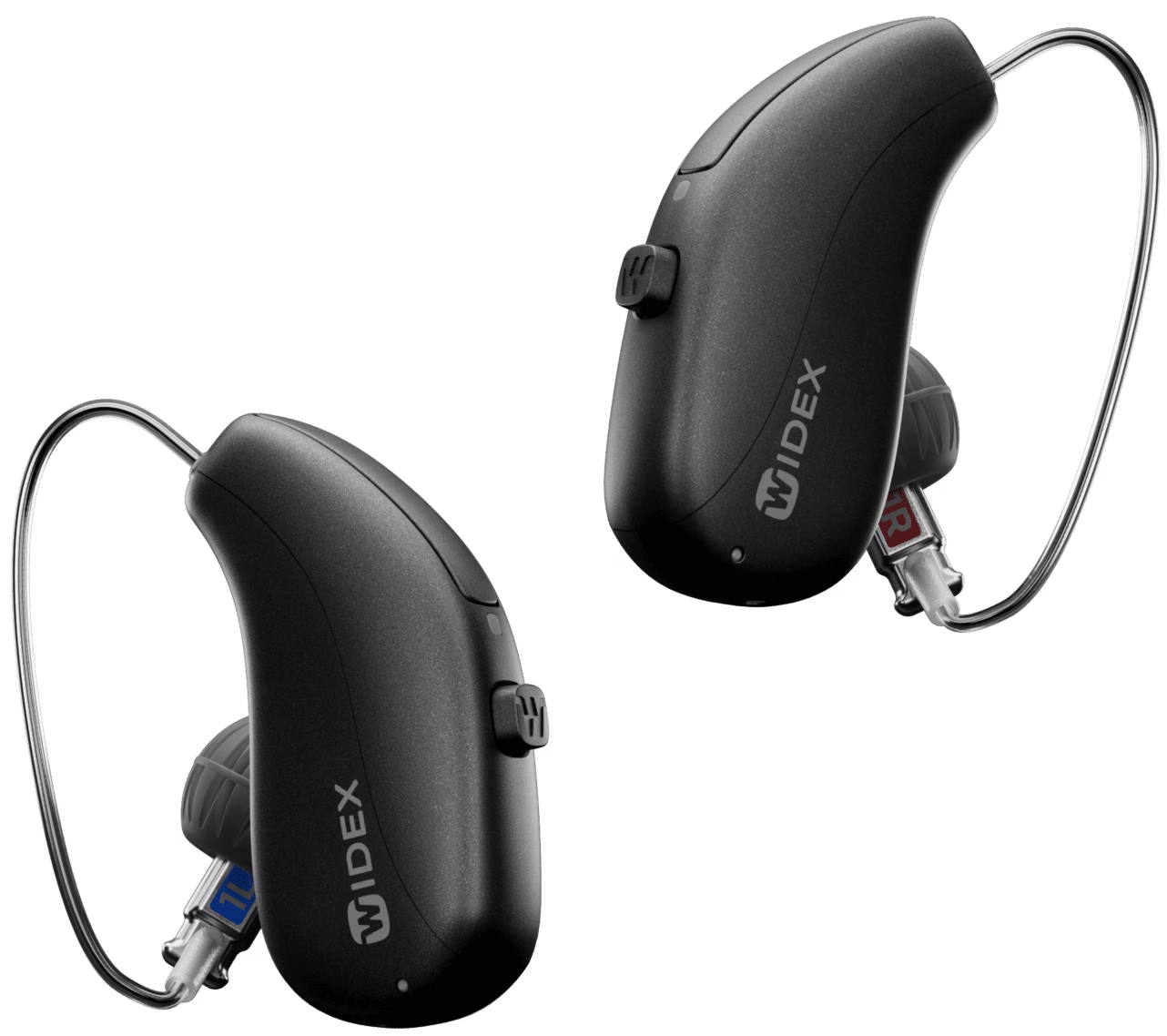
The post Hearing Aids and Smartphones: Your Essential Connection Guide appeared first on Healthcare Marketing Service.

Categories
Health & Wellness Hearing Technology

3D Printing Revolutionises Hearing Aids and Changes Lives

Last Updated on 03/03/2026 by Admin

Gain Insight into the Basics of 3D Printing for Hearing Aids

What Are the Key Stages of the 3D Printing Process?

The innovative process of 3D printing involves meticulously layering materials to produce bespoke devices, offering remarkable accuracy and efficiency within the manufacturing sector. This pioneering technique facilitates the creation of tailored solutions that significantly enhance user comfort and functionality. In the realm of hearing aids, the detailed layering process ensures that each device is specifically designed to conform to the unique contours of an individual’s ear, greatly improving auditory experiences for users globally.

Throughout this advanced process, digital models are converted into physical objects using methods such as fused deposition modelling or stereolithography. These sophisticated techniques empower manufacturers to create intricate shapes that would be difficult, if not impossible, to achieve with traditional manufacturing methods. The ability to quickly produce these personalised devices has revolutionised the hearing aid industry, driving forward innovations that cater to the varied requirements of users around the world.

What Materials Are Essential for Producing Hearing Aids?

In the realm of 3D printing, a variety of polymers and resins are vital for crafting robust, lightweight designs that seamlessly adapt to the specific requirements of each individual user. These materials not only ensure a superior fit and enhanced performance for hearing aids but also significantly reduce waste throughout the production process. As a result, manufacturers can create high-quality devices while simultaneously minimising their environmental impact.

Each of these materials possesses distinctive properties that enhance the overall effectiveness and comfort of hearing aids. For instance, polyamide offers flexibility, while polycarbonate is known for its outstanding durability. The selection of material directly influences the performance and longevity of the final product, making the decision-making process critical for manufacturers aiming to deliver high-quality hearing aids that meet and exceed user expectations.

How Does 3D Printing Collaborate with Existing Technologies?

The integration of 3D printing with established technologies, such as digital modelling and scanning, significantly enhances both accuracy and efficiency in the production of hearing aids. This collaboration fosters innovative designs that effectively tackle prevalent challenges, including sound quality and comfort. By using advanced software for modelling, manufacturers can create detailed virtual representations of a user’s ear, which serve as precise templates for the 3D printing process.

This integration streamlines the design phase and enables rapid prototyping, allowing for immediate modifications based on user feedback. The capability to quickly iterate designs is essential in a competitive market where user satisfaction holds paramount importance. By embracing this technological synergy, manufacturers can ensure that their hearing aids not only meet high-performance standards but are also tailored to accommodate the unique preferences of users worldwide.

What Are the Significant Benefits of 3D Printing for Hearing Aids?

The benefits of 3D printing in the context of hearing aids are manifold, particularly concerning personalised fitting. This innovative technology allows for the creation of precise replicas of ear canals, resulting in unparalleled comfort and sound quality for users. By producing devices that closely conform to the intricate details of an individual’s ear structure, manufacturers can substantially enhance the auditory experience for users.

Additionally, the 3D printing process significantly reduces manufacturing time and costs, making it a viable option for both large-scale production and bespoke orders. Manufacturers can swiftly adjust designs based on user feedback, leading to enhancements in both functionality and aesthetics. This adaptability further promotes environmentally friendly production practices, as 3D printing typically generates less material waste compared to conventional manufacturing methods.

What Challenges and Solutions Are Present in 3D Printing for Hearing Aids?

Despite the numerous advantages, challenges still arise in the realm of 3D printing within the hearing aid sector, particularly concerning material durability and precision in complex designs. These challenges can adversely affect the longevity and performance of the devices. To address these issues, manufacturers are increasingly investigating advanced resins that offer superior durability and flexibility. Furthermore, the implementation of quality control software ensures that each device meets rigorous performance standards.

By tackling these challenges through innovative solutions, manufacturers can enhance user outcomes and device efficacy, ultimately resulting in higher satisfaction rates among hearing aid users. Ongoing research and development in material science play a crucial role in expanding the limits of what is achievable through 3D printing.

How Is 3D Printing Transforming the Design of Hearing Aids?

What Role Does Customization Play?

Customization is a fundamental component of 3D printing technology in hearing aids. The ability to achieve personalised fitting through advanced 3D scanning techniques ensures that devices accurately reflect the unique shapes of individual ears. This remarkable level of customization greatly improves comfort and efficacy for a diverse range of users, reducing irritation and optimising audio transmission.

With the ability to create bespoke designs, manufacturers can also address specific hearing requirements, such as varying degrees of hearing loss or distinct preferences in sound processing. The end result is a hearing aid that not only fits perfectly but also performs exceptionally, serving as an invaluable tool for enhancing the quality of life for users around the globe.

How Does Rapid Prototyping Influence Development Speed?

The rapid prototyping capabilities afforded by 3D printing represent a transformative factor for the hearing aid industry. The ability to iterate quickly allows for shorter development cycles, enabling companies to introduce products to the market promptly and make effective adjustments based on user feedback. This agility is critical in an industry where both technology and user expectations are in constant flux.

Manufacturers can efficiently create and evaluate multiple design iterations, identifying which features resonate with users and which do not. By leveraging this speed, companies can refine their offerings to align closely with the dynamic needs of their customer base. Consequently, this approach not only accelerates innovation but also enhances user satisfaction, as devices can be tailored more accurately to individual preferences and requirements.

What Influence Does Aesthetics Have on Hearing Aids?

The impact of 3D printing on the aesthetics of hearing aids is considerable. The precise layering technique enables the creation of sleek, more discreet models that users find visually appealing. This enhancement is particularly significant in social situations, where the appearance of hearing aids can influence a user’s confidence and willingness to wear them.

As manufacturers continue to innovate using 3D printing, they can design products that seamlessly align with users’ personal styles. This focus on aesthetics, combined with the essential need for functionality, ensures that hearing aids fulfil their practical role without sacrificing visual appeal. Ultimately, this balance encourages broader acceptance and usage of hearing aids among individuals of all ages and backgrounds.

Expert Insights on the Role of 3D Printing in Hearing Aids

How Do Experts Assess Material Innovations?

Experts in the field of 3D printing for hearing aids highlight the critical importance of selecting optimal materials, as this choice profoundly affects the durability and user satisfaction of the devices. Evaluating material innovations involves actionable steps such as conducting thorough research into the properties of various materials, performing evidence-based testing, and gathering feedback from users regarding comfort and performance.

By adopting a systematic approach to material selection, manufacturers can significantly enhance the overall quality of their products. For instance, biocompatible materials are crucial in preventing allergic reactions and ensuring user comfort. Moreover, the right material can dramatically improve sound transmission capabilities, ultimately resulting in better hearing outcomes for users worldwide. This expert analysis is essential in shaping the future of hearing aid technology.

What Professional Benefits Are Recognised in the Industry?

From a professional standpoint, the advantages of 3D printing extend beyond mere cost reductions; they also encompass efficiency gains that enhance accessibility for users. Experts assert that the ability to produce custom hearing aids on demand significantly reduces production costs, making advanced auditory solutions available to a wider audience.

Moreover, the streamlined production process enables quicker responses to market demands and user requirements. With a strong emphasis on quality control and material innovation, professionals are well-positioned to deliver devices that not only meet but exceed user expectations. This progressive approach to manufacturing is vital for improving outcomes in device performance and overall user satisfaction.

What Future Predictions Do Experts Make?

Experts predict that the future of 3D printing in hearing aids is poised for a transition towards more sophisticated techniques that promise even greater precision. Current trends indicate a growing focus on enhancing sound quality and functionality through innovative design methodologies. For example, integrating machine learning algorithms may enable the development of more adaptive and responsive hearing aids that adjust settings according to the user’s environment.

Real-world applications of these evolving techniques are already emerging, with prototypes showcasing advanced features such as noise cancellation and personalised sound profiles. As these advancements gain traction, they are expected to revolutionise the hearing aid industry, resulting in devices that are not only more effective but also cater to the diverse needs of users globally.

What Benefits Does 3D Printing Present?

How Is Cost-Effectiveness Achieved in Manufacturing?

The cost-effectiveness of 3D printing in the manufacturing of hearing aids is a significant advantage that is driving its adoption throughout the industry. By enabling on-demand printing, manufacturers can drastically lower production costs, making devices more affordable without compromising quality. This reduction in costs ensures that advanced hearing solutions become accessible to a broader range of users.

Additionally, the capability to create custom devices in smaller batches minimises inventory costs and waste, contributing to a more sustainable business model. As manufacturers continue to refine the 3D printing process, the potential to offer high-quality hearing aids at competitive prices will likely lead to broader adoption and improved hearing outcomes for users globally.

Why Is Precision Crucial in Hearing Aid Design?

Precision plays an essential role in the design and manufacturing of hearing aids, as it directly influences user satisfaction and device performance. Accurate designs prevent common issues such as poor fit, which can result in discomfort and suboptimal sound delivery. By ensuring that hearing aids are customised to the specific anatomical variations of each user, manufacturers can enhance reliability and effectiveness.

  • Improved fit for enhanced comfort
  • Reduced sound leakage for a superior auditory experience
  • Minimized adjustments for user convenience
  • Longer device lifespan through precise engineering

Incorporating precision into the design process ultimately results in higher user satisfaction levels, as devices that fit well and function effectively are more likely to be worn consistently. This ongoing commitment to precision is vital for fostering trust and loyalty among users in the hearing aid market.

What Sustainability Considerations Should Be Addressed?

Sustainability is a crucial factor in the production of hearing aids through 3D printing. Eco-friendly methods significantly minimise waste, promoting the creation of longer-lasting products that align with responsible manufacturing practices. By using materials that are recyclable or biodegradable, manufacturers can contribute to a more sustainable future within the hearing aid industry.

Furthermore, the ability to produce customised devices on demand reduces the necessity for large-scale manufacturing runs, further lessening environmental impact. As consumers increasingly prioritise sustainability, manufacturers that adopt these eco-friendly practices will not only enhance their brand reputation but also meet the growing demand for responsible products in the marketplace.

How Does Customization and Personalization Enhance Hearing Aids?

The versatility of 3D printing allows for the creation of highly customised hearing aids tailored to individual needs. This personalization can encompass everything from the specific shape and size of the device to the integration of unique features that enrich the user experience. Custom prosthetics and personalised designs can significantly elevate overall satisfaction, as each device is meticulously crafted to meet the precise requirements of the user.

This level of customization accelerates innovation within the industry and reduces the need for excessive inventory, as manufacturers can produce hearing aids made to order. In turn, this responsiveness to user needs fosters a more efficient manufacturing process and a greater likelihood of positive outcomes for individuals who rely on hearing aids for enhanced auditory experiences.

Research-Based Advantages of 3D Printing in Hearing Aids

What Do Studies Reveal About User Outcomes?

Research indicates that customised fits produced through 3D printing lead to enhanced hearing results. Data demonstrates higher compliance rates among users, along with fewer adjustments required over time. By ensuring that devices fit well and operate effectively, manufacturers can enhance user satisfaction and overall auditory experiences.

Actionable steps based on expert findings include conducting comprehensive user trials to gather feedback on comfort and performance. This feedback can then inform design iterations, leading to continuous improvements in the quality of hearing aids. Ultimately, the evidence supports that tailored designs significantly enhance user outcomes, reinforcing the case for broader adoption of 3D printing technologies within the industry.

What Insights Do Studies Provide on Long-Term Durability?

Studies have confirmed that components produced through 3D printing exhibit enhanced long-term durability, making them more resilient to the rigours of daily wear and tear. This durability translates to a decreased need for replacements, ultimately enhancing overall reliability. Users benefit from devices that can withstand everyday life, ensuring consistent performance over time.

Furthermore, the ability to produce durable components enables manufacturers to prioritise quality without compromising longevity. As a result, users enjoy hearing aids that not only perform effectively but also last significantly longer than traditional alternatives, reinforcing the value of investing in high-quality 3D-printed solutions.

How Does 3D Printing Enhance Accessibility?

Accessibility stands out as a significant advantage of 3D printing, as the technology facilitates the affordable and rapid production of hearing aids, broadening their reach to more users. Findings suggest that the ability to produce customised devices on demand eliminates many barriers that have traditionally hindered access to advanced hearing solutions.

By lowering production costs and enabling faster turnaround times, manufacturers can provide hearing aids that cater to diverse populations, ensuring that individuals with varying levels of hearing loss can find suitable solutions. This increased accessibility promotes a more inclusive approach to hearing health, allowing more people to benefit from improved auditory experiences.

What Challenges Does 3D Printing Face in Hearing Aids?

What Regulatory Challenges Must Be Navigated?

One of the primary challenges confronting 3D printing in the hearing aid sector involves navigating regulatory hurdles to ensure safety and efficacy. Regulatory standards can differ significantly, and delays in obtaining the necessary approvals can greatly affect timely innovation in device development. Manufacturers must remain vigilant in understanding the specific requirements of their markets, which can be a complex and time-consuming endeavour.

To mitigate these challenges, many companies invest in comprehensive compliance teams that stay updated on changing regulations and ensure that products meet all necessary guidelines before reaching the market. By prioritising regulatory compliance, manufacturers can foster user trust and confidence, ultimately leading to greater acceptance of 3D-printed hearing aids.

What Material Limitations Are Being Investigated?

Despite advancements in 3D printing, certain materials may still present limitations, particularly concerning flexibility and strength. This necessitates ongoing research to strike a balance between these two essential attributes for optimal performance. Manufacturers must explore new materials that can deliver both the durability needed for long-term use and the comfort that users expect.

Developing innovative composites and hybrids that harness the best properties of existing materials is a promising approach to overcoming these limitations. As research progresses, the availability of new, versatile materials will likely enhance the performance and appeal of 3D-printed hearing aids, catering to the diverse needs of users worldwide.

Why Is Quality Control Essential?

Maintaining high standards of quality control in the production of 3D printed hearing aids is paramount to prevent defects and ensure reliable performance over time. Consistent checks throughout the manufacturing process can identify issues early, preventing substandard products from reaching consumers.

Implementing rigorous testing protocols and leveraging advanced monitoring technologies can facilitate effective quality assurance. By emphasising quality control, manufacturers can enhance user satisfaction and build a reputation for reliability, which is critical in the competitive hearing aid market. This commitment to excellence ultimately drives user trust and fosters a loyal customer base.

Innovations in 3D Printing for Hearing Aids

What New Techniques Are Shaping Design?

New techniques in 3D printing design are transforming the landscape of hearing aids, enabling the creation of more intricate structures that enhance functionality and user experience. Advancements in software integration allow designers to craft complex geometries that optimise sound transmission and improve comfort. These innovations are paving the way for a new generation of hearing aids that challenge traditional design boundaries.

For instance, emerging methods such as generative design and topology optimisation facilitate the development of lightweight, high-strength materials that can be customised to meet specific user needs. As these methodologies gain traction, they are expected to yield hearing aids that not only perform exceptionally but also align with the aesthetic preferences of users worldwide, ensuring that technology seamlessly integrates into daily life.

How Does Integration Affect Performance?

The seamless incorporation of 3D printing with other technologies significantly enhances the performance of hearing aids. For example, integrating noise cancellation techniques and advanced audio processing algorithms enriches the overall user experience. This synergy allows devices to adapt to different environments, thereby improving sound quality in a range of settings.

Moreover, the collaborative potential between 3D printed components and electronic systems enables the creation of smarter hearing aids that respond dynamically to user inputs. As technology evolves, the integration of artificial intelligence and machine learning is likely to play a crucial role in optimising hearing aid functionality, making them more intuitive and effective for various hearing needs.

What Scalability Opportunities Exist for Production?

The scalability of 3D printing technology represents a significant advantage, allowing for mass customisation while keeping production costs manageable. Efficient scaling enables manufacturers to meet rising demands without compromising quality, making it an appealing option in the competitive hearing aid market.

  • Utilising modular designs for easy adjustments
  • Employing automated printing processes for enhanced efficiency
  • Incorporating cloud-based production management systems
  • Adopting just-in-time manufacturing strategies

By embracing these strategies, manufacturers can streamline their operations and respond more effectively to market trends. This adaptability not only enhances the user experience but also solidifies the position of 3D printing as a leading technology in hearing aid production.

What Advances Are Being Made in Biocompatible Materials?

Advances in biocompatible materials for 3D printing have led to the creation of hearing aids that are more comfortable and durable, with a significantly reduced likelihood of causing skin irritations. These innovative materials allow for precise customisation tailored to individual ear anatomies, enhancing sound transmission and overall device performance while adhering to safety standards.

As these materials evolve, they will empower manufacturers to produce hearing aids that meet functional requirements while prioritising user comfort and satisfaction. The focus on biocompatibility will ensure that users can wear their hearing aids with confidence, knowing that their health and comfort are top priorities in the design process. This commitment to user well-being will further promote the adoption of 3D printed hearing aids across diverse populations globally.

What Trends and Challenges Are Anticipated in the Future?

The future of 3D printing in hearing aids is on the brink of significant advancements, especially with the integration of artificial intelligence (AI) for adaptive sound processing. As technology progresses, we can expect hearing aids to become more intelligent, capable of analysing environmental sounds and user preferences in real-time to deliver personalised audio adjustments that enhance user experience.

However, challenges such as ensuring material consistency and addressing intellectual property issues in designs will remain obstacles as the industry evolves. Balancing innovation with regulatory compliance will be critical to delivering high-quality, accessible solutions. As manufacturers navigate these complexities, the commitment to advancing 3D printing technology will shape the future of hearing aids, making them more effective and widely available to those in need.

Looking Forward: The Future of 3D Printing in Hearing Aids

What Potential Advancements Are on the Horizon?

As the field of 3D printing continues to develop, potential advancements may introduce smarter materials that enhance adaptability and integration with wearable technology. Innovations in material science could lead to hearing aids that are not only more comfortable but also capable of learning from user behaviour to optimise performance.

These advancements will likely focus on improving the user experience by incorporating features that respond to real-time auditory environments. As manufacturers explore the intersection of new materials and advanced technologies, the future of hearing aids promises to be more dynamic and centred around user needs than ever before.

How Are User Applications Evolving?

The applications of hearing aids are expected to transform dramatically, with devices becoming more multifunctional and adaptable to various environments. Future hearing aids may incorporate features that allow them to seamlessly transition between indoor and outdoor settings, adjusting audio settings based on noise levels and user preferences.

This evolution will enhance the overall usability of hearing aids, ensuring they meet the diverse needs of users across different contexts. As technology progresses, the potential for hearing aids to integrate with other devices and platforms will further enhance their functionality, making them indispensable tools for everyday life.

What Ethical Considerations Are Emerging with Growth?

As 3D printing technology in hearing aids expands, ethical considerations will become increasingly significant. Ensuring equitable access to these innovative solutions is crucial, as advanced hearing aids should benefit all users, regardless of socioeconomic status. Manufacturers must prioritise inclusivity in their designs and distribution strategies to promote widespread access to improved auditory health.

By fostering a collaborative approach to growth that considers the needs of diverse populations, the industry can ensure that the advantages of technological advancements are shared broadly, promoting a more inclusive society. This commitment to ethical practices will shape the future of hearing aids, fostering trust and loyalty among users.

How Will AI Technologies Be Integrated?

As 3D printing continues to advance in the hearing aid sector, the integration of AI technologies could empower devices to analyse environmental sounds and user preferences in real-time. This capability would allow for personalised audio adjustments, enhancing the functionality and intuitiveness of hearing aids for diverse hearing needs.

Such innovations will lead to devices that not only cater to individual preferences but also learn and adapt over time, providing users with a highly optimised auditory experience. This synergy between 3D printing and AI is poised to revolutionise assistive technology, making hearing aids more effective and user-friendly while driving further advancements in the industry.

Frequently Asked Questions

What Is 3D Printing for Hearing Aids?

3D printing in hearing aids is a manufacturing method that creates custom devices by layering materials, allowing for precise fitting and personalisation based on individual ear shapes.

How Does 3D Printing Improve Comfort in Hearing Aids?

By providing tailored designs that match the unique contours of each user’s ear, 3D printing enhances comfort, reducing irritation and improving overall user satisfaction.

What Materials Are Commonly Used in 3D Printing Hearing Aids?

Common materials include polyamide, polycarbonate, thermoplastic elastomers, and various biocompatible resins, each chosen for durability, comfort, and performance.

How Does Customization Affect Hearing Aid Performance?

Customization ensures devices fit perfectly, enhancing sound quality and user comfort while reducing the likelihood of adjustments needed over time.

What Are the Main Benefits of 3D Printing in Hearing Aids?

3D printing offers benefits such as faster production times, reduced costs, personalised fitting, and environmentally friendly manufacturing practices through reduced waste.

What Challenges Does 3D Printing Face?

Challenges include navigating regulatory standards, addressing material limitations, and ensuring high quality and consistency in production processes.

How Does 3D Printing Contribute to Sustainability?

3D printing minimises waste by allowing on-demand production and enables the use of eco-friendly materials, promoting more sustainable manufacturing practices.

What Future Advancements Can We Expect in 3D Printing Technology for Hearing Aids?

Future advancements may include smarter materials, enhanced integration with AI, and features that adapt to user environments for improved auditory experiences.

How Do 3D Printed Hearing Aids Compare to Traditional Models?

3D printed hearing aids often provide better customisation, comfort, and rapid production capabilities, making them more aligned with user needs compared to traditional models.

Can 3D Printing Improve Access to Hearing Aids Globally?

Yes, by reducing production costs and enabling rapid customisation, 3D printing can make advanced hearing solutions more accessible to a wider population worldwide.

Explore our profile on X today!

The post 3D Printing in Hearing Aids: Transforming Lives Through Innovation appeared first on The Microsuction Ear Wax Removal Network.
The post 3D Printing in Hearing Aids: Transforming Lives Through Innovation appeared first on Healthcare Marketing Service.

Categories
Health & Wellness Hearing Technology

3D Printing Revolutionising Hearing Aids for Better Living

Last Updated on 03/03/2026 by Admin

Exploring the Core Principles of 3D Printing in Hearing Aids

What Are the Key Stages in the 3D Printing Process?

The method of 3D printing involves layering various materials to produce bespoke devices, which offers extraordinary precision and efficiency within the manufacturing sector. This groundbreaking technique allows for the development of tailored solutions that significantly enhance user comfort and overall functionality. Specifically concerning hearing aids, the careful layering process enables each device to be meticulously moulded to the unique contours of an individual’s ear, thereby greatly enriching the auditory experience for users globally.

Throughout this intricate process, digital models evolve into solid objects through advanced methodologies such as fused deposition modelling or stereolithography. These innovative techniques empower manufacturers to create complex shapes that would be difficult, if not impossible, to realise with traditional manufacturing processes. The capacity to swiftly fabricate these personalised devices has revolutionised the hearing aid industry, fostering advancements that respond to the diverse requirements of users around the world.

What Are the Fundamental Materials Utilised in Hearing Aid Production?

In the realm of 3D printing, a variety of polymers and resins are essential for crafting robust, lightweight designs that seamlessly adapt to the unique needs of individual users. These materials not only contribute to a better fit and enhanced performance for hearing aids but also play a significant role in minimising waste during the manufacturing process. As a result, manufacturers are able to create high-quality devices while simultaneously reducing their environmental impact.

Each of these materials possesses distinctive properties that enhance the overall functionality and comfort of hearing aids. For instance, polyamide is known for its flexibility, while polycarbonate is celebrated for its remarkable durability. The selection of material is crucial as it directly influences the performance and longevity of the final product, making it a vital consideration for manufacturers aiming to deliver top-quality hearing aids that meet user expectations.

How Does 3D Printing Synergise with Existing Technologies?

The amalgamation of 3D printing with contemporary technologies, such as digital modelling and scanning, significantly enhances the precision and efficiency of hearing aid production. This collaboration fosters innovative designs that effectively address common challenges, including sound quality and wearability. By utilising advanced software for modelling, manufacturers can generate detailed virtual representations of a user’s ear, which serve as accurate templates for the 3D printing process.

This integration streamlines the design phase and facilitates rapid prototyping, enabling immediate modifications based on user feedback. The ability to swiftly iterate designs is essential in a competitive market where user satisfaction is paramount. By harnessing this technological synergy, manufacturers can ensure that their hearing aids are not only high-performing but also tailored to meet the distinctive requirements of users globally.

What Are the Significant Advantages of 3D Printing in Hearing Aids?

The benefits of 3D printing for hearing aids are manifold, particularly in terms of personalised fitting. This innovative technology allows for the creation of precise replicas of ear canals, resulting in exceptional comfort and sound quality for users. By producing devices that closely align with the intricate details of an individual’s ear structure, manufacturers can profoundly improve the auditory experience.

Furthermore, the 3D printing process substantially reduces manufacturing time and costs, making it a viable option for both mass production and bespoke orders. Manufacturers can quickly adapt designs in response to user feedback, leading to enhancements in both functionality and aesthetics. This flexibility also promotes environmentally friendly production practices, as 3D printing typically generates less material waste compared to traditional manufacturing methods.

What Challenges and Solutions Are Present in 3D Printing for Hearing Aids?

Despite the remarkable benefits, certain challenges accompany 3D printing in the hearing aid industry, particularly concerning material durability and precision in complex designs. These obstacles can affect the longevity and performance of the devices. To address these issues, manufacturers are increasingly investigating advanced resins that provide enhanced durability and flexibility. Moreover, the implementation of quality control software ensures that each device meets strict performance standards.

By tackling these challenges through innovative solutions, manufacturers can improve user outcomes and device performance, ultimately resulting in greater satisfaction rates among hearing aid users. Ongoing research and development in material science are also crucial for pushing the boundaries of what can be realised through 3D printing.

How Is 3D Printing Transforming Hearing Aid Design?

What Role Does Customization Play?

Customisation is a key aspect of 3D printing technology in hearing aids. The capability to achieve personalised fitting through advanced 3D scanning techniques ensures that devices accurately reflect the unique shapes of individual ears. This remarkable level of customisation significantly enhances comfort and functionality for a wide range of users, minimising irritation and optimising audio delivery.

With the ability to create bespoke designs, manufacturers can also address specific auditory needs, such as varying degrees of hearing loss or distinct preferences in sound processing. The result is a hearing aid that not only fits comfortably but also performs exceptionally well, serving as an invaluable tool for improving the quality of life for users across the globe.

How Does Rapid Prototyping Impact the Industry?

The rapid prototyping capabilities of 3D printing represent a transformative force in the hearing aid sector. Quick iterations allow for shorter development cycles, enabling companies to swiftly bring products to market and effectively adjust based on user feedback. This agility is vital in a landscape where both technology and user expectations are in constant flux.

Manufacturers can efficiently create and test multiple design variations, determining which features resonate with users and which do not. By leveraging this speed, companies can refine their offerings to align with the evolving needs of their customer base. Consequently, this approach not only accelerates innovation but also boosts user satisfaction, as devices can be more accurately tailored to individual preferences and requirements.

What Impact Do Aesthetics Have on Hearing Aids?

The impact of 3D printing on the aesthetics of hearing aids is significant. The precise layering technique allows for the creation of sleek, more discreet models that users find visually appealing. This enhancement is particularly important in social settings, where the appearance of hearing aids can influence a user’s confidence and willingness to wear them.

As manufacturers continue to innovate with 3D printing, they can design products that seamlessly blend with users’ personal styles. This focus on aesthetics, combined with the essential need for functionality, ensures that hearing aids serve their practical purpose without compromising visual appeal. Ultimately, this balance encourages broader acceptance and usage of hearing aids among individuals of all ages and backgrounds.

Insights from Experts on the Role of 3D Printing in Hearing Aids

How Do Experts Assess Material Innovations?

Professionals in the field of 3D printing for hearing aids highlight the vital importance of selecting optimal materials, as this choice profoundly affects the durability and user satisfaction of the devices. Assessing material innovations involves actionable steps, such as conducting thorough research into the properties of various materials, performing evidence-based testing, and soliciting user feedback regarding comfort and performance.

By embracing a systematic approach to material selection, manufacturers can significantly enhance the overall quality of their products. For instance, biocompatible materials are crucial in preventing allergic reactions and ensuring user comfort. Furthermore, the appropriate material can dramatically improve sound transmission capabilities, ultimately leading to better hearing outcomes for users around the world. This expert evaluation is essential for shaping the future of hearing aid technology.

What Professional Advantages Are Recognised?

From a professional standpoint, the benefits of 3D printing extend beyond mere cost reductions; they also encompass efficiency gains that enhance accessibility for users. Experts assert that the capacity to produce custom hearing aids on demand significantly lowers production costs, making advanced auditory solutions available to a wider audience.

Additionally, the streamlined production process enables quicker responses to market demands and user requirements. With a strong focus on quality control and material innovation, professionals are well-positioned to deliver devices that not only meet but exceed user expectations. This forward-thinking approach to manufacturing is crucial for improving outcomes in device performance and overall user satisfaction.

What Predictions Do Experts Hold for the Future?

Experts predict that the future of 3D printing in hearing aids will likely witness a shift towards more sophisticated techniques that promise even greater precision. Current trends indicate a growing emphasis on enhancing sound quality and functionality through innovative design methodologies. For instance, the integration of machine learning algorithms may facilitate the development of more adaptive and responsive hearing aids that adjust settings according to the user’s environment.

Real-world applications of these evolving techniques are already coming to light, with prototypes showcasing advanced features such as noise cancellation and personalised sound profiles. As these advancements gain traction, they are expected to revolutionise the hearing aid industry, resulting in devices that are not only more effective but also tailored to the diverse needs of users worldwide.

What Are the Key Advantages of 3D Printing?

How Is Cost-Effectiveness Achieved in Manufacturing?

The cost-effectiveness of 3D printing in manufacturing hearing aids stands as a significant advantage driving its adoption across the industry. By facilitating on-demand printing, manufacturers can drastically reduce production costs, rendering devices more affordable without compromising quality. This reduction in cost ensures that advanced hearing solutions become accessible to a broader range of users.

Moreover, the capacity to create customised devices in smaller batches minimises inventory costs and waste, contributing to a more sustainable business model. As manufacturers persist in refining the 3D printing process, the potential to provide high-quality hearing aids at competitive prices will likely lead to wider acceptance and improved hearing outcomes for users globally.

Why Is Precision Essential in Hearing Aid Design?

Precision plays a crucial role in the design and manufacturing of hearing aids, as it directly influences user satisfaction and device performance. Accurate designs help prevent common issues such as poor fit, which may lead to discomfort and suboptimal sound delivery. By ensuring that hearing aids are customised to the specific anatomical variations of each user, manufacturers can enhance reliability and effectiveness.

  • Improved fit for enhanced comfort
  • Reduced sound leakage for a better auditory experience
  • Minimised adjustments for user convenience
  • Longer device lifespan through accurate engineering

Incorporating precision into the design process ultimately results in higher levels of user satisfaction, as devices that fit well and function effectively are more likely to be worn consistently. This ongoing dedication to precision is essential for fostering trust and loyalty among users within the hearing aid market.

What Sustainability Aspects Should Be Considered?

Sustainability is a critical consideration in the production of hearing aids through 3D printing. Eco-friendly methods significantly reduce waste, promoting the creation of longer-lasting products that align with responsible manufacturing practices. By utilising materials that are recyclable or biodegradable, manufacturers can contribute to a more sustainable future within the hearing aid sector.

Furthermore, the ability to produce customised devices on demand diminishes the necessity for large-scale manufacturing runs, further decreasing environmental impact. As consumers increasingly prioritise sustainability, manufacturers that adopt these eco-friendly practices will not only enhance their brand reputation but also meet the growing demand for responsible products in the marketplace.

How Does Customisation and Personalisation Enhance Hearing Aids?

The versatility of 3D printing allows for the development of highly customised hearing aids tailored to individual needs. This personalisation can encompass everything from the specific shape and size of the device to the integration of unique features that enhance the user experience. Custom prosthetics and personalised designs can significantly improve overall satisfaction, as each device is crafted to address the precise requirements of the user.

This level of customisation accelerates innovation within the industry and reduces the necessity for excessive inventory, as manufacturers can produce hearing aids made to order. In turn, this responsiveness to user needs fosters a more efficient manufacturing process and a greater likelihood of positive outcomes for individuals who rely on hearing aids for enhanced auditory experiences.

Research-Supported Benefits of 3D Printing in Hearing Aids

What Evidence Do Studies Provide on User Outcomes?

Research indicates that customised fits produced through 3D printing lead to improved hearing outcomes. Data demonstrates higher compliance rates among users, along with fewer adjustments required over time. By ensuring that devices fit well and operate effectively, manufacturers can enhance user satisfaction and overall auditory experiences.

Actionable steps based on expert findings include conducting comprehensive user trials to gather feedback on comfort and performance. This feedback can then inform design iterations, leading to continuous improvements in the quality of hearing aids. Ultimately, the evidence supports that tailored designs significantly enhance user outcomes, reinforcing the case for broader adoption of 3D printing technologies within the industry.

What Insights Do Studies Provide on Long-term Durability?

Studies have confirmed that components produced through 3D printing exhibit enhanced long-term durability, making them more resilient to the rigours of daily wear and tear. This durability translates to a decreased need for replacements, ultimately enhancing overall reliability. Users benefit from devices that can withstand everyday life, ensuring consistent performance over time.

Furthermore, the ability to produce durable components allows manufacturers to prioritise quality without compromising longevity. As a result, users enjoy hearing aids that not only perform effectively but also last significantly longer than traditional alternatives, reinforcing the value of investing in high-quality 3D-printed solutions.

How Does 3D Printing Enhance Accessibility?

Accessibility stands as a prominent advantage of 3D printing, as the technology facilitates the affordable and rapid production of hearing aids, broadening their reach to more users. Findings suggest that the ability to produce customised devices on demand eliminates many barriers that have traditionally obstructed access to advanced hearing solutions.

By lowering production costs and enabling faster turnaround times, manufacturers can provide hearing aids that cater to diverse populations, ensuring that individuals with varying levels of hearing loss can find suitable solutions. This increased accessibility promotes a more inclusive approach to hearing health, allowing more people to benefit from improved auditory experiences.

What Challenges Does 3D Printing Encounter in Hearing Aids?

What Regulatory Hurdles Must Be Overcome?

One of the primary challenges confronting 3D printing in the hearing aid sector involves navigating regulatory hurdles to ensure safety and efficacy. Regulatory standards can differ significantly, and delays in obtaining the necessary approvals can greatly impact timely innovation in device development. Manufacturers must remain vigilant in understanding the specific requirements of their markets, which can be a complex and time-consuming endeavour.

To mitigate these challenges, many companies invest in comprehensive compliance teams that stay updated on changing regulations and ensure that products meet all necessary guidelines before reaching the market. By prioritising regulatory compliance, manufacturers can foster user trust and confidence, ultimately leading to greater acceptance of 3D-printed hearing aids.

What Material Limitations Are Explored?

Despite advancements in 3D printing, certain materials may still present limitations, particularly concerning flexibility and strength. This necessitates ongoing research to strike a balance between these two essential attributes for optimal performance. Manufacturers must explore new materials that can deliver both the durability needed for long-term use and the comfort that users expect.

Developing innovative composites and hybrids that harness the best properties of existing materials represents a promising approach to overcoming these limitations. As research progresses, the availability of new, versatile materials will likely enhance the performance and appeal of 3D-printed hearing aids, catering to the diverse needs of users worldwide.

Why Is Quality Control Fundamental?

Maintaining high standards of quality control in the production of 3D printed hearing aids is essential to prevent defects and ensure reliable performance over time. Consistent checks throughout the manufacturing process can identify issues early, preventing substandard products from reaching consumers.

Implementing rigorous testing protocols and leveraging advanced monitoring technologies can facilitate effective quality assurance. By emphasising quality control, manufacturers can enhance user satisfaction and build a reputation for reliability, which is critical in the competitive hearing aid market. This commitment to excellence ultimately drives user trust and fosters a loyal customer base.

Innovations in 3D Printing for Hearing Aids

What Emerging Techniques Are Influencing Design?

New techniques in 3D printing design are revolutionising the hearing aid landscape, enabling the creation of more intricate structures that enhance functionality and user experience. Advancements in software integration allow designers to craft complex geometries that optimise sound transmission and improve comfort. These innovations are paving the way for a new generation of hearing aids that challenge traditional design boundaries.

For instance, emerging methods such as generative design and topology optimisation facilitate the development of lightweight, high-strength materials that can be customised to meet specific user needs. As these methodologies gain traction, they are expected to yield hearing aids that not only perform exceptionally but also align with the aesthetic preferences of users worldwide, ensuring that technology seamlessly integrates into daily life.

How Does Integration Affect Performance?

The seamless incorporation of 3D printing with other technologies significantly enhances the performance of hearing aids. For example, integrating noise cancellation techniques and advanced audio processing algorithms enriches the overall user experience. This synergy allows devices to adapt to different environments, thereby improving sound quality in a variety of settings.

Moreover, the collaborative potential between 3D printed components and electronic systems enables the creation of smarter hearing aids that respond dynamically to user inputs. As technology evolves, the integration of artificial intelligence and machine learning is likely to play a crucial role in optimising hearing aid functionality, making them more intuitive and effective for various hearing needs.

What Scalability Opportunities Exist for Production?

The scalability of 3D printing technology represents a significant advantage, allowing for mass customisation while keeping production costs manageable. Efficient scaling enables manufacturers to meet rising demands without compromising quality, making it an appealing option in the competitive hearing aid market.

  • Utilising modular designs for easy adjustments
  • Employing automated printing processes for enhanced efficiency
  • Incorporating cloud-based production management systems
  • Adopting just-in-time manufacturing strategies

By embracing these strategies, manufacturers can streamline their operations and respond more effectively to market trends. This adaptability not only enhances the user experience but also solidifies the position of 3D printing as a leading technology in hearing aid production.

What Advances Are Being Made in Biocompatible Materials?

Advances in biocompatible materials for 3D printing have led to the creation of hearing aids that are more comfortable and durable, with a significantly reduced likelihood of causing skin irritations. These innovative materials allow for precise customisation tailored to individual ear anatomies, enhancing sound transmission and overall device performance while adhering to safety standards.

As these materials evolve, they will empower manufacturers to produce hearing aids that meet functional requirements while prioritising user comfort and satisfaction. The focus on biocompatibility will ensure that users can wear their hearing aids with confidence, knowing that their health and comfort are top priorities in the design process. This commitment to user well-being will further promote the adoption of 3D printed hearing aids across diverse populations globally.

What Trends and Challenges Are Anticipated in the Future?

The future of 3D printing in hearing aids is on the verge of significant advancements, particularly with the incorporation of artificial intelligence (AI) for adaptive sound processing. As technology progresses, we can expect hearing aids to become increasingly intelligent, capable of analysing environmental sounds and user preferences in real time to deliver personalised audio adjustments that enhance user experience.

However, challenges such as ensuring material consistency and addressing intellectual property issues in designs will remain obstacles as the industry evolves. Balancing innovation with regulatory compliance will be critical to delivering high-quality, accessible solutions. As manufacturers navigate these complexities, the commitment to advancing 3D printing technology will shape the future of hearing aids, making them more effective and widely available to those in need.

Looking Ahead: The Future of 3D Printing in Hearing Aids

What Potential Advancements Are on the Horizon?

As the realm of 3D printing continues to evolve, potential advancements may introduce smarter materials that enhance adaptability and integration with wearable technology. Innovations in material science could lead to hearing aids that are not only more comfortable but also capable of learning from user behaviour to optimise performance.

These advancements will likely focus on improving the user experience by incorporating features that respond to real-time auditory environments. As manufacturers explore the intersection of new materials and advanced technologies, the future of hearing aids promises to be more dynamic and centred around user needs than ever before.

How Are User Applications Evolving?

The applications of hearing aids are expected to transform dramatically, with devices becoming increasingly multifunctional and adaptable to various environments. Future hearing aids may incorporate features that allow them to seamlessly transition between indoor and outdoor settings, adjusting audio settings based on noise levels and user preferences.

This evolution will enhance the overall usability of hearing aids, ensuring they meet the diverse needs of users across different contexts. As technology progresses, the potential for hearing aids to integrate with other devices and platforms will further augment their functionality, making them indispensable tools for everyday life.

What Ethical Considerations Are Emerging with Growth?

As 3D printing technology in hearing aids expands, ethical considerations will become increasingly significant. Ensuring equitable access to these innovative solutions is crucial, as advanced hearing aids should benefit all users, regardless of socioeconomic status. Manufacturers must prioritise inclusivity in their designs and distribution strategies to promote widespread access to improved auditory health.

By fostering a collaborative approach to growth that considers the needs of diverse populations, the industry can ensure that the advantages of technological advancements are shared broadly, promoting a more inclusive society. This commitment to ethical practices will shape the future of hearing aids, fostering trust and loyalty among users.

How Will AI Technologies Be Integrated?

As 3D printing continues to advance within the hearing aid sector, the integration of AI technologies could empower devices to analyse environmental sounds and user preferences in real-time. This capability would allow for personalised audio adjustments, enhancing the functionality and intuitiveness of hearing aids for diverse hearing needs.

Such innovations will lead to devices that not only cater to individual preferences but also learn and adapt over time, providing users with a highly optimised auditory experience. This synergy between 3D printing and AI is poised to revolutionise assistive technology, making hearing aids more effective and user-friendly while driving further advancements in the industry.

Frequently Asked Questions

What Constitutes 3D Printing for Hearing Aids?

3D printing in hearing aids is a manufacturing technique that produces custom devices by layering materials, allowing for precise fitting and personalisation based on individual ear shapes.

How Does 3D Printing Enhance Comfort in Hearing Aids?

By providing tailored designs that match the unique contours of each user’s ear, 3D printing significantly enhances comfort, reducing irritation and improving overall user satisfaction.

What Materials Are Commonly Utilised in 3D Printing Hearing Aids?

Common materials include polyamide, polycarbonate, thermoplastic elastomers, and various biocompatible resins, each selected for durability, comfort, and performance.

How Does Customisation Impact Hearing Aid Performance?

Customisation ensures devices fit perfectly, enhancing sound quality and user comfort while decreasing the likelihood of adjustments needed over time.

What Are the Primary Benefits of 3D Printing in Hearing Aids?

3D printing offers advantages such as faster production times, reduced costs, personalised fitting, and environmentally friendly manufacturing practices through decreased waste.

What Challenges Does 3D Printing Encounter?

Challenges include navigating regulatory standards, addressing material limitations, and ensuring high quality and consistency in production processes.

How Does 3D Printing Contribute to Sustainability?

3D printing minimises waste by enabling on-demand production and allows for the use of eco-friendly materials, promoting more sustainable manufacturing practices.

What Future Developments Can We Anticipate in 3D Printing Technology for Hearing Aids?

Future advancements may include smarter materials, enhanced integration with AI, and features that adapt to user environments for improved auditory experiences.

How Do 3D Printed Hearing Aids Compare to Traditional Models?

3D printed hearing aids often provide superior customisation, comfort, and rapid production capabilities, making them more aligned with user needs compared to traditional models.

Can 3D Printing Enhance Global Access to Hearing Aids?

Yes, by lowering production costs and facilitating rapid customisation, 3D printing can make advanced hearing solutions more accessible to a broader population worldwide.

Explore our profile on X today!

The post 3D Printing in Hearing Aids: Transforming Lives Through Innovation appeared first on The Microsuction Ear Wax Removal Network.
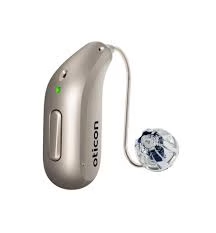
Categories
Health & Wellness Hearing Technology

Smart Hearing Aids for a Transformed Daily Life Experience

Last Updated on 05/01/2026 by Admin

Discover the Essential Benefits of Smart Hearing Aids for Superior Auditory Experiences

What Key Features Define Smart Hearing Aids?

Smart hearing aids are meticulously designed to significantly enhance the auditory experience for users of all ages. These advanced devices integrate features such as real-time noise reduction and <a href="https://www.earwaxremoval.net/ear-muscles-in-sound-detection-universal-insights-explained/">adaptive sound processing</a>, which collectively improve the clarity of speech during conversations. This becomes particularly advantageous in various environments, from bustling city streets to peaceful cafés, allowing users to immerse themselves fully in their surroundings.

In bustling settings, these hearing aids autonomously adjust their configurations, enabling wearers to focus on specific sounds while effectively reducing distracting background noise. This revolutionary technology transforms how individuals engage with their environments, ensuring that conversations and experiences are not only manageable but also immensely enjoyable.

How Can Smart Hearing Aids Connect with Other Devices Seamlessly?

Connectivity is a cornerstone feature of smart hearing aids, enabling effortless integration with a variety of devices, particularly smartphones and smart home systems. This connectivity opens up a world of possibilities, allowing users to stream music, phone calls, and various audio directly to their hearing aids, thereby enhancing overall accessibility and personalising the auditory experience.

Through dedicated applications, users can modify settings to match their personal preferences or adapt to specific environmental conditions, whether they are relaxing at home or travelling. This level of tailored customization not only enriches the overall user experience but also empowers individuals to maintain control over their auditory environment, further enhancing the quality of their everyday activities.

What Unique Advantages Do Smart Hearing Aids Provide for Everyday Activities?

  • Enhanced clarity of speech
  • Minimized background noise disruptions
  • Long-lasting battery performance
  • Effortless connectivity with devices
  • Personalized sound profiles
  • Improved social interaction capabilities
  • Support for cognitive wellness

The benefits of smart hearing aids extend well beyond mere sound clarity; they play a vital role in significantly enhancing overall hearing health and user convenience. Improved speech clarity allows users to engage in richer, more meaningful conversations. Furthermore, the reduction of background noise fosters better concentration in diverse settings, making daily interactions smoother and more effective.

Additionally, the superior battery longevity of these devices ensures they remain reliable throughout the day, reducing interruptions in communication. These hearing aids also offer customizability, adapting to individual requirements with sound profiles tailored for various situations, from casual discussions to formal meetings. This versatility not only aids in completing daily tasks but also enriches social interactions, helping to foster connections and alleviate feelings of isolation.

Expert Insights on the Functionalities of Smart Hearing Aids

What Steps Should Be Taken for Successful Adoption of Smart Hearing Aids?

Successfully adopting smart hearing aids involves following a structured series of steps that users should consider carefully. The first step is selecting the right model, which requires a thorough assessment of personal hearing needs and lifestyle factors, particularly concerning environments frequented, such as noisy areas. Consulting with an audiologist offers invaluable insights and guidance in this selection process.

Once the appropriate model is chosen, the initial setup of the device becomes crucial. Users should take the opportunity to familiarise themselves with the application interface and customize various settings to optimise their auditory experience. This process entails adjusting volume levels, selecting noise reduction options, and creating sound profiles tailored to different environments. Regular follow-up appointments can ensure that these aids remain effective and evolve with the user’s needs over time.

What Innovative Features Distinguish Smart Hearing Aids?

The innovation behind smart hearing aids lies in their utilisation of cutting-edge technologies, especially those driven by artificial intelligence. These devices learn from user interactions and environmental factors, automatically adapting to enhance hearing quality. For instance, in a crowded restaurant, the hearing aid can prioritise speech frequencies while diminishing distracting background noise.

This AI-driven adaptability fosters a more personalised approach to hearing health, allowing users to maintain optimal auditory experiences tailored to their unique circumstances. Such technology not only bolsters hearing capabilities but also promotes cognitive health by keeping the brain actively engaged, underscoring the intrinsic connection between hearing and cognitive functions.

What Best Practices Ensure Long-Term Maintenance of Smart Hearing Aids?

To ensure both longevity and optimal performance of smart hearing aids, users should adhere to a routine of regular maintenance practices. These practices include routine cleaning to prevent wax buildup and ensuring that the microphone and receiver remain unobstructed from debris. Keeping up with regular software updates is equally important, as manufacturers frequently release enhancements that can improve functionality and security.

Moreover, users should familiarise themselves with troubleshooting common issues, such as connectivity problems or diminished battery life. Seeking professional assistance when necessary can further support the maintenance of the devices, ensuring that the hearing aids continue to provide reliable assistance throughout their operational lifespan.

How Do Smart Hearing Aids Enhance Effective Communication?

What Impact Do They Have on Conversations?

Smart hearing aids play a pivotal role in improving communication, especially in challenging auditory environments. They employ sophisticated algorithms designed to enhance speech recognition, enabling users to engage in conversations even when background noise is prominent. For example, during a family gathering or social event, these aids assist in distinguishing various voices from the surrounding chatter, making dialogue clearer and more engaging.

This capability is not only vital for effective communication but also instrumental in alleviating feelings of isolation. By enhancing the clarity of conversations, users find it easier to participate in social interactions, which is essential for emotional well-being and strengthening relationships with family and friends.

Are There Options for Customising Smart Hearing Aids?

Absolutely, smart hearing aids come with extensive customisation options that empower users to adjust settings according to specific scenarios. For instance, individuals can create distinct profiles tailored to different environments, such as a quiet library or a lively café, optimising their hearing experience based on the context.

These intuitive controls enable users to adjust volume levels, sound balance, and preferences seamlessly. With these personalised settings, users can enhance their interactions, making conversations more effective and enjoyable across a variety of situations.

How Do Smart Hearing Aids Affect Social Interactions?

The innovative features integrated into smart hearing aids, such as directional microphones, significantly enhance social interactions. These technologies help to reduce misunderstandings in group settings, allowing users to engage with confidence and clarity. For example, during group discussions, directional microphones can focus on the primary speaker, effectively filtering out irrelevant background noise.

This functionality not only fosters improved relationships but also encourages social engagement. By making conversations clearer and more accessible, individuals can actively participate, leading to enriched social experiences and a stronger sense of community, which is vital for overall well-being.

Research-Backed Advantages of Smart Hearing Aids

How Do They Contribute to Cognitive Health?

Smart hearing aids have been shown to positively support cognitive health by incorporating built-in exercises that stimulate brain activity. Engaging with these devices can help maintain mental sharpness, as studies indicate that consistent auditory support is linked to a reduction in cognitive decline over time.

Users can actively participate in exercises designed to challenge their listening skills, promoting mental agility and cognitive engagement. This proactive approach is crucial for preserving brain health, particularly as individuals age and face increased risks associated with cognitive decline.

What Health Benefits Have Been Observed with Their Use?

Research highlights several significant health benefits associated with using smart hearing aids. Among these advantages are notable improvements in balance and mental alertness, as these devices alleviate the strain often associated with untreated hearing loss. By enhancing auditory input, users experience less fatigue and improved overall cognitive functioning.

Moreover, the reduction of auditory strain can lead to fewer occurrences of headaches and stress, contributing to an overall enhancement in mental health. This underscores the importance of proactively addressing hearing loss to support both physical and cognitive well-being.

What Preventive Measures Should Users Consider?

  • Schedule regular check-ups with an audiologist
  • Engage with built-in exercises for cognitive stimulation
  • Adjust settings according to environmental changes
  • Implement regular device maintenance
  • Monitor usage patterns for timely adjustments
  • Participate in social activities to enhance hearing skills

To maintain optimal auditory health, users of smart hearing aids should adopt several preventive measures. Regular check-ins with an audiologist can help ensure that devices are functioning at their best and that any necessary adjustments are made promptly.

Additionally, utilizing the built-in exercises can stimulate brain activity, keeping cognitive functions sharp and engaged. Monitoring usage patterns also allows for timely adjustments, maximising the benefits derived from these sophisticated aids and ensuring continuous improvement in hearing health.

How Do Smart Hearing Aids Enhance Social Interactions?

Research indicates that smart hearing aids significantly improve social interactions by enhancing communication clarity. Users report reduced feelings of social isolation due to the improved ability to engage in conversations, with studies showing a 40% increase in social activities among participants utilising these devices.

This boost in social engagement not only enhances emotional well-being but also strengthens personal relationships. Improved communication fosters a sense of belonging and diminishes feelings of loneliness, establishing these devices as essential tools for maintaining an active and fulfilling social life.

What is the Impact of Smart Hearing Aids on Daily Living Activities?

Evidence from clinical trials demonstrates that smart hearing aids have a profound impact on daily living activities by promoting user independence. Individuals benefit from enhanced environmental awareness and improved task performance, contributing to an overall better quality of life.

For instance, navigating busy public spaces becomes significantly less daunting, as users can detect critical sounds, such as traffic or announcements, without feeling overwhelmed. This heightened sense of awareness fosters autonomy and confidence in daily activities, ultimately leading to a more fulfilling and enriched lifestyle.

Exploring the Advanced Features of Smart Hearing Aids

How Do Smart Hearing Aids Manage Environmental Sounds Effectively?

Smart hearing aids leverage innovative sensors to effectively manage environmental sounds. These devices can automatically adjust settings in response to fluctuating noise levels, ensuring that users remain aware and comfortable without needing manual intervention. For example, walking through a tranquil park versus a crowded marketplace prompts automatic adjustments that optimise the listening experience.

This technology is essential for enhancing user comfort, allowing individuals to focus on the sounds that matter most in any given situation. As these aids learn and adapt to the user’s preferences and surroundings, they provide a natural, immersive auditory experience that makes daily life more enjoyable.

What Role Does Health Tracking Integration Play in Smart Hearing Aids?

Many smart hearing aids now include health tracking integration features. This advancement allows users to monitor their usage patterns, providing valuable insights into their hearing trends and overall auditory health. For instance, users can track their daily wear time and adjust their listening habits accordingly.

Such insights empower users to engage more proactively in managing their hearing health. By understanding how and when they utilise their hearing aids, individuals can make informed decisions about their auditory behaviour, ultimately leading to improved outcomes and satisfaction with their devices.

What Future Developments Can We Expect in Smart Hearing Aids?

The future of smart hearing aids promises exciting advancements, particularly in enhancing functionality. Potential developments may include the integration of voice assistants and other AI-driven tools, facilitating seamless incorporation into daily routines.

These innovations will likely provide users with greater control over their auditory experiences, allowing for hands-free adjustments and interactive features that enhance usability. As technology continues to evolve, the potential for more personalised and intuitive hearing solutions grows, indicating a bright future for hearing health.

What Are the Advanced Connectivity Features of Smart Hearing Aids?

Smart hearing aids are increasingly being equipped with robust Bluetooth and wireless integration capabilities, enabling seamless audio streaming from smartphones, televisions, and other devices. This advanced connectivity allows users to enjoy clear, high-quality sound while engaging with their preferred entertainment sources.

Incorporating such features enhances user interaction, facilitating a more connected lifestyle. Whether enjoying music, making phone calls, or watching television, these aids ensure that users remain integrated into their favourite activities without sacrificing audio clarity or comfort. This connectivity not only enriches daily experiences but also significantly contributes to an improved quality of life.

How Does AI Contribute to the Personalisation of Smart Hearing Aids?

Utilising artificial intelligence, smart hearing aids can analyse user behaviour to continuously customise sound profiles in real-time. This means that the aids can adapt to various activities—whether listening to music or participating in conversations—optimising sound quality for each situation.

This level of personalisation is transformative, as it allows users to experience enhanced comfort and effectiveness tailored to their unique auditory needs. By continually learning from user preferences, these devices become increasingly adept at delivering a satisfying auditory experience, ultimately improving user satisfaction and engagement.

Effective Strategies for Maximising the Benefits of Smart Hearing Aids

What Daily Routines Benefit Most from Smart Hearing Aids?

Integrating smart hearing aids into daily routines can significantly enhance various activities, particularly those involving work or hobbies. For example, using hearing aids during meetings can improve focus and comprehension, as users can better understand discussions without straining to hear.

Similarly, engaging in recreational activities such as gardening or cooking becomes more rewarding, as users can fully immerse themselves in their surroundings without missing critical sounds. The optimised sound delivery provided by these devices ensures that daily routines are not only manageable but also enjoyable, enriching the overall experience of life.

How Can Customisation Meet Different User Needs?

Customisation is a defining characteristic of smart hearing aids, allowing users to program specific profiles for various tasks and environments. This versatility ensures that individuals can adapt their hearing aids to meet diverse needs throughout the day, from professional engagements to leisurely activities.

For instance, users can create a profile tailored for quiet settings, enhancing focus during reading or studying, while another profile can be designed for social gatherings, amplifying speech recognition. This adaptability simplifies transitions between different activities, making hearing aids more user-friendly and effective.

What Are the Best Maintenance and Troubleshooting Practices for Smart Hearing Aids?

Maintaining smart hearing aids is crucial for long-term satisfaction and optimal performance. Simple practices, such as conducting regular battery checks and ensuring that the devices are clean and free from moisture, can prevent common issues from arising. Users should also familiarise themselves with troubleshooting steps for typical challenges, such as connectivity problems or sound distortion.

Incorporating regular maintenance routines not only extends the devices’ lifespan but also ensures peak performance, allowing users to continue enjoying reliable auditory support as they navigate their daily lives. Additionally, engaging with professional services for repairs or updates can help users maximise their investment in these advanced technologies.

How Does Technology Enrich Hearing Experiences?

What Role Do Sensors and Apps Play in Smart Hearing Aids?

Advanced smart hearing aids are equipped with various sensors capable of detecting ambient sounds and pairing with dedicated applications for real-time adjustments. These components work together to create a listening experience that feels natural and responsive, essential for everyday scenarios.

For example, users can easily modify settings through an app, allowing for quick changes based on their environment. This technology not only enhances sound quality but also empowers users to take an active role in managing their auditory experiences, promoting independence and confidence in their interactions.

How Do Smart Hearing Aids Promote User Independence?

By reducing reliance on others for auditory input, smart hearing aids empower users to enjoy greater independence. Features that amplify necessary sounds without distortion enable individuals to navigate their environments confidently, whether at home or out in the community.

This sense of autonomy fosters a feeling of empowerment, allowing users to engage fully in daily activities without feeling hindered by hearing challenges. Consequently, the enhanced independence provided by these devices contributes significantly to improved quality of life and personal satisfaction.

What Steps Can Be Taken to Ensure the Longevity of Device Performance?

Regular updates play a vital role in maintaining the effectiveness of smart hearing aids. These updates ensure that users continue to benefit from the latest enhancements and features, allowing for consistent performance over extended periods. Periodic improvements help sustain the reliability and quality of sound that users expect from their devices.

By staying current with software updates, users can maximise their investment in hearing technology, ensuring that they enjoy a continually evolving auditory experience. This commitment to longevity not only enhances user satisfaction but also reinforces the trustworthiness of the technology in improving hearing health.

Real-World Applications of Smart Hearing Aids

What Accessibility Features Can Users Expect?

Smart hearing aids are designed with various accessibility features that enhance usability, especially in public spaces. Voice commands allow users to adjust settings hands-free, while telecoil modes facilitate improved communication in venues equipped with hearing loops.

Such features promote inclusivity, simplifying navigation in environments like theatres, places of worship, or public transportation. By enhancing the user experience, these accessibility options ensure that individuals can engage more fully in their communities, fostering a sense of belonging and participation.

How Do Smart Hearing Aids Enhance Entertainment Experiences?

One of the standout capabilities of smart hearing aids is their ability to stream music and phone calls directly, significantly enriching the entertainment experience. Users benefit from clear, balanced audio tailored to their personal preferences, transforming their interaction with various media.

Whether listening to music during workouts or enjoying a podcast while commuting, these devices ensure that auditory enjoyment is seamless and high-quality. This capability greatly enhances leisure activities, making entertainment more accessible and enjoyable for users.

What Energy Efficiency Considerations Are Important for Users?

Energy efficiency is a crucial aspect of the design of smart hearing aids. Many devices incorporate low-power modes that extend battery life, ensuring reliable performance throughout daily activities without the need for frequent recharges. This focus on sustainability is vital for maintaining usability and convenience for users.

By prioritising energy efficiency, manufacturers help users avoid the frustration of dead batteries or interruptions in service, aligning with their needs and enhancing overall satisfaction with the technology.

Emerging Trends in Smart Hearing Technology

What Innovative Advancements Can We Expect in the Future?

The future of smart hearing aids is characterised by continuous innovations, particularly in the realm of artificial intelligence. Upcoming models may feature predictive adjustments that dynamically adapt to users’ changing needs, thereby improving their ability to navigate diverse auditory environments effectively.

This forward-thinking development could allow for even greater levels of personalisation, enabling users to experience sounds that resonate with their preferences and enhance their quality of life. As technology evolves, these innovations promise to redefine the landscape of hearing aids.

How Do Smart Hearing Aids Fit into Preventive Care Strategies?

Smart hearing aids are increasingly taking on a role in preventive care, equipped with early detection features that alert users to potential auditory issues. By providing timely notifications, these devices encourage proactive management of hearing health, leading to better long-term outcomes.

This preventive approach not only assists users in addressing problems before they escalate but also reinforces the significance of regular auditory health check-ups. By embedding health monitoring into daily life, these aids empower users to take charge of their hearing health effectively.

How Do User Feedback Mechanisms Enhance Smart Hearing Aids?

Incorporating user feedback mechanisms, such as built-in surveys, allows smart hearing aids to evolve based on actual user experiences. These feedback loops enable manufacturers to gather insights regarding user satisfaction and device performance, leading to continuous improvements in technology.

This responsiveness to user needs ensures that the technology remains relevant and effective, ultimately enhancing the overall user experience. By prioritising feedback, manufacturers can cultivate a relationship of trust and reliability with users, reinforcing the value of their products.

What Is the Significance of Integration with Wearable Devices?

Smart hearing aids are increasingly being integrated with wearable devices and smart home systems, facilitating seamless data sharing for health monitoring and automated adjustments. This integration promotes user independence, allowing for coordinated interactions that enhance overall quality of life.

For instance, syncing hearing aids with fitness trackers can yield insights into how hearing health correlates with physical activity levels, leading to more informed health decisions. This holistic approach to technology underscores the potential for hearing aids to play a central role in a user’s comprehensive wellness strategy.

What Advances in Battery Technology Are Expected?

Future developments in smart hearing technology are focusing on advances in battery technology, aiming to create longer-lasting, rechargeable batteries that minimise downtime. Manufacturers are also exploring energy-efficient designs that enhance device reliability for daily use.

Moreover, integrating solar charging options could offer sustainability advantages, enabling users to recharge their hearing aids using renewable energy sources. This commitment to technological advancement and environmental sustainability is set to significantly enhance user experience and satisfaction in the years ahead.

Frequently Asked Questions about Smart Hearing Aids

What Exactly Are Smart Hearing Aids?

Smart hearing aids are advanced auditory devices designed to enhance hearing capabilities through connectivity with smartphones and smart home systems, offering features such as real-time noise reduction and adaptive sound processing.

How Do Smart Hearing Aids Function?

These devices utilise sophisticated algorithms to process sound, automatically adjusting to different environments while providing users with clarity in conversations and minimising background noise interference.

Can Smart Hearing Aids Connect to Mobile Phones?

Yes, the majority of smart hearing aids can connect to smartphones via Bluetooth, enabling users to stream audio, modify settings, and engage with dedicated apps for enhanced accessibility.

What Maintenance Is Required for Smart Hearing Aids?

Regular maintenance entails cleaning the devices, checking battery levels, performing software updates, and consulting audiologists for professional check-ups to ensure optimal performance.

What Advantages Come with Using Smart Hearing Aids?

Benefits include enhanced speech clarity, minimised background noise, improved social interactions, and support for cognitive health, all of which contribute significantly to overall well-being.

Is It Possible to Customise Settings in Smart Hearing Aids?

Absolutely, users can personalise sound profiles and settings based on specific environments or activities, ensuring an optimised and tailored auditory experience.

In What Ways Do Smart Hearing Aids Support Cognitive Health?

They promote cognitive health by engaging users in listening exercises and stimulating brain activity, which research indicates can help mitigate cognitive decline associated with hearing loss.

What Features Contribute to User Independence?

Features such as automatic environmental adjustments, streaming capabilities, and health tracking empower users to navigate their surroundings confidently without relying on others for auditory cues.

Are There Accessibility Features in Smart Hearing Aids?

Yes, options such as voice commands and telecoil modes enhance accessibility, facilitating easier navigation in public spaces and greater engagement with various environments.

What Does the Future Hold for Smart Hearing Technology?

The future promises further integration with AI for predictive adjustments, advancements in battery technology, and comprehensive health monitoring capabilities, all aimed at significantly improving user experience.

Connect with Us on X!

The post Smart Hearing Aids: Transform Your Daily Life Experience appeared first on The Microsuction Ear Wax Removal Network.

Categories
Health & Wellness Hearing Technology

Smart Hearing Aids for an Enhanced Daily Life Experience

Last Updated on 05/01/2026 by Admin

Unlocking the Comprehensive Benefits of Smart Hearing Aids for Superior Auditory Experiences

What are the essential features that define smart hearing aids?

Smart hearing aids are meticulously designed to significantly elevate the auditory experiences of users. They incorporate state-of-the-art functionalities such as real-time noise reduction and adaptive sound processing, both aimed at enhancing clarity during conversations. These features become especially advantageous in varied settings, from busy urban environments to tranquil coffee shops, facilitating a more immersive engagement with one’s surroundings.

In these dynamic situations, smart hearing aids automatically adjust their settings, allowing wearers to focus on specific sounds while effectively minimising distracting background noise. This transformative technology revolutionises how individuals interact with their environment, ensuring that conversations and experiences are not only manageable but also considerably more enjoyable.

How do smart hearing aids establish connections with other devices?

Connectivity is a cornerstone feature of smart hearing aids, enabling seamless integration with various devices, particularly smartphones and smart home systems. This connectivity empowers users to stream music, phone calls, and diverse audio directly to their hearing aids, thereby enriching accessibility and personalising the auditory experience.

Moreover, through dedicated applications, users can tailor settings to align with their personal preferences or adapt to specific environmental conditions, whether at home or on the go. This degree of customisation not only enhances the overall user experience but also empowers individuals to maintain control over their auditory landscape, further enriching the quality of their daily engagements.

What tangible benefits do smart hearing aids provide in everyday activities?

  • Enhanced clarity of speech
  • Minimised background noise disruptions
  • Long-lasting battery performance
  • Effortless connectivity with devices
  • Personalised sound profiles
  • Improved social interaction capabilities
  • Support for cognitive wellness

The advantages of smart hearing aids extend well beyond mere auditory clarity; they are pivotal in significantly enhancing overall hearing health and user convenience. Users experience improved speech clarity, facilitating richer, more meaningful interactions. Additionally, the reduction of background noise allows for enhanced focus in various settings, making daily communications smoother and more effective.

Furthermore, the extended battery life of these devices ensures reliability throughout the day, effectively minimising interruptions in communication. These hearing aids are also adaptable, allowing for customised sound profiles tailored to specific situations, whether casual conversations or formal meetings. This versatility not only aids in accomplishing daily tasks but also enriches social interactions, helping to foster connections and alleviate feelings of isolation.

Expert Insights on the Functionalities of Smart Hearing Aids

What steps should users take to seamlessly adopt smart hearing aids?

Successfully adopting smart hearing aids requires a structured approach that users should thoughtfully consider. The first step involves selecting the appropriate model, which necessitates a comprehensive assessment of personal hearing needs and lifestyle factors, particularly regarding frequently encountered environments, such as noisy public spaces. Consulting with an audiologist can provide invaluable insights and guidance throughout this process.

Following the selection of the right model, the initial setup of the device is a critical step. Users should invest time in familiarising themselves with the app interface and customising various settings to optimise their auditory experience. This includes adjusting volume levels, selecting noise reduction options, and creating sound profiles tailored to specific environments. Regular follow-up appointments can ensure that these aids continue to be effective and adapt to the user’s evolving needs over time.

What cutting-edge features distinguish smart hearing aids from traditional models?

The innovation behind smart hearing aids lies in their use of advanced technologies, particularly those powered by artificial intelligence. These devices learn from user interactions and the surrounding environment, automatically adjusting to enhance auditory quality. For instance, in a crowded restaurant, the hearing aid prioritises speech frequencies while diminishing distracting background noise.

This AI-driven adaptability fosters a personalised approach to hearing health, enabling users to maintain optimal auditory experiences tailored to their unique circumstances. Such technology not only enhances hearing capabilities but also supports cognitive health by keeping the brain actively engaged, highlighting the intrinsic connection between hearing and cognitive functions.

What best practices should be followed for the long-term maintenance of smart hearing aids?

To ensure both longevity and peak performance of smart hearing aids, users should adhere to a routine of regular maintenance practices. These practices include routine cleaning to prevent wax accumulation and ensuring that the microphone and receiver remain unobstructed from debris. Keeping up with regular software updates is equally essential, as manufacturers frequently release enhancements that can improve both functionality and security.

For optimal performance, users should also become familiar with troubleshooting common issues, such as connectivity problems or diminished battery life. Seeking professional assistance when necessary can further help maintain the integrity of the devices, ensuring that the hearing aids continue to provide reliable support throughout their operational lifespan.

In What Ways Do Smart Hearing Aids Enhance Communication Effectiveness?

What is their impact on conversations within noisy environments?

Smart hearing aids play an instrumental role in enhancing communication, especially in challenging auditory environments. They utilise sophisticated algorithms designed to bolster speech recognition, allowing users to engage in conversations even amidst prevalent background noise. For example, during a family gathering or a social event, these aids assist in distinguishing various voices from the surrounding chatter, rendering dialogue clearer and more engaging.

This capability is not only crucial for effective communication but also plays a significant role in alleviating feelings of isolation. By enhancing conversation clarity, users find it easier to engage in social interactions, which is vital for emotional well-being and strengthening relationships with family and friends.

Are there options available for personalising smart hearing aids?

<pCertainly, smart hearing aids come equipped with extensive personalisation options that empower users to adjust settings according to specific scenarios. For instance, individuals can create distinct profiles tailored for various environments, such as a quiet library or a bustling café, optimising their hearing experience based on context.

These intuitive controls enable users to adjust volume levels, sound balance, and preferences seamlessly. With these personalised settings, users can enhance their interactions, making conversations more effective and enjoyable across a wide range of situations.

How do smart hearing aids influence social interactions positively?

The innovative features integrated into smart hearing aids, such as directional microphones, significantly enhance social interactions. These technologies help to reduce misunderstandings in group settings, allowing users to engage with confidence and clarity. For example, during group discussions, directional microphones can focus on the primary speaker, effectively filtering out irrelevant background noise.

This functionality not only fosters improved relationships but also encourages social engagement. By making conversations clearer and more accessible, individuals can actively participate, leading to enriched social experiences and a stronger sense of community, which is vital for overall well-being.

Research-Backed Benefits of Smart Hearing Aids

How do they contribute to cognitive health?

Smart hearing aids have been shown to positively support cognitive health by incorporating built-in exercises that stimulate brain activity. Engaging with these devices can aid in maintaining mental sharpness, as studies indicate that consistent auditory support is linked to a reduction in cognitive decline over time.

Users can actively participate in exercises designed to challenge their listening skills, promoting mental agility and cognitive engagement. This proactive approach is crucial for preserving brain health, particularly as individuals age and face increased risks associated with cognitive decline.

What health benefits have been observed with their use?

Research highlights several significant health benefits associated with using smart hearing aids. Improvements in balance and mental alertness are among these benefits, as these devices alleviate the strain often linked with untreated hearing loss. By enhancing auditory input, users experience reduced fatigue and improved overall cognitive functioning.

Moreover, the reduction of auditory strain can lead to fewer occurrences of headaches and stress, contributing to an overall enhancement in mental health. This underscores the importance of proactively addressing hearing loss to support both physical and cognitive well-being.

What preventive measures should users consider for optimal hearing health?

  • Schedule regular check-ups with an audiologist
  • Engage with built-in exercises for cognitive stimulation
  • Adjust settings according to environmental changes
  • Implement regular device maintenance
  • Monitor usage patterns for timely adjustments
  • Participate in social activities to enhance hearing skills

To maintain optimal auditory health, users of smart hearing aids should adopt several preventive measures. Regular check-ins with an audiologist can help ensure that devices are functioning at their best and that any necessary adjustments are made promptly.

Additionally, utilising built-in exercises can stimulate brain activity, keeping cognitive functions sharp and engaged. Monitoring usage patterns also allows for timely adjustments, maximising the benefits derived from these sophisticated aids and ensuring continuous improvement in hearing health.

How do smart hearing aids enhance social interactions?

Research indicates that smart hearing aids significantly improve social interactions by enhancing communication clarity. Users report reduced feelings of social isolation due to the improved ability to engage in conversations, with studies showing a 40% increase in social activities among participants utilising these devices.

This boost in social engagement not only enhances emotional well-being but also strengthens personal relationships. Improved communication fosters a sense of belonging and diminishes feelings of loneliness, establishing these devices as essential tools for maintaining an active and fulfilling social life.

What is the impact of smart hearing aids on daily living activities?

Evidence from clinical trials demonstrates that smart hearing aids profoundly impact daily living activities by promoting user independence. Individuals benefit from enhanced environmental awareness and improved task performance, contributing to an overall better quality of life.

For instance, navigating busy public spaces becomes significantly less daunting, as users can detect critical sounds, such as traffic or announcements, without feeling overwhelmed. This heightened sense of awareness fosters autonomy and confidence in daily activities, ultimately leading to a more fulfilling and enriched lifestyle.

Exploring the Innovative Features of Smart Hearing Aids

How do smart hearing aids manage environmental sounds effectively?

Smart hearing aids leverage innovative sensors to effectively manage environmental sounds. These devices can automatically adjust settings in response to fluctuating noise levels, ensuring that users remain aware and comfortable without needing manual intervention. For example, walking through a serene park versus a bustling marketplace prompts automatic adjustments that optimise the listening experience.

This technology is essential for enhancing user comfort, allowing individuals to focus on the sounds that matter most in any given situation. As these aids learn and adapt to the user’s preferences and surroundings, they provide a natural, immersive auditory experience that significantly enhances daily life.

What role does health tracking integration play in smart hearing aids?

Many smart hearing aids now include health tracking integration features. This advancement allows users to monitor their usage patterns, providing valuable insights into their hearing trends and overall auditory health. For instance, users can track their daily wear time and adjust their listening habits accordingly.

Such insights empower users to engage more proactively in managing their hearing health. By understanding how and when they utilise their hearing aids, individuals can make informed decisions about their auditory behaviour, ultimately leading to improved outcomes and satisfaction with their devices.

What future innovations can we anticipate in smart hearing aids?

The future of smart hearing aids promises exciting advancements, particularly in enhancing functionality. Potential developments may include the integration of voice assistants and other AI-driven tools, facilitating seamless incorporation into daily routines.

These innovations will likely provide users with greater control over their auditory experiences, allowing for hands-free adjustments and interactive features that enhance usability. As technology continues to evolve, the potential for more personalised and intuitive hearing solutions grows, indicating a promising future for hearing health.

What are the advanced connectivity features of smart hearing aids?

Smart hearing aids are increasingly being equipped with robust Bluetooth and wireless integration capabilities, enabling seamless audio streaming from smartphones, televisions, and other devices. This advanced connectivity allows users to enjoy clear, high-quality sound while engaging with their preferred entertainment sources.

Incorporating such features enhances user interaction, facilitating a more connected lifestyle. Whether enjoying music, making phone calls, or watching television, these aids ensure that users remain integrated into their favourite activities without sacrificing audio clarity or comfort. This connectivity enriches daily experiences and significantly contributes to an improved quality of life.

How does AI enhance the personalisation of smart hearing aids?

Utilising artificial intelligence, smart hearing aids can analyse user behaviour to continuously customise sound profiles in real-time. This means that the aids can adapt to various activities—whether listening to music or participating in conversations—optimising sound quality for each situation.

This level of personalisation is transformative, as it allows users to experience enhanced comfort and effectiveness tailored to their unique auditory needs. By continually learning from user preferences, these devices become increasingly adept at delivering a satisfying auditory experience, ultimately improving user satisfaction and engagement.

Effective Strategies for Maximising the Advantages of Smart Hearing Aids

What daily routines can benefit most from smart hearing aids?

Integrating smart hearing aids into daily routines can significantly enhance various activities, particularly those involving work or hobbies. For example, utilising hearing aids during meetings can improve focus and comprehension, as users can better understand discussions without straining to hear.

Similarly, engaging in recreational activities such as gardening or cooking becomes more rewarding, as users can fully immerse themselves in their surroundings without missing critical sounds. The optimised sound delivery provided by these devices ensures that daily routines are not only manageable but also enjoyable, enriching the overall experience of life.

How can customisation meet the diverse needs of users?

Customisation is a defining characteristic of smart hearing aids, allowing users to programme specific profiles for various tasks and environments. This versatility ensures that individuals can adapt their hearing aids to meet diverse needs throughout the day, from professional engagements to leisurely activities.

For instance, users can create a profile tailored for quiet settings, enhancing focus during reading or studying, while another profile can be designed for social gatherings, amplifying speech recognition. This adaptability simplifies the transition between different activities, making hearing aids more user-friendly and effective.

What are the best maintenance and troubleshooting practices for smart hearing aids?

Maintaining smart hearing aids is crucial for long-term satisfaction and optimal performance. Simple practices, such as conducting regular battery checks and ensuring that the devices are clean and free from moisture, can prevent common issues from arising. Users should also familiarise themselves with troubleshooting steps for typical challenges, such as connectivity problems or sound distortion.

Incorporating regular maintenance routines not only extends the devices’ lifespan but also ensures peak performance, allowing users to continue enjoying reliable auditory support as they navigate their daily lives. Additionally, engaging with professional services for repairs or updates can help users maximise their investment in these advanced technologies.

How Does Technology Enrich Hearing Experiences?

What role do sensors and applications play in smart hearing aids?

Advanced smart hearing aids are equipped with various sensors capable of detecting ambient sounds and pairing with dedicated applications for real-time adjustments. These components work together to create a listening experience that feels natural and responsive, essential for everyday scenarios.

For instance, users can easily modify settings through an app, allowing for quick changes based on their environment. This technology not only enhances sound quality but also empowers users to take an active role in managing their auditory experiences, promoting independence and confidence in their interactions.

How do smart hearing aids promote user independence?

By reducing reliance on others for auditory input, smart hearing aids empower users to enjoy greater independence. Features that amplify necessary sounds without distortion enable individuals to navigate their environments confidently, whether at home or out in the community.

This sense of autonomy fosters a feeling of empowerment, allowing users to engage fully in daily activities without feeling hindered by hearing challenges. Consequently, the enhanced independence provided by these devices significantly contributes to improved quality of life and personal satisfaction.

What steps can be taken to ensure the longevity of device performance?

Regular updates play a vital role in maintaining the effectiveness of smart hearing aids. These updates ensure that users continue to benefit from the latest enhancements and features, allowing for consistent performance over extended periods. Periodic improvements help sustain the reliability and quality of sound that users expect from their devices.

By staying current with software updates, users can maximise their investment in hearing technology, ensuring that they enjoy a continually evolving auditory experience. This commitment to longevity not only enhances user satisfaction but also reinforces the trustworthiness of the technology in improving hearing health.

Real-World Applications of Smart Hearing Aids

What accessibility features can users expect in smart hearing aids?

Smart hearing aids are designed with various accessibility features that enhance usability, especially in public spaces. Voice commands allow users to adjust settings hands-free, while telecoil modes facilitate improved communication in venues equipped with hearing loops.

Such features promote inclusivity, simplifying navigation in environments like theatres, places of worship, or public transportation. By enhancing the user experience, these accessibility options ensure that individuals can engage more fully in their communities, fostering a sense of belonging and participation.

How do smart hearing aids enhance entertainment experiences?

One of the standout capabilities of smart hearing aids is their ability to stream music and phone calls directly, significantly enriching the entertainment experience. Users benefit from clear, balanced audio tailored to their personal preferences, transforming their interaction with various media.

Whether listening to music during workouts or enjoying a podcast while commuting, these devices ensure that auditory enjoyment is seamless and high-quality. This capability greatly enhances leisure activities, making entertainment more accessible and enjoyable for users.

What energy efficiency considerations are important for users of smart hearing aids?

Energy efficiency is a crucial aspect of the design of smart hearing aids. Many devices incorporate low-power modes that extend battery life, ensuring reliable performance throughout daily activities without the need for frequent recharges. This focus on sustainability is vital for maintaining usability and convenience for users.

By prioritising energy efficiency, manufacturers help users avoid the frustration of dead batteries or interruptions in service, aligning with their needs and enhancing overall satisfaction with the technology.

Emerging Trends in Smart Hearing Technology

What innovative advancements can we anticipate in the future of smart hearing aids?

The future of smart hearing aids is characterised by continuous innovations, particularly in the realm of artificial intelligence. Upcoming models may feature predictive adjustments that dynamically adapt to users’ changing needs, thereby improving their ability to navigate diverse auditory environments effectively.

This forward-thinking development could allow for even greater levels of personalisation, enabling users to experience sounds that resonate with their preferences and enhance their quality of life. As technology evolves, these innovations promise to redefine the landscape of hearing aids.

How do smart hearing aids fit into preventive care strategies?

Smart hearing aids are increasingly taking on a role in preventive care, equipped with early detection features that alert users to potential auditory issues. By providing timely notifications, these devices encourage proactive management of hearing health, leading to better long-term outcomes.

This preventive approach not only assists users in addressing problems before they escalate but also reinforces the significance of regular auditory health check-ups. By embedding health monitoring into daily life, these aids empower users to take charge of their hearing health effectively.

How do user feedback mechanisms enhance the functionality of smart hearing aids?

Incorporating user feedback mechanisms, such as built-in surveys, allows smart hearing aids to evolve based on actual user experiences. These feedback loops enable manufacturers to gather insights regarding user satisfaction and device performance, leading to continuous improvements in technology.

This responsiveness to user needs ensures that the technology remains relevant and effective, ultimately enhancing the overall user experience. By prioritising feedback, manufacturers can cultivate a relationship of trust and reliability with users, reinforcing the value of their products.

What is the significance of integration with wearable devices in smart hearing aids?

Smart hearing aids are increasingly being integrated with wearable devices and smart home systems, facilitating seamless data sharing for health monitoring and automated adjustments. This integration promotes user independence, allowing for coordinated interactions that enhance overall quality of life.

For instance, syncing hearing aids with fitness trackers can yield insights into how hearing health correlates with physical activity levels, leading to more informed health decisions. This holistic approach to technology underscores the potential for hearing aids to play a central role in a user’s comprehensive wellness strategy.

What advances in battery technology are expected for smart hearing aids?

Future developments in smart hearing technology are focusing on advances in battery technology, aiming to create longer-lasting, rechargeable batteries that minimise downtime. Manufacturers are also exploring energy-efficient designs that enhance device reliability for daily use.

Moreover, integrating solar charging options could offer sustainability advantages, enabling users to recharge their hearing aids using renewable energy sources. This commitment to technological advancement and environmental sustainability is set to significantly enhance user experience and satisfaction in the years ahead.

Frequently Asked Questions about Smart Hearing Aids

What exactly are smart hearing aids?

Smart hearing aids are advanced auditory devices designed to enhance hearing capabilities through connectivity with smartphones and smart home systems, offering features such as real-time noise reduction and adaptive sound processing.

How do smart hearing aids function?

These devices utilise sophisticated algorithms to process sound, automatically adjusting to different environments while providing users with clarity in conversations and minimising background noise interference.

Can smart hearing aids connect to mobile phones?

Yes, the majority of smart hearing aids can connect to smartphones via Bluetooth, enabling users to stream audio, modify settings, and engage with dedicated apps for enhanced accessibility.

What maintenance is required for smart hearing aids?

Regular maintenance entails cleaning the devices, checking battery levels, performing software updates, and consulting audiologists for professional check-ups to ensure optimal performance.

What advantages come with using smart hearing aids?

Benefits include enhanced speech clarity, minimised background noise, improved social interactions, and support for cognitive health, all of which contribute significantly to overall well-being.

Is it possible to customise settings in smart hearing aids?

Absolutely, users can personalise sound profiles and settings based on specific environments or activities, ensuring an optimised and tailored auditory experience.

In what ways do smart hearing aids support cognitive health?

They promote cognitive health by engaging users in listening exercises and stimulating brain activity, which research indicates can help mitigate cognitive decline associated with hearing loss.

What features contribute to user independence?

Features such as automatic environmental adjustments, streaming capabilities, and health tracking empower users to navigate their surroundings confidently without relying on others for auditory cues.

Are there accessibility features in smart hearing aids?

Yes, options such as voice commands and telecoil modes enhance accessibility, facilitating easier navigation in public spaces and greater engagement with various environments.

What does the future hold for smart hearing technology?

The future promises further integration with AI for predictive adjustments, advancements in battery technology, and comprehensive health monitoring capabilities, all aimed at significantly improving user experience.

Connect with Us on X!

The post Smart Hearing Aids: Transform Your Daily Life Experience appeared first on The Microsuction Ear Wax Removal Network.

The post Smart Hearing Aids: Transform Your Daily Life Experience appeared first on Healthcare Marketing Service.

Categories
Health & Wellness Hearing Technology

Pediatric Hearing Aids: Enhancing Children’s Communication Skills

Last Updated on 02/01/2026 by Admin

Uncovering the Vital Features of Pediatric Hearing Aids for Children

What Are the Essential Features That Elevate These Hearing Devices?

Pediatric hearing aids for kids are expertly crafted devices specifically designed to cater to children with hearing impairments. These indispensable tools amplify sounds efficiently, thus enabling children to engage more meaningfully in their daily routines while significantly enhancing their speech and language development. By offering customised fittings and incorporating advanced technological features, these hearing aids guarantee that children experience optimal comfort and efficacy throughout their day. Notably, the design often utilises robust materials, capable of withstanding the rigours of a child’s active lifestyle, while ensuring they remain lightweight for extended wear and comfort.

Many modern pediatric hearing aids come equipped with innovative features such as noise reduction, directional microphones, and wireless connectivity. These enhancements allow children to adjust seamlessly to a variety of auditory environments, ranging from bustling classrooms to tranquil home settings, thereby ensuring an uninterrupted listening experience. Additionally, numerous models are designed for remote adjustments, enabling parents and audiologists to fine-tune settings without needing to remove the device from the child’s ear. This adaptability is particularly crucial for growing children, whose hearing requirements may change over time.

What Are the Advantages of Early Hearing Support Intervention?

Starting the use of pediatric hearing aids for kids at an early age can significantly improve children’s language acquisition and social interaction skills. Early intervention plays a vital role in laying a strong foundation for effective communication, enabling children to thrive both academically and socially. Promptly addressing auditory needs not only aids in speech development but also fosters overall cognitive growth, empowering children to keep up with their peers in educational settings.

When children begin wearing hearing aids from a young age, they are more likely to develop normal speech patterns and actively engage in conversations with family and friends. This early engagement reduces the risk of social isolation, promoting more robust emotional and social development. Moreover, gaining access to sound through hearing aids enhances vocabulary and comprehension skills, which are essential for achieving success in both educational and social contexts. This proactive approach empowers children to build confidence and cultivate a sense of belonging among their peers.

How Can You Ensure the Maintenance of Hearing Aids for Optimal Performance?

Proper upkeep of pediatric hearing aids is critical for ensuring their functionality and extending their lifespan. Regular cleaning and scheduled professional check-ups are essential practices that keep these devices operating at their best. Effective maintenance helps to prevent common issues such as feedback noise and damage that can compromise user experience and provoke frustration. Parents and caregivers should take an active role in maintaining these devices to guarantee that their child benefits from a seamless auditory experience.

  • Daily cleaning of the hearing aids with a soft, dry cloth is essential to remove dirt and moisture.
  • Regularly inspect the ear moulds for signs of wear and tear, replacing them as needed.
  • Frequently check the batteries and replace them when they run low to avoid sudden device failures.
  • Schedule periodic professional check-ups to ensure proper fitting and functionality.
  • Store the hearing aids in a safe, dry location when not in use.
  • Avoid exposing the devices to excessive moisture or extreme temperatures.

By adhering to these maintenance guidelines, parents can help ensure that their child enjoys consistent and reliable sound quality from their hearing aids, thereby supporting their auditory development over the long term. Proactive care is pivotal for user satisfaction and the longevity of the devices.

What Common Challenges Do Children Encounter with Hearing Aids and How Can They Be Addressed?

Children using pediatric hearing aids for kids may face various challenges, such as discomfort, feedback noise, and social stigma. These obstacles can hinder the overall effectiveness of the devices and affect children’s willingness to wear them. However, there are effective strategies that parents and caregivers can employ to address these issues, enhancing the overall experience for both the child and their family.

Ensuring a proper fit is essential to alleviate discomfort; audiologists should conduct fitting sessions tailored to the unique structure of the child’s ear. Furthermore, behavioural therapy can assist children in coping with feelings of self-consciousness or stigma related to wearing hearing aids. Parental involvement is equally crucial; fostering open discussions about hearing aids can normalise their use and help children feel more comfortable in social situations. By addressing these common challenges, children can utilise their hearing aids more effectively, leading to improved development and social engagement.

In What Ways Do Pediatric Hearing Aids Significantly Benefit Children?

What Role Do Hearing Aids Play in Enhancing Speech and Language Development?

The incorporation of pediatric hearing aids for kids plays a crucial role in significantly improving children’s speech and language development. By effectively amplifying sounds and facilitating proper sound processing, hearing aids greatly enhance vocabulary acquisition and communication skills. This is particularly vital for children, as these skills form the bedrock for academic success and social integration from a young age.

Hearing aids help children distinguish between various sounds and phonetic elements, thereby aiding in better understanding and pronunciation of language. When children can hear sounds clearly, they are more likely to engage in conversations and actively participate in group activities. This increased involvement not only promotes language development but also boosts confidence in social settings. The positive impact of improved speech and language skills often extends beyond the classroom, enhancing children’s ability to forge friendships and build meaningful relationships.

How Do Hearing Aids Influence Social Interactions and Play?

Utilising pediatric hearing aids for kids significantly enhances children’s participation in social interactions and play. These devices empower children to engage fully in group activities, mitigating feelings of isolation that may accompany hearing loss. Improved hearing in diverse environments—such as playgrounds, classrooms, and social gatherings—fosters confidence and encourages children to take part in activities with their peers.

As children become more socially active, they experience improvements in emotional well-being. The ability to communicate effectively with peers enables them to develop friendships and collaborate in play, both of which are essential for comprehensive development. Moreover, hearing aids allow children to grasp social cues, partake in games, and engage in conversations, all of which contribute to better emotional regulation and resilience. Over time, these positive interactions lay a strong foundation for self-esteem and social competence, equipping children with the necessary skills for future relationships.

What Factors Affect the Daily Effectiveness of Hearing Aids?

To ensure that pediatric hearing aids for kids provide maximum benefits throughout the day, several factors must be taken into consideration. Tailoring adjustments to a child’s daily routine is crucial for optimising the effectiveness of these devices. Individual lifestyles, including varying noise levels in different environments and specific activities, impact how well hearing aids perform.

For instance, children may require different settings for quieter tasks such as reading compared to louder environments like classrooms or playgrounds. Customising the hearing aids to adapt to these varying soundscapes can significantly enhance the overall experience and efficacy of the devices. Ongoing communication among parents, audiologists, and children is essential for making necessary adjustments. By considering these factors, parents can help ensure that their child receives consistent auditory support tailored to their daily needs.

Expert Insights into Pediatric Hearing Aids for Kids

What Are the Latest Technological Innovations in Hearing Aid Design?

Modern pediatric hearing aids for kids showcase a multitude of technological advancements that greatly enhance usability and overall effectiveness. Features such as wireless connectivity enable seamless integration with smartphones and tablets, allowing children to stream audio directly to their hearing aids. This connectivity not only improves access to educational content but also enriches entertainment experiences, making technology a valuable asset in a child’s daily life.

Recent innovations also include miniaturised components that reduce the overall size of the devices while enhancing sound processing capabilities. Many models now incorporate superior sound quality along with noise-detection systems that adapt to various environments. For example, hearing aids can automatically adjust settings in response to background noise, providing children with a clearer auditory experience. These advancements not only improve accessibility but also enrich the overall user experience, ensuring that children can thrive in both educational and social environments.

What Strategies Ensure Successful Fitting and Adjustment of Hearing Aids?

Achieving an optimal fit for pediatric hearing aids for kids is vital for ensuring their effectiveness. Expert analysis indicates that customising aids to meet each child’s unique needs is paramount, considering factors such as ear shape and specific auditory requirements. Professional guidance from audiologists can assist parents in navigating the fitting process to achieve the best outcomes for their children’s hearing health.

The fitting process should involve multiple sessions, allowing for adjustments as children grow and their hearing needs evolve. It is essential for audiologists to educate parents on identifying signs of discomfort or improper fit, as well as how to troubleshoot common issues. Moreover, encouraging children to communicate their feelings about the fit and functionality of their hearing aids can greatly contribute to a successful adjustment period. By focusing on these strategies, parents and professionals can work collaboratively to optimise hearing health for children.

What Are the Long-Term Outcomes from Professional Hearing Aid Use?

Ongoing monitoring by hearing specialists is crucial for tracking progress and ensuring long-term benefits for children using pediatric hearing aids for kids. Regular assessments enable audiologists to make necessary adjustments based on a child’s evolving needs, leading to sustained enhancements in learning and social interactions. Research indicates that children who receive consistent follow-up care are more likely to achieve positive outcomes throughout their educational journey.

Parents can support their child’s journey with hearing aids by implementing actionable steps, such as maintaining open communication with audiologists, encouraging consistent usage, and monitoring the child’s progress at home. Keeping a journal of the child’s experiences can help identify patterns and areas for improvement, allowing for proactive adjustments. By fostering a collaborative relationship with hearing professionals, parents can ensure that their child continues to thrive academically and socially.

What Are the Psychological Benefits and Challenges for Children Using Hearing Aids?

The psychological implications of using pediatric hearing aids for kids are profound and multifaceted. While these devices can significantly enhance cognitive and emotional development by alleviating feelings of isolation, they may also introduce challenges such as self-consciousness. Children might struggle with navigating their differences in social settings, leading to anxiety or reluctance to wear their aids.

Experts recommend implementing strategies such as counselling and peer support to help children build resilience and cope with any psychological challenges they may encounter. Encouraging open discussions about hearing loss and normalising the use of hearing aids can further mitigate feelings of self-doubt. Schools also play a pivotal role in fostering an inclusive environment, promoting understanding among peers, and reducing stigma. By addressing the psychological aspects associated with hearing aids, we can empower children to embrace their devices and thrive both socially and emotionally.

Research-Backed Benefits of Pediatric Hearing Aids for Children

What Evidence Exists Regarding Cognitive and Educational Advancements?

Research consistently demonstrates that pediatric hearing aids for kids contribute significantly to cognitive and educational advancements. Children who utilise these devices show improved memory retention and learning capabilities, leading to enhanced academic performance. Effectively addressing hearing deficits from an early age allows children to engage more fully in classroom activities, facilitating superior academic outcomes.

Studies indicate that early intervention with hearing aids correlates not only with improved grades but also with increased participation in classroom discussions and group projects. This heightened engagement is crucial for developing critical thinking skills and collaborative abilities. By ensuring that children have the auditory tools necessary for success, families and educators can work together to nurture a child’s potential and academic aspirations.

What Potential Drawbacks Exist, and How Can They Be Alleviated?

While pediatric hearing aids for kids provide numerous benefits, potential drawbacks such as discomfort may arise. These issues often stem from improper sizing or inadequate fitting. However, through effective management strategies, these challenges can be mitigated to ensure that children wear their aids consistently without experiencing discomfort.

Regular consultations with audiologists are essential for addressing sizing issues and making necessary adjustments. Education is also crucial—parents should be informed about how to assist their children in acclimating to their devices. Encouraging children to voice their discomfort can lead to timely solutions and adaptations. By remaining vigilant and proactive, families can help children navigate any challenges associated with hearing aids, ensuring continuous use and enjoyment of the benefits they provide.

Why Is Professional Guidance Crucial for Optimal Use?

Professional guidance is paramount when it comes to maximising the effectiveness of pediatric hearing aids for kids. Hearing specialists play a vital role in helping families select the appropriate devices while offering ongoing support and education. Research highlights the significance of these professionals in enhancing auditory processing and overall user experience.

  • Conduct thorough hearing assessments to determine specific needs.
  • Provide tailored recommendations based on the child’s lifestyle and preferences.
  • Offer training for both parents and children on device usage and maintenance.
  • Monitor progress regularly to adjust settings and ensure optimal performance.

By establishing a collaborative relationship with hearing specialists, families can maximise the benefits of hearing aids and enhance their child’s quality of life. Continuous professional support empowers parents to make informed decisions, ultimately leading to better outcomes for children.

What Impact Do Hearing Aids Have on Social and Emotional Development?

Research indicates that pediatric hearing aids for kids significantly improve children’s social interactions and emotional well-being. These devices enhance communication abilities, leading to stronger friendships and a reduction in feelings of isolation. As children develop their language skills and become more adept at understanding others, their self-esteem often flourishes as well.

The ability to communicate effectively fosters a sense of belonging, which is crucial for emotional development. Children who can hear and engage in conversations are less likely to feel excluded from social groups. Studies in child psychology and audiology suggest that this improved communication enhances self-confidence, enabling children to navigate social dynamics more effectively. As they build relationships and engage with peers, children enjoy a richer, more fulfilling childhood, contributing significantly to their overall emotional health.

What Are the Long-Term Health and Developmental Outcomes?

Long-term studies reveal that early intervention with pediatric hearing aids for kids promotes better language acquisition, cognitive growth, and ultimately healthier adult lives. Timely addressing of hearing needs can prevent secondary issues, such as speech delays, which often arise when children cannot hear clearly during formative years.

Children who receive prompt auditory support are more likely to achieve developmental milestones in sync with their peers, creating a positive feedback loop that reinforces their learning and social skills. Ongoing research emphasises the importance of sustained hearing aid use, showing that children who consistently wear their aids experience fewer challenges in education and emotional well-being as they transition into adulthood. This evidence underscores the critical nature of early and effective support in establishing a foundation for long-term success.

What Challenges Do Kids Encounter When Using Hearing Aids?

How Do Children Adjust to New Hearing Devices in Their Daily Lives?

Initially, children may struggle to adapt to pediatric hearing aids for kids, encountering challenges such as discomfort, difficulty adjusting to new sensations, or societal stigma. A gradual introduction is key—allowing children to wear their devices for short periods initially can help them acclimatise and embrace these essential tools for improved hearing.

Incorporating hearing aids into daily life can be facilitated through supportive routines. For instance, involving children in the process of selecting their hearing aids can foster a sense of ownership and pride. Encouragement from family and friends can also alleviate feelings of self-consciousness, promoting a positive attitude towards their devices. By addressing these challenges with empathy and patience, families can help children embrace their hearing aids as a natural and beneficial aspect of their lives.

How Do External Factors Affect Hearing Aid Performance?

Environmental conditions significantly influence the performance of pediatric hearing aids for kids. Factors such as background noise and varying acoustic settings can interfere with the functionality of these devices, potentially leading to frustration for the user. Choosing models equipped with advanced noise-filtering technology can help mitigate these challenges, ensuring clearer sound in different settings.

Children spending time in loud environments, such as restaurants or classrooms, may benefit from hearing aids designed to prioritise speech sounds while minimising distractions. Moreover, parents should proactively educate their children about their devices, enabling them to understand how adjustments can be made for various settings. By being mindful of external factors and selecting the right devices, families can enhance the overall auditory experience for children.

What Solutions Are Available for Common User Issues?

Ongoing support is crucial for ensuring that children enjoy a positive experience with pediatric hearing aids for kids. Common user issues, such as feedback noise or connectivity problems, can often be resolved through regular updates and the use of accessories designed to enhance performance. Ensuring that devices are cleaned and checked regularly can prevent many of these issues from arising.

Parents can also play an active role by maintaining open communication with their children about any challenges they may encounter. Encouraging kids to express their concerns can lead to timely solutions and adjustments, thereby minimising frustration. By fostering a supportive environment and remaining proactive about troubleshooting, families can help ensure reliable use of hearing aids, allowing children to consistently enjoy the benefits they provide.

What Psychological and Emotional Challenges Do Children Face?

Children who use pediatric hearing aids for kids may encounter various psychological challenges, including feelings of anxiety or self-doubt stemming from bullying or social stigma. These emotional difficulties can affect their social interactions and overall confidence. However, with the right support systems in place, children can build resilience and thrive despite these challenges.

Engaging in professional counselling can provide children with coping strategies to tackle feelings of insecurity. Additionally, fostering a supportive family environment where children feel comfortable discussing their experiences can significantly enhance their emotional well-being. Schools can contribute by implementing programmes that promote inclusivity and understanding regarding hearing loss. By proactively addressing these psychological and emotional challenges, families and educators can empower children to embrace their hearing aids and cultivate fulfilling social lives.

How to Choose the Right Pediatric Hearing Aids for Kids?

What Are the Key Factors to Consider When Selecting the Right Devices?

Choosing the appropriate pediatric hearing aids for kids involves several critical considerations tailored to a child’s specific needs. Factors such as size, battery life, sound quality, and compatibility with other devices should guide the selection process. It is vital that the hearing aids align with the child’s unique hearing profile and accommodate their lifestyle requirements.

For example, active children may necessitate robust models that can withstand daily wear and tear, while those in quieter settings might benefit from devices with superior sound fidelity. Involving audiologists in the selection process can assist parents in navigating these choices effectively, ensuring that the devices chosen meet the child’s auditory needs while also providing a comfortable fit. By prioritising these considerations, families can make informed decisions that enhance their child’s hearing experience.

Is Customisation Important for Longevity and Effectiveness?

Customisation plays a vital role in ensuring the longevity and effectiveness of pediatric hearing aids for kids. Tailoring aids to accommodate growth and developmental changes is essential, as children’s ears and hearing needs evolve over time. Devices that can be adjusted or upgraded as children grow will provide sustained auditory health and support adaptability in changing environments.

Regular fittings and adjustments by audiologists are necessary to ensure that devices remain comfortable and effective as children grow. Customisation not only enhances the user experience but also promotes consistent usage, which is vital for long-term success. By prioritising customisation, families can support their child’s auditory needs throughout different stages of growth.

How to Integrate Hearing Aids with Other Therapies for Improved Outcomes?

Combining pediatric hearing aids for kids with other therapeutic interventions, such as speech therapy, can significantly enhance overall developmental outcomes. This integrated approach addresses the multifaceted needs of children experiencing hearing loss and promotes comprehensive growth across various areas.

For instance, pairing hearing aids with speech therapy allows children to practice language skills in real-world contexts, reinforcing what they learn in therapy sessions. This holistic strategy ensures that all aspects of a child’s development are addressed, enhancing their language acquisition and social skills. By collaborating with professionals across different fields, families can provide children with the support they need to thrive.

Frequently Asked Questions about Pediatric Hearing Aids

What age is appropriate for children to begin using hearing aids?

Most children can start using hearing aids as early as a few months old, depending on the severity of their hearing loss. Early intervention is vital for optimal language and social development.

Are different types of pediatric hearing aids available?

Yes, there are various types of pediatric hearing aids, including behind-the-ear (BTE), in-the-ear (ITE), and receiver-in-canal (RIC) models. The choice depends on the child’s specific needs and preferences.

How often should hearing aids be evaluated by a professional?

Hearing aids should be evaluated by a professional at least once a year; however, more frequent visits may be necessary for adjustments and to ensure optimal performance as the child grows.

Can children wear hearing aids while engaging in sports activities?

Yes, children can wear hearing aids during sports, but it is essential to use protective cases or sweat-resistant models to prevent damage during physical exertion.

How can parents assist their child in adjusting to wearing hearing aids?

Parents can support their child by gradually introducing the hearing aids, encouraging use during enjoyable activities, and normalising the experience through open conversations about hearing loss.

What should be done if the hearing aids cause discomfort?

If hearing aids cause discomfort, parents should consult the audiologist for an adjustment in fitting. It is crucial to address the issue promptly to ensure consistent use.

Do hearing aids contribute to improved academic performance?

Yes, studies indicate that children who use hearing aids tend to perform better academically, as they can engage more fully in learning environments and enhance their communication skills.

Are there any side effects associated with using hearing aids?

Common side effects may include discomfort or ear irritation, but these issues can usually be managed with proper fitting and regular maintenance.

How can schools support children with hearing aids?

Schools can support children with hearing aids by fostering an inclusive environment, providing necessary accommodations, and educating peers about hearing loss to reduce stigma.

Is it likely for hearing aids to break easily?

While hearing aids are designed to be durable, they can be prone to damage if not adequately cared for. Regular maintenance and the use of protective cases can help extend their lifespan.

Join the Conversation on X!

The post Pediatric Hearing Aids: Boosting Communication for Kids appeared first on The Microsuction Ear Wax Removal Network.

The post Pediatric Hearing Aids: Boosting Communication for Kids appeared first on Healthcare Marketing Service.

Categories
Health & Wellness Hearing Technology

Wearables for Early Detection of Hearing Issues

Last Updated on 17/12/2025 by Admin

Revolutionising Auditory Health Management with Wearable Technology

Optimising Sound Monitoring via Innovative Sensor Technology

The field of wearable technology has witnessed extraordinary progress, particularly in enhancing auditory health. These cutting-edge devices incorporate advanced sensors meticulously engineered to monitor a diverse array of physiological markers associated with hearing health. By persistently collecting data on sound exposure and various ear conditions, wearables can predict potential hearing issues before they worsen. Key sensor technologies that are pivotal in this process include:

  • Microphones: These capture ambient sound levels to effectively assess noise exposure.
  • Piezoresistive sensors: These measure variations in ear pressure, which can indicate developing hearing concerns.
  • Thermal sensors: These monitor ear temperature, providing insights into overall ear health.
  • Accelerometers: These detect user movements and orientation, offering context for sound exposure.
  • Heart rate monitors: These correlate stress responses with auditory health conditions.
  • Skin temperature sensors: These track physiological changes that may impact ear health.
  • GPS and environmental sensors: These analyse noise patterns across different environments.
  • Sound frequency analyzers: These decompose sound waves to evaluate the range of frequencies encountered.

Collectively, these sensors create a comprehensive understanding of an individual’s auditory environment and wellness, establishing a foundation for sophisticated predictive analytics related to hearing issues.

Utilising Data Processing and Analytics to Enhance Auditory Health

The information collected from wearable devices undergoes thorough processing and analysis to identify trends that may indicate future hearing loss. Algorithms are integral to this process, using machine learning methodologies to enhance their accuracy continually. Initially, these algorithms depend on historical datasets that correlate specific auditory indicators with hearing health outcomes. As they process increasing volumes of real-time data, they refine their predictive capabilities, tailoring their approach to various user profiles and environmental conditions.

The cycle of algorithm development is continuous, involving collaboration among data scientists, audiologists, and software engineers. They analyse user feedback and performance metrics, iteratively enhancing the algorithms to improve predictive accuracy. Moreover, incorporating artificial intelligence enables these systems to adapt in real-time, responding to individual user behaviours and noise exposure levels. This advancement in data processing not only sharpens prediction models but also ensures users receive timely notifications regarding potential hearing issues.

Maximising Health Insights through Integration with Health Applications

Wearable devices operate not just as standalone gadgets; they seamlessly integrate with health applications that provide users with a thorough overview of their auditory health. These applications compile data acquired from the wearables, presenting it in a clear and accessible format. Over time, individuals can monitor trends in their auditory health, including changes in sound exposure levels or fluctuations in ear pressure.

The integration with health apps offers numerous advantages. Users gain actionable insights tailored to their specific auditory environments and lifestyles. For instance, if a user frequently finds themselves in high-noise environments, the app can suggest protective measures or deliver alerts about potential risks based on their historical exposure data. Additionally, many health applications include features enabling users to set personalised goals, such as reducing noise exposure during particular times, empowering them to take proactive steps towards managing their auditory health.

How Do Wearable Devices Detect Hearing Problems?

Relentless Monitoring of Sound Exposure Levels

Wearable devices are engineered to continuously monitor sound exposure levels throughout users’ daily routines, alerting them when they enter environments that might jeopardise their hearing. By employing sophisticated microphones and sound level meters, these devices can accurately capture ambient noise levels in real-time.

For example, during a concert or a bustling subway journey, wearables can notify users when sound levels exceed safe limits, prompting them to take protective measures such as using earplugs. This ongoing monitoring facilitates a deeper understanding of sound exposure trends over time. Such data is invaluable for individuals employed in high-noise environments, such as construction sites or music venues, where prolonged exposure can result in irreversible hearing damage. Furthermore, these alerts serve as educational instruments, heightening awareness about the risks associated with loud noise and encouraging proactive management of hearing health.

What Indicators Do Wearables Analyse for Ear Health?

Wearable devices excel at analysing ear health indicators that may reveal early warning signs of hearing problems. Vital indicators encompass ear pressure, temperature, and even sensitivity to vibrations. By tracking these parameters, wearables can provide users with critical insights regarding their ear health.

For instance, a sudden increase in ear pressure might suggest underlying issues, such as eustachian tube dysfunction or an ear infection. Wearables can also monitor fluctuations in ear temperature, which may indicate inflammation or infection. Importantly, the ability to analyse these indicators offers a comprehensive perspective on auditory health, moving beyond mere sound exposure metrics. This multi-faceted approach enhances early detection and encourages users to seek timely medical advice when necessary, ultimately leading to improved outcomes in hearing health.

The Significance of Continuous Health Monitoring in Auditory Wellness

A significant benefit of wearables in promoting auditory health lies in their ability for continuous health monitoring. Unlike traditional methods that require periodic assessments, these devices provide ongoing surveillance of hearing health indicators. This constant monitoring is essential for early detection and prevention of hearing loss.

By consistently gathering data, wearables can identify trends that may go unnoticed during sporadic check-ups. For instance, gradual changes in sound frequency responses can alert users to possible hearing impairments before they become evident in a clinical setting. This proactive approach not only facilitates timely intervention but also empowers users to make informed choices regarding their hearing health. Regular updates and actionable insights from health applications further enrich the user experience, ensuring individuals remain engaged and attentive to their auditory well-being.

Evaluating Responses to Sound Frequencies with Wearables

Wearables also have the capability to assess auditory responses to different sound frequencies, aiding in the detection of potential hearing impairments. By utilising frequency analyzers, these devices can deliver feedback on how effectively users respond to specific auditory stimuli.

For example, a wearable may present a series of tones at varying frequencies and measure the user’s ability to detect them. If the device identifies patterns that indicate difficulty in perceiving certain ranges, it can prompt the user to pursue further evaluation. This feature is particularly beneficial for individuals who may be unaware of gradual declines in their hearing ability over time. By providing a straightforward and user-friendly method for evaluating auditory responses, wearables significantly contribute to early diagnosis and intervention strategies.

Tracking Environmental Noise Patterns for Enhanced Safety

Wearables excel at monitoring environmental noise patterns, providing crucial insights into potential risks for hearing damage. By analysing data collected from various locations—ranging from bustling urban streets to tranquil parks—these devices can identify trends in noise exposure that may affect user health.

This functionality serves a dual purpose: it not only alerts users to hazardous noise levels but also encourages them to adopt healthier auditory practices. For instance, if a user regularly visits areas with high noise pollution, the wearable can suggest alternative routes or recommend quieter times to frequent popular locations. Additionally, the data gathered can contribute to a broader understanding of public noise levels, influencing urban planning and community health initiatives. This interconnectedness between individual monitoring and public health awareness underscores the potential of wearables to enhance hearing health on a global scale.

Expert Insights into the Predictive Capabilities of Wearable Devices

Real-World Applications Showcasing Effectiveness

Wearable technology has garnered attention for its real-world applications in predicting hearing issues across diverse demographics. For instance, a study conducted in urban environments demonstrated how wearables effectively identified cases of hearing loss among construction workers exposed to high decibel levels. These devices issued immediate alerts when sound levels approached dangerous thresholds, significantly reducing the prevalence of hearing impairment among participants.

Another notable example comes from a pilot programme in a tech-savvy community where wearables were distributed to residents. Participants reported that the continuous feedback on their auditory health encouraged them to modify their behaviours, such as using ear protection in noisy settings. Follow-up evaluations revealed that users who actively engaged with their wearables experienced fewer hearing-related incidents. Such case studies underscore the effectiveness of wearables as preventative tools in various scenarios, showcasing their ability to facilitate proactive auditory health management.

Strategic Recommendations from Experts for Optimal Usage

Experts suggest that users can maximise the benefits of wearables for their hearing health by implementing several strategic practices. First and foremost, users should ensure their devices are accurately calibrated to deliver reliable readings, particularly in fluctuating environmental conditions. Regularly reviewing data trends and alerts can enhance awareness and promote behavioural changes that support auditory well-being.

Moreover, integrating wearables into daily routines is essential. For example, users might establish reminders to check their exposure levels after attending loud events or during prolonged commutes. Engaging with the associated health app to explore educational resources regarding hearing health can equip users with crucial knowledge about prevention strategies and lifestyle adjustments. Cultivating habits surrounding these practices maximises the effectiveness of wearables, ensuring users harness their full potential for optimal auditory health.

Future Innovations in Wearable Technology for Auditory Health

The future of wearable technology in predicting hearing issues is filled with promising possibilities. Experts predict that advancements in artificial intelligence and machine learning will significantly enhance the accuracy of auditory health assessments. Future iterations of wearables may feature more sophisticated algorithms that analyse a broader spectrum of physiological indicators, providing a more comprehensive understanding of an individual’s hearing health.

Moreover, integration with smart home technology could enable real-time adjustments based on ambient noise levels. For example, a wearable could communicate with home devices to reduce background noise when significant exposure levels are detected. This synergy between personal health wearables and environmental controls represents a transformative leap in preventive healthcare. As technology continues to advance, the potential for wearables to revolutionise hearing health management expands, paving the way for innovative solutions that cater to diverse global populations.

Addressing Challenges and Limitations of Wearables in Auditory Health

Despite their potential, wearables face several challenges and limitations in predicting hearing issues. One primary concern is their accuracy and reliability. While many devices claim to monitor various health indicators, the precision of these measurements can vary significantly across models and brands. Experts emphasise the need for comprehensive validation studies to ensure that data collected by wearables accurately reflects users’ auditory health.

User compliance and engagement also pose significant challenges. Many individuals may struggle to consistently incorporate wearables into their daily lives. To enhance compliance, manufacturers should focus on user-friendly designs and intuitive interfaces that encourage regular interaction. Lastly, the collection of sensitive health data raises serious concerns regarding privacy and security. Developers must prioritise robust data protection measures to ensure users feel secure about the safety of their information. Addressing these challenges is critical for enhancing the reliability and acceptance of wearables in the realm of hearing health.

Why Opt for Wearables in Hearing Health Management?

Enabling Early Detection and Prevention of Hearing Issues

Wearables offer the exceptional advantage of facilitating early detection and prevention of hearing issues. By consistently monitoring sound exposure and auditory health indicators, these devices assist users in recognising potential problems before they escalate into serious conditions. Early detection is crucial, as it allows individuals to make timely adjustments to their environments or seek professional assistance when necessary.

For instance, a user who receives alerts regarding increased noise exposure levels can respond promptly, such as by using protective ear equipment or minimising their time in high-noise areas. This proactive approach not only reduces the risk of irreversible hearing loss but also promotes long-term auditory health. The ability to track trends and receive personalised recommendations enhances the overall effectiveness of wearables in safeguarding users’ auditory wellness.

Delivering Tailored Health Insights for Users

One of the standout features of wearables is their capacity to provide personalised health insights tailored to each user’s unique lifestyle and auditory exposure patterns. By analysing the collected data, wearables can deliver meaningful feedback that resonates with individual experiences and habits.

For example, a user who frequently visits loud venues may receive customised advice on managing their exposure, such as scheduling breaks or utilising noise-cancelling headphones. This level of personalisation empowers users to take charge of their hearing health, making informed decisions that align with their specific circumstances. As wearables continue to evolve, the potential for even more refined personalisation becomes achievable, enhancing user engagement and the overall effectiveness of auditory health management.

Providing Convenience and Accessibility in Hearing Health Monitoring

Wearables represent a convenient and accessible solution for monitoring hearing health without the need for frequent medical appointments. This feature is particularly beneficial for individuals who may have limited access to healthcare services or prefer to manage their health independently.

The simplicity of wearables allows users to monitor their auditory health in real-time, regardless of their location. Whether at home, at work, or on the go, individuals can receive immediate feedback on their hearing health, enabling them to make proactive adjustments as required. This level of accessibility democratizes auditory health management, ensuring that a broader audience can effectively engage with their hearing wellness. The potential for wearables to bridge gaps in traditional healthcare access underscores their significance as vital tools for advancing public health.

Challenges and Limitations of Wearables in Hearing Health

Ensuring Precision and Reliability in Data Collection

Despite their rising popularity, wearables face significant challenges regarding accuracy and reliability in predicting hearing issues. The precision of the data collected can vary considerably based on the quality of the sensors used, the algorithms implemented, and the environmental conditions in which they function. Users should recognise that while wearables provide valuable insights, they cannot substitute for professional audiometric evaluations.

Experts advocate for the establishment of standardised testing protocols to enhance the reliability of wearable devices. These protocols could guide manufacturers in ensuring their products yield consistent and trustworthy results. As advancements continue in sensor technology and data processing, the industry is making strides toward more accurate and reliable wearable solutions that substantially improve auditory health management.

Encouraging User Compliance and Engagement with Wearables

Another barrier for wearable technology within the field of hearing health is ensuring user compliance and engagement. Many users may find it challenging to integrate these devices into their daily routines, leading to inconsistent data collection and missed opportunities for early intervention. Factors such as battery life, usability, and the perceived value of insights significantly impact user engagement.

To boost compliance, manufacturers should prioritise the development of intuitive user interfaces that encourage regular interaction with the device and associated health applications. Incorporating gamification elements, such as rewards for achieving hearing health milestones, could also enhance user motivation. Cultivating a community around wearable usage—where users can share experiences and support one another—may foster a culture of compliance and proactive health management.

Addressing Data Privacy and Security Concerns

As wearables accumulate sensitive health data, concerns regarding data privacy and security become paramount. Users must be assured that their information is protected from unauthorised access or misuse. Manufacturers carry the responsibility of implementing robust encryption and data protection measures to ensure user information remains secure.

Furthermore, transparency regarding data collection practices is essential for establishing trust. Users should be informed about what data is collected, its intended use, and who has access to it. As the technology landscape evolves, adherence to data protection regulations and ethical standards will be crucial in safeguarding user privacy and maintaining the credibility of wearable health technology.

Integrating Wearables into Healthcare Systems for Enhanced Patient Care

Promoting Collaboration with Healthcare Professionals

Wearable technology can significantly enhance patient care through collaboration with healthcare providers. By sharing data collected from wearables, healthcare professionals gain valuable insights into their patients’ auditory health, facilitating more tailored treatment plans. This data-driven approach promotes early intervention strategies and improves overall health outcomes.

Healthcare providers can utilise wearables to monitor patients with existing hearing issues, ensuring adherence to treatment regimens and follow-up appointments. For instance, audiologists can assess patient progress over time, adjusting treatment plans based on real-time data from wearables. This level of integration strengthens the provider-patient relationship, fostering a collaborative approach to managing hearing health.

Enhancing Telehealth Services through Wearable Integration

The incorporation of wearables into telehealth services represents a groundbreaking opportunity for managing hearing health. As telehealth gains traction globally, wearables can serve as essential tools for remote consultations and follow-up care. Through real-time data sharing, healthcare providers can conduct virtual assessments, track patient progress, and modify treatment plans without requiring patients to visit a clinic physically.

For example, tele-audiology consultations can be enriched by data from wearables, allowing practitioners to gain a comprehensive understanding of a patient’s auditory health history. This integration can lead to more efficient care delivery, especially for individuals in remote or underserved areas. By bridging the gap between technology and healthcare, wearables play a vital role in expanding access to high-quality auditory health services.

Contributing to Public Health Initiatives through Wearable Technology

Wearables significantly contribute to public health initiatives by providing valuable data for research and policy-making related to hearing health. As more individuals monitor their auditory health through wearable devices, aggregated data can inform public health strategies aimed at mitigating noise-related health problems in communities worldwide.

For instance, data collected from wearables can identify areas with excessive noise pollution, prompting local authorities to implement policies to minimise exposure. Additionally, research derived from wearable data can guide educational campaigns designed to raise awareness about the importance of hearing conservation. By harnessing collective insights from wearables, health organisations can advocate for policies that promote better auditory health for diverse populations globally.

Frequently Asked Questions About Wearables and Auditory Health

What types of wearables can help predict hearing issues?

Wearables that monitor sound exposure, ear health indicators, and auditory responses are effective in forecasting hearing issues. These devices include smartwatches, fitness trackers, and specialised ear devices designed specifically for auditory health.

How do wearables monitor sound exposure levels?

Wearables utilise built-in microphones and sound level meters to track ambient noise levels throughout the day, alerting users when they are exposed to potentially harmful sound levels.

Can wearables analyse ear health indicators?

Yes, many wearables can analyse various ear health indicators, such as ear pressure, temperature, and vibration sensitivity, to detect early signs of hearing issues.

What is the benefit of continuous health monitoring?

Continuous health monitoring enables early detection of hearing issues by identifying trends over time, allowing users to seek timely intervention and make lifestyle adjustments.

How do wearables assess auditory responses to sound frequencies?

Wearables assess auditory responses by presenting users with various tones at different frequencies and measuring their ability to detect them, which helps identify potential hearing impairments early on.

What real-world applications exist for wearables in predicting hearing issues?

Wearables have successfully predicted hearing issues across diverse populations, such as construction workers exposed to high noise levels and individuals engaged in loud recreational activities.

How can users maximise the benefits of wearables for hearing health?

Users can optimise benefits by ensuring proper calibration of devices, regularly reviewing data trends, and integrating wearables into daily routines for proactive management of hearing health.

What future developments can we expect in wearable technology for auditory health?

Future advancements may include enhanced algorithms, greater integration with smart home technology, and more sophisticated sensors that provide a comprehensive understanding of auditory health.

What challenges do wearables face in predicting hearing issues?

Challenges include ensuring the accuracy and reliability of data, promoting user compliance with devices, and addressing concerns related to data privacy and security.

How do wearables contribute to public health initiatives?

Wearables provide valuable data that can inform public health strategies, raise awareness about noise-related health issues, and guide policies for better auditory health in communities.

Explore our world on X!

The post Wearables Predict Hearing Issues for Early Detection appeared first on The Microsuction Ear Wax Removal Network.

The post Wearables Predict Hearing Issues for Early Detection appeared first on Healthcare Marketing Service.

Categories
Health & Wellness Hearing Technology

Wearables for Early Detection of Hearing Issues

Last Updated on 17/12/2025 by Admin

Revolutionising Auditory Health through Innovative Wearable Technology

Maximising Sound Monitoring with Cutting-Edge Sensors

The field of wearable technology has undergone astonishing advancements, particularly in enhancing auditory health management. These groundbreaking devices employ advanced sensors meticulously crafted to monitor a diverse array of physiological signals associated with hearing health. By persistently collecting data regarding sound exposure and various ear conditions, these wearables can predict potential hearing issues before they escalate into significant problems. Key sensor technologies instrumental in this process encompass:

  • Microphones: Capture surrounding sound levels to effectively monitor noise exposure.
  • Piezoresistive sensors: Measure alterations in ear pressure, indicating emerging hearing concerns.
  • Thermal sensors: Monitor ear temperature, providing insights into overall ear health.
  • Accelerometers: Detect user movements and orientation, contextualising sound exposure.
  • Heart rate monitors: Correlate stress responses with auditory conditions.
  • Skin temperature sensors: Observe physiological changes impacting ear health.
  • GPS and environmental sensors: Analyse noise patterns in various settings.
  • Sound frequency analyzers: Deconstruct sound waves to evaluate the spectrum of frequencies encountered.

Collectively, these sensors create a comprehensive overview of an individual’s auditory environment and health, forming the foundation for sophisticated predictive analytics concerning hearing issues.

Utilising Data Processing and Analytics for Enhanced Hearing Health

The data accumulated from wearables is subjected to rigorous processing and analysis to identify patterns that may indicate imminent hearing loss. Algorithms play a vital role in this process, leveraging machine learning techniques to continually refine their accuracy. Initially, these algorithms depend on historical datasets connecting specific auditory indicators to hearing health outcomes. As they process increasing volumes of real-time data, they enhance their predictive capabilities, adapting to various user profiles and environmental contexts.

The development of these algorithms is an ongoing cycle involving collaboration among data scientists, audiologists, and software engineers. They meticulously analyse user feedback and performance metrics, iteratively refining the algorithms to improve predictive accuracy. Furthermore, the integration of artificial intelligence enables these systems to learn in real-time, adjusting to individual user behaviours and noise exposure levels. This evolution in data processing not only sharpens prediction models but also guarantees that users receive timely alerts about potential hearing concerns.

Enhancing Health Insights through Integration with Health Applications

Wearable devices serve as more than just standalone gadgets; they seamlessly integrate with health apps that provide users with a detailed overview of their auditory health. These applications compile data obtained from the wearables, presenting it in an easily understandable format for users. Over time, individuals can track trends in their hearing health, including changes in sound exposure levels or fluctuations in ear pressure.

The integration with health apps offers numerous advantages. Users receive actionable insights tailored to their unique auditory environments and lifestyles. For example, if a user often enters high-noise situations, the app can recommend protective measures or issue alerts about potential risks based on their historical exposure data. Additionally, many health apps feature options that allow users to set personalised goals, such as minimising noise exposure during specific periods, empowering them to take proactive steps towards managing their auditory health effectively.

How Do Wearable Devices Identify Hearing Issues?

Continuous Monitoring of Sound Exposure Levels for User Safety

Wearable devices are engineered to continuously monitor sound exposure levels throughout users’ daily routines, alerting them when they encounter environments that may jeopardise their hearing. By utilising advanced microphones and sound level meters, these devices can accurately capture ambient noise levels in real-time.

For instance, during a concert or a crowded subway commute, wearables can notify users when sound levels exceed safe thresholds, prompting them to take protective measures such as using earplugs. This continual monitoring fosters a deeper understanding of sound exposure trends over time. Such data is invaluable for individuals working in high-noise environments, such as construction sites or music venues, where prolonged exposure can result in irreversible hearing damage. Furthermore, these alerts act as educational tools, increasing awareness about the dangers of loud noise and promoting proactive management of hearing health.

What Indicators Do Wearables Analyse for Ear Health?

Wearable devices excel at analysing ear health indicators that may signify early warning signs of hearing problems. Key indicators include ear pressure, temperature, and even sensitivity to vibrations. By monitoring these parameters, wearables can provide users with essential insights into their ear health.

For example, a sudden increase in ear pressure may indicate underlying issues, such as eustachian tube dysfunction or an ear infection. Wearables can also track changes in ear temperature, which might suggest inflammation or infection. Importantly, the ability to analyse these indicators offers a holistic view of auditory health, rather than relying solely on sound exposure metrics. This multi-faceted approach enhances early detection and encourages users to seek timely medical advice when necessary, ultimately improving outcomes in hearing health management.

The Importance of Continuous Health Monitoring for Hearing Well-being

A significant advantage of wearables in promoting auditory health is their capacity for continuous health monitoring. Unlike traditional methods that require periodic evaluations, these devices provide ongoing surveillance of hearing health indicators. This constant monitoring is crucial for early detection and prevention of hearing loss.

By continuously collecting data, wearables can identify trends that might otherwise remain unnoticed during sporadic check-ups. For instance, gradual shifts in sound frequency responses can alert users to potential hearing impairments before they become clinically apparent. This proactive approach not only facilitates timely intervention but also empowers users to make informed decisions regarding their hearing health. Regular updates and actionable insights from health apps further enhance the user experience, ensuring individuals remain engaged and attentive to their auditory well-being.

Assessing Responses to Sound Frequencies for Early Detection

Wearables also have the capability to assess auditory responses to various sound frequencies, aiding in the identification of potential hearing impairments. By employing frequency analyzers, these devices can provide feedback on how effectively users respond to specific auditory stimuli.

For example, a wearable may present a series of tones at different frequencies and measure the user’s ability to detect them. If the device identifies patterns indicating difficulties in hearing certain ranges, it can prompt the user to seek further evaluation. This feature is particularly advantageous for individuals who may not be aware of gradual declines in their hearing ability over time. By providing a straightforward and user-friendly method for evaluating auditory responses, wearables significantly contribute to early diagnosis and intervention strategies.

Monitoring Environmental Noise Patterns for Enhanced Safety

Wearables excel at tracking environmental noise patterns, yielding crucial insights into potential risks for hearing damage. By examining data collected from diverse locations—ranging from bustling city streets to tranquil parks—these devices can reveal trends in noise exposure that may impact user health.

This functionality serves a dual purpose: it not only alerts users to hazardous noise levels but also encourages them to embrace healthier auditory practices. For instance, if a user frequently visits areas with high noise pollution, the wearable can recommend alternative routes or suggest quieter times to visit popular spots. Additionally, the data gathered can contribute to a broader understanding of public noise levels, influencing urban planning and community health initiatives. This interconnectedness between individual monitoring and public health awareness underscores the potential of wearables to elevate hearing health on a global scale.

Expert Perspectives on the Predictive Capabilities of Wearables

Real-World Applications Demonstrating the Effectiveness of Wearables

Wearable technology has garnered attention for its practical applications in predicting hearing issues across various demographics. For instance, a study conducted in urban environments showcased how wearables effectively identified cases of hearing loss among construction workers exposed to elevated decibel levels. These devices provided immediate alerts when sound levels approached dangerous thresholds, significantly reducing the incidence of hearing impairment among participants.

Another noteworthy example arises from a pilot programme in a tech-savvy community where wearables were distributed to residents. Participants reported that the continuous feedback on their auditory health motivated them to change their behaviours, such as using ear protection in noisy settings. Follow-up evaluations confirmed that users who actively engaged with their wearables experienced fewer hearing-related incidents. Such case studies illuminate the effectiveness of wearables as preventative instruments across diverse scenarios, showcasing their capacity to facilitate proactive auditory health management.

Strategic Recommendations from Experts for Optimal Use of Wearables

Experts recommend that users can maximise the benefits of wearables for their hearing health by adopting several strategic practices. First and foremost, users should ensure their devices are accurately calibrated to capture reliable readings, particularly in varying environmental conditions. Regularly reviewing data trends and alerts can enhance awareness and promote changes in behaviour that support auditory well-being.

Moreover, integrating wearables into daily routines is crucial. For instance, users can establish reminders to check their exposure levels after attending loud events or during extended commutes. Engaging with the accompanying health app to explore educational resources about hearing health can equip users with essential knowledge about preventive measures and lifestyle modifications. Cultivating habits around these practices maximises the effectiveness of wearables, ensuring users harness their full potential for optimal auditory health.

Future Innovations in Wearable Technology for Hearing Health Management

The future of wearable technology in predicting hearing issues is filled with exciting possibilities. Experts foresee that advancements in artificial intelligence and machine learning will significantly enhance the accuracy of auditory health assessments. Future iterations of wearables may incorporate more sophisticated algorithms that analyse a broader spectrum of physiological indicators, providing a more comprehensive understanding of an individual’s hearing health.

Additionally, integration with smart home technology could facilitate real-time adjustments based on ambient noise levels. For instance, a wearable could coordinate with home devices to minimise background noise when elevated exposure levels are detected. This synergy between personal health wearables and environmental controls represents a transformative leap in preventive healthcare. As technology progresses, the potential for wearables to revolutionise hearing health management expands, paving the way for innovative solutions that cater to diverse global populations.

Addressing Challenges and Limitations of Wearables in Auditory Health Management

Despite their promise, wearables face several challenges and limitations in predicting hearing issues. One primary concern is their accuracy and reliability. While many devices claim to monitor various health indicators, the precision of these measurements can vary significantly across models and brands. Experts emphasise the need for thorough validation studies to ensure that data collected by wearables accurately reflects users’ auditory health.

User compliance and engagement also pose challenges. Many individuals may find it difficult to consistently incorporate wearables into their daily lives. To improve compliance, manufacturers should prioritise user-friendly designs and intuitive interfaces that encourage regular interaction. Lastly, the collection of sensitive health data raises serious concerns regarding privacy and security. Developers must prioritise data protection measures to ensure users feel confident about the safety of their information. Addressing these challenges is essential to enhance the reliability and acceptance of wearables in the field of hearing health.

Why Choose Wearables for Effective Hearing Health Management?

Facilitating Early Detection and Prevention of Hearing Issues

Wearables provide the exceptional advantage of enabling early detection and prevention of hearing issues. By persistently monitoring sound exposure and auditory health indicators, these devices assist users in identifying potential problems before they develop into serious conditions. Early detection is crucial, as it allows individuals to make timely adjustments to their environments or seek professional assistance when necessary.

For instance, a user who receives notifications about increased noise exposure levels can take swift action, such as using protective ear equipment or minimising their time spent in high-noise areas. This proactive strategy not only reduces the risk of irreversible hearing loss but also promotes long-term auditory health. The ability to monitor trends and receive personalised recommendations enhances the overall effectiveness of wearables in safeguarding users’ auditory well-being.

Delivering Personalised Health Insights Tailored to Individual Users

One of the standout features of wearables is their ability to provide personalised health insights tailored to each user’s unique lifestyle and auditory exposure patterns. By analysing collected data, wearables can deliver meaningful feedback that resonates with individual experiences and habits.

For instance, a user who frequently visits loud venues may receive customised advice on managing their exposure, such as scheduling breaks or using noise-cancelling headphones. This level of personalisation empowers users to take charge of their hearing health, making informed decisions that align with their specific circumstances. As wearables evolve, the potential for even more refined personalisation becomes achievable, enhancing user engagement and the overall effectiveness of auditory health management.

Offering Unmatched Convenience and Accessibility for Hearing Health Monitoring

Wearables represent a convenient and accessible solution for monitoring hearing health without the necessity for frequent medical appointments. This feature is particularly advantageous for individuals who may have limited access to healthcare services or prefer managing their health independently.

The simplicity of wearables allows users to monitor their auditory health in real-time, regardless of their location. Whether at home, at work, or on the move, individuals can receive immediate feedback on their hearing health, enabling them to make proactive adjustments as needed. This level of accessibility democratizes auditory health management, ensuring that a larger audience can effectively engage with their hearing wellness. The potential for wearables to bridge gaps in traditional healthcare access highlights their importance as critical tools for promoting public health.

Challenges and Limitations of Wearables in Hearing Health Management

Ensuring Accuracy and Reliability in Data Collection Processes

Despite their growing popularity, wearables encounter significant challenges concerning accuracy and reliability in predicting hearing issues. The precision of the data collected can vary considerably based on the quality of the sensors used, the algorithms employed, and the environmental conditions in which they operate. Users should remain mindful that while wearables provide valuable insights, they cannot replace professional audiometric evaluations.

Experts advocate for the establishment of standardized testing protocols to enhance the reliability of wearable devices. These protocols could guide manufacturers in ensuring their products yield consistent and trustworthy results. As advancements continue in sensor technology and data processing, the industry is making strides toward developing more accurate and reliable wearable solutions that genuinely enhance auditory health management.

Boosting User Compliance and Engagement with Wearable Devices

Another hurdle for wearable technology in the realm of hearing health is ensuring user compliance and engagement. Many users may struggle to integrate these devices into their daily lives, resulting in inconsistent data collection and missed opportunities for early intervention. Factors such as battery life, usability, and the perceived value of insights can significantly influence user engagement.

To improve compliance, manufacturers should prioritise creating intuitive user interfaces that encourage regular interaction with the device and associated health apps. Incorporating gamification elements, such as rewards for achieving hearing health milestones, could also enhance user motivation. Fostering a community around wearable usage—where users can share experiences and support one another—may cultivate a culture of compliance and proactive health management.

Addressing Data Privacy and Security Concerns in Wearable Technology

As wearables accumulate sensitive health data, concerns regarding data privacy and security become paramount. Users must feel confident that their information is protected from unauthorised access or misuse. Manufacturers bear the responsibility of implementing robust encryption and data protection measures to ensure user information remains secure.

Moreover, transparency about data collection practices is crucial for building trust. Users should be informed about what data is collected, its intended use, and who has access to it. As the technology landscape evolves, adherence to data protection regulations and ethical standards will be essential in ensuring user privacy and maintaining the credibility of wearable health technology.

Integrating Wearables with Healthcare Systems for Enhanced Patient Care

Fostering Collaboration with Healthcare Providers for Improved Outcomes

Wearable technology can profoundly enhance patient care through collaboration with healthcare providers. By sharing data collected from wearables, healthcare professionals gain valuable insights into their patients’ auditory health, enabling the development of more tailored treatment plans. This data-driven approach facilitates early intervention strategies and improves overall health outcomes.

Healthcare providers can utilise wearables to monitor patients with existing hearing issues, ensuring adherence to treatment regimens and follow-up appointments. For instance, audiologists can track patient progress over time, adjusting treatment plans based on real-time data from wearables. This level of integration strengthens the provider-patient relationship, fostering a collaborative approach to managing hearing health.

Enhancing Telehealth Services with Innovative Wearable Integration

The incorporation of wearables into telehealth services presents a groundbreaking opportunity for managing hearing health. As telehealth gains traction worldwide, wearables can serve as essential tools for remote consultations and follow-up care. Through real-time data sharing, healthcare providers can conduct virtual assessments, track patient progress, and modify treatment plans without requiring patients to physically visit a clinic.

For example, tele-audiology consultations can be enriched by data from wearables, allowing practitioners to gain a thorough understanding of a patient’s auditory health history. This integration can lead to more efficient care delivery, particularly for individuals in remote or underserved regions. By bridging the gap between technology and healthcare, wearables play a pivotal role in expanding access to high-quality auditory health services.

Contributing to Public Health Initiatives through Wearable Technology

Wearables play a significant role in public health initiatives by providing valuable data for research and policy-making related to hearing health. As more individuals monitor their auditory health through wearable devices, aggregated data can inform public health strategies aimed at mitigating noise-related health issues in communities worldwide.

For instance, data collected from wearables can identify areas with excessive noise pollution, prompting local authorities to implement measures that reduce exposure. Furthermore, research derived from wearable data can guide educational campaigns aimed at raising awareness about the importance of hearing conservation. By leveraging collective insights from wearables, health organisations can advocate for policies promoting better auditory health for diverse populations globally.

Frequently Asked Questions Regarding Wearables and Hearing Health Management

What types of wearables are effective in predicting hearing issues?

Wearables that monitor sound exposure, ear health indicators, and auditory responses are highly effective in forecasting hearing issues. These devices include smartwatches, fitness trackers, and specialised ear devices designed specifically for auditory health management.

How do wearables monitor sound exposure levels effectively?

Wearables utilise built-in microphones and sound level meters to continuously track ambient noise levels throughout the day, alerting users when they are exposed to potentially harmful sound levels.

Can wearables analyse various indicators of ear health?

Yes, many wearables can analyse multiple ear health indicators, such as ear pressure, temperature, and vibration sensitivity, to detect early signs of hearing issues.

What is the significance of continuous health monitoring?

Continuous health monitoring facilitates early detection of hearing issues by identifying trends over time, allowing users to seek timely intervention and make necessary lifestyle adjustments.

How do wearables assess auditory responses to different sound frequencies?

Wearables assess auditory responses by presenting users with various tones at different frequencies and measuring their ability to detect them, which aids in identifying potential hearing impairments early.

What real-world applications demonstrate the effectiveness of wearables in predicting hearing issues?

Wearables have successfully predicted hearing issues across diverse populations, such as construction workers exposed to high noise levels and individuals engaged in loud recreational activities.

How can users maximise the benefits of wearables for their hearing health?

Users can optimise benefits by ensuring proper calibration of devices, regularly reviewing data trends, and incorporating wearables into their daily routines for proactive management of hearing health.

What future developments can we anticipate in wearable technology for hearing health?

Future advancements may include enhanced algorithms, greater integration with smart home technology, and more sophisticated sensors that provide a comprehensive understanding of auditory health.

What challenges do wearables face in the prediction of hearing issues?

Challenges include ensuring the accuracy and reliability of data, promoting user compliance with devices, and addressing concerns related to data privacy and security.

How do wearables contribute to public health initiatives effectively?

Wearables provide valuable data that can inform public health strategies, raise awareness about noise-related health issues, and guide policies that promote better auditory health in communities.

Explore our world on X!

The post Wearables Predict Hearing Issues for Early Detection appeared first on The Microsuction Ear Wax Removal Network.