Categories
Health & Wellness Health Monitoring

Hearing Aids: Key Insights for Monitoring Health Metrics

Last Updated on 23/01/2026 by Admin

Discover the Advancements in Hearing Aid Technology

Key Insights into Modern Hearing Aids

Hearing aids have evolved significantly into sophisticated devices that transcend basic sound amplification; they actively monitor vital health metrics essential for user well-being. These cutting-edge devices come equipped with advanced sensors that not only capture sound but also analyse auditory patterns and user interactions. This groundbreaking technology provides crucial information on the trajectory of hearing loss, making them relevant and beneficial across diverse cultures and regions. By facilitating ongoing monitoring, these modern hearing aids help users maintain their auditory health over time, as consistent tracking unveils a comprehensive understanding of each individual’s auditory landscape and its implications for their overall well-being.

As the technology behind hearing aids advances, users can expect to gain enhanced insights into their auditory capabilities and related health metrics. The incorporation of data analytics promotes personalised feedback, which is vital for users from various backgrounds and lifestyles. This global perspective not only raises awareness about hearing health but also encourages preventive measures, underscoring the importance of continuous monitoring of auditory health.

How Do Hearing Aid Sensors Contribute to Health Monitoring?

Hearing aid sensors play a critical role in health tracking, as they seamlessly integrate with numerous devices to capture environmental sounds and physiological signals. These sensors operate continuously, processing data in real time and providing insights into health metrics such as sound exposure and interaction patterns with the auditory environment. As users navigate their daily lives, these sensors work diligently in the background, monitoring changes and delivering immediate feedback on their hearing health.

With the aid of advanced algorithms, these sensors establish a comprehensive health monitoring system. For instance, they can detect elevated background noise levels, warning users of potentially hazardous auditory environments. Additionally, they can assess auditory fatigue, providing essential information for users who may not be aware of the effects of prolonged exposure to certain sound levels. This dual functionality of hearing aids greatly enhances the user experience while fostering a culture of health awareness.

Key Features for Enhanced Health Tracking in Hearing Aids

Contemporary hearing aids are outfitted with a multitude of features that facilitate effective health tracking. These features not only boost user engagement with their health metrics but also yield actionable insights necessary for informed decision-making. Some of the key features include:

  • Noise Reduction: Effectively filters background noise, enabling users to focus on important sounds.
  • Activity Monitoring: Tracks physical activity levels, promoting a holistic approach to health management.
  • Data Logging: Records usage patterns and sound exposure levels, aiding a better understanding of auditory health.
  • Connectivity Options: Facilitates seamless integration with smartphones and other devices, enhancing data sharing capabilities.
  • <a href=”https://www.earwaxremoval.net/hearing-aids-a-universal-solution-for-communication-gaps/”>Remote Adjustments:</a> Allows users to conveniently modify settings without requiring a visit to a specialist.
  • Customizable Alerts: Sends notifications regarding excessive noise exposure or significant changes in usage patterns.

These features not only enhance the overall user experience but also contribute to improved long-term health outcomes by motivating proactive management of hearing health. As the field of hearing aid technology progresses, these features will continue to develop, offering even more robust capabilities for health tracking.

Innovative Breakthroughs in Hearing Aid Technology

The hearing aid industry is undergoing rapid technological advancement, particularly with the integration of artificial intelligence (AI). Modern hearing aids employ AI algorithms to adapt to diverse environments in real-time, improving sound clarity and user comfort. This technology empowers devices to learn individual user preferences and automatically adjust settings based on contextual factors, delivering a highly tailored auditory experience.

Machine learning is instrumental in refining these customised settings, enabling hearing aids to evolve according to the unique requirements of each user. For example, a user who frequently attends concerts may need different settings than someone who mainly inhabits quiet areas. The ability of hearing aids to learn and adapt significantly enhances their effectiveness in monitoring auditory health metrics, making them invaluable for users globally.

Effortless Integration with Other Devices for Enhanced Functionality

Modern hearing aids are designed to connect effortlessly with smartphones and wearable devices, enhancing their functionality and overall user experience. This integration allows for remote adjustments and synchronisation with health apps, enabling users to conveniently monitor and manage their hearing health. For instance, users may receive notifications directly on their smartphones about their sound exposure levels and daily usage patterns, significantly simplifying the management of their auditory health.

Furthermore, this interconnected ecosystem promotes a comprehensive approach to health management, as users can combine their hearing aid data with other health tracking applications. This capability allows individuals to oversee their hearing health alongside other metrics, such as physical activity and sleep patterns, facilitating a holistic view of their overall well-being. As technology continues to advance, we can anticipate even greater synergy between hearing aids and other health devices, ultimately enhancing health management strategies.

How Do Hearing Aids Effectively Track Health Metrics?

Thorough Overview of Tracking Methods in Hearing Aids

Hearing aids utilise advanced embedded technology to efficiently track various health indicators, primarily focusing on sound interactions and user habits. This technology ensures accurate capture of health metrics for ongoing evaluations, crucial for maintaining optimal hearing health. By analysing data from multiple sensors, these devices can deliver detailed insights into the user’s auditory environment and overall health status.

For instance, hearing aids can gauge sound exposure levels, alerting users when they find themselves in excessively loud settings. Additionally, they frequently monitor how often users adjust their settings, which can signal potential discomfort or shifts in hearing ability. This level of detailed monitoring not only educates users about their auditory health but also empowers audiologists to make informed decisions regarding necessary adjustments or interventions.

The Benefits of Real-Time Data Collection from Hearing Aids

Real-time data collection from hearing aids offers numerous benefits, particularly in encouraging proactive management of auditory health. By delivering immediate feedback, users can quickly identify changes in their hearing and adopt better practices for maintaining their health. For example, receiving alerts about excessive noise exposure allows users to take preventive actions, thus diminishing the risk of further auditory damage.

This continuous monitoring nurtures improved daily habits, motivating users to engage actively with their hearing health. Users can adjust their behaviours based on the insights provided by their devices, leading to enhanced overall well-being. Additionally, the ability to track changes over time assists both users and healthcare professionals in recognising patterns, facilitating timely interventions when needed.

What Challenges Affect the Accuracy of Health Metrics in Hearing Aids?

Despite the sophisticated technology employed in hearing aids, several challenges exist that can impact the precision of health metrics. One major concern is device calibration; if hearing aids are not calibrated correctly, the data collected may not accurately reflect the user’s hearing environment or health status. Furthermore, variability among users can also present difficulties, as differing habits and environments can significantly influence tracking outcomes.

To tackle these challenges, manufacturers must focus on enhancing calibration processes and providing users with clear guidelines to achieve optimal performance. Regular updates and user education are essential to ensuring that tracking remains reliable and effective. By addressing these factors, hearing aid technology can continue to advance in accuracy and trustworthiness for users around the world.

Expert Perspectives on How Hearing Aids Monitor Health Metrics

State-of-the-Art Sensor Integration Techniques for Enhanced Tracking

Advanced sensors in hearing aids significantly boost health metric tracking by employing cutting-edge integration techniques. These sensors collaborate with algorithms that analyse sound environments, user interactions, and health indicators. For instance, incorporating gyroscopic sensors can yield additional insights into user mobility, potentially correlating with hearing health.

Real-world examples illustrate the effectiveness of these advanced techniques. In controlled testing environments, hearing aids equipped with sophisticated sensors demonstrated improved accuracy in detecting sound variations, resulting in enhanced health metric assessments. Users reported more satisfying experiences with their hearing aids, as the devices adeptly adapted to their unique auditory environments with precision.

Moreover, incorporating feedback loops, where user responses inform future sensor adjustments, can lead to continuous improvement in device performance. This approach not only enhances tracking accuracy but also empowers users with a sense of control over their hearing health.

Data Analysis Techniques Utilised in Hearing Aid Devices

Data analysis plays a pivotal role in interpreting health metrics derived from hearing aids. The processing algorithms embedded in these devices are meticulously crafted to analyse collected data effectively, transforming raw metrics into valuable insights. For instance, algorithms can evaluate sound exposure levels and correlate them with user activities, thus providing recommendations for managing noise exposure.

Expert analysis indicates that these algorithms are becoming increasingly sophisticated, employing machine learning to enhance their accuracy over time. As algorithms interpret extensive amounts of data, they can identify trends and anomalies that inform users about their auditory health. This enhanced data analysis leads to improved outcomes, as users can make informed decisions based on actionable insights derived from their hearing aids.

The Significance of Connectivity in Health Monitoring

Connectivity serves as a crucial component of health monitoring in hearing aids, enabling data exchange between devices and external systems. Linking hearing aids with smartphones and health apps enhances user engagement, providing a comprehensive overview of their health metrics. For example, users can receive real-time notifications regarding sound exposure levels or recommended adjustments based on their daily activities.

Real-world instances illustrate the effectiveness of this connectivity. Users who connect their hearing aids to health management platforms often report greater awareness of their auditory health, leading to proactive management strategies. This interconnected approach streamlines the monitoring process and fosters a collaborative environment between users and healthcare providers, ultimately enhancing overall health outcomes.

Addressing Ethical Considerations in Health Data Management

As hearing aids accumulate and manage sensitive health data, ethical considerations regarding privacy and security become increasingly significant. Users must trust that their health metrics are handled responsibly to encourage consistent use of tracking features. Strategies to safeguard this data include robust encryption methods, secure data storage, and transparent privacy policies.

Moreover, educating users about the management of their health data fosters confidence in the technology. Ensuring that users understand their rights regarding data privacy and how their information is utilised builds trust in hearing aid technology. Addressing these ethical considerations will enhance the credibility of health metrics collected by hearing aids and contribute to a positive user experience.

Anticipated Trends in Health Metric Tracking for Hearing Aids

The future of health metric tracking in hearing aids looks promising, particularly with the emergence of innovative technologies and advancements. Experts predict that developments in AI will lead to increasingly personalised health monitoring experiences, as devices become adept at understanding user behaviours and preferences.

Emerging technologies, including enhanced sensor capabilities and improved data analytics, will transform how health metrics are tracked and interpreted. As hearing aids evolve to provide deeper insights and tailored health recommendations, users can expect substantial improvements in their overall health outcomes. This trend reflects a broader movement towards personalised healthcare, where technology empowers individuals to take control of their health in revolutionary ways.

What Specific Metrics Can Hearing Aids Track?

Common Health Indicators Monitored by Hearing Aids

Hearing aids are designed to monitor a wide array of health indicators that are essential for maintaining auditory health and overall well-being. Some of the most common metrics tracked include sound levels, usage patterns, and environmental exposure. These metrics provide users with valuable insights into their daily auditory experiences, helping them identify potential risks associated with prolonged exposure to high sound levels.

For instance, hearing aids can measure decibel levels in a user’s environment, alerting them when they exceed recommended exposure thresholds. Additionally, usage patterns, such as the duration the device is worn each day, can indicate auditory fatigue or discomfort. Understanding these metrics is crucial for users aiming to safeguard their hearing health and prevent further deterioration.

How Does Tracking Influence User Behaviour and Habits?

Tracking metrics through hearing aids significantly influences user behaviour by encouraging healthier habits and enhancing awareness regarding auditory health. By monitoring metrics such as frequency of adjustments and sound exposure, users become more involved in managing their hearing health. This engagement inspires users to establish routines that prioritise their auditory well-being.

For example, users who receive feedback on their usage patterns may recognise the benefits of lessening their exposure to loud environments. This heightened awareness often leads to lifestyle changes that promote better hearing health, such as taking breaks from noisy settings or using protective hearing gear. The insights gained from tracking empower users to make informed decisions, ultimately enhancing their long-term auditory health.

Identifying Limitations in Current Tracking Capabilities of Hearing Aids

While hearing aids provide significant advantages in tracking health metrics, several limitations exist that may affect the comprehensiveness of the data collected. One primary limitation is the inability of some devices to capture the complete context of a user’s auditory environment. Factors such as ambient noise, user activity, and device calibration can influence the accuracy of the metrics recorded.

Additionally, users may need to supplement the data from their hearing aids with other health monitoring methods to achieve a more complete picture of their overall health. For instance, integrating data from other wearable devices can offer insights into physical activity levels and sleep patterns, which can influence auditory health. Acknowledging these limitations encourages users to adopt a holistic approach to health tracking while leveraging the strengths of their hearing aids.

Research-Backed Strategies for Effective Health Metric Tracking in Hearing Aids

Best Practices for Integrating Health Features in Hearing Aids

Research indicates that effective integration of health features in hearing aids considerably enhances metric accuracy. By combining advanced sensors with user-friendly interfaces, manufacturers can improve the user experience and foster consistent engagement. For optimal tracking, users should perform routine checks on their devices to ensure they operate effectively and provide accurate data.

For example, regularly cleaning the device and ensuring a proper fit can enhance performance and improve data collection. Manufacturers can also offer users guidance on maximising the features of their hearing aids, allowing them to fully utilise the health tracking capabilities. This collaborative approach ensures users remain informed and engaged, leading to better health outcomes over time.

Improving Data Reliability through Regular Updates

Software updates play a vital role in ensuring the reliability of health monitoring capabilities in hearing aids. Regular updates can introduce enhancements that adapt to user needs, ensuring consistent performance and accuracy in tracking metrics. This focus on continuous improvement is essential in an ever-evolving technological landscape.

Experts recommend that users keep their devices updated, as these updates often include refinements to the algorithms that interpret health data. By embracing these advancements, users can expect improved overall effectiveness in tracking their health metrics, providing a clearer picture of their auditory well-being.

What Innovations Are Supporting Enhanced Metric Tracking in Hearing Aids?

Ongoing technological advancements are unveiling new methods to capture and analyse health data within hearing aids. For example, the development of more sensitive microphones and advanced digital signal processing capabilities enhances the accuracy of sound level measurements. Innovations such as machine learning algorithms assist in refining the interpretation of health metrics, enabling hearing aids to provide more personalised insights.

Real-world examples of these innovations include the introduction of hearing aids capable of adapting to specific listening environments, automatically adjusting settings to optimise sound quality and tracking capabilities. As technology continues to progress, users can anticipate even greater accuracy and improvements in user experience, ultimately enhancing their health management strategies.

Why Are Hearing Aids Crucial for Health Management?

The Core Benefits of Health Monitoring through Hearing Aids

Hearing aids play a pivotal role in tracking metrics that reveal trends related to auditory health. By continuously monitoring various indicators, these devices empower users to address potential issues before they escalate, cultivating a proactive approach to health management. The insights provided by hearing aids enable users to make informed decisions regarding their auditory health.

Furthermore, the ability to track sound exposure levels and usage patterns helps users gain deeper insights into their daily auditory environment, highlighting areas that may require attention and action. This proactive approach not only aids in maintaining hearing health but also contributes to overall wellness, establishing hearing aids as indispensable tools for health monitoring in today’s world.

How Do Hearing Aids Foster Long-Term Wellness?

Hearing aids contribute significantly to long-term wellness by continuously logging data related to usage and sound exposure. This ongoing monitoring facilitates users in tracking changes and trends in their auditory health, enabling informed discussions with healthcare providers. By regularly reviewing this data, users can make necessary lifestyle adjustments to prioritise their hearing health.

Moreover, the information provided by hearing aids can prompt users to adopt preventive measures, such as reducing exposure to loud noises or seeking professional assistance when necessary. This focus on long-term wellness contributes to overall health and quality of life, demonstrating the critical role of hearing aids in modern health management.

What Are the Risks of Ignoring Tracked Metrics in Hearing Health?

Neglecting to review data from hearing aids can lead to serious consequences, as it may result in undetected declines in auditory health. Users who overlook this information might miss warning signs of hearing loss or other issues, ultimately compromising their well-being. Regularly reviewing tracked metrics is vital for ensuring that users maintain awareness of their auditory health status.

Additionally, ignoring these metrics may hinder users’ ability to make informed decisions regarding their health. By actively engaging with the data provided by their hearing aids, users can take proactive steps to maintain their hearing health and prevent further deterioration. This level of awareness is essential for fostering long-term well-being and ensuring that users remain proactive in their health management strategies.

The Integral Role of Sensors in Hearing Aids

Understanding the Fundamental Functions of Hearing Aid Sensors

Sensors in hearing aids serve critical functions, primarily focused on detecting and processing health-related signals. These sensors collect essential data on user interactions, including sound exposure and adjustment patterns, which contribute to effective metric tracking and analysis. By capturing real-time audio inputs, sensors yield invaluable insights into the user’s auditory environment and overall health.

The capability to process health-related signals in real time enhances the functionality of hearing aids and empowers users to make informed decisions regarding their auditory health. As technology advances, these sensors are likely to evolve, offering even more sophisticated tracking capabilities that can further assist users in managing their hearing health effectively.

What Factors Affect the Performance of Hearing Aid Sensors?

The performance of sensors in hearing aids can vary due to several factors, including design, environmental conditions, and user habits. For instance, the placement and quality of microphones are critical in accurately capturing sound. Additionally, environmental factors such as background noise and temperature can affect how effectively sensors operate, influencing the precision of the metrics measured.

To optimise sensor reliability, manufacturers should focus on designing robust, high-quality sensors that can perform consistently across various environments. Users can also contribute by ensuring proper fitting and care of their devices, which can help maintain optimal sensor performance. By addressing these factors, hearing aids can provide users with accurate and meaningful health data.

Integrating Sensors with Additional Features for Enhanced Tracking

Integrating sensors with other features in hearing aids improves health tracking by facilitating seamless data sharing. This integration allows users to benefit from a comprehensive monitoring system, where data from sensors can inform other functionalities, such as activity tracking and remote adjustments. For instance, when a user engages in physical activity, the sensors can adjust the hearing aid settings to optimise sound quality based on the surrounding environment.

This seamless integration empowers users by providing a holistic view of their health and enabling informed decision-making. Real-world examples demonstrate how this interconnected approach can enhance user experience, leading to improved health outcomes and overall satisfaction with hearing aids. As technology continues to advance, we can anticipate further advancements in this area, contributing to superior health management strategies.

Future Developments on the Horizon for Health Tracking in Hearing Aids

Emerging Technologies Set to Transform Hearing Aids

Emerging technologies hold the promise of revolutionising health tracking capabilities in hearing aids, allowing for more precise data collection and analysis. Innovations such as advanced machine learning algorithms and improved sensor technology will enable hearing aids to provide deeper insights into user health metrics. For instance, next-generation sensors may monitor additional health indicators, such as heart rate and physical activity levels, further enhancing comprehensive health tracking.

These advancements will empower users to take charge of their health by furnishing them with actionable insights. As technology continues to evolve, hearing aids will become even more integral to personal health management, helping users maintain their overall well-being while effectively managing their auditory health.

How Will Future Updates Enhance User Experience?

Future updates to hearing aids are anticipated to significantly enhance user experience by making health tracking more intuitive and user-friendly. Enhanced user interfaces will facilitate easier navigation of health metrics, allowing users to access and interpret their data effortlessly. Furthermore, updates may introduce personalised recommendations based on user behaviour and preferences, providing tailored insights that align with individual health goals.

This commitment to improving user experience through updates reflects the ongoing dedication of hearing aid manufacturers to continuously refine their products. As users become more engaged with their health data, they are likely to experience better overall outcomes, highlighting the importance of innovation in hearing aid technology.

What Challenges Might Arise When Adapting New Features?

While adapting new features in hearing aids presents exciting opportunities, it also comes with challenges, such as compatibility issues and user adaptability. Ensuring that new features integrate seamlessly with existing technology can be complex, necessitating ongoing collaboration between manufacturers and technology providers. Additionally, users may require time to adjust to new functionalities, highlighting the need for comprehensive education and support.

Addressing these challenges is crucial to ensure that health tracking evolves effectively to meet diverse user needs. By prioritising user experience and offering adequate support during transitions, manufacturers can cultivate a positive reception of new features, ultimately enhancing the effectiveness of hearing aids as health monitoring devices.

The Integration of Hearing Aids with Smart Home Devices

Upcoming integrations of hearing aids with smart home devices are likely to enable more comprehensive health tracking and management. By connecting hearing aids to smart home ecosystems, users can benefit from automated adjustments based on real-time health data. For example, if a user’s hearing aids detect high noise levels in their environment, smart home technology could automatically implement soundproofing measures or reduce background noise.

This integration offers users a more connected approach to health management, enabling a deeper understanding of their health metrics and providing opportunities for enhanced well-being. As smart technology continues to permeate daily life, hearing aids will increasingly become part of this ecosystem, offering users innovative ways to improve their health tracking and overall quality of life.

The Impact of AI on Personalised Health Plans for Hearing Aid Users

AI-driven advancements are set to revolutionise how hearing aids develop personalised health plans for users. By analysing user behaviour and health data patterns, AI can predict potential issues and suggest proactive interventions tailored to individual needs. For instance, if a user consistently experiences discomfort in noisy environments, the AI might recommend specific adjustments or preventive measures, thereby enriching the user’s overall health experience.

This level of personalisation reflects a broader shift towards individualised healthcare, where technology empowers users to take control of their health through insights derived from data. As AI continues to advance, hearing aids will play an increasingly critical role in crafting personalised health plans, fostering long-term wellness and preventive care strategies.

Effective Tips for Maximising Hearing Aid Use

Essential Daily Maintenance Practices for Hearing Aids

Regular maintenance of hearing aids is vital for ensuring accurate health tracking and reliable performance. Daily practices such as cleaning the devices, checking batteries, and ensuring proper fitting can substantially enhance their effectiveness. Users should establish a routine for cleaning their hearing aids to prevent the accumulation of wax and debris, which can obstruct sound quality and compromise sensor performance.

Additionally, users are encouraged to consult their audiologists for guidance on maintaining their devices. Regular check-ups can help ensure that hearing aids remain optimally adjusted and functioning effectively. By prioritising daily maintenance practices, users can maximise the longevity and reliability of their hearing aids, ultimately supporting accurate health metric tracking.

Best Practices for Reviewing Health Data from Hearing Aids

Engaging with the data collected by hearing aids is crucial for understanding health patterns. Users should regularly review their tracked metrics to gain insights into their auditory health and identify potential areas for improvement. This proactive engagement nurtures better management of hearing health, allowing users to make informed decisions based on their data.

Moreover, users can leverage their data when consulting healthcare providers, ensuring that they discuss relevant trends and observations during appointments. Establishing a routine for data review empowers users to remain proactive about their health while fostering a culture of continuous improvement in their auditory well-being.

What Common Mistakes Should Users Avoid with Hearing Aids?

Several common mistakes can impede the effectiveness of health tracking through hearing aids. One primary mistake is improper fitting; if devices do not fit correctly, they may fail to capture accurate sound levels or user interactions. Users should regularly consult with their audiologists to ensure that their devices are well-fitted and adjusted to meet their unique needs.

Additionally, neglecting to review tracked metrics can lead to missed opportunities for proactive health management. Users should prioritise regular reviews of their health data to stay informed about their auditory health progress. By avoiding these common pitfalls, users can enhance the overall effectiveness of their hearing aids as health monitoring devices.

Frequently Asked Questions about Hearing Aids and Health Tracking

What health metrics can hearing aids track?

Hearing aids possess the capacity to track various health metrics, including sound exposure levels, usage patterns, and environmental interactions, providing users with valuable insights into their auditory health.

How do sensors in hearing aids work?

Sensors in hearing aids capture sounds and physiological signals, processing this data in real time to offer insights into health metrics and enhance the overall user experience.

What are the benefits of real-time data collection from hearing aids?

Real-time data collection allows users to receive immediate feedback, facilitating proactive management of their hearing health and allowing for timely interventions when necessary.

How do hearing aids promote long-term wellness?

Hearing aids contribute to long-term wellness by continuously monitoring health metrics, assisting users in addressing potential issues early and fostering a preventive care approach.

What challenges exist regarding the accuracy of tracked metrics?

Challenges in tracking accuracy include issues with device calibration and user variability, which can significantly influence the reliability of the data collected by hearing aids.

How often should users maintain their hearing aids?

Users should establish a daily maintenance routine that includes cleaning, checking batteries, and ensuring proper fitting to maximise the performance of their hearing aids.

What role does AI play in hearing aid technology?

AI enhances hearing aids by creating personalised health plans, analysing user data, and suggesting proactive interventions based on individual needs and behaviours.

Can hearing aids integrate with other devices?

Yes, modern hearing aids can seamlessly integrate with smartphones and other health devices, allowing users to conveniently monitor their health metrics.

What are common user mistakes with hearing aids?

Common mistakes include improper fitting of devices and neglecting to review tracked metrics, which can hinder effective health monitoring and management.

How can users enhance data reliability in hearing aids?

Users can enhance data reliability by keeping their devices updated, following maintenance routines, and regularly reviewing tracked metrics to ensure optimal performance.

Follow us on X for the latest updates!

The post Hearing Aids: Essential Insights on Tracking Health Metrics appeared first on The Microsuction Ear Wax Removal Network.

The post Hearing Aids: Essential Insights on Tracking Health Metrics appeared first on Healthcare Marketing Service.
Categories
Health & Wellness Sleep Benefits

Sleep’s Impact on Overall Health and Hearing Wellness

Last Updated on 24/01/2026 by Admin

Understanding the Essential Link Between Quality Sleep and Optimal Hearing Health

What is the connection between sleep quality and auditory performance?

Quality sleep is pivotal in preserving and enhancing our auditory health. While we sleep, our bodies undergo critical restorative processes that are vital for repairing ear cells and enhancing the brain’s ability to process sounds effectively. Individuals who place a high priority on restful sleep often observe remarkable improvements in their capacity to recover from auditory challenges, which allows for more meaningful participation in conversations and enjoyment of music without the burden of fatigue. Reports from those who have embraced healthier sleep routines frequently indicate a noticeable uplift in their daily hearing capabilities, underscoring the profound influence that restorative sleep has on auditory function.

What elements impact sleep quality and its implications for hearing health?

Several elements significantly affect the quality of sleep, which directly supports ear health. Factors such as sleep duration, the structure of sleep cycles, and the consistency of sleep patterns are crucial for physiological recovery. Cultivating a solid foundation of quality sleep not only benefits hearing but also enhances overall health and cognitive clarity, creating an optimal environment for improved auditory function. This holistic approach ultimately ensures a superior quality of life and enriching sensory experiences, allowing individuals to fully engage with their surroundings.

What common misconceptions exist about sleep and hearing health?

A variety of misconceptions persist concerning the relationship between sleep and hearing health. A prevalent myth is the belief that sleep has little to no significant effect on auditory function. However, adequate sleep is essential for preventing various hearing issues and maintaining auditory clarity. The key benefits associated with optimal sleep patterns include:

Grasping these vital aspects can help dispel myths surrounding sleep and promote better habits that protect hearing health while enhancing overall well-being.

What methods can be employed to enhance sleep for improved hearing health?

Optimising sleep quality involves adopting specific strategies that can greatly enhance auditory function. Establishing a consistent bedtime routine, reducing exposure to blue light prior to sleep, and creating a serene, dark environment are essential steps. These practices not only help maintain but may also improve hearing capabilities over time, allowing the auditory system to recuperate effectively and function at its best, thus supporting a vibrant auditory experience that enriches life.

What are the long-term consequences of sleep on auditory health?

The long-term implications of sustaining consistent, quality sleep on auditory wellness are profound and far-reaching. Regularly achieving restorative sleep can prevent hearing loss and bolster ear health, whereas chronic sleep deprivation poses significant risks to auditory function. By carefully monitoring sleep patterns and making necessary adjustments, individuals can gain sustained auditory benefits, ensuring they remain finely attuned to the rich and varied sounds of their environment, thus enhancing their quality of life.

How Does Quality Sleep Support the Maintenance of Hearing Health?

What scientific principles underlie sleep and sound processing?

Sleep plays an indispensable role in auditory health by facilitating neural mechanisms that repair pathways related to hearing. During various stages of sleep, particularly during deep sleep, the brain consolidates and processes auditory information, leading to improved overall hearing health in daily scenarios. This restorative process underscores the significance of quality sleep as a foundational element in effective auditory maintenance and enhancement, reinforcing its importance for anyone seeking to protect their hearing.

What daily routines can be adopted to improve sleep quality and support hearing?

Incorporating daily habits that promote sleep is crucial for enhancing auditory function. Consistently maintaining regular bedtimes, establishing a calming pre-sleep ritual, and avoiding stimulants close to bedtime can significantly optimise rest. These universal practices create an environment conducive to quality sleep, which further supports hearing health and contributes to overall well-being, allowing individuals to fully enjoy their auditory experiences and interactions.

What signs indicate that sleep issues may be impacting hearing?

Recognising the signs of sleep-related hearing problems is essential for early intervention and effective management. Symptoms may include fatigue that hampers sound perception, difficulty concentrating in conversations, or an increased sensitivity to noise. By closely monitoring these experiences, individuals can identify potential sleep-related auditory issues, encouraging proactive measures that protect hearing health and improve quality of life, ensuring they can engage fully with their environment.

Expert Insights on the Crucial Role of Sleep for Hearing Health

Why do professionals stress the importance of sleep for auditory care?

Experts emphasise the critical importance of sleep in auditory care due to its profound impact on hearing maintenance and overall auditory health. Recent research highlights actionable steps to incorporate quality sleep into daily routines, which can significantly enhance auditory well-being. The long-term advantages of prioritising sleep contribute to a stronger auditory system, ultimately leading to improved quality of life and richer auditory experiences, making it a vital aspect of health that should not be overlooked.

What advanced techniques do specialists recommend for enhancing hearing through sleep?

Specialists often suggest advanced techniques tailored to enhance hearing through improved sleep quality. Approaches such as guided relaxation practices, cognitive behavioural strategies for insomnia, and mindfulness meditation can create conducive environments for restful sleep. These evidence-based methods effectively reduce anxiety levels and promote restorative sleep, which is essential for optimal auditory function and overall health, paving the way for a more vibrant auditory experience.

What potential long-term effects on hearing do experts foresee from maintaining consistent sleep patterns?

Experts indicate that sustaining consistent sleep patterns can yield significant preventative benefits for auditory health. They cite real-world examples of individuals who adhered to disciplined sleep schedules, reporting a notable decrease in hearing issues over time. This observation reinforces the critical connection between sleep and long-term auditory wellness, emphasising the importance of monitoring and refining sleep habits to achieve better hearing outcomes and overall health.

What do experts recommend regarding ideal sleep duration for preserving hearing health?

Experts recommend that adults aim for 7 to 9 hours of sleep each night to support optimal hearing health. Adequate sleep duration is crucial, as insufficient rest can lead to auditory strain and dysfunction. Effective strategies for achieving consistent sleep patterns include establishing a regular sleep schedule, minimising distractions before bedtime, and creating a tranquil environment, all of which contribute to enhanced auditory preservation and overall well-being, ensuring that individuals stay attuned to their auditory surroundings.

Research-Driven Insights on the Role of Sleep in Promoting Hearing Health

How does consistent sleep bolster auditory resilience?

Research indicates that consistent sleep plays a pivotal role in strengthening auditory resilience against environmental stressors. Quality sleep enhances the auditory system’s ability to recover from daily exposure to loud noises and other auditory challenges. This reinforcement of protective mechanisms ensures better overall hearing health, fostering a robust auditory experience that enables individuals to fully enjoy the sounds of life, from music to conversations, enriching their everyday interactions.

What key findings emerge from studies on sleep and hearing?

Numerous studies underscore the substantial advantages of quality sleep for sound detection abilities. Research has demonstrated that sufficient rest significantly enhances an individual’s capacity to discern subtle auditory cues, an essential skill in various listening environments. These findings highlight the interdependence of sleep quality and auditory function, underlining the necessity for heightened awareness of sleep’s critical role in maintaining hearing health and ensuring optimal auditory experiences.

How can research insights be applied to everyday practices for better hearing?

Integrating research insights into daily practices can lead to notable enhancements in sleep habits, thereby fostering better hearing health. Experts encourage individuals to focus on effective sleep hygiene techniques, including creating a sleep-friendly environment and adhering to consistent sleep schedules. By implementing these strategies, individuals can align their sleep patterns more effectively with the needs of their auditory systems, ensuring optimal hearing performance and an enriched quality of life.

What Are the Risks Associated with Inadequate Sleep on Hearing Health?

What impact does poor sleep have on sound perception?

Disrupted sleep patterns can lead to a variety of auditory challenges, primarily by impairing auditory processing and recovery mechanisms. When individuals fail to obtain adequate sleep, their brains struggle to process sounds effectively, resulting in diminished sound clarity and perception. This condition can significantly detract from everyday auditory experiences, hindering meaningful communication and reducing the ability to engage with the surrounding world, ultimately affecting overall quality of life.

What strategies can mitigate sleep-related risks to hearing health?

Enhancing rest and protecting hearing health involves implementing straightforward strategies such as establishing a consistent bedtime, minimising noise pollution, and adopting a calming pre-sleep routine. These simple adjustments foster an environment conducive to quality sleep, thus safeguarding against potential hearing issues arising from inadequate rest and promoting overall wellness, allowing individuals to thrive in their auditory experiences.

What are the long-term repercussions of sleep deficits on hearing health?

The long-term consequences of sleep deficits can lead to diminished auditory clarity and processing difficulties. Chronic sleep issues can exacerbate hearing problems and contribute to auditory fatigue. To highlight the importance of addressing sleep-related concerns, consider the following key risks associated with ongoing sleep issues:

  • Increased vulnerability to noise-induced hearing loss.
  • Delayed auditory processing responses.
  • Heightened sensitivity to sound.
  • Worsening communication challenges.

Heightened awareness and proactive measures are essential in preventing these adverse outcomes and ensuring optimal auditory health, enabling individuals to engage fully with their environment and enjoy the sounds around them.

Effective Strategies for Enhancing Sleep to Support Hearing Health

How can a sleep routine be established to promote restful hearing?

Creating a sleep routine that encourages restful hearing involves several practical steps. Individuals should strive to maintain a consistent sleep schedule, aiming to go to bed and wake up at the same times each day. Incorporating relaxation techniques such as reading, gentle stretching, or engaging in calming activities before bedtime can signal to the body that it is time to rest. This ultimately supports auditory function and enhances sleep quality, leading to better health outcomes.

What natural methods can enhance sleep and ear health?

Lifestyle modifications can significantly improve both sleep quality and ear health. Adopting a well-balanced diet rich in essential nutrients, maintaining regular physical activity, and ensuring proper hydration are all crucial factors. These habit changes contribute to overall wellness, promoting better sleep while simultaneously supporting hearing health for long-term benefits, allowing individuals to enjoy a harmonious auditory experience in their lives.

How can progress in sleep and hearing maintenance be effectively monitored?

Monitoring improvements in sleep quality and hearing maintenance can be facilitated through simple methods, such as keeping a sleep diary or utilising sleep-tracking devices. These tools can help individuals identify patterns in their sleep and make necessary adjustments, leading to more sustainable practices that support both sleep and auditory health over the long term. This proactive approach ensures that individuals can continually optimise their hearing capabilities.

What relaxation techniques can enhance sleep and hearing health?

Incorporating relaxation techniques, including meditation and deep breathing exercises, can significantly improve sleep quality. Engaging in these practices before bedtime can help reduce stress levels, alleviate tension in the auditory system, and promote a more restful night’s sleep. Simple steps such as selecting a quiet space for meditation and focusing on one’s breath can yield significant benefits for overall well-being and hearing health, fostering a sense of peace and tranquillity.

What is the impact of dietary choices on sleep and auditory function?

Diet plays a pivotal role in influencing sleep patterns and auditory function. Consuming nutrient-rich foods, such as leafy greens and omega-3 fatty acids, can enhance sleep quality while simultaneously supporting ear health. Conversely, avoiding irritants like caffeine and excessive sugar intake can prevent disruptions in sleep. Practical meal suggestions and mindful dietary choices contribute to sustainable lifestyle changes that benefit both sleep and hearing, ensuring long-term health and vitality.

Frequently Asked Questions

How does quality sleep influence hearing health?

Quality sleep is vital for maintaining auditory health, as it aids in the repair of ear cells and enhances sound processing capabilities. Insufficient sleep can compromise auditory function and increase the risk of hearing-related issues, making it essential to prioritise sleep for optimal hearing health.

What signs may indicate that poor sleep is affecting hearing?

Signs include difficulty understanding conversations, fatigue that impacts sound perception, and heightened sensitivity to noise. Monitoring these symptoms can assist in pinpointing sleep-related auditory problems, allowing for timely intervention and support for hearing health.

What is the recommended duration of sleep for optimal hearing health?

Experts generally recommend 7 to 9 hours of sleep each night to maintain good hearing health. Adequate sleep duration supports effective auditory processing and overall well-being, ensuring that individuals remain sharp in their auditory experiences.

What strategies can be employed to enhance sleep for better hearing?

Establishing a consistent sleep schedule, minimising screen time before bed, and creating a relaxing bedtime routine can significantly improve sleep quality, thereby supporting auditory function and overall health. These practices help create a conducive environment for restful sleep.

Can relaxation techniques contribute to improved sleep quality?

Yes, techniques such as meditation and deep breathing can effectively reduce stress and encourage restful sleep, which is beneficial for hearing health and overall wellness. These practices can help individuals unwind and prepare for a good night’s sleep, supporting their auditory health.

Is there a connection between dietary habits and sleep quality?

Absolutely. A balanced diet rich in essential nutrients can enhance sleep patterns, while avoiding irritants like caffeine can help prevent disruptions, ultimately benefiting auditory health. Mindful eating can play a crucial role in maintaining both sleep and hearing wellness.

What long-term effects can arise from sleep deprivation on hearing?

Chronic sleep deprivation can lead to diminished auditory clarity, delayed sound processing, and increased susceptibility to hearing loss over time. This highlights the importance of consistent, quality sleep for preserving hearing health and ensuring optimal auditory function.

How can I effectively monitor my sleep and its impact on hearing?

Keeping a sleep diary or using tracking devices can facilitate the monitoring of sleep patterns and their effects on hearing health. This allows individuals to make necessary adjustments for improvement, promoting better sleep hygiene and auditory function.

Are there specific foods that support both sleep quality and hearing health?

Foods rich in magnesium, omega-3 fatty acids, and antioxidants can promote better sleep quality and support auditory health, making them excellent dietary choices for overall well-being. These foods contribute to a balanced diet that nurtures both sleep and hearing.

Why is it critical to prioritise sleep for maintaining hearing health?

Prioritising sleep is essential as it facilitates the recovery and maintenance of auditory function. Quality sleep supports the body’s natural repair mechanisms, which are crucial for sustaining hearing health over the long term, ensuring individuals can engage fully with their auditory experiences.

Connect with Us on X!

The post Sleep’s Impact on Hearing Health and Overall Well-Being appeared first on The Microsuction Ear Wax Removal Network.

Categories
Health & Wellness Hearing Technology

Hybrid Hearing Aids: Essential Features of Technology Integration

Last Updated on 25/01/2026 by Admin

Unlocking the Potential of Hybrid Hearing Aids: Innovative Features to Enhance Your Hearing Experience

Discover the Essential Components That Enhance Modern Hearing Technology

Hybrid hearing aids represent an extraordinary fusion of digital and analog technologies designed to elevate sound processing capabilities significantly. This innovative combination ensures improved clarity across diverse sound environments while addressing the unique preferences and requirements of individual users. The critical components that contribute to the exceptional performance of hybrid hearing aids include:

  • Microphones that efficiently capture sound
  • Analog-to-digital converters ensuring precise signal processing
  • Digital signal processors that facilitate meticulous fine-tuning
  • Amplifiers to boost sound output effectively
  • Battery systems that provide a reliable power supply
  • Wireless connectivity modules for seamless integration with other devices
  • Feedback cancellation technology to reduce disruptive noise
  • Sensors engineered for environmental adaptation

Each of these vital components plays a crucial role in delivering a comprehensive auditory experience, establishing hybrid hearing aids as an indispensable tool for individuals experiencing hearing difficulties. With ongoing advancements, these technologies offer newfound opportunities for improved communication and social interaction.

What Distinguishes the Integration of Technologies in Hybrid Hearing Aids?

The unique integration of digital and analog components within hybrid hearing aids facilitates fluid audio adjustments. This capability enables devices to dynamically switch between modes, ensuring optimal performance in a variety of everyday situations, from bustling urban environments to serene home settings. By intelligently responding to fluctuating acoustic conditions, these aids substantially enhance user experiences, delivering improved clarity and comfort in hearing.

How Has the Design of Hybrid Hearing Aids Progressed Over the Years?

Over recent decades, the design of hybrid hearing aids has undergone remarkable evolution. Initially focused solely on amplification, contemporary models have incorporated sophisticated features that enhance overall functionality and user-friendliness. These progressive advancements have transformed hybrid hearing aids into more intuitive devices, addressing a wide range of applications tailored to diverse user needs. As a result, users can now enjoy personalised experiences that align with their specific hearing profiles, ensuring that the aids effectively cater to their individual requirements.

How Do Hybrid Hearing Aids Integrate Advanced Technology Seamlessly?

What Core Elements Are Essential for Effective Integration in Hearing Aids?

The fundamental elements essential for the integration of hybrid technology within hearing aids include a sophisticated blend of sensors and processors. These components collaborate to achieve effective noise reduction, enabling users to experience a balanced auditory landscape across various environments. By merging hardware capabilities with advanced software algorithms, hybrid hearing aids can dynamically adjust sound levels, offering listeners a more enjoyable and enhanced hearing experience.

What Mechanisms Are Employed for Superior Sound Enhancement in Hearing Aids?

The mechanisms driving sound enhancement in hybrid hearing aids are intricate, combining advanced algorithms with specialised hardware to achieve optimal results. For example, the system can amplify specific frequencies while simultaneously minimising background interference, making conversations clearer and more enjoyable. This tailored amplification effectively filters out distracting sounds, allowing wearers to focus on relevant audio, whether in social settings or solitary activities. Consequently, users can confidently navigate various auditory landscapes without experiencing difficulties.

What Advantages Does the Blended Technology Approach Offer?

The blended technology approach found in hybrid hearing aids provides numerous advantages, particularly in terms of improved adaptability. By integrating diverse technological elements, these devices can fine-tune audio output in real-time based on environmental conditions, ensuring optimal hearing experiences for users. Individuals benefit from heightened clarity and reduced listening effort, particularly in noisy environments. This adaptability empowers wearers to engage fully in conversations and activities without feeling overwhelmed by distracting sounds.

Insights from Experts on the Technological Fusion in Hybrid Hearing Aids

What Fundamental Principles Underpin This Integration?

Audiology professionals assert that the interaction of components within hybrid hearing aids is based on essential principles of sound processing and auditory perception. The precise engineering of each component plays a pivotal role in delivering accurate sound reproduction, vital for effective communication. Through technical analysis, one can comprehend how the combination of analog and digital elements results in enhanced clarity and richness of sound, which is crucial for users experiencing varying degrees of hearing loss.

What Advanced Features Can Users Access in Practice?

To ensure that the integrated elements of hybrid hearing aids operate optimally, users can follow actionable recommendations from hearing specialists. Calibration techniques are essential for confirming that the devices perform at their best. Regular assessments and adjustments can be carried out in collaboration with audiologists, allowing users to fully exploit the potential of their hearing aids. By adapting settings based on user feedback and environmental changes, individuals can experience sustained improvements in their hearing capabilities.

How Does Technological Integration Influence Daily Life?

The combination of technologies in hybrid hearing aids has a profound impact on daily life. Real-world examples illustrate how wearers benefit from enhanced accessibility in various situations—whether in bustling cafes, crowded public transport, or intimate family gatherings. User feedback highlights that improved clarity and sound separation support more meaningful conversations and interactions. By facilitating clearer communication, these devices help dismantle barriers often associated with hearing loss, fostering greater inclusion and connection among users.

What Role Does Artificial Intelligence Play in Advancing Hybrid Hearing Aids?

The integration of artificial intelligence (AI) in hybrid hearing aids represents a significant advancement in sound processing capabilities. AI algorithms enhance performance by automatically adapting to the surrounding environment in real time. This functionality enables automatic adjustments based on factors such as background noise levels, allowing users to enjoy superior sound quality without the need for manual intervention. As AI technologies evolve, the potential for increased user satisfaction expands, making these devices even more responsive to individual hearing needs.

What Challenges and Solutions Exist in Integrating Hybrid Technology?

Despite the remarkable advancements in hybrid hearing aids, users may face challenges, especially concerning compatibility with existing technologies. Common issues include connectivity challenges and the need for regular software updates. Experts recommend proactive strategies to tackle these obstacles, such as keeping devices up to date and consulting audiologists for troubleshooting. By addressing these challenges directly, users can ensure their hearing aids maintain optimal functionality and continue to provide the benefits of hybrid technology.

What Benefits Can Users Anticipate from Hybrid Hearing Aids?

How Do Users Notice Improvements in Sound Quality?

Users of hybrid hearing aids consistently report remarkable enhancements in sound quality. The technology combines various elements to reduce distortion, particularly in challenging auditory situations. Users frequently experience the following benefits:

  • Enhanced clarity during conversations
  • Reduction of background noise interference
  • Greater comfort during extended use
  • More natural sound reproduction
  • Improved understanding of speech
  • Increased awareness of environmental sounds
  • Reduction in listening fatigue
  • Personalised sound adjustments

These advantages significantly enrich the overall hearing experience, enabling users to engage more fully with their surroundings and loved ones.

Why Is Personalisation Crucial for Users of Hearing Aids?

Personalisation is essential in hybrid hearing aids as tailored settings offer customised auditory experiences. Each individual possesses a unique hearing profile shaped by factors such as frequency sensitivity and lifestyle choices. By allowing users to customise their devices, hearing aids become more effective in meeting specific hearing needs. This personalisation guarantees that users can achieve optimal sound quality and comfort, thus enhancing overall satisfaction and usability.

What Are the Long-Term Benefits of Employing Hybrid Hearing Aids?

The long-term benefits associated with the use of hybrid hearing aids are substantial. Continuous use bolsters improved communication and significantly diminishes mental fatigue, stemming from the efficient integration of advanced technology. Users often report a newfound ability to engage more fully in social situations, which enhances their overall quality of life. Over time, these benefits help alleviate the challenges linked to hearing loss, enabling individuals to maintain their social connections and actively engage with the world around them.

How Do Hybrid Hearing Aids Enrich Social Interactions?

With hybrid hearing aids, users experience significant improvements in social interactions, as the devices facilitate clearer hearing across various social settings. This enhancement cultivates deeper connections with friends, family, and colleagues. By greatly diminishing the strain of understanding conversations amidst background noise, users feel more confident in participating in discussions, leading to a more fulfilling social life. The ripple effect of improved auditory function can result in decreased feelings of isolation and a heightened sense of inclusion.

What Are the Benefits of Battery Efficiency and Durability in Hearing Aids?

One of the most notable advantages of hybrid hearing aids lies in their battery efficiency and durability. Users appreciate the extended battery life, which ensures reliable performance over time with minimal maintenance. This efficiency reduces the frequency of required recharges, allowing for uninterrupted use throughout daily activities. The robust design of these devices ensures they withstand the demands of everyday life, providing users with consistent access to enhanced hearing capabilities.

Research-Backed Strategies for Optimising Hybrid Hearing Aid Technology

What Evidence Supports the Efficacy of Hybrid Hearing Aid Design?

Research indicates that the amalgamation of technological elements in hybrid hearing aids yields superior auditory outcomes. Studies highlight reliability in performance metrics, demonstrating how users experience improved sound clarity and adaptability. To capitalise on these findings, users can implement actionable strategies such as participating in regular evaluations with audiologists to ensure their devices are optimally adjusted to their personal hearing profiles.

What Effective Implementation Techniques Should Be Employed?

Effective implementation techniques are vital for maximising the efficacy of hybrid hearing aids. Audiologists frequently recommend setup methods prioritising user comfort and adaptability to varied situations. For instance, ensuring a proper fit and conducting initial sound assessments can significantly improve the user experience. These strategies ensure that the integrated system functions efficiently, adapting to different environments while addressing individual preferences.

How Can Users Evaluate Success in Technology Integration?

Evaluating success in the integration of technology within hybrid hearing aids involves analysing key indicators derived from user trials. These indicators reveal how well the components interact, ultimately enhancing overall user satisfaction. Regular feedback collection and assessments can help audiologists fine-tune settings, ensuring users derive maximum benefits from their devices while enjoying a seamless auditory experience.

How Can You Maintain Your Hybrid Hearing Aids for Optimal Performance?

What Are the Essential Care Routines for Hearing Aids?

Routine care is crucial for maintaining the functionality of hybrid hearing aids. Regular cleaning and checks play a significant role in ensuring long-lasting performance and reliability. Users should establish a maintenance schedule that includes cleaning the microphones, checking battery levels, and inspecting for any signs of wear. By taking these proactive measures, individuals can extend the lifespan of their devices and sustain optimal auditory performance.

How Can Users Troubleshoot Common Device Issues?

Addressing potential issues with hybrid hearing aids is essential for preserving their optimal functionality. Common challenges, such as connectivity problems and sound clarity, can typically be resolved by following straightforward troubleshooting steps. Users are encouraged to familiarise themselves with these methods, which may include resetting the device, ensuring proper pairing with smartphones, or checking for obstructions within microphones. Taking the time to troubleshoot can prevent minor issues from escalating into significant problems.

What Tips Can Help Extend the Lifespan of Hybrid Hearing Aids?

To maximise the longevity of hybrid hearing aids, users should adopt suitable storage and usage practices. Ensuring devices are stored in a cool, dry place when not in use can prevent damage. Furthermore, users should avoid exposing their hearing aids to extreme temperatures or high humidity levels. By adhering to these guidelines, individuals can maintain the technological efficiency of their devices, ensuring continued performance and functionality.

Exciting Innovations on the Horizon in Hybrid Hearing Aid Technology

What Emerging Innovations Should Users Keep an Eye On?

The realm of hybrid hearing aid technology is witnessing thrilling innovations that focus on smarter processing capabilities. These advancements aim to enhance the overall integration of elements within devices, granting users even more efficient auditory experiences. Staying informed about these developments can empower users to make educated decisions regarding their hearing aids and consistently benefit from the latest enhancements in technology.

How Will This Technological Evolution Enhance User Experiences?

Ongoing updates in hybrid hearing aid technology refine integration, leading to more intuitive interactions and expanded functionalities. Users can expect improvements in features such as noise cancellation, directional microphones, and user-friendly interfaces. Upcoming trends include:

  • Increased personalisation options
  • Expanded AI functionalities
  • Improved app connectivity
  • Longer battery life innovations
  • Enhanced sound quality through advanced algorithms
  • Customised listening environments
  • More durable materials for device construction
  • Integration with smart home technologies

These innovations promise to significantly improve the overall user experience, making hybrid hearing aids more versatile and effective in addressing auditory needs.

What Is the Potential for Further Integration in Hearing Aids?

The potential for further integration in hybrid hearing aids is immense, presenting numerous opportunities for incorporating additional features that build upon current technology combinations. Future advancements may introduce enhanced connectivity options, such as direct streaming from multiple devices or more sophisticated user interfaces that adapt to specific auditory needs. By staying updated on these developments, users can anticipate improvements that will elevate their auditory experiences.

What Challenges and Solutions Exist in the Adoption of Hybrid Hearing Aids?

As hybrid hearing aid technology advances, users may encounter challenges such as device compatibility and adaptation difficulties. However, ongoing research is focused on innovative solutions to overcome these barriers. Customisable settings and robust support services are being developed to enhance accessibility for diverse users. By proactively addressing these challenges, manufacturers and audiologists can ensure that hybrid hearing aids remain effective tools for enhancing hearing capabilities.

How to Choose the Ideal Hybrid Hearing Aid for Your Unique Needs

What Key Factors Should You Consider When Selecting a Device?

When selecting a hybrid hearing aid, it is critical to evaluate options based on compatibility and features that align effectively with personal hearing requirements. Users should reflect on factors such as their lifestyle, specific patterns of hearing loss, and any additional functionalities they may desire. By carefully assessing these elements, individuals can make informed choices that will significantly enhance their overall auditory experiences.

How to Make Effective Comparisons Between Available Models?

Comparing different hybrid hearing aid models is crucial for users seeking the best fit for their unique requirements. Variations in technology integration can significantly influence sound quality and overall user experience. By reviewing the distinct characteristics of various models, individuals can identify those that align most closely with their hearing needs, preferences, and budget constraints.

How to Make an Educated Decision When Selecting a Hearing Aid?

Making an informed decision when choosing a hybrid hearing aid requires weighing the advantages and disadvantages of various integrations. Users should consider how each device’s features correspond with their long-term goals for hearing enhancement. Consulting with audiologists for expert guidance can provide valuable insights, ensuring that the selected aid effectively meets both immediate and future auditory needs.

What Is the Significance of a Trial and Adjustment Period?

Participating in a trial period after selecting a hybrid hearing aid is vital for evaluating its performance in everyday environments. During this phase, users should work closely with audiologists to fine-tune settings for optimal sound quality and comfort. This collaborative approach ensures that the device adapts effectively to the user’s lifestyle and preferences, ultimately resulting in a more satisfying hearing experience.

Common Queries Regarding Hybrid Hearing Aids

What Are Hybrid Hearing Aids and How Do They Function?

Hybrid hearing aids integrate both digital and analog technologies to enhance sound processing capabilities. This combination allows for improved clarity and adaptability in various listening environments, catering to diverse user needs.

How Do Hybrid Hearing Aids Work?

Hybrid hearing aids utilise microphones, sensors, and processors to capture and process sound effectively. They dynamically adjust settings based on the surrounding environment to enhance hearing clarity and comfort for the user.

What Benefits Can Users Expect from Hybrid Hearing Aids?

Users experience an array of benefits, including improved sound quality, enhanced social interactions, greater battery efficiency, and customisable settings that cater to individual hearing needs, ultimately leading to a more enjoyable auditory experience.

Can Hybrid Hearing Aids Effectively Minimise Background Noise?

Indeed, hybrid hearing aids are specifically designed to reduce background noise while amplifying important sounds, thereby facilitating clearer conversations, particularly in noisy environments.

What Maintenance Is Required for Hybrid Hearing Aids?

Regular cleaning, routine checks, and appropriate storage are essential for maintaining hybrid hearing aids. Users should also troubleshoot common issues to ensure optimal performance and longevity of their devices.

How Does AI Enhance the Functionality of Hybrid Hearing Aids?

Artificial intelligence significantly enhances hybrid hearing aids by optimising sound processing in real-time, enabling devices to automatically adjust to varying environmental conditions, thus improving user experience without manual adjustments.

Are Hybrid Hearing Aids Suitable for Everyone?

While hybrid hearing aids offer numerous advantages, their suitability can vary based on individual hearing profiles. Consulting an audiologist is crucial to determine the best options for each user’s unique situation and needs.

What Is the Expected Battery Life for Hybrid Hearing Aids?

The battery life of hybrid hearing aids varies by model, but many users report extended battery performance, reducing the frequency of required recharges and supporting uninterrupted daily use.

Can Users Customise Settings on Hybrid Hearing Aids?

Absolutely, hybrid hearing aids often come equipped with customisable settings, allowing users to tailor their auditory experiences according to personal preferences and specific hearing needs for enhanced comfort and effectiveness.

What Should Be Considered When Choosing a Hybrid Hearing Aid?

When selecting a hybrid hearing aid, users should evaluate factors such as compatibility, available features, user reviews, and expert recommendations to ensure the best fit for their individual auditory needs.

Explore Our Insights on X!

The post Hybrid Hearing Aids: Key Features of Tech Integration appeared first on The Microsuction Ear Wax Removal Network.

The post Hybrid Hearing Aids: Key Features of Tech Integration appeared first on Healthcare Marketing Service.
Categories
Health & Wellness Hearing Care

Sleep’s Impact on Overall Well-Being and Hearing Health

Last Updated on 24/01/2026 by Admin

Discover the Essential Link Between Quality Sleep and Optimal Hearing Health

What is the connection between sleep patterns and auditory performance?

Quality sleep is fundamental in preserving and enhancing our auditory health. During sleep, our bodies undergo vital restorative processes that play a significant role in repairing ear cells and boosting the brain’s capacity to process sounds effectively. Individuals who prioritise restful sleep often report notable improvements in their ability to recover from auditory challenges, enabling them to engage in conversations with greater ease and enjoy music without the fatigue that can accompany poor hearing. Personal accounts highlight a remarkable enhancement in daily hearing capabilities achieved through healthier sleep habits, illustrating the profound impact that restorative sleep has on overall auditory function.

What factors significantly affect sleep quality and its influence on hearing?

Numerous factors play a critical role in determining the quality of sleep, which directly supports ear health. Elements such as sleep duration, the cyclic nature of sleep, and the consistency of sleep patterns are essential for optimal physiological recovery. Establishing a robust foundation of quality sleep not only benefits hearing capabilities but also enhances overall health and cognitive clarity. This conducive environment fosters improved auditory function, ultimately leading to a better quality of life and enriched sensory experiences.

What are the common misconceptions surrounding sleep and auditory health?

Several myths persist regarding the relationship between sleep and hearing health. A prevalent misconception is the belief that sleep has no meaningful impact on auditory function. In reality, sufficient sleep is indispensable for preventing various hearing issues and sustaining auditory clarity. The key benefits associated with healthy sleep patterns include:

Understanding these fundamental aspects can help dispel myths and encourage better sleep practices that safeguard hearing health while promoting overall well-being.

What practical strategies can enhance sleep quality for improved hearing health?

Enhancing sleep quality involves implementing specific strategies that can greatly bolster auditory function. Establishing a consistent pre-bedtime routine, minimising exposure to blue light in the evening, and creating a tranquil, dark sleeping environment are vital steps. These practices not only help maintain but may also improve hearing capabilities over time, allowing the auditory system to recuperate effectively and function at its best, thereby facilitating a vibrant auditory experience.

What are the long-term consequences of sleep on auditory health?

The long-term benefits of consistently achieving quality sleep on auditory wellness are significant and extensive. Regularly obtaining restorative sleep can prevent hearing loss and enhance ear health, while chronic sleep deprivation poses serious risks to auditory function. By diligently monitoring sleep patterns and making necessary adjustments, individuals can experience sustained auditory advantages, ensuring they remain finely attuned to the rich sounds that surround them.

How Does Quality Sleep Contribute to Hearing Maintenance?

What is the underlying science connecting sleep and sound processing?

Quality sleep plays an indispensable role in auditory health by facilitating neural mechanisms that repair pathways associated with hearing. During various phases of sleep, particularly deep sleep, the brain consolidates and processes auditory information, resulting in improved overall hearing health in everyday situations. This restorative process underscores the importance of quality sleep as a foundational element in effective auditory maintenance and enhancement.

What daily habits can be adopted to boost sleep quality and support hearing?

Integrating daily habits that promote restful sleep is crucial for enhancing auditory function. Consistently adhering to bedtime schedules, establishing calming pre-sleep rituals, and avoiding stimulants close to bedtime can significantly optimise rest. These universally beneficial practices create an environment conducive to quality sleep, which further bolsters hearing health and contributes to overall wellness, allowing individuals to fully relish their auditory experiences.

What indicators suggest that sleep problems might be impacting hearing?

Recognising signs of sleep-related auditory issues is vital for timely intervention and effective management. Symptoms may encompass fatigue that hampers sound perception, challenges in focusing during conversations, or heightened sensitivity to noise. By closely monitoring these experiences, individuals can identify potential sleep-related auditory concerns, encouraging proactive measures that protect hearing health and enhance quality of life.

Expert Insights on the Significance of Sleep for Auditory Health

Why do specialists emphasise the critical role of sleep in auditory care?

Experts emphasise the importance of sleep in auditory care due to its profound effects on hearing maintenance and overall auditory health. Recent research highlights actionable strategies for integrating quality sleep into daily routines, which can significantly bolster auditory well-being. The long-term advantages of prioritising sleep contribute to a more robust auditory system, ultimately leading to an enhanced quality of life and richer auditory experiences.

What advanced methods do specialists recommend for enhancing hearing through improved sleep?

Specialists often advocate for advanced techniques designed to enhance hearing through better sleep quality. Approaches such as guided relaxation practices, cognitive behavioural strategies for insomnia, and mindfulness meditation can cultivate conducive sleep environments. These evidence-based methods effectively alleviate anxiety and promote restorative sleep, which is critically important for optimal auditory function and overall health.

What potential long-term effects on hearing health do experts anticipate from maintaining consistent sleep patterns?

Experts suggest that adhering to consistent sleep patterns can yield significant preventative benefits for auditory health. They cite real-world examples of individuals who have committed to disciplined sleep schedules, reporting a marked decrease in hearing problems over time. This observation reinforces the essential connection between sleep and long-term auditory wellness, highlighting the necessity of monitoring and refining sleep habits for improved hearing outcomes.

What do specialists recommend regarding optimal sleep duration for preserving auditory health?

Experts advise that adults aim for 7 to 9 hours of sleep each night to support optimal hearing health. Sufficient sleep duration is crucial; inadequate rest can lead to auditory strain and dysfunction. Effective strategies for achieving consistent sleep patterns include establishing a regular sleep schedule, minimising distractions before bedtime, and creating a serene environment, all of which contribute to enhanced auditory preservation and well-being.

Research-Backed Insights on Sleep’s Role in Promoting Hearing Health

How does consistent sleep enhance resilience in auditory function?

Research indicates that consistent sleep plays a pivotal role in strengthening the auditory system’s resilience against environmental stressors. Quality sleep enhances the auditory system’s ability to recover from daily exposure to loud noises and other auditory challenges. This reinforcement of protective mechanisms ensures improved overall hearing health, fostering a robust auditory experience that enables individuals to fully appreciate the sounds of life.

What significant findings emerge from research on the relationship between sleep and hearing?

Numerous studies highlight the substantial benefits of sleep for sound detection abilities. Research has shown that quality rest markedly enhances an individual’s capability to discern subtle auditory cues, which is essential in various listening environments. These findings underscore the interdependence of sleep quality and auditory function, emphasising the need for greater awareness of sleep’s critical role in maintaining hearing health.

How can research findings be applied to everyday hearing practices?

Integrating research findings into daily routines can lead to significant improvements in sleep habits, thereby fostering better hearing health. Experts encourage individuals to focus on sleep hygiene techniques, such as creating a sleep-friendly environment and adhering to consistent sleep schedules. By applying these strategies, individuals can align their sleep patterns more effectively with the needs of their auditory systems, ensuring optimal hearing performance.

What are the Risks Associated with Inadequate Sleep for Hearing Health?

What impact does poor sleep have on sound perception?

Disrupted sleep patterns can lead to a variety of auditory challenges, primarily by impairing the brain’s capacity to process sounds effectively. When individuals do not obtain sufficient sleep, they often struggle with sound clarity and perception, which can significantly detract from their everyday auditory experiences. This difficulty can hinder meaningful communication and diminish the ability to engage with the surrounding world.

What strategies can help reduce sleep-related risks to hearing health?

Enhancing rest and safeguarding hearing health involves implementing straightforward strategies such as establishing a consistent bedtime, minimising noise disturbances, and adopting a calming pre-sleep routine. These simple adjustments create an environment conducive to quality sleep, thus protecting against potential hearing issues stemming from inadequate rest while promoting overall wellness.

What long-term repercussions are associated with sleep deficits on hearing health?

The long-term consequences of sleep deficits can result in diminished auditory clarity and processing difficulties. Chronic sleep issues can exacerbate hearing problems and contribute to auditory fatigue. To underscore the importance of addressing sleep-related concerns, consider the following key risks associated with ongoing sleep issues:

  • Increased vulnerability to noise-induced hearing loss.
  • Delayed responses in auditory processing.
  • Heightened sensitivity to sound.
  • Worsening communication difficulties.

Heightened awareness and proactive measures are essential in preventing these adverse outcomes, ensuring optimal auditory health remains intact.

Effective Strategies for Enhancing Sleep Quality to Support Hearing Health

How can a routine be established to foster restful hearing?

Creating a sleep routine that promotes restful hearing involves several practical steps. Firstly, individuals should aim to maintain a consistent sleep schedule, striving to go to bed and awaken at the same times each day. Incorporating relaxation techniques such as reading, gentle stretching, or engaging in calming activities prior to bedtime can signal the body that it is time to rest, ultimately supporting auditory function and enhancing sleep quality.

What natural methods can improve both sleep and ear health?

Lifestyle modifications can significantly enhance both sleep quality and ear health. Embracing a well-balanced diet rich in essential nutrients, remaining physically active, and ensuring proper hydration are all crucial factors. These habit changes contribute to overall wellness, promoting better sleep and, in turn, supporting hearing health for long-term benefits.

How can progress in sleep quality and hearing maintenance be effectively monitored?

Monitoring improvements in sleep quality and hearing maintenance can be facilitated through simple methods, such as maintaining a sleep diary or using sleep-tracking devices. These tools assist individuals in identifying patterns in their sleep and making necessary adjustments, leading to more sustainable practices that support both sleep and auditory health over the long term.

What relaxation techniques can enhance both sleep and hearing health?

Incorporating relaxation techniques, such as meditation and deep breathing exercises, can substantially improve sleep quality. Engaging in these practices before bedtime can help alleviate stress, reduce tension in the auditory system, and promote a more restful night’s sleep. Simple steps like selecting a quiet space for meditation and concentrating on breath can yield significant benefits for overall well-being and hearing health.

What is the influence of dietary choices on sleep and auditory function?

Diet plays a crucial role in shaping sleep patterns and auditory function. Consuming nutrient-rich foods, such as leafy greens and omega-3 fatty acids, can enhance sleep quality while simultaneously supporting ear health. Conversely, steering clear of irritants like caffeine and excessive sugar can prevent sleep disruptions. Practical meal suggestions and mindful dietary choices contribute to sustainable lifestyle changes that benefit both sleep and hearing.

Frequently Asked Questions

How does quality sleep impact hearing health?

Quality sleep is essential for maintaining auditory health, as it aids in the repair of ear cells and enhances sound processing capabilities. Insufficient sleep can result in diminished auditory function and an increased susceptibility to hearing-related issues.

What signs indicate that poor sleep is affecting hearing?

Indicators include challenges in understanding conversations, fatigue that influences sound perception, and increased sensitivity to noise. Monitoring these symptoms can assist in identifying sleep-related auditory problems, facilitating timely intervention.

What is the recommended amount of sleep for optimal hearing health?

Experts generally recommend that adults aim for 7 to 9 hours of sleep each night to maintain excellent hearing health. Adequate sleep duration supports effective auditory processing and overall well-being.

What strategies can be utilised to enhance sleep for improved hearing?

Establishing a consistent sleep schedule, minimising screen time before bed, and creating a relaxing bedtime routine can significantly enhance sleep quality, thereby supporting auditory function and overall health.

Can relaxation techniques aid in improving sleep quality?

Indeed, techniques such as meditation and deep breathing can effectively reduce stress and encourage restful sleep, which is beneficial for hearing health and overall wellness.

Is there a link between dietary habits and sleep quality?

Absolutely. A balanced diet rich in essential nutrients can enhance sleep patterns, while avoiding irritants like caffeine can help prevent disruptions, ultimately benefiting auditory health.

What long-term effects can arise from sleep deprivation on hearing?

Chronic sleep deprivation can lead to diminished auditory clarity, delayed processing of sounds, and increased susceptibility to hearing loss over time, underscoring the importance of consistent, quality sleep.

How can I effectively monitor my sleep and its impact on hearing?

Keeping a sleep diary or using tracking devices can facilitate the monitoring of sleep patterns and their effects on hearing health, enabling individuals to make necessary adjustments for improvement.

Are there specific foods that support both sleep quality and hearing health?

Foods abundant in magnesium, omega-3 fatty acids, and antioxidants can promote better sleep quality while supporting auditory health, making them excellent dietary choices for overall well-being.

Why is it important to prioritise sleep for maintaining hearing health?

Prioritising sleep is crucial as it facilitates the recovery and maintenance of auditory function. Quality sleep supports the body’s natural repair mechanisms, which are essential for sustaining hearing health over the long term.

Connect with Us on X!

The post Sleep’s Impact on Hearing Health and Overall Well-Being appeared first on The Microsuction Ear Wax Removal Network.

The post Sleep’s Impact on Hearing Health and Overall Well-Being appeared first on Healthcare Marketing Service.
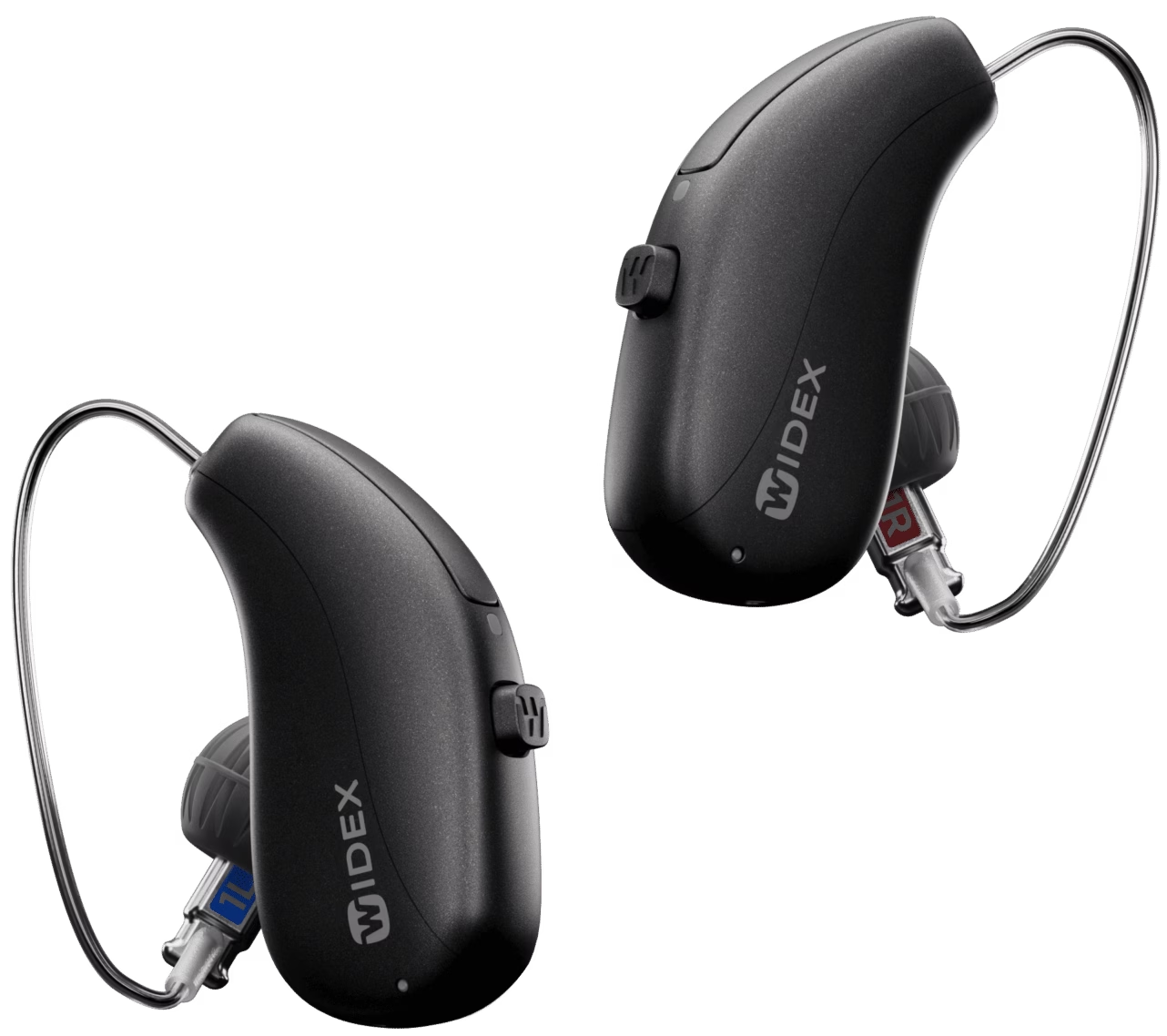
Categories
Hearing Devices Technology & Innovation

Hybrid Hearing Aids: Essential Tech Integration Features

Last Updated on 25/01/2026 by Admin

Discover the Cutting-Edge Features of Hybrid Hearing Aids

Essential Components that Elevate Hearing Technology

Hybrid hearing aids represent a remarkable fusion of digital and analog technologies specifically designed to significantly enhance sound processing capabilities. This innovative combination ensures users enjoy superior clarity in diverse sound environments, effectively meeting their individual auditory needs. The crucial components that contribute to the outstanding performance of hybrid hearing aids include:

  • Microphones that capture sound effectively
  • Analog-to-digital converters for precise signal conversion
  • Digital signal processors for detailed fine-tuning
  • Amplifiers that boost sound output
  • Battery systems ensuring consistent power supply
  • Wireless connectivity modules for integration with other devices
  • Feedback cancellation technology to reduce disruptive noises
  • Sensors for adapting to environmental changes

Each of these components is essential in providing a comprehensive auditory experience, making hybrid hearing aids an indispensable tool for those facing hearing challenges. With ongoing advancements in technology, these devices present new opportunities for improved communication and social interaction, enhancing users’ quality of life.

What Distinguishes the Integration of Technologies in Hybrid Hearing Aids?

The unique integration of digital and analog components within hybrid hearing aids enables seamless audio adjustments. This capability allows devices to switch between different modes dynamically, ensuring optimal performance in a variety of everyday scenarios, from busy urban environments to peaceful home settings. By intelligently adjusting to fluctuating acoustic conditions, these aids dramatically enhance user experiences, offering improved clarity and comfort in hearing.

How Has the Design of Hybrid Hearing Aids Progressed Over Time?

Over the past few decades, the design of hybrid hearing aids has undergone significant transformation. Initially, the focus was primarily on amplification, whereas modern models now incorporate advanced features that enhance overall functionality and user-friendliness. These progressive developments have rendered hybrid hearing aids more intuitive, catering to a wide range of applications that meet diverse user needs. Consequently, individuals benefit from tailored experiences that address their specific hearing profiles, ensuring the aids effectively support their unique requirements.

How Do Hybrid Hearing Aids Integrate Advanced Technology Effortlessly?

What Core Elements Are Crucial for Effective Integration?

The fundamental elements that are vital for the integration of hybrid technology within hearing aids comprise a sophisticated blend of sensors and processors. These components work in unison to facilitate effective noise reduction, allowing users to experience a balanced auditory environment across various settings. By harmonising hardware capabilities with advanced software algorithms, hybrid hearing aids can dynamically adjust sound levels, providing listeners with an enriched and more enjoyable hearing experience.

What Mechanisms Are Used for Optimal Sound Enhancement?

The mechanisms that underpin sound enhancement in hybrid hearing aids are intricate, merging advanced algorithms with specialised hardware to achieve outstanding results. For example, the system can amplify specific frequencies while concurrently diminishing background noise, making conversations clearer and more enjoyable. This targeted amplification effectively filters out distracting sounds, allowing users to focus on relevant audio, whether in social settings or during solitary moments. As a result, users can navigate various auditory landscapes with confidence and ease.

What Are the Benefits of the Blended Technology Approach?

The blended technology approach inherent in hybrid hearing aids offers numerous advantages, primarily focused on improved adaptability. By integrating a variety of technological elements, these devices can adjust audio output in real-time according to environmental conditions, ensuring optimal hearing experiences. Users enjoy heightened clarity and reduced listening effort, which is especially advantageous in noisy surroundings. This adaptability empowers wearers to engage fully in conversations and activities without feeling overwhelmed by distracting sounds.

Insights from Experts on the Technological Fusion in Hybrid Hearing Aids

What Are the Key Principles Underpinning This Integration?

Audiology specialists assert that the interaction of components within hybrid hearing aids is grounded in essential principles of sound processing and auditory perception. The precise engineering of each component is crucial for delivering accurate sound reproduction, which is vital for effective communication. Through meticulous technical analysis, one can appreciate how the synergy between analog and digital elements enhances clarity and richness in sound, essential for users experiencing varied levels of hearing loss.

What Cutting-Edge Features Are Practically Available?

To ensure the optimal functioning of integrated elements within hybrid hearing aids, users can implement actionable recommendations from hearing specialists. Calibration techniques are essential to guarantee that the device operates at peak performance. Regular assessments and adjustments in collaboration with audiologists enable users to maximise the potential of their hearing aids. By adapting settings based on user feedback and environmental changes, individuals can experience sustained improvements in their hearing capabilities.

How Does This Technological Integration Influence Daily Life?

The fusion of technologies in hybrid hearing aids profoundly affects daily life. Real-world anecdotes illustrate how wearers gain enhanced accessibility in various situations—whether in bustling cafes, crowded public transport, or intimate family gatherings. User feedback suggests that the improved clarity and separation of sounds facilitate more meaningful conversations and interactions. By enabling clearer communication, these devices help dismantle barriers often associated with hearing loss, fostering greater inclusion and connection among users.

What Role Does AI Play in Advancing Hybrid Hearing Aids?

The integration of artificial intelligence (AI) into hybrid hearing aids represents a significant leap forward in sound processing capabilities. AI algorithms enhance performance by automatically adjusting to the surrounding environment in real-time. This functionality allows devices to make automatic changes based on factors such as background noise levels, enabling users to enjoy superior sound quality without needing manual intervention. As AI technologies evolve, they promise increased user satisfaction, making these devices even more responsive to individual hearing requirements.

What Challenges and Solutions Exist in Hybrid Technology Integration?

Despite the remarkable advancements in hybrid hearing aids, users may face challenges, particularly regarding compatibility with existing technologies. Common issues include connectivity problems and the need for regular software updates. Experts recommend proactive strategies to tackle these hurdles, such as keeping devices up to date and consulting audiologists for troubleshooting. By addressing these challenges proactively, users can ensure their hearing aids maintain optimal functionality and continue to deliver the benefits of hybrid technology.

What Advantages Can Users Anticipate from Hybrid Hearing Aids?

How Do Users Experience Sound Quality Improvements?

Users of hybrid hearing aids frequently report significant enhancements in sound quality. The technology synergistically combines multiple elements to minimise distortion, particularly in challenging auditory contexts. Users typically enjoy the following benefits:

  • Enhanced clarity during conversations
  • Reduction of background noise interference
  • Greater comfort during extended use
  • More natural sound reproduction
  • Improved understanding of speech
  • Increased awareness of environmental sounds
  • Reduction in listening fatigue
  • Personalised sound adjustments

These advantages significantly enrich the overall hearing experience, allowing users to engage more profoundly with their surroundings and loved ones, ultimately enhancing their quality of life.

Why Is Customisation Crucial for Users?

Customisation holds great significance in hybrid hearing aids, as personalised settings provide tailored auditory experiences. Each individual possesses a unique hearing profile shaped by factors such as frequency sensitivity and lifestyle choices. By empowering users to customise their devices, hearing aids become more effective in addressing individual auditory needs. This personalisation guarantees that users achieve optimal sound quality and comfort, thereby enhancing overall satisfaction and usability.

What Are the Long-Term Advantages of Using Hybrid Hearing Aids?

The long-term advantages of using hybrid hearing aids are substantial. Continuous usage contributes to improved communication and a marked reduction in mental fatigue, stemming from the effective integration of advanced technology. Users often report newfound capabilities to engage more fully in social situations, significantly improving their overall quality of life. Over time, these benefits help alleviate the challenges associated with hearing loss, enabling individuals to maintain strong social connections and actively participate in the world around them.

How Do Hybrid Hearing Aids Improve Social Interactions?

With hybrid hearing aids, users notice remarkable improvements in their social interactions, as these devices facilitate clearer hearing across various social contexts. This enhancement fosters deeper connections with friends, family, and colleagues. By significantly reducing the strain of comprehending conversations amidst background noise, users feel more confident in engaging in discussions, leading to a more fulfilling social life. The ripple effect of improved auditory function can result in decreased feelings of isolation and a heightened sense of belonging.

What Are the Benefits of Battery Efficiency and Durability?

One of the prominent benefits of hybrid hearing aids is their battery efficiency and durability. Users appreciate the extended battery life, ensuring dependable performance over time with minimal maintenance. This efficiency decreases the frequency of recharging, allowing for uninterrupted use throughout daily routines. The robust construction of these devices guarantees they can withstand the demands of everyday life, thereby providing users with consistent access to enhanced hearing capabilities.

Research-Driven Strategies for Optimising Hybrid Hearing Aid Technology

What Evidence Supports the Effectiveness of Hybrid Hearing Aid Design?

Research indicates that the amalgamation of technological elements in hybrid hearing aids leads to superior auditory outcomes. Studies demonstrate reliability in performance metrics, highlighting how users experience improved sound clarity and adaptability. To capitalise on these findings, users can adopt practical strategies such as engaging in regular evaluations with audiologists to ensure their devices are optimally tailored to their personal hearing profiles.

What Effective Implementation Techniques Should Be Employed?

Effective implementation techniques are vital for maximising the efficacy of hybrid hearing aids. Audiologists often recommend setup methods that prioritise user comfort and adaptability to diverse situations. For instance, ensuring a proper fit and conducting initial sound assessments can significantly enhance the user experience. These strategies ensure that the integrated system operates efficiently, adapting to a variety of environments while catering to individual preferences.

How Can Users Gauge Success in Technology Integration?

Evaluating success in the integration of technology within hybrid hearing aids involves analysing key indicators derived from user experiences. These indicators reveal the effectiveness of component interactions, ultimately improving overall user satisfaction. Regular feedback collection and assessments can assist audiologists in fine-tuning settings, ensuring users derive the maximum benefits from their devices while enjoying a seamless auditory experience.

How to Maintain Your Hybrid Hearing Aids for Peak Performance?

What Are the Essential Routine Care Practices?

Routine care is essential for maintaining the functionality and longevity of hybrid hearing aids. Regular cleaning and checks play a significant role in ensuring long-lasting performance and reliability. Users should establish a maintenance schedule that includes cleaning the microphones, monitoring battery levels, and inspecting for any signs of wear. By taking these proactive measures, individuals can extend the lifespan of their devices and uphold optimal auditory performance.

How Can Users Troubleshoot Common Device Issues?

Addressing potential issues with hybrid hearing aids is crucial for sustaining their optimal functionality. Common challenges, such as connectivity issues and sound clarity, can often be resolved by following straightforward troubleshooting steps. Users are encouraged to familiarise themselves with these techniques, which may involve resetting the device, ensuring proper pairing with smartphones, or checking for obstructions in microphones. Taking the time to troubleshoot can prevent minor problems from escalating into significant issues.

What Tips Can Help Extend the Lifespan of Hybrid Hearing Aids?

To maximise the longevity of hybrid hearing aids, users should adopt appropriate storage and usage practices. Storing devices in a cool, dry environment when not in use can prevent damage. Additionally, users should avoid exposing their hearing aids to extreme temperatures or high humidity levels. By adhering to these guidelines, individuals can maintain the technological efficiency of their devices, ensuring continued performance and functionality.

Exciting Innovations in Hybrid Hearing Aid Technology

What Emerging Innovations Should Users Keep an Eye On?

The realm of hybrid hearing aid technology is witnessing thrilling innovations focused on smarter processing capabilities. These advancements aim to enhance the overall integration of elements within devices, providing users with even more efficient auditory experiences. Staying informed about these developments can empower users to make educated decisions regarding their hearing aids and consistently benefit from the latest technological improvements.

How Will This Evolution of Technology Improve User Experience?

Continuous advancements in hybrid hearing aid technology refine integration, leading to more intuitive interactions and expanded functionalities. Users can look forward to improvements in features such as noise cancellation, directional microphones, and user-friendly interfaces. Upcoming trends include:

  • Increased personalisation options
  • Expanded AI functionalities
  • Improved app connectivity
  • Longer battery life innovations
  • Enhanced sound quality through advanced algorithms
  • Customised listening environments
  • More durable materials for device construction
  • Integration with smart home technologies

These innovations promise to substantially enhance the overall user experience, making hybrid hearing aids more versatile and effective in addressing auditory needs.

What Is the Potential for Additional Integration in Hearing Aids?

The potential for further integration in hybrid hearing aids is extensive, presenting numerous opportunities for incorporating additional features that build upon current technology combinations. Future advancements may introduce enhanced connectivity options, such as direct streaming from multiple devices or more sophisticated user interfaces that adapt to specific auditory needs. By staying updated on these developments, users can anticipate improvements that will elevate their auditory experiences.

What Challenges and Solutions Are Present in Adopting Hybrid Hearing Aids?

As hybrid hearing aid technology advances, users may encounter challenges such as device compatibility and adaptation difficulties. However, ongoing research is focused on innovative solutions to surmount these barriers. Customisable settings and robust support services are being developed to enhance accessibility for a diverse range of users. By proactively addressing these challenges, manufacturers and audiologists can ensure that hybrid hearing aids remain effective tools for improving hearing capabilities.

How to Choose the Ideal Hybrid Hearing Aid for Your Requirements

What Considerations Should You Make When Selecting a Device?

When choosing a hybrid hearing aid, it is essential to evaluate options based on compatibility and features that align effectively with personal hearing needs. Users should contemplate factors such as their lifestyle, specific patterns of hearing loss, and any additional functionalities they may require. By carefully assessing these elements, individuals can make informed choices that will significantly enhance their overall auditory experiences.

How to Effectively Compare Available Models?

Comparing different hybrid hearing aid models is crucial for users seeking the best fit for their unique requirements. Variations in technology integration can significantly impact sound quality and overall user experience. By reviewing the distinct characteristics of various models, individuals can identify those that closely align with their hearing needs, preferences, and budget constraints.

How to Make an Educated Decision When Choosing?

Making an informed decision when selecting a hybrid hearing aid involves weighing the advantages and disadvantages of various integrations. Users should consider how each device’s features correspond with their long-term goals for hearing enhancement. Consulting with audiologists for expert guidance can provide additional insights, ensuring that the selected aid meets both immediate and future auditory needs effectively.

What Is the Significance of a Trial and Adjustment Period?

Engaging in a trial period after selecting a hybrid hearing aid is essential for assessing its performance in real-world environments. During this phase, users should collaborate closely with audiologists to fine-tune settings for optimal sound quality and comfort. This cooperative approach guarantees that the device adapts effectively to the user’s lifestyle and preferences, ultimately resulting in a more satisfying hearing experience.

Frequently Asked Questions About Hybrid Hearing Aids

What Are Hybrid Hearing Aids and How Do They Function?

Hybrid hearing aids integrate both digital and analog technologies to enhance sound processing capabilities. This combination enables improved clarity and adaptability in diverse listening environments, catering to various user needs.

How Do Hybrid Hearing Aids Operate?

Hybrid hearing aids utilise microphones, sensors, and processors to capture and process sound effectively. They dynamically adjust settings based on the surrounding environment to enhance hearing clarity and comfort for the user.

What Benefits Can Users Expect from Hybrid Hearing Aids?

Users experience numerous benefits, including improved sound quality, enhanced social interactions, better battery efficiency, and customizable settings that cater to specific hearing needs, ultimately leading to a more enjoyable auditory experience.

Can Hybrid Hearing Aids Effectively Reduce Background Noise?

Yes, hybrid hearing aids are specifically designed to minimise background noise while amplifying important sounds, facilitating clearer conversations, especially in noisy environments.

What Maintenance Is Required for Hybrid Hearing Aids?

Regular cleaning, routine checks, and appropriate storage are essential for maintaining hybrid hearing aids. Users should also troubleshoot common issues to ensure optimal performance and longevity of their devices.

How Does AI Improve Hybrid Hearing Aids?

Artificial intelligence significantly enhances hybrid hearing aids by optimising sound processing in real-time, allowing devices to automatically adapt to varying environmental conditions, thereby improving user experience without the need for manual adjustments.

Are Hybrid Hearing Aids Suitable for Everyone?

While hybrid hearing aids offer numerous advantages, their suitability can differ based on individual hearing profiles. Consulting an audiologist is essential to determine the best options for each user’s unique situation and needs.

What Is the Expected Battery Life for Hybrid Hearing Aids?

The battery life of hybrid hearing aids varies by model, but many users report extended battery performance, reducing the frequency of required recharges and supporting uninterrupted daily use.

Can Users Customise Settings on Hybrid Hearing Aids?

Absolutely, hybrid hearing aids often feature customizable settings, enabling users to tailor their auditory experiences according to personal preferences and specific hearing needs for enhanced comfort and effectiveness.

What Should Be Considered When Selecting a Hybrid Hearing Aid?

When choosing a hybrid hearing aid, users should evaluate factors such as compatibility, available features, user reviews, and expert recommendations to ensure the best fit for their individual auditory needs.

Discover Our World on X!

The post Hybrid Hearing Aids: Key Features of Tech Integration appeared first on The Microsuction Ear Wax Removal Network.

Categories
Health & Wellness Hearing Education

Hearing Aids: Key Benefits for Education Explained

Last Updated on 26/01/2026 by Admin

Unlocking the Full Potential of Hearing Aids in Educational Environments

Key Features of Hearing Aids to Foster Effective Learning

Hearing aids are indispensable tools within educational contexts, playing a crucial role in bridging the divide between students’ hearing abilities and the auditory stimuli present in their learning environments. By amplifying sounds, these devices empower individuals, enabling them to engage more thoroughly in educational activities. This engagement not only enhances their understanding but also promotes active participation in their learning environments. The importance of this technology cannot be overstated, as it addresses the auditory obstacles faced by many learners and allows them to access crucial information with ease, facilitating interaction with both peers and educators.

In lively classroom settings where various conversations and sounds compete for attention, the benefits of hearing aids become increasingly evident. Students who use hearing aids can focus on the teacher’s voice while effectively filtering out distracting background noises. This ability is essential for fostering a conducive learning atmosphere. Moreover, the integration of hearing aids not only assists those with hearing impairments but also nurtures a more inclusive educational environment, ensuring that every learner has the opportunity to thrive.

How Do Hearing Aids Foster Greater Interaction in Classrooms?

Hearing aids profoundly enhance classroom interaction, crafting a more engaging and participatory learning experience for students. These devices operate by reducing background noise interference, allowing users to concentrate on the primary sound source, typically the teacher’s voice. As a result, students equipped with hearing aids are more inclined to engage in discussions, ask questions, and collaborate with classmates, which ultimately leads to improved social and academic outcomes.

Moreover, when students feel included in classroom activities thanks to the effective use of hearing aids, their confidence levels significantly increase. This boost in confidence encourages them to participate more in collaborative projects, share their ideas, and engage actively in group discussions. The positive impact of enhanced interaction fosters a supportive learning culture that motivates students to succeed academically and socially.

Exploring the Diverse Range of Hearing Aids in Educational Settings

A vast selection of hearing aids is available, each tailored with distinct features to accommodate diverse learning needs. These devices range from traditional analog models to advanced digital hearing aids equipped with wireless capabilities and sophisticated functionalities. The key benefits of employing hearing aids in educational settings include:

  • Customizability: Hearing aids can be personalised to meet individual auditory requirements, providing tailored enhancements.
  • Wireless Connectivity: Many models connect seamlessly with classroom technologies, enabling direct audio streaming from various devices.
  • Noise Reduction: Advanced features allow users to filter out environmental noise, maximising focus during lessons.
  • Compatibility: Hearing aids can integrate with assistive listening devices commonly used in educational institutions.
  • Rechargeability: Numerous modern models come with rechargeable batteries, reducing downtime and enhancing usability.

In What Ways Do Hearing Aids Enhance Learning Experiences?

Impact on Auditory Processing Skills Development

Hearing aids are instrumental in improving auditory processing skills among learners. By delivering clearer sounds, these devices enable users to accurately process information during lessons and discussions. The clarity provided by hearing aids supports cognitive development as students are better equipped to interpret spoken language and respond effectively.

This enhancement of auditory skills is particularly advantageous in settings where complex information is shared, such as during lectures or group projects. Students wearing hearing aids are more adept at recognising subtle changes in tone and volume, which are essential for grasping context and meaning. Consequently, their ability to engage in higher-order thinking skills improves, paving the way for deeper learning experiences.

Seamless Integration of Hearing Aids with Educational Tools and Resources

The integration of hearing aids with educational tools and resources significantly enriches the learning experience. These devices can connect with various applications and digital tools, creating an inclusive environment that allows users to access materials effortlessly. For example, many hearing aids now feature Bluetooth technology, enabling direct connections to tablets, smartphones, and interactive whiteboards.

This integration not only boosts educational engagement but also encourages independent learning. Students can utilise auditory resources tailored to their unique learning styles, enhancing their ability to absorb information effectively. This adaptability in employing educational technology highlights the critical role of hearing aids in fostering accessible learning environments for all students.

What Role Do Hearing Aids Play in Skill Development?

Hearing aids are essential in fostering skill development among students by providing consistent sound clarity. This auditory support facilitates language acquisition and cognitive growth, allowing users to expand their vocabulary and enhance problem-solving abilities in various learning contexts. When students hear and process language clearly, they are better equipped to engage in discussions, comprehend reading materials, and follow instructions accurately.

Moreover, the enhanced auditory feedback provided by hearing aids aids students in honing their communication skills. They become more proficient at interpreting spoken language and responding in real-time, which is crucial for both academic achievement and social interactions. As students practise these skills, they develop a deeper understanding of the nuances of language, ultimately leading to improved literacy and overall academic performance.

Expert Insights on the Vital Role of Hearing Aids in Education

How Should Hearing Aids Be Selected for Optimal Educational Use?

When selecting hearing aids for educational purposes, experts advocate for a comprehensive approach tailored to the unique needs of each student. Key steps include conducting thorough audiological assessments to identify specific types of hearing loss and the corresponding features required in a hearing aid. Real-world examples demonstrate that involving educators in the selection process can significantly enhance outcomes.

For instance, a student experiencing challenges with auditory processing in a lively classroom may benefit from a device featuring noise-cancelling technology. Additionally, consulting with audiologists who specialise in educational settings can provide valuable insights into the most effective models for individual circumstances. This strategic selection process ensures that students receive devices best suited to their auditory and educational needs, ultimately fostering a more supportive learning environment.

What Advanced Features Do Specialists Recommend for Hearing Aids?

Experts stress the importance of advanced features in hearing aids that enhance focus and improve the learning environment for users. Capabilities such as noise cancellation are particularly crucial in dynamic classroom settings, where distractions can hinder learning. By filtering out irrelevant sounds, students can concentrate on instruction and classroom discussions more effectively.

Additionally, specialists highlight the significance of directional microphones, which enable hearing aids to pick up sounds from specific sources while minimising background noise. This feature proves especially beneficial in group settings, allowing users to engage in conversations without being overwhelmed by surrounding chatter. These advanced functionalities are designed not only to enhance auditory experiences but also to empower students to thrive both academically and socially.

Why Is Regular Maintenance and Adjustment Necessary for Hearing Aids?

Regular servicing and maintenance of hearing aids are essential to ensure optimal performance, as advised by industry specialists. Over time, hearing aids may require adjustments to accommodate changes in an individual’s hearing ability or to adapt to various learning environments. Such proactive maintenance is vital for sustained educational support and long-term benefits.

Experts recommend that students undergo periodic evaluations to assess how well their hearing devices function in educational settings. These assessments can lead to necessary recalibrations, ensuring that the aids continue to meet the user’s evolving needs. Ongoing engagement with audiology professionals is crucial in maintaining the effectiveness of hearing aids, thereby fostering an uninterrupted learning experience for students.

What Are the Major Benefits of Hearing Aids in Educational Environments?

How Do Hearing Aids Boost Student Confidence and Participation?

Hearing aids dramatically enhance student confidence and participation levels by fostering a sense of belonging. When users can effectively communicate with their peers and educators, they are more likely to engage in group activities and discussions, contributing to a positive learning atmosphere. The empowerment that comes from feeling heard and understood significantly boosts students’ self-esteem, which is vital for their overall personal development.

Moreover, as students build confidence, they become more willing to take risks in their learning journeys, such as asking questions or expressing opinions. This increased participation enriches their educational experiences while promoting teamwork and collaboration among classmates. The social interactions facilitated by hearing aids help cultivate essential interpersonal skills, laying the groundwork for success both inside and outside the classroom.

How Do Hearing Aids Help to Reduce Learning Barriers?

Hearing aids play a vital role in diminishing learning barriers by minimising auditory challenges faced by students with hearing impairments. These devices ensure equitable access to educational content, allowing all learners to fully engage in their academic environments. By providing clarity in sound, hearing aids empower students to participate in discussions, comprehend instructions, and absorb information effectively.

In diverse settings, ranging from traditional classrooms to online learning platforms, the advantages of hearing aids extend far beyond mere auditory support. They contribute to a more equitable education system where every student has the opportunity to excel, regardless of their hearing capabilities. The integration of hearing aids fosters inclusive classrooms that celebrate diversity and promote comprehensive learning for all students.

What Long-Term Educational Advantages Do Hearing Aids Offer?

The long-term educational benefits of using hearing aids are significant, as users frequently experience improved retention and academic progression over time. By supporting ongoing engagement in classroom activities, hearing aids help reduce the fatigue associated with straining to hear and understand. This sustained attention fosters a deeper connection to the material being taught and leads to enhanced academic outcomes.

Students using hearing aids typically enjoy enriched learning experiences that translate into measurable achievements over time. Key advantages include:

  • Improved Retention: Clear auditory input aids in memory retention and overall understanding.
  • Consistent Engagement: Reduced fatigue allows students to participate longer and more effectively in lessons.
  • Enhanced Academic Progress: Higher levels of participation correlate with improved grades and skill acquisition.
  • Stronger Social Skills: Increased interaction fosters more robust peer relationships.

How Do Hearing Aids Enhance Communication Skills?

Hearing aids are crucial in enhancing communication skills within educational settings. By improving auditory processing, these devices enable students to better understand and respond to spoken language. This clarity fosters greater participation in discussions, leading to improved social interactions with peers and stronger overall language development.

The implications of enhanced communication skills are profound, as students gain confidence in expressing their thoughts and ideas. This confidence not only contributes to academic success but also nurtures essential life skills such as conflict resolution and teamwork. As students engage more deeply with their learning environments, they establish a solid foundation for future personal and professional success.

What Does Research Say About the Benefits of Hearing Aids in Education?

What Evidence Supports Cognitive Improvements from Hearing Aids?

Research provides compelling evidence that hearing aids enhance cognitive functions such as memory and attention among users. Studies indicate that students utilising hearing aids demonstrate improved concentration during lessons, leading to greater academic success. To leverage these findings in daily educational practices, it is crucial to create structured learning environments that capitalise on the benefits of hearing aids.

Practical steps include incorporating varied auditory resources that align with students’ capabilities, ensuring that all learners can engage meaningfully. Additionally, fostering collaboration and interaction through group activities can amplify the cognitive benefits derived from hearing aids, ultimately supporting improved information retention and academic performance.

What Outcomes Do Experts Endorse for Academic Achievement?

Expert analyses highlight the correlation between the consistent use of hearing aids and measurable educational gains. Studies indicate that students utilising these devices often achieve better grades and demonstrate enhanced skills compared to their peers without hearing aids. The ability to hear clearly in learning settings significantly contributes to the capacity to absorb and understand instructional content.

By providing consistent auditory support, educators can cultivate an environment where all students can flourish. Implementing strategies that include regular feedback and assessments helps maintain a focus on student progress, ultimately leading to increased academic achievement across the board.

How Do Hearing Aids Affect Social and Emotional Growth?

Evidence supports the notion that using hearing aids can significantly mitigate feelings of isolation among students with hearing impairments. By facilitating clear communication and encouraging social interactions, these devices aid students in forming stronger connections with their peers. Real-world instances show that students who use hearing aids are more likely to forge friendships, engage in school activities, and participate in collaborative projects.

These social interactions contribute positively to students’ emotional well-being, fostering a sense of belonging and acceptance within educational contexts. As students feel more integrated within their peer groups, they experience enhanced emotional growth, which is essential for their overall development and success in life.

What is the Impact of Hearing Aids on Language Development and Literacy?

Research indicates that hearing aids facilitate improved language processing and reading skills among students. By providing clearer auditory input, students become more adept at recognising sounds and patterns in language. This clarity aids in vocabulary acquisition and comprehension, which are fundamental elements of literacy.

To enhance literacy outcomes, educators can implement practical classroom strategies that leverage the benefits of hearing aids. Incorporating audiobooks, interactive storytelling, and collaborative reading exercises can boost students’ language skills and literacy development. Through these methods, educators can create an enriching learning environment that fosters academic success while addressing the needs of every student.

Why Is the Integration of Hearing Aids Important in Education?

Understanding the Connection to Educational Equity

The integration of hearing aids in education is vital for ensuring equitable access to information, which promotes inclusivity and allows all individuals to thrive within shared learning environments. By providing equal opportunities for auditory engagement, hearing aids enable students with hearing impairments to participate fully in educational activities alongside their peers.

This integration fosters educational equity, allowing diverse learners to contribute to and benefit from collaborative learning experiences. It not only supports individual academic growth but also cultivates a culture of acceptance and understanding within the classroom, enhancing the educational experience for everyone involved.

How Do Hearing Aids Adapt to Diverse Learning Needs?

Hearing aids are invaluable tools that can be customised to address various auditory challenges, supporting personalised education plans that lead to effective outcomes. These devices can be adjusted to accommodate different degrees of hearing loss and learning preferences, ensuring that each student receives the auditory support necessary for their success.

Moreover, collaboration between educators, audiologists, and parents is essential for tailoring hearing aids to individual needs. By fostering open communication and sharing insights, stakeholders can develop comprehensive strategies that maximise the effectiveness of hearing aids in promoting learning. This adaptability is crucial for creating an educational environment that respects and accommodates diverse learning needs.

What Makes Hearing Aids Essential for Future Readiness?

Hearing aids are critical for preparing users for real-world demands by enhancing communication skills, which are vital for lifelong learning and development. In today’s interconnected society, effective communication constitutes a key competency that influences both personal and professional success.

By providing students with the auditory clarity required for understanding spoken language, hearing aids empower them to develop strong conversational abilities and engage confidently in various social and academic settings. This preparation for future challenges enhances their readiness to navigate diverse environments, fostering resilience and adaptability that will benefit them throughout their lives.

What Are the Latest Developments in Hearing Aids for Education?

Innovations in Hearing Aid Technology and Design

Emerging advancements in hearing aid technology are transforming the educational landscape by making these devices more accessible and adaptable for users. Innovations such as artificial intelligence integration provide smarter sound processing capabilities, enhancing the auditory experience in varied learning environments.

These advancements allow hearing aids to automatically adjust to changing sound conditions, ensuring optimal performance across different settings. As a result, students can concentrate on their learning without the distractions commonly associated with traditional hearing aids. The continuous evolution of hearing aid technology is paving the way for more effective educational experiences for all students.

Future Applications in Collaborative Learning Environments

Upcoming features in hearing aid technology could further enhance group interactions, allowing for seamless participation in team-based educational activities. For instance, advancements in spatial audio technology may enable users to better localise sound sources within collaborative settings, facilitating smoother communication during group projects.

These future applications promise to transform the classroom experience, fostering deeper engagement among students and enhancing collaborative learning opportunities. By prioritising inclusivity and accessibility, educators can create an environment where every student contributes meaningfully to group efforts, leading to richer learning outcomes.

What Challenges Might Arise and How Can They Be Addressed?

Despite the numerous advantages of hearing aids in education, challenges such as device compatibility may emerge. Schools must ensure that hearing aid technologies can function seamlessly with existing classroom tools and infrastructure. Addressing these concerns is vital for maximising the effectiveness of hearing aids in educational settings.

  • Standardisation: Implementing standardised protocols for device compatibility to facilitate integration.
  • Training: Providing educators with training on effectively using hearing aids in the classroom.
  • Collaboration: Encouraging partnerships between technology developers and educational institutions to create compatible solutions.
  • Awareness: Raising awareness among staff and students about the benefits of hearing aids to foster a supportive environment.

Frequently Asked Questions

What Are Hearing Aids and How Do They Function?

Hearing aids are electronic devices designed to amplify sound for individuals with hearing impairments. They operate by capturing sound through a microphone, processing it, and delivering it to the ear via a speaker, helping users to hear more clearly.

How Do Hearing Aids Benefit Students in Classrooms?

Hearing aids enhance auditory clarity, allowing students to better comprehend spoken instructions and participate actively in discussions. This support translates into improved academic performance and greater social interaction among peers.

Are There Different Types of Hearing Aids Available?

Yes, hearing aids come in various types, including behind-the-ear, in-the-ear, and completely-in-canal models, each offering unique features to cater to different levels of hearing loss and user preferences.

How Do I Choose the Appropriate Hearing Aid for a Student?

Selecting the right hearing aid entails assessing the individual’s hearing needs, consulting with audiologists, and considering factors such as device features, comfort, and compatibility with educational tools.

How Often Should Hearing Aids Be Maintained or Adjusted?

Regular maintenance is recommended, ideally every six months, to ensure optimal performance. This includes cleaning, checking battery life, and making necessary adjustments based on the user’s evolving needs.

Can Hearing Aids Enhance Social Skills in Students?

Yes, by facilitating clear communication, hearing aids can improve social skills, allowing students to engage more comfortably in conversations and group activities, ultimately fostering stronger peer relationships.

What Role Do Hearing Aids Play in Language Development?

Hearing aids support language development by providing clear auditory input that aids students in processing sounds and enhancing vocabulary acquisition, leading to improved reading and comprehension skills.

Are There Challenges Associated with Using Hearing Aids in Educational Settings?

Challenges may include device compatibility with classroom technology, the need for regular maintenance, and training requirements for educators on effective usage. Addressing these issues is crucial for maximising the benefits.

How Do Hearing Aids Contribute to Academic Success?

By enhancing auditory clarity and minimising background noise, hearing aids assist students in focusing on lessons, leading to better comprehension, retention, and overall academic performance.

What Is the Importance of Collaboration Between Audiologists and Educators?

Collaboration between audiologists and educators ensures that hearing aids are effectively integrated into learning environments, tailoring support to meet individual student needs and enhancing educational outcomes.

Follow us on X for exciting updates!

The post Hearing Aids in Education: Essential Benefits Explained appeared first on The Microsuction Ear Wax Removal Network.

The post Hearing Aids in Education: Essential Benefits Explained appeared first on Healthcare Marketing Service.
Categories
Education & Learning Special Needs

Hearing Aids in Education: Key Benefits Uncovered

Last Updated on 26/01/2026 by Admin

Enhancing Educational Outcomes Through Effective Use of Hearing Aids

Key Features of Hearing Aids That Promote Successful Learning

Hearing aids are indispensable tools within educational environments, effectively bridging the gap between students’ hearing abilities and the auditory stimuli present in their classrooms. By amplifying sounds, these devices empower individuals to engage more comprehensively in educational activities, thus enhancing their understanding and active participation in learning processes. This essential technology plays a significant role in achieving academic success by addressing the auditory difficulties many students face, enabling them to access information more easily and interact with their peers and educators effectively.

In lively classroom settings, where multiple conversations and sounds occur simultaneously, the benefits of hearing aids become even more significant. Students who use hearing aids can focus on the teacher’s voice, effectively filtering out distracting background noise. This capability is crucial for fostering a productive learning environment. The integration of hearing aids not only aids those with hearing impairments but also promotes a more inclusive educational atmosphere, where every learner has the opportunity to thrive academically.

How Do Hearing Aids Foster Classroom Interaction and Engagement?

Hearing aids greatly enhance classroom interaction, creating a more engaging and participatory learning atmosphere for students. These devices operate by reducing background noise interference, thereby allowing users to concentrate on the primary sound source, typically the teacher. As a result, students equipped with hearing aids are more likely to engage in discussions, ask questions, and collaborate with their classmates, ultimately leading to improved social and educational outcomes.

Moreover, when students feel included in classroom activities due to the effective functionality of hearing aids, their confidence levels significantly increase. This boost in confidence encourages a greater willingness to participate in collaborative projects, share ideas, and engage in group discussions. The positive ripple effect of enhanced interaction cultivates a nurturing learning culture, motivating students to achieve success both academically and socially.

Exploring the Diverse Range of Hearing Aids Suitable for Educational Settings

A diverse selection of hearing aids is available, each designed with unique features to cater to various learning needs. These devices range from traditional analog models to advanced digital hearing aids, featuring wireless capabilities and sophisticated functionalities. The primary benefits of using hearing aids in educational contexts include:

  • Customisation: Hearing aids can be tailored to meet individual auditory requirements, providing personalised enhancements to hearing.
  • Wireless Connectivity: Many models effortlessly link with classroom technologies, allowing for direct audio streaming from various devices.
  • Noise Reduction: Advanced features enable users to filter out environmental noise, maximising focus during lessons.
  • Compatibility: Hearing aids can seamlessly integrate with assistive listening devices commonly used in educational institutions.
  • Rechargeability: Numerous modern models include rechargeable batteries, reducing downtime and enhancing usability.

In What Ways Do Hearing Aids Enhance Learning Experiences for Students?

Significant Impact on Developing Auditory Processing Skills

Hearing aids are crucial in enhancing auditory processing skills among learners. By delivering clearer sounds, these devices enable users to process information accurately during lessons and discussions. The clarity provided by hearing aids supports cognitive development, as students become better equipped to interpret spoken language and respond appropriately.

This enhancement of auditory skills is particularly beneficial in contexts where complex information is conveyed, such as during lectures or collaborative projects. Students wearing hearing aids tend to be more adept at recognising subtle changes in tone and volume, which are critical for grasping context and meaning. Consequently, their ability to engage in higher-order thinking skills improves, paving the way for deeper learning experiences.

Seamless Integration of Hearing Aids with Educational Resources and Tools

The integration of hearing aids with educational tools and resources significantly enriches the learning experience. These devices can connect with various applications and digital resources, creating an inclusive environment that allows users to access materials effortlessly. For instance, many hearing aids now incorporate Bluetooth technology, enabling direct connections to tablets, smartphones, and interactive whiteboards.

This integration not only enhances educational engagement but also encourages independent learning. Students can utilise auditory resources tailored to their unique learning styles, thereby improving their ability to absorb information effectively. This adaptability in employing educational technology underscores the pivotal role of hearing aids in fostering accessible learning environments for all students.

What Role Do Hearing Aids Play in Skill Development for Learners?

Hearing aids are essential for promoting skill development among students by offering consistent sound clarity. This auditory support facilitates language acquisition and cognitive growth, allowing users to expand their vocabulary and enhance problem-solving abilities across diverse learning contexts. When students hear and process language clearly, they are better positioned to engage in discussions, comprehend reading materials, and follow instructions accurately.

Additionally, the enhanced auditory feedback provided by hearing aids assists students in refining their communication skills. They become more proficient at interpreting spoken language and responding in real-time, which is crucial for both academic success and social interactions. As students practice these skills, they develop a deeper understanding of language nuances, ultimately leading to improved literacy and overall academic performance.

Expert Insights on the Significance of Hearing Aids in Education

How Should Hearing Aids Be Selected to Ensure Optimal Educational Benefits?

When selecting hearing aids for educational purposes, experts recommend a comprehensive approach tailored to the unique needs of each student. Key steps include conducting thorough audiological assessments to identify specific types of hearing loss and the corresponding features required in a hearing aid. Real-world examples demonstrate that involving educators in the selection process can significantly enhance outcomes.

For instance, a student experiencing challenges with auditory processing in a lively classroom may benefit from a device featuring noise-canceling technology. Moreover, consulting with audiologists who specialise in educational settings can provide invaluable insights into the most effective models for individual circumstances. This strategic selection process ensures that students receive devices tailored to their auditory and educational needs, ultimately fostering a more supportive learning environment.

What Advanced Features Do Experts Recommend for Hearing Aids in Educational Settings?

Experts emphasise the importance of advanced features in hearing aids that enhance focus and improve the learning environment for users. Capabilities such as noise cancellation are particularly crucial in dynamic classroom settings, where distractions can impede learning. By filtering out irrelevant sounds, students can concentrate on instruction and classroom discussions more effectively.

Furthermore, specialists highlight the significance of directional microphones, which enable hearing aids to capture sounds from specific sources while minimising background noise. This feature proves especially beneficial in group settings, allowing users to engage in conversations without being overwhelmed by surrounding chatter. These advanced functionalities are designed not only to enhance auditory experiences but also to empower students to thrive academically and socially.

Why Is Regular Maintenance and Adjustment Essential for Hearing Aids?

Regular servicing and maintenance of hearing aids are essential to ensure optimal performance, as advised by industry specialists. Over time, hearing aids may require adjustments to accommodate changes in an individual’s hearing ability or adapt to various learning environments. Such proactive maintenance is vital for sustained educational support and long-term benefits.

Experts recommend that students undergo periodic evaluations to assess how well their hearing devices function in educational contexts. These assessments can lead to necessary recalibrations, ensuring that the aids continue to meet the user’s evolving needs. Ongoing engagement with audiology professionals is crucial in maintaining the effectiveness of hearing aids, thereby fostering an uninterrupted learning experience for students.

What Are the Key Benefits of Hearing Aids in Educational Environments?

How Do Hearing Aids Enhance Student Confidence and Participation?

Hearing aids significantly enhance student confidence and participation levels by fostering a sense of belonging. When users can communicate effectively with their peers and educators, they are more likely to engage in group activities and discussions, contributing to a positive learning atmosphere. The empowerment that comes from feeling heard and understood greatly boosts students’ self-esteem, which is vital for their overall personal development.

Moreover, as students build confidence, they become more willing to take risks in their learning journeys, such as asking questions or expressing opinions. This increased participation enriches their educational experiences and promotes teamwork and collaboration among classmates. The social interactions facilitated by hearing aids help cultivate essential interpersonal skills, laying the foundation for success both inside and outside the classroom.

How Do Hearing Aids Help to Mitigate Learning Barriers?

Hearing aids play a vital role in diminishing learning barriers by minimising auditory challenges faced by students with hearing impairments. These devices ensure equitable access to educational content, allowing all learners to fully engage in their academic environments. By providing clarity in sound, hearing aids empower students to participate in discussions, comprehend instructions, and absorb information effectively.

In diverse educational settings, ranging from traditional classrooms to online learning platforms, the advantages of hearing aids extend far beyond mere auditory support. They contribute to a more equitable education system where every student has the opportunity to excel, regardless of their hearing capabilities. The integration of hearing aids fosters inclusive classrooms that celebrate diversity and promote comprehensive learning for all students.

What Long-Term Educational Advantages Do Hearing Aids Provide?

The long-term educational benefits of using hearing aids are significant, as users frequently experience improved retention and academic progression over time. By supporting ongoing engagement in classroom activities, hearing aids help reduce the fatigue associated with straining to hear and understand. This sustained attention fosters a deeper connection to the material being taught and leads to enhanced academic outcomes.

Students using hearing aids typically enjoy enriched learning experiences that translate into measurable achievements over time. Key advantages include:

  • Improved Retention: Clear auditory input aids in memory retention and overall understanding.
  • Consistent Engagement: Reduced fatigue allows students to participate longer and more effectively in lessons.
  • Enhanced Academic Progress: Higher levels of participation correlate with improved grades and skill acquisition.
  • Stronger Social Skills: Increased interaction fosters more robust peer relationships.

How Do Hearing Aids Improve Communication Skills Among Students?

Hearing aids are crucial in enhancing communication skills within educational settings. By improving auditory processing, these devices enable students to better understand and respond to spoken language. This clarity fosters greater participation in discussions, leading to improved social interactions with peers and stronger overall language development.

The implications of enhanced communication skills are profound, as students gain confidence in expressing their thoughts and ideas. This confidence not only contributes to academic success but also nurtures essential life skills such as conflict resolution and teamwork. As students engage more deeply with their learning environments, they establish a solid foundation for future personal and professional success.

What Does Research Indicate About the Benefits of Hearing Aids in Education?

What Evidence Supports Cognitive Improvements Resulting from Hearing Aids?

Research provides compelling evidence that hearing aids enhance cognitive functions such as memory and attention among users. Studies indicate that students utilising hearing aids demonstrate improved concentration during lessons, resulting in greater academic success. To leverage these findings in daily educational practices, it is imperative to create structured learning environments that capitalise on the benefits of hearing aids.

Practical steps include incorporating varied auditory resources that align with students’ capabilities, ensuring that all learners can engage meaningfully. Additionally, fostering collaboration and interaction through group activities can amplify the cognitive benefits derived from hearing aids, ultimately supporting improved information retention and academic performance.

What Outcomes Do Experts Endorse for Enhanced Academic Achievement?

Expert analyses highlight the correlation between the consistent use of hearing aids and measurable educational gains. Studies indicate that students utilising these devices often achieve better grades and demonstrate enhanced skills compared to their peers without hearing aids. The ability to hear clearly in learning settings significantly contributes to the capacity to absorb and understand instructional content.

By providing consistent auditory support, educators can cultivate an environment where all students can flourish. Implementing strategies that include regular feedback and assessments helps maintain a focus on student progress, ultimately leading to increased academic achievement across the board.

How Do Hearing Aids Influence Social and Emotional Development?

Evidence supports the notion that using hearing aids can significantly mitigate feelings of isolation among students with hearing impairments. By facilitating clear communication and encouraging social interactions, these devices assist students in forming stronger connections with their peers. Real-world instances show that students who use hearing aids are more likely to forge friendships, engage in school activities, and participate in collaborative projects.

These social interactions positively contribute to students’ emotional well-being, fostering a sense of belonging and acceptance within educational contexts. As students feel more integrated within their peer groups, they experience enhanced emotional growth, which is essential for their overall development and success in life.

What is the Impact of Hearing Aids on Language Development and Literacy Skills?

Research indicates that hearing aids facilitate improved language processing and reading skills among students. By providing clearer auditory input, students become more proficient at recognising sounds and patterns in language. This clarity aids in vocabulary acquisition and comprehension, which are fundamental elements of literacy.

To enhance literacy outcomes, educators can implement practical classroom strategies that leverage the benefits of hearing aids. Incorporating audiobooks, interactive storytelling, and collaborative reading exercises can boost students’ language skills and literacy development. Through these methods, educators can create an enriching learning environment that fosters academic success while addressing the needs of every student.

Why Is the Integration of Hearing Aids Crucial in Educational Settings?

Understanding the Importance of Educational Equity

The integration of hearing aids in education is vital for ensuring equitable access to information, which promotes inclusivity and allows all individuals to thrive within shared learning environments. By providing equal opportunities for auditory engagement, hearing aids enable students with hearing impairments to participate fully in educational activities alongside their peers.

This integration fosters educational equity, allowing diverse learners to contribute to and benefit from collaborative learning experiences. It not only supports individual academic growth but also cultivates a culture of acceptance and understanding within the classroom, thereby enhancing the educational experience for everyone involved.

How Do Hearing Aids Adapt to Varied Learning Needs?

Hearing aids are invaluable tools that can be customised to address various auditory challenges, supporting personalised education plans that lead to effective outcomes. These devices can be adjusted to accommodate different degrees of hearing loss and learning preferences, ensuring that each student receives the auditory support necessary for their success.

Moreover, collaboration between educators, audiologists, and parents is essential for tailoring hearing aids to individual needs. By fostering open communication and sharing insights, stakeholders can develop comprehensive strategies that maximise the effectiveness of hearing aids in promoting learning. This adaptability is crucial for creating an educational environment that respects and accommodates diverse learning needs.

What Makes Hearing Aids Essential for Future Readiness and Success?

Hearing aids are critical for preparing users for real-world demands by enhancing communication skills, which are vital for lifelong learning and development. In today’s interconnected society, effective communication constitutes a key competency that influences both personal and professional success.

By providing students with the auditory clarity required for understanding spoken language, hearing aids empower them to develop strong conversational abilities and engage confidently in various social and academic settings. This preparation for future challenges enhances their readiness to navigate diverse environments, fostering resilience and adaptability that will benefit them throughout their lives.

What Are the Latest Innovations in Hearing Aids for Educational Purposes?

Groundbreaking Developments in Hearing Aid Technology and Design

Emerging advancements in hearing aid technology are transforming the educational landscape by making these devices more accessible and adaptable for users. Innovations such as artificial intelligence integration provide smarter sound processing capabilities, enhancing the auditory experience in varied learning environments.

These advancements allow hearing aids to automatically adjust to changing sound conditions, ensuring optimal performance across different settings. Consequently, students can concentrate on their learning without the distractions commonly associated with traditional hearing aids. The continuous evolution of hearing aid technology is paving the way for more effective educational experiences for all students.

Future Applications in Collaborative Learning Environments

Upcoming features in hearing aid technology could further enhance group interactions, allowing for seamless participation in team-based educational activities. For example, advancements in spatial audio technology may enable users to better localise sound sources within collaborative settings, facilitating smoother communication during group projects.

These future applications promise to transform the classroom experience, fostering deeper engagement among students and enhancing collaborative learning opportunities. By prioritising inclusivity and accessibility, educators can create an environment where every student contributes meaningfully to group efforts, leading to richer learning outcomes.

What Challenges Might Arise in the Use of Hearing Aids, and How Can They Be Addressed?

Despite the numerous advantages of hearing aids in education, challenges such as device compatibility may arise. Schools must ensure that hearing aid technologies can function seamlessly with existing classroom tools and infrastructure. Addressing these concerns is vital for maximising the effectiveness of hearing aids in educational settings.

  • Standardisation: Implementing standardised protocols for device compatibility to facilitate integration.
  • Training: Providing educators with training on effectively using hearing aids in the classroom.
  • Collaboration: Encouraging partnerships between technology developers and educational institutions to create compatible solutions.
  • Awareness: Raising awareness among staff and students about the benefits of hearing aids to foster a supportive environment.

Frequently Asked Questions

What Are Hearing Aids and How Do They Function?

Hearing aids are electronic devices designed to amplify sound for individuals with hearing impairments. They operate by capturing sound through a microphone, processing it, and delivering it to the ear via a speaker, thereby assisting users in hearing more clearly.

How Do Hearing Aids Benefit Students in Classrooms?

Hearing aids enhance auditory clarity, allowing students to better comprehend spoken instructions and actively participate in discussions. This support translates into improved academic performance and greater social interaction among peers.

Are There Different Types of Hearing Aids Available?

Yes, hearing aids come in various types, including behind-the-ear, in-the-ear, and completely-in-canal models, each offering unique features to cater to different levels of hearing loss and user preferences.

How Do I Choose the Appropriate Hearing Aid for a Student?

Selecting the right hearing aid involves assessing the individual’s hearing needs, consulting with audiologists, and considering factors such as device features, comfort, and compatibility with educational tools.

How Often Should Hearing Aids Be Maintained or Adjusted?

Regular maintenance is recommended, ideally every six months, to ensure optimal performance. This includes cleaning, checking battery life, and making necessary adjustments based on the user’s evolving needs.

Can Hearing Aids Enhance Social Skills in Students?

Yes, by facilitating clear communication, hearing aids can improve social skills, allowing students to engage more comfortably in conversations and group activities, ultimately fostering stronger peer relationships.

What Role Do Hearing Aids Play in Language Development?

Hearing aids support language development by providing clear auditory input that aids students in processing sounds and enhancing vocabulary acquisition, leading to improved reading and comprehension skills.

Are There Challenges Associated with Using Hearing Aids in Educational Settings?

Challenges may include device compatibility with classroom technology, the need for regular maintenance, and training requirements for educators on effective usage. Addressing these issues is crucial for maximising the benefits.

How Do Hearing Aids Contribute to Academic Success?

By enhancing auditory clarity and minimising background noise, hearing aids assist students in focusing on lessons, leading to better comprehension, retention, and overall academic performance.

What Is the Importance of Collaboration Between Audiologists and Educators?

Collaboration between audiologists and educators ensures that hearing aids are effectively integrated into learning environments, tailoring support to meet individual student needs and enhancing educational outcomes.

Follow us on X for exciting updates!

The post Hearing Aids in Education: Essential Benefits Explained appeared first on The Microsuction Ear Wax Removal Network.

Categories
Health & Wellness Travel Tips

Healthy Ears During Air Travel: Key Tips for Comfort

Last Updated on 27/01/2026 by Admin

Essential Strategies for Effective Ear Pressure Management While Flying

What Are the Key Factors That Cause Ear Discomfort During Air Travel?

The primary cause of ear discomfort experienced during flights is the swift changes in air pressure. As an aircraft ascends or descends, the surrounding atmospheric pressure varies significantly, leading to a mismatch between the pressure in the middle ear and the atmosphere outside. This imbalance can trigger feelings of fullness, popping noises, or even sharp pain, which can be quite distressing for passengers. Recognising and understanding these sensations is crucial for effective preparation for air travel, especially for individuals with pre-existing ear conditions.

During ascent, the pressure in the aircraft cabin decreases, while the pressure in the middle ear remains higher, causing discomfort. Conversely, during descent, the sudden increase in air pressure can inhibit the equalization process, leading to a blocked sensation. Typical symptoms associated with ear discomfort include muffled hearing, a feeling of fullness, and sharp pain. Such issues can significantly affect one’s hearing ability and overall comfort, highlighting the need for implementing effective strategies to manage ear pressure while flying.

To mitigate discomfort, travellers should take proactive steps. Simple techniques such as swallowing, yawning, or chewing gum can help open the Eustachian tubes and aid in pressure equalization. Staying hydrated prior to and during flights is also vital for maintaining the health of the mucous membranes, which assists in easing pressure changes. By understanding the mechanics behind ear discomfort, travellers can take control of their ear health, ensuring a more enjoyable and comfortable flying experience.

How Do Changes in Air Pressure Affect the Functionality of the Inner Ear?

Variations in air pressure can considerably influence the functionality of the inner ear. The inner ear plays a crucial role in both hearing and balance maintenance. When pressure is not adequately equalized, it can disrupt the complex structures within the inner ear, potentially leading to temporary or even chronic functional issues. This disruption can present as dizziness, sensations of vertigo, or hearing impairment, particularly if the Eustachian tubes do not open sufficiently during pressure fluctuations.

To protect ear health during air travel, it is essential to be aware of preventive measures. Travellers can benefit from understanding their individual bodily responses and identifying conditions that may predispose them to ear problems. For instance, those suffering from allergies or sinus congestion face a higher risk of experiencing pressure-related issues. It is advisable for these individuals to manage their conditions with suitable medications before flying, thereby minimising the risk of ear discomfort.

Moreover, being mindful of one’s posture during takeoff and landing can aid in pressure equalization. Keeping an upright or slightly tilted head position can help align the Eustachian tubes, making it easier for the body to adapt to pressure changes. By employing these preventive strategies, travellers can reduce the adverse effects of pressure variations on the inner ear, thereby enhancing their overall travel experience.

What Daily Practices Support Ear Health and Prevent Discomfort?

Incorporating effective daily habits is vital for promoting ear health. Ensuring optimal ear function involves more than just strategies during flights; it is equally essential to adopt routines that encourage ear wellness in everyday life. Here are several crucial practices that every traveller should consider:

  • Stay Hydrated: Drink plenty of water throughout the day to support the health of mucous membranes.
  • Maintain Regular Ear Hygiene: Keep ears clean and dry to reduce the risk of infections.
  • Allow Ears Time to Rest: Limit exposure to loud noises and provide your ears with recovery time.
  • Manage Allergies Effectively: Use antihistamines or nasal sprays to control allergy symptoms efficiently.
  • Chew Gum: This simple action can facilitate pressure equalization, especially during flights.
  • Practice Equalization Techniques: Regularly perform techniques like the Valsalva manoeuvre at home.
  • Avoid Smoking: Smoking impairs the function of the Eustachian tubes, increasing the risk of pressure-related problems.
  • Schedule Regular Checkups: Routine visits to an ear, nose, and throat specialist can help detect potential issues early.

By integrating these habits into their daily routines, travellers can enhance their ear health and resilience, thereby reducing the likelihood of discomfort during flights. These practices are straightforward yet effective, promoting long-term ear wellness and contributing to a more pleasant travel experience.

How Can Knowledge of Ear Equalization Techniques Benefit Travellers?

What Are the Most Effective Techniques for Rapid Ear Pressure Relief?

Mastering ear equalization techniques is essential for managing pressure fluctuations during flights. As an airplane ascends or descends, the cabin pressure changes rapidly, making it vital for travellers to equalize their ear pressure to avoid discomfort. Among the most effective methods for quick relief are the Valsalva manoeuvre, the Toynbee manoeuvre, and basic swallowing techniques. Each of these methods aids in opening the Eustachian tubes, allowing air to flow into the middle ear and equalize pressure.

The Valsalva manoeuvre involves taking a deep breath, pinching the nose, and gently blowing while keeping the mouth closed. This technique works particularly well during descent. Alternatively, the Toynbee manoeuvre requires swallowing while pinching the nose, which can also facilitate equalization. Additionally, frequent swallowing—achieved through gum chewing or sucking on candy—can encourage the natural opening of the Eustachian tubes without requiring specific techniques.

For those who may find these methods challenging, specialised equalization devices such as nasal sprays or over-the-counter earplugs are available. These products can help maintain comfort during flights by allowing better pressure management. By mastering these techniques and incorporating them into their travel routine, passengers can experience fewer issues and enhanced comfort during air travel.

What Are the Signs of Improper Ear Equalization?

Recognising the symptoms of improper ear equalization is essential for timely intervention. When the pressure in the middle ear fails to equalize correctly, travellers may experience sensations of fullness, pain, dizziness, or muffled hearing. These symptoms often indicate barotrauma, a condition resulting from rapid pressure changes that may lead to inflammation or damage to ear structures.

Taking immediate action can alleviate discomfort when these signs are present. If a traveller feels pressure or fullness in their ears, they should attempt to equalize using techniques mentioned earlier, such as yawning, swallowing, or practising the Valsalva manoeuvre. If discomfort persists, it is advisable to avoid sudden movements and consult a healthcare provider upon landing for further assessment, especially if symptoms are severe.

Additionally, individuals with a history of ear problems should be particularly cautious during flights. They may wish to consult a medical professional prior to travel for tailored advice on managing their ear health in relation to flying. Being aware of these signs can empower travellers to take proactive measures, ensuring better outcomes and a more enjoyable flight experience.

What Are the Long-Term Benefits of Regularly Practising Ear Equalization Techniques?

Consistent practice of ear equalization techniques yields significant long-term benefits. By regularly engaging in ear equalization methods, travellers can reduce their sensitivity to pressure changes over time, resulting in a more comfortable flying experience. Those who establish a routine surrounding these techniques often find that they can equalize pressure with much greater ease, alleviating anxiety associated with air travel.

Moreover, developing a habit of practising these techniques can lead to improved overall ear health. By maintaining open and functional Eustachian tubes, individuals are less likely to encounter issues such as ear infections or fluid buildup, which can complicate air travel. Continued practice enhances the adaptability of the ear, enabling travellers to respond effectively to the inevitable pressure changes that occur during flights.

Incorporating these practices into one’s travel routine promotes not only immediate comfort but also long-term auditory health. This proactive approach to ear wellness can significantly enhance the enjoyment of air travel, allowing individuals to focus on their journey rather than potential discomfort.

What Expert Strategies Are Recommended for Maintaining Healthy Ears During Air Travel?

What Advanced Techniques Can Effectively Manage Ear Pressure?

Advanced techniques for managing ear pressure can greatly improve the comfort of air travel. While basic strategies such as swallowing and yawning are beneficial, travelers may discover additional methods that offer further relief. One effective technique is the use of nasal decongestants before flying, as these can help open the Eustachian tubes and facilitate more effective pressure equalization. However, it is crucial to consult a healthcare provider before using these products, especially for individuals with pre-existing health conditions.

Another innovative approach involves using specialised pressure-regulating earplugs designed to slow the rate of pressure change. These earplugs assist in gradually balancing the pressure in the ear, significantly minimising discomfort during takeoff and landing. Travellers interested in this option should seek high-quality, tested products that fit comfortably.

Incorporating mindfulness techniques, such as deep breathing exercises, can also help manage anxiety associated with ear discomfort. Stress can amplify the perception of pain, making it beneficial to remain calm and focused during flights. Establishing a pre-flight routine that combines these methods can empower travellers, allowing them to approach air travel with confidence.

Why Is It Important to Monitor Your Ear Health During Air Travel?

Monitoring your ear health during air travel is vital for overall well-being. Staying attentive to how your ears react during flights can help identify potential issues and prompt timely interventions. For example, if you notice increased sensitivity or discomfort during takeoff or landing, it may indicate that adjustments to your preparation or techniques are necessary.

Being aware of your surroundings can also aid in managing ear health. Understanding how altitude changes affect your body can encourage travellers to take preventive measures before discomfort arises. Keeping track of your ear health throughout various flights can provide valuable insights into patterns, helping you identify specific triggers or effective strategies.

Developing a habit of self-monitoring not only enhances immediate comfort during flights but also contributes to long-term ear health. Those who remain vigilant about their ear wellness are better equipped to adapt their travel habits, ensuring safer and more enjoyable air journeys.

How Can Professional Advice Enhance Your Ear Health Routines?

Consulting healthcare professionals can provide personalised strategies for maintaining ear health during travel. Travelling can be challenging enough without the added stress of ear discomfort. Engaging with an ear specialist can yield tailored recommendations that address individual health needs and travel patterns. For instance, individuals with recurring ear issues may benefit from specific equalization exercises designed to accommodate their conditions.

Healthcare professionals can also advise on the use of preventive medications or supplements that can help sustain ear health during flights. Regular check-ups are instrumental for addressing immediate concerns and monitoring overall auditory health, particularly for frequent travellers.

Additionally, healthcare providers can offer guidance on lifestyle adjustments that promote long-term ear wellness. This might include dietary recommendations, exercises, and stress management techniques that enhance ear function. By prioritising professional advice, travellers can build comprehensive strategies that improve both short-term comfort and long-term ear health.

What Common Ear Health Challenges Do Travellers Encounter and How Can They Be Addressed?

Travellers frequently face various ear health challenges, including pressure imbalances, noise exposure, and increased infection risks. Effectively managing these challenges is crucial for safe and comfortable air travel. Pressure imbalances during flights can lead to discomfort or injury if not properly addressed. To prevent this, travellers should utilise equalization techniques before takeoff and during landing, and it is advisable to avoid flying with a cold or sinus issues that can amplify pressure complications.

Noise exposure is another significant concern, particularly on long-haul flights. Prolonged exposure to high sound levels can lead to temporary or permanent hearing loss. Therefore, using noise-cancelling headphones can reduce this risk while enhancing overall comfort. Additionally, investing in well-fitted earplugs can provide an effective barrier against excessive noise.

Infections also pose a considerable risk, especially for travellers who fly frequently. Changes in pressure can create conditions conducive to ear infections, particularly in individuals with pre-existing problems. To minimise this risk, it is essential to maintain good hygiene practices and ensure adequate hydration. If any signs of infection occur, seeking medical advice promptly can facilitate effective management.

What Benefits Does Ear Protection Provide During Air Travel?

What Types of Protective Measures Enhance Ear Health While Flying?

Utilising protective measures can significantly improve ear health during travel. Various options are available to safeguard hearing while flying, each with unique benefits. High-quality, custom-fitted earplugs are a popular choice among frequent travellers. These earplugs can diminish sound levels while preserving sound clarity, allowing for a more pleasant journey without sacrificing hearing.

Another effective protective measure is the use of noise-cancelling headphones. These devices actively reduce ambient noise, creating a quieter atmosphere that lessens the need for volume adjustments, thereby protecting against sound damage. Additionally, they enhance relaxation during flights, contributing to overall comfort.

For those particularly sensitive to pressure changes, pressure-regulating earplugs are a valuable option. These specialised devices assist in gradually equalizing pressure in the ears during takeoff and landing, significantly alleviating discomfort. Travellers should consider their specific needs when selecting protective measures to ensure optimal ear health while flying.

How Do Protective Measures Contribute to a Comfortable Flight Experience?

Protective measures play a crucial role in enhancing comfort throughout the air travel experience. By minimising noise exposure, travellers can prevent strain on their auditory systems, reducing fatigue and discomfort. High levels of noise can lead to heightened stress and anxiety, which can worsen discomfort from pressure changes. By utilising ear protection, passengers can cultivate a more tranquil environment, facilitating relaxation and greater focus.

Incorporating protective measures into travel plans is straightforward. For instance, packing earplugs or noise-cancelling headphones in carry-on luggage ensures that they are readily accessible during flights. Establishing a routine of using these devices during travel can foster a habit that prioritises ear health and comfort.

Moreover, investing in quality protective gear not only enhances immediate travel experiences but also supports long-term auditory well-being. By consistently using ear protection, travellers can reduce the risks associated with noise-induced hearing loss, ensuring a lifetime of healthy hearing.

What Are the Long-Term Benefits of Regular Ear Protection Usage?

Regular use of ear protection leads to positive outcomes for auditory health. Travellers who consistently employ protective measures often report improved comfort levels during flights, resulting in a more enjoyable travel experience. By minimising exposure to loud environments and pressure fluctuations, travellers can preserve their hearing health over time.

Furthermore, incorporating ear protection into travel routines fosters a heightened awareness of one’s ear health. Individuals who prioritise their auditory well-being are more likely to engage in additional beneficial practices, such as regular health check-ups and lifestyle changes that support ear function.

Overall, the advantages of consistently using protective measures extend beyond immediate comfort, promoting a proactive approach to ear health that enhances the quality of life both during travel and in daily activities.

What Evidence-Based Strategies Can Support Healthy Ears During Air Travel?

What Hydration Practices Are Supported by Research for Ear Health?

Maintaining proper hydration is essential for ear health while travelling. Research indicates that adequate fluid intake keeps mucous membranes moist, which is vital for optimal ear functionality. This is particularly important during flights, where cabin air tends to be dry, increasing the likelihood of ear discomfort and complications.

To ensure sufficient hydration, travellers should aim to drink water before, during, and after flights. A common guideline is to consume at least 8 ounces of water for every hour spent flying. Additionally, it is advisable to limit caffeine and alcohol intake, as these substances may contribute to dehydration. Instead, opting for herbal teas or electrolyte-rich beverages can support hydration and provide a soothing effect.

Travellers can also boost their hydration levels by including water-rich foods in their diets before flying. Fruits and vegetables with high water content, such as cucumbers, oranges, and watermelon, can help maintain hydration levels. Being attentive to fluid intake prior to and during flights can significantly enhance ear health and comfort, leading to a more enjoyable travel experience.

What Strategies Can Help Reduce Noise Exposure During Flights?

Minimising noise exposure is crucial for protecting hearing health while flying. Studies have shown that prolonged exposure to high sound levels can lead to hearing loss and other auditory complications. During flights, cabin noise can reach uncomfortable levels, especially during takeoff and landing. To mitigate these risks, travellers should consider using noise-cancelling headphones or earplugs designed specifically to reduce background noise.

Additionally, choosing seating positions can help minimise noise exposure. Opting for seats away from engines and wing areas can significantly reduce noise levels experienced during flights. Passengers should also be mindful of the volume settings on personal audio devices, ensuring they maintain a safe listening level. Adopting the “60/60 rule” is a wise strategy: listen at no more than 60% of the maximum volume for no longer than 60 minutes at a time.

Integrating these practices into travel routines can bolster auditory protection and contribute to a more enjoyable flying experience. By prioritising noise management, travellers can safeguard their hearing health and reduce the risk of long-term complications.

What Post-Trip Recovery Techniques Are Effective for Ear Health?

Implementing effective post-trip recovery methods is essential for maintaining ear health. After long flights, it is common for travellers to experience lingering discomfort or pressure in their ears. To alleviate these sensations, specific recovery techniques can be beneficial. One effective method is to continue practising equalization techniques, such as yawning or swallowing, to promote proper pressure balance after landing.

In addition to equalization methods, engaging in relaxation practices can help relieve any tension associated with travel. Gentle neck and jaw stretches can foster relaxation, which may indirectly support ear function. Remaining hydrated after flights is equally important; this aids in recovery and ensures that mucous membranes remain healthy.

For individuals experiencing more significant discomfort, using warm compresses or applying gentle heat around the ears can enhance blood flow and facilitate recovery. If symptoms persist beyond a day or so, it is advisable to consult a healthcare professional to rule out any underlying issues.

Here is a list of effective post-trip recovery options to consider:

  • Practice equalization techniques like yawning or swallowing.
  • Engage in neck and jaw stretches to release tension.
  • Continue to hydrate to support mucous membrane health.
  • Utilise warm compresses to promote blood flow around the ears.
  • Limit exposure to loud environments after travel.
  • Ensure adequate rest for overall recovery.
  • Consult a healthcare professional if discomfort persists.
  • Maintain a journal to track ear health patterns for future travel.

By adopting these recovery strategies, travellers can ensure sustained ear wellness and comfort in the days following their journeys.

What Techniques Are Vital for Effectively Equalizing Ear Pressure?

Implementing effective techniques for equalizing ear pressure during flights is essential for comfort. Travellers can utilise several methods to maintain ear comfort during altitude changes. Techniques such as swallowing, yawning, and performing the Valsalva manoeuvre are among the most common and effective methods. Each technique encourages the Eustachian tubes to open, allowing air to flow into the middle ear and equalize pressure.

Swallowing, for example, can be easily integrated into a travel routine by chewing gum or sucking on hard candy, which encourages frequent opening of the Eustachian tubes and helps alleviate pressure differences. The Valsalva manoeuvre, while effective, requires a gentle approach: pinch the nose, close the mouth, and gently blow to push air into the Eustachian tubes.

For those who find it challenging to equalize pressure manually, specialised devices such as pressure-regulating earplugs can be advantageous. These earplugs assist in managing the rate of pressure change, minimising discomfort during takeoff and landing. Travellers should become familiar with these techniques before flying, as being prepared can significantly enhance comfort and reduce the likelihood of pressure-related issues.

Why Is Rest Crucial for Ear Health?

What Is the Link Between Fatigue and Ear Health Problems?

Fatigue can directly influence ear sensitivity and overall auditory health. When individuals are tired, their bodies—including the auditory system—can become increasingly sensitive to environmental changes and stressors. This heightened sensitivity may exacerbate ear discomfort during flights, leading to increased pain and potential complications.

Recognising signs of fatigue is crucial for managing ear health during travel. Symptoms such as heightened sensitivity to pressure changes, elevated stress levels, and general discomfort can indicate the need to prioritise rest. Travellers should strive to obtain sufficient sleep leading up to their journey, as this enhances resilience and the ability to cope with the challenges of air travel.

Incorporating rest periods during travel can also help mitigate ear issues. Engaging in relaxation techniques, such as deep breathing or meditation, can reduce stress and foster a sense of calm, which may alleviate the perception of ear discomfort. By prioritising rest, travellers can support their ear health and overall well-being throughout their journeys.

How Does Rest Facilitate the Healing of Auditory Function?

Rest is critical for the recovery of auditory function following travel. Adequate rest allows the body to heal and recuperate from the stresses associated with air travel, including pressure changes and noise exposure. During periods of rest, the body can effectively manage inflammation and repair any minor injuries that may have occurred in the ear structures.

Furthermore, sleep enables the body to restore balance to its systems, including the auditory pathway. This restoration is essential for maintaining sensitivity and function, which contributes to overall ear wellness. Engaging in restorative activities such as yoga, gentle stretching, or simply enjoying quiet time can facilitate healing.

Travellers should aim to schedule downtime both before and after their trips to ensure their bodies are prepared for the challenges of flying. Integrating regular rest periods into travel plans supports long-term ear health and minimises the risk of complications arising from fatigue.

How Can Rest Be Incorporated Into Travel Plans?

Incorporating adequate rest into travel itineraries is essential for promoting ear health. Travellers can prioritise rest by planning for sufficient sleep before flights, ensuring they are well-rested and prepared for the journey ahead. Scheduling downtime during travel is also beneficial; this may include allocating time for relaxation between activities or selecting flights that accommodate rest needs.

Designing a travel itinerary that allows for periods of low activity can help alleviate stress and enhance overall comfort. For example, planning shorter travel days or selecting accommodations that provide a tranquil environment can facilitate better recovery. It is equally important to consider the travel environment; utilising noise-cancelling devices or establishing quiet zones can enhance restful experiences and improve ear comfort during journeys.

By prioritising rest in their travel plans, individuals can cultivate a greater sense of well-being and maintain their ear health resilience over time. This proactive approach is vital for ensuring enjoyable and comfortable travel experiences.

How to Ensure Comprehensive Ear Wellness?

What Are the Key Factors That Contribute to Daily Ear Care?

Maintaining overall ear wellness requires attention to several key factors. Daily ear care encompasses practices that promote health and resilience, ensuring individuals can enjoy their auditory experiences without discomfort. One fundamental aspect is regular cleaning of the ears, which should be performed gently to avoid damaging delicate structures within. Consistent ear hygiene practices can prevent infections and other complications.

Another crucial component is hydration. Keeping the body well-hydrated supports the health of mucous membranes, which play an essential role in ear function. Drinking water throughout the day and avoiding excessive alcohol and caffeine can promote optimal hydration levels.

Incorporating a balanced diet rich in vitamins and minerals is also vital. Nutrients such as omega-3 fatty acids, vitamins A, C, and E, and zinc contribute to overall ear health. Foods like fatty fish, leafy greens, nuts, and citrus fruits are excellent choices that bolster auditory wellness.

Regular physical activity and stress management techniques can further enhance ear health. Engaging in physical exercise promotes blood flow to the ears, while mindfulness practices can alleviate stress and tension, both of which contribute to improved overall auditory function. By focusing on these key factors, individuals can ensure lasting ear wellness, enabling them to enjoy a lifetime of good hearing.

What Common Myths Surrounding Ear Care Should Be Avoided?

Myths regarding ear care can lead to misunderstandings and poor practices. One prevalent misconception is that using cotton swabs is safe for cleaning the ears. In reality, cotton swabs can push wax deeper into the ear canal and potentially cause blockages or injury. It is important to recognise that the ears are self-cleaning; regular gentle washing of the outer ear suffices for maintaining hygiene.

Another myth is that ear infections only affect children. Adults can be equally susceptible to ear infections, especially in the context of allergies or respiratory illnesses. Raising awareness about the risks and symptoms of ear infections can empower individuals to seek timely care when needed.

Additionally, some people believe that ear health is only a concern for those with pre-existing conditions. However, everyone, regardless of health status, should prioritise ear care and routine check-ups. Understanding these common myths allows individuals to adopt more effective ear care practices, promoting overall wellness.

How to Establish Lifelong Habits for Ear Health?

Developing lifelong habits for ear health is crucial for sustaining auditory wellness. Implementing sustainable strategies that promote ear health can significantly improve quality of life. Consider integrating practices such as regular ear check-ups into your healthcare routine. Frequent visits to an ear specialist can help detect potential issues early and provide guidance on maintaining healthy ears.

Another essential habit is to remain vigilant about noise exposure. Limiting time spent in loud environments and utilising protective gear, such as earplugs or noise-cancelling headphones, should become standard practice. Furthermore, fostering awareness regarding ear health among family and friends can create a supportive environment that prioritises auditory wellness.

Incorporating ear-friendly dietary choices and hydration practices into daily life can also promote long-term health. Maintaining a balanced diet rich in essential nutrients supports overall body health, including the auditory system. As a general rule, staying hydrated and nourishing the body with wholesome foods can contribute significantly to ear function.

By cultivating these lifelong habits, individuals can ensure lasting ear wellness, enhancing their quality of life and supporting their auditory health for years to come.

Frequently Asked Questions About Ear Health

What Should I Do if I Feel Ear Pain During a Flight?

If you experience ear pain while flying, try yawning, swallowing, or performing the Valsalva manoeuvre to equalize pressure. If the pain persists, consult a healthcare professional after landing for further evaluation.

Are There Specific Earplugs Recommended for Air Travel?

Yes, pressure-regulating earplugs are highly recommended for air travel as they help manage pressure changes gradually, significantly reducing discomfort during takeoff and landing.

Can Allergies Influence My Ear Health While Flying?

Absolutely. Allergies can lead to nasal congestion, which may obstruct the Eustachian tubes, increasing the likelihood of ear discomfort during flights. Effectively managing allergies with appropriate medications can help mitigate these risks.

How Can I Prepare My Ears Before Flying?

Before flying, ensure you stay hydrated and consider using nasal decongestants if necessary. Practising equalization techniques can also help prepare your ears for pressure changes.

Is It Safe to Fly if I Have an Ear Infection?

Flying with an ear infection is generally not advisable, as pressure changes can exacerbate the condition and lead to severe pain or complications. Always consult a healthcare professional before flying if you have an ear infection.

What Dietary Habits Support Ear Health?

A diet rich in omega-3 fatty acids, vitamins A, C, and E, and minerals like zinc supports ear wellness. Incorporate foods such as fatty fish, leafy greens, nuts, and citrus fruits for optimal nutrition.

How Can I Minimize Noise Exposure During Flights?

Using noise-cancelling headphones or earplugs can significantly reduce noise exposure in-flight, protecting your hearing and enhancing comfort.

Are There Long-Term Benefits to Regular Ear Care?

Yes, consistent ear care can prevent infections, maintain hearing ability, and reduce sensitivity to pressure changes, contributing to a healthier auditory experience over time.

How Frequently Should I Have My Ears Checked by a Professional?

It is advisable to have your ears examined by a healthcare professional at least once a year, or more frequently if you experience ongoing issues or have a history of ear problems.

Can Stress Affect My Ear Health?

Yes, stress can heighten ear sensitivity and discomfort. Engaging in relaxation techniques and managing stress can improve your overall ear health and comfort during travel.

Discover our world on X!

The post Healthy Ears During Air Travel: Essential Tips to Follow appeared first on The Microsuction Ear Wax Removal Network.

The post Healthy Ears During Air Travel: Essential Tips to Follow appeared first on Healthcare Marketing Service.
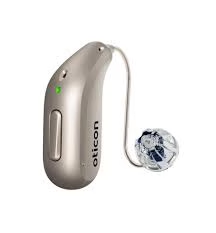
Categories
Health & Wellness Travel Comfort

Healthy Ears During Air Travel: Key Tips for Comfort

Last Updated on 27/01/2026 by Admin

Essential Strategies for Managing Ear Pressure While Flying

What Are the Key Factors Leading to Ear Discomfort During Flights?

The primary cause of experiencing ear discomfort during flights is the swift changes in air pressure. As an aircraft ascends or descends, the atmospheric pressure surrounding the plane alters dramatically, causing a difference between the pressure in the middle ear and the outside environment. This variation can result in sensations of fullness, popping, or even sharp pain, which can be distressing for passengers. Understanding these sensations is crucial for effective preparation for air travel, especially for those who may already have existing ear conditions.

During ascent, the pressure in the aircraft cabin decreases significantly, while the pressure within the middle ear remains elevated, leading to discomfort. Conversely, during descent, the sudden increase in air pressure can interrupt the equalization process, creating a sensation of blockage. Common symptoms associated with ear discomfort include muffled hearing, a feeling of fullness, and acute pain. These issues can severely impact one’s hearing ability and overall comfort, highlighting the necessity of implementing effective strategies to manage ear pressure during flights.

To alleviate discomfort, travellers should take proactive measures. Simple techniques like swallowing, yawning, or chewing gum can help open the Eustachian tubes and assist in equalizing pressure. Additionally, maintaining hydration before and during flights is vital for the health of the mucous membranes, aiding in pressure adjustments. Understanding the mechanics of ear discomfort empowers travellers to take control of their ear health, ensuring a more enjoyable and comfortable flying experience.

How Do Changes in Air Pressure Affect Inner Ear Functionality?

Fluctuations in air pressure can significantly impact the functionality of the inner ear. The inner ear is crucial for both hearing and balance. When pressure is not properly equalized, it can disrupt the delicate structures within the inner ear, potentially leading to temporary or chronic functional issues. Such disruptions may manifest as dizziness, feelings of vertigo, or hearing impairment, particularly if the Eustachian tubes fail to open adequately during shifts in pressure.

To safeguard ear health during air travel, it is essential to recognise preventive measures. Travellers can benefit from understanding their own bodily responses and identifying conditions that might predispose them to ear problems. For instance, individuals with allergies or sinus congestion are at a heightened risk for pressure-related issues. It is advisable to manage these conditions with suitable medications prior to flying to reduce the chances of ear discomfort.

Furthermore, being mindful of one’s posture during takeoff and landing can facilitate pressure equalization. Maintaining an upright or slightly tilted head position can help align the Eustachian tubes, making it easier for the body to adapt to pressure changes. By employing these preventive strategies, travellers can mitigate the adverse effects of pressure changes on the inner ear, thus improving their overall travel experience.

What Daily Habits Are Essential for Promoting Ear Health and Preventing Discomfort?

Incorporating effective daily habits is vital for supporting ear health. Ensuring proper ear function involves more than just strategies during flights; it is equally critical to adopt routines that promote ear wellness in everyday life. Here are several essential practices every traveller should consider:

  • Stay Hydrated: Drink plenty of water throughout the day to support the health of mucous membranes.
  • Maintain Regular Ear Hygiene: Keep ears clean and dry to lower the risk of infections.
  • Allow Ears Time to Rest: Limit exposure to loud noises and give your ears time to recover.
  • Manage Allergies Effectively: Use antihistamines or nasal sprays to efficiently control allergy symptoms.
  • Chew Gum: This simple activity can aid in pressure equalization, especially during flights.
  • Practice Equalization Techniques: Regularly perform techniques like the Valsalva manoeuvre at home.
  • Avoid Smoking: Smoking hinders the function of the Eustachian tubes, raising the likelihood of pressure-related issues.
  • Schedule Regular Checkups: Routine visits to an ear, nose, and throat specialist can help identify potential problems early.

By incorporating these habits into their daily routines, travellers can enhance their ear health and resilience, thereby reducing the chances of discomfort while flying. These practices are straightforward yet effective, fostering long-term ear wellness and contributing to a more pleasant travel experience.

How Can Knowledge of Ear Equalization Techniques Benefit Travellers?

What Are the Most Effective Techniques for Quick Ear Pressure Relief?

Mastering ear equalization techniques is essential for managing pressure changes during flights. As an airplane ascends or descends, the cabin pressure shifts rapidly, making it crucial for travellers to equalize their ear pressure to avoid discomfort. Among the most effective methods for quick relief are the Valsalva manoeuvre, the Toynbee manoeuvre, and basic swallowing techniques. Each of these methods assists in opening the Eustachian tubes, allowing air to flow into the middle ear and equalize pressure.

The Valsalva manoeuvre involves taking a deep breath, pinching the nose, and gently blowing while keeping the mouth closed. This technique is particularly effective during descent. Alternatively, the Toynbee manoeuvre requires swallowing while pinching the nose, which can also facilitate equalization. Additionally, frequent swallowing—achieved through gum chewing or sucking on candy—can encourage the natural opening of the Eustachian tubes without needing specific techniques.

For those who find these methods challenging, specialised equalization devices such as nasal sprays or over-the-counter earplugs are available. These products can enhance comfort during flights by allowing better pressure management. By mastering these techniques and incorporating them into their travel routine, passengers can experience fewer issues and improved comfort during air travel.

What Are the Signs of Improper Ear Equalization?

Identifying the symptoms of improper ear equalization is crucial for timely intervention. When the pressure in the middle ear fails to equalize correctly, travellers may experience sensations of fullness, pain, dizziness, or muffled hearing. These symptoms often indicate barotrauma, a condition resulting from rapid pressure changes that may lead to inflammation or damage to ear structures.

Taking immediate action can alleviate discomfort when these signs are present. If a traveller feels pressure or fullness in their ears, they should attempt to equalize using previously mentioned techniques such as yawning, swallowing, or practicing the Valsalva manoeuvre. If discomfort persists, it is advisable to avoid sudden movements and consult a healthcare provider upon landing for further assessment, especially if symptoms are severe.

Moreover, individuals with a history of ear problems should exercise particular caution during flights. They may wish to consult a medical professional prior to travel for tailored advice on managing their ear health concerning flying. Being aware of these signs can empower travellers to take proactive measures, ensuring better outcomes and a more enjoyable flight experience.

What Are the Long-Term Benefits of Practicing Ear Equalization Techniques?

Regular practice of ear equalization techniques yields substantial long-term advantages. By consistently engaging in ear equalization methods, travellers can reduce their sensitivity to pressure changes over time, resulting in a more comfortable flying experience. Those who establish a routine around these techniques often find they can equalize pressure with far greater ease, alleviating anxiety associated with air travel.

Moreover, developing a habit of practicing these techniques can lead to improved overall ear health. By keeping Eustachian tubes open and functional, individuals are less likely to encounter issues such as ear infections or fluid buildup, which can complicate air travel. Continued practice enhances the adaptability of the ear, allowing travellers to respond effectively to the inevitable pressure changes that occur during flights.

Incorporating these practices into one’s travel routine promotes not only immediate comfort but also long-term auditory health. This proactive approach to ear wellness can significantly enhance the enjoyment of air travel, enabling individuals to focus on their journey rather than potential discomfort.

What Expert Recommendations Exist for Maintaining Healthy Ears During Air Travel?

What Advanced Techniques Can Effectively Manage Ear Pressure?

Advanced techniques for managing ear pressure can greatly enhance the comfort of air travel. While basic strategies such as swallowing and yawning are beneficial, travellers may discover additional methods that provide further relief. One effective technique involves using nasal decongestants prior to flying, as these can help open the Eustachian tubes and facilitate more effective pressure equalization. However, it is crucial to consult a healthcare provider before using these products, particularly for individuals with pre-existing health conditions.

Another innovative approach is the use of specialised pressure-regulating earplugs designed to slow the rate of pressure change. These earplugs assist in gradually balancing the pressure in the ear, significantly reducing discomfort during takeoff and landing. Travellers interested in this option should seek high-quality, tested products that fit comfortably.

Incorporating mindfulness techniques, such as deep breathing exercises, can also help manage anxiety associated with ear discomfort. Stress can amplify the perception of pain, making it beneficial to remain calm and focused during flights. Establishing a pre-flight routine that combines these methods can empower travellers, enabling them to approach air travel with confidence.

Why Is It Important to Monitor Your Ear Health During Air Travel?

Monitoring your ear health during air travel is vital for overall well-being. Staying attentive to how your ears respond during flights can help identify potential issues and prompt timely interventions. For example, if you notice increased sensitivity or discomfort during takeoff or landing, it may indicate that adjustments to your preparation or techniques are necessary.

Being aware of your surroundings can also assist in managing ear health. Understanding how altitude changes affect your body can encourage travellers to take preventive measures before discomfort arises. Keeping track of your ear health throughout various flights can provide valuable insights into patterns, helping you identify specific triggers or effective strategies.

Developing a habit of self-monitoring not only enhances immediate comfort during flights but also contributes to long-term ear health. Those who remain vigilant about their ear wellness are better equipped to adapt their travel habits, ensuring safer and more enjoyable air journeys.

How Can Professional Guidance Enhance Your Ear Health Routines?

Consulting healthcare professionals can provide personalised strategies for maintaining ear health during travel. Travelling can be challenging enough without the added stress of ear discomfort. Engaging with an ear specialist can yield tailored recommendations that address individual health needs and travel patterns. For instance, individuals with recurring ear issues may benefit from specific equalization exercises designed to accommodate their conditions.

Healthcare professionals can also advise on the use of preventive medications or supplements that can help sustain ear health during flights. Regular check-ups are instrumental for addressing immediate concerns and monitoring overall auditory health, especially for frequent travellers.

Additionally, healthcare providers can offer guidance on lifestyle adjustments that promote long-term ear wellness. This might include dietary recommendations, exercises, and stress management techniques that enhance ear function. By prioritising professional advice, travellers can build comprehensive strategies that improve both short-term comfort and long-term ear health.

What Common Ear Health Challenges Do Travellers Encounter and How Can They Be Addressed?

Travellers frequently face various ear health challenges, such as pressure imbalances, noise exposure, and increased infection risks. Effectively managing these challenges is crucial for safe and comfortable air travel. Pressure imbalances during flights can lead to discomfort or injury if not properly addressed. To prevent this, travellers should utilise equalization techniques before takeoff and during landing, and it is advisable to avoid flying with a cold or sinus issues that can amplify pressure complications.

Noise exposure is another significant concern, particularly on long-haul flights. Prolonged exposure to high sound levels can result in temporary or permanent hearing loss. Therefore, using noise-cancelling headphones can mitigate this risk while enhancing overall comfort. Additionally, investing in well-fitted earplugs can provide an effective barrier against excessive noise.

Infections also pose a considerable risk, especially for travellers who fly frequently. Changes in pressure can create conditions conducive to ear infections, particularly in individuals with pre-existing problems. To minimise this risk, it is essential to maintain good hygiene practices and ensure adequate hydration. If any signs of infection occur, seeking medical advice promptly can facilitate effective management.

What Advantages Does Ear Protection Offer During Air Travel?

What Types of Protective Measures Enhance Ear Health While Flying?

Utilising protective measures can significantly improve ear health during travel. Various options are available to safeguard hearing while flying, each with unique benefits. High-quality, custom-fitted earplugs are a favoured choice among frequent travellers. These earplugs can diminish sound levels while preserving sound clarity, allowing for a more pleasant journey without sacrificing hearing.

Another effective protective measure is the use of noise-cancelling headphones. These devices actively reduce ambient noise, creating a quieter atmosphere that lessens the need for volume adjustments, thereby protecting against sound damage. Additionally, they enhance relaxation during flights, contributing to overall comfort.

For those particularly sensitive to pressure changes, pressure-regulating earplugs are a valuable option. These specialised devices assist in gradually equalizing pressure in the ears during takeoff and landing, significantly alleviating discomfort. Travellers should consider their specific needs when selecting protective measures to ensure optimal ear health while flying.

How Do Protective Measures Contribute to Comfort During Flights?

Protective measures play a vital role in enhancing comfort throughout the air travel experience. By minimising noise exposure, travellers can prevent strain on their auditory systems, reducing fatigue and discomfort. High levels of noise can lead to increased stress and anxiety, which can exacerbate discomfort from pressure changes. By utilising ear protection, passengers can cultivate a more tranquil environment, allowing for relaxation and greater focus.

Incorporating protective measures into travel plans is simple. For instance, packing earplugs or noise-cancelling headphones in carry-on luggage ensures that they are readily accessible during flights. Establishing a routine of using these devices during travel can create a habit that prioritises ear health and comfort.

Moreover, investing in quality protective gear not only enhances immediate travel experiences but also supports long-term auditory well-being. By consistently using ear protection, travellers can reduce the risks associated with noise-induced hearing loss, ensuring a lifetime of healthy hearing.

What Are the Long-Term Benefits of Consistent Use of Ear Protection?

Regularly using ear protection results in positive outcomes for auditory health. Travellers who consistently employ protective measures often report improved comfort levels during flights, leading to a more enjoyable travel experience. By minimising exposure to loud environments and pressure fluctuations, travellers can preserve their hearing health over time.

Furthermore, incorporating ear protection into travel routines fosters a heightened awareness of one’s ear health. Individuals who prioritise their auditory well-being are more likely to engage in additional beneficial practices, such as regular health check-ups and lifestyle changes that support ear function.

Overall, the advantages of consistently using protective measures extend beyond immediate comfort, promoting a proactive approach to ear health that enhances quality of life both during travel and in daily activities.

What Evidence-Based Strategies Can Support Healthy Ears During Air Travel?

What Hydration Practices Are Supported by Research for Ear Health?

Maintaining proper hydration is essential for ear health while travelling. Research indicates that sufficient fluid intake keeps mucous membranes moist, which is vital for optimal ear functionality. This is particularly important during flights, where cabin air tends to be dry, increasing the risk of ear discomfort and complications.

To ensure adequate hydration, travellers should aim to drink water before, during, and after flights. A common guideline is to consume at least 8 ounces of water for every hour spent flying. Additionally, it is advisable to limit caffeine and alcohol intake, as these substances may contribute to dehydration. Instead, opting for herbal teas or electrolyte-rich beverages can support hydration and provide a soothing effect.

Travellers can also boost their hydration levels by including water-rich foods in their diets before flying. Fruits and vegetables with high water content, such as cucumbers, oranges, and watermelon, can help maintain hydration levels. Being attentive to fluid intake prior to and during flights can significantly enhance ear health and comfort, leading to a more enjoyable travel experience.

What Strategies Can Help Minimise Noise Exposure During Flights?

Reducing noise exposure is crucial for protecting hearing health while flying. Studies have shown that prolonged exposure to high sound levels can lead to hearing loss and other auditory complications. During flights, cabin noise can reach uncomfortable levels, especially during takeoff and landing. To mitigate these risks, travellers should consider using noise-cancelling headphones or earplugs designed specifically to reduce background noise.

Additionally, choosing seating positions can help minimise noise exposure. Opting for seats away from engines and wing areas can significantly decrease noise levels experienced during flights. Travellers should also be mindful of the volume settings on personal audio devices, ensuring they maintain a safe listening level. Adopting the “60/60 rule” is a wise strategy: listen at no more than 60% of the maximum volume for no longer than 60 minutes at a time.

Incorporating these practices into travel routines can bolster auditory protection and contribute to a more enjoyable flying experience. By prioritising noise management, travellers can safeguard their hearing health and diminish the risk of long-term complications.

What Post-Trip Recovery Techniques Are Effective for Ear Health?

Implementing effective post-trip recovery methods is essential for maintaining ear health. Following long flights, it is common for travellers to experience lingering discomfort or pressure in their ears. To alleviate these sensations, specific recovery techniques can prove beneficial. One effective method is to continue practising equalization techniques, such as yawning or swallowing, to encourage proper pressure balance after landing.

In addition to equalization methods, engaging in relaxation practices can help relieve any tension associated with travel. Gentle neck and jaw stretches can foster relaxation, which may indirectly support ear function. Remaining hydrated after flights is equally important; this aids in recovery and ensures that mucous membranes remain healthy.

For individuals experiencing more significant discomfort, using warm compresses or applying gentle heat around the ears can enhance blood flow and facilitate recovery. If symptoms persist beyond a day or so, it is advisable to consult a healthcare professional to rule out any underlying issues.

Here is a list of effective post-trip recovery options to consider:

  • Practice equalization techniques like yawning or swallowing.
  • Engage in neck and jaw stretches to release tension.
  • Continue to hydrate to support mucous membrane health.
  • Utilise warm compresses to promote blood flow around the ears.
  • Limit exposure to loud environments after travel.
  • Ensure adequate rest for overall recovery.
  • Consult a healthcare professional if discomfort persists.
  • Maintain a journal to track ear health patterns for future travel.

By adopting these recovery strategies, travellers can ensure sustained ear wellness and comfort in the days following their journeys.

What Techniques Are Essential for Effectively Equalizing Ear Pressure?

Implementing effective techniques for equalizing ear pressure during flights is crucial for comfort. Travellers can utilise several approaches to maintain ear comfort during altitude changes. Techniques such as swallowing, yawning, and performing the Valsalva manoeuvre are among the most common and effective methods. Each technique encourages the Eustachian tubes to open, allowing air to flow into the middle ear and equalize pressure.

Swallowing, for instance, can be easily integrated into a travel routine by chewing gum or sucking on hard candy, which encourages frequent opening of the Eustachian tubes and helps alleviate pressure differences. The Valsalva manoeuvre, while effective, requires a gentle approach: pinch the nose, close the mouth, and gently blow to push air into the Eustachian tubes.

For those who find it challenging to equalize pressure manually, specialised devices such as pressure-regulating earplugs can be advantageous. These earplugs assist in managing the rate of pressure change, minimising discomfort during takeoff and landing. Travellers should familiarise themselves with these techniques before flying, as being prepared can significantly enhance comfort and reduce the likelihood of pressure-related issues.

Why Is Rest Crucial for Ear Health?

What Is the Connection Between Fatigue and Ear Health Issues?

Fatigue can directly affect ear sensitivity and overall auditory health. When individuals are tired, their bodies—including the auditory system—can become increasingly sensitive to environmental changes and stressors. This heightened sensitivity may exacerbate ear discomfort during flights, leading to increased pain and potential complications.

Recognising signs of fatigue is essential for managing ear health during travel. Symptoms such as heightened sensitivity to pressure changes, elevated stress levels, and general discomfort can indicate the need to prioritise rest. Travellers should strive to obtain sufficient sleep leading up to their journey, as this enhances resilience and the ability to cope with the challenges of air travel.

Incorporating rest periods during travel can also help mitigate ear issues. Engaging in relaxation techniques, such as deep breathing or meditation, can reduce stress and foster a sense of calm, which may alleviate the perception of ear discomfort. By prioritising rest, travellers can support their ear health and overall well-being throughout their journeys.

How Does Rest Facilitate Recovery of Auditory Function?

Rest is critical for the recovery of auditory function following travel. Adequate rest allows the body to heal and recuperate from the stresses associated with air travel, including pressure changes and noise exposure. During periods of rest, the body can effectively manage inflammation and repair any minor injuries that may have occurred in the ear structures.

Furthermore, sleep enables the body to restore balance to its systems, including the auditory pathway. This restoration is essential for maintaining sensitivity and function, contributing to overall ear wellness. Engaging in restorative activities such as yoga, gentle stretching, or simply enjoying quiet time can facilitate healing.

Travellers should aim to schedule downtime both before and after their trips to ensure their bodies are geared up for the challenges of flying. Integrating regular rest periods into travel plans supports long-term ear health and minimises the risk of complications arising from fatigue.

How Can Rest Be Incorporated Into Travel Plans?

Incorporating adequate rest into travel itineraries is essential for promoting ear health. Travellers can prioritise rest by planning for sufficient sleep before flights, ensuring they are well-rested and prepared for the journey ahead. Scheduling downtime during travel is also beneficial; this may include allocating time for relaxation between activities or selecting flights that accommodate rest needs.

Designing a travel itinerary that allows for periods of low activity can help alleviate stress and enhance overall comfort. For example, planning shorter travel days or selecting accommodations that provide a tranquil environment can facilitate better recovery. It is equally important to consider the travel environment; utilising noise-cancelling devices or establishing quiet zones can enhance restful experiences and improve ear comfort during journeys.

By prioritising rest in their travel plans, individuals can cultivate a greater sense of well-being and maintain their ear health resilience over time. This proactive approach is vital for ensuring enjoyable and comfortable travel experiences.

How to Ensure Overall Ear Wellness?

What Key Factors Are Important for Daily Ear Care?

Maintaining overall ear wellness involves attention to several key factors. Daily ear care encompasses practices that promote health and resilience, ensuring individuals can enjoy their auditory experiences without discomfort. One fundamental aspect is regular cleaning of the ears, which should be performed gently to avoid damaging delicate structures within. Consistent ear hygiene practices can prevent infections and other complications.

Another crucial component is hydration. Keeping the body well-hydrated supports the health of mucous membranes, which play an essential role in ear function. Drinking water throughout the day and avoiding excessive alcohol and caffeine can promote optimal hydration levels.

Incorporating a balanced diet rich in vitamins and minerals is also vital. Nutrients such as omega-3 fatty acids, vitamins A, C, and E, and zinc contribute to overall ear health. Foods like fatty fish, leafy greens, nuts, and citrus fruits are excellent choices that bolster auditory wellness.

Regular physical activity and stress management techniques can further enhance ear health. Engaging in physical exercise promotes blood flow to the ears, while mindfulness practices can alleviate stress and tension, both of which contribute to improved overall auditory function. By focusing on these key factors, individuals can ensure lasting ear wellness, enabling them to enjoy a lifetime of good hearing.

What Common Myths Surrounding Ear Care Should Be Avoided?

Myths regarding ear care can lead to misunderstandings and poor practices. One prevalent misconception is that using cotton swabs is safe for cleaning the ears. In reality, cotton swabs can push wax deeper into the ear canal and potentially cause blockages or injury. It is important to recognise that the ears are self-cleaning; regular gentle washing of the outer ear suffices for maintaining hygiene.

Another myth is that ear infections only affect children. Adults can be equally susceptible to ear infections, especially in the context of allergies or respiratory illnesses. Raising awareness about the risks and symptoms of ear infections can empower individuals to seek timely care when needed.

Additionally, some people believe that ear health is only a concern for those with pre-existing conditions. However, everyone, regardless of health status, should prioritise ear care and routine check-ups. Understanding these common myths allows individuals to adopt more effective ear care practices, promoting overall wellness.

How to Build Lifelong Habits for Ear Health?

Establishing lifelong habits for ear health is crucial for sustaining auditory wellness. Implementing sustainable strategies that promote ear health can significantly improve quality of life. Consider integrating practices such as regular ear check-ups into your healthcare routine. Frequent visits to an ear specialist can help detect potential issues early and provide guidance on maintaining healthy ears.

Another essential habit is to remain vigilant about noise exposure. Limiting time spent in loud environments and utilising protective gear, such as earplugs or noise-cancelling headphones, should become standard practice. Furthermore, fostering awareness regarding ear health among family and friends can create a supportive environment that prioritises auditory wellness.

Incorporating ear-friendly dietary choices and hydration practices into daily life can also promote long-term health. Maintaining a balanced diet rich in essential nutrients supports overall body health, including the auditory system. As a general rule, staying hydrated and nourishing the body with wholesome foods can contribute significantly to ear function.

By cultivating these lifelong habits, individuals can ensure lasting ear wellness, enhancing their quality of life and supporting their auditory health for years to come.

Frequently Asked Questions About Ear Health

What Should I Do if I Experience Ear Pain During a Flight?

If you feel ear pain while flying, try yawning, swallowing, or performing the Valsalva manoeuvre to equalize pressure. If the pain continues, consult a healthcare professional after landing for further evaluation.

Are There Specific Earplugs Recommended for Air Travel?

Yes, pressure-regulating earplugs are advised for air travel as they help manage pressure changes gradually, significantly reducing discomfort during takeoff and landing.

Can Allergies Affect My Ear Health While Flying?

Absolutely. Allergies can lead to nasal congestion, which may obstruct the Eustachian tubes, increasing the likelihood of ear discomfort during flights. Managing allergies with appropriate medications can help mitigate these risks.

How Can I Prepare My Ears Before Flying?

Before flying, ensure you stay hydrated and consider using nasal decongestants if necessary. Practising equalization techniques can also help prepare your ears for pressure changes.

Is It Safe to Fly with an Ear Infection?

Flying with an ear infection is generally not advisable, as pressure changes can exacerbate the condition and lead to severe pain or complications. Always consult a healthcare professional before flying if you have an ear infection.

What Dietary Habits Support Ear Health?

A diet rich in omega-3 fatty acids, vitamins A, C, and E, and minerals like zinc supports ear wellness. Incorporate foods such as fatty fish, leafy greens, nuts, and citrus fruits for optimal nutrition.

How Can I Minimise Noise Exposure During Flights?

Utilising noise-cancelling headphones or earplugs can significantly reduce noise exposure in-flight, protecting your hearing and enhancing comfort.

Are There Long-Term Benefits to Regular Ear Care?

Yes, consistent ear care can prevent infections, maintain hearing ability, and reduce sensitivity to pressure changes, contributing to a healthier auditory experience over time.

How Often Should I Have My Ears Checked by a Professional?

It is advisable to have your ears examined by a healthcare professional at least once a year, or more frequently if you experience ongoing issues or have a history of ear problems.

Can Stress Impact My Ear Health?

Yes, stress can heighten ear sensitivity and discomfort. Engaging in relaxation techniques and managing stress can improve your overall ear health and comfort during travel.

Discover our world on X!

The post Healthy Ears During Air Travel: Essential Tips to Follow appeared first on The Microsuction Ear Wax Removal Network.

Categories
Health & Wellness Hearing Devices

Hearing Aids Cost: Key Insights from Around the Globe

Last Updated on 28/01/2026 by Admin

In-Depth Analysis of Hearing Aid Pricing Factors

What Factors Play a Crucial Role in Determining Hearing Aid Costs?

The costs associated with hearing aids are influenced by a multitude of significant factors that directly affect their affordability and accessibility for users globally. It is vital for potential buyers to comprehend these elements thoroughly. Here are the primary factors that shape the pricing landscape:

  • Level of Technology: The sophistication of digital processing, noise cancellation capabilities, and wifi connectivity can greatly affect the overall price of hearing aids.
  • Brand Prestige: Well-established brands frequently command higher prices due to their perceived reliability and adherence to high-quality standards.
  • Device Capabilities: Enhanced features such as Bluetooth connectivity and integration with mobile devices can elevate costs considerably.
  • Market Forces: Fluctuations in supply and demand, especially in regions with limited healthcare access, can significantly impact pricing structures.
  • Personalisation: Customised hearing solutions tailored to individual requirements often necessitate specialised fittings, which can increase the overall cost.
  • Production Expenses: The choice of materials and manufacturing techniques directly contributes to the base price of hearing aids.
  • Regulatory Influences: Differences in regulations across various nations can establish minimum standards and associated costs.
  • Sales Channels: The method of distributing hearing aids, whether through healthcare professionals or direct sales to consumers, can influence final pricing.

By understanding these factors, patients can effectively navigate the often complex pricing landscape of hearing aids, allowing them to make informed purchasing choices. The interaction of technological advancements, market forces, and individual needs creates a dynamic pricing environment where costs can fluctuate widely. While premium hearing aids are accessible, numerous budget-friendly alternatives are available that cater to diverse requirements without compromising on quality.

How to Assess Various Hearing Aid Types and Their Associated Costs

Hearing aids come in numerous models and types, each designed to cater to different levels of hearing impairment and personal preferences. This diversity leads to a wide range of pricing, highlighting the importance for prospective users to evaluate their unique needs thoroughly. For instance, behind-the-ear (BTE) models are generally more affordable due to their simpler design, whereas in-the-ear (ITE) and completely-in-canal (CIC) options often command higher prices owing to their advanced technology and discreet appearance.

The materials used in the construction of these devices significantly affect their pricing. Premium materials can enhance durability and comfort but may also drive up costs. Users should consider the long-term advantages of investing in high-quality models compared to cheaper alternatives, especially regarding potential repair and replacement needs. Furthermore, hearing aids equipped with smart features may come with higher initial costs, yet the added functionality they provide can justify the investment in the long run.

When budgeting for hearing aids, it is crucial to account not only for the purchase price but also for essential factors such as ongoing maintenance, batteries, and potential upgrades. Understanding that initial costs can vary widely is essential; the comprehensive investment should encompass a wider range of expenses that affect user satisfaction and hearing health in the long term.

How Does Technology Shape Hearing Aid Pricing?

The evolution of technology has profoundly transformed the hearing aid industry, resulting in significant changes in both pricing and functionality. For example, advancements in digital signal processing have led to noteworthy improvements in sound clarity and overall user experience. As new technologies are introduced, associated costs may shift, consequently influencing the entire pricing framework of hearing aids.

Innovative features such as noise cancellation, directional microphones, and wifi connectivity contribute to the overall cost; however, they also provide users with greater control over their auditory environments. These advancements not only enhance the performance of the devices but also significantly improve the quality of life for individuals experiencing hearing loss. Users opting for devices that incorporate the latest technology may find their hearing aids perform exceptionally well in various settings, ultimately resulting in a more enriching auditory experience.

Nevertheless, it is crucial to weigh the benefits of advanced technology against budget considerations. Users should assess their specific hearing requirements and lifestyle preferences to determine which features are genuinely necessary. As technology progresses, consumers can expect a gradual reduction in prices for basic models, while premium devices are likely to maintain higher price points due to their advanced capabilities. Understanding how technology influences pricing enables users to make decisions that align with their financial realities and hearing health goals.

How Does Insurance Coverage Impact Hearing Aid Costs?

Insurance coverage is instrumental in mitigating the financial challenges associated with acquiring hearing aids. While some insurance policies might cover a portion of the costs, the extent of this coverage can vary significantly across different plans and geographical regions. For patients in need of financial assistance, it is crucial to understand the particulars of their insurance policies, including which types of hearing aids are included in the coverage and any limitations on reimbursement.

In regions with strong public health insurance systems, patients may benefit from full subsidies or reduced costs for specific hearing aids. Such support can substantially enhance access to vital auditory devices, particularly in developing countries where financial constraints may otherwise limit options. Additionally, various non-profit organisations and governmental programmes offer grants and financial assistance to help individuals acquire hearing aids, further increasing access to these essential devices.

Moreover, comprehending the complexities of payment plans and financing alternatives can empower users to navigate the financial landscape more effectively. Many audiologists and hearing aid providers offer payment plans, allowing patients to distribute their costs over time, simplifying budget management. By increasing awareness of insurance options and available financial aid, users can uncover strategies to lessen the overall financial impact of hearing aids, ensuring that quality devices are attainable for a broader audience.

What Trends Are Emerging in Hearing Aid Pricing Over Time?

Why Could Hearing Aid Costs Increase in the Future?

The trend of rising costs within the hearing aid market can often be traced to several key factors. A primary reason for escalating prices is the continuous advancements in materials and technology. As manufacturers allocate resources towards research and development, the associated costs of producing high-quality devices inevitably increase, leading to higher prices for consumers. Additionally, the growing demand for hearing aids, particularly amongst ageing populations worldwide, may create supply chain pressures that further drive up costs.

Economic conditions also exert a significant influence on pricing fluctuations. Inflation can affect the costs of raw materials, labour, and logistics, all of which have a direct impact on the final price consumers pay. In countries experiencing economic instability, prices for hearing aids may see marked increases, underlining the importance for users to remain informed about market trends and potential impacts on costs.

Another crucial element influencing prices is the regulatory environment. Countries with strict regulations governing medical devices may impose additional costs on manufacturers, which are frequently passed on to consumers. As these factors converge, users may find that the overall landscape of hearing aid pricing becomes increasingly intricate, necessitating a proactive approach to budgeting and purchasing. Being aware of potential price hikes equips consumers to plan more effectively, ensuring they are prepared to manage their hearing health needs.

What Factors Can Help Lower Hearing Aid Prices?

While hearing aid prices can fluctuate and potentially escalate, several key factors contribute to reducing costs and promoting accessibility for users. One effective strategy is bulk purchasing. When manufacturers acquire components in larger quantities, they can decrease production costs, enabling them to offer more affordable prices to consumers. This tactic is especially beneficial for non-profit organisations and healthcare providers striving to supply devices to underserved populations.

Another element that can assist in lowering costs is the simplification of device designs. Hearing aids that incorporate fewer advanced features often come with lower price points, making them accessible to a wider audience. Many users may discover that a basic model adequately meets their needs, and opting for a simpler design can result in substantial savings without sacrificing essential performance.

Additionally, the emergence of alternative distribution channels, such as online direct-to-consumer sales, has created greater competition in the market. This increased competition can lead to more affordable prices, benefiting consumers in search of economical options. Enhanced transparency in pricing and the ability to compare various models and brands online empowers users to identify the best value for their requirements.

Furthermore, advocating for improved public health policies can contribute to lower costs. Initiatives aimed at subsidising hearing aids or providing financial support can alleviate the financial burden on consumers, ensuring that quality devices are more accessible. By leveraging these strategies, users can navigate the market more effectively, finding cost-effective solutions that address their hearing needs.

What Are the Current Trends in Hearing Aid Price Changes?

Gaining insights into trends in hearing aid price changes can provide valuable information for consumers aiming to manage their expenses effectively. In recent years, the hearing aid industry has experienced notable price fluctuations, often influenced by factors such as technological advancements, consumer demand, and broader economic conditions. An examination of these trends reveals an evolving market that may significantly benefit users.

One prominent trend is the increasing adoption of telehealth services, which have emerged as a cost-effective alternative for audiology consultations. This transition has improved access to professional services, enabling users to receive support without incurring substantial travel expenses. The convenience of remote consultations can also help mitigate some costs associated with in-person visits, allowing users to allocate their resources more efficiently.

Moreover, there has been a notable increase in the availability of over-the-counter hearing aids, which has the potential to disrupt traditional pricing models. These devices are typically offered at lower price points while still adhering to essential quality standards. As consumers become more informed about their options, they may gravitate towards these affordable alternatives, prompting manufacturers to adopt more competitive pricing strategies.

Additionally, awareness campaigns that highlight the importance of hearing health and the availability of affordable options can positively impact market dynamics. As more individuals seek solutions for hearing loss, manufacturers may respond by refining their pricing structures to attract a broader audience. Staying informed about these trends enables users to make strategic decisions that align with their financial capabilities.

Expert Insights on Global Hearing Aid Pricing

Thorough Examination of Hearing Aid Pricing Structures

To effectively navigate the complexities of hearing aid pricing, it is essential to conduct a thorough analysis of the various factors contributing to overall costs. Understanding how these components interact provides users with actionable insights that can enhance their purchasing decisions. Key considerations include the technology employed, the features available, and the reputation of the manufacturer.

A detailed evaluation of device specifications can assist users in pinpointing the features most relevant to their individual hearing needs. For instance, those who frequently engage in social scenarios may prioritise hearing aids with superior noise-cancelling capabilities, while users needing devices for everyday activities might prefer simpler models. Understanding the relationship between functionality and pricing can lead to more informed choices that maximise value.

Additionally, considering the long-term costs tied to maintenance and repairs is crucial. Some users may be tempted by lower initial prices, only to find themselves facing higher expenses later due to frequent repairs or replacements. Evaluating the total cost of ownership against the upfront price can help users determine the most financially sound option.

Lastly, comparing multiple brands and models before making a decision is beneficial. Engaging in thorough research and seeking expert opinions can guide users in identifying the best value regarding features, durability, and performance. By adopting a comprehensive and strategic approach to evaluating pricing structures, consumers can make informed decisions that align with their hearing health objectives and budget constraints.

Smart Strategies for Cost-Effective Hearing Aid Selections

When selecting hearing aids, employing strategic budgeting techniques can significantly influence overall expenses. Real-world examples illustrate various methods individuals can adopt to effectively navigate the costs associated with these devices. By being proactive and well-informed, users can optimise their investments in hearing aids.

One effective strategy is to explore financing options provided by audiologists and hearing aid suppliers. Many providers offer payment plans, enabling patients to pay for their devices over time, which can alleviate the financial burden of a lump-sum payment. This approach allows users to acquire high-quality hearing aids while distributing costs, making them more manageable within their budgets.

Another important strategy involves utilising trial periods offered by manufacturers. Numerous companies provide trial programmes that allow users to test devices before committing to a purchase. This opportunity can be invaluable in identifying which model best suits their needs, ensuring they invest in a product that delivers the desired outcomes and justifies the cost.

Additionally, users should actively seek out discount programmes and promotions available through various organisations or retailers. Regularly checking for sales or special offers can lead to substantial savings, particularly for individuals who can be flexible with their purchasing timelines. By staying informed and leveraging available resources, users can make cost-effective choices that enhance their hearing health without compromising their financial stability.

Long-Term Value and Investment Considerations

Investing in hearing aids is not solely about the initial purchase price; it encompasses long-term value considerations that can significantly influence overall satisfaction and financial implications. Understanding the durability and maintenance requirements of different models can lead to more sustainable investments over time. Higher-quality devices may entail a higher upfront cost but often provide improved longevity and lower maintenance needs, ultimately resulting in cost savings.

Moreover, users should evaluate the availability of replacement parts and service support when selecting a hearing aid. Brands with robust service networks and easily accessible replacement components can lead to reduced long-term expenses. Conversely, devices from manufacturers lacking adequate support might incur higher costs related to repairs or replacements.

Furthermore, considering the adaptability of devices is essential. Hearing aids equipped with software updates and programmable features can extend their lifespan, allowing users to adjust to changes in their hearing needs without needing to invest in new devices. These considerations play a crucial role in determining the overall value of hearing aids, as they significantly influence user satisfaction and long-term financial commitments.

Lastly, users should engage in ongoing education about their hearing health and the products available. Staying informed about advancements in technology and emerging trends can empower individuals to make proactive decisions that optimise their experiences. By focusing on long-term value considerations, users can navigate the hearing aid market with confidence, ensuring that their investments yield lasting benefits.

Understanding Global Differences in Hearing Aid Pricing

The cost of hearing aids experiences significant variation worldwide, influenced by economic factors, regulatory frameworks, and market dynamics. Recognising these global disparities can assist users in making informed decisions about their hearing health. In many developed countries, hearing aids often receive partial or full coverage through health insurance, considerably lessening the financial burden on consumers. Conversely, in developing nations, access to quality devices may be limited, resulting in higher costs relative to income levels.

In certain areas, government initiatives aimed at improving public health have led to subsidies for hearing aids, making them more affordable for low-income individuals. These programmes often promote access to essential hearing health services, fostering improved outcomes for communities as a whole. Users residing in countries with robust healthcare systems may benefit from a wider range of options at more competitive prices, underscoring the role of supportive policies in shaping market dynamics.

In contrast, in regions where healthcare access is limited, users may face significant challenges in obtaining affordable hearing aids. The high costs associated with importing devices or the absence of local manufacturing can create barriers to accessibility. Individuals living in such areas might need to explore alternative solutions, such as seeking assistance from non-profit organisations or participating in community health programmes.

In summary, users should actively investigate and compare pricing structures across various countries and regions to identify the most affordable and suitable options for their specific requirements. By understanding the global variations in hearing aid pricing, users can make strategic decisions that enhance their access to quality hearing health solutions.

Research-Driven Insights on Hearing Aid Costs Worldwide

How Does Quality Influence Overall Hearing Aid Expenses?

The relationship between quality and overall expenses in the field of hearing aids is frequently significant. Investing in high-quality devices can lead to substantial long-term savings, as these products typically offer enhanced performance and durability. Users who prioritise quality may find that superior features, such as advanced sound processing and effective noise reduction, greatly enrich their hearing experiences, ultimately justifying the higher initial costs.

Additionally, high-quality hearing aids can reduce the need for frequent replacements or repairs, which can become prohibitively expensive over time. Many users underestimate the financial implications of opting for lower-cost devices that might necessitate more regular servicing or replacements due to subpar materials or technology. By selecting premium options, users can alleviate these ongoing expenses, resulting in better overall financial management.

Furthermore, the satisfaction derived from a well-functioning device cannot be overstated. Users investing in high-quality hearing aids often report higher levels of satisfaction, which can positively affect their overall quality of life. This increased satisfaction may translate into improved social interactions and mental well-being, further enhancing the value of their investment.

Ultimately, the connection between quality and overall expenses highlights the importance of prioritising durability and performance when choosing hearing aids. By recognising the long-term benefits of investing in superior devices, users can make more informed decisions that align with their hearing health and financial objectives.

What Factors Enhance the Affordability of Hearing Aids?

Several factors can enhance the affordability of hearing aids, making them accessible to individuals from various economic backgrounds. One key element is the introduction of energy-efficient designs that can lower long-term operational costs. Devices designed to utilise high-quality batteries and minimise power consumption often result in reduced expenses related to maintenance and replacements.

Moreover, as manufacturers innovate and seek ways to optimise production processes, the costs associated with materials and assembly can decrease. Advances in manufacturing technology may enable more efficient production methods, allowing companies to offer lower prices while maintaining quality. This trend benefits consumers, fostering greater competition and accessibility in the marketplace.

Market dynamics also play a vital role in promoting affordability. When consumers express demand for lower-cost options, companies are incentivised to create budget-friendly models that meet quality standards. This responsiveness to consumer preferences leads to a broader spectrum of choices, ensuring that individuals with varying financial capabilities can find suitable solutions for their hearing needs.

Lastly, the increasing availability of online resources and platforms for purchasing hearing aids has facilitated easier price and feature comparisons. This transparency empowers users to make informed decisions, enhancing their ability to find affordable options that meet their requirements. By leveraging these factors, users can navigate the marketplace more effectively, resulting in improved affordability and accessibility of hearing aids.

Why Is User Education Essential in Understanding Hearing Aid Pricing?

User education is critical for effectively navigating the complexities of hearing aid pricing. When individuals are well-informed about their options and the factors influencing costs, they empower themselves to make informed choices that align with their needs and financial realities. Understanding the features, benefits, and potential long-term expenses associated with different hearing aids can significantly impact purchasing decisions.

Educating users about alternative options, such as over-the-counter models or subsidised programmes, can also enhance affordability. Many individuals may remain unaware of the variety of choices available to them, leading to missed opportunities for savings. By raising awareness of these alternatives, users can make strategic decisions to ensure they invest in devices that offer the best value for their specific hearing requirements.

Additionally, comprehending the market landscape helps users recognise fair pricing practices. Armed with knowledge of average costs and features, individuals can confidently evaluate offers from various providers and negotiate terms that align with their needs. This awareness not only fosters user satisfaction but also contributes to a more equitable marketplace.

In conclusion, by prioritising education about pricing and the hearing aid market, users can navigate their options with confidence, leading to improved financial outcomes and enhanced hearing health. Empowering individuals with knowledge is essential for increasing accessibility and ensuring that quality hearing aids are attainable for all.

What Are the Global Variations in Hearing Aid Pricing?

The landscape of hearing aid pricing reveals significant global variations, shaped by diverse economic conditions, healthcare systems, and regulatory frameworks. In developed nations, hearing aids are often integrated into healthcare coverage, alleviating financial burdens and promoting better access to quality devices. Countries with well-established insurance systems typically enable patients to receive partial or full reimbursement for their hearing aids, dramatically reducing out-of-pocket expenses.

Conversely, in many developing regions, access to affordable hearing aids remains a challenge. Limited healthcare infrastructure and a lack of support programmes can lead to elevated costs for users, making it difficult for individuals to obtain the devices they require. In these contexts, the high cost of importing hearing aids or limited local manufacturing capabilities can create barriers to accessibility, exacerbating hearing health disparities.

Additionally, cultural attitudes towards hearing loss and the stigma associated with using hearing aids can influence pricing dynamics. In societies where hearing loss is less understood or accepted, individuals may be less inclined to seek solutions, resulting in lower demand and higher prices. Conversely, in environments where hearing health is prioritised, manufacturers may respond to increased demand with competitive pricing and improved accessibility.

Understanding these global variations is essential for users seeking affordable hearing aids. By researching pricing structures in different regions and considering factors such as insurance coverage and local support programmes, individuals can make informed decisions that enhance their access to quality hearing health solutions.

How Do Insurance and Subsidies Help Reduce Hearing Aid Costs?

Insurance coverage and government subsidies play a crucial role in reducing the financial burden associated with hearing aids for consumers. Studies indicate that access to these financial mechanisms significantly increases the likelihood that individuals will seek and obtain quality devices. By alleviating costs, insurance and subsidy programmes encourage individuals to prioritise their hearing health and invest in necessary solutions.

In many countries, hearing aids are eligible for coverage under public health insurance plans or private insurance policies. This coverage can lead to partial or full reimbursement for devices, allowing users to access higher-quality options without incurring overwhelming out-of-pocket expenses. However, the extent of this coverage can vary widely, emphasising the importance of understanding individual insurance policies.

Furthermore, government initiatives aimed at enhancing public health often include subsidies for hearing aids, particularly for low-income individuals or those with disabilities. Such programmes can bridge the gap between affordability and accessibility, ensuring that essential hearing health services are available to those who need them most. By investing in these initiatives, governments can foster better outcomes for communities, ultimately promoting enhanced overall health and well-being.

In addition to insurance and subsidies, non-profit organisations and advocacy groups frequently provide assistance to individuals seeking affordable hearing aids. These organisations may offer grants or funding for devices, further expanding access to quality solutions. By raising awareness of these financial support options, users can better navigate the cost landscape, ensuring they obtain the devices necessary for enhanced hearing health.

What Are the Primary Influences on Hearing Aid Costs?

How Does Manufacturing Affect Hearing Aid Pricing?

Manufacturing processes significantly impact the costs associated with hearing aids. The production methods utilised can affect everything from material selection to labour expenses, ultimately determining the final price for consumers. Innovations in manufacturing technology have the potential to streamline production methods, reduce costs, and enhance accessibility for users.

For instance, advancements in automated manufacturing techniques can lead to increased efficiency, enabling manufacturers to produce hearing aids at a lower cost. These savings can be passed on to consumers, resulting in more affordable options in the market. Additionally, opting for high-quality materials that bolster durability can lower long-term maintenance expenses, creating a more sustainable financial model for users.

Furthermore, the geographical location of manufacturers can influence pricing due to variations in labour and material costs across regions. Companies operating in areas with lower production expenses may offer their products at more competitive prices, making them attractive options for budget-conscious consumers. In contrast, manufacturers with higher operating costs may struggle to maintain affordability, necessitating careful consideration from potential buyers.

Ultimately, understanding the manufacturing landscape provides users with valuable insights into the costs of hearing aids. By recognising the impact of production methods on pricing, individuals can make informed decisions that align with their financial capabilities and hearing health needs.

What Emerging Trends Are Leading to Cost Reductions?

The hearing aid industry is witnessing a range of emerging trends aimed at reducing costs and enhancing accessibility for consumers. These trends not only promote affordability but also reflect a growing emphasis on user-centred design and innovative solutions. As the market evolves, individuals can benefit from various strategies that lead to lower prices without compromising quality.

One significant trend is the rising popularity of over-the-counter (OTC) hearing aids. These devices, designed for individuals with mild to moderate hearing loss, typically come at a lower price point and do not require an audiologist consultation for fitting. The availability of OTC options empowers consumers to take control of their hearing health, providing a cost-effective alternative to traditional models.

Additionally, advancements in digital technology and manufacturing processes are enabling companies to produce high-quality hearing aids at lower prices. As competition intensifies within the industry, manufacturers are motivated to innovate and streamline their operations, ultimately benefiting consumers seeking affordable solutions.

Moreover, the integration of telehealth services has emerged as a cost-effective alternative for users seeking audiology support. Through remote consultations, individuals can access professional expertise without incurring travel expenses or significant fees. This trend not only improves access to care but also reduces overall costs associated with obtaining hearing aids.

By staying informed about these emerging trends, users can proactively seek options that enhance affordability and accessibility, ensuring they make the best choices for their hearing health and financial situations.

What Potential Future Price Changes Should Users Anticipate?

The hearing aid market is poised for potential future price changes driven by a combination of technological advancements, shifting consumer preferences, and evolving market dynamics. As the industry continues to innovate, consumers can expect to see varying degrees of cost changes that may influence their purchasing decisions.

One key area to monitor is the ongoing development of smart hearing aids that incorporate advanced technologies such as artificial intelligence and machine learning. While these devices may currently carry higher price points, their potential to deliver enhanced functionality and personalised experiences could drive greater consumer demand. As production scales and the technology becomes more prevalent, prices may gradually decrease, providing users with more options across various budget ranges.

Additionally, the increasing recognition of hearing health and the importance of early intervention is likely to shape future pricing trends. As more individuals acknowledge the value of addressing hearing loss, there may be heightened competition among manufacturers to provide affordable solutions. This shift could result in improved accessibility for users from diverse economic backgrounds.

Finally, potential regulatory changes aimed at improving access and affordability for hearing aids could further impact pricing dynamics. Governments and health organisations worldwide are increasingly recognising the significance of hearing health, which may lead to new initiatives focused on reducing costs for consumers. By remaining vigilant about these potential shifts, users can strategically plan for their hearing health needs, ensuring they are informed and prepared for changes in the market.

Trusted Strategies for Navigating Hearing Aid Costs Worldwide

What Are the Best Methods for Comparing Hearing Aid Options?

Navigating the diverse landscape of hearing aids requires effective strategies for comparing options and identifying the best value. By employing a systematic approach, users can prioritise their needs and ensure they select devices that align with their hearing health goals and budget limitations.

A vital strategy is to create a comprehensive checklist of desired features and specifications. By outlining critical factors such as battery life, connectivity options, and sound processing capabilities, consumers can evaluate different models more effectively. This list serves as a valuable reference during the decision-making process, helping users ensure they consider all relevant aspects of their choices.

In addition to comparing features, users should assess manufacturer reputations and customer reviews. Engaging with online communities and forums can provide valuable insights into the experiences of other users, highlighting strengths and weaknesses of various brands and models. This peer feedback can inform purchasing decisions and enhance confidence in selecting a suitable device.

Moreover, consulting with audiologists or hearing care professionals can yield personalised recommendations based on individual needs and preferences. These experts can offer insights into the latest advancements in hearing aid technology and guidance on which options may be most appropriate for specific hearing loss profiles.

By utilising these strategies, users can navigate the complexities of the hearing aid market with confidence, ensuring they make informed choices that align with their financial capabilities and hearing health requirements.

What Are Effective Budgeting Tips for Long-Term Hearing Aid Usage?

Effective budgeting is crucial for ensuring the long-term success of hearing aid purchases. By implementing practical financial strategies, users can allocate resources efficiently and manage ongoing costs associated with their devices. Here are essential budgeting tips to consider:

  • Evaluate Total Ownership Costs: Consider not only the initial purchase price, but also ongoing expenses such as maintenance, batteries, and potential repairs.
  • Establish a Maintenance Fund: Set aside a specific amount each month for future repairs or replacements, ensuring financial preparedness for unexpected costs.
  • Investigate Financing Options: Look for payment plans offered by providers that allow you to spread costs over time, making it easier to manage budgets.
  • Utilise Insurance Benefits: Explore insurance options to determine what expenses may be covered, allowing you to budget accordingly.

By incorporating these budgeting tips into their financial planning, users can enhance their ability to manage the costs associated with hearing aids effectively. Taking a proactive approach to budgeting not only supports long-term financial health but also promotes a positive experience with hearing health solutions.

How Can Users Maximise Value from Their Hearing Aid Investments?

Maximising value from hearing aid purchases involves strategic considerations that extend beyond the initial investment. Users should focus on selecting devices with versatile features that can adapt to their changing needs over time. For instance, hearing aids that offer software updates or programmable settings enable users to customise their devices, extending their lifespan and relevance.

Additionally, consumers should prioritise brands known for their customer support and service networks. Access to reliable service and support can minimise long-term costs related to repairs or replacements, enhancing overall value. Investing in a device backed by a reputable manufacturer can provide peace of mind and ensure users receive the necessary assistance when needed.

Engaging in ongoing education about hearing health and available products is also vital for maximising value. Staying informed about advancements in technology and emerging trends can empower users to make proactive decisions that optimise their experiences. By focusing on adaptability, customer support, and continuous education, users can ensure they derive lasting benefits from their hearing aid investments.

Frequently Asked Questions About Hearing Aid Costs

What is the average global cost of hearing aids?

The average cost of hearing aids varies worldwide, typically ranging from $1,000 to $4,000 per device, influenced by factors such as technology level and regional pricing dynamics.

Are affordable hearing aid options available?

Yes, many manufacturers provide budget-friendly hearing aids, including over-the-counter models designed for mild to moderate hearing loss, which can be significantly cheaper than traditional devices.

How does insurance assist with hearing aid costs?

Insurance can greatly reduce the financial burden of hearing aids by covering a portion of the costs, depending on the policy. It is essential to check specific coverage details with your provider.

What factors contribute to the high costs of hearing aids?

Factors such as advanced technology, brand reputation, customisation options, and manufacturing processes contribute to the high costs associated with hearing aids, often making them premium devices.

How can users determine the right device for their needs?

Users should assess their specific hearing requirements, consider desired features, and consult with audiologists to make informed decisions when selecting the right device.

Are financing options available for purchasing hearing aids?

Many audiologists and retailers offer financing options, allowing users to pay for hearing aids in instalments, facilitating easier budget management over time.

What maintenance is typically required for hearing aids?

Regular maintenance for hearing aids includes cleaning, battery replacements, and occasional professional check-ups to ensure optimal performance and longevity.

Do hearing aids usually come with warranties?

Most hearing aids include warranties that cover defects and repairs for a specified period, providing users with peace of mind regarding their investment.

How do technological advancements impact pricing?

Technological advancements can drive up costs for hearing aids, as innovative features and improved functionalities often demand higher prices but significantly enhance user experience.

Can government programmes assist with hearing aid costs?

Yes, some government programmes and non-profit organisations offer financial assistance or subsidies for hearing aids, making them more accessible for individuals in need.

Discover our world on X!

The post Hearing Aids Cost Worldwide: Essential Insights appeared first on The Microsuction Ear Wax Removal Network.