Categories
Ear Health Health & Wellness

Ear Infections in Adults: Causes and Treatments Explained

Comprehensive Insights into Different Types of Ear Infections: Your Ultimate Resource

Acquiring a comprehensive understanding of the various types of ear infections is crucial for everyone, particularly for adults who may find themselves more susceptible to these painful conditions. The three primary categories to be mindful of include Acute Otitis Media (AOM), Otitis Externa (commonly known as Swimmer’s Ear), and Chronic Otitis Media. Each category possesses unique characteristics, symptoms, and treatment protocols that warrant attention and understanding for effective management and care.

Identifying and Treating Acute Otitis Media (AOM) Effectively

A distressed child with a red, inflamed ear, tears streaming down their face, in a cozy room with a concerned parent holding a thermometer.

Acute Otitis Media (AOM) signifies a sudden infection of the middle ear, often resulting in substantial discomfort and distress. This condition typically presents with symptoms such as intense ear pain, fever, and, in some instances, hearing loss. AOM is frequently initiated by bacterial or viral infections, often stemming from preceding respiratory infections, allergies, or sinus infections that provoke inflammation and fluid accumulation in the middle ear space. The rapid onset of these symptoms can be alarming, necessitating immediate medical attention.

The distressing symptoms associated with AOM can vary in severity. Adults may experience sharp, throbbing pain in the ear, accompanied by fever and irritability. If left untreated, AOM carries the risk of permanent hearing loss, underscoring the importance of prompt diagnosis and intervention. Healthcare providers typically prescribe antibiotics to combat bacterial infections, while viral cases may require symptomatic relief through medications such as pain relievers or anti-inflammatories to effectively manage discomfort.

The global prevalence of AOM can vary significantly due to factors such as environmental conditions, access to healthcare, and individual health status. In developing regions, where healthcare resources may be limited, untreated AOM can lead to severe complications, including the potential spread of infection. Recognising the presentation of AOM and understanding its possible ramifications is crucial for anyone experiencing any form of ear discomfort or pain.

Gaining Insight into Otitis Externa: Understanding Swimmer’s Ear

Otitis Externa, more commonly referred to as Swimmer’s Ear, is an infection affecting the outer ear canal, primarily resulting from excessive exposure to moisture. This condition is frequently observed in individuals who swim regularly, hence the name. The infection typically occurs when bacteria or fungi infiltrate the ear canal, leading to inflammation, pain, and itching sensations that can be quite uncomfortable.

Common symptoms of Otitis Externa include persistent itching within the ear canal, noticeable redness, and pain that intensifies when tugging on the earlobe. In more severe cases, discharge from the ear may occur, causing concern for those affected. Treatment for this condition usually involves a thorough cleaning of the ear canal, followed by the application of antibiotic or antifungal ear drops to effectively eliminate the infection and restore ear health.

The incidence of Otitis Externa is significantly higher in warmer climates and regions with high humidity levels. Therefore, individuals residing in such areas should take proactive measures to prevent this condition, such as ensuring thorough drying of the ears after swimming or showering and avoiding the use of cotton swabs that can irritate the delicate ear canal lining. Adopting these preventive measures can substantially reduce the risk of developing this uncomfortable ear infection.

Understanding and Managing Chronic Otitis Media: Ongoing Ear Health Challenges

Chronic Otitis Media is characterised by a persistent state of inflammation or infection of the middle ear, lasting for an extended period and often resulting in ongoing health challenges. This condition can lead to recurrent ear infections, persistent hearing loss, and fluid accumulation that complicates the overall ear health situation.

Typically, Chronic Otitis Media develops as a consequence of repeated instances of Acute Otitis Media that have not been effectively treated. Adults suffering from this condition may report ongoing discomfort, a sensation of fullness in the ear, and diminishing hearing capabilities. This chronic issue can significantly disrupt daily activities, impacting communication and overall well-being.

Addressing Chronic Otitis Media often necessitates more than just the administration of antibiotics. In certain instances, surgical intervention may be required, particularly if there is considerable fluid buildup or structural damage to the ear. Surgical procedures such as tympanoplasty or the insertion of tympanostomy tubes are designed to relieve pressure and effectively prevent future infections.

Understanding the complexities of Chronic Otitis Media is essential, as untreated cases can lead to severe complications. Recognising the signs and symptoms associated with this condition and seeking timely medical assistance can prevent long-term damage and significantly enhance the quality of life for adults facing these ear health challenges.

Recognising Symptoms and Diagnosing Ear Infections Effectively

Illustration of an adult with ear infection symptoms being examined by a doctor using an otoscope.

Recognising the various symptoms associated with ear infections is vital for ensuring timely diagnosis and appropriate treatment. The indicators of ear infections in adults can encompass ear pain, fever, hearing loss, and potential discharge. Familiarising oneself with these symptoms empowers individuals to seek medical attention when necessary, facilitating prompt intervention and care.

Essential Symptoms to Monitor for Ear Infections

Experiencing ear pain as an adult can be both perplexing and alarming. The pain may present itself as sharp, throbbing, or a dull ache that lingers, signalling potential issues within the ear. Accompanying symptoms typically include fever, which can range from mild to high, along with feelings of fatigue or irritability. Another prominent indication of an ear infection is hearing loss, as swelling and fluid accumulation within the ear can impede effective sound transmission.

The occurrence of discharge from the ear may also arise, indicating a potential infection. This discharge can vary in colour and consistency, ranging from clear fluid to pus. These symptoms can escalate quickly, making it imperative to remain attuned to your body and seek medical advice if they persist beyond a couple of days or worsen over time.

Understanding the diverse array of symptoms linked to ear infections can facilitate more effective communication with healthcare providers, ensuring that appropriate actions are taken swiftly to address the condition and mitigate any potential complications.

Utilising Effective Diagnostic Techniques for Ear Infections

When diagnosing ear infections, healthcare professionals employ a variety of techniques to accurately assess the condition. One of the most widely used methods is otoscopy, where a doctor utilises an otoscope to visually inspect the ear canal and eardrum for signs of infection or fluid accumulation. This visual examination is crucial for identifying the underlying issues contributing to the patient’s symptoms.

Another valuable diagnostic tool is tympanometry, which measures the movement of the eardrum in response to variations in air pressure. This test can help ascertain the presence of fluid in the middle ear, a common characteristic of infections. Additionally, audiometry assesses the patient’s hearing capabilities, providing further insight into how the infection may affect auditory function and overall ear health.

These diagnostic methods furnish invaluable information that aids in determining the best course of treatment. Accurately identifying the specific type of ear infection allows for a more tailored approach, ensuring a better outcome for the patient and facilitating quicker recovery.

Knowing When to Seek Medical Assistance for Ear Infections

Adult in distress clutching ear, showing pain and high fever, in urgent medical setting with doctor.

Recognising the appropriate moments to seek medical attention for ear infections is crucial in preventing potential complications. Adults who experience severe pain, particularly when accompanied by a high fever or sudden hearing loss, should seek immediate medical care. These symptoms could indicate a serious infection requiring urgent intervention.

Furthermore, if symptoms persist for more than a couple of days without showing improvement, it is advisable to consult a healthcare professional. Ignoring prolonged symptoms can lead to serious complications such as chronic ear infections or even the potential spread of infection to nearby structures, including the brain, which can be life-threatening.

Being vigilant about your health and not dismissing signs of severe discomfort can be a lifesaver. Understanding when to take action can significantly influence recovery and overall health outcomes, ultimately contributing to better ear health.

Understanding the Complications of Untreated Ear Infections

The implications of untreated ear infections can be severe and far-reaching. Chronic or neglected infections can lead to irreversible hearing loss, profoundly impacting one’s quality of life. Beyond hearing impairment, complications such as mastoiditis can occur, where the infection spreads to the mastoid bone behind the ear, necessitating aggressive treatment and possible hospitalisation.

Additionally, the risk of the infection spreading to the brain is a serious concern, potentially leading to life-threatening conditions such as meningitis or brain abscesses. Understanding these potential complications underscores the critical importance of seeking medical advice promptly to manage ear infections effectively and prevent more serious health issues from arising.

Taking proactive steps to address ear infections can safeguard against these severe consequences. Awareness of the risks associated with untreated infections can motivate individuals to prioritise their health and seek the necessary treatment to protect their overall well-being.

Adopting Preventive Measures for Optimal Ear Health

Prevention is always more effective than treatment, and when it comes to ear infections, several strategies can be adopted to minimise risk. Avoiding excessive water exposure, particularly in crowded swimming pools, can significantly decrease the likelihood of developing infections such as Otitis Externa.

Maintaining good hygiene practices is also imperative. Regular hand washing and refraining from touching or inserting objects into the ears can help prevent the introduction of bacteria or fungi that lead to infections. Additionally, ensuring that vaccinations are current—such as the pneumococcal and influenza vaccines—can further reduce the risk of infections that might lead to ear problems.

Understanding these preventive measures empowers adults to take control of their ear health. Simple lifestyle adjustments can lead to substantial reductions in the risk of ear infections, promoting improved health outcomes and overall well-being.

Identifying Risk Factors for Developing Ear Infections

Recognising the risk factors associated with ear infections in adults is crucial for mitigating their frequency and severity. Several environmental, lifestyle, and genetic factors contribute to the likelihood of developing these infections, making awareness essential for proactive ear health management.

Environmental Influences Elevating Ear Infection Risks

Exposure to environmental pollutants represents a significant risk factor for ear infections. Individuals residing in areas with elevated levels of smoke, allergens, or pollutants may find themselves more susceptible to infections. For instance, exposure to secondhand smoke can irritate the Eustachian tubes, leading to blockages and subsequent infections.

High altitudes can also exacerbate the risk of ear infections. Changes in atmospheric pressure can affect the middle ear, particularly during activities such as flying or diving. Being aware of these environmental triggers can encourage proactive measures to avoid or minimise exposure, ensuring better ear health and reducing the likelihood of infections.

Creating a living environment that promotes clean air quality and minimising exposure to known irritants can significantly decrease the risk of ear infections, particularly for individuals already predisposed to such conditions.

Lifestyle Choices and Health Conditions That Increase Ear Infection Risk

Certain lifestyle choices and pre-existing health conditions can elevate the risk of developing ear infections. Individuals with diabetes or immune system disorders may find themselves more susceptible due to a compromised ability to fend off infections effectively.

Moreover, smoking serves as a prominent risk factor, as it can damage the Eustachian tubes and promote fluid accumulation in the middle ear. Furthermore, adults who frequently consume alcohol may also be at heightened risk, as excessive drinking can impair immune function and increase vulnerability to infections.

Understanding the interplay between lifestyle choices and ear infection risk can guide individuals toward better habits. Making conscious decisions regarding health and wellness can significantly contribute to reducing the likelihood of developing ear infections and improving overall ear health.

Genetic Factors Influencing Susceptibility to Ear Infections

Genetic predispositions can significantly influence an individual’s susceptibility to ear infections. Anatomical differences in the structure of the Eustachian tubes, for example, can make certain individuals more prone to recurrent infections. A family history of ear infections may indicate a genetic component, necessitating increased awareness and preventive measures.

Recognising genetic predispositions can encourage proactive monitoring of ear health. Individuals with a family history of ear infections should consult with healthcare providers regarding preventive strategies and early intervention approaches to mitigate risks effectively.

Understanding the influence of genetics on ear health empowers individuals to take preventive steps to reduce their risk of infections, ultimately leading to better health outcomes.

Age-Related Changes Impacting Ear Health

As adults age, the structure and function of the ear can change, increasing susceptibility to infections. The Eustachian tubes may become less efficient at equalising pressure and draining fluid, creating an environment conducive to infections, particularly in older adults.

Moreover, age-related health conditions, such as arthritis or other chronic diseases, can further complicate ear health, making it imperative for aging adults to remain vigilant about their ear health. Regular check-ups can help identify potential issues before they escalate into more serious conditions.

Maintaining awareness of how aging impacts ear health can encourage older adults to seek proactive care, ensuring better management of their overall health and the prevention of ear infections.

Occupational Hazards Associated with Increased Ear Infection Risks

Certain occupations can heighten the risk of ear infections, particularly those involving exposure to loud noises or water. For example, swimmers, divers, or individuals working in environments with frequent moisture exposure are at increased risk for conditions like Otitis Externa.

Implementing protective measures, such as wearing earplugs or protective headgear, can significantly mitigate the risk of developing ear infections in these professions. Additionally, ensuring proper ear hygiene is essential for those facing occupational hazards, helping to maintain ear health.

Understanding the potential risks associated with specific occupations can motivate individuals to take preventive action, safeguarding their ear health while effectively pursuing their careers.

Implementing Effective Prevention Strategies for Ear Infections

Implementing effective prevention strategies is crucial for reducing the incidence of ear infections. By understanding the best practices for maintaining ear health, individuals can take proactive measures to keep their ears healthy and infection-free.

Fundamental Hygiene Practices for Optimal Ear Health

Maintaining proper hygiene stands as one of the simplest yet most effective strategies for preventing ear infections. Regular hand washing can substantially reduce the risk of introducing harmful bacteria into the ears. Additionally, minimising the tendency to touch the ears unnecessarily is vital for reducing exposure to germs that may cause infections.

It is equally important to keep the ear canal clean and dry, especially after swimming or showering. Gently drying the ears with a towel can help prevent moisture buildup, a known contributor to infections. Understanding the significance of hygiene can empower individuals to adopt healthier habits that support their ear health and overall well-being.

Emphasising the role of hygiene in preventing ear infections can lead to significant improvements in overall ear health, thereby reducing the likelihood of discomfort and potential complications associated with infections.

Proactive Ear Care Tips for Preventing Infections

Caring for your ears extends beyond basic hygiene; it involves adopting specific practices that promote optimal ear health. For instance, avoiding the insertion of cotton swabs or other objects into the ear canal can prevent irritation and potential damage to the delicate ear structures.

Using earplugs while swimming can also minimise the risk of Otitis Externa by protecting the ear canal from unwanted water exposure. Additionally, refraining from exposure to loud noises and wearing protective headgear when necessary can contribute to preserving hearing and preventing infections.

By implementing these ear care tips, individuals can take charge of their ear health, resulting in a reduced risk of infections and related complications that can arise from neglecting ear hygiene.

The Crucial Role of Vaccinations in Preventing Ear Infections

Vaccinations play a vital role in preventing ear infections, particularly those caused by bacterial agents that can lead to conditions such as Acute Otitis Media. Vaccines like the pneumococcal and influenza vaccines are instrumental in providing protection against infections that could potentially lead to ear complications.

Ensuring that individuals, especially children and older adults, are up-to-date on their vaccinations can significantly lower the incidence of ear infections. Consulting healthcare providers about recommended vaccinations can empower individuals to take proactive control of their ear health, ensuring they are equipped to prevent infections effectively.

Recognising the powerful impact of vaccinations on preventing ear infections encourages individuals to prioritise their health and seek appropriate immunisations to safeguard their well-being.

Exploring Comprehensive Treatment Options for Ear Infections

Understanding the array of treatment options available for ear infections is essential for effective management and recovery. Depending on the severity and type of infection, various strategies may be employed, ranging from medications to surgical interventions to restore ear health.

Utilising Antibiotics for Treating Bacterial Ear Infections

When dealing with bacterial ear infections, antibiotics are often the first line of defence. Prescribed by healthcare providers, these medications are crucial for treating Acute Otitis Media and preventing complications that may arise from untreated infections. The choice of antibiotic will depend on the specific bacteria involved and any potential allergies that the patient may have.

It is vital for patients to adhere to the prescribed course of antibiotics fully, even if symptoms begin to improve before completion. This practice helps prevent antibiotic resistance and ensures that the infection is adequately addressed.

Additionally, being aware of potential side effects is essential for patients. Some individuals may experience gastrointestinal discomfort or allergic reactions, making it important to communicate any concerns with the prescribing physician to manage treatment effectively.

Understanding the role of antibiotics in treating ear infections empowers patients to engage actively in their treatment and recovery, ensuring a more favourable outcome and improved ear health.

Effective Strategies for Managing Pain Associated with Ear Infections

Managing pain associated with ear infections is a critical component of treatment. Over-the-counter pain relievers such as ibuprofen or acetaminophen can effectively offer relief from discomfort and help to reduce fever. Understanding safe dosage guidelines and adhering to recommended dosages is essential for effective pain management.

For more severe pain, healthcare providers may recommend stronger pain medications or topical treatments to provide relief. Complementary therapies, such as using warm compresses applied to the affected ear, can also offer additional comfort and alleviate discomfort.

Effective pain management not only alleviates immediate discomfort but also enhances overall recovery. Individuals should feel empowered to discuss their pain levels with healthcare providers to ensure they receive appropriate and effective relief throughout their treatment journey.

Exploring Surgical Interventions for Persistent Ear Infections

In cases of severe or recurrent ear infections, surgical intervention may become necessary. Procedures such as tympanostomy tube insertion can help drain fluid from the middle ear, alleviating pressure and preventing future infections from occurring.

Surgical options are typically considered when conservative treatments have proven ineffective or when complications arise, such as chronic tubal obstruction or significant hearing loss. Understanding the indications for surgery can help individuals recognise when surgical intervention may be necessary for their ear health.

Consulting with an ear, nose, and throat (ENT) specialist can provide valuable insights into the necessity of surgical intervention and what to expect during the process, ensuring patients are well-informed and prepared for potential treatments.

Taking an informed approach to treatment can lead to better health outcomes and a more comprehensive understanding of one’s ear health.

Recognising Potential Complications and Long-term Effects of Ear Infections

The complications arising from untreated ear infections can have profound and lasting impacts on health and well-being. Understanding these potential consequences is essential for anyone who experiences ear infections, as awareness leads to better proactive management and treatment.

Understanding Hearing Loss Associated with Ear Infections

One of the most concerning complications of untreated ear infections is hearing loss. Both temporary and permanent hearing loss can occur as a result of ongoing infections, significantly affecting communication and overall quality of life. For adults, this can lead to social withdrawal, difficulties in professional settings, and emotional distress stemming from impaired hearing.

Recognising the signs of hearing loss early on can facilitate timely intervention and management strategies. Regular hearing assessments and consultations with healthcare providers can help mitigate the risks associated with ear infections and preserve auditory function.

Understanding the potential for hearing loss underscores the importance of seeking treatment promptly, ensuring that ear health is prioritised for a better quality of life and overall well-being.

The Risk of Infection Spread and Associated Complications

The risk of infection spreading to nearby structures poses a serious concern with untreated ear infections. Conditions such as mastoiditis, where the infection spreads to the mastoid bone, may arise, necessitating aggressive treatment that can include hospitalisation and intravenous antibiotics.

Moreover, the potential for infection to reach the brain represents a grave concern. Life-threatening conditions such as meningitis can develop, requiring immediate medical attention and intervention to prevent serious health outcomes.

Awareness of these severe complications emphasises the importance of proactive healthcare engagement. Recognising the signs of worsening symptoms can lead to timely interventions that protect against serious health risks associated with untreated ear infections.

Managing Chronic Conditions Resulting from Ear Infections

Persistent ear infections can lead to chronic conditions that require ongoing management and care. Chronic Otitis Media, which involves continuous inflammation or infection, can be particularly challenging to treat and manage effectively.

Patients grappling with chronic ear conditions may require regular medical follow-ups, audiological assessments, and potential surgical interventions to address ongoing issues. Understanding the nature of these chronic conditions can help individuals navigate their treatment options and make informed decisions regarding their ear health.

Proactive management and open communication with healthcare providers are crucial for achieving better outcomes for those experiencing chronic ear infections and related complications.

Navigating Tinnitus as a Long-term Effect of Ear Infections

Another potential long-term effect of chronic ear infections is tinnitus, characterised by persistent ringing or buzzing in the ears. This condition can be distressing and may significantly impact daily life, leading to difficulties in concentration and sleep disturbances due to the constant sound.

While not all cases of tinnitus are linked directly to ear infections, understanding the potential connection can help individuals seek appropriate care and management strategies. Treatment options might include sound therapy, counselling, or lifestyle adjustments to cope with and manage the symptoms effectively.

Recognising the relationship between ear infections and tinnitus empowers individuals to take proactive steps in seeking treatment and managing their ear health effectively.

Addressing Balance Problems Linked to Ear Infections

Infections affecting the inner ear can lead to balance problems, causing symptoms such as dizziness or vertigo. These issues can increase the risk of falls and injuries, particularly among older adults who may already be at risk for such incidents. Understanding the connection between ear infections and balance issues is crucial for maintaining overall safety and well-being.

Seeking medical advice when balance problems arise can lead to effective management strategies, including physical therapy or vestibular rehabilitation to address the underlying issues and improve stability.

Being aware of the potential for balance-related complications encourages individuals to prioritise their ear health and seek timely care when necessary to prevent these issues from escalating.

Frequently Asked Questions Regarding Ear Infections

What are the most common causes of ear infections in adults?

The most prevalent causes of ear infections in adults include respiratory infections, allergies, and sinus infections, which can lead to fluid accumulation in the ears and subsequent infection.

How can I ascertain if I have an ear infection?

Symptoms indicative of an ear infection may include ear pain, fever, hearing loss, and discharge from the ear. If you experience these symptoms, it is advisable to consult a healthcare provider for a thorough evaluation and diagnosis.

Are ear infections considered serious medical conditions?

Indeed, ear infections can lead to serious complications if left untreated, including hearing loss and the potential spread of infection to nearby structures, which can pose significant health risks.

Can I take preventive measures against ear infections?

Absolutely! You can prevent ear infections by maintaining good hygiene, avoiding excessive water exposure, and ensuring that your vaccinations are current to reduce the risk of infections.

What steps should I take if I suspect I have an ear infection?

If you suspect an ear infection, seek medical attention promptly, especially if you experience severe pain, high fever, or sudden hearing loss, as these may indicate a more serious condition requiring immediate care.

How are ear infections typically treated?

Treatment for ear infections may involve the use of antibiotics for bacterial infections, pain management strategies, and in some instances, surgical interventions to drain fluid and alleviate pressure.

Is it safe to use ear drops for treating ear infections?

Using ear drops can be safe, but it’s essential to follow a healthcare provider’s instructions carefully to avoid further irritation or complications that may arise from improper use.

Can ear infections lead to hearing issues?

Yes, untreated ear infections can result in both temporary and permanent hearing loss, adversely affecting overall quality of life and making early intervention crucial.

What is the typical recovery time for an ear infection?

Recovery time varies by individual and severity of the infection, but most adults begin to feel better within a few days of appropriate treatment, although complete healing may take longer.

Are there long-term effects associated with recurrent ear infections?

Recurrent ear infections can lead to chronic conditions, persistent hearing loss, and complications such as tinnitus or balance problems if not managed effectively and promptly.

Discover more about ear health at X!

The post Ear Infections in Adults: Causes and Effective Treatments appeared first on The Microsuction Ear Wax Removal Network.


Categories
Health & Wellness Regulatory Compliance

HIPAA and Regulatory Compliance: A Key Guide for Healthcare Providers

Regulatory compliance and HIPAA (Health Insurance Portability and Accountability Act) compliance are critical components for any organisation engaged in the healthcare sector. While regulatory compliance ensures that organisations adhere to a variety of legal requirements, HIPAA compliance focuses specifically on the protection of patients’ sensitive health information. Together, these two areas create a robust framework designed to safeguard patient data, promote ethical practices, and reduce the risks associated with data breaches and violations of compliance.

Exploring the Intricacies of Regulatory Compliance in the Healthcare Sector

Regulatory compliance refers to the obligation of organisations to follow laws, regulations, and guidelines set forth by relevant authorities. In the healthcare industry, this compliance encompasses a wide range of issues, including privacy, security, data protection, financial practices, and standards of patient care. The overarching goal of regulatory compliance is to maintain the integrity and quality of healthcare services, while prioritising patient safety and privacy, thus cultivating an atmosphere of trust and accountability within the healthcare framework.

Key Components of Effective Regulatory Compliance

A secure digital interface showing patient consent forms, encrypted health data, and compliance policies in healthcare.
  1. Privacy Regulations: Healthcare organisations must comply with privacy regulations such as the General Data Protection Regulation (GDPR) and the Health Insurance Portability and Accountability Act (HIPAA). These regulations outline the necessary protocols for collecting, storing, and sharing patient information, emphasising the importance of obtaining patient consent and protecting sensitive data from unauthorised access.
  • It is vital for organisations to obtain patient consent before collecting and using their health information. This practice empowers patients to maintain control over their data, thereby enabling them to make informed choices regarding its usage.
  • Organisations must implement stringent measures to safeguard patient data throughout storage and transfer processes. The use of encryption techniques, secure data storage solutions, and protected communication channels plays a significant role in preventing unauthorised access and maintaining data confidentiality.
  • Compliance with privacy regulations necessitates the formulation of clear policies and procedures that explicitly delineate how patient data will be managed. This includes protocols for obtaining consent, accessing data, and effectively responding to data breaches.
  • Regular audits and assessments are essential for ensuring ongoing compliance with privacy regulations. These proactive measures enable organisations to identify and address potential risks or vulnerabilities before they escalate.
  1. Security Measures: Regulatory compliance requires the implementation of robust security measures to protect patient data from theft, breaches, or unauthorised access. Key elements of an effective security framework include encryption, secure data storage, access controls, and systematic audits of information systems.
  • Encryption serves as a cornerstone of any solid security framework, ensuring the protection of patient data during both storage and transmission. Encryption algorithms render sensitive data unreadable and unusable without the correct decryption keys.
  • Utilising secure data storage systems, such as cloud-based platforms with robust encryption and access controls, significantly enhances protection against unauthorised access or breaches.
  • Implementing access controls is critical in limiting patient data access strictly to authorised personnel. This can include measures such as unique user IDs, passwords, and role-based access restrictions.
  • Conducting regular audits of systems is vital for identifying potential weaknesses or vulnerabilities within the security infrastructure. These audits should include vulnerability assessments, penetration testing, and thorough reviews of access logs to detect any suspicious activity.
  1. Data Retention and Disposal Guidelines: Regulatory compliance establishes specific criteria regarding the retention and disposal of patient data. Organisations must create policies and procedures that ensure the secure retention and disposal of patient records, thereby meeting legal requirements while minimising the risk of data breaches.
  • Healthcare organisations should implement clear policies regarding the retention of patient data. These guidelines should specify minimum and maximum retention periods for different types of data, in accordance with legal mandates and industry best practices.
  • Secure disposal methods must be adopted to ensure that patient data is permanently and irreversibly deleted when it is no longer needed. This could involve physically destroying storage media or employing data wiping software.
  • Maintaining compliance with data retention and disposal guidelines requires organisations to keep accurate records of retention and disposal processes. This documentation is critical for demonstrating adherence to legal obligations and can serve as evidence during audits or investigations.
  1. Financial Regulations: Healthcare organisations are required to comply with financial regulations to maintain transparent financial practices. Adhering to regulations such as the Sarbanes-Oxley Act (SOX) ensures accurate financial reporting, assists in fraud prevention, and builds trust between patients, providers, and stakeholders.
  • Financial compliance mandates that organisations maintain accurate and comprehensive financial records, which include income statements, balance sheets, and cash flow statements. These documents should be prepared in accordance with generally accepted accounting principles (GAAP) and any specific regulations relevant to the healthcare industry.
  • Implementing internal controls is crucial for detecting and preventing fraud, ensuring the accuracy of financial reporting. This includes the segregation of duties, regular internal audits, and the establishment of robust financial reporting systems.
  • Compliance with financial regulations also necessitates transparency in financial reporting and the disclosure of any potential conflicts of interest. Organisations should establish mechanisms for reporting and addressing any unethical or fraudulent practices.

In-Depth Analysis of HIPAA Compliance

HIPAA compliance forms a vital part of regulatory compliance, concentrating specifically on the safeguarding of patients’ health information. The HIPAA Privacy Rule and Security Rule lay down the standards and requirements necessary for covered entities and business associates to protect protected health information (PHI). By adhering to HIPAA, organisations can ensure the confidentiality, integrity, and availability of patient data, thus fostering trust and accountability in healthcare operations.

Fundamental Aspects of HIPAA Compliance

  1. Privacy Rule: The HIPAA Privacy Rule governs the use and disclosure of PHI by covered entities, establishing guidelines for obtaining patient consent, providing notices regarding privacy practices, and defining the limitations on the use and disclosure of PHI. Adherence to the Privacy Rule guarantees that patients maintain control over their health information and are duly informed about how their data will be utilised.
  • Covered entities must secure written consent from patients before using or disclosing their PHI for purposes that extend beyond treatment, payment, or healthcare operations. Patients must also receive a notice of privacy practices that clarifies their rights and explains how their health information will be used and disclosed.
  • The Privacy Rule restricts the use and disclosure of PHI without patient consent unless permitted or mandated by law. Covered entities must implement policies and procedures to ensure compliance with these restrictions and protect patient data privacy.
  • Patients have the right to access and request amendments to their PHI. Covered entities must set up processes to manage these requests effectively, ensuring that patient data remains accurate and current.
  • Ensuring compliance with the Privacy Rule also involves training employees on privacy practices, enforcing physical safeguards to protect PHI, and maintaining thorough documentation of privacy policies and procedures.
  1. Security Rule: The HIPAA Security Rule focuses on the administrative, technical, and physical safeguards that covered entities and business associates must implement to protect electronic PHI (ePHI). This includes measures such as risk assessments, access controls, encryption, employee training, and contingency planning to mitigate risks associated with unauthorised access or breaches.
  • Covered entities and business associates are obligated to perform regular risk assessments to identify vulnerabilities and threats to ePHI. These assessments allow organisations to prioritise security measures and allocate resources efficiently.
  • Access controls must be enforced to ensure that only authorised individuals can access ePHI. This entails user authentication mechanisms, unique user IDs, and role-based access restrictions.
  • Encryption must be utilised to protect ePHI during both storage and transmission. Encryption algorithms and protocols should be implemented in accordance with industry best practices and standards.
  • Employee training is crucial for maintaining HIPAA compliance. Staff should receive education on security policies and procedures, as well as the risks associated with unauthorised access or disclosure of ePHI.
  • Contingency planning, which includes regular data backups, disaster recovery strategies, and incident response protocols, enables organisations to recover from data breaches or system failures, ensuring the availability of ePHI.
  1. Breach Notification Rule: The HIPAA Breach Notification Rule requires covered entities to notify affected individuals, the Secretary of Health and Human Services, and, in certain situations, the media if a breach involving unsecured PHI occurs. Adherence to this rule guarantees transparency and timely communication in the event of data breaches, allowing affected individuals to take necessary steps to protect themselves.
  • Covered entities must have established policies and procedures for detecting, reporting, and responding to breaches of unsecured PHI. These policies should outline the steps to take in the event of a breach, including notifying affected individuals, the Secretary of Health and Human Services, and the media when required.
  • The Breach Notification Rule specifies the criteria for determining whether a breach has occurred and if notification is necessary. Covered entities should have mechanisms in place to assess breaches and make informed decisions regarding notification based on these criteria.
  • Timely notification is critical in enabling affected individuals to take appropriate actions to protect themselves from potential harm. Covered entities should implement processes to ensure that breach notifications are dispatched promptly, providing the relevant information for affected individuals to mitigate risks associated with the breach.
  1. Enforcement and Penalties: Non-compliance with HIPAA regulations can result in significant penalties, fines, and reputational damage for organisations. The Office for Civil Rights (OCR) is responsible for enforcing HIPAA compliance and conducts investigations and audits to ensure adherence to the regulations. Compliance with HIPAA not only minimises the risk of penalties but also demonstrates an organisation’s commitment to protecting patients’ privacy and securing their data.
  • The OCR has the authority to impose civil monetary penalties on covered entities and business associates that fail to comply with HIPAA regulations. These penalties can range from $100 to $50,000 per violation, depending on the severity of the infraction and the extent of negligence.
  • Beyond financial penalties, non-compliance with HIPAA can cause reputational harm to organisations. Patients and stakeholders may lose confidence in an entity that fails to adequately protect patient data, leading to a loss of business and potential legal ramifications.
  • The OCR conducts investigations and audits to verify compliance with HIPAA regulations. Organisations should be prepared for these audits by maintaining accurate documentation, implementing necessary safeguards, and regularly reviewing and updating their privacy and security policies.

The Vital Relationship Between Regulatory Compliance and HIPAA Compliance

A digital crossroads with signs for Regulatory and HIPAA Compliance, surrounded by data protection and healthcare ethics symbols.

The intersection of regulatory compliance and HIPAA compliance lies in their shared goal of protecting patient data while ensuring ethical practices within healthcare. Regulatory compliance offers a broader framework for organisations to follow, covering various aspects such as privacy, security, financial practices, and patient care standards. Conversely, HIPAA compliance narrows the focus specifically on the protection of health information and the rights of patients.

By integrating regulatory compliance with HIPAA compliance, healthcare organisations can create a comprehensive strategy for safeguarding patient data. This integration entails aligning policies, procedures, and security measures to meet both general regulatory requirements and the specific stipulations outlined in HIPAA.

Key Benefits of Combining Regulatory Compliance with HIPAA Compliance

  1. Enhanced Patient Trust: By ensuring adherence to both regulatory and HIPAA requirements, organisations can build trust with patients. Demonstrating a commitment to maintaining their privacy and securing their data cultivates a positive reputation for the organisation, encouraging patients to seek healthcare services with confidence.
  • Patients are more likely to trust healthcare organisations that prioritise their privacy and security. Compliance with both regulatory and HIPAA requirements indicates a commitment to the protection of patient data, which can facilitate the establishment of long-lasting relationships built on trust and confidence.
  • Transparency in privacy practices and adherence to regulations further contribute to heightened patient trust. When patients are informed about how their data is utilised and safeguarded, they are more inclined to feel comfortable sharing their information with healthcare providers.
  1. Minimised Risk of Data Breaches: The integration of regulatory compliance and HIPAA compliance empowers organisations to implement robust security measures and policies designed to reduce the risk of data breaches. By addressing vulnerabilities and adhering to best practices, organisations can protect sensitive patient information from unauthorised access or theft.
  • Regulatory compliance provides a framework for identifying and addressing potential security vulnerabilities. By following established guidelines and best practices, organisations can considerably decrease the risk of data breaches and unauthorised access to patient information.
  • HIPAA compliance specifically centres on the protection of health information, offering additional guidelines and requirements for safeguarding patient data. By integrating HIPAA compliance with broader regulatory compliance initiatives, organisations can enhance their overall security stance and reduce the chances of data breaches.
  • Regular risk assessments, vulnerability scanning, and penetration testing are crucial components of an effective security programme. Conducting these evaluations enables organisations to identify and rectify vulnerabilities before they can be exploited by malicious actors.
  1. Optimised Operations: The integration of regulatory compliance and HIPAA compliance streamlines operational processes by synchronising policies, procedures, and documentation. This alignment eliminates redundancies, reduces complexity, and enhances overall efficiency, ultimately leading to improved resource utilisation and cost savings.
  • Compliance with both regulatory and HIPAA requirements necessitates clear policies and procedures for managing patient data. By harmonising these policies and procedures, organisations can eliminate duplication of efforts and boost their operational efficiency.
  • Documentation is a fundamental aspect of both regulatory and HIPAA compliance. By unifying documentation requirements, organisations can simplify record-keeping processes and ensure that all necessary documentation is maintained uniformly and systematically.
  • Streamlined operations lead to better resource allocation and cost savings. By minimising redundancies and enhancing efficiency, organisations can allocate their resources more effectively, thereby lowering the overall cost of compliance.
  1. Legal and Financial Safeguards: Compliance with both regulatory and HIPAA requirements provides organisations with legal and financial protections. By adhering to established guidelines, organisations can reduce the risk of penalties, fines, and reputational damage stemming from non-compliance.
  • Non-compliance with regulatory and HIPAA requirements can result in substantial penalties and fines. By integrating compliance efforts, organisations can ensure they meet necessary standards, thereby minimising the risk of non-compliance.
  • Legal repercussions of non-compliance may include lawsuits, regulatory investigations, and damage to the organisation’s standing within the industry.

Common Questions About Regulatory and HIPAA Compliance

Q1: What does regulatory compliance entail?

A futuristic cityscape with holographic laws floating between glass buildings, symbolizing regulatory compliance.

A1: Regulatory compliance refers to the obligation of organisations to adhere to laws, regulations, and guidelines established by governing bodies to ensure lawful operations within the healthcare sector.

Q2: What are the critical aspects of regulatory compliance within the healthcare sector?

A2: The key aspects of regulatory compliance in the healthcare sector encompass privacy regulations, security measures, data retention and disposal, as well as financial regulations.

Q3: What is the essence of HIPAA compliance?

A3: HIPAA compliance forms a subset of regulatory compliance that specifically focuses on the protection of patients’ health information and the assurance of their privacy rights.

Q4: What are the fundamental aspects of HIPAA compliance?

A4: The essential components of HIPAA compliance include the Privacy Rule, Security Rule, Breach Notification Rule, and the enforcement mechanisms and penalties associated with non-compliance.

Originally posted 2023-08-14 08:29:15.

The post Regulatory Compliance and HIPAA: Essential Guide for Healthcare Providers appeared first on Healthcare Marketing Service.

Categories
Health & Wellness Hearing Protection

Essential Tips to Protect Hearing in Noisy Cities

Last Updated on 20/06/2025 by Admin

Understanding the Significant Challenge of Urban Noise Pollution

Noise pollution is not merely an irritation; it represents a widespread challenge that significantly impacts everyday life in cities worldwide. Urban settings are often characterised by a multitude of sounds, including the blaring of car horns, the wailing of emergency vehicles, and the unending noise generated by construction and industrial activities. Developing a comprehensive understanding of noise pollution is the crucial first step in implementing strategies for how to protect hearing in loud cities. This knowledge empowers individuals to take meaningful actions towards preserving their auditory health and enhancing their overall quality of life amidst the urban cacophony.

Recognising the Main Contributors to Urban Noise Levels

Cities are vibrant and bustling with energy and sound; however, this lively auditory landscape can frequently turn into a ceaseless noise. The constant hum of traffic, typified by an unending stream of vehicles, significantly contributes to urban noise levels. In thriving metropolises such as New York, Tokyo, or São Paulo, the roar of engines can escalate to decibel levels that pose serious risks to hearing health. Additionally, construction sites amplify this auditory turmoil, with heavy machinery operating continuously to build new developments and carry out renovations. Industrial activities, especially those near factories, introduce an array of disruptive sounds, from the clanging of machinery to the blaring of alarms.

The combined impact of these noise-producing sources creates environments where sound levels can frequently exceed 85 decibels, a threshold identified by health professionals as potentially harmful. In urban areas with comprehensive public transport systems, the clatter of trains and buses further contributes to the overwhelming auditory landscape, compounding the daily sound overload. By acknowledging these sources, individuals not only gain a better understanding of their auditory environments but can also take proactive steps to minimise their exposure, ensuring they navigate their daily routines while prioritising their hearing health.

Examining the Health Impacts Associated with Noise Pollution

The health consequences arising from noise pollution extend far beyond mere annoyance; they can significantly endanger overall well-being. Prolonged exposure to elevated noise levels can lead to irreversible <a href="https://www.earwaxremoval.net/genetics-in-hearing-loss-an-in-depth-exploration/">hearing loss</a>, a condition impacting millions globally. The World Health Organization (WHO) has established connections between chronic noise exposure and a variety of serious health concerns, including cardiovascular diseases, heightened stress levels, and disruptions to sleep patterns. In cities like Mumbai, where noise often surpasses safe limits, residents frequently report increased incidences of anxiety and sleep-related disorders.

Moreover, the psychological effects of living in a noisy environment can manifest as irritability and a decreased quality of life. Research indicates that city dwellers subjected to incessant noise exposure may experience elevated stress levels from the ongoing activation of the body’s fight-or-flight response. This underscores the necessity of not only recognising the sounds that surround us but also understanding their potential impact on our overall well-being. Awareness of these health implications can motivate individuals to adopt proactive strategies regarding how to protect hearing in loud cities.

Implementing Effective Strategies for Assessing Noise Levels

Understanding the noise levels present in your environment is a pivotal step toward effectively managing your exposure. Using a decibel meter provides clear insights into the sound intensity prevalent in various urban settings. These devices range from basic smartphone applications to professional-grade equipment that offers precise measurements of ambient noise levels. For example, a bustling street may record noise levels around 85-90 decibels, while a peaceful park could present a serene sound level ranging from 20-30 decibels.

Regularly measuring noise levels can reveal patterns of exposure, allowing individuals to identify particularly noisy periods or locations. Equipped with this information, one can make informed decisions regarding when and where to spend time, effectively reducing exposure to harmful noise. Awareness serves as the first line of defence in mastering how to protect hearing in loud cities. Increased awareness encourages proactive behaviours, such as avoiding peak traffic times or using protective equipment in noisier environments, ultimately leading to a healthier relationship with urban living.

Investigating Regulations and Standards to Tackle Noise Pollution

Governments and organisations across the globe are increasingly recognising the harmful effects of noise pollution. Numerous cities have implemented regulations aimed at reducing noise levels, particularly in residential areas. For instance, cities such as London and Los Angeles have established stringent guidelines that restrict noise during nighttime hours, thereby facilitating better sleep for local residents.

These regulations typically encompass noise generated from construction sites, public events, and vehicular traffic, striving to balance urban vibrancy with residents’ comfort. However, enforcement often presents challenges, resulting in community activism advocating for stricter noise control measures. Understanding these regulations not only empowers residents to advocate for their rights but also educates them about the collective responsibility to foster quieter urban spaces. By engaging with local policies, individuals can contribute to a broader movement toward healthier cities and discover effective strategies for how to protect hearing in loud cities.

Adopting Protective Strategies Against Noise Pollution

In the unrelenting presence of urban noise, implementing protective measures is essential for anyone striving to preserve their hearing. A multitude of strategies can significantly mitigate the risks associated with living in loud cities, enabling individuals to protect their auditory health while still enjoying the vibrancy of urban life.

Employing Earplugs as a Sound Protection Solution

Earplugs may seem like a straightforward solution, yet their impact is profoundly significant. Available in various types, they cater to differing noise exposure levels and environments. For instance, foam earplugs are lightweight and easily compressible, making them ideal for casual use in bustling environments such as restaurants or public transport. In contrast, custom-moulded earplugs are specifically designed for individuals frequently exposed to loud surroundings, such as musicians or construction workers.

These small devices can considerably reduce sound levels, often by 20-30 decibels, providing a protective barrier against harmful frequencies that can damage the inner ear. In cities renowned for their nightlife or vibrant markets, such as Bangkok or Barcelona, having earplugs readily accessible can help alleviate the overwhelming auditory landscape, allowing individuals to enjoy their surroundings without compromising their hearing health. As awareness of the importance of hearing protection increases, earplugs are becoming essential accessories for urban dwellers, reinforcing the significance of actively engaging in how to protect hearing in loud cities.

Utilising Noise-Canceling Headphones for Enhanced Sound Management

Noise-canceling headphones represent an impressive advancement in personal sound management technology. These devices utilise sophisticated mechanisms to actively counteract background noise, allowing users to immerse themselves in music, podcasts, or simply relish moments of peace. The effectiveness of noise-canceling headphones varies, with certain models specifically designed for travellers or commuters frequently exposed to loud environments.

In cities such as Chicago and Toronto, public transportation can create a symphony of disruptive sounds. Employing noise-canceling headphones transforms this experience, providing a haven of calm amidst the noise. Additionally, many models come equipped with adjustable sound cancellation levels, allowing users to remain aware of their surroundings when necessary. This combination of protection and versatility makes noise-canceling headphones an invaluable tool in the quest for how to protect hearing in loud cities.

Implementing Soundproofing Measures in Your Home for a Quieter Atmosphere

While personal protective measures are beneficial, the home environment plays an equally crucial role in combating noise pollution. Soundproofing residential spaces can significantly reduce external noise, creating a haven from urban clamor. Approaches range from simple solutions, such as sealing gaps in windows and doors, to comprehensive measures like installing soundproof windows and acoustic panels.

Cities like Berlin and Paris are celebrated for their lively street life, yet the noise can infiltrate homes, disrupting daily routines and rest. Implementing soundproofing not only enhances comfort but can also increase property values, a vital consideration for homeowners. Investing in soundproofing technologies fosters a sense of tranquillity, essential for mental well-being. This proactive approach to managing residential sound can significantly influence how effectively individuals learn how to protect hearing in loud cities.

Scheduling Regular Hearing Assessments for Early Detection

Proactively monitoring hearing health is imperative for anyone frequently exposed to high noise levels. Scheduling regular hearing assessments enables individuals to track their auditory health and identify potential issues early on. Hearing loss can develop subtly, often progressing gradually over time, making routine check-ups essential for early detection and intervention.

In cities like Sydney and London, public health campaigns frequently highlight the importance of hearing assessments, especially for those working in noisy settings. Many workplaces now provide annual hearing evaluations, assisting employees in maintaining healthy hearing while minimising risks associated with occupational noise exposure. Understanding personal hearing thresholds equips individuals with the knowledge necessary to take appropriate actions when needed. By prioritising regular check-ups, city residents can remain vigilant in their efforts to learn how to protect hearing in loud cities.

Making Lifestyle Changes for Improved Hearing Health

Implementing lifestyle changes is crucial for effectively managing exposure to urban noise, and adopting simple modifications can lead to substantial improvements in hearing health. By being mindful of daily routines and sound exposure, individuals can navigate their environments more efficiently and protect their auditory well-being.

Reducing Time Spent in Noisy Environments

Minimising the duration spent in high-noise environments is a straightforward yet effective strategy for safeguarding hearing. Daily commutes, crowded events, and even working in open office spaces can expose individuals to high noise levels that can accumulate over time and lead to hearing damage. By consciously limiting time spent in these settings, individuals can effectively reduce the risk of developing noise-induced hearing loss.

In cities like Mumbai or Jakarta, where street noise can be overwhelming, finding quieter routes for commuting or running errands can make a significant difference. Choosing to walk or cycle through parks not only reduces exposure to noise but also promotes physical health. Incorporating breaks from loud environments into daily routines fosters a more balanced lifestyle, enabling individuals to recharge and prioritise their auditory well-being. By intentionally managing exposure time, residents can make substantial progress toward how to protect hearing in loud cities.

Prioritising Scheduled Quiet Time for Rest and Recovery

Amidst the hustle and bustle of city life, allocating designated quiet time is vital for both mental and auditory health. Setting aside specific periods during the day for silence can provide much-needed relief from constant sound exposure. This could involve unplugging from technology, meditating, or simply enjoying a peaceful meal.

Cities like Amsterdam or Copenhagen, known for their serene parks and waterfronts, offer beautiful settings for moments of tranquillity. Emphasising quiet time allows individuals to recalibrate and give their ears a break from the continuous barrage of sound. Furthermore, integrating mindfulness practices can enhance overall well-being, making quiet time an essential component of a healthy urban lifestyle. By prioritising these moments, individuals can actively contribute to how to protect hearing in loud cities.

Choosing Quieter Routes for Daily Activities to Minimise Sound Exposure

Selecting quieter paths during commutes or daily activities can significantly reduce noise exposure. Many cities, such as Oslo and Vancouver, have invested in green spaces and pedestrian-friendly areas that help minimise sound pollution. When walking or cycling, residents can opt for routes that pass through parks or less-trafficked streets, leading to a more peaceful experience.

Being strategic with public transportation also contributes to reduced noise exposure. For instance, selecting trains over buses can sometimes offer a quieter journey through noise-sensitive areas. By deliberately choosing their routes, individuals can cultivate a more harmonious relationship with their surroundings. Over time, these thoughtful choices accumulate, contributing to a deeper understanding of how to protect hearing in loud cities.

Participating in Community Efforts to Address Noise Pollution

Community involvement is vital in addressing noise pollution on a broader scale. Initiatives that advocate for quieter environments can foster collective awareness and inspire changes that benefit all residents. By working together, communities can create lasting impacts on urban noise levels and enhance overall quality of life.

Establishing and Advocating for Quiet Zones in Urban Areas

Quiet zones exemplify a proactive approach to managing urban noise levels. By designating specific areas where noise is minimised, cities can create serene retreats for residents seeking peace. These zones can be established in parks, residential neighbourhoods, or even around educational institutions to protect vulnerable populations from excessive noise exposure.

Cities like Tokyo have successfully introduced quiet zones within their public transportation systems, ensuring certain areas are reserved for those desiring a quieter experience. Promoting these zones not only enhances the quality of life for residents but also raises awareness about the importance of sound management in urban planning. By advocating for and supporting the establishment of quiet zones, communities can take meaningful steps toward fostering tranquil environments, ultimately learning how to protect hearing in loud cities.

Launching Community-Led Noise Reduction Initiatives

Community-driven noise reduction campaigns can effectively raise awareness regarding the impacts of noise pollution. These initiatives often encompass educational workshops, public events, and outreach programmes aimed at informing residents about sound management and encouraging them to adopt quieter practices.

For example, cities like San Francisco have hosted awareness campaigns urging residents to be mindful of their noise levels, particularly during nighttime hours. Through social media, community boards, and local events, residents can engage with one another and learn about their collective responsibility to reduce noise. Supporting these campaigns fosters a culture of awareness and care, promoting a healthier urban environment where individuals are more informed about how to protect hearing in loud cities.

Advocating for Supportive Legislation to Control Urban Noise

Pushing for laws that limit noise levels produced by vehicles and industrial sources is essential for driving long-term change. Community members can unite to petition local governments, advocating for regulations that protect residents from excessive noise pollution.

Cities like Los Angeles have witnessed grassroots movements advocating for stricter noise ordinances, reflecting the collective desire for quieter urban spaces. Supporting legislation that prioritises noise control can result in significant reductions in overall sound levels, enhancing the quality of life for residents. By actively participating in advocacy efforts, individuals can influence local policies and bolster awareness regarding how to protect hearing in loud cities.

Organising Community Workshops on Noise Management Techniques

Facilitating community workshops can provide valuable education on noise control techniques and the importance of maintaining quiet environments. These workshops can feature expert speakers, demonstrations of soundproofing techniques, and discussions focused on effective policy advocacy.

Engaging local residents in these events not only promotes awareness but also fosters a sense of community, allowing individuals to share experiences and solutions. Cities like Toronto often host such workshops, empowering residents with the knowledge they need to advocate for their rights and implement practical changes in their lives. By participating in these educational initiatives, communities can collectively explore how to protect hearing in loud cities.

Participating in Volunteer Noise Monitoring Initiatives

Involving community members in volunteer noise monitoring can foster a grassroots approach to tracking noise levels in neighbourhoods. Residents can engage in measuring sound levels, collecting data, and reporting their findings to local authorities.

Cities like Berlin have experienced success with such initiatives, where community members actively participate in assessing noise pollution and advocating for changes based on their findings. By engaging residents in noise monitoring, communities can cultivate a sense of ownership and accountability regarding their sound environment. This involvement not only raises awareness about the challenges posed by noise pollution but also empowers individuals to take action and discover effective methods for how to protect hearing in loud cities.

Harnessing Technological Innovations to Mitigate Noise Pollution

In today’s technology-driven world, various innovations provide solutions to the challenges posed by urban noise. From smartphone applications to smart home devices, these technological advancements can significantly enhance auditory comfort and promote better health outcomes.

Utilising Smartphone Applications for Noise Measurement

Smartphone applications designed to measure and track noise exposure are emerging as invaluable tools for urban residents. Many of these apps analyse ambient sound levels, providing users with insights into their daily noise exposure. From basic sound level meters to advanced noise monitoring systems, these applications empower individuals to make informed decisions about their environments.

In cities like New York and Los Angeles, users can monitor noise levels throughout the day, identifying peak times and locations to avoid. Some applications even offer personalised recommendations based on users’ exposure levels, encouraging proactive measures to protect hearing. By leveraging technology, residents can navigate the urban soundscape more effectively and implement practical strategies for how to protect hearing in loud cities.

Implementing Smart Home Devices for Effective Noise Reduction

Smart home technologies are revolutionising how residents manage noise levels within their living spaces. Innovations such as automated window treatments can help reduce sound intrusion from busy streets, while sophisticated soundproofing systems enhance the tranquillity of home environments.

In cities renowned for their lively street life, like New Orleans or Istanbul, these technologies can provide a much-needed buffer against external noise. By integrating smart home devices into their living situations, residents can create personalised sanctuaries that prioritise comfort and health. Investing in these technologies underscores the significance of actively engaging with solutions for how to protect hearing in loud cities.

Installing Noise Barriers for Improved Sound Management

Noise barriers represent a tangible solution to the challenges associated with urban sound. Installing barriers in strategic locations can effectively block or reduce the transmission of sound waves from noisy sources. Numerous cities, such as Sydney and Madrid, have implemented noise barriers along highways and industrial areas to protect nearby residents from excessive noise exposure.

These barriers not only enhance residents’ quality of life but also contribute positively to the overall aesthetics of urban landscapes. By investing in noise barriers, cities can take substantial steps toward creating quieter environments, significantly impacting the health and well-being of their inhabitants. As awareness of this issue expands, the importance of implementing noise barriers becomes a crucial aspect of understanding how to protect hearing in loud cities.

Formulating Long-Term Strategies for Sustainable Noise Management

For meaningful improvements in urban soundscapes, long-term strategies are essential. Educating the public, investing in research, and adopting effective urban planning practices can foster environments that prioritise hearing health and well-being.

Fostering Education and Awareness about Noise Pollution

Educating the public about the risks associated with noise pollution is a foundational strategy for promoting long-term behavioural changes. Schools, community organisations, and local governments can collaborate to create informative programmes that emphasise the importance of hearing protection.

Cities like Berlin have successfully integrated noise awareness programmes into educational curricula, teaching students about the effects of noise pollution from an early age. By instilling this critical knowledge, communities can cultivate a generation that prioritises auditory health and engages in practices that promote quieter environments. Raising awareness is crucial in the ongoing effort to learn how to protect hearing in loud cities.

Encouraging Research and Development for Innovative Noise Reduction Solutions

Investing in research and development is vital for creating new technologies and methodologies aimed at noise reduction. Collaborative efforts among universities, urban planners, and technology companies can yield innovative solutions tailored to the unique challenges of urban environments.

Cities like San Francisco have successfully pursued collaborations focused on enhancing urban acoustics, resulting in more effective sound management strategies. By prioritising research endeavours, communities can develop cutting-edge solutions that directly address noise pollution challenges. This commitment to innovation is essential for fostering a healthier urban soundscape and informing residents on how to protect hearing in loud cities.

Incorporating Noise Reduction into Urban Planning Initiatives

Integrating noise reduction strategies into urban planning is critical for creating quieter living spaces. City planners can design neighbourhoods with sound mitigation in mind, utilising green spaces, sound barriers, and thoughtful building placements to minimise sound intrusion.

Cities like Singapore exemplify progressive urban planning, where parks and green corridors are seamlessly woven into the urban fabric. This approach enhances not only the city’s visual appeal but also significantly contributes to lowering overall noise levels. By prioritising noise reduction in urban planning efforts, cities can pave the way for healthier living environments, illustrating effective methodologies for how to protect hearing in loud cities.

Advocating for Policy and Regulation to Control Noise Pollution

Implementing and enforcing noise control policies is essential for sustaining reductions in urban noise levels. Governments must prioritise the creation and maintenance of regulations that shield residents from excessive noise exposure.

Cities like Zurich have established comprehensive noise control measures, regulating industrial operations and imposing increased penalties for violations. These policies not only enhance the quality of life for residents but also foster a culture of accountability among businesses and organisations. By advocating for robust noise control policies, community members can contribute to lasting improvements in urban soundscapes, reinforcing the imperative of how to protect hearing in loud cities.

Frequently Asked Questions About Noise Pollution

What are the most significant contributors to noise pollution in urban areas?

Traffic, construction activities, industrial operations, and public events constitute the primary sources of noise pollution in cities. These elements contribute to elevated decibel levels that can adversely affect health and well-being.

How can I effectively monitor noise levels in my surroundings?

Utilising decibel meters or smartphone applications designed to measure ambient noise levels can aid you in monitoring your environment. Regularly assessing your surroundings can assist in identifying peak noise periods and locations.

What are some effective strategies to reduce noise at home?

Implementing soundproofing solutions for windows and doors, utilising heavy curtains, and installing acoustic panels are effective methods for minimising noise intrusion in residential settings.

How do noise-canceling headphones function?

Noise-canceling headphones utilise technology to detect ambient sounds and produce sound waves that counteract these noises, resulting in a quieter listening experience.

Why is it important to undergo regular hearing tests?

Regular hearing assessments are essential for monitoring auditory health and detecting any changes early. This proactive approach helps prevent noise-induced hearing loss and facilitates timely intervention.

What are quiet zones, and how do they benefit urban residents?

Quiet zones are designated areas where noise levels are minimised, providing serene spaces for residents to escape the urban clamor. These zones enhance quality of life and promote mental well-being.

How can communities advocate for initiatives to reduce noise pollution?

Communities can advocate by organising campaigns, petitioning local governments for regulations, and participating in educational workshops focused on noise pollution.

What role do smartphone applications play in managing noise exposure?

Smartphone applications can measure and track noise exposure, enabling individuals to monitor their daily noise levels and make informed decisions about their environments.

How can urban planning contribute to reducing noise levels?

Incorporating noise mitigation strategies, such as green spaces and sound barriers, into urban planning helps create quieter living environments and enhances overall quality of life for residents.

What technological solutions are available for noise reduction?

Innovative solutions include noise barriers, smart home devices, and noise-canceling headphones, all designed to minimise exposure to harmful urban sounds and improve auditory comfort.

Explore our journey on X!

The post Protect Hearing in Loud Cities with These Essential Tips appeared first on The Microsuction Ear Wax Removal Network.

The post Protect Hearing in Loud Cities with These Essential Tips appeared first on Healthcare Marketing Service.

Categories
Health & Wellness Hearing Devices

Audiologists’ Role in Selecting the Right Hearing Aids

Last Updated on 20/06/2025 by Admin

Why Professional Hearing Assessments Are Essential in Audiology

Initiating Comprehensive Hearing Evaluations for Effective Audiology

An audiologist performing a hearing evaluation with advanced equipment in a modern clinic.

A thorough hearing evaluation serves as the cornerstone for effective audiology services, establishing a solid foundation for audiologists to expertly select hearing aids. This critical process initiates with an extensive patient interview, where audiologists gather vital details concerning the patient’s medical history, lifestyle behaviours, and specific hearing challenges. Following this, audiologists employ a range of diagnostic assessments, including pure-tone audiometry and speech recognition tests, to precisely measure the severity and type of hearing loss that the patient is experiencing.

With the advent of advanced technology, audiologists now utilise sophisticated diagnostic tools that significantly enhance their evaluations. For example, high-frequency audiometry tests can detect early stages of hearing loss that standard assessments may overlook. The insights gained from these comprehensive evaluations empower audiologists to devise a tailored treatment strategy, ensuring that the selected hearing aids effectively cater to each patient’s unique auditory profile.

Moreover, initial evaluations also take into account the emotional and psychological consequences of hearing loss. Many individuals may experience feelings of isolation or frustration due to their hearing condition, which can adversely affect their overall mental well-being. By recognising these essential factors, audiologists can adopt a more holistic approach, guiding patients not only through the technical aspects of their hearing loss but also supporting them in the emotional adjustments needed as they transition to their new hearing aids.

Developing Tailored Hearing Profiles for Optimal Hearing Solutions

Creating personalised hearing profiles is a crucial aspect of audiologists’ responsibilities in hearing aid selection. After conducting comprehensive evaluations, audiologists meticulously analyse the results to construct a customised hearing profile that accurately reflects the patient’s individual auditory strengths and weaknesses. This profile acts as a navigational tool, guiding both the audiologist and the patient throughout the hearing aid selection process, ensuring that chosen devices meet specific requirements.

The process of customising hearing solutions extends well beyond merely aligning device specifications with the patient’s hearing loss. Audiologists take into account a variety of factors, including the patient’s daily environment, lifestyle choices, and personal preferences. For instance, a professional who frequently attends business meetings may require hearing aids that deliver exceptional sound clarity in noisy settings, whereas a retiree who enjoys family gatherings might prioritise comfort and ease of use.

Thanks to technological advancements, audiologists can design dynamic hearing profiles that evolve as patients’ hearing needs change over time. As patients encounter different listening scenarios or experience fluctuations in their hearing capabilities, audiologists can make timely modifications to the hearing aids. This adaptability ensures that patients enjoy the best auditory experience throughout their hearing aid journey, highlighting the importance of ongoing collaboration between audiologists and their clients.

Ongoing Monitoring and Adjustments for Sustainable Hearing Aid Success

The process of selecting hearing aids extends far beyond the initial fitting. Regular follow-up appointments are vital for ensuring that the hearing aids continue to meet the patient’s evolving requirements. Continuous assessments allow audiologists to evaluate the performance of the devices and ascertain whether any adjustments are required. This proactive approach is a hallmark of audiologists’ roles in hearing aid selection.

During follow-up sessions, audiologists regularly conduct further evaluations to assess the effectiveness of the hearing aids. They often ask about the patient’s experiences, including comfort levels and sound quality across various environments. If patients report difficulties—such as challenges with hearing in noisy situations or discomfort from their devices—audiologists can promptly adjust device settings or recommend alternative models that better suit their needs.

These follow-up appointments also present invaluable opportunities for patient education. Audiologists can provide guidance on maintaining and caring for hearing aids, offer troubleshooting advice for common issues, and address any concerns that may arise. This ongoing support nurtures a collaborative relationship, ensuring that patients feel empowered and engaged in their pursuit of improved hearing health.

Choosing the Right Hearing Devices to Suit Individual Needs

A diverse group consulting an audiologist about tailored hearing devices in a modern clinic.

Understanding the Diverse Range of Hearing Aid Types Available

In the search for suitable hearing aids, audiologists play a pivotal role in educating patients about the extensive range of devices available on the market. Each type of hearing aid possesses unique functionalities, benefits, and potential challenges. For example, certain devices are tailored to individuals with mild to moderate hearing loss, while others are specifically designed for more severe cases.

Behind the scenes, audiologists evaluate a multitude of variables, including the degree of hearing loss, the physical condition of the ear, and the patient’s lifestyle preferences. For instance, BTE (Behind-The-Ear) aids are renowned for their durability and long battery life, making them ideal for active individuals. Conversely, ITE (In-The-Ear) aids provide a more discreet option for those who prioritise aesthetics without compromising on sound quality.

Audiologists also remain abreast of the latest advancements in hearing aid technology, including features such as Bluetooth connectivity, which enables users to sync their devices with smartphones and other gadgets for a richer auditory experience. This knowledge empowers audiologists to assist patients in effectively navigating their options, ensuring they select a device that not only meets their hearing needs but also aligns with their lifestyle preferences.

Aligning Hearing Aid Technology with Lifestyle for Enhanced Auditory Experiences

The selection of hearing aids transcends mere technological specifications; it involves aligning that technology with the patient’s daily life. Audiologists excel at matching devices to individual lifestyles, a critical facet of audiologists’ roles in hearing aid selection. Understanding how patients interact with their environments can significantly inform the type of hearing aids recommended.

For example, a patient who frequently attends concerts or social events may benefit from hearing aids featuring advanced noise-cancellation technology. These devices can filter out background noise, allowing users to concentrate on conversations without being overwhelmed by surrounding sounds. In contrast, an individual leading a quieter lifestyle may favour comfort and battery life over high-tech features.

Audiologists also consider the patient’s daily routine when recommending supplementary accessories and devices. For instance, an active individual may appreciate accessories designed for moisture and dirt resistance, while someone who travels frequently might prefer lightweight and easily storable hearing aids. By taking the patient’s overall lifestyle into account, audiologists ensure that the chosen hearing aids seamlessly integrate into their everyday experiences.

Navigating the Financial Aspects and Insurance Coverage for Hearing Aids

Audiologist discussing hearing aid costs and insurance with patient using charts in clinic.

Understanding the financial aspects surrounding hearing aids can be daunting for many patients. Audiologists play an instrumental role in guiding individuals through this often-complex landscape, helping them comprehend the costs associated with hearing aids and the potential for insurance coverage. This aspect of audiologists’ roles in hearing aid selection is vital for empowering patients to make informed decisions.

The cost of hearing aids can vary significantly based on technology, brand, and features. Audiologists clarify these expenses by providing patients with a detailed breakdown of what to expect. They can also discuss various financing options, including payment plans and potential rebates offered by manufacturers or organisations, making the process more manageable for patients.

Insurance coverage for hearing aids can be inconsistent and perplexing. Audiologists assist patients in deciphering their insurance policies, guiding them through the claims process and helping them understand which costs may be covered. By offering this essential support, audiologists alleviate financial stress, empowering patients to prioritise their hearing health without feeling overwhelmed by costs.

Fitting and Programming: Achieving the Perfect Alignment of Hearing Aids

Comprehensive Custom Fitting for Enhanced Comfort and Performance

Achieving a proper fit is one of the most critical steps in the hearing aid selection process. Audiologists leverage their expertise to ensure that hearing aids fit comfortably and securely in the patient’s ear. This meticulous fitting process not only enhances the user’s overall experience but is also vital for optimal sound quality—an essential aspect of audiologists’ roles in hearing aid selection.

During the fitting procedure, audiologists measure the size of the patient’s ear canals and create moulds if necessary. This level of personalisation is particularly crucial for ITE devices, which require precise measurements to ensure a comfortable fit. A well-fitted hearing aid minimises the risk of feedback and enhances sound transmission, allowing patients to enjoy clearer audio.

The fitting process also includes selecting ear tips, which can improve both comfort and sound quality. Audiologists present patients with various options, considering factors such as ear shape and sensitivity. This attention to detail ensures that patients not only appreciate the aesthetics of their hearing aids but also experience a significant enhancement in their auditory capabilities.

Programming Hearing Aids for Optimal Efficiency and Performance

Every patient’s hearing profile is unique, and the programming of hearing aids must reflect this individuality. Audiologists are trained to fine-tune the settings of hearing aids to optimise their performance based on the patient’s specific auditory needs. This aspect is vital to audiologists’ roles in hearing aid selection.

Programming involves adjusting various parameters, including volume levels, frequency responses, and noise reduction settings, to cater to diverse listening environments. For instance, a patient may require distinct settings for quiet home settings compared to bustling public spaces. Audiologists utilise advanced software and tools to execute these adjustments, ensuring that each hearing aid is tailored to enhance the user’s listening experience.

Moreover, advancements in technology have led to the creation of programmable hearing aids that allow for real-time adjustments. Audiologists can modify settings remotely, providing convenience for patients and ensuring that their hearing aids remain effective as their needs evolve over time.

Empowering Patients Through Comprehensive Education and Training

A crucial component of the fitting and programming process is patient education. Audiologists dedicate time to instruct patients on how to effectively use and maintain their hearing aids. This step is fundamental to audiologists’ roles in hearing aid selection and ensures that patients feel confident and empowered in their hearing journey.

During training sessions, audiologists explain the various functionalities of the hearing aids, including operating instructions and the significance of regular maintenance. Patients learn essential skills such as battery replacement, cleaning procedures, and troubleshooting common issues. This educational approach helps demystify the technology, making it more accessible and user-friendly for individuals.

Furthermore, audiologists encourage patients to engage by asking questions and voicing concerns. This open line of communication fosters a collaborative relationship, allowing audiologists to tailor their education to meet the specific needs and preferences of each individual. By equipping patients with the necessary knowledge and skills, audiologists empower them to succeed in their hearing health journey.

The Importance of Follow-Up Appointments for Ongoing Care

Follow-up appointments represent a crucial element of the hearing aid journey, reinforcing audiologists’ roles in hearing aid selection. These visits enable audiologists to assess how well the hearing aids are functioning for the patient and to make necessary adjustments. Regular check-ins ensure that patients remain satisfied with their devices and that their hearing needs are continually met.

During follow-up visits, audiologists frequently conduct additional assessments to evaluate the performance of the hearing aids. They may solicit feedback from patients regarding sound quality, comfort, and functionality. If patients experience challenges or express concerns, audiologists can promptly address these issues, whether through minor adjustments or by exploring alternative devices.

These appointments also provide opportunities for ongoing education. Audiologists can share tips on optimising hearing aid usage, inform patients about new research or advancements in technology, and emphasise the importance of consistent hearing health monitoring. This commitment to patient care extends beyond the initial fitting, ensuring that patients receive the support they need throughout their hearing journey.

Tackling Common Challenges Associated with Hearing Aids

Despite the advanced technology available today, patients may still face challenges while using their hearing aids. Audiologists are well-equipped to address these common issues, a critical aspect of audiologists’ roles in hearing aid selection. By providing troubleshooting support, audiologists help patients navigate potential problems, ensuring they can continue to enjoy the benefits of their devices.

Common challenges may include sound distortion, feedback, or discomfort. Audiologists guide patients in identifying the source of these issues and recommending effective solutions. For instance, if a patient experiences feedback, the audiologist might suggest adjustments to the fit or settings of the device, ensuring optimal performance.

Additionally, audiologists offer valuable maintenance tips, ensuring that patients understand the importance of regular cleaning and care for their hearing aids. This proactive approach helps minimise potential problems and extends the lifespan of the devices, thereby enhancing user satisfaction and experience.

Addressing Patient Concerns to Enhance Overall Satisfaction

Setting Realistic Expectations Regarding Hearing Aids

One of the most significant elements of the patient-audiologist relationship is managing expectations concerning hearing aids. Audiologists play an essential role in helping patients understand what to realistically anticipate from their devices, a core aspect of audiologists’ roles in hearing aid selection.

Many patients enter the process with preconceived notions or misconceptions about hearing aids. Audiologists must clarify that while modern technology has greatly improved, hearing aids are not a cure for hearing loss. Instead, they function as tools designed to enhance hearing, and the adjustment period may vary for each individual. Audiologists can support patients through this transition, underscoring the necessity for patience and regular adjustments as they adapt to their new auditory experience.

Moreover, discussing the limitations of hearing aids is equally vital. Patients should be made aware that certain environments, particularly those with significant background noise, may still present challenges. By setting realistic expectations, audiologists help patients focus on the positive aspects of their hearing aids and appreciate the enhancements they contribute to their quality of life.

Providing Solutions for Common Hearing Aid Challenges

As patients embark on their journey with hearing aids, they may encounter various challenges. Audiologists serve as invaluable resources for troubleshooting these common issues, further reinforcing audiologists’ roles in hearing aid selection. By offering practical solutions and support, audiologists assist patients in effectively navigating these challenges.

Common issues may range from difficulties with sound clarity to device comfort and battery performance. Audiologists help patients pinpoint the root causes of these problems and provide actionable solutions. For example, if a patient reports that sounds seem muffled, the audiologist may recommend a check-up to adjust the device’s settings or ensure that filters are clean and functioning optimally.

Audiologists also educate patients on common maintenance practices that can prevent potential issues, including keeping hearing aids dry and avoiding exposure to extreme temperatures. This knowledge empowers patients to take proactive measures in their hearing health, ensuring that their devices function at their best.

Emotional and Psychological Support Throughout the Hearing Journey

The process of adapting to hearing aids can elicit a range of emotional and psychological responses in patients. Audiologists recognise the significance of providing emotional support as part of audiologists’ roles in hearing aid selection. By addressing the psychological dimensions of hearing loss, audiologists can deliver a more holistic approach to patient care.

Many individuals may experience anxiety or embarrassment regarding their hearing loss, which can lead to hesitance in seeking assistance. Audiologists strive to create a safe and supportive environment where patients feel comfortable sharing their concerns. By actively listening and validating their emotions, audiologists empower patients to embrace their hearing aids as crucial tools for enhancing their quality of life.

Additionally, audiologists can connect patients with support groups or resources that promote community and understanding. These networks enable patients to share experiences, learn from one another, and reduce feelings of isolation. This comprehensive support system not only aids in the adjustment process but also encourages patients to remain proactive in their hearing health journey.

Investigating Technological Advancements in Audiology

Innovations That Are Transforming Hearing Aids

In the fast-paced world of audiology, keeping up with the latest innovations in hearing aids is essential for audiologists. The advent of advanced technologies has significantly enhanced audiologists’ roles in hearing aid selection, allowing for tailored solutions that cater to the diverse needs of patients worldwide.

Recent innovations include hearing aids equipped with <a href=”https://www.earwaxremoval.net/gene-tech-for-hearing-embracing-a-new-era-of-innovation/”>artificial intelligence (AI)</a>, which can adapt to the user’s listening environment in real-time. This technology enables devices to automatically adjust volume levels and filter out background noise, thereby enhancing the clarity of conversations. Additionally, many modern hearing aids offer connectivity options, allowing users to stream audio directly from their smartphones, televisions, or other devices, further enriching their auditory experiences.

Another significant advancement is the development of rechargeable hearing aids, which eliminate the inconvenience of frequent battery replacements. This convenience appeals particularly to active individuals who want to ensure their devices are always ready for use. By integrating these innovations into their practice, audiologists can provide patients with cutting-edge solutions that enhance their hearing capabilities and overall satisfaction.

Seamless Integration with Other Technologies for Enhanced User Experience

The integration of hearing aids with other technologies marks a notable trend in the field of audiology, reinforcing audiologists’ roles in hearing aid selection. This capability allows users to experience seamless connections with their preferred technologies, significantly enhancing their daily auditory experiences.

For example, many contemporary hearing aids are equipped with Bluetooth technology, enabling users to connect their devices directly to smartphones, televisions, and computers. This feature facilitates hands-free phone calls, direct streaming of music or podcasts, and even the ability to adjust settings through mobile applications. Such connectivity not only enhances convenience but also fosters independence, allowing users to personalise their listening experiences according to their specific requirements.

Audiologists play a crucial role in guiding patients through this technological landscape. They educate users on the various integration options available, demonstrating how to establish connections and troubleshoot potential issues. By doing so, audiologists help patients maximise the benefits of these integrated features, significantly improving their overall quality of life.

Anticipating Future Trends in Audiology Practice

As the field of audiology continues to evolve, anticipating future trends and developments is crucial for audiologists. Innovations are emerging at a rapid pace, reshaping audiologists’ roles in hearing aid selection and enhancing patient care.

One promising trend is the ongoing miniaturisation of hearing aid technology. As devices become smaller and more discreet, patients can enjoy improved aesthetics without compromising performance. This trend is particularly appealing to younger individuals and those who prioritise a low-profile solution.

Additionally, the integration of telehealth services within audiology practice is gaining momentum. Telehealth allows audiologists to conduct remote consultations and follow-up appointments, making hearing care more accessible to patients around the globe. This shift can significantly enhance patient engagement, especially for those in remote areas where access to audiology services may be limited.

As audiologists embrace these future trends, they will continue to play a vital role in ensuring that patients receive the latest advancements tailored to their unique requirements. By staying informed and proactive, audiologists can offer cutting-edge solutions that empower individuals to enhance their hearing health effectively.

The Impact of Artificial Intelligence on the Future of Hearing Aids

Artificial intelligence is revolutionising the field of audiology, significantly enhancing the functionality and personalisation of hearing aids. The integration of AI into hearing devices represents a pivotal shift in audiologists’ roles in hearing aid selection, allowing for a more tailored approach to patient care.

AI-driven hearing aids can analyse a user’s listening environment in real-time, automatically adjusting settings to optimise sound quality. For instance, if a user enters a noisy restaurant, the AI can enhance speech recognition while minimising background noise, delivering a seamless auditory experience. This level of personalisation was previously unattainable, offering patients a significant improvement in their hearing experience.

Moreover, AI can track user behaviour and preferences over time, allowing hearing aids to learn and adapt to individual needs. This smart technology can even provide insights into hearing health trends, enabling audiologists to make informed decisions during follow-up appointments. By harnessing the power of AI, audiologists can improve the overall effectiveness of hearing aids, ensuring that patients receive the best possible care.

As AI continues to advance, its impact will only grow, providing audiologists with innovative tools to enhance their practice and improve patient outcomes. This technological evolution reinforces the importance of the audiologist’s role in guiding patients through their hearing health journey.

Collaboration in Audiology for Comprehensive Patient Care

Partnering with ENT Specialists to Ensure Holistic Care

Collaboration is paramount in the field of audiology, with one of the most critical partnerships being between audiologists and ear, nose, and throat (ENT) specialists. This teamwork enhances audiologists’ roles in hearing aid selection by facilitating comprehensive patient care.

ENT specialists are instrumental in diagnosing and treating medical conditions that may affect hearing. By working closely with audiologists, they ensure that patients receive a holistic approach to their hearing health. For example, if an ENT specialist identifies a medical issue contributing to hearing loss, they can collaborate with the audiologist to develop a treatment plan that may incorporate hearing aids as part of the solution.

Regular communication between audiologists and ENT specialists guarantees that patients receive timely referrals and follow-up care. This interdisciplinary approach not only improves patient outcomes but also enhances the overall experience, simplifying the navigation process for patients in the often-complex world of hearing health.

Collaborating with Hearing Aid Manufacturers for Enhanced Solutions

Audiologists frequently establish partnerships with hearing aid manufacturers to stay informed about the latest products and technological advancements. These collaborations play a crucial role in audiologists’ roles in hearing aid selection, enabling audiologists to provide patients with the most effective and innovative devices available.

By maintaining relationships with manufacturers, audiologists gain access to the latest product details, training, and support. This knowledge equips them to recommend devices that best meet their patients’ unique needs. Furthermore, these partnerships can facilitate hands-on workshops and training sessions, allowing audiologists to gain experience with new technologies before they are widely accessible.

Such collaborations also empower audiologists to advocate for their patients in discussions with manufacturers. They can relay feedback from users, highlighting areas for improvement or features that could enhance user experience. This open dialogue fosters a collaborative environment, ultimately benefiting patients by ensuring they receive the best possible care and access to cutting-edge technology.

Implementing an Interdisciplinary Approach to Enhance Patient Care

An interdisciplinary approach to audiology involves collaboration among various healthcare professionals, including speech therapists and general practitioners. This teamwork strengthens audiologists’ roles in hearing aid selection by creating a more comprehensive care model for patients.

For instance, individuals with hearing loss may also face speech and language challenges. By collaborating with speech therapists, audiologists can ensure that patients receive holistic support addressing both auditory and communicative needs. This integrated approach enhances the effectiveness of hearing aids, as patients learn strategies to maximise their use in everyday conversations.

Additionally, interdisciplinary collaboration can lead to improved patient outcomes. When healthcare professionals communicate effectively and share information, they can create unified treatment plans that consider all aspects of a patient’s health. This holistic framework not only enhances the quality of care but also fosters a supportive environment where patients feel empowered and engaged in their healthcare journey.

Ethical and Legal Responsibilities in Audiology Practice

Upholding Professional Standards in Audiology Practice

Audiologists are bound by a set of professional standards and ethical guidelines that govern their practice. Adhering to these standards is essential for maintaining the integrity of audiologists’ roles in hearing aid selection and ensuring that patients receive high-quality care.

These standards emphasise the importance of evidence-based practice, requiring audiologists to stay informed about the latest research and advancements in the field. This commitment enhances their expertise and enables them to provide patients with accurate information and effective treatment options.

Moreover, ethical guidelines dictate that audiologists prioritise their patients’ well-being above all else. This principle guides their decision-making processes, ensuring that patient interests are at the forefront of every recommendation. By adhering to professional standards, audiologists build trust with their patients, fostering a strong therapeutic alliance that enhances the overall care experience.

Ensuring Informed Consent and Upholding Patient Rights

Informed consent is a fundamental principle in healthcare, and audiologists are responsible for ensuring that patients fully understand their treatment options. This aspect of audiologists’ roles in hearing aid selection underscores the importance of patient autonomy and informed decision-making.

Before recommending hearing aids, audiologists provide patients with comprehensive information about the devices, including their benefits, limitations, and potential risks. This transparent communication empowers patients to make informed choices that align with their needs and preferences.

Furthermore, audiologists must respect patient rights throughout the treatment process. This includes safeguarding patient confidentiality and ensuring that individuals feel comfortable discussing their concerns and preferences. By prioritising informed consent and patient rights, audiologists foster a collaborative environment where patients feel valued and respected.

Maintaining Confidentiality and Adhering to Data Protection Standards

Protecting patient information is a critical responsibility for audiologists. Ensuring confidentiality is paramount in maintaining trust and integrity in audiologists’ roles in hearing aid selection.

Audiologists must adhere to strict regulations regarding data protection, including safeguarding sensitive patient information and maintaining secure records. By implementing robust data protection measures, audiologists can ensure that patient information remains confidential, fostering a sense of security and trust.

Moreover, audiologists must educate patients about their rights regarding data privacy. This transparency empowers individuals to understand how their information is used and shared, reinforcing the importance of ethical practices within the field of audiology.

Compliance with Legal Regulations in Audiology Practice

Compliance with legal regulations is an essential aspect of audiology practice. Audiologists must navigate a complex landscape of laws and regulations that govern their profession, ensuring that they adhere to both local and international standards. This compliance is a critical element of audiologists’ roles in hearing aid selection, as it safeguards patient rights and ensures high-quality care.

Legal regulations encompass various aspects, including licensing requirements, scope of practice, and the ethical provision of services. By staying informed about these regulations, audiologists can ensure that their practice remains compliant, thereby protecting themselves and their patients.

Additionally, compliance with legal regulations fosters accountability within the field of audiology. When audiologists adhere to established standards, they contribute to the overall credibility and professionalism of their profession, ensuring that patients receive the highest level of care.

Making Ethical Decisions in Audiology Practice

Ethical decision-making is a cornerstone of audiology practice, guiding audiologists in their interactions with patients and colleagues. This aspect of audiologists’ roles in hearing aid selection is crucial for ensuring that patient care is delivered ethically and responsibly.

Audiologists often encounter complex situations that require careful consideration of ethical principles. For instance, they must balance patient autonomy with professional recommendations, ensuring that patients feel empowered while also receiving expert guidance. This delicate balance is essential for fostering trust and collaboration within the therapeutic relationship.

Furthermore, audiologists must remain vigilant in identifying and addressing potential ethical dilemmas, whether related to patient care, professional conduct, or interactions with industry stakeholders. By engaging in continuous ethical reflection and discussions, audiologists can uphold the highest standards of practice, ensuring that they act in the best interests of their patients.

Commitment to Continuing Education and Professional Development

Staying Informed with the Latest Research and Innovations

In the rapidly evolving field of audiology, staying current with the latest research is vital for audiologists. This dedication to continuous learning enhances audiologists’ roles in hearing aid selection, ensuring that they can provide patients with the most effective and evidence-based solutions.

Audiologists are encouraged to engage in ongoing education through various avenues, including workshops, conferences, and professional journals. By actively participating in these opportunities, they remain informed about the latest advancements in hearing technology, diagnostic techniques, and treatment approaches.

Moreover, keeping abreast of research enables audiologists to critically evaluate new products and technologies before recommending them to patients. This evidence-based approach ensures that patients receive the highest quality care and access to cutting-edge solutions that meet their unique needs.

Engaging in Professional Workshops and Conferences for Growth

Participating in workshops and conferences is a valuable component of professional development for audiologists. These events provide opportunities for networking, collaboration, and learning from industry experts. By attending workshops and conferences, audiologists can enhance their knowledge and skills, reinforcing audiologists’ roles in hearing aid selection.

Workshops often focus on specific areas of audiology, such as new assessment techniques or advancements in hearing aid technology. Audiologists can gain hands-on experience and practical insights that they can immediately apply in their practice. Moreover, conferences offer platforms for sharing research findings, discussing best practices, and exploring innovative approaches to patient care.

By engaging in these professional development opportunities, audiologists cultivate a culture of lifelong learning within their practice, ultimately benefiting their patients through enhanced care and support.

Understanding Certification and Licensing Requirements for Audiologists

Maintaining certification and licensing is fundamental for audiologists to practice legally and ethically. Compliance with these requirements is a crucial aspect of audiologists’ roles in hearing aid selection, ensuring that they uphold professional standards and provide high-quality care.

Certification and licensing requirements vary by region, but they generally encompass educational qualifications, continuing education mandates, and examinations. By meeting these criteria, audiologists demonstrate their commitment to maintaining their knowledge and expertise in the field.

Furthermore, adherence to certification and licensing requirements enhances the credibility of audiologists within the healthcare community. Patients are more likely to trust practitioners who are committed to ongoing education and have met rigorous standards, further reinforcing the importance of staying current in the field.

Frequently Asked Questions (FAQs) about Audiology

What qualifications are required for audiologists?

Audiologists typically require a Doctor of Audiology (Au.D.) degree, which includes extensive training in hearing science, diagnostics, and hearing aid selection. Many countries also mandate licensure or certification to practice.

How do audiologists assess hearing loss effectively?

Audiologists evaluate hearing loss through a series of comprehensive tests, including pure-tone audiometry, speech recognition assessments, and tympanometry, to determine the type and severity of hearing loss accurately.

What factors influence the selection of hearing aids?

Factors that influence hearing aid selection encompass the type and degree of hearing loss, the patient’s lifestyle, personal preferences, and budgetary considerations. Audiologists tailor their recommendations based on these essential aspects.

How often should I have my hearing aids checked for optimal performance?

It is advisable to have your hearing aids evaluated at least once a year or sooner if you notice changes in your hearing or experience issues with the devices. Regular follow-ups ensure optimal performance.

Can hearing aids assist with tinnitus management?

Yes, hearing aids can play a role in managing tinnitus by amplifying external sounds, which may effectively mask the perception of ringing or buzzing in the ears. Audiologists can provide personalised solutions for tinnitus management.

Are there different styles of hearing aids available for various needs?

Yes, there is a variety of hearing aid styles, including Behind-The-Ear (BTE), In-The-Ear (ITE), and Completely-In-Canal (CIC). Each style possesses unique features and benefits tailored to different needs.

What are the best practices for caring for my hearing aids?

Caring for hearing aids involves regular cleaning, ensuring they remain dry, replacing batteries as necessary, and storing them safely. Audiologists provide specific maintenance tips tailored to each device to ensure longevity.

What can I expect during a hearing aid fitting appointment?

During a hearing aid fitting, an audiologist will assess the fit and comfort of the devices, program them according to your hearing profile, and provide instructions on usage and maintenance to ensure optimal performance.

What is the typical lifespan of hearing aids?

Hearing aids generally last around 3-7 years, depending on usage and maintenance practices. Regular check-ups can help extend their lifespan and ensure optimal performance.

What are the costs associated with obtaining hearing aids?

Costs for hearing aids can vary widely based on brand, technology, and features. Audiologists can guide patients through financing options and insurance coverage to effectively manage expenses.

Explore our world on X!

The post Audiologists and Their Role in Choosing Hearing Aids appeared first on The Microsuction Ear Wax Removal Network.

The post Audiologists and Their Role in Choosing Hearing Aids appeared first on Healthcare Marketing Service.

Categories
Health & Wellness Hearing Protection

Essential Tips to Protect Hearing in Noisy Cities

Last Updated on 20/06/2025 by Admin

Understanding the Serious Implications of Noise Pollution in Urban Areas

Noise pollution transcends mere annoyance; it represents a pressing issue that significantly impacts daily life in urban settings worldwide. The busy urban environment is inundated with a symphony of sounds, from the blaring of car horns and sirens of emergency vehicles to the relentless din of construction and industrial activities. Developing a comprehensive understanding of noise pollution is the crucial first step in learning how to protect hearing in loud cities. This knowledge empowers individuals to take meaningful steps toward preserving their auditory health and enhancing their overall quality of life amidst the urban commotion.

Recognising the Leading Contributors to Urban Noise

Cities are vibrant and filled with energy, but this lively soundscape can often morph into an overwhelming barrage of noise. The continuous hum of traffic, marked by a steady stream of vehicles, is a primary contributor to urban noise levels. In bustling metropolises such as New York, Tokyo, or São Paulo, the roar of engines can reach decibel levels that pose serious threats to hearing health. Furthermore, construction sites amplify this auditory chaos, with heavy machinery operating incessantly to build new structures and carry out renovations. Industrial activities, especially near factories, introduce an array of disruptive sounds, ranging from clattering machinery to shrill alarms.

The cumulative effect of these noise sources creates environments where sound levels can surpass 85 decibels, a threshold acknowledged by health professionals as potentially harmful. In urban areas with efficient public transport systems, the clattering of trains and buses adds to the overwhelming auditory landscape, exacerbating daily sound overload. Recognising these sources not only deepens individuals’ understanding of their auditory environment but also equips them to take proactive measures to lower their exposure, ensuring they can navigate their daily lives while prioritising their hearing health.

Examining the Health Risks Associated with Noise Exposure

The health consequences of noise pollution extend far beyond mere irritation; they can severely compromise well-being. Prolonged exposure to elevated noise levels can lead to irreversible hearing loss, a condition that impacts millions globally. The World Health Organization (WHO) has identified correlations between chronic noise exposure and various serious health issues, including cardiovascular diseases, increased stress levels, and disruptions in sleep patterns. In cities such as Mumbai, where noise often surpasses safe limits, residents frequently report heightened anxiety and sleep disorders.

Moreover, the psychological effects of living in a noisy environment manifest as irritability and a reduced quality of life. Studies indicate that urban inhabitants exposed to constant noise may suffer from elevated stress levels due to the continuous activation of the body’s fight-or-flight response. This underscores the importance of not only recognising the sounds that envelop us but also understanding their potential repercussions on our overall health. Awareness of these health impacts can motivate individuals to adopt proactive strategies in learning how to protect hearing in loud cities.

Implementing Effective Strategies to Measure Noise Levels

Understanding the noise levels in your surroundings is a vital step in managing exposure effectively. Using a decibel meter offers clear insights into the sound intensity present in various urban settings. These devices range from simple smartphone applications to professional-grade equipment that provides accurate readings of ambient noise levels. For instance, a bustling street may register around 85-90 decibels, while a serene park might present a calming sound level of 20-30 decibels.

Regularly measuring noise levels can uncover patterns of exposure, allowing individuals to identify particularly noisy times or locations. Armed with this information, one can make informed choices about when and where to spend their time, thereby minimising exposure to harmful noise. Awareness acts as the first line of defence in mastering how to protect hearing in loud cities. Increased awareness fosters proactive behaviours, such as avoiding peak traffic hours or using protective equipment in noisier environments, ultimately facilitating a healthier relationship with urban living.

Investigating Regulations and Guidelines to Mitigate Noise Pollution

Governments and organisations across the globe are increasingly recognising the damaging effects of noise pollution. Numerous cities have implemented regulations aimed at reducing noise levels, particularly in residential areas. For example, cities like London and Los Angeles have established stringent guidelines that limit noise during nighttime hours to promote better sleep for residents.

These regulations typically cover noise generated from construction sites, public events, and vehicular traffic, striving to strike a balance between the vibrancy of urban life and the comfort of residents. However, enforcement can often be challenging, leading to community activism advocating for stricter noise control measures. Understanding these regulations not only empowers residents to advocate for their rights but also educates them about the collective responsibility to foster quieter urban spaces. By engaging with local policies, individuals can contribute to a broader movement towards healthier cities and discover effective strategies for how to protect hearing in loud cities.

Adopting Protective Strategies Against Noise Pollution

In the persistent battle against urban noise, implementing protective strategies is paramount for anyone seeking to maintain their hearing health. A variety of techniques can significantly mitigate the risks associated with living in loud cities, enabling individuals to safeguard their auditory well-being while still enjoying the vibrancy of urban life.

Utilising Earplugs as a Sound Protection Measure

Earplugs may seem like a simple solution, yet their impact is remarkably significant. Available in various types, they cater to different noise exposure levels and environments. For instance, foam earplugs are lightweight and easily compressible, making them ideal for casual use in bustling settings like restaurants or public transport. In contrast, custom-moulded earplugs are tailored for individuals regularly exposed to loud environments, such as musicians or construction workers.

These small devices can effectively reduce sound levels by 20-30 decibels, providing a protective barrier against harmful frequencies that can damage the inner ear. In cities renowned for their nightlife or vibrant markets, such as Bangkok or Barcelona, having earplugs on hand can help mitigate the overwhelming auditory landscape, allowing individuals to enjoy their surroundings without jeopardising their hearing health. As awareness of the importance of hearing protection increases, earplugs are becoming essential accessories for urban dwellers, highlighting the significance of actively engaging in how to protect hearing in loud cities.

Embracing Noise-Cancelling Headphones for Enhanced Audio Experiences

Noise-cancelling headphones represent a significant advancement in personal sound management technology. These devices employ sophisticated technology to actively counteract background noise, allowing users to fully immerse themselves in music, podcasts, or simply enjoy moments of peace. The effectiveness of noise-cancelling headphones varies, with certain models specifically designed for travellers or commuters frequently encountering loud environments.

In cities such as Chicago and Toronto, public transportation can create a cacophony of disruptive sounds. Utilising noise-cancelling headphones transforms this experience, providing an oasis of calm amidst the noise. Additionally, many models feature adjustable sound cancellation levels, allowing users to remain aware of their surroundings when necessary. This combination of protection and flexibility makes noise-cancelling headphones an invaluable tool in the pursuit of how to protect hearing in loud cities.

Implementing Soundproofing Techniques in Your Home for a Quieter Environment

While personal protective measures are advantageous, the home environment plays an equally vital role in combating noise pollution. Soundproofing residential spaces can dramatically reduce external noise, creating a sanctuary from urban clatter. Solutions range from straightforward actions, such as sealing gaps in windows and doors, to comprehensive measures like installing soundproof windows and acoustic panels.

Cities like Berlin and Paris are celebrated for their vibrant street life, yet this noise can infiltrate homes, disrupting daily routines and rest. Implementing soundproofing not only enhances comfort but can also elevate property values, a significant consideration for homeowners. Investing in soundproofing technologies fosters a sense of tranquillity, crucial for mental well-being. This proactive approach to managing residential sound can profoundly influence how effectively individuals learn how to protect hearing in loud cities.

Scheduling Regular Hearing Assessments for Preventative Care

Proactively monitoring hearing health is essential for anyone regularly exposed to elevated noise levels. Scheduling routine hearing tests enables individuals to track their auditory health and detect potential issues early. Hearing loss can develop subtly, often progressing gradually over time, making regular check-ups critical for early detection and intervention.

In cities like Sydney and London, public health campaigns frequently emphasise the importance of hearing assessments, especially for those working in noisy settings. Many workplaces now offer annual hearing evaluations, assisting employees in maintaining healthy hearing while minimising risks related to occupational noise exposure. Understanding personal hearing thresholds equips individuals with the knowledge necessary to take appropriate actions when needed. By prioritising regular check-ups, city residents can remain vigilant in their efforts to learn how to protect hearing in loud cities.

Making Lifestyle Changes for Enhanced Hearing Health

Implementing lifestyle changes is vital in effectively managing exposure to urban noise, and adopting simple adjustments can yield significant improvements in hearing health. By being mindful of daily routines and sound exposure, individuals can navigate their environments more efficiently and protect their auditory well-being.

Minimising Time Spent in Noisy Surroundings

Reducing the amount of time spent in high-noise environments is a straightforward yet effective strategy for safeguarding hearing. Daily commutes, crowded events, and even working in open office spaces can expose individuals to high noise levels that accumulate over time and lead to hearing damage. By consciously limiting their time in these settings, individuals can effectively minimise the risk of developing noise-induced hearing loss.

In cities like Mumbai or Jakarta, where street noise can be overwhelming, finding quieter routes for commuting or running errands can make a substantial difference. Choosing to walk or cycle through parks not only reduces exposure to noise but also promotes physical health. Incorporating breaks from loud environments into daily routines fosters a more balanced lifestyle, allowing individuals to recharge and prioritise their auditory well-being. By intentionally managing exposure time, residents can make substantial progress toward how to protect hearing in loud cities.

Prioritising Scheduled Quiet Time for Mental and Auditory Health

Amidst the hustle and bustle of urban life, scheduling designated quiet time is essential for both mental and auditory health. Allocating specific periods during the day for silence can provide much-needed respite from constant sound exposure. This could involve unplugging from technology, meditating, or simply enjoying a quiet meal.

Cities like Amsterdam or Copenhagen, known for their peaceful parks and waterfronts, offer beautiful settings for moments of tranquillity. Emphasising quiet time allows individuals to recalibrate and give their ears a break from the continuous barrage of sound. Furthermore, integrating mindfulness practices can enhance overall well-being, making quiet time an essential aspect of a healthy urban lifestyle. By prioritising these moments, individuals can actively contribute to how to protect hearing in loud cities.

Selecting Quieter Routes for Daily Activities to Minimise Noise Exposure

Choosing quieter paths during commutes or daily activities can significantly reduce noise exposure. Numerous cities, such as Oslo and Vancouver, have invested in green spaces and pedestrian-friendly areas that help minimise sound pollution. When walking or cycling, residents can opt for routes that pass through parks or less-trafficked streets, resulting in a more tranquil experience.

Being strategic with public transportation also contributes to reduced noise exposure. For example, selecting trains over buses can sometimes provide a quieter journey through noise-sensitive areas. By deliberately choosing their routes, individuals can cultivate a more harmonious relationship with their surroundings. Over time, these thoughtful choices accumulate, contributing to a deeper understanding of how to protect hearing in loud cities.

Participating in Community Initiatives to Combat Noise Pollution

Community involvement is essential in addressing noise pollution on a larger scale. Initiatives that advocate for quieter environments can foster collective awareness and inspire changes that benefit all residents. By working together, communities can create lasting impacts on urban noise levels and enhance the quality of life for everyone.

Establishing and Promoting Designated Quiet Zones

Quiet zones embody a proactive approach to managing urban noise levels. By designating specific areas where noise is minimised, cities can create peaceful retreats for residents seeking solace. These zones can be set up in parks, residential neighbourhoods, or even around schools to protect vulnerable populations from excessive noise exposure.

Cities like Tokyo have successfully implemented quiet zones in their public transportation systems, ensuring that certain areas are reserved for those desiring a quieter experience. Promoting these zones not only enhances the quality of life for residents but also raises awareness about the importance of sound management in urban planning. By advocating for and supporting the establishment of quiet zones, communities can take significant steps towards fostering tranquil environments, ultimately learning how to protect hearing in loud cities.

Launching Community-Focused Noise Reduction Campaigns

Community-led noise reduction campaigns can effectively increase awareness regarding the impacts of noise pollution. These initiatives often include educational workshops, public events, and outreach programmes designed to inform residents about sound management and encourage them to adopt quieter practices.

For instance, cities like San Francisco have hosted awareness campaigns urging residents to be mindful of their noise levels, particularly during nighttime hours. Through social media, community boards, and local events, residents can engage with one another and learn about their collective responsibility to reduce noise. Supporting these campaigns fosters a culture of awareness and care, promoting a healthier urban environment where individuals are more informed about how to protect hearing in loud cities.

Advocating for Supportive Legislation to Combat Noise Pollution

Pushing for laws that limit noise levels produced by vehicles and industrial activities is essential for achieving long-term change. Community members can unite to petition local governments, advocating for regulations that shield residents from excessive noise pollution.

Cities like Los Angeles have witnessed grassroots movements advocating for stricter noise ordinances, reflecting the collective desire for quieter urban spaces. Supporting legislation that prioritises noise control can lead to significant reductions in overall sound levels, improving the quality of life for residents. By actively participating in advocacy efforts, individuals can influence local policies and bolster awareness regarding how to protect hearing in loud cities.

Organising Community Workshops Focused on Noise Control Strategies

Facilitating community workshops can provide valuable education on noise control techniques and the significance of maintaining quiet environments. These workshops can feature expert speakers, demonstrations of soundproofing techniques, and discussions on effective policy advocacy.

Engaging local residents in these events not only promotes awareness but also fosters a sense of community, where individuals can share experiences and solutions. Cities like Toronto often host such workshops, empowering residents with the knowledge they need to advocate for their rights and implement practical changes in their lives. By participating in these educational initiatives, communities can collectively explore how to protect hearing in loud cities.

Participating in Volunteer Noise Monitoring Initiatives

Involving community members in volunteer noise monitoring fosters a grassroots approach to tracking noise levels in neighbourhoods. Residents can engage in measuring sound levels, collecting data, and reporting their findings to local authorities.

Cities like Berlin have experienced success with such initiatives, where community members actively participate in assessing noise pollution and advocating for changes based on their findings. By engaging residents in noise monitoring, communities can cultivate a sense of ownership and accountability regarding their sound environment. This involvement not only raises awareness about the challenges posed by noise pollution but also empowers individuals to take action and discover effective methods for how to protect hearing in loud cities.

Utilising Technological Innovations to Address Noise Pollution

In today’s technology-driven society, various innovations offer solutions to the challenges posed by urban noise. From smartphone applications to smart home devices, these technological advancements can significantly enhance auditory comfort and promote better health outcomes.

Employing Smartphone Applications for Noise Monitoring

Smartphone applications designed to measure and track noise exposure are emerging as invaluable tools for urban residents. Many of these apps analyse ambient sound levels, providing users with insights into their daily noise exposure. From basic sound level meters to sophisticated noise monitoring systems, these applications empower individuals to make informed decisions about their environments.

In cities like New York and Los Angeles, users can track noise levels throughout the day, identifying peak times and locations to avoid. Some applications even offer personalised recommendations based on users’ exposure levels, encouraging proactive measures to safeguard hearing. By leveraging technology, residents can navigate the urban soundscape more effectively and implement practical strategies for how to protect hearing in loud cities.

Integrating Smart Home Devices for Noise Reduction

Smart home technologies are revolutionising how residents manage noise levels within their living spaces. Innovations such as automated window treatments can help reduce sound intrusion from busy streets, while advanced soundproofing systems enhance the tranquillity of home environments.

In cities renowned for their lively street life, like New Orleans or Istanbul, these technologies can provide a much-needed barrier against external noise. By integrating smart home devices into their living situations, residents can create personalised sanctuaries that prioritise comfort and health. Investing in these technologies underscores the significance of actively engaging with solutions for how to protect hearing in loud cities.

Installing Noise Barriers for Effective Sound Management

Noise barriers present a tangible solution to the challenges associated with urban sound. Installing barriers in strategic locations can effectively block or reduce the transmission of sound waves from noisy sources. Many cities, such as Sydney and Madrid, have implemented noise barriers along highways and industrial zones to safeguard nearby residents from excessive noise exposure.

These barriers not only enhance residents’ quality of life but also positively contribute to the overall aesthetics of urban landscapes. By investing in noise barriers, cities can significantly advance efforts to create quieter environments, profoundly impacting the health and well-being of their inhabitants. As awareness of this issue expands, the importance of implementing noise barriers becomes a crucial aspect of understanding how to protect hearing in loud cities.

Formulating Long-Term Strategies for Sustainable Noise Management

For significant improvements in urban soundscapes, long-term strategies are paramount. Educating the public, investing in research, and adopting effective urban planning practices can foster environments that prioritise hearing health and well-being.

Promoting Education and Awareness on Noise Pollution

Educating the public about the risks associated with noise pollution is a foundational strategy for promoting long-term behavioural changes. Schools, community organisations, and local governments can collaborate to create informative programmes that emphasise the importance of hearing protection.

Cities like Berlin have successfully integrated noise awareness programmes into educational curricula, teaching students about the effects of noise pollution from an early age. By instilling this critical knowledge, communities can cultivate a generation that prioritises auditory health and engages in practices that promote quieter environments. Raising awareness is crucial in the ongoing effort to learn how to protect hearing in loud cities.

Encouraging Research and Development for Innovative Noise Reduction Solutions

Investing in research and development is vital for creating new technologies and methodologies aimed at noise reduction. Collaborative efforts among universities, urban planners, and technology companies can yield innovative solutions tailored to the unique challenges of urban environments.

Cities like San Francisco have successfully pursued collaborations focused on enhancing urban acoustics, resulting in more effective sound management strategies. By prioritising research initiatives, communities can develop cutting-edge solutions that directly address noise pollution challenges. This commitment to innovation is essential for fostering a healthier urban soundscape and informing residents on how to protect hearing in loud cities.

Incorporating Noise Reduction into Urban Planning Practices

Integrating noise reduction strategies into urban planning is critical for creating quieter living spaces. City planners can design neighbourhoods with sound mitigation in mind, utilising green spaces, sound barriers, and thoughtful building placements to minimise sound intrusion.

Cities like Singapore exemplify progressive urban planning, where parks and green corridors are seamlessly woven into the urban fabric. This approach enhances not only the visual appeal of the city but also significantly contributes to lower overall noise levels. By prioritising noise reduction in urban planning efforts, cities can pave the way for healthier living environments, illustrating effective methodologies for how to protect hearing in loud cities.

Advocating for Policy and Regulation to Control Noise Pollution

Implementing and enforcing noise control policies is crucial for sustaining reductions in urban noise levels. Governments must prioritise the creation and maintenance of regulations that shield residents from excessive noise exposure.

Cities like Zurich have established comprehensive noise control measures, regulating industrial operations and imposing stricter penalties for violations. These policies not only enhance the quality of life for residents but also foster a culture of accountability among businesses and organisations. By advocating for robust noise control policies, community members can contribute to lasting improvements in urban soundscapes, reinforcing the imperative of how to protect hearing in loud cities.

Frequently Asked Questions About the Impacts of Noise Pollution

What are the main contributors to noise pollution in urban environments?

Traffic, construction activities, industrial operations, and public events represent the primary sources of noise pollution in cities. These factors contribute to increased decibel levels that can negatively impact health and well-being.

How can I effectively assess noise levels in my surroundings?

Utilising decibel meters or smartphone applications designed to measure ambient noise levels can assist you in monitoring your environment. Regularly evaluating your surroundings can help identify peak noise periods and locations.

What are some effective strategies for minimising noise at home?

Implementing soundproofing solutions for windows and doors, using heavy curtains, and installing acoustic panels are effective methods for reducing noise intrusion in residential settings.

How do noise-cancelling headphones work?

Noise-cancelling headphones utilise technology to detect ambient sounds and generate sound waves that counteract these noises, resulting in a quieter listening experience.

Why is it important to have regular hearing assessments?

Regular hearing evaluations are vital for monitoring auditory health and identifying any changes early. This proactive approach aids in preventing noise-induced hearing loss and facilitating timely intervention.

What are quiet zones, and how do they benefit urban residents?

Quiet zones are designated areas where noise levels are minimised, providing peaceful spaces for residents to escape the urban din. These zones improve quality of life and promote mental well-being.

How can communities advocate for initiatives to mitigate noise pollution?

Communities can advocate by organising campaigns, petitioning local governments for regulations, and participating in educational workshops focused on noise pollution.

What role do smartphone applications play in managing noise exposure?

Smartphone applications can measure and monitor noise exposure, enabling individuals to keep track of their daily noise levels and make informed decisions about their environments.

How can urban planning contribute to reducing noise levels?

Incorporating noise mitigation strategies, such as green spaces and sound barriers, into urban planning helps create quieter living environments and enhances overall quality of life for residents.

What technological solutions are available for noise reduction?

Innovative solutions include noise barriers, smart home devices, and noise-cancelling headphones, all designed to minimise exposure to harmful urban sounds and enhance auditory comfort.

Explore our journey on X!

The post Protect Hearing in Loud Cities with These Essential Tips appeared first on The Microsuction Ear Wax Removal Network.
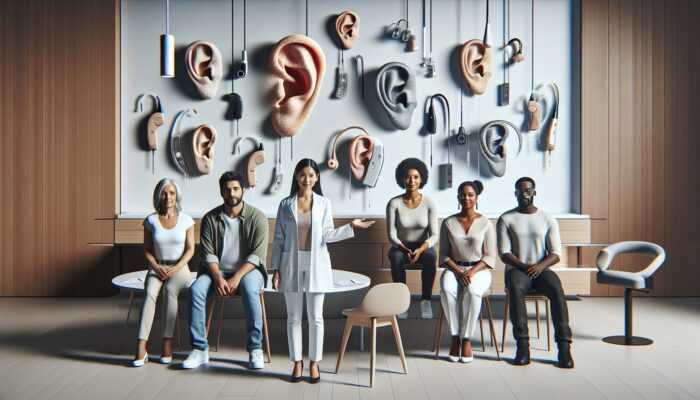
Categories
Health & Wellness Hearing Support

Audiologists: Key Players in Selecting Hearing Aids

Last Updated on 20/06/2025 by Admin

Understanding the Essential Importance of Professional Hearing Assessments in Audiology

Conducting Detailed Hearing Evaluations as the Initial Step Towards Better Hearing

An audiologist performing a hearing evaluation with advanced equipment in a modern clinic.

A comprehensive and thorough hearing evaluation is crucial as it lays the groundwork for successful audiology services, enabling audiologists to utilise their expertise in selecting the right hearing aids. This intricate process commences with an extensive patient consultation, during which audiologists gather vital information related to the patient’s medical history, daily routines, and specific hearing challenges. Following this initial interview, audiologists implement a series of diagnostic tests, such as pure-tone audiometry and speech recognition assessments, to accurately evaluate the type and extent of hearing loss the patient is experiencing.

With the rapid advancements in technology, audiologists now have access to state-of-the-art diagnostic tools that significantly enhance their evaluation procedures. For instance, high-frequency audiometry tests are capable of detecting early signs of hearing loss that traditional assessments may fail to identify. The insights gained from these detailed evaluations empower audiologists to devise a tailored treatment plan, ensuring that the selected hearing aids are specifically designed to cater to each patient’s unique auditory needs and preferences.

In addition to auditory evaluations, initial assessments take into account the emotional and psychological impacts associated with hearing loss. Many individuals may experience feelings of isolation or frustration due to their hearing impairments, which can adversely affect their mental well-being. By recognising these essential factors, audiologists adopt a holistic approach that not only addresses the technical aspects of hearing loss but also supports patients in navigating the emotional adjustments required as they acclimate to their new hearing aids.

Developing Customised Hearing Profiles for Optimal Hearing Aid Solutions

Creating personalised hearing profiles is a fundamental aspect of audiologists’ roles in hearing aid selection. After performing initial evaluations, audiologists carefully scrutinise the results to develop a tailored hearing profile that accurately represents the patient’s individual auditory strengths and weaknesses. This comprehensive profile acts as a guiding framework for both the audiologist and the patient throughout the hearing aid selection journey, ensuring that the chosen devices fulfil specific personal requirements.

The customisation of hearing solutions goes far beyond merely matching device specifications to the patient’s hearing loss. Audiologists take into account a variety of factors, such as the patient’s daily environment, lifestyle habits, and personal preferences. For example, a professional who frequently attends business meetings might require hearing aids that deliver exceptional sound clarity even amidst noisy surroundings, while a retiree who enjoys family gatherings may prioritise comfort and ease of use in their devices.

Additionally, advancements in technology enable audiologists to craft dynamic hearing profiles that evolve as patients’ hearing needs change over time. As patients encounter diverse listening situations or experience shifts in their hearing ability, audiologists can promptly adjust the settings of the hearing aids. This adaptability ensures that patients consistently receive the highest quality auditory experience throughout their hearing aid journey, underscoring the importance of ongoing collaboration between audiologists and their clients.

Ensuring Continuous Monitoring and Adjustments for Long-Term Hearing Aid Success

The process of selecting hearing aids encompasses much more than the initial fitting. Regular follow-up appointments are crucial to ensure that the hearing aids continue to meet the ever-changing needs of the patient. Ongoing evaluations allow audiologists to assess the performance of the devices and determine whether any adjustments are necessary. This proactive approach is a defining characteristic of audiologists’ roles in hearing aid selection.

During these follow-up sessions, audiologists often carry out further evaluations to assess the effectiveness of the hearing aids. They may inquire about the patient’s experiences, seeking feedback on comfort levels and sound quality across various environments. If patients report challenges—such as difficulty hearing in noisy situations or discomfort from their devices—audiologists can swiftly make modifications to device settings or recommend alternative models that may better suit their needs.

Moreover, these follow-up appointments present valuable opportunities for patient education. Audiologists can provide guidance on the proper maintenance and care of hearing aids, address common issues, and discuss any concerns that may arise. This continuous support fosters a collaborative relationship, ensuring that patients feel empowered and actively involved in their journey toward improved hearing health.

Choosing the Ideal Hearing Devices Tailored to Individual Requirements

A diverse group consulting an audiologist about tailored hearing devices in a modern clinic.

Discovering the Wide Range of Hearing Aid Types Available in the Market

In the pursuit of the most suitable hearing aid, audiologists play a crucial role in educating patients about the extensive variety of devices available on the market. Each type of hearing aid possesses distinct functionalities, advantages, and potential challenges. For example, certain devices may be tailored for individuals experiencing mild to moderate hearing loss, while others are specifically engineered for more severe cases.

Behind the scenes, audiologists assess numerous variables, including the degree of hearing loss, the anatomical condition of the ear, and the patient’s lifestyle preferences. For instance, BTE (Behind-The-Ear) aids are renowned for their durability and prolonged battery life, making them ideal for individuals with active lifestyles. Conversely, ITE (In-The-Ear) aids offer a more discreet alternative for those who prioritise aesthetics without compromising sound quality.

Furthermore, audiologists remain updated on the latest advancements in hearing aid technology, including features such as Bluetooth connectivity, which allows users to connect their devices with smartphones and other gadgets for an enriched auditory experience. This expertise enables audiologists to assist patients in effectively navigating their options, ensuring they select devices that not only address their hearing needs but also align with their lifestyle preferences.

Aligning Hearing Aid Technology with Lifestyle for Enhanced Auditory Experiences

The selection of hearing aids goes beyond mere technological specifications; it necessitates aligning that technology with the patient’s everyday life. Audiologists excel at matching devices to individual lifestyles, a critical facet of audiologists’ roles in hearing aid selection. Understanding how patients engage with their environments can significantly inform the types of hearing aids recommended.

For instance, a patient who frequently attends concerts or social gatherings might benefit from hearing aids equipped with advanced noise-cancellation technology. These devices can effectively filter background noise, allowing users to concentrate on conversations without being overwhelmed by surrounding sounds. Conversely, an individual who leads a quieter lifestyle may prioritise comfort and battery longevity over high-tech features.

Audiologists also consider the patient’s daily routines when suggesting supplementary accessories and devices. For example, an active individual may find value in accessories designed for moisture and dirt resistance, while someone who travels regularly may favour lightweight and easily storable hearing aids. By taking into account the patient’s overall lifestyle, audiologists ensure that the selected hearing aids seamlessly integrate into their daily routines.

Navigating Financial Considerations and Insurance Coverage for Hearing Aids

Audiologist discussing hearing aid costs and insurance with patient using charts in clinic.

Grasping the financial implications associated with hearing aids can prove challenging for many patients. Audiologists are instrumental in guiding individuals through this often-complex landscape, assisting them in understanding the costs linked to hearing aids and the potential for insurance coverage. This aspect of audiologists’ roles in hearing aid selection is vital in empowering patients to make informed decisions.

The price of hearing aids can fluctuate significantly depending on the technology, brand, and features involved. Audiologists clarify these expenses by providing patients with a detailed breakdown of what to anticipate. They can also discuss various financing alternatives, including payment plans and potential rebates offered by manufacturers or organisations, thus making the process more manageable for patients.

Insurance coverage for hearing aids can often be inconsistent and perplexing. Audiologists assist patients in deciphering their insurance policies, helping them navigate the claims process and understand which costs may be covered. By offering this invaluable support, audiologists alleviate financial stress, empowering patients to prioritise their hearing health without the overwhelming burden of costs.

Fitting and Programming: Achieving Optimal Alignment for Hearing Aids

Comprehensive Custom Fitting for Enhanced Comfort and Performance

Achieving a proper fit is one of the most critical stages of the hearing aid selection process. Audiologists leverage their specialised knowledge to ensure that hearing aids fit comfortably and securely in the patient’s ear. This meticulous fitting process not only improves the overall user experience but is also essential for optimal sound quality—an integral component of audiologists’ roles in hearing aid selection.

During the fitting procedure, audiologists measure the dimensions of the patient’s ear canals and create moulds when necessary. This level of customisation is particularly important for ITE devices, which require precise measurements to guarantee a comfortable fit. A well-fitted hearing aid reduces the risk of feedback and enhances sound transmission, allowing patients to experience clearer audio.

The fitting process also involves selecting ear tips, which can significantly improve both comfort and sound quality. Audiologists present patients with various options, taking into account factors such as ear shape and sensitivity. This attention to detail ensures that patients not only appreciate the aesthetics of their hearing aids but also experience a marked improvement in their auditory capabilities.

Programming Hearing Aids for Maximum Listening Efficiency

Each patient’s hearing profile is unique, and the programming of hearing aids must reflect this individuality. Audiologists are trained to fine-tune the settings of hearing aids to optimise their performance based on the patient’s specific auditory requirements. This aspect is crucial to audiologists’ roles in hearing aid selection.

Programming involves adjusting various parameters, including volume levels, frequency responses, and noise reduction settings, to accommodate different listening environments. For example, a patient may need distinct settings for quiet home settings compared to busy public areas. Audiologists utilise advanced software and tools to execute these adjustments, ensuring that each hearing aid is tailored to enhance the user’s listening experience.

Moreover, advancements in technology have led to the creation of programmable hearing aids that allow for real-time adjustments. Audiologists can modify settings remotely, providing convenience for patients and ensuring that their hearing aids remain effective as their needs evolve over time.

Empowering Patients Through Comprehensive Education and Training

A vital aspect of the fitting and programming process is patient education. Audiologists dedicate time to instruct patients on how to effectively use and maintain their hearing aids. This step is essential to audiologists’ roles in hearing aid selection and ensures that patients feel confident and empowered throughout their hearing journey.

During training sessions, audiologists explain the various functionalities of the hearing aids, including operating instructions and the importance of regular maintenance. Patients learn essential skills such as battery replacement, cleaning procedures, and troubleshooting common issues. This educational approach helps demystify the technology, making it more accessible and user-friendly for patients.

Furthermore, audiologists encourage patients to engage actively by asking questions and expressing their concerns. This open line of communication fosters a collaborative relationship, allowing audiologists to adapt their education to suit the specific needs and preferences of each individual. By equipping patients with the necessary knowledge and skills, audiologists empower them to thrive in their hearing health journey.

The Importance of Follow-Up Appointments for Ongoing Care

Follow-up appointments are an essential component of the hearing aid journey, reinforcing audiologists’ roles in hearing aid selection. These visits enable audiologists to evaluate how well the hearing aids are functioning for the patient and to make any necessary adjustments. Regular check-ins ensure that patients remain satisfied with their devices and that their hearing needs are consistently met.

During follow-up visits, audiologists frequently conduct additional assessments to evaluate the performance of the hearing aids. They may solicit feedback from patients regarding sound quality, comfort, and functionality. If patients experience challenges or express concerns, audiologists can quickly address these issues, whether through minor adjustments or by exploring alternative devices that may be more suitable.

These appointments also serve as opportunities for ongoing education. Audiologists can share tips on optimising hearing aid usage, inform patients about new research or advancements in technology, and highlight the importance of consistent hearing health monitoring. This commitment to patient care extends beyond the initial fitting, ensuring that patients receive the support they need throughout their hearing journey.

Overcoming Common Challenges Associated with Hearing Aids

Despite the advanced technology available today, patients may still encounter challenges while using their hearing aids. Audiologists are well-equipped to tackle these common issues, a critical aspect of audiologists’ roles in hearing aid selection. By providing troubleshooting support, audiologists assist patients in navigating potential problems, ensuring they can continue to reap the benefits of their devices.

Common challenges may include sound distortion, feedback, or discomfort. Audiologists guide patients in identifying the sources of these issues and recommending solutions. For instance, if a patient experiences feedback, the audiologist might suggest adjustments to the fit or settings of the device to resolve the problem.

Additionally, audiologists offer valuable maintenance tips, ensuring patients understand the importance of regular cleaning and care for their hearing aids. This proactive approach helps minimise potential problems and extends the lifespan of the devices, enhancing user satisfaction and experience.

Addressing Patient Concerns to Enhance Satisfaction and Trust

Establishing Realistic Expectations for Hearing Aids

One of the most significant aspects of the patient-audiologist relationship is managing expectations related to hearing aids. Audiologists play a vital role in helping patients understand what to realistically expect from their devices, a core aspect of audiologists’ roles in hearing aid selection.

Many patients approach the process with preconceived notions or misconceptions about hearing aids. Audiologists must clarify that while modern technology has made significant strides, hearing aids are not a cure for hearing loss. Instead, they function as tools designed to enhance hearing, and the adjustment period can differ for each individual. Audiologists can support patients through this transition, emphasising the importance of patience and regular adjustments as they adapt to their new auditory experiences.

Moreover, discussing the limitations of hearing aids is equally critical. For example, patients should be informed that certain environments, particularly those with substantial background noise, may still pose challenges. By setting realistic expectations, audiologists help patients concentrate on the positive aspects of their hearing aids and appreciate the improvements they bring to their quality of life.

Providing Effective Solutions for Common Hearing Aid Issues

As patients embark on their journey with hearing aids, they may experience a variety of challenges. Audiologists prove to be invaluable resources for troubleshooting these common problems, further reinforcing audiologists’ roles in hearing aid selection. By offering practical solutions and support, audiologists assist patients in effectively managing these challenges.

Common issues may range from difficulties with sound clarity to discomfort and battery performance. Audiologists help patients identify the underlying causes of these problems and provide actionable solutions. For example, if a patient reports that sounds appear muffled, the audiologist may recommend a follow-up appointment to adjust the device’s settings or ensure that filters are clean.

Audiologists also educate patients on common maintenance practices that can avert potential issues, such as keeping hearing aids dry and avoiding exposure to extreme temperatures. This knowledge empowers patients to take proactive measures regarding their hearing health, ensuring that their devices function optimally.

Providing Emotional and Psychological Support Throughout the Hearing Journey

The process of adjusting to hearing aids can elicit a spectrum of emotional and psychological responses within patients. Audiologists understand the importance of offering emotional support as part of audiologists’ roles in hearing aid selection. By addressing the psychological dimensions of hearing loss, audiologists can provide a more comprehensive approach to patient care.

Many individuals may experience anxiety or embarrassment regarding their hearing loss, which can hinder their willingness to seek assistance. Audiologists strive to create a safe and supportive environment where patients feel comfortable expressing their concerns. By actively listening and validating their emotions, audiologists empower patients to embrace their hearing aids as essential tools for enhancing their quality of life.

Additionally, audiologists can connect patients with support groups or resources that foster community and understanding. These networks allow patients to share experiences, learn from one another, and combat feelings of isolation. This comprehensive support system not only facilitates the adjustment process but also encourages patients to remain proactive in their hearing health journey.

Investigating Technological Innovations in Audiology

Transformative Innovations Reshaping Hearing Aids

In the fast-evolving realm of audiology, staying abreast of the latest innovations in hearing aids is imperative for audiologists. The emergence of advanced technologies has profoundly transformed audiologists’ roles in hearing aid selection, enabling tailored solutions that address the diverse needs of patients around the globe.

Recent innovations encompass hearing aids equipped with artificial intelligence (AI), which can adapt to the user’s listening environment in real-time. This technology allows devices to automatically adjust volume levels and filter out background noise, thereby enhancing conversational clarity. Additionally, many contemporary hearing aids offer connectivity options, allowing users to stream audio directly from their smartphones, televisions, or other devices, further enriching their auditory experiences.

Another significant advancement is the creation of rechargeable hearing aids, which eliminate the inconvenience of frequent battery replacements. This convenience is particularly appealing to active individuals who wish to ensure their devices are always ready for use. By incorporating these innovations into their practice, audiologists can provide patients with cutting-edge solutions that improve their hearing capabilities and overall satisfaction.

Seamless Integration with Other Technologies to Enhance User Experience

The integration of hearing aids with other technologies represents a notable trend in the field of audiology, reinforcing audiologists’ roles in hearing aid selection. This capability enables users to experience seamless connections with their preferred technologies, significantly enhancing their daily auditory experiences.

For example, many modern hearing aids feature Bluetooth technology, allowing users to connect their devices directly to smartphones, televisions, and computers. This functionality facilitates hands-free phone calls, direct streaming of music or podcasts, and even adjusting settings through mobile applications. Such connectivity not only enhances convenience but also fosters independence, enabling users to customise their listening experiences according to their specific needs.

Audiologists play a pivotal role in guiding patients through this technological landscape. They educate users on the various integration options available, demonstrating how to establish connections and troubleshoot potential issues. By doing so, audiologists help patients maximise the benefits of these integrated features, significantly improving their overall quality of life.

Anticipating Future Trends and Developments in Audiology

As the audiology field continues to advance, anticipating future trends and developments is crucial for audiologists. Innovations are emerging at an accelerated pace, reshaping audiologists’ roles in hearing aid selection and enhancing patient care.

One promising trend is the ongoing miniaturisation of hearing aid technology. As devices become smaller and more discreet, patients can enjoy improved aesthetics without sacrificing performance. This trend is particularly attractive to younger individuals and those who prefer a low-profile solution.

Furthermore, the integration of telehealth services within audiology practice is gaining momentum. Telehealth allows audiologists to conduct remote consultations and follow-up appointments, making hearing care more accessible to patients across the globe. This shift can significantly enhance patient engagement, especially for those in remote areas where access to audiology services may be limited.

As audiologists embrace these emerging trends, they will continue to play a vital role in ensuring that patients receive the latest advancements tailored to their unique requirements. By remaining informed and proactive, audiologists can offer cutting-edge solutions that empower individuals to effectively enhance their hearing health.

The Transformational Impact of Artificial Intelligence on Hearing Aids

Artificial intelligence is revolutionising the field of audiology, significantly improving the functionality and personalisation of hearing aids. The integration of AI into hearing devices represents a pivotal shift in audiologists’ roles in hearing aid selection, enabling a more tailored approach to patient care.

AI-driven hearing aids can analyse a user’s listening environment in real-time, automatically adjusting settings to optimise sound quality. For instance, if a user enters a noisy restaurant, the AI can enhance speech recognition while minimising background noise, providing a seamless auditory experience. This level of personalisation was previously unattainable, offering patients a significant upgrade in their hearing experience.

Moreover, AI can track user behaviour and preferences over time, allowing hearing aids to learn and adapt to individual needs. This intelligent technology can even provide insights into hearing health trends, empowering audiologists to make informed decisions during follow-up visits. By harnessing the power of AI, audiologists can enhance the overall effectiveness of hearing aids, ensuring that patients receive the best possible care.

As AI continues to progress, its influence will only expand, providing audiologists with innovative tools to enhance their practice and improve patient outcomes. This technological evolution reinforces the significance of the audiologist’s role in guiding patients throughout their hearing health journey.

Fostering Interprofessional Collaboration in Audiology

Collaborating with ENT Specialists to Enhance Patient Care

Collaboration is paramount in the realm of audiology, with one of the most critical partnerships being between audiologists and ear, nose, and throat (ENT) specialists. This teamwork enhances audiologists’ roles in hearing aid selection by facilitating comprehensive patient care.

ENT specialists play an essential role in diagnosing and treating medical conditions that may impact hearing. By working closely with audiologists, they ensure that patients receive a holistic approach to their hearing health. For instance, if an ENT specialist identifies a medical issue contributing to hearing loss, they can collaborate with the audiologist to formulate a treatment plan that may incorporate hearing aids as part of the solution.

Regular communication between audiologists and ENT specialists guarantees that patients receive timely referrals and follow-up care. This interdisciplinary approach not only improves patient outcomes but also enhances the overall experience, simplifying the navigation process for patients in the often-complex world of hearing health.

Collaborating with Hearing Aid Manufacturers for Enhanced Solutions

Audiologists frequently establish partnerships with hearing aid manufacturers to remain informed about the latest products and technological advancements. These collaborations are crucial in audiologists’ roles in hearing aid selection, enabling them to provide patients with the most effective and innovative devices available.

By maintaining relationships with manufacturers, audiologists gain access to the latest product information, training, and support. This knowledge equips them to recommend devices that best suit their patients’ unique needs. Furthermore, these partnerships can facilitate hands-on workshops and training sessions, allowing audiologists to gain practical experience with new technologies before they are widely available.

Such collaborations also empower audiologists to advocate for their patients in discussions with manufacturers. They can relay user feedback, highlighting areas for improvement or features that could enhance user experience. This open dialogue fosters a collaborative environment, ultimately benefiting patients by ensuring they receive the best possible care and access to cutting-edge technology.

Implementing an Interdisciplinary Approach to Comprehensive Patient Care

An interdisciplinary approach to audiology involves collaboration among various healthcare professionals, including speech therapists and general practitioners. This teamwork strengthens audiologists’ roles in hearing aid selection by creating a more comprehensive care model for patients.

For instance, individuals with hearing loss may also encounter speech and language difficulties. By collaborating with speech therapists, audiologists can ensure that patients receive holistic support that addresses both auditory and communicative needs. This integrated approach enhances the effectiveness of hearing aids, as patients learn strategies to maximise their usage in everyday conversations.

Additionally, interdisciplinary collaboration can lead to improved patient outcomes. When healthcare professionals communicate effectively and share information, they can create unified treatment plans that consider all aspects of a patient’s health. This holistic framework not only enhances the quality of care but also fosters a supportive environment where patients feel empowered and engaged in their healthcare journey.

Upholding Ethical and Legal Responsibilities in Audiology

Maintaining Professional Standards in Audiology Practice

Audiologists are bound by a set of professional standards and ethical guidelines that govern their practice. Adhering to these standards is essential for preserving the integrity of audiologists’ roles in hearing aid selection and ensuring that patients receive high-quality care.

These standards underscore the importance of evidence-based practice, requiring audiologists to stay informed about the latest research and advancements within the field. This commitment enhances their expertise and enables them to provide patients with accurate information and effective treatment options.

Moreover, ethical guidelines dictate that audiologists prioritise their patients’ well-being above all else. This principle guides their decision-making processes, ensuring that patient interests remain at the forefront of every recommendation. By adhering to professional standards, audiologists build trust with their patients, fostering a strong therapeutic alliance that enhances the overall care experience.

Ensuring Informed Consent and Upholding Patient Rights

Informed consent is a fundamental principle in healthcare, and audiologists are responsible for ensuring that patients fully comprehend their treatment options. This aspect of audiologists’ roles in hearing aid selection highlights the importance of patient autonomy and informed decision-making.

Before recommending hearing aids, audiologists provide patients with comprehensive information regarding the devices, including their benefits, limitations, and potential risks. This transparent communication empowers patients to make informed choices that align with their needs and preferences.

Furthermore, audiologists must respect patient rights throughout the treatment process. This includes safeguarding patient confidentiality and ensuring that individuals feel comfortable discussing their concerns and preferences. By prioritising informed consent and patient rights, audiologists cultivate a collaborative environment where patients feel valued and respected.

Maintaining Confidentiality and Adhering to Data Protection Standards

Protecting patient information is a critical responsibility for audiologists. Ensuring confidentiality is paramount in maintaining trust and integrity in audiologists’ roles in hearing aid selection.

Audiologists must comply with strict regulations regarding data protection, including safeguarding sensitive patient information and maintaining secure records. By implementing robust data protection measures, audiologists can ensure that patient information remains confidential, fostering a sense of security and trust.

Moreover, audiologists must educate patients about their rights concerning data privacy. This transparency empowers individuals to understand how their information is utilised and shared, reinforcing the importance of ethical practices within the field of audiology.

Compliance with Legal Regulations Governing Audiology

Compliance with legal regulations is a fundamental aspect of audiology practice. Audiologists must navigate a complex landscape of laws and regulations that govern their profession, ensuring that they adhere to both local and international standards. This compliance is a critical element of audiologists’ roles in hearing aid selection, safeguarding patient rights and ensuring high-quality care.

Legal regulations encompass various aspects, including licensing requirements, scope of practice, and the ethical provision of services. By staying informed about these regulations, audiologists can ensure that their practice remains compliant, thereby protecting both themselves and their patients.

Additionally, compliance with legal regulations fosters accountability within the field of audiology. When audiologists adhere to established standards, they contribute to the overall credibility and professionalism of their profession, ensuring that patients receive the highest level of care.

Making Ethical Decisions in Audiology Practice

Ethical decision-making is a cornerstone of audiology practice, guiding audiologists in their interactions with patients and colleagues. This aspect of audiologists’ roles in hearing aid selection is crucial for ensuring that patient care is delivered ethically and responsibly.

Audiologists often encounter complex situations that necessitate careful consideration of ethical principles. For instance, they must balance patient autonomy with professional recommendations, ensuring that patients feel empowered while also receiving expert guidance. This delicate balance is essential for fostering trust and collaboration within the therapeutic relationship.

Furthermore, audiologists must remain vigilant in identifying and addressing potential ethical dilemmas, whether related to patient care, professional conduct, or interactions with industry stakeholders. By engaging in continuous ethical reflection and discussions, audiologists can uphold the highest standards of practice, ensuring that they act in the best interests of their patients.

Commitment to Ongoing Education and Professional Development

Staying Updated with Cutting-Edge Research in Audiology

In the rapidly evolving field of audiology, remaining current with the latest research is vital for audiologists. This commitment to continuous learning enhances audiologists’ roles in hearing aid selection, ensuring that they provide patients with the most effective and evidence-based solutions available.

Audiologists are encouraged to engage in ongoing education through various channels, including workshops, conferences, and professional journals. By actively participating in these opportunities, they remain informed about the latest advancements in hearing technology, diagnostic techniques, and treatment approaches.

Moreover, staying abreast of research enables audiologists to critically evaluate new products and technologies prior to recommending them to patients. This evidence-based approach ensures that patients receive the highest quality care and access to cutting-edge solutions that meet their unique needs.

Participating in Professional Workshops and Conferences for Growth

Engaging in workshops and conferences constitutes a valuable component of professional development for audiologists. These events provide opportunities for networking, collaboration, and learning from industry experts. By attending workshops and conferences, audiologists can enhance their knowledge and skills, reinforcing audiologists’ roles in hearing aid selection.

Workshops often focus on specific areas of audiology, such as new assessment techniques or advancements in hearing aid technology. Audiologists gain hands-on experience and practical insights that they can immediately apply in their practice. Moreover, conferences serve as platforms for sharing research findings, discussing best practices, and exploring innovative approaches to patient care.

By engaging in these professional development opportunities, audiologists cultivate a culture of lifelong learning within their practice, ultimately benefitting their patients through enhanced care and support.

Understanding Certification and Licensing Requirements for Audiologists

Maintaining certification and licensing is essential for audiologists to practice legally and ethically. Compliance with these requirements constitutes a crucial aspect of audiologists’ roles in hearing aid selection, ensuring that they uphold professional standards and provide high-quality care.

Certification and licensing requirements vary by region, but they generally encompass educational qualifications, continuing education mandates, and examinations. By meeting these criteria, audiologists demonstrate their commitment to maintaining their knowledge and expertise within the field.

Furthermore, adhering to certification and licensing requirements enhances the credibility of audiologists within the healthcare community. Patients are more likely to trust practitioners who are committed to ongoing education and have met rigorous standards, further reinforcing the importance of remaining current in the field.

Frequently Asked Questions (FAQs) regarding Hearing Aids

What qualifications are necessary to become an audiologist?

Typically, audiologists require a Doctor of Audiology (Au.D.) degree, which encompasses extensive training in hearing science, diagnostics, and hearing aid selection. Many countries also mandate licensure or certification to practise.

How do audiologists assess hearing loss?

Audiologists evaluate hearing loss through a series of comprehensive tests, including pure-tone audiometry, speech recognition assessments, and tympanometry, to accurately determine the type and severity of hearing loss.

What factors influence the selection of hearing aids?

Factors influencing hearing aid selection encompass the type and degree of hearing loss, the patient’s lifestyle, personal preferences, and budgetary considerations. Audiologists tailor their recommendations based on these essential aspects.

How frequently should I have my hearing aids checked?

It is advisable to have your hearing aids evaluated at least once a year or sooner if you notice changes in your hearing or experience issues with the devices. Regular follow-ups ensure optimal performance.

Can hearing aids assist in managing tinnitus?

Yes, hearing aids can help manage tinnitus by amplifying external sounds, which may effectively mask the perception of ringing or buzzing in the ears. Audiologists can provide personalised solutions for tinnitus management.

Are there different styles of hearing aids available?

Yes, there is a variety of hearing aid styles, including Behind-The-Ear (BTE), In-The-Ear (ITE), and Completely-In-Canal (CIC). Each style boasts unique features and benefits tailored to different needs.

How should I care for my hearing aids?

Caring for hearing aids involves regular cleaning, ensuring they remain dry, replacing batteries as needed, and storing them safely. Audiologists provide specific maintenance tips tailored to each device.

What should I expect during a hearing aid fitting?

During a hearing aid fitting, an audiologist will assess the fit and comfort of the devices, programme them according to your hearing profile, and provide instructions on usage and maintenance.

What is the typical lifespan of hearing aids?

Hearing aids generally last around 3-7 years, depending on usage and maintenance practices. Regular check-ups can help extend their lifespan and ensure optimal performance.

What costs are associated with hearing aids?

Costs for hearing aids can vary widely based on brand, technology, and features. Audiologists can guide patients through financing options and insurance coverage to effectively manage expenses.

Explore our world on X!

The post Audiologists and Their Role in Choosing Hearing Aids appeared first on The Microsuction Ear Wax Removal Network.
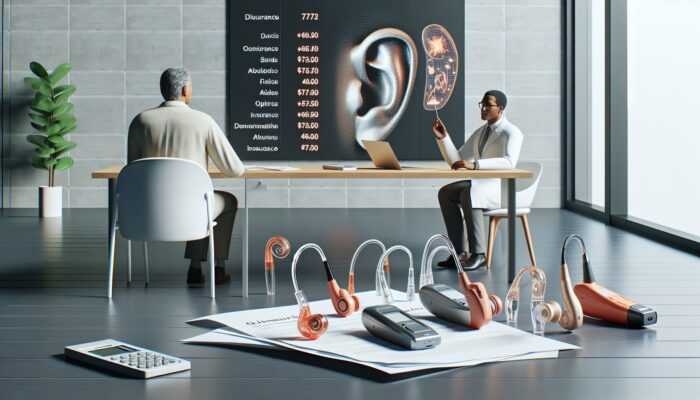
Categories
Health & Wellness Staff Management

Effective Strategies for Managing Healthcare Staff Turnover

Understanding the Critical Factors Influencing High Turnover Rates in the Healthcare Sector

Recognising the essential elements that contribute to elevated turnover rates among healthcare personnel is crucial for effective management. High turnover disrupts the continuity of <a href="https://healthcaremarketingservice.com/quality-assurance-in-medical-transcription-for-patient-care/">patient care</a> and leads to significant financial repercussions related to recruitment and training. By conducting an in-depth analysis of these underlying factors, healthcare organisations can formulate tailored strategies aimed at retaining vital employees and bolstering overall team stability. This proactive approach not only nurtures a sense of loyalty among staff but also fosters an encouraging work environment crucial for upholding high standards of care within the healthcare industry.

Mitigating Workload and Stress Challenges in Healthcare Environments

The prevalence of overwhelming workloads alongside elevated stress levels represents a significant challenge within the healthcare sector, often resulting in burnout and increased turnover rates. The demanding nature of roles in healthcare frequently entails long hours, the management of emotionally charged situations, and the navigation of complex patient needs. Research indicates that when staff members feel inundated by their responsibilities, their job satisfaction diminishes, consequently heightening their intentions to leave. It is vital for healthcare organisations to comprehensively address these issues to cultivate a more sustainable work environment for their employees.

To effectively confront these challenges, healthcare organisations can adopt a variety of strategies, including regular assessments of workloads and the creation of a culture that prioritises mental health and wellbeing. For instance, introducing additional support staff or utilising technology to optimise administrative tasks can significantly reduce some of the pressures faced by healthcare professionals. Moreover, offering training in stress management techniques can equip staff with essential tools to better navigate the emotional demands of their roles, ultimately leading to enhanced job satisfaction and improved retention rates.

Regularly evaluating staff morale and workload through anonymous surveys or feedback mechanisms is essential. This proactive approach not only aids in identifying issues early on but also communicates to employees that their wellbeing is a priority for the organisation. By adopting a holistic perspective on health and operational efficiency, healthcare organisations can effectively mitigate turnover driven by workload stress and foster a more robust workforce.

Providing Competitive Compensation and Benefits for Healthcare Professionals

In the highly competitive healthcare landscape, the importance of salaries and benefits cannot be overstated when it comes to retaining skilled staff. Healthcare professionals often receive enticing offers from rival organisations promising superior pay and enhanced benefits. Thus, maintaining a competitive compensation framework is crucial to dissuade skilled individuals from seeking alternative job opportunities. Ensuring that healthcare professionals feel valued through adequate remuneration is vital for sustaining employee retention.

Organisations must routinely benchmark their compensation packages against industry standards, ensuring that their pay rates remain attractive within the market. Beyond monetary compensation, a comprehensive benefits package that includes health insurance, retirement plans, and paid leave is essential to demonstrate a commitment to staff welfare. Additionally, introducing performance-related bonuses or other incentives can further motivate employees and cultivate a culture of loyalty within the organisation.

Employers should also consider the unique needs of their workforce when designing benefits packages. For instance, offering flexible working arrangements, childcare assistance, or wellness programmes can significantly enhance job satisfaction and employee retention rates. By ensuring that pay and benefits align with employee expectations and requirements, healthcare organisations can effectively reduce turnover while attracting and retaining top talent in the industry.

Promoting Career Development Opportunities for Healthcare Staff

The lack of opportunities for career advancement can be a significant factor driving turnover within the healthcare sector. Professionals increasingly seek roles that not only provide financial security but also facilitate personal and professional growth. When employees perceive a stagnation in their career progression, they are more inclined to explore alternative employment opportunities that promise greater advancement potential. Understanding and addressing these aspirations is critical for retaining skilled professionals within the healthcare field.

To effectively retain talented staff, organisations should prioritise career development initiatives, which may range from structured mentoring programmes to funding for further education and specialised training. By investing in the professional growth of their employees, organisations not only enhance their skill sets but also demonstrate a commitment to their long-term success, fostering a culture of loyalty and retention.

Furthermore, creating clear pathways for advancement can act as a significant motivator for staff to remain within the organisation. Conducting regular performance evaluations that focus on personal career aspirations and progress can align employee goals with organisational objectives, ensuring that staff members feel valued and supported in their ambitions. By nurturing a culture that promotes continuous development, healthcare organisations can significantly bolster retention rates and cultivate a dedicated workforce.

Establishing a Positive Workplace Culture in Healthcare Settings

A toxic or unsupportive workplace culture can greatly exacerbate high turnover rates within healthcare environments. When the organisational atmosphere lacks collaboration, respect, and appreciation, employees may feel undervalued and disengaged, prompting them to seek more supportive workplaces. A positive workplace culture is not only instrumental in enhancing job satisfaction but also plays a pivotal role in staff retention. Creating an environment where employees feel valued is crucial for maintaining a stable workforce.

To cultivate a supportive culture, leadership must exemplify values of respect and inclusivity. Regular team-building events and open communication forums can foster strong relationships among staff, enhancing their sense of belonging and community. Moreover, recognising and celebrating achievements—no matter how small—can elevate morale and reinforce a positive organisational culture, contributing to employee satisfaction.

Implementing ongoing training on communication skills and conflict resolution can also empower staff with the necessary tools to navigate interpersonal challenges effectively, further enriching the workplace atmosphere. By actively cultivating a positive workplace culture, healthcare organisations can significantly lower turnover rates and create an environment where healthcare professionals feel inspired to remain and contribute to patient care.

Implementing Strategic Approaches to Enhance Employee Retention in Healthcare

The execution of effective retention strategies is fundamental in tackling the challenges posed by high turnover rates within the healthcare sector. By identifying and implementing tailored approaches, organisations can nurture an environment that prioritises employee satisfaction, ultimately leading to superior patient care outcomes. A strategic focus on retention not only enhances workforce stability but also contributes to the overall success of the organisation.

Adopting Flexible Working Arrangements to Support Healthcare Professionals

The demand for flexible working arrangements has surged significantly in recent years, particularly within the healthcare sector. Offering flexible hours and remote work options can substantially boost staff satisfaction and retention. Many healthcare professionals grapple with personal obligations, such as childcare or eldercare responsibilities, which frequently conflict with traditional work schedules. Providing the option to adjust working hours can significantly alleviate stress and improve work-life balance, leading to a more engaged workforce.

Employers can explore various models of flexibility, such as compressed workweeks, telehealth integration, or staggered shifts, enabling employees to tailor their schedules to better fit their needs. This flexibility not only conveys respect for employees’ personal lives but also fosters a more committed and engaged workforce, ultimately benefiting patient care.

Moreover, organisations that encourage flexibility are often perceived as more progressive, enhancing their reputation within the job market. This competitive edge can attract top talent and diminish turnover rates, as employees are more inclined to stay with organisations that accommodate their individual circumstances and promote a healthy work-life balance.

Implementing Recognition and Reward Initiatives to Boost Employee Morale

Regularly recognising and rewarding staff efforts is a powerful strategy for enhancing morale and fostering employee loyalty. When healthcare professionals feel appreciated for their hard work and contributions, they are more likely to remain committed to their roles. Recognition can take various forms, from informal praise to structured reward programmes, and should be tailored to fit the unique culture of the organisation.

Establishing a structured recognition programme can ensure that staff contributions are consistently acknowledged and appreciated. This may encompass initiatives such as employee of the month awards, performance bonuses, or public recognition during team meetings. Such programmes not only enhance individual job satisfaction but also cultivate a collective sense of pride and teamwork among staff members.

Furthermore, recognition should be specific and timely, highlighting particular achievements or efforts. This personalised approach reinforces positive behaviours and encourages employees to continue performing at a high level. By integrating recognition into the organisational culture, healthcare providers can significantly improve retention rates and foster a more motivated and satisfied workforce.

Providing Professional Development Opportunities for Healthcare Staff

Offering professional development opportunities can greatly enhance staff skills and commitment, ultimately leading to improved retention rates. In an ever-evolving healthcare landscape, continuous learning is essential for maintaining high standards of care. Employees who feel supported in their professional growth and development are more likely to remain loyal to their organisation, contributing to overall success.

Organisations can provide a diverse array of development opportunities, including workshops, conferences, e-learning modules, and mentorship programmes. These initiatives not only equip employees with the latest knowledge and skills but also demonstrate a commitment to their professional growth and career advancement.

Promoting a culture of continuous improvement can further enhance staff engagement and satisfaction. Encouraging employees to pursue certifications or specialised training not only enhances their expertise but also creates pathways for career advancement within the organisation. By investing in employees’ futures, healthcare organisations can cultivate loyalty and significantly reduce turnover, thereby ensuring the delivery of high-quality patient care.

Enhancing Workplace Culture to Foster Employee Retention

Enhancing workplace culture is a critical component in addressing staff turnover within healthcare. A positive and supportive environment can significantly impact job satisfaction and employee retention rates. Establishing a culture that values and prioritises the wellbeing of staff is essential for maintaining a committed and effective workforce.

Encouraging Work-Life Balance for Healthcare Employees

Creating a culture that values work-life balance is essential for reducing stress and turnover among healthcare professionals. In the demanding healthcare sector, employees often struggle to juggle their professional responsibilities with personal commitments, leading to burnout and dissatisfaction. By actively promoting a healthy work-life balance, organisations can cultivate a more engaged and committed workforce, ultimately benefiting both employees and patients.

Employers can implement policies that support work-life balance, such as flexible working hours, remote work options, and generous leave policies. Encouraging employees to utilise their allocated annual leave and promoting mental health days can also help mitigate the risk of burnout, ensuring staff members feel supported in their personal and professional lives.

Moreover, fostering an environment where employees feel comfortable discussing their work-life balance needs is vital. Regular check-ins or feedback sessions can provide staff with a platform to express their concerns, enabling managers to identify areas for improvement. By prioritising work-life balance, healthcare organisations can create a supportive atmosphere that enhances employee satisfaction and significantly reduces turnover rates.

Creating a Supportive Environment for Healthcare Staff

A nurturing work environment fosters a sense of belonging among healthcare staff and can significantly reduce their desire to leave the organisation. When employees feel valued and supported, they are more likely to remain committed to their roles. This can be achieved by promoting positive relationships among colleagues and encouraging teamwork and collaboration.

Healthcare organisations should implement initiatives that foster collaboration, such as team-building activities and cross-departmental projects. These opportunities not only encourage strong relationships but also enhance communication and cooperation among staff members, ultimately benefiting patient care.

In addition, establishing a mentorship programme can provide employees with guidance and support, further strengthening their connection to the organisation. By creating a nurturing environment where employees feel appreciated and supported, healthcare organisations can improve retention rates and build a more cohesive and dedicated workforce.

Encouraging Team Collaboration for Enhanced Job Satisfaction

Promoting teamwork and collaboration is vital for improving job satisfaction and retention within healthcare settings. Effective teamwork is essential for delivering high-quality patient care, as it fosters communication and enhances operational efficiency. When staff members collaborate effectively, they are more likely to develop strong relationships and feel a greater sense of belonging within the organisation.

Employers can encourage collaboration by cultivating a culture of openness and trust. This can be achieved through regular team meetings, collaborative projects, and open-door policies that invite staff to share their ideas and concerns. When employees feel comfortable voicing their opinions, they are more likely to engage in constructive discussions and problem-solving, ultimately benefiting the organisation as a whole.

Additionally, implementing team recognition programmes can further reinforce the importance of collaboration. By celebrating collective achievements, organisations can strengthen the bonds between team members and enhance overall morale. Prioritising teamwork not only improves job satisfaction but also contributes to higher retention rates within healthcare settings, ensuring continuity of care for patients.

Fostering Open Communication to Build Trust and Engagement

Encouraging transparent and open communication is essential for building trust and enhancing employee engagement and morale within healthcare organisations. When staff feel comfortable sharing their thoughts, concerns, and suggestions, they are more likely to be invested in their roles and committed to the organisation’s mission and values.

Employers should create multiple channels for communication, such as regular staff meetings, feedback sessions, and anonymous suggestion boxes. This allows employees to express their opinions freely and ensures that their voices are heard. Creating a robust communication framework fosters a culture of transparency and inclusivity.

Furthermore, leadership should be approachable and receptive to feedback. When employees see that their suggestions lead to meaningful changes, their sense of belonging and loyalty to the organisation will undoubtedly increase. By fostering a culture of open communication, healthcare organisations can significantly improve employee satisfaction and retention, creating a more stable workforce.

Investing in Employee Development for Long-Term Success and Retention

Providing opportunities for professional growth and development is vital for increasing job satisfaction and loyalty among healthcare staff. Employees who feel that their organisation is genuinely invested in their future are more likely to remain committed and engaged in their roles, fostering a sense of purpose and belonging.

Organisations can offer a variety of development opportunities, including access to training programmes, workshops, and conferences. Encouraging employees to pursue further education or obtain certifications can enhance their skills and career prospects, ultimately benefiting the organisation through improved performance.

Moreover, establishing clear pathways for advancement within the organisation can motivate staff to remain dedicated. Regularly discussing career goals during performance evaluations can help align employee aspirations with the organisation’s objectives. By investing in employee development, healthcare organisations can create a more skilled and loyal workforce, ultimately reducing turnover rates and enhancing patient care.

Prioritising Staff Wellbeing in the Healthcare Sector for Enhanced Retention

Prioritising staff wellbeing is crucial in the healthcare industry, where professionals often face high levels of stress and emotional demands. Addressing the physical and mental health of employees can lead to improved job satisfaction, reduced turnover, and ultimately better patient care outcomes. A holistic approach to health and wellbeing is essential for maintaining a committed and engaged workforce in healthcare settings.

Providing Comprehensive Mental Health Support for Healthcare Staff

Offering mental health resources and support is essential for helping staff manage stress and remain committed to their roles. The demanding nature of healthcare work can lead to feelings of overwhelm, emotional exhaustion, and burnout. By providing access to mental health services, organisations can demonstrate their commitment to employee wellbeing and resilience.

Employers can implement various initiatives, such as Employee Assistance Programmes (EAPs), counselling services, or designated mental health days. Promoting awareness of mental health issues and encouraging staff to seek help when needed can create a culture of support and understanding within the organisation, ultimately fostering a healthier work environment.

Additionally, training managers to recognise the signs of stress and burnout can further enhance support for employees. By being proactive in addressing mental health concerns, healthcare organisations can improve staff morale and reduce turnover rates, creating a more sustainable workforce dedicated to patient care.

Implementing Physical Health Initiatives for Staff Wellbeing Enhancement

Promoting physical health through comprehensive wellness programmes can enhance overall staff wellbeing and contribute to higher retention rates. Healthcare professionals frequently work long and demanding hours, which can negatively impact their physical health. By prioritising wellness initiatives, employers can encourage staff to take care of their health and wellbeing, ultimately leading to improved job satisfaction and performance.

Organisations can implement various programmes, such as fitness challenges, nutrition workshops, or mindfulness sessions, to support employees in maintaining their physical health. Providing access to gym facilities or fitness classes can also encourage staff to prioritise their wellbeing, fostering a culture of health and wellness within the workplace.

Moreover, offering regular health screenings and promoting a culture of preventive care can further enhance staff wellbeing. By focusing on physical health, healthcare organisations can create a healthier, more engaged workforce, ultimately leading to decreased turnover rates and enhanced patient care.

Creating a Safe Workplace for Healthcare Staff Retention

Ensuring a safe and healthy work environment is essential for retaining healthcare staff. When employees feel secure in their workplace, they are more likely to remain committed and engaged in their roles, contributing positively to the organisation’s overall success.

Employers must prioritise safety by implementing comprehensive health and safety protocols and providing appropriate training for all staff members. Regular safety audits and risk assessments can help identify areas for improvement and ensure compliance with relevant regulations, fostering a culture of safety within the organisation.

Furthermore, cultivating a culture of safety where employees feel empowered to report hazards or concerns can further enhance workplace safety. By prioritising a safe and healthy environment, healthcare organisations can improve staff retention and create a culture of trust and accountability, ultimately benefiting patient care and staff morale.

Implementing Work-Life Balance Strategies for Enhanced Employee Satisfaction

Implementing policies that support work-life balance can significantly improve staff morale and reduce burnout among healthcare professionals. In the demanding healthcare sector, employees often face rigorous schedules that can lead to stress and dissatisfaction. By prioritising work-life balance, organisations can create a more engaged and motivated workforce, ultimately benefiting both employees and patients.

Employers should consider offering flexible working arrangements, such as part-time positions or job sharing, to accommodate employees’ personal commitments. Encouraging staff to utilise their annual leave and take mental health days can also foster a culture that values work-life balance, ensuring that employees feel supported in their personal and professional lives.

Moreover, providing resources and support for time management and stress reduction can equip employees with the tools needed to manage their workload effectively. By prioritising work-life balance, healthcare organisations can improve job satisfaction and significantly reduce turnover rates, creating a more stable and productive workforce.

Offering Ongoing Professional Development Opportunities for Staff Growth

Providing ongoing training and career advancement opportunities can significantly enhance staff satisfaction and retention within healthcare organisations. In the ever-evolving healthcare landscape, professionals must continually develop their skills to provide the best possible care to patients. By investing in their employees’ futures, organisations can foster loyalty and reduce turnover rates.

Healthcare organisations can implement a variety of professional development initiatives, such as mentorship programmes, continuing education courses, or leadership training. By providing access to these opportunities, employers can demonstrate their commitment to employee growth and career progression, ultimately benefiting both staff and the organisation.

Additionally, promoting a culture of continuous learning can further enhance staff engagement and satisfaction. Encouraging employees to pursue their passions and interests within the organisation can create a more satisfied and loyal workforce. By prioritising professional development, healthcare organisations can significantly improve retention rates and ensure the delivery of high-quality patient care.

Implementing Effective Recruitment Practices to Mitigate Turnover in Healthcare

Attracting and retaining the right talent is crucial for effectively managing healthcare staff turnover. Implementing effective recruitment practices can significantly reduce turnover rates while contributing to a more stable and engaged workforce. A strategic approach to recruitment is essential for the long-term success of any healthcare organisation.

Developing Targeted Recruitment Strategies for Optimal Talent Acquisition

Creating targeted recruitment strategies is vital for attracting the right candidates and effectively reducing turnover. By identifying and focusing on specific demographics or skill sets, healthcare organisations can streamline their hiring processes to find the best talent suited for their needs. This targeted approach not only enhances the quality of hires but also contributes to a more cohesive workforce.

Employers should consider leveraging social media platforms, industry-specific job boards, and recruitment agencies to connect with potential candidates. Highlighting the organisation’s unique culture and benefits during the recruitment process can also attract individuals who align with the company’s values and ethos, ensuring a better fit between employees and the workplace.

Moreover, implementing a comprehensive onboarding process can help ensure that new hires feel supported and integrated into the organisation from day one. By prioritising targeted recruitment strategies, healthcare organisations can significantly reduce turnover rates and build a strong, committed team dedicated to delivering exceptional patient care.

Simplifying the Hiring Process for Enhanced Candidate Experience

A smooth and efficient hiring process can greatly improve the candidate experience and retention rates. Lengthy or cumbersome recruitment procedures can deter potential candidates and lead to higher turnover rates among new hires. By streamlining the hiring process, organisations can attract the right talent while ensuring a positive experience for applicants.

Employers should regularly review their hiring procedures and identify areas for improvement, such as simplifying application forms, reducing the number of interview rounds, or implementing technology to automate specific tasks. Ensuring clear communication throughout the hiring process can also enhance candidate experience and foster a sense of connection to the organisation.

Additionally, providing timely feedback to candidates can further improve the hiring experience. By prioritising efficiency in the hiring process, healthcare organisations can effectively find and retain top talent, ensuring a stable workforce capable of meeting patient needs.

Offering Competitive Compensation and Benefits Packages for Talent Retention

Offering competitive compensation and benefits packages is crucial for attracting and retaining top talent within the healthcare sector. With the rising competition for skilled professionals, organisations must ensure they provide attractive packages to remain viable in the job market. This focus on compensation not only aids in recruitment but also plays a vital role in staff retention.

Employers should regularly assess their compensation structures to ensure they align with industry standards. This includes not only salaries but also benefits such as health insurance, pension contributions, and paid leave. Additionally, offering performance-based bonuses or profit-sharing opportunities can motivate employees to remain committed to the organisation, thereby enhancing retention rates.

Furthermore, organisations should consider the unique needs of their workforce when designing benefits packages. Providing flexible working arrangements or wellness programmes can enhance job satisfaction and significantly contribute to higher retention rates. By prioritising competitive packages, healthcare organisations can effectively attract and retain the talent necessary for thriving in a competitive landscape.

Monitoring and Evaluating Turnover for Continuous Improvement in Healthcare

Monitoring and evaluating turnover rates is essential for developing effective retention strategies within healthcare organisations. By regularly assessing staff turnover, organisations can identify underlying issues and implement targeted solutions to enhance employee satisfaction and retention rates.

Conducting Regular Staff Surveys for Insightful Feedback and Improvement

Conducting regular staff surveys can help identify issues contributing to turnover and facilitate prompt resolutions. Gathering feedback from employees allows organisations to gain valuable insights into aspects such as employee satisfaction, morale, and workplace culture. This information is crucial for tailoring retention strategies to meet the needs of the workforce.

Employers should design surveys that cover a range of topics, including job satisfaction, workload, and workplace relationships. Ensuring anonymity can encourage staff to provide honest feedback, leading to more accurate and actionable results that drive positive change within the organisation.

Additionally, organisations should act on the feedback received by implementing changes based on survey results. By demonstrating that employee opinions are valued and taken seriously, organisations can foster loyalty and significantly reduce turnover rates, creating a more stable and engaged workforce.

Analysing Turnover Data for Identifying Trends and Patterns

Analysing turnover data provides valuable insights into patterns and helps develop effective retention strategies. By understanding the underlying reasons for employee departures, organisations can implement targeted interventions to address specific issues, thereby enhancing overall staff satisfaction and retention.

Employers should regularly track turnover rates and categorise departures based on various factors, such as department, tenure, and demographics. This data can help identify trends and areas of concern, allowing organisations to take proactive steps to improve retention and engagement.

Moreover, benchmarking turnover rates against industry standards can provide a clearer picture of organisational performance. By continually analysing turnover data, healthcare organisations can refine their retention strategies and better support their workforce, ultimately resulting in improved patient care and employee satisfaction.

Establishing Feedback and Improvement Cycles for Ongoing Success in Retention

Implementing feedback loops can lead to continuous improvement in staff retention efforts. By regularly gathering input from employees and assessing the effectiveness of retention strategies, organisations can adapt and refine their approaches as needed to ensure they remain relevant and effective.

Employers should establish a culture of continuous improvement by encouraging staff to share their thoughts on retention initiatives. Regular check-ins and feedback sessions can provide opportunities for employees to voice their concerns and suggest improvements, fostering a culture of collaboration and engagement.

Additionally, organisations should regularly evaluate the impact of their retention strategies on turnover rates. By analysing the effectiveness of various initiatives, employers can make informed decisions about where to allocate resources and focus their efforts. This cyclical approach to feedback and improvement can help healthcare organisations optimise their retention strategies and foster a more engaged workforce committed to delivering exceptional patient care.

Collaborating with Healthcare Unions for Enhanced Staff Retention

Collaborating with healthcare unions is essential for improving staff satisfaction and reducing turnover rates. By working together, organisations and unions can develop initiatives that benefit both employees and the organisation as a whole. This partnership fosters a more supportive work environment and enhances overall employee morale and retention.

Negotiating Fair Contracts to Enhance Employee Satisfaction and Loyalty

Working collaboratively with unions to negotiate fair contracts can significantly improve staff satisfaction and reduce turnover. Ensuring that employees receive competitive compensation and benefits is crucial for fostering loyalty and commitment within the healthcare workforce. Fair contracts demonstrate recognition of the hard work and dedication of healthcare professionals.

Employers should engage with union representatives to discuss staff concerns and negotiate contracts that reflect the needs and expectations of healthcare professionals. Transparent communication throughout the negotiation process can help build trust and strengthen the relationship between management and staff, ultimately contributing to a more harmonious workplace culture.

Moreover, regularly reviewing and updating contracts to reflect changes in the industry and workforce expectations can further enhance employee satisfaction. By prioritising fair contracts, healthcare organisations can attract and retain top talent while fostering a positive workplace culture that values employee contributions.

Addressing Union Concerns to Foster a Collaborative Environment

Proactively addressing union concerns can foster a positive relationship and enhance staff retention. When organisations openly engage with unions and demonstrate a willingness to listen to their concerns, it can significantly boost staff morale and loyalty, creating a more cohesive work environment.

Employers should establish regular communication channels with union representatives to discuss ongoing issues and gather feedback. This collaborative approach can help build trust and ensure that employee needs are met, ultimately contributing to a more supportive workplace culture.

Additionally, addressing concerns in a timely and transparent manner can further enhance staff satisfaction. By prioritising open communication and collaboration, healthcare organisations can create a more supportive environment that reduces turnover and enhances employee engagement.

Developing Joint Initiatives for Enhanced Retention and Morale

Collaborating on initiatives aimed at improving retention can benefit both staff and the organisation. By working together, management and unions can develop strategies that address common concerns and enhance overall job satisfaction among healthcare professionals.

Examples of joint initiatives may include professional development programmes, wellness initiatives, or recognition schemes that reward outstanding performance. By pooling resources and expertise, organisations and unions can create comprehensive programmes that support employee wellbeing and career growth, ultimately improving retention rates.

Additionally, regular evaluations of these initiatives can help assess their impact on retention rates and overall employee satisfaction. By prioritising collaboration and joint initiatives, healthcare organisations can create a more engaged and committed workforce, ultimately reducing turnover and enhancing the quality of patient care.

Frequently Asked Questions Regarding Healthcare Staff Retention

What are the primary factors contributing to healthcare staff turnover rates?

The primary factors driving turnover among healthcare staff include elevated workload and stress levels, inadequate pay and benefits, limited career development opportunities, and a toxic workplace culture that undermines employee morale and satisfaction.

How can flexible working arrangements help reduce turnover in the healthcare sector?

Flexible working arrangements enable healthcare professionals to balance personal commitments with job responsibilities, leading to increased job satisfaction and reduced turnover rates. This flexibility fosters a supportive work environment conducive to employee wellbeing.

What role do recognition and rewards play in retaining healthcare staff effectively?

Regular recognition and rewards significantly boost morale and loyalty among healthcare professionals, making employees feel valued and appreciated for their contributions, which in turn reduces turnover rates and enhances overall job satisfaction.

Why is workplace culture critical for staff retention in the healthcare field?

A supportive workplace culture fosters employee engagement and satisfaction. When staff feel valued, included, and respected, they are more likely to remain with the organisation, contributing to a stable and effective workforce.

How can organisations provide effective mental health support for healthcare staff?

Employers can offer mental health resources, such as counselling services and Employee Assistance Programmes (EAPs), and promote awareness of mental health issues to help staff manage stress effectively while prioritising their wellbeing.

What strategies can organisations implement to promote work-life balance for healthcare professionals?

Organisations can offer flexible working hours, encourage employees to take time off, and provide resources for stress management to support staff in achieving work-life balance, thereby enhancing job satisfaction and reducing turnover rates.

How do targeted recruitment strategies impact turnover rates in healthcare?

Targeted recruitment strategies attract candidates who align with organisational values and culture, reducing turnover by ensuring a better fit between employees and the workplace, ultimately leading to increased job satisfaction and retention.

What are the benefits of analysing turnover data for healthcare organisations?

Analysing turnover data helps identify patterns and underlying issues, enabling organisations to implement targeted retention strategies and improve employee satisfaction, thereby fostering a more stable and engaged workforce.

How can collaboration with unions enhance staff retention in the healthcare sector?

Collaborating with unions allows organisations to address staff concerns, negotiate fair contracts, and develop joint initiatives that support employee retention, ultimately fostering a more supportive and collaborative workplace environment.

What professional development opportunities should be offered to healthcare staff?

Organisations should provide access to training programmes, workshops, and mentorship opportunities to support staff in their career growth and enhance retention, ensuring that healthcare professionals feel valued and invested in their futures.

The post Managing Healthcare Staff Turnover: Effective Strategies Unveiled appeared first on Healthcare Marketing Service.

Categories
Health & Wellness Healthcare Systems

Interoperability in Healthcare: Embracing a New Era

In today’s rapidly changing landscape of healthcare, the notion of interoperability has emerged as a crucial element in the effective management of data. As the digital transformation continues to unfold, healthcare providers are increasingly relying on the seamless transfer of information to improve patient care, enhance operational efficiency, and promote innovation. This article explores the complexities of interoperability and emphasizes its significant role in the management of healthcare data.

Discovering the Vital Role of Interoperability in Modern Healthcare

Interoperability refers to the ability of various systems or software applications to exchange and utilise data in a meaningful and efficient manner. In the healthcare sector, this involves the secure and smooth sharing of patient information across different platforms, technologies, and organisations. By enabling interoperability, healthcare providers gain access to essential data from a multitude of sources, facilitating informed decision-making, enhancing care coordination, and ultimately leading to improved patient outcomes.

However, achieving interoperability in healthcare goes beyond the simple exchange of data; it involves the harmonisation of systems, protocols, and standards necessary to ensure that information is both comprehensible and actionable by various healthcare entities. This includes the integration of data from electronic health record (EHR) systems, medical devices, telehealth platforms, and other digital health technologies, thereby fostering a comprehensive approach to healthcare delivery.

Understanding the Critical Need for Interoperability in Effective Healthcare Data Management

  1. Enhancing Care Coordination to Achieve Superior Patient Outcomes: Interoperability enables healthcare providers to share patient information seamlessly, ensuring that all caregivers have access to up-to-date and comprehensive data. This interconnectedness improves care coordination, ultimately leading to better patient outcomes and a significant reduction in medical errors.

With interoperable systems in place, healthcare professionals can obtain a holistic view of a patient’s medical history, current treatment plans, and medication lists. Such comprehensive access allows them to make informed decisions and collaborate effectively with other providers involved in the patient’s care, significantly improving overall care coordination. Enhanced coordination not only leads to better patient outcomes but also results in decreased hospital readmissions and lower healthcare costs over time.

  1. Streamlining Workflow to Achieve Greater Efficiency: Interoperability simplifies the exchange of data between different healthcare systems, thus eliminating the need for manual data entry or redundant processes. This efficiency not only saves valuable time but also alleviates the administrative burden on healthcare professionals, allowing them to focus more on delivering quality patient care.

By implementing interoperable systems, healthcare providers can automate data exchange, removing the necessity for repetitive tasks such as faxing or scanning documents. This automation leads to improved workflow efficiency, a reduction in errors associated with manual data entry, and frees up valuable time for healthcare professionals to devote to patient interactions and care delivery.

  1. Empowering Patients with Access to Their Health Information: By enabling patients to access their own health information, interoperability fosters patient engagement and empowerment. Individuals can take an active role in their care decisions, monitor their health status, and collaborate with healthcare providers to achieve better health outcomes.

Interoperable systems empower patients by granting them access to their medical records, test results, and treatment plans. This transparency allows individuals to take ownership of their health and actively engage in shared decision-making with their healthcare providers. Moreover, patients can utilise health apps and wearable devices to track their vital signs, set health goals, and receive personalised recommendations for managing their conditions, thus enhancing their overall health management strategies.

  1. Driving Research and Innovation through Enhanced Data Access: Interoperable systems allow researchers and innovators to tap into a vast reservoir of health data, accelerating medical research and advancements. This accessibility facilitates the aggregation and analysis of data from diverse sources, yielding valuable insights, personalised treatments, and the development of innovative therapies.

Interoperability plays a pivotal role in propelling medical research and innovation forward. By synthesising data from various sources, researchers can obtain a comprehensive understanding of diseases, treatment outcomes, and population health trends. This rich data pool can lead to the discovery of new therapies, the identification of risk factors, and significant advancements in precision medicine, ultimately benefiting the entire healthcare ecosystem.

A Comprehensive Exploration of the Different Types of Interoperability in Healthcare

Interoperability within healthcare can be classified into three primary levels:

  1. Foundational Interoperability: This level addresses the basic exchange of data without any interpretation or comprehension. It guarantees that data can be transmitted from one system to another without loss or distortion.

Foundational interoperability establishes the necessary technical capabilities for data exchange between systems. It involves the use of standardised data formats, protocols, and communication standards to ensure compatibility among various healthcare technologies. While foundational interoperability is essential for the smooth transmission of data, it does not account for the semantic meaning or interpretation of the data being exchanged.

  1. Structural Interoperability: This level focuses on defining the format and structure of exchanged data. It establishes a common language and standardisation, allowing systems to interpret and process data accurately.

Building upon foundational interoperability, structural interoperability emphasises the organisation and formatting of data. It necessitates the adoption of standardised terminologies, codes, and data models to ensure that information is both comprehensible and processable by different systems. This level of interoperability facilitates the exchange of data with consistent meaning and structure, thus promoting successful data integration and analysis.

  1. Semantic Interoperability: As the highest level of interoperability, semantic interoperability transcends data exchange and focuses on the meaning and understanding of the information. It enables the seamless interpretation and application of data across different systems while ensuring that the context and intent of the data remain intact.

The goal of semantic interoperability is to establish a shared understanding of data through the utilisation of standardised vocabularies, ontologies, and clinical terminologies. This level of interoperability allows systems to share data in a meaningful and clinically relevant manner, empowering healthcare professionals to extract valuable insights and make informed decisions. It is crucial for advanced analytics, decision support systems, and effective management of population health.

Understanding the Challenges and Barriers to Achieving Interoperability

While interoperability offers numerous benefits to healthcare data management, several challenges and barriers impede its widespread adoption:

  1. The Challenge of Standardisation in Data Exchange: The lack of universally accepted standards for data exchange presents a significant obstacle to achieving interoperability. Diverse data formats, terminologies, and coding systems complicate the accurate exchange and interpretation of information.

The absence of standardisation in healthcare data constitutes a major hurdle to interoperability. Different healthcare organisations, vendors, and systems frequently employ proprietary data formats, terminologies, and coding systems that are incompatible with one another. This discrepancy complicates the seamless exchange of data and the integration of information from multiple sources. Ongoing efforts aim to develop and promote the adoption of standardised data exchange formats, such as HL7 and FHIR, to mitigate this challenge.

  1. Addressing Security and Privacy Concerns: The pursuit of interoperability raises significant concerns regarding the security and privacy of sensitive patient data. Healthcare organisations must implement robust security measures and comply with strict privacy regulations to safeguard patient information against unauthorised access or breaches.

As healthcare data becomes increasingly interconnected, the risk of data breaches and unauthorised access escalates. Interoperability necessitates strong security protocols, including encryption, access controls, and audit trails, to protect patient data during both transmission and storage. Moreover, healthcare organisations must adhere to privacy regulations, such as HIPAA, to ensure patient confidentiality and foster trust in interoperable systems.

  1. Integration Challenges with Legacy Systems: Many healthcare institutions continue to rely on outdated legacy systems that lack interoperability capabilities. The process of integrating these antiquated systems with modern, interoperable technologies can be both complex and costly, thereby hindering the seamless exchange of data.

Legacy systems, such as older EHR systems or medical devices, often do not possess the necessary interoperability features to facilitate data exchange with other systems. Upgrading or replacing these systems to achieve interoperability presents a significant challenge for healthcare organisations due to the associated costs, technical complexities, and potential disruptions to existing workflows. Interoperability initiatives must consider the integration needs of legacy systems to promote widespread adoption and functionality.

  1. Overcoming Resistance to Change in Healthcare Culture: Implementing interoperable systems necessitates a cultural shift within healthcare organisations. Resistance to change, coupled with a lack of awareness and reluctance to adopt new technologies, can obstruct progress towards achieving interoperability goals.

Resistance to change remains a common barrier to the implementation of interoperable systems. Healthcare professionals may hesitate to embrace new technologies or workflows due to apprehensions regarding increased workloads, unfamiliarity with new systems, or perceived disruptions to established practices. To effectively overcome this resistance, it is essential to employ education, training, and effective change management strategies that demonstrate the value and benefits of interoperability to healthcare providers and stakeholders.

Anticipating the Promising Future of Interoperability in Healthcare

A futuristic healthcare network with interconnected systems and vibrant data streams integrated through glowing API nodes.

Despite the challenges that lie ahead, the future of interoperability in healthcare looks promising. As technology continues to evolve, interoperability will play a crucial role in shaping the future landscape of healthcare. Below are some key trends and developments to monitor:

  1. Leveraging Application Programming Interfaces (APIs) for Enhanced Integration: APIs facilitate the smooth integration and exchange of data between various applications or systems. By harnessing the power of APIs, healthcare organisations can enhance interoperability and enable the secure sharing of patient information.

APIs provide a standardised approach for diverse healthcare systems to communicate and exchange data effectively. They enable the development of interoperable applications, such as patient portals, telehealth platforms, and population health management tools. Furthermore, APIs allow third-party developers to create innovative solutions that integrate with existing healthcare systems, fostering a dynamic ecosystem of interoperable technologies and enhancing patient outcomes.

  1. Utilising Blockchain Technology for Secure Data Management: Blockchain has the potential to revolutionise healthcare data management by ensuring secure and transparent transactions. Its decentralised nature, immutability, and data integrity features can address privacy concerns while promoting interoperability.

Blockchain technology provides a decentralised and tamper-proof framework for storing and sharing healthcare data. It offers a secure and transparent mechanism for recording transactions, ensuring data integrity, and safeguarding patient privacy. By enabling patients to retain control over their health data and granting permission to healthcare providers for accessing specific information, blockchain facilitates interoperability while ensuring data security and patient consent.

  1. Advancements in Artificial Intelligence (AI) and Machine Learning for Enhanced Data Utilisation: AI and machine learning algorithms can automate data integration, interpretation, and analysis. These technologies can facilitate faster and more accurate information exchanges, enabling improved decision-making and personalised care.

AI and machine learning hold the potential to revolutionise healthcare data management and interoperability. These technologies can automate data extraction, cleansing, and integration from disparate sources, thereby reducing manual efforts and enhancing data quality. AI algorithms can also analyse large datasets to identify patterns, predict outcomes, and support clinical decision-making. By leveraging AI and machine learning, interoperable systems can provide personalised care recommendations, early disease detection, and valuable insights into population health trends.

  1. Government Initiatives and Regulatory Support to Foster Interoperability: Governments around the world are increasingly recognising the importance of interoperability and are establishing regulations to encourage its adoption. Initiatives such as Health Information Exchange (HIE) and Fast Healthcare Interoperability Resources (FHIR) are driving the standardisation and interoperability agenda.

Government support plays a crucial role in advancing interoperability initiatives. Numerous countries have enacted policies, regulations, and incentives aimed at promoting the adoption of interoperable systems. For instance, Health Information Exchange (HIE) initiatives seek to create interconnected healthcare systems for seamless data sharing. The Fast Healthcare Interoperability Resources (FHIR) standard provides a framework for exchanging healthcare information using modern web technologies. These initiatives, coupled with government funding and collaborative efforts, are propelling the adoption of interoperability in healthcare.

Ultimately, interoperability has emerged as a transformative force in healthcare data management, revolutionising the way in which patient information is exchanged and utilised. It enhances care coordination, boosts workflow efficiency, empowers patients, and stimulates research and innovation. By overcoming existing challenges and leveraging emerging technologies, the continued adoption of interoperability will significantly enhance healthcare delivery and outcomes for all stakeholders involved.

Please note that this revised version expands upon the original draft, adding detailed paragraphs, bullet points, and lists to enrich the content.

Frequently Asked Questions Regarding Interoperability in Healthcare

1. How is Interoperability Defined in the Context of Healthcare?

Interoperability refers to the ability of diverse systems or software applications to exchange and effectively utilise data within the healthcare context. This encompasses the secure and seamless sharing of patient information across various platforms, technologies, and organisations.

2. What Benefits Does Interoperability Offer for Healthcare Data Management?

A digital network of healthcare systems exchanging patient data, enhancing care and empowering patients.

Interoperability in healthcare data management provides several advantages, including enhanced care coordination, streamlined workflows, increased patient empowerment, and the facilitation of research and innovation. These benefits collectively contribute to improved healthcare delivery and patient experiences.

3. What Are the Three Main Levels of Interoperability in Healthcare?

The three main levels of interoperability in healthcare include foundational interoperability, structural interoperability, and semantic interoperability. Foundational interoperability focuses on basic data exchange, while structural interoperability defines the format and structure of the exchanged data. Semantic interoperability transcends mere data exchange and centres on the meaning and understanding of the information being shared.

4. What Challenges and Barriers Exist to Achieving Interoperability in Healthcare?

Challenges and barriers to interoperability in healthcare encompass a lack of standardisation, concerns regarding data security and privacy, the prevalence of legacy systems and infrastructure, and resistance to change. These factors collectively hinder the widespread implementation of interoperable systems across the healthcare landscape.

Originally posted 2023-06-12 02:21:15.

The post Interoperability in Healthcare Data Management: A New Era appeared first on Healthcare Marketing Service.

Categories
Health & Wellness Hearing Care

Hearing Aids Storage: Key Tips for Lasting Performance

Last Updated on 22/05/2025 by Admin

Establish an Ideal Storage Environment for Optimal Hearing Aid Care

To guarantee the longevity and peak performance of your hearing aids, it is essential to cultivate an optimal storage environment. Understanding how to store hearing aids effectively begins with managing various crucial factors, including <a href="https://www.earwaxremoval.net/replace-hearing-aid-batteries-easy-step-by-step-guide/">temperature</a>, humidity, and exposure to damaging elements that could compromise their functionality over time. By creating a suitable storage environment, you can greatly enhance the durability of your hearing aids, ensuring they operate at their best for many years ahead.

Maintain a Consistent Temperature for Safe Hearing Aid Storage

It is vital to keep hearing aids at a stable, moderate temperature to protect their delicate components effectively. Extreme temperatures, whether excessively high or low, can inflict irreversible harm on these devices. Storing your hearing aids in locations susceptible to temperature fluctuations, such as nearby radiators, windows, or other heat sources, may adversely affect their electronic components and battery lifespan. The ideal temperature range for storing hearing aids is between 40°F and 85°F (4°C to 29°C), ensuring their functionality and reliability are maintained.

Furthermore, it is essential to consider the impact of seasonal changes, particularly for those residing in regions with extreme climates. During colder months, you may need to identify a stable indoor location that mimics a temperate climate. This concern is particularly relevant for individuals living in areas where temperature changes are dramatic, such as the Arctic or desert climates, as these fluctuations can have a substantial impact on device performance.

Understanding the scientific principles underlying temperature control reinforces its importance. For instance, excessive heat can warp the plastic casing of hearing aids, while extreme cold may adversely affect battery performance. Therefore, maintaining a stable environment is crucial for preserving both the physical integrity and operational efficiency of these essential devices.

Control Humidity Levels to Safeguard Hearing Aids

Humidity is a silent yet significant threat to hearing aids, as moisture is one of the primary causes of device malfunction. To avoid moisture-related issues such as corrosion or mould growth, it is imperative to store hearing aids in a dry environment. High humidity levels, commonly found in tropical areas or during rainy seasons, can lead to moisture accumulation within the devices, posing a serious risk to their functionality.

Utilising silica gel packets or electronic dehumidifiers in storage areas can effectively combat humidity, as these tools absorb excess moisture and create a protective barrier against the detrimental effects of humid air. When travelling or facing unpredictable weather conditions, consider using portable dehumidifying cases to provide an extra layer of protection for your hearing aids, ensuring their continued performance.

Educating users about the effects of humidity on hearing aids can significantly enhance maintenance practices. For instance, individuals living in coastal regions with high humidity should prioritise the use of desiccants and routinely inspect their hearing aids for any signs of moisture damage to maintain their devices’ functionality.

Minimise Exposure to Light for Prolonged Hearing Aid Lifespan

Direct sunlight and ultraviolet (UV) light can degrade hearing aid components, particularly affecting the casing and electronic circuits. Reducing exposure to these harmful elements can greatly extend the life of your devices. Always store hearing aids in a protective case that shields them from sunlight, ensuring they are kept out of direct light sources to prevent damage.

The choice of storage location is equally crucial. Avoid placing hearing aids on a bedside table that faces a window; instead, opt for a closet or drawer where light cannot penetrate. Users in sunny regions, such as parts of Australia or the Mediterranean, should be especially vigilant about light exposure, as it can lead to premature degradation of the devices.

Comprehending the mechanisms behind light damage underscores the necessity of protective measures. UV light can break down the materials used in hearing aids, leading to potential failures over time. Thus, ensuring a dark and dry storage environment is a key strategy for effectively maintaining these crucial devices.

Ensure Clean Air Quality for Optimal Hearing Aid Functionality

A clean, modern hearing aid storage case on a white shelf with cleaning supplies, ensuring a dust-free environment.

A clean storage environment is fundamental for maintaining the performance and longevity of hearing aids. Dust, lint, and other debris can accumulate over time, interfering with the delicate components of these devices. Therefore, it is crucial to store hearing aids in a clean, contamination-free area to prevent such buildup from affecting their efficiency.

Regularly cleaning the storage area can help prevent the accumulation of particles that may compromise the performance of hearing aids. Users should make it a habit to routinely wipe down shelves or compartments where the devices are stored, ensuring that no contaminants can infiltrate and damage the equipment.

Additionally, utilising specialised storage containers can help mitigate exposure to air pollutants. In densely populated urban environments where air quality may be compromised, the impact on hearing aids can be significant. Users should consider investing in air-purifying systems or using sealed containers to further protect their devices from environmental pollutants.

Invest in Quality Storage Containers for Maximum Hearing Aid Protection

Employing designated cases or containers is one of the most effective strategies for safeguarding hearing aids from physical damage and environmental factors. Investing in high-quality storage solutions that provide both protection and convenience is essential for implementing best practices for hearing aid storage.

Specialised cases designed explicitly for hearing aids not only offer a safe haven but often include features such as moisture-absorbing materials and cushioning to prevent impact damage. Portable options can be particularly beneficial for individuals on the go, ensuring that hearing aids are always secure, whether at home or while travelling.

Moreover, understanding the diverse range of storage options available can enhance user experience. For example, users might consider hard-shell cases for travel and softer, flexible cases for daily use. The choice of materials and design can significantly impact how well hearing aids are stored, underscoring the importance of selecting the right container for specific situations.

Implement Daily Storage Practices for Hearing Aids

Establishing consistent daily storage practices not only preserves the functionality of hearing aids but also enhances their overall lifespan. From effective battery management to regular cleaning routines, these practices are essential for ensuring optimal performance and longevity of the devices.

Remove Batteries to Prevent Corrosion and Damage

Taking out batteries from hearing aids during storage is a critical step in preventing corrosion. Over time, batteries can leak, leading to significant damage to the internal components of the devices. Users should develop a routine of removing batteries each night or when they anticipate not using their hearing aids for extended periods to safeguard the devices from potential harm.

Additionally, it is essential to consider the type of batteries being used. While rechargeable batteries offer convenience, they can still contribute to corrosion if left in the device for too long when not in use. Regularly inspecting the battery compartment for any signs of leakage or corrosion is equally important, as early intervention can prevent further damage and ensure the devices remain functional.

Education on proper battery care can significantly enhance user practices. For example, users should be informed about the life expectancy of different types of batteries, as this knowledge aids in making informed decisions about when to remove or replace batteries. Understanding the relationship between battery management and device maintenance can help users significantly improve the longevity of their hearing aids.

Establish a Daily Cleaning Routine Before Storage

Daily cleaning of hearing aids is essential to remove earwax and debris before storing them. Over time, buildup can adversely affect sound quality and the overall performance of the devices. A straightforward cleaning routine may involve using a soft, dry cloth or specialised cleaning tools designed for hearing aids to ensure they remain in optimal condition.

Educating users on the correct cleaning techniques is vital for maintaining device integrity. For instance, users should be made aware of the importance of avoiding water or harsh chemicals that could damage the devices. Instead, gentle wipes or brushes specifically designed for hearing aids are recommended to effectively clean without causing harm.

Moreover, reminding users of the cleaning routine can help prevent issues down the line. Establishing a consistent schedule—such as cleaning the devices at the same time each day—can reinforce the practice, ensuring that hearing aids remain in exceptional condition and function properly.

Utilise Protective Cases for Enhanced Safety and Longevity

Storing hearing aids in protective cases can shield them from dust and physical damage. These cases are designed specifically for hearing aids, often featuring compartments that keep the devices secure and prevent them from clashing against one another, which could cause damage.

Choosing the right case is crucial for effective storage. Look for cases made from moisture-resistant materials to further enhance protection against environmental factors. For instance, cases that include silica gel packets or other desiccants can provide added assurance against humidity, keeping your devices safe and functional.

Additionally, educating users on the advantages of protective cases can encourage better adherence to these storage practices. Highlighting the long-term savings on repairs or replacements can motivate users to invest in quality storage solutions that effectively protect their hearing aids.

Control Humidity Levels for Effective Storage Solutions

Utilising desiccants or dehumidifiers in storage areas is an effective way to manage humidity levels around hearing aids. By absorbing excess moisture, these tools help protect hearing aids from humidity-related damage, which is especially important in climates prone to high humidity levels.

Users should consider placing desiccant packs within their storage containers or cases for added protection. Regularly checking and replacing these materials is crucial to ensure that the storage environment remains dry, contributing to the overall care and maintenance of hearing aids.

In humid climates, such as tropical regions, taking proactive measures against humidity becomes even more critical. Users may also opt for electronic dehumidifiers that actively maintain low humidity levels in storage spaces, offering a higher level of protection for their devices.

Explore Long-Term Storage Solutions for Hearing Aids

When planning for the long-term storage of hearing aids, strategic choices can significantly influence their condition over time. Implementing desiccants and utilising airtight containers ensures that devices are preserved properly, safeguarding them against various environmental stressors that could lead to damage.

Incorporate Desiccants for Effective Moisture Management

Incorporating desiccants within storage containers is fundamental for maintaining dryness and preventing mould growth. These materials effectively draw moisture from the air, creating a safe environment for hearing aids, which is vital for their longevity.

Users should familiarise themselves with the various types of desiccants available, such as silica gel or clay-based options, each offering unique benefits in moisture absorption. Regularly replenishing these desiccants is necessary to maintain their effectiveness, especially in areas with persistently high humidity levels.

Educating users on the importance of moisture control not only protects their hearing aids but also fosters a sense of responsibility for device maintenance. By understanding how desiccants function and their role in keeping devices dry, users are more likely to be diligent in maintaining a dry storage environment.

Select Airtight Containers for Maximum Hearing Aid Protection

Storing hearing aids in airtight containers provides robust protection against environmental factors. These containers create a barrier against dust, moisture, and pests, ensuring that hearing aids remain safe and functional during extended periods of inactivity.

Choosing high-quality airtight containers is essential for effective storage. Look for options that feature secure seals and are made from durable materials to enhance longevity. For instance, consider containers constructed from impact-resistant plastics, which can withstand accidental drops or impacts while stored.

Additionally, users should be informed about best practices for utilising airtight storage solutions. Regularly checking seals for wear and replacing containers when necessary will help ensure continued effectiveness in protecting hearing aids from potential damage.

Schedule Regular Checks for Your Stored Hearing Aids

Conducting periodic checks on stored hearing aids is crucial to ensure they remain in good condition. Users should establish a schedule for these inspections, allowing them to identify potential issues early and take corrective action as needed.

During these inspections, users should check the physical condition of the devices, assess the state of the storage environment, and evaluate the effectiveness of desiccants. If any signs of damage or deterioration are identified, immediate action should be taken to address them, whether through cleaning, repairs, or replacement of the devices.

Creating awareness around the significance of these periodic checks fosters a proactive attitude toward hearing aid maintenance. Users who prioritise regular inspections are likely to experience fewer complications and enjoy a longer lifespan for their devices.

Considerations for Traveling with Hearing Aids

Travelling with hearing aids necessitates careful planning to ensure their safety and functionality throughout the journey. Taking the right precautions can make the experience seamless and stress-free, allowing users to enjoy their travels without the worry of potential device damage.

Select Portable Storage Options for Safe Travel

Utilising compact, portable cases for hearing aids during travel is essential to ensure their safety and protection. These cases should be lightweight yet durable, providing adequate protection without adding unnecessary bulk to your luggage.

Selecting a travel case with compartments can help organise hearing aids, spare batteries, and cleaning tools effectively. This organisation ensures that everything remains in one place, making it easy to access your devices when needed during your travels.

Educating users about the importance of travel-specific storage solutions can significantly enhance their travel experience. Encouraging them to invest in high-quality portable cases can prevent potential mishaps and ensure that devices remain protected throughout their journeys.

Prioritise Security for Hearing Aids While Traveling

Keeping hearing aids secure and easily accessible during travel is crucial for protecting against loss or damage. Users should consider wearing their hearing aids during transitory stages, such as on flights or during long road trips, to reduce the risk of misplacement or damage.

Additionally, travel bags should include designated sections for hearing aids, ensuring they remain secure while also providing easy access. Users may also want to carry essential accessories, such as cleaning tools and spare batteries, to address any potential issues that may arise while away from home.

Fostering awareness around these security measures helps users remain vigilant. By prioritising the safe storage of hearing aids, users can travel with confidence, minimising potential risks associated with their devices.

Adapt Storage Practices to Different Climates While Traveling

Travelling to diverse climates necessitates adjustments to storage practices for hearing aids. Users should be prepared to adapt their methods based on local weather conditions, as factors such as humidity and temperature can significantly influence the performance and safety of their devices.

For example, those travelling to humid locations may need to utilise additional desiccants or dehumidifiers in their cases to prevent moisture buildup. Conversely, in colder climates, maintaining warmth around the devices can help prevent battery issues and ensure they function optimally.

Encouraging users to research their destination’s climate can help them plan ahead effectively. Understanding how local conditions can impact hearing aids fosters greater responsibility in care practices, ensuring devices remain protected in various environments.

Pack Essential Items for Hearing Aids When Travelling

Including spare batteries, cleaning tools, and a small repair kit in your travel bag is crucial for maintaining hearing aids while on the go. These essentials ensure that users are prepared for any situation, offering peace of mind during their travels.

Users should create a checklist of necessary items before embarking on their travels to ensure nothing is overlooked. For instance, consider carrying a small toolkit for minor repairs, which can be invaluable during extended trips away from home.

Educating users on the significance of packing these essentials can enhance their travel experience. Knowing they have the necessary tools to address potential issues allows users to focus on enjoying their adventures rather than worrying about their devices.

Navigating Air Travel with Hearing Aids

Informing airport security about the presence of hearing aids and requesting pat-downs can help avoid potential damage from x-ray machines. Users should be proactive in communicating their needs to ensure a smooth screening process, alleviating any concerns regarding their devices.

Moreover, understanding the airport screening process can help users feel more prepared. Educating them on what to expect, such as potential inspections of hearing aids, can foster confidence during travel.

Offering practical tips for navigating air travel can enhance overall user experiences. Encouraging users to arrive early and ensure their hearing aids are easily accessible can prevent stress and create a more enjoyable travel experience.

Specialised Storage Solutions for Different Types of Hearing Aids

Not all hearing aids are created equal, and their storage requirements can vary significantly based on their design and function. Understanding the unique needs of different types of hearing aids is essential for ensuring their longevity and optimal performance.

Properly Store Behind-the-Ear (BTE) Models for Maximum Protection

Behind-the-ear (BTE) models require careful storage to protect their delicate components. These devices often contain precise electronics housed within a protective casing, making them vulnerable to impacts if mishandled or stored improperly.

When storing BTE hearing aids, ensure they are kept in a case that provides adequate cushioning and protection. Avoid placing them in areas where they might fall or be subjected to pressure from other items, as this could lead to damage or malfunction.

Educating users on the specific needs of BTE models fosters responsible storage practices. Emphasising the importance of careful handling can prevent accidents that could result in costly repairs or replacements, ensuring the devices remain functional for a longer period.

Protect In-the-Ear (ITE) Models from Moisture and Debris

In-the-ear (ITE) hearing aids are more susceptible to moisture buildup and debris accumulation due to their design. Storing these devices in a clean, dry environment is vital for maintaining their functionality and performance over time.

Consider using a specialised case that incorporates moisture-absorbing features to provide additional protection for ITE models. Establishing regular cleaning routines can also help mitigate the accumulation of earwax and other debris, ensuring that hearing aids remain in optimal condition and continue to deliver quality sound.

Educating users about the unique challenges faced by ITE models can enhance their understanding of maintenance and care. By instilling knowledge about proper storage methods and cleaning techniques, users can maximise the lifespan and effectiveness of their devices.

Follow Specialized Care Guidelines for Cochlear Implants

Cochlear implants come with specific storage guidelines that differ from traditional hearing aids. These devices often include external components that require careful handling to ensure their functionality remains intact.

When storing cochlear implants, users should prioritise keeping them in their original packaging or in a protective case specifically designed for the device. Similar to other models, maintaining a dry and clean environment is crucial to avoid potential damage.

Understanding the importance of specialised care for cochlear implants fosters a sense of responsibility among users. By adhering to the proper storage practices, users can ensure the longevity and effectiveness of their devices, making them an integral part of their daily lives.

Integrate Maintenance with Storage Practices for Optimal Hearing Aid Care

Regular maintenance and effective storage practices are intertwined, forming the backbone of hearing aid care. Users who engage in consistent upkeep are likely to experience fewer issues and a longer lifespan for their devices.

Engage in Regular Maintenance for Optimal Hearing Aid Functionality

Performing regular maintenance on hearing aids is essential for ensuring they remain in good condition for storage. This involves routine cleaning, checking for any signs of wear and tear, and addressing issues before they escalate into more significant problems.

Encouraging users to set maintenance schedules can improve adherence to these practices. For instance, suggesting weekly cleaning and checking of devices fosters a proactive approach to device care, ensuring that hearing aids remain functional and reliable.

Understanding the benefits of regular maintenance not only improves device longevity but also enhances user satisfaction. Educated users are more likely to appreciate the value of their hearing aids, motivating them to ensure optimal performance through consistent upkeep.

Seek Professional Servicing for Comprehensive Maintenance

Scheduling professional servicing is crucial for keeping hearing aids in optimal working order before storage. Regular consultations with audiologists or hearing aid specialists can address underlying issues that may not be visible to users, ensuring the devices function as intended.

Users should consider developing a relationship with a trusted hearing care provider to receive tailored advice on maintenance and servicing. This collaboration can enhance their understanding of individual hearing needs and equipment management, ultimately leading to better device performance.

Emphasising the importance of professional servicing creates awareness of the complexities involved in maintaining hearing aids. Users who prioritise this aspect are likely to experience enhanced device functionality and longevity, ensuring they can rely on their hearing aids for years to come.

Store Hearing Aids Promptly After Maintenance for Optimal Care

Storing hearing aids immediately after maintenance is vital to ensure they remain in optimal condition. Users should develop the habit of placing their devices back in protective cases right after servicing, avoiding exposure to elements that could cause damage.

Creating awareness around the timing of storage can improve user practices significantly. For example, encourage users to establish a routine where devices are stored immediately after cleaning or servicing, reinforcing the importance of prompt storage to maintain performance and longevity.

By emphasising the need for timely storage, users can better protect their hearing aids, avoiding unnecessary wear and tear that can arise from improper handling and storage practices.

Empower Users with Educational Resources for Effective Hearing Aid Management

Education serves as a powerful tool in fostering responsible hearing aid management. Users who understand proper storage practices are more likely to engage with routines that protect their devices and ensure optimal performance over time.

Highlight the Importance of Proper Storage for Hearing Aids

Educating users on why proper storage is critical for the longevity of hearing aids can significantly impact their device care routines. Understanding the relationship between storage practices and device performance empowers users to take responsibility for their hearing aids and engage in proactive maintenance.

Users should be made aware of various environmental factors that can affect hearing aids, such as humidity, temperature fluctuations, and exposure to light. Providing concrete examples of how these factors can lead to damage reinforces the need for vigilant storage practices and proper care.

Moreover, sharing success stories or testimonials from users who have implemented effective storage practices can enhance motivation. Real-life examples demonstrate the tangible benefits of responsible care, encouraging others to adopt similar habits and practices that promote device longevity.

Demonstrate Proper Storage Techniques for Enhanced User Understanding

Showing users the correct techniques for storing hearing aids can ensure they follow best practices for device care. Hands-on demonstrations can be particularly effective in reinforcing the importance of proper storage and maintenance routines.

Consider organising workshops or informational sessions where users can learn directly from experienced professionals about various topics, including cleaning techniques and appropriate storage solutions. These sessions allow users to practice what they learn in a supportive environment, enhancing their confidence in managing their devices.

Ultimately, empowering users with practical knowledge fosters confidence in handling their hearing aids. By mastering storage techniques and maintenance practices, users can better protect their investments, enhancing both the longevity and performance of their hearing aids.

Encourage Regular Reviews of Storage Practices for Continuous Improvement

Encouraging users to regularly review and update their storage practices contributes to optimal results in hearing aid care. Establishing a routine for periodic assessments allows users to identify any necessary changes in their storage environment or practices to enhance device protection.

Creating checklists or reminders can facilitate these reviews, ensuring users remain engaged with their hearing aid care. For instance, suggesting quarterly evaluations to assess the effectiveness of current storage methods can help users stay proactive in their maintenance routines.

By fostering a culture of continuous improvement, users are likely to remain proactive in their device management. Regular reviews help ensure that storage practices evolve alongside any changes in the user’s lifestyle or needs, ultimately enhancing the overall care of their hearing aids.

Address Common Mistakes to Enhance Hearing Aid Care Practices

Educating users on common storage errors and how to avoid them is essential for preventing damage to hearing aids. By understanding the most frequent mistakes, users can take proactive measures to protect their devices from potential harm.

Highlighting issues such as improper cleaning techniques, neglecting humidity control, or failing to remove batteries can raise awareness of potential pitfalls. Users can benefit from practical tips on avoiding these mistakes, reinforcing the need for vigilance in their care practices to ensure optimal device performance.

Additionally, sharing stories of common storage errors can resonate with users, making the message relatable and encouraging them to take action. Addressing these mistakes head-on cultivates a greater sense of responsibility towards device management and encourages users to adopt best practices for care and maintenance.

Utilise Specialized Storage Accessories for Enhanced Protection of Hearing Aids

Informing users about the benefits of using specialised storage accessories can significantly enhance the protection of their hearing aids. Accessories such as cleaning kits, humidity control packs, and durable cases can provide additional layers of support in device care and maintenance.

Encouraging users to invest in quality accessories can prevent premature wear and tear on their devices. For instance, specialised cleaning tools designed to remove buildup without damaging sensitive components, along with robust storage cases, can prevent physical damage when devices are not in use.

By showcasing the advantages of utilising these accessories, users are more likely to adopt comprehensive storage practices that effectively protect their hearing aids. Educating users on the importance of proper tools ensures that they are equipped to manage their hearing aids effectively and responsibly.

Frequently Asked Questions About Hearing Aid Care and Maintenance

How often should I clean my hearing aids to ensure optimal performance?

Cleaning your hearing aids daily is highly recommended to remove earwax and debris, ensuring optimal performance and longevity of the devices.

Is it advisable to store my hearing aids in the bathroom?

It’s best to avoid storing hearing aids in the bathroom due to high humidity levels, which can cause damage to the devices over time.

What is the ideal temperature range for storing hearing aids safely?

The ideal storage temperature for hearing aids is between 40°F to 85°F (4°C to 29°C) to prevent potential damage and ensure device functionality.

Should I remove the batteries when storing my hearing aids?

Yes, removing batteries during storage is crucial to prevent corrosion and potential damage to the hearing aids, ensuring they remain functional for longer.

How can I effectively prevent moisture damage to my hearing aids?

Using silica gel packets or electronic dehumidifiers in storage areas can help prevent moisture buildup and protect your hearing aids from humidity-related damage.

What type of storage container is best suited for hearing aids?

A specialised protective case that is moisture-resistant and cushioned is ideal for securely storing hearing aids and preventing damage.

Can I travel with my hearing aids safely?

Yes, you can travel with your hearing aids by using portable storage cases and ensuring they are secure and easily accessible throughout your journey.

How can I keep my hearing aids safe during air travel?

Inform airport security about your hearing aids and request a pat-down to avoid potential damage from x-ray machines during the screening process.

What should I do if my hearing aids stop working unexpectedly?

If your hearing aids stop working, start by checking for battery issues, clean them thoroughly, or consult with a professional for servicing and repairs.

Is professional servicing necessary for maintaining hearing aids?

Yes, regular professional servicing is important to maintain the optimal working order of hearing aids and to address any underlying issues that may arise.

Explore more with us on X!

The post Store Hearing Aids Effectively: Essential Tips for Longevity appeared first on The Microsuction Ear Wax Removal Network.

Categories
Health & Wellness Hearing Devices

Hearing Aids: Essential Tips for Effective Storage and Longevity

Last Updated on 22/05/2025 by Admin

Optimize the Storage Conditions for Your Hearing Aids

To guarantee the longevity and peak performance of your hearing aids, it is crucial to create and maintain an optimal storage environment. Understanding effective hearing aid storage techniques begins with managing various factors, including temperature, humidity, and exposure to damaging elements that can impair their functionality over time. By establishing a suitable storage environment, you can significantly enhance the durability of your hearing aids, ensuring they perform optimally for many years.

Maintain the Ideal Temperature for Storing Hearing Aids

It is vital to keep hearing aids at a consistent, moderate temperature to protect their delicate internal components. Extreme temperatures, whether excessively high or low, can cause irreversible damage to these sophisticated devices. Storing your hearing aids in locations that are susceptible to temperature fluctuations, such as near radiators, windows, or other heat sources, can significantly impair their electronic components and reduce battery lifespan. The recommended temperature range for storing hearing aids is between 40°F and 85°F (4°C to 29°C), ensuring they remain functional, reliable, and ready for use when needed.

Furthermore, it is necessary to consider seasonal changes, particularly for those residing in areas with extreme climates. During colder months, you may need to identify a stable indoor location that mimics a more temperate climate, as this is especially crucial for individuals living in regions where temperature variations are significant, such as the Arctic or desert climates. These fluctuations can greatly impact the performance of your hearing aids if not properly managed.

Understanding the scientific principles related to temperature control reinforces the importance of maintaining a stable environment. For instance, excessive heat can warp the plastic casing of hearing aids, while extreme cold may adversely affect battery performance. Therefore, ensuring a consistent and appropriate temperature is essential for preserving both the physical integrity and operational functionality of these indispensable devices.

Manage Humidity Levels to Safeguard Hearing Aids

Humidity represents a silent yet critical threat to hearing aids, as moisture is one of the primary causes of device malfunction. To prevent moisture-related issues like corrosion or mould growth, it is imperative to store hearing aids in a dry environment. High humidity levels, often found in tropical regions or during rainy seasons, can lead to moisture accumulation within the devices, posing a serious risk to their functionality and longevity.

Utilising silica gel packets or electronic dehumidifiers within storage locations can effectively combat humidity, as these tools absorb excess moisture and create a protective barrier against the harmful effects of humid air. When travelling or confronted with unpredictable weather conditions, consider employing portable dehumidifying cases to provide an extra layer of protection for your hearing aids, thereby ensuring their continued performance.

Educating users on the effects of humidity on hearing aids can significantly improve maintenance practices. For example, individuals living in coastal areas with elevated humidity should prioritise using desiccants and regularly inspect their hearing aids for any signs of moisture damage to maintain their devices’ performance and reliability.

Reduce Light Exposure to Prolong the Lifespan of Hearing Aids

Direct sunlight and ultraviolet (UV) light can lead to degradation of hearing aid components, particularly affecting the casing and electronic circuits. Minimising exposure to these harmful elements can greatly extend the life of your devices. Always store hearing aids in a protective case that shields them from sunlight, ensuring they are kept out of direct light sources to prevent potential damage.

The choice of storage location is equally important. Avoid placing hearing aids on a bedside table that faces a window; instead, opt for a closet or drawer where light cannot penetrate. Users in sunny regions, such as parts of Australia or the Mediterranean, should be especially cautious about light exposure, as it can lead to premature wear and tear of the devices.

Comprehending the mechanisms behind light damage highlights the necessity of implementing protective measures. UV light can break down the materials used in hearing aids, leading to potential failures over time. Therefore, maintaining a dark and dry storage environment is a key strategy for effectively caring for these vital devices.

Ensure Clean Air Quality for Optimal Hearing Aid Functionality

A clean, modern hearing aid storage case on a white shelf with cleaning supplies, ensuring a dust-free environment.

A clean storage environment is essential for preserving the performance and longevity of hearing aids. Dust, lint, and other debris can accumulate over time, interfering with the delicate components of these devices. Therefore, it is crucial to store hearing aids in a clean, contamination-free area to prevent such buildup from negatively impacting their efficiency.

Regular cleaning of the storage area can help prevent the accumulation of particles that may compromise the performance of hearing aids. Users should make it a habit to routinely wipe down shelves or compartments where the devices are stored, ensuring that no contaminants can infiltrate and damage the equipment or hinder its functionality.

Additionally, employing specialised storage containers can significantly mitigate exposure to air pollutants. In densely populated urban environments where air quality may be compromised, the impact on hearing aids can be substantial. Users should consider investing in air-purifying systems or using sealed containers to further protect their devices from environmental pollutants that can cause harm over time.

Invest in High-Quality Storage Containers for Hearing Aids

Utilising designated cases or containers is one of the most effective strategies for safeguarding hearing aids from physical damage and environmental factors. Investing in high-quality storage solutions that provide both protection and convenience is essential for implementing best practices for hearing aid storage, ensuring your devices remain in optimal condition.

Specialised cases designed specifically for hearing aids not only offer a secure environment but often include features such as moisture-absorbing materials and cushioning to prevent impact damage. Portable options can be particularly advantageous for individuals on the go, ensuring that hearing aids are always protected, whether at home or while travelling.

Moreover, understanding the diverse range of storage options available can enhance user experience and peace of mind. For example, users might consider hard-shell cases for travel and softer, flexible cases for everyday use. The choice of materials and design can significantly impact how well hearing aids are stored, underscoring the importance of selecting the right container for specific situations to ensure maximum protection.

Implement Effective Daily Storage Practices for Hearing Aids

Establishing consistent daily storage practices not only preserves the functionality of hearing aids but also enhances their overall lifespan. From effective battery management to regular cleaning routines, these practices are essential for ensuring optimal performance and longevity of the devices, allowing users to enjoy their hearing aids without concerns.

Remove Batteries to Prevent Corrosion in Hearing Aids

Taking out batteries from hearing aids during storage is a critical step in preventing corrosion. Over time, batteries can leak, leading to substantial damage to the internal components of the devices. Users should develop a routine of removing batteries each night or whenever they anticipate not using their hearing aids for extended periods to safeguard the devices from potential harm.

Additionally, it is important to consider the type of batteries being used. While rechargeable batteries offer convenience, they can still contribute to corrosion if left in the device for too long when not in use. Regularly inspecting the battery compartment for any signs of leakage or corrosion is equally important, as early intervention can prevent further damage and ensure the devices remain functional and reliable over time.

Education on proper battery care can significantly enhance user practices. For example, users should be informed about the life expectancy of different types of batteries, as this knowledge aids in making informed decisions about when to remove or replace batteries. Understanding the relationship between battery management and device maintenance can help users significantly improve the longevity of their hearing aids, allowing them to experience clearer sound consistently.

Establish a Consistent Cleaning Routine Before Storage

Daily cleaning of hearing aids is essential to remove earwax and debris before storing them. Over time, any buildup can adversely affect sound quality and the overall performance of the devices. A straightforward cleaning routine may involve using a soft, dry cloth or specialised cleaning tools designed for hearing aids to ensure they remain in optimal condition and fully functional.

Educating users on the correct cleaning techniques is vital for maintaining device integrity. For instance, users should be made aware of the importance of avoiding water or harsh chemicals that could damage the devices. Instead, gentle wipes or brushes specifically designed for hearing aids are recommended to effectively clean without causing harm or reducing the devices’ efficiency.

Moreover, reminding users of the cleaning routine can help prevent issues down the line. Establishing a consistent schedule—such as cleaning the devices at the same time each day—can reinforce the practice, ensuring that hearing aids remain in exceptional condition and function properly, providing users with the best possible hearing experience.

Utilise Protective Cases for Enhanced Safety of Hearing Aids

Storing hearing aids in protective cases can shield them from dust and physical damage. These cases are specifically designed for hearing aids, often featuring compartments that keep the devices secure and prevent them from clashing against one another, which could cause damage or malfunction.

Choosing the right case is crucial for effective storage. Look for cases made from moisture-resistant materials to further enhance protection against environmental factors. For instance, cases that include silica gel packets or other desiccants can provide added assurance against humidity, keeping your devices safe and functional for longer periods.

Additionally, educating users on the advantages of protective cases can encourage better adherence to these storage practices. Highlighting the long-term savings on repairs or replacements can motivate users to invest in quality storage solutions that effectively protect their hearing aids from potential damage caused by neglect or improper handling.

Control Humidity Levels for Optimal Hearing Aid Storage

Utilising desiccants or dehumidifiers in storage areas is an effective way to manage humidity levels around hearing aids. By absorbing excess moisture, these tools help protect hearing aids from humidity-related damage, which is especially important in climates prone to high humidity levels that can lead to device malfunction.

Users should consider placing desiccant packs within their storage containers or cases for added protection. Regularly checking and replacing these materials is crucial to ensure that the storage environment remains dry, thereby contributing to the overall care and maintenance of hearing aids and prolonging their life.

In humid climates, such as tropical regions, taking proactive measures against humidity becomes even more critical. Users may also opt for electronic dehumidifiers that actively maintain low humidity levels in storage spaces, offering a higher level of protection for their devices and ensuring they remain functional for many years.

Explore Long-Term Storage Solutions for Hearing Aids

When planning for the long-term storage of hearing aids, strategic choices can significantly influence their condition over time. Implementing desiccants and utilising airtight containers ensures that devices are preserved properly, safeguarding them against various environmental stressors that could lead to damage or deterioration.

Utilise Desiccants for Effective Moisture Control

Incorporating desiccants within storage containers is fundamental for maintaining dryness and preventing mould growth. These materials effectively draw moisture from the air, creating a safe environment for hearing aids, which is vital for their longevity and performance.

Users should familiarise themselves with the various types of desiccants available, such as silica gel or clay-based options, each offering unique benefits in moisture absorption. Regularly replenishing these desiccants is necessary to maintain their effectiveness, especially in areas with persistently high humidity levels that could compromise device integrity.

Educating users on the importance of moisture control not only protects their hearing aids but also fosters a sense of responsibility for device maintenance. By understanding how desiccants function and their role in keeping devices dry, users are more likely to be diligent in maintaining a dry storage environment, ensuring their hearing aids remain in excellent condition.

Select Airtight Containers for Maximum Protection of Hearing Aids

Storing hearing aids in airtight containers provides robust protection against environmental factors. These containers create a barrier against dust, moisture, and pests, ensuring that hearing aids remain safe and functional during extended periods of inactivity.

Choosing high-quality airtight containers is essential for effective storage. Look for options that feature secure seals and are made from durable materials to enhance longevity. For instance, consider containers constructed from impact-resistant plastics, which can withstand accidental drops or impacts while stored, offering peace of mind to users.

Additionally, users should be informed about best practices for utilising airtight storage solutions. Regularly checking seals for wear and replacing containers when necessary will help ensure continued effectiveness in protecting hearing aids from potential damage caused by environmental factors.

Schedule Regular Checks for Stored Hearing Aids

Conducting periodic checks on stored hearing aids is crucial to ensure they remain in good condition. Users should establish a schedule for these inspections, allowing them to identify potential issues early and take corrective action as needed, thus preventing minor problems from escalating into major concerns.

During these inspections, users should check the physical condition of the devices, assess the state of the storage environment, and evaluate the effectiveness of desiccants. If any signs of damage or deterioration are identified, immediate action should be taken to address them, whether through cleaning, repairs, or replacement of the devices, ensuring they function correctly when needed.

Creating awareness around the significance of these periodic checks fosters a proactive attitude toward hearing aid maintenance. Users who prioritise regular inspections are likely to experience fewer complications and enjoy a longer lifespan for their devices, ultimately enhancing their quality of life.

Considerations for Travelling with Hearing Aids

Travelling with hearing aids necessitates careful planning to ensure their safety and functionality throughout the journey. Taking the right precautions can make the experience seamless and stress-free, allowing users to enjoy their travels without the worry of potential device damage or malfunction.

Select Portable Storage Options for Travel Convenience

Utilising compact, portable cases for hearing aids during travel is essential to ensure their safety and protection. These cases should be lightweight yet durable, providing adequate protection without adding unnecessary bulk to your luggage, making travel more manageable.

Choosing a travel case with compartments can help organise hearing aids, spare batteries, and cleaning tools effectively. This organisation ensures that everything remains in one place, making it easy to access your devices when required during your travels, thus enhancing convenience and user experience.

Educating users about the importance of travel-specific storage solutions can significantly improve their travel experience. Encouraging them to invest in high-quality portable cases can prevent potential mishaps and ensure that devices remain protected throughout their journeys, allowing users to focus on enjoying their adventures.

Ensure Security for Hearing Aids During Travel

Keeping hearing aids secure and easily accessible during travel is crucial for protecting against loss or damage. Users should consider wearing their hearing aids during transitory stages, such as on flights or during long road trips, to reduce the risk of misplacement or damage, promoting peace of mind.

Additionally, travel bags should include designated sections for hearing aids, ensuring they remain secure while also providing easy access. Users may also want to carry essential accessories, such as cleaning tools and spare batteries, to address any potential issues that may arise while away from home, ensuring they are well-prepared for any situation.

Fostering awareness around these security measures helps users remain vigilant. By prioritising the safe storage of hearing aids, users can travel with confidence, minimising potential risks associated with their devices and enhancing their overall travel experience.

Adapt to Different Climates While Travelling with Hearing Aids

Travelling to diverse climates necessitates adjustments to storage practices for hearing aids. Users should be prepared to adapt their methods based on local weather conditions, as factors such as humidity and temperature can significantly influence the performance and safety of their devices during their journeys.

For example, those travelling to humid locations may need to utilise additional desiccants or dehumidifiers in their cases to prevent moisture buildup. Conversely, in colder climates, maintaining warmth around the devices can help prevent battery issues and ensure they function optimally, thus avoiding potential inconveniences.

Encouraging users to research their destination’s climate can help them plan ahead effectively. Understanding how local conditions can impact hearing aids fosters greater responsibility in care practices, ensuring devices remain protected in various environments and continue to operate efficiently.

Pack Essential Items for Hearing Aids When Travelling

Including spare batteries, cleaning tools, and a small repair kit in your travel bag is crucial for maintaining hearing aids while on the go. These essentials ensure that users are prepared for any situation, offering peace of mind throughout their travels and enhancing their overall experience.

Users should create a checklist of necessary items before embarking on their travels to ensure nothing is overlooked. For instance, consider carrying a small toolkit for minor repairs, which can be invaluable during extended trips away from home and can facilitate immediate resolutions to unexpected issues.

Educating users on the significance of packing these essentials can enhance their travel experience. Knowing they have the necessary tools to address potential issues allows users to focus on enjoying their adventures rather than worrying about the functionality of their devices and the potential for inconvenience.

Navigating Air Travel with Hearing Aids

Informing airport security about the presence of hearing aids and requesting pat-downs can help avoid potential damage from x-ray machines. Users should be proactive in communicating their needs to ensure a smooth screening process, alleviating any concerns regarding their devices and enhancing their travel experience.

Moreover, understanding the airport screening process can help users feel more prepared. Educating them on what to expect, such as potential inspections of hearing aids, can foster confidence during travel, making the experience smoother and less stressful.

Offering practical tips for navigating air travel can enhance overall user experiences. Encouraging users to arrive early and ensure their hearing aids are easily accessible can prevent stress and create a more enjoyable travel experience, allowing users to focus on their journey.

Specialized Storage Solutions for Different Types of Hearing Aids

Not all hearing aids are created equal, and their storage requirements can vary significantly based on their design and function. Understanding the unique needs of different types of hearing aids is essential for ensuring their longevity and optimal performance, allowing users to make informed decisions about their care.

Carefully Store Behind-the-Ear (BTE) Models

Behind-the-ear (BTE) models require careful storage to protect their delicate components. These devices often contain precise electronics housed within a protective casing, making them vulnerable to impacts if mishandled or stored improperly. Protective measures are crucial in maintaining their functionality and performance.

When storing BTE hearing aids, ensure they are kept in a case that provides adequate cushioning and protection. Avoid placing them in areas where they might fall or be subjected to pressure from other items, as this could lead to damage or malfunction, jeopardising their functionality.

Educating users on the specific needs of BTE models fosters responsible storage practices. Emphasising the importance of careful handling can prevent accidents that could result in costly repairs or replacements, ensuring the devices remain functional and effective for a longer period, enhancing user experience.

Protect In-the-Ear (ITE) Models from Moisture

In-the-ear (ITE) hearing aids are more susceptible to moisture buildup and debris accumulation due to their design. Storing these devices in a clean, dry environment is vital for maintaining their functionality and performance over time, allowing users to enjoy clear and reliable hearing.

Consider using a specialised case that incorporates moisture-absorbing features to provide additional protection for ITE models. Establishing regular cleaning routines can also help mitigate the accumulation of earwax and other debris, ensuring that hearing aids remain in optimal condition and continue to deliver high-quality sound consistently.

Educating users about the unique challenges faced by ITE models can enhance their understanding of maintenance and care. By instilling knowledge about proper storage methods and cleaning techniques, users can maximise the lifespan and effectiveness of their devices, ensuring they continue to function optimally.

Follow Specialized Care Guidelines for Cochlear Implants

Cochlear implants come with specific storage guidelines that differ from traditional hearing aids. These devices often include external components that require careful handling to ensure their functionality remains intact. Understanding these guidelines is essential for users to ensure optimal performance.

When storing cochlear implants, users should prioritise keeping them in their original packaging or in a protective case specifically designed for the device. Similar to other models, maintaining a dry and clean environment is crucial to avoid potential damage, thus prolonging their effective use.

Understanding the importance of specialised care for cochlear implants fosters a sense of responsibility among users. By adhering to the proper storage practices, users can ensure the longevity and effectiveness of their devices, making them an integral part of their daily lives and improving their overall quality of life.

Integrate Maintenance with Storage Practices for Hearing Aids

Regular maintenance and effective storage practices are intertwined, forming the backbone of hearing aid care. Users who engage in consistent upkeep are likely to experience fewer issues and a longer lifespan for their devices, allowing them to enjoy better hearing outcomes.

Engage in Regular Maintenance for Optimal Functionality

Performing regular maintenance on hearing aids is essential for ensuring they remain in good condition for storage. This involves routine cleaning, checking for any signs of wear and tear, and addressing issues before they escalate into more significant problems, thereby safeguarding the longevity of the devices.

Encouraging users to set maintenance schedules can improve adherence to these practices. For instance, suggesting weekly cleaning and checking of devices fosters a proactive approach to device care, ensuring that hearing aids remain functional, reliable, and ready for use at all times.

Understanding the benefits of regular maintenance not only improves device longevity but also enhances user satisfaction. Educated users are more likely to appreciate the value of their hearing aids, motivating them to ensure optimal performance through consistent upkeep, ultimately leading to a better quality of life.

Seek Professional Servicing for Comprehensive Maintenance

Scheduling professional servicing is crucial for keeping hearing aids in optimal working order before storage. Regular consultations with audiologists or hearing aid specialists can address underlying issues that may not be visible to users, ensuring the devices function as intended and remain in peak condition.

Users should consider developing a relationship with a trusted hearing care provider to receive tailored advice on maintenance and servicing. This collaboration can enhance their understanding of individual hearing needs and equipment management, ultimately leading to improved device performance and user satisfaction.

Emphasising the importance of professional servicing creates awareness of the complexities involved in maintaining hearing aids. Users who prioritise this aspect are likely to experience enhanced device functionality and longevity, ensuring they can rely on their hearing aids for years to come and enjoy a fulfilling auditory experience.

Store Hearing Aids Promptly After Maintenance

Storing hearing aids immediately after maintenance is vital to ensure they remain in optimal condition. Users should develop the habit of placing their devices back in protective cases right after servicing, avoiding exposure to elements that could cause damage and ensuring they are always ready for use.

Creating awareness around the timing of storage can improve user practices significantly. For example, encouraging users to establish a routine where devices are stored immediately after cleaning or servicing reinforces the importance of prompt storage to maintain performance and longevity.

By emphasising the need for timely storage, users can better protect their hearing aids, avoiding unnecessary wear and tear that can arise from improper handling and storage practices, thus ensuring their devices remain functional for an extended period.

Empower Users with Educational Resources on Hearing Aids

Education serves as a powerful tool in fostering responsible hearing aid management. Users who understand proper storage practices are more likely to engage with routines that protect their devices and ensure optimal performance over time, enhancing their overall auditory experience.

Highlight the Importance of Proper Storage for Hearing Aids

Educating users on why proper storage is critical for the longevity of hearing aids can significantly impact their device care routines. Understanding the relationship between storage practices and device performance empowers users to take responsibility for their hearing aids and engage in proactive maintenance strategies.

Users should be made aware of various environmental factors that can affect hearing aids, such as humidity, temperature fluctuations, and exposure to light. Providing concrete examples of how these factors can lead to damage reinforces the need for vigilant storage practices and proper care, ensuring devices remain in optimal condition.

Moreover, sharing success stories or testimonials from users who have implemented effective storage practices can enhance motivation. Real-life examples demonstrate the tangible benefits of responsible care, encouraging others to adopt similar habits and practices that promote device longevity and reliability.

Demonstrate Proper Storage Techniques for Hearing Aids

Showing users the correct techniques for storing hearing aids can ensure they follow best practices for device care. Hands-on demonstrations can be particularly effective in reinforcing the importance of proper storage and maintenance routines, helping users feel more confident in their ability to care for their devices.

Consider organising workshops or informational sessions where users can learn directly from experienced professionals about various topics, including cleaning techniques and appropriate storage solutions. These sessions allow users to practice what they learn in a supportive environment, enhancing their confidence in managing their devices effectively.

Ultimately, empowering users with practical knowledge fosters confidence in handling their hearing aids. By mastering storage techniques and maintenance practices, users can better protect their investments, enhancing both the longevity and performance of their hearing aids, leading to an improved quality of life.

Encourage Regular Reviews of Storage Practices for Hearing Aids

Encouraging users to regularly review and update their storage practices contributes to optimal results in hearing aid care. Establishing a routine for periodic assessments allows users to identify any necessary changes in their storage environment or practices to enhance device protection and longevity.

Creating checklists or reminders can facilitate these reviews, ensuring users remain engaged with their hearing aid care. For instance, suggesting quarterly evaluations to assess the effectiveness of current storage methods can help users stay proactive in their maintenance routines, ultimately benefiting their devices.

By fostering a culture of continuous improvement, users are likely to remain proactive in their device management. Regular reviews help ensure that storage practices evolve alongside any changes in the user’s lifestyle or needs, ultimately enhancing the overall care of their hearing aids and promoting long-term satisfaction.

Address Common Mistakes to Enhance Hearing Aid Care

Educating users on common storage errors and how to avoid them is essential for preventing damage to hearing aids. By understanding the most frequent mistakes, users can take proactive measures to protect their devices from potential harm and ensure they function optimally.

Highlighting issues such as improper cleaning techniques, neglecting humidity control, or failing to remove batteries can raise awareness of potential pitfalls. Users can benefit from practical tips on avoiding these mistakes, reinforcing the need for vigilance in their care practices to ensure optimal device performance and longevity.

Additionally, sharing stories of common storage errors can resonate with users, making the message relatable and encouraging them to take action. Addressing these mistakes head-on cultivates a greater sense of responsibility towards device management and encourages users to adopt best practices for care and maintenance, ultimately enhancing their hearing experience.

Utilise Specialized Storage Accessories for Enhanced Protection of Hearing Aids

Informing users about the benefits of using specialised storage accessories can significantly enhance the protection of their hearing aids. Accessories such as cleaning kits, humidity control packs, and durable cases can provide additional layers of support in device care and maintenance, ensuring that users have the tools necessary for optimal performance.

Encouraging users to invest in quality accessories can prevent premature wear and tear on their devices. For instance, specialised cleaning tools designed to remove buildup without damaging sensitive components, along with robust storage cases, can prevent physical damage when devices are not in use, thus ensuring their longevity.

By showcasing the advantages of utilising these accessories, users are more likely to adopt comprehensive storage practices that effectively protect their hearing aids. Educating users on the importance of proper tools ensures that they are equipped to manage their hearing aids effectively and responsibly, thereby enhancing their overall auditory experience.

Frequently Asked Questions About Hearing Aid Care

How often should I clean my hearing aids?

Cleaning your hearing aids daily is highly recommended to remove earwax and debris, ensuring optimal performance and longevity of the devices, thereby enhancing your hearing experience.

Can I store my hearing aids in the bathroom?

It’s best to avoid storing hearing aids in the bathroom due to high humidity levels, which can cause damage to the devices over time, jeopardising their effectiveness.

What is the best temperature for storing hearing aids?

The ideal storage temperature for hearing aids is between 40°F to 85°F (4°C to 29°C) to prevent potential damage and ensure device functionality, allowing for reliable performance.

Should I remove the batteries when storing hearing aids?

Yes, removing batteries during storage is crucial to prevent corrosion and potential damage to the hearing aids, ensuring they remain functional for longer periods.

How can I prevent moisture damage to my hearing aids?

Using silica gel packets or electronic dehumidifiers in storage areas can help prevent moisture buildup and protect your hearing aids from humidity-related damage, thereby enhancing their lifespan.

What type of storage container is best for hearing aids?

A specialised protective case that is moisture-resistant and cushioned is ideal for securely storing hearing aids and preventing damage, ensuring they remain in peak condition.

Can I travel with my hearing aids?

Yes, you can travel with your hearing aids by using portable storage cases and ensuring they are secure and easily accessible throughout your journey, promoting peace of mind.

How can I keep my hearing aids safe during air travel?

Inform airport security about your hearing aids and request a pat-down to avoid potential damage from x-ray machines during the screening process, ensuring your devices remain intact.

What should I do if my hearing aids stop working?

If your hearing aids stop working, start by checking for battery issues, clean them thoroughly, or consult with a professional for servicing and repairs to restore functionality.

Is professional servicing necessary for hearing aids?

Yes, regular professional servicing is important to maintain the optimal working order of hearing aids and to address any underlying issues that may arise, ensuring reliable performance.

Explore more with us on X!

The post Store Hearing Aids Effectively: Essential Tips for Longevity appeared first on The Microsuction Ear Wax Removal Network.

The post Store Hearing Aids Effectively: Essential Tips for Longevity appeared first on Healthcare Marketing Service.